
Victoria
Sends every Year 9 to a remote alpine campus, then blends IB and VCE with the wellbeing model it pioneered.
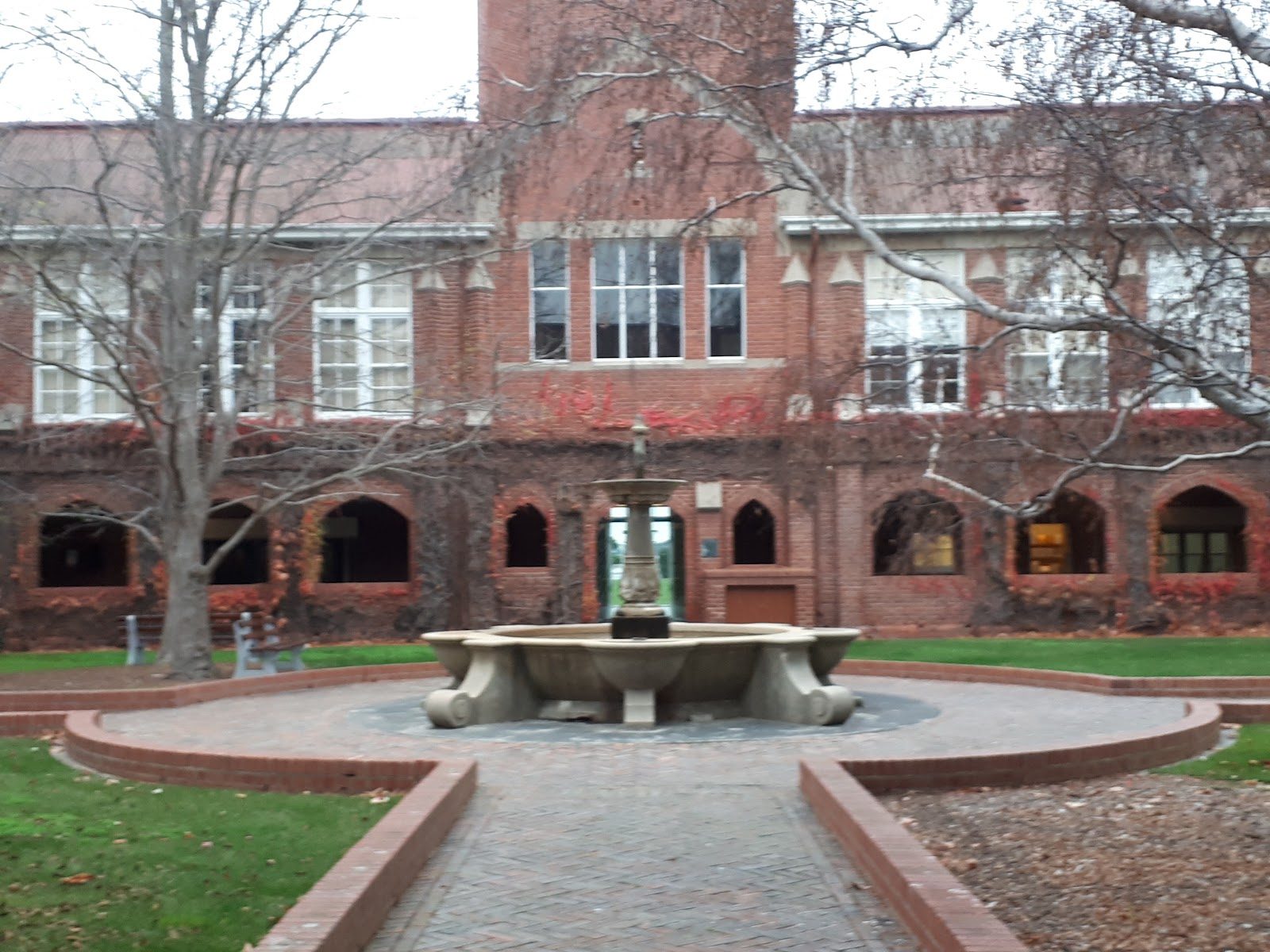
Photo © Megan Jeffery via Google Maps
Type
Both
Ages
3–18
Curriculum
IB · VCE
Qualifications
IB Diploma
Ratio
8:1
The Verdict
Editor's commitment
Right for
Children who will use the full machine: Timbertop in Year 9, then IB or VCE, with an 8:1 student-teacher ratio.
Wrong for
Families who dislike boarding culture, Anglican framing or institutional scale; average boarding fees are AUD 88,430 and Corio spans 230 hectares.
Watch out for
Positive Education is central here, not decorative; check that against ICSEA 1175, Y9 Reading 622, and destinations from Cambridge to Boston University.
Ranking breakdown
Geelong Grammar School · # of 1591
Composite score 76.4. 8 weighted criteria.
By criterion
Academic Outcomes
Weight 20%
#585
of 1529 scored
University Placement
Weight 16%
#584
of 1529 scored
Prestige & Heritage
Weight 12%
#35
of 1571 scored
Alumni Network
Weight 12%
#9
of 1530 scored
Facilities
Weight 12%
#21
of 1534 scored
Transparency & Communications
Weight 8%
#288
of 1532 scored
Peer & Industry Review
Weight 10%
#66
of 1548 scored
Admissions Selectivity & Demand
Weight 8%
#647
of 1529 scored
Score history
Geelong Grammar School · 2026
Movement across 2024–2026. Peer average overlaid.
Overall — 2024–2026
76.4/ 100
▲ +16.5 vs 2025
year on year
Peer & Industry Review
How Geelong Grammar School is regarded in the sector
91
Top-tier · high confidence
Geelong Grammar School is consistently cited as Australia's most prestigious boarding school in independent press, including Tatler and international education directories, and is famous for its Timbertop program and royal alumni connection (King Charles III attended in 1966). It is Australia's most expensive school and is routinely referenced as the benchmark in 'best schools in Australia' coverage by outlets like The Australian, Good Schools Guide International, and expat-parent forums discussing Australian boarding options. Its alumni network includes prominent Australian business, media, and political figures, reinforcing its top-tier peer reputation.
Evidence sources
Editors' overview
The Year 9 Timbertop rite of passage is the point of difference that no rival can copy easily: every student decamps to a remote alpine campus for a year built around outdoor education, self-management and communal living. That single structural decision tells you a great deal about Geelong Grammar. This is not a school for families who want a narrow exam factory or a frictionless, urban day-school experience. It is a high-conviction school with an unusually clear view of adolescence: push students out of routine, make them tougher, then bring them back into a broad senior programme that spans both IB and VCE. The numbers support the premium positioning. Day fees average A$32,037 a year across the full ladder; boarding averages A$88,430. With a 8:1 student-teacher ratio and average class size of 18, it buys a level of staffing and supervision that many schools talk about and few deliver.
What keeps Geelong Grammar on a shortlist is the combination of institutional heft and educational distinctiveness. It was founded in 1855, has Anglican roots, and runs across specialist campuses rather than a single generic site: early years and junior provision, the main Corio campus, the Toorak campus, and Timbertop for Year 9. The school’s own language centres three pillars — Adventure Education, Positive Education and Creative Education — and that matters because Geelong Grammar did more than bolt on a wellbeing programme; it helped put Positive Education into the bloodstream of the independent sector. Parents need to read that carefully. For some children, that creates a remarkably expansive education with intellectual range, physical challenge and serious pastoral architecture. For others, it will feel over-engineered or too ideology-led. Academically, the school has the substance to avoid the charge that wellbeing crowds out results: MySchool records Year 9 Reading at 622 and Numeracy at 618 against an ICSEA of 1175, and the school offers two senior pathways rather than forcing every student down a single track.
The right student for Geelong Grammar is bright, resilient and ready for a school that asks a lot beyond the classroom. Boarders who want a full-immersion campus life fit the place well, but day pupils who want scale, facilities and a broad co-curricular life also have a strong case. This is an especially good match for students who gain from structure, outdoor challenge and strong adult oversight, and for families who value character formation as much as university preparation. Recent destinations include Boston University, the University of Cambridge and Central Saint Martins; the alumni base is formidably connected, with 169 notable alumni catalogued in Wikidata across politics, business, scholarship and sport. The weaker point is clarity on aggregate leavers’ outcomes: the school does not publish the kind of headline destination or exam data that would let parents benchmark it cleanly against its direct competitors. Even so, the market position is plain. Geelong Grammar sits in the top tier of Australian independent schools: expensive, distinctive, and built for families who want breadth, boarding culture and a school experience with real edge.
Academic Performance
Geelong Grammar has academic credibility, but it does not trade in the clean, high-volume scorecard publishing that some rivals use to dominate comparisons. The school offers both senior pathways, which gives families real flexibility, yet public disclosure on headline outcomes is thin where it matters most. We have not seen aggregate IB averages, top IB scores, median study scores, VCE subject-by-subject distributions or a full university destinations table. That leaves parents without the hard-edged benchmarking available at the most results-forward Australian independents. The evidence that is public points to a school with strong academic foundations rather than a narrowly coached exam machine: MySchool places Year 9 Reading at 622 and Numeracy at 618, both consistent with a high-attaining intake and a serious classroom standard.
Relative to peers, that puts Geelong Grammar in the upper tier academically but not in the small club of schools that flood the market with exam statistics and use them as a selling point. Its academic proposition rests on breadth, staffing strength and a senior programme wide enough to accommodate different kinds of able student, including those who thrive outside a single examination culture. That is a credible position, but it asks for trust. Parents who want exhaustive published proof of examination outcomes will find more transparency elsewhere. Parents who value strong attainment inside a much broader educational design will find enough here to take the school seriously.
Facilities
The facility that matters most here is not a theatre or a sports hall but the school’s three-campus structure, capped by the compulsory Year 9 move to Timbertop. That gives Geelong Grammar something peers struggle to match: a built environment designed around stages of childhood rather than one oversized main site. Corio carries the heavy lifting for middle and senior years, with boarding, sport and co-curricular life concentrated in one place; Toorak offers a separate urban day-campus option; Timbertop strips life back to a demanding residential reset in the Victorian High Country. For families who value real-world education rather than polished campus rhetoric, that is a serious asset. For families who want convenience and continuity on one site, it is a complication. The new Junior School and ELC at Corio also matter because they tighten the through-school pathway instead of leaving the early years as an afterthought.
Against peer schools, the standout is scale with purpose. The main campus spans 230 hectares, which places it in the top bracket for land and gives it room for the kind of boarding and outdoor programme that urban independents cannot stage at anything like the same intensity. The school’s own claim to Australia’s largest co-educational boarding community carries weight because it signals the depth of residential infrastructure, not just bed numbers. What Geelong Grammar has less of is the showpiece-glamour some rivals use in music, drama or sixth-form social spaces. This is a campus estate built for full-immersion schooling, pastoral supervision and movement between settings, not for boutique luxury.
What keeps Geelong Grammar on a shortlist is the combination of institutional heft and educational distinctiveness
Prestige
Geelong Grammar carries top-tier name recognition in Australian independent education, and not only because it is expensive and old. Its prestige rests on three harder assets: scale, social reach and a school design that other institutions still cite but cannot replicate. The alumni footprint is immense by any serious standard: 169 notable alumni catalogued in Wikidata, including heavy representation in politics, business, scholarship and sport. That does not prove classroom quality on its own, but it does prove enduring access to influential networks and a long record of producing graduates who move into public life. Add the school’s status as home to Australia’s largest co-educational boarding community, and the social capital becomes obvious. This is a school with institutional weight.
The prestige is also distinctive rather than generic. Many schools can claim strong facilities, polished branding and affluent families. Far fewer can point to a compulsory Year 9 residential year in the Victorian High Country and make it central to the identity of the school rather than a bolt-on adventure camp. That gives Geelong Grammar a high-status seriousness of purpose: it projects confidence, resources and an ability to shape adolescence on its own terms. The limitation is clear enough. Public academic outcome data are less explicit than at some direct rivals, so part of the school’s standing still rests on reputation, history and networks rather than open scorecard dominance. Even with that caveat, this remains one of the best-known and most socially powerful school names in the country.
We have not seen aggregate IB averages, top IB scores, median study scores, VCE subject-by-subject distributions or a full university destinations table
Communications
Geelong Grammar communicates with the confidence of a school that expects families to enter an established system rather than negotiate it. The website is extensive, clearly segmented and practical: admissions, fees, transport, term dates, policies, governance, health, boarding life, wellbeing, giving and campus-specific information all sit in plain reach. That breadth matters at a multi-campus school with a compulsory residential year away from the main site. Parents need operational clarity, not slogan-heavy messaging, and Geelong Grammar delivers more substance than spin. The school also runs campus tours and Discovery Days, keeps an active news feed, publishes recent statements, and provides direct contact routes for admissions and the wider school. For a school of this complexity, that is competent, structured communication rather than airy prestige branding.
The limitation is transparency at the sharp end. Communications are strongest on ethos, pastoral life and the shape of the student journey; they are weaker on the hard comparative data many parents want once fees reach this level. We have not seen a full destinations table or aggregate senior results published in the kind of detail that lets families test claims against peers. That leaves the public story carefully managed and a touch one-directional: rich on experience, lighter on outcomes. Still, for day-to-day parent communication, the architecture looks serious and fit for purpose. A school spread across specialist campuses and charging an average of A$32,037 for day places and A$88,430 for boarding cannot afford muddle, and Geelong Grammar does not communicate in a muddled way.
Uniqueness
What sets Geelong Grammar apart is structural, not cosmetic. Most schools bolt outdoor education, wellbeing and creative work around the edges of a conventional timetable. Geelong Grammar rebuilds the adolescent experience around them. The decisive move is Timbertop: every student spends Year 9 at a separate residential campus in the foothills, living away from the routines and comforts of the main school. That is radical by mainstream standards. It forces independence, tests stamina and resets peer culture at exactly the age when many schools tighten classroom control and narrow expectations. The result is a school with a high-conviction model of education rather than a collection of attractive extras.
That structure brings real gains. Students get a school life with much greater range than the standard day-school arc: younger children move through specialist settings, teenagers hit a compulsory year of physical challenge and communal responsibility, then return to senior school with broader judgement and more self-command. The school’s three stated pillars also carry more weight here than at institutions that use wellbeing as branding. Geelong Grammar helped drive Positive Education into the sector, and the low staffing ratio of 8:1 gives that pastoral ambition operational force. For the right child, this produces a formative, full-immersion education with adult oversight, outdoor hardship and intellectual breadth in one frame. The trade-off is plain. Students who want a purely urban, convenience-first or relentlessly exam-driven school will find the model demanding and intrusive.
The facility that matters most here is not a theatre or a sports hall but the school’s three-campus structure, capped by the compulsory Year 9 move to Timbertop
Student Profile
Geelong Grammar suits students who can handle structure, scrutiny and a school life that does not revolve around academic lessons alone. The strongest fit is a child with stamina: socially adaptable, game for communal expectations, and able to cope when comfort drops and adult expectations rise. That matters most for boarders and for any family considering the school’s compulsory Year 9 relocation. A teenager who resents managed routines, shared living or organised challenge will chafe here. A student who grows through responsibility, physical activity and close pastoral oversight will thrive. The low staffing ratio of 8:1 and average class size of 18 support children who benefit from adults knowing them well, but they also reduce the room to drift unnoticed. This is a high-contact, demanding environment.
Socially, the school works best for confident joiners or for quieter students willing to participate even when it feels uncomfortable. It has the scale and tradition to absorb many personalities, but not much patience for detachment. Families drawn to full-immersion school culture, strong house identity and a serious pastoral frame will find a good match. Families who want anonymity, loose supervision or a narrowly transactional route to university will not. The day-fee and boarding averages place it firmly in the expensive end of the market, so the student profile also includes children from families prepared to buy into a whole-school way of life, not just a timetable.
Geelong Grammar carries top-tier name recognition in Australian independent education, and not only because it is expensive and old
Co-curricular strengths
Arts & sport, on a separate axis
Overall 8.92/10
Scored 0-10 from the school's own published evidence. This axis is editorial-only — it does not feed the main WTS ranking.
Sports
9.4/10
Handbury Centre for Wellbeing yields world-class polo, equestrian, and rowing tracks; Year 9 at the remote Timbertop campus requires running up to 25km a week.
Drama
9/10
The dedicated SPACE (School for Performing Arts & Creative Education) facility provides professional multi-tier commercial theaters.
Dance
7.5/10
Maintained as a core artistic pillar within the creative education curriculum, running regular modern workshops and house dance spectacles.
Music
9.3/10
Highly advanced recording hubs and acoustic studios inside the SPACE precinct support large symphonic wind bands.
Visual Arts
9.4/10
Massive industrial art hubs specialized for fine oils, architectural drafting, and high-end digital media design.
Editor-verified · 8/6/2026
Outcomes & destinations
Where students go next
Top destinations
30 placements
- Boston University· 1
- University of Cambridge· 1
- Central Saint Martins· 1
- Chulalongkorn University· 1
- De Anza College· 1
- Ecole Hôtelière de Lausanne· 1
- Harvard University· 1
- Imperial College London· 1
- King's College London· 1
- London College of Communication· 1
- Loughborough University· 1
- Mahidol University· 1
- New York University· 1
- Parsons – The New School· 1
- Penn State· 1
- Princeton University· 1
- Royal Agricultural College· 1
- Stanford University· 1
- University of St Andrews· 1
- Syracuse University· 1
- University College London· 1
- University of British Columbia· 1
- University of Canterbury· 1
- University of Edinburgh· 1
- University of Manchester· 1
- University of Melbourne· 1
- University of Pennsylvania· 1
- University of Texas· 1
- Wake Forest University· 1
- Yale University· 1
Reported by the school. Confirm with admissions.
Notable alumni · Wikidata
169notable alumni
110 historic (born pre-1930) · 22 modern (born post-1970)wikidata:2026-07-28 How we source this
MySchool · ACARA
Australian benchmarks
Editorial estimateReporting year
2023
ICSEA index
1175
+175 vs national average (1000)
Student cohort by national ICSEA quarter
Year 9 NAPLAN — mean scale score
Dashed line = national average
Attendance
93.7%
Enrolments
1580
Sector
Independent
Year range
P–12
Corio-based co-ed with the flagship Timbertop Year 9 wilderness campus.
MySchool.edu.au source pageEditor-approximated from MySchool.edu.au. Awaiting school-attested figures.
WTS 300 badge
2025/26 editionGeelong Grammar School is one of the World's Top 300 Schools for 2025/26. Claim your listing to add it to your site →
Strengths
- +Founded in 1855, Geelong Grammar is one of Australia's oldest independent schools, occupying a 245-hectare Corio Bay campus since 1914.
- +All Year 9 students attend the compulsory Timbertop campus in the Victorian Alps, a full-boarding wilderness and outdoor-education programme unique among Australian schools.
- +Senior students choose between the IB Diploma and the VCE, giving families flexibility over university pathways in Australia and overseas.
- +The school pioneered whole-school Positive Education, with explicit wellbeing curriculum delivered at every year level and over 300 staff trained in the programme.
- +Alumni include King Charles III and several Australian prime ministers, reflecting a long-standing network among Australia's political and business establishment.
Considerations
- −Fees are among the highest in Australia, with 2026 Year 12 day tuition around AUD 55,380 and full boarding fees near AUD 93,840, excluding levies and extras.
- −The compulsory Timbertop year requires all Year 9 students to board full-time in a remote rural location roughly three hours from Melbourne, even for day-school families.
- −Admission is non-selective, and published median ATAR results (around 83 for the combined IB/VCE cohort) trail those of some more academically selective Melbourne schools.
- −With roughly 1,500-1,600 students spread across four campuses, the school operates at a scale that can feel less intimate than smaller boarding rivals.
Availability
Primary entry gate & tests
Edutest + Interview
Gallery
Photo © Megan Jeffery via Google Maps
Photo © Megan Jeffery via Google Maps
Photo © J C via Google Maps
Photo © William Sie via Google Maps
Photo © Eureka Stockade via Google Maps
Photo © J C via Google Maps
Photo © Eureka Stockade via Google Maps
Photo © J C via Google Maps
Photo © Yahaya Abdullah via Google Maps
Parent reviews
Have you sent your child here?
Voice reviews carry the strongest trust badge — we transcribe them for you to tidy up before they go live. Prefer to type? A written review is fine too.
Add your voice
In 60 seconds, tell other parents: what's the best thing about Geelong Grammar School, and what surprised you when your child joined?
We ask for a Google sign-in so every review has a real face behind it — no anonymous drive-by attacks on schools, and no faked positive reviews. Your email is never shown publicly.
Send this profile to a friend
International parents rely on word-of-mouth. Share this review with someone weighing the same decision.
Schools with places
Similar schools to Geelong Grammar School with places available now.
Melbourne Grammar School
Melbourne · Australia
- 2026-27
- WAITPOOLVacancy-dependent
- 2027-28
- PLACES OPENBoarding open; Day waitpool
Scotch College
Melbourne · Australia
- 2026-27
- WAITPOOLVacancy-dependent
- 2027-28
- PLACES OPEN
Methodist Ladies' College
Melbourne · Australia
- 2026-27
- WAITPOOLVacancy-dependent
- 2027-28
- PLACES OPEN
Wesley College
Melbourne · Australia
- 2026-27
- WAITPOOLVacancy-dependent
- 2027-28
- PLACES OPEN
Availability first, then country, area, curriculum, price, co-curricular
Consider also
Also worth looking at alongside Geelong Grammar School.
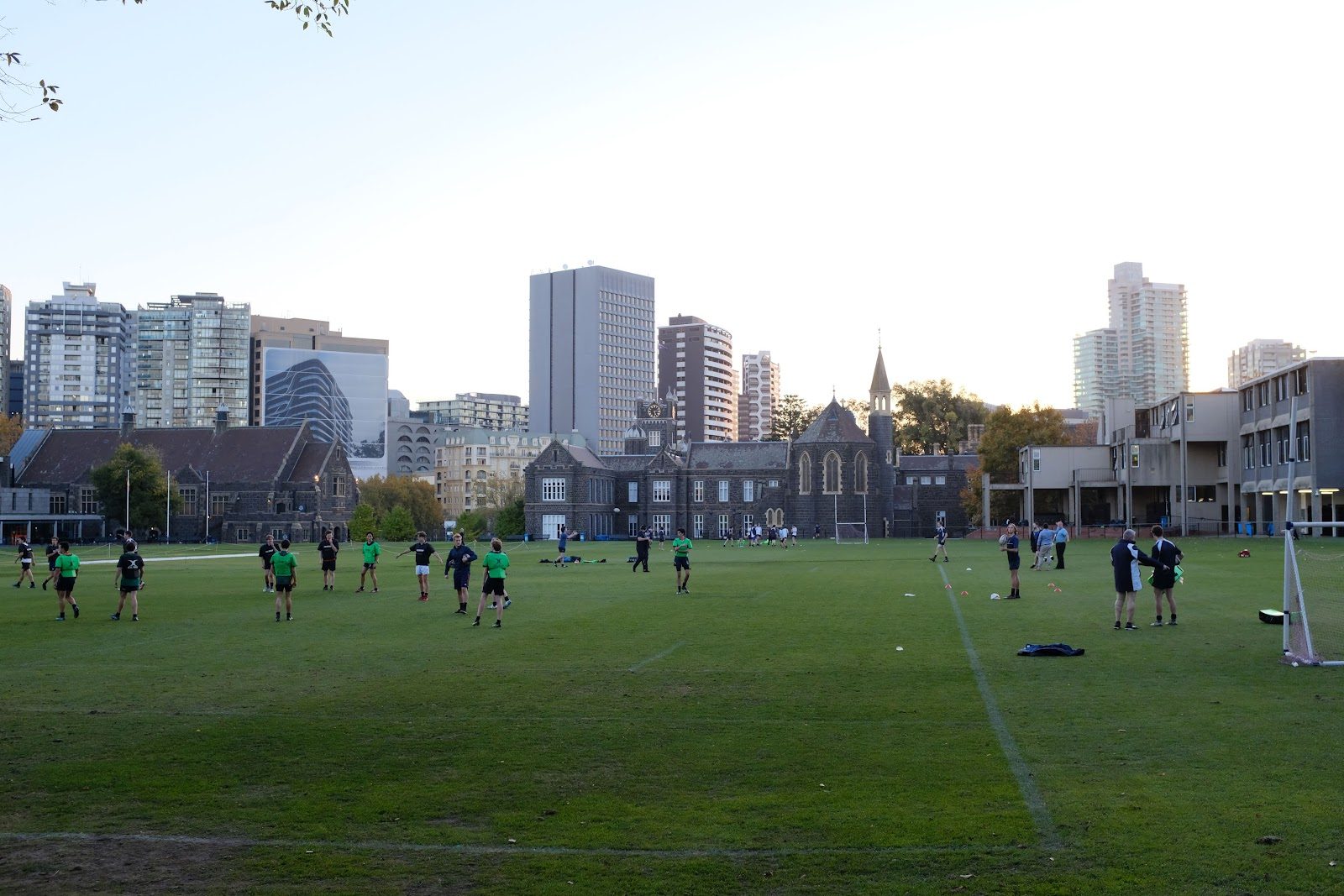
Melbourne Grammar School
Melbourne · Australia
Site of the first recorded Australian Rules football match in 1858, its bluestone St Kilda Road campus still borders the Royal Botanic Gardens.
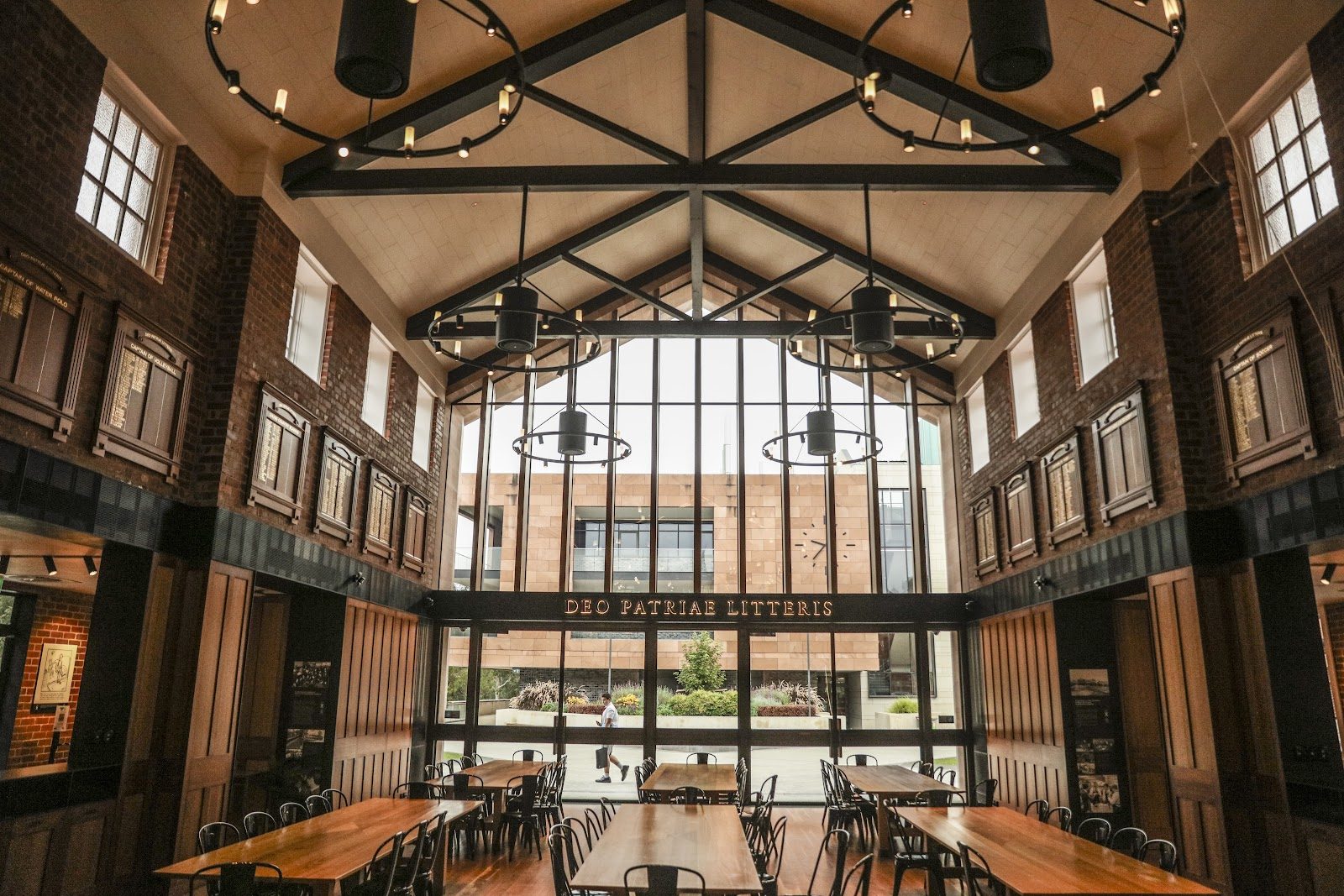
Scotch College
Melbourne · Australia
Founded in 1851 on the Yarra, Victoria's oldest secondary school blends IB and VCE with non-selective results that rival the selective few.
The King's School (Parramatta)
Parramatta · Australia
Australia's oldest independent school, where an 1831 foundation still marches in the country's oldest surviving military uniform and cadet corps.
Methodist Ladies' College
Melbourne · Australia
First school worldwide to put laptops in every student's hands in 1990, now pairing deep VCE-IB choice with an eight-week Marshmead wilderness term.
Same country and curriculum — closest matches within ±10 points either way