
Dubai
Born of a 1978 royal decree to build a school here, this secondary-only campus fuels a steady stream of Oxbridge offers.
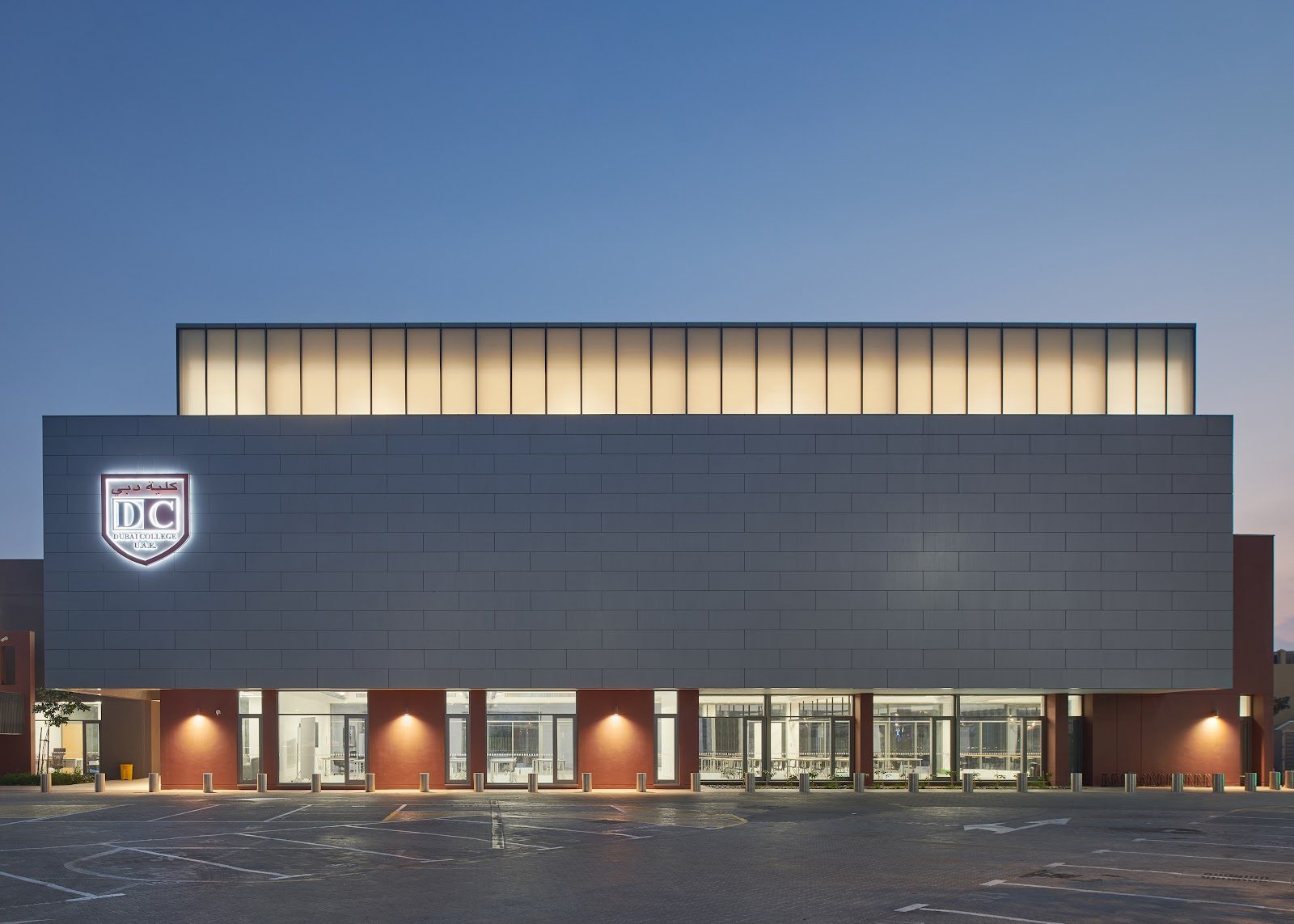
Photo © Dubai College via Google Maps
Type
Day
Ages
3–18
Curriculum
British
Ratio
10:1
The Verdict
Editor's commitment
Right for
Families buying hard academic currency: KHDA Outstanding, CIS-accredited, 10:1 teaching, and Manchester already taking six leavers.
Wrong for
Anyone wanting a small, inexpensive niche school: the average annual fee is AED 101,098 and this British day school runs 3–18.
Watch out for
The headline is academic lift, not breadth for breadth's sake; UC San Diego, Manchester and Queensland destination data are thin, not expansive.
Ranking breakdown
Dubai College · # of 1591
Composite score 77.3. 8 weighted criteria.
By criterion
Academic Outcomes
Weight 20%
#66
of 1529 scored
University Placement
Weight 16%
#59
of 1529 scored
Prestige & Heritage
Weight 12%
#289
of 1571 scored
Alumni Network
Weight 12%
#334
of 1530 scored
Facilities
Weight 12%
#120
of 1534 scored
Transparency & Communications
Weight 8%
#123
of 1532 scored
Peer & Industry Review
Weight 10%
#147
of 1548 scored
Admissions Selectivity & Demand
Weight 8%
#334
of 1529 scored
Score history
Dubai College · 2026
Movement across 2024–2026. Peer average overlaid.
Overall — 2024–2026
77.3/ 100
▲ +28.7 vs 2025
year on year
Peer & Industry Review
How Dubai College is regarded in the sector
91
Top-tier · high confidence
Dubai College sits at the very top of the Emirates' academic pecking order, with WhichSchoolAdvisor going so far as to say that if Dubai were mature enough to have an Ivy League school, this would be it. Its selectivity and small, scholarly cohort translate into examination outcomes that WhichSchoolAdvisor places firmly within the top tier of UK curriculum schools locally and internationally, while SchoolsCompared praises "genuinely world class teaching results" and outstanding attainment across core disciplines. The College has collected Top School Awards for Best Post-16 Education and Best British Curriculum School, and both publishers flag its long waiting list and not-for-profit governance as proof of enduring rather than marketed prestige. The one recurring caveat is dated facilities and a total absence of vocational or BTEC pathways, reflecting a deliberately narrow academic focus rather than any dip in reputation.
Award

Elite Entrepreneurship, Economics & Finance 60
World's Top School · The Global Ranking
Dubai College is featured on our Global Top 60 ranking at #37. This seal is available for the school's marketing team to use on their website, prospectus and social channels.
Editors' overview
Dubai College trades on scarcity and pressure. Born of a 1978 royal decree and still carrying serious local cachet, it sits in Dubai’s market as a fiercely academic British school with the confidence to be selective and the track record to justify it. The KHDA rates it Outstanding, the student-teacher ratio is 10:1, and the school holds CIS accreditation. That combination matters: strong inspection, credible external accreditation, and a staffing ratio that supports depth in sixth-form teaching rather than crowd control. The average annual day fee across the full ladder is AED 101,098, which puts it firmly in Dubai’s expensive top tier. Parents are paying for a school with an entrenched reputation, not a glossy newcomer trying to manufacture one.
What marks Dubai College out is the blend of examination discipline and old-school breadth. The school pushes hard on academics, but it does not confine its identity to grades; its own account stresses four pillars — academic, sporting, creative and philanthropic life — and that rings true to the kind of institution it is. This is not a soft environment. It suits able, self-propelling students who want teachers to stretch them and peers who will do the same. The editorial tagline’s reference to a steady stream of Oxbridge offers gives a clear signal about ambition, even if the school does not publish full destination breakdowns here. The destinations listed in the context still show range beyond the UK: the University of Manchester, UC San Diego and the University of Queensland all feature.
Why shortlist it? Because Dubai has no shortage of premium British schools, but fewer with this level of institutional weight. Dubai College has been in the market long enough to build habits, standards and alumni traction that newer rivals cannot improvise. It is a day school, non-religious, taught in English and Arabic, and its strongest draw is for families who want a serious, high-pressure academic culture without boarding. The best fit is a student who enjoys competition, can cope with pace, and wants a campus where achievement in lessons, sport and the arts carries equal status. Children who need a gentler, more pastorally cushioned ride have better options elsewhere; students energised by stretch, expectation and a no-nonsense peer group will understand very quickly why this school stays on shortlists.
An Elite Entrepreneurship, Economics & Finance 60 school
Dubai College, in the Al Sufouh district of Dubai, holds an elite ranking for economics, finance and entrepreneurship. Founded in 1978, it approaches the discipline through rigorous classroom economics rather than a built-out venture-creation infrastructure. Economics is offered as a full GCSE and A-Level subject, and the department is understood to run applied enrichment beyond the syllabus, giving able pupils a route to competition-level economics.
The strength here is genuine but narrower than at schools with dedicated finance labs. Based on available evidence, the school does not have a named entrepreneurship department, a Bloomberg terminal, a published student-run investment fund, or a verified cohort-wide venture-creation programme; its distinction rests on serious academic economics feeding capable individuals into competitive external pathways. Progression data supports this framing: recent leavers have taken up places at institutions with strong economics and business standing, including the London School of Economics, the Wharton School and NYU Stern School of Business.
International openness is real but structured around a day-school model with no boarding option. Overseas applicants can complete the full admissions process remotely, though the school requires fluency in written and spoken English. Day fees for the current year are AED 101,000. Year 7 is the primary entry point and demand consistently exceeds places, with more than four applications per place reported for recent Year 7 entry, so families relocating to Dubai for this specific pathway should apply well ahead and confirm UAE residence-visa arrangements early, since boarding is not available as a fallback for delayed moves.
Academic Performance
Dubai College’s academic reputation rests on selectivity, pace and public exam culture, but the school does not publish the aggregate GCSE or A-level data that would let parents test the claim in detail. That matters. In a market where top academic schools trade heavily on scorecards, the absence of headline subject-by-subject outcomes leaves an opaque patch in an otherwise high-accountability profile. What is clear from the school’s own description, and from its long-standing standing in the market, is that this is a results-driven institution built around examination success and deep subject teaching, not a broad church trying to accommodate every learner. The recent university destinations disclosed in the context are modest in number, but they point to credible progression into recognised institutions rather than weak placement dressed up as global reach.
Relative to peers, Dubai College sits in the top academic bracket of Dubai’s British schools on reputation and regulatory standing, with the confidence to run a demanding senior phase for students who can handle pressure. The question is not whether standards are high; they are. The question is how far they exceed rival schools with similar fee levels and similarly ambitious intakes. Without published aggregate exam statistics, parents must rely on inspection strength, destination quality and the school’s entrenched reputation. That still places Dubai College among the city’s serious academic operators, but not among the most transparent.
Facilities
Dubai College’s facilities matter because the school asks pupils to perform across more than lessons. The campus supports that expectation with the infrastructure of a serious all-round school, not a bare academic factory: strong sporting provision, space for creative work, and the kind of sixth-form study environment that suits pupils carrying heavy examination loads. The school’s own account puts sport and the arts alongside scholarship, and that fits the institution’s long-standing identity. Against Dubai peers in the premium British bracket, this reads as well-rounded rather than theatrical. Some rivals chase impact with ever larger atriums, black-box showpieces and hospitality styling. Dubai College’s draw lies elsewhere: facilities built for repeated use by committed students, with less emphasis on flashy excess.
That said, public detail is thinner than parents should accept from a school at this price point. The school does not publish a crisp, room-by-room account of specialist spaces, nor the kind of visual evidence that lets families judge science labs, design technology, performance venues or strength-and-conditioning provision with confidence. For a campus charging an average of AED 101,098 a year, that lack of disclosure is a real weakness. Peer schools at this level now give parents far clearer sight of theatres, pools, pitches, maker spaces and senior study centres. Dubai College still carries enough institutional confidence to get away with saying less, but the facilities story remains under-explained when benchmarked against the market’s most transparent operators.
Dubai College’s uniqueness lies in the combination of selective entry, not-for-profit governance and a deeply entrenched local reputation
Prestige
Dubai College carries real prestige in Dubai because it has something newer premium schools spend years trying to buy and still fail to secure: inherited status with parents, pupils and universities. Selective entry matters here. So does the school’s long record of sending leavers into strong destinations and its continuing hold on the city’s established professional families. The regulator’s top grade reinforces that standing, but inspection alone does not create this level of cachet. Dubai College has a hard-edged academic identity, a recognisable old-guard reputation and an alumni network with enough public visibility to extend the school’s name beyond the Gulf. Even the fee level — an average of AED 101,098 a year — signals that this sits in the prestige bracket of the market, not the middle.
We rate its prestige highly because the school combines scarcity, selectivity and institutional memory in a way few Dubai schools can match. It is not prestigious in a polished, luxury-hotel sense; it is prestigious in the more durable sense of being widely respected, hard to access and taken seriously by families who know the market well. The public notable-alumni trail is not vast, with 5 catalogued in Wikidata, but prestige here rests less on celebrity than on earned academic standing and social capital built over decades. That makes a Dubai College education valuable not just for teaching quality, but for the signal it sends: this is a school with serious local weight.
What marks Dubai College out is the blend of examination discipline and old-school breadth
Communications
Dubai College communicates with the confidence of a school that does not feel any need to sell itself. That has strengths and costs. The public-facing message is coherent: high standards, broad student development, not-for-profit governance, and a culture built around hard work, kindness and integrity. Parents will understand the school’s central proposition quickly. The problem sits in the detail. For a school charging an average annual day fee of AED 101,098, the website gives a curated, institution-first picture rather than a parent-service one. It tells families what the school values; it does not give enough operational clarity about outcomes, facilities or the day-to-day mechanics that matter once a child is enrolled. That imbalance makes the communications style confident but withholding.
Effectiveness, then, depends on the audience. Families already sold on the school’s name and culture will read this as self-assured and efficient. Analytical parents comparing options line by line will find gaps. We have not seen the level of routine public disclosure that now marks the strongest communicators in Dubai’s premium tier: fuller academic data, sharper practical information, and richer evidence of student life beyond leadership rhetoric. The school’s communications do one job very well — protecting brand gravity — but they do a weaker job of opening the doors. That suits an institution with long-standing demand. It does not suit parents who expect full transparency at a six-figure fee level.
Uniqueness
Dubai College’s uniqueness lies in the combination of selective entry, not-for-profit governance and a deeply entrenched local reputation. Plenty of premium schools in Dubai promise ambition; far fewer can enforce a genuinely demanding admissions bar and then sustain that standard across the whole senior journey. This gives students something concrete: a peer group that works hard as a norm, not as an exception, and teachers who can pitch lessons at a high level without slowing the room to accommodate wide academic spread. The school’s own four-pillar model also matters here. In weaker hands, “academic, sporting, creative and philanthropic” reads like stock phrasing. At Dubai College it reflects a hard-driving culture in which success outside the classroom carries real status instead of serving as decorative enrichment.
For students, that translates into an education with a distinct social texture. Competition is baked in, but so is institutional loyalty; schools with this kind of age and standing tend to produce strong internal traditions, durable friendships and an alumni network that keeps its value after graduation. The public notable-alumni record is not huge at 5, but the school’s cachet rests on the quality of its long-built reputation, not on celebrity roll calls. Add the regulator’s top judgement and the low staffing ratio already noted, and the result is a school that offers serious stretch with less of the corporate polish, branding noise and manufactured lifestyle gloss found elsewhere in Dubai’s premium tier.
Dubai College has been in the market long enough to build habits, standards and alumni traction that newer rivals cannot improvise
Student Profile
Dubai College suits students who thrive on selection, pace and comparison with strong peers. This is a school for children who do not need coaxing to complete work, organise themselves or recover from a disappointing mark. The best fit is academically ambitious, competitive without constant drama, and willing to be judged against a high-performing cohort. That extends beyond lessons. The school’s own four-pillar framing points to a student body expected to contribute in sport, creative work and service, not just collect grades and go home. Families looking for a gentle or therapeutic environment are in the wrong market segment here. Families looking for a high-pressure, high-expectation culture with real social and academic cachet will recognise the appeal immediately.
The social fit matters as much as raw ability. Students who prosper here tend to handle direct feedback, busy schedules and the visibility that comes with a secondary-only campus. They need resilience, decent self-command and enough confidence to operate in a room where achievement is normalised. The low staffing ratio of 10:1 helps teachers know pupils well, but it does not turn the school into a pastorally soft setting. It remains a place for self-propelling teenagers who want stretch and can live with the fact that many classmates are aiming at the same narrow band of outcomes. For the right child, that produces momentum. For the wrong one, it produces strain fast.
That still places Dubai College among the city’s serious academic operators, but not among the most transparent
Co-curricular strengths
Arts & sport, on a separate axis
Overall 8.98/10
Scored 0-10 from the school's own published evidence. This axis is editorial-only — it does not feed the main WTS ranking.
Sports
9.2/10
Extensive dedicated sports facilities including rugby and football pitches, cricket pitch and nets, astroturf tennis and netball courts, a Sports Pavilion, and the 2020 SPACE sports centre with indoor gym, fitness suite and swimming pool, alongside recurring named events such as the Dubai College Rugby 7's and 10's.
Drama
9.2/10
A theatre supporting a serious co-curricular programme and drama productions, plus a 950-seat auditorium and a state-of-the-art black box theatre with drama classrooms, which is purpose-built dedicated provision.
Dance
8.5/10
Music
9.2/10
Music facilities and a school orchestra, plus a Music Centre with a recording studio plus several individual music practice rooms, evidencing dedicated facilities for a notable programme.
Visual Arts
8.8/10
Dedicated art rooms, and a specialised Art department and the 2024 Jafar Center housing the art department across three floors, indicating named departmental provision in dedicated space.
Editor-verified · 8/6/2026
Outcomes & destinations
Where students go next
Class of 2020
Top destinations
137 placements
- University of California, San Diego· 1
- University of Manchester· 6
- University of Queensland· 1
- University of Toronto· 1
- University of Bath· 5
- University of York· 3
- Imperial College London· 4
- University of Warwick· 4
- University of Cambridge· 8
- University of Edinburgh· 7
- Royal Holloway, University of London· 2
- University of Southampton· 1
- University of Exeter· 7
- School of Oriental and African Studies, London· 1
- Cardiff University· 5
- Durham University· 5
- Leeds Beckett University· 1
- King’s College London· 2
- University of Oxford· 4
- University of Melbourne· 1
- Newcastle University· 5
- University of British Columbia· 1
- University of Pennsylvania· 1
- University College London· 5
- University of California, Berkeley· 2
- Georgia Institute of Technology· 1
- University of Florida· 1
- University of Liverpool· 1
- Massachusetts Institute of Technology· 1
- Johns Hopkins University· 1
- Yale University· 1
- Loughborough University· 1
- University of Sheffield· 1
- University of Sydney· 1
- Swansea University· 2
- University of Bristol· 6
- London School of Economics· 3
- Brown University· 2
- Stanford University· 4
- New York University· 4
- Guildhall School of Music and Drama· 1
- City, University of London· 1
- University of California, Los Angeles· 3
- University of Nottingham· 2
- The Wharton School of the University of Pennsylvania· 2
- Carnegie Mellon University· 2
- University of Strathclyde· 1
- NYU Stern School of Business· 1
- Manchester Metropolitan University· 1
- Tufts University· 2
- Trinity College Dublin· 1
- University of Amsterdam· 1
- University of Auckland· 1
- University of St Andrews· 1
- University of California, Santa Barbara· 1
- Guildford School of Acting· 1
- Queen Mary, University of London· 1
- École Polytechnique Fédérale de Lausanne· 1
Reported by the school. Confirm with admissions.
Notable alumni · Wikidata
5notable alumni
Includes
- David Chaggar(1980)
0 historic (born pre-1930) · 5 modern (born post-1970)wikidata:2026-07-28 How we source this
Official inspection · Dubai
KHDA report · 2023/24
Official · KHDAInspectorate
Knowledge & Human Development Authority
Dubai's mandatory education regulator; annual DSIB inspections.
Curriculum
British
Held vs previous cycle
Full report
KHDA report finderRating history

WTS 300 badge
2025/26 editionDubai College is one of the World's Top 300 Schools for 2025/26. Claim your listing to add it to your site →
Strengths
- +Rated Outstanding by the KHDA, consistent with the independent WhichSchoolAdvisor assessment.
- +Strong record of progression to leading universities, with recent leavers taking up offers at Oxford, Cambridge and a range of Russell Group and US institutions.
- +Operates as a not-for-profit school, meaning surplus fee income is reinvested in the school rather than distributed to shareholders.
- +World-class co-curricular provision in sport, music and drama, with elite standards in visual arts and dance.
- +Structured pastoral provision through a timetabled positive-education programme covering wellbeing and life skills across all year groups.
Considerations
- −Day fees rise from AED 97,415 in Year 7 to AED 110,305 in Year 13, placing the school among Dubai's most expensive, with a refundable debenture also applying to new entrants.
- −Entry is highly competitive, with recent Year 7 admissions attracting more than four applications per place.
- −The school covers only Years 7-13 (ages 11-18), so families need separate primary schooling and must clear a competitive entrance assessment to join, with no direct entry to Years 11 or 13.
- −Single day-school campus in Al Sufouh with no boarding option, so it suits only families settled within a practical commute of that part of Dubai.
Availability
Primary entry gate & tests
CAT4-style Adaptive Test (15 Nov)
Gallery
Photo © Dubai College via Google Maps
Photo © Dubai College via Google Maps
Photo © Dubai College via Google Maps
Photo © Dubai College via Google Maps
Photo © Dubai College via Google Maps
Photo © Dubai College via Google Maps
Photo © Jomy AG via Google Maps
Photo © Dubai College via Google Maps
Photo © Dubai College via Google Maps
Recommended reading
Independent write-ups of this school from editorial outlets we trust.
- Dubai CollegeSchoolsCompared
Parent reviews
Have you sent your child here?
Voice reviews carry the strongest trust badge — we transcribe them for you to tidy up before they go live. Prefer to type? A written review is fine too.
Add your voice
In 60 seconds, tell other parents: what's the best thing about Dubai College, and what surprised you when your child joined?
We ask for a Google sign-in so every review has a real face behind it — no anonymous drive-by attacks on schools, and no faked positive reviews. Your email is never shown publicly.
Send this profile to a friend
International parents rely on word-of-mouth. Share this review with someone weighing the same decision.
Schools with places
Similar schools to Dubai College with places available now.
Dubai English Speaking College
Dubai · United Arab Emirates
- 2026-27
- CLOSEDStandard route
- 2027-28
- OPENS SOONOpens Sept '26
Safa Community School
Dubai · United Arab Emirates
- 2026-27
- PLACES OPENApps open / space-dependent
- 2027-28
- PLACES OPEN
North London Collegiate School Dubai
Dubai · United Arab Emirates
- 2026-27
- WAITPOOLSpace-dependent
- 2027-28
- OPENS SOONOpens Sept '26
Brighton College Dubai
Dubai · United Arab Emirates
- 2026-27
- PLACES OPENApps open / space-dependent
- 2027-28
- PLACES OPENAdmissions active year-round
Availability first, then country, area, curriculum, price, co-curricular
Consider also
Also worth looking at alongside Dubai College.
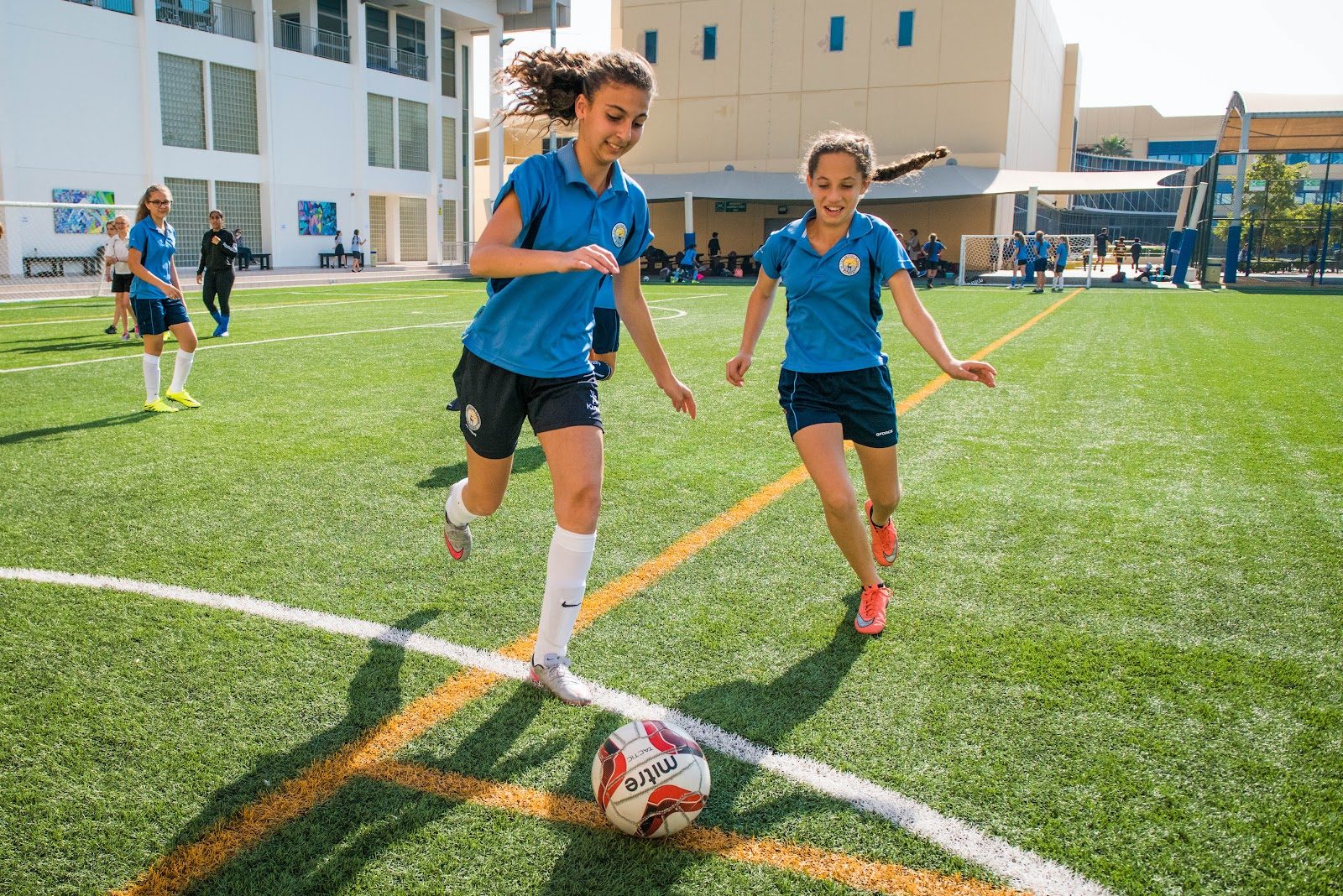
British School Al Khubairat
Abu Dhabi · United Arab Emirates
Raised on land gifted by Sheikh Zayed in 1968, this non-profit campus remains the Gulf's longest-running British curriculum school.

Jumeirah English Speaking School Arabian Ranches
Dubai · United Arab Emirates
A not-for-profit British day school in Arabian Ranches, its IB Diploma average of 37 outpacing the global mean of 30.
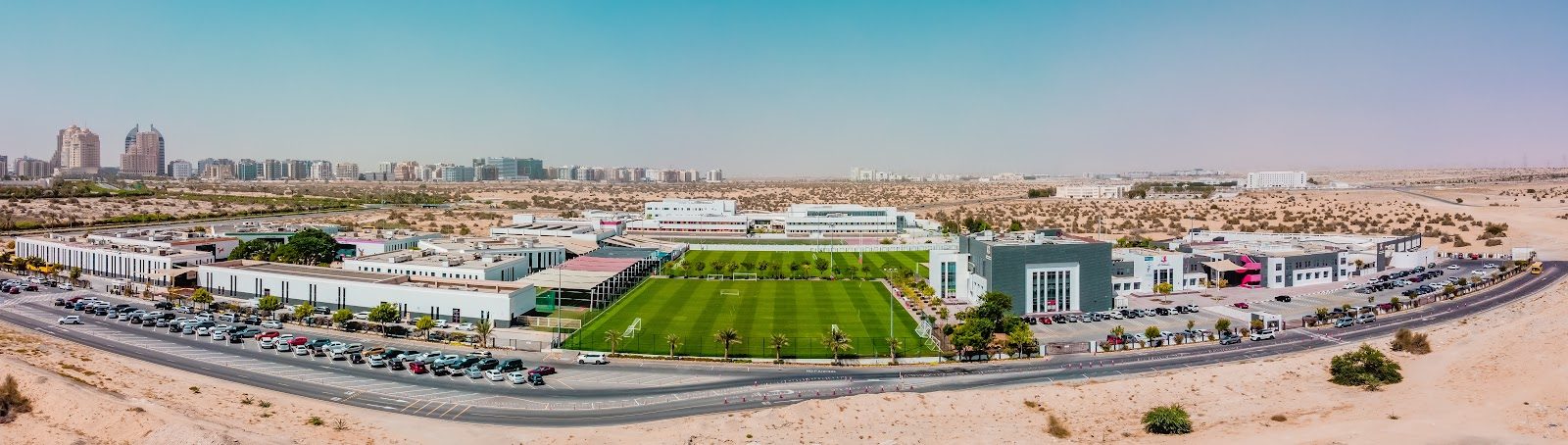
Dubai English Speaking College
Dubai · United Arab Emirates
Secondary heir to Dubai's oldest British school, pairing a not-for-profit ethos with a Sixth Form spanning A Levels to vocational BTECs.
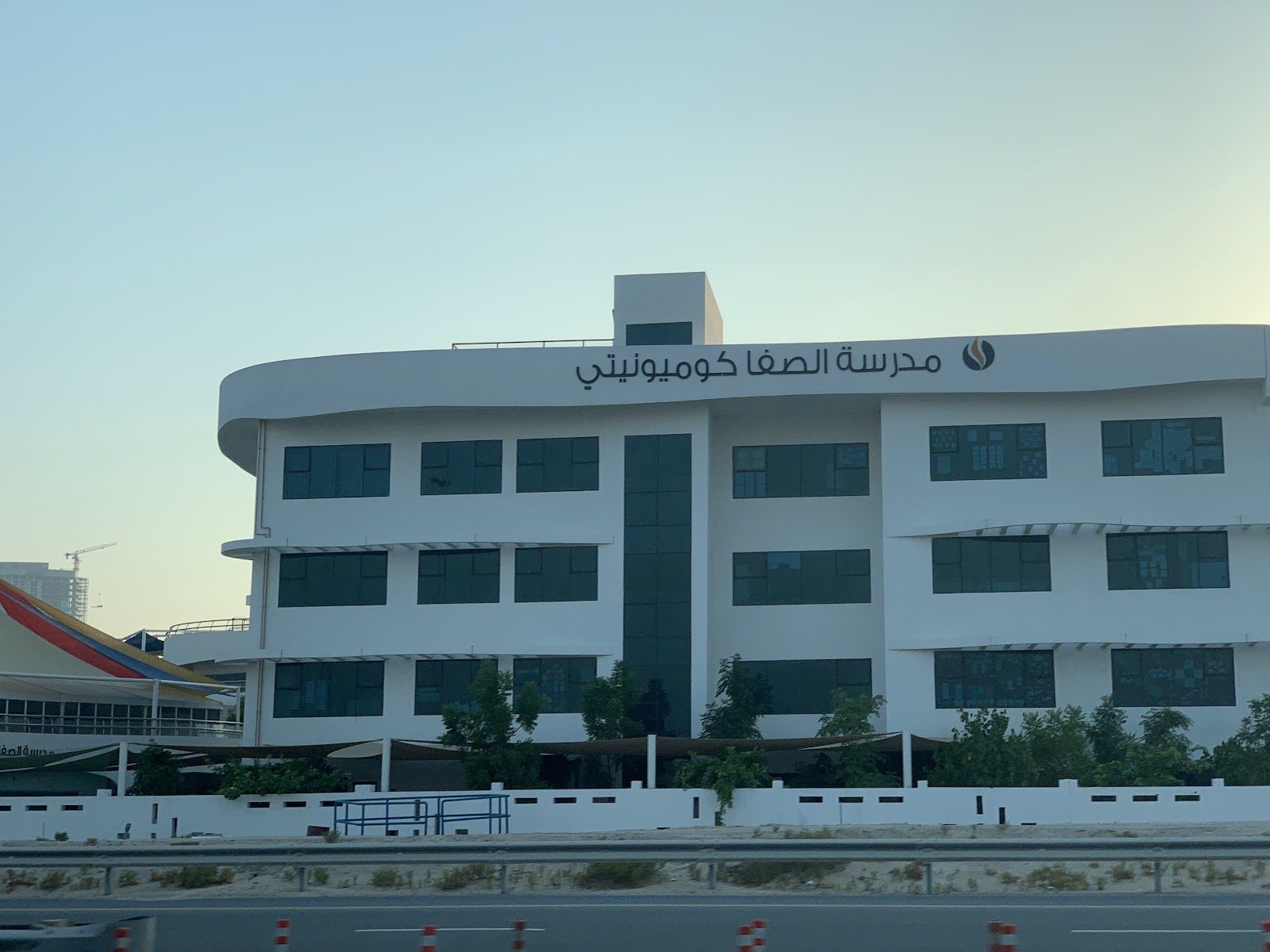
Safa Community School
Dubai · United Arab Emirates
An all-through British curriculum in Al Barsha South that rose from Good to KHDA Outstanding without filtering for its brightest students.
Same country and curriculum — closest matches within ±10 points either way