
Eastern Cape
Diocesan School for Girls
low confidence· 4/6 cats · 1 avg sourcesSince 1874, a Grahamstown sisterhood sharing Grade 10 classrooms with St Andrew's College in the City of Saints.
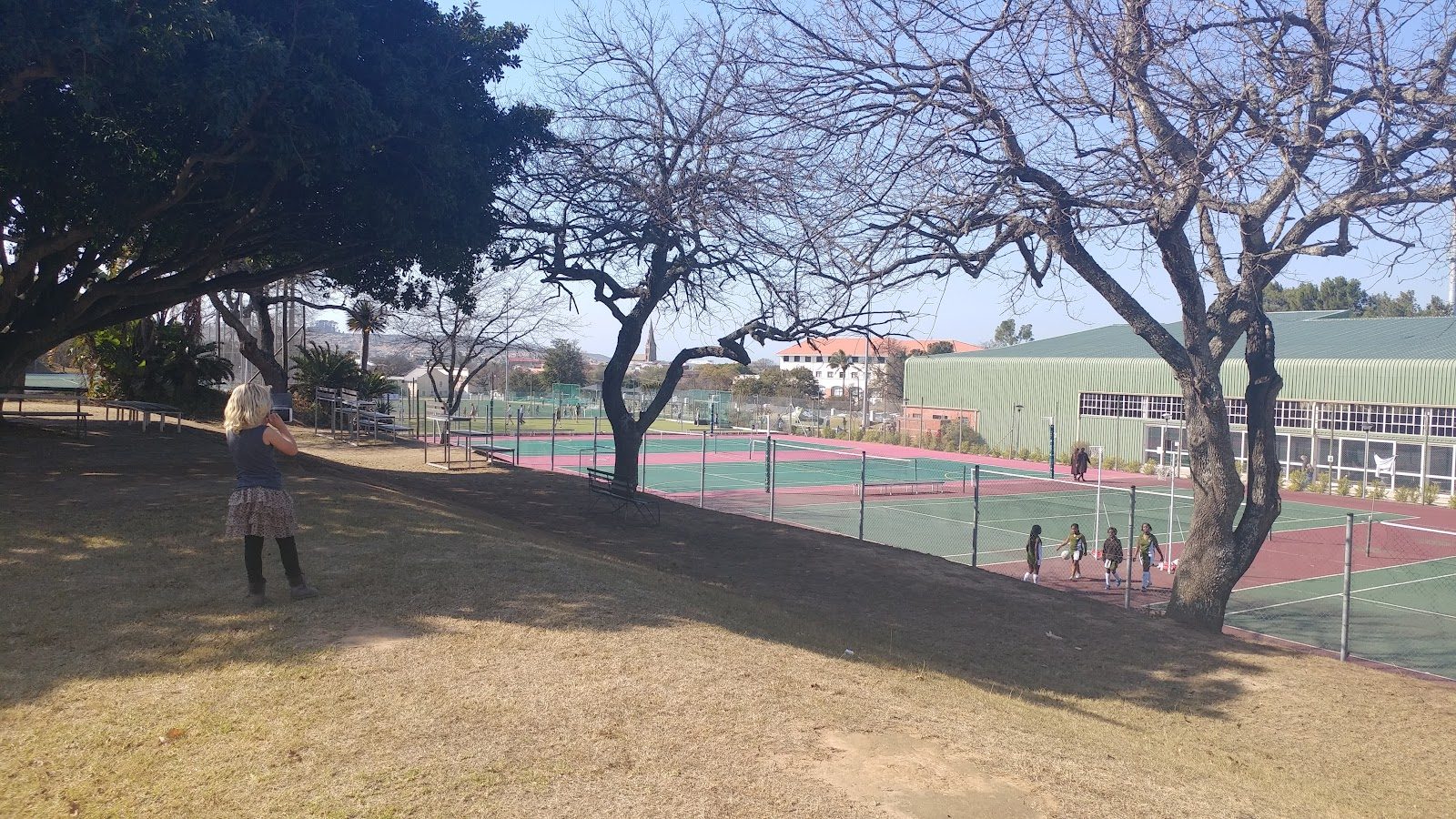
Photo © Antoinette Barnard via Google Maps
Type
Both
Ages
5–18
Curriculum
National Senior Certificate
Ratio
—
The Verdict
Editor's commitment
Right for
Girls aged 5–18 wanting an Anglican school in Makhanda, with National Senior Certificate teaching in English and Grade 10 classes shared with St Andrew's College.
Wrong for
Families wanting coeducation from the start, a secular ethos, or an IB route: DSG is Anglican, girls-only in identity, and runs the National Senior Certificate.
Watch out for
This is an old-school South African independent: founded in 1874, accredited by ISASA, SAHISA, GSA and IEB, with all the tradition and constraint that brings.
Ranking breakdown
Diocesan School for Girls · # of 1591
Composite score 69.0. 8 weighted criteria.
By criterion
Academic Outcomes
Weight 20%
#667
of 1529 scored
University Placement
Weight 16%
#649
of 1529 scored
Prestige & Heritage
Weight 12%
#438
of 1571 scored
Alumni Network
Weight 12%
#289
of 1530 scored
Facilities
Weight 12%
#654
of 1534 scored
Transparency & Communications
Weight 8%
#722
of 1532 scored
Peer & Industry Review
Weight 10%
#640
of 1548 scored
Admissions Selectivity & Demand
Weight 8%
#489
of 1529 scored
Peer & Industry Review
How Diocesan School for Girls is regarded in the sector
55
Credible · low confidence
DSG Grahamstown (Makhanda) is a long-established Anglican girls' school with a solid regional reputation in the Eastern Cape, often mentioned alongside St Andrew's College (its brother school) and other historic Eastern Cape institutions in South African independent-schools listings and IEB matric result summaries. However, independent third-party coverage (Tatler, Good Schools Guide, international expat forums) is sparse compared to Johannesburg/Cape Town flagship schools, limiting verification of a stronger tier reputation.
Editors' overview
Diocesan School for Girls in Makhanda is an old South African girls’ school with a clear identity: Anglican, English-medium, academically serious and fully part of the country’s independent-school establishment. Founded in 1874, it carries the weight and benefit of long institutional memory. The distinction that matters most is its setting and partnership model. This is not a girls’ school operating in isolation. In Grade 10, pupils share classrooms with neighbouring St Andrew’s College, which gives DSG an unusual social and academic structure: a girls’ school culture through most of the journey, then a more mixed sixth-form experience before the National Senior Certificate. For families who want tradition without insularity, a strong sense of place and adult seriousness rather than trendiness, that combination gives DSG a real point of difference.
Its market position is clear. DSG sits in the long-established South African boarding-and-day-school market, serving families who value structure, pastoral containment and the rituals of a church school, but who do not want a bland finishing-school atmosphere. Makhanda itself sharpens that offer. This is a school in a university town with an old-school educational ecosystem, not a glossy urban campus built around convenience. That suits parents who value contained independence, a proper boarding rhythm and a community where school life still dominates the day. The accreditations matter here: ISASA, SAHISA, GSA and IEB place DSG firmly inside the recognised independent mainstream. It is not a marginal operator and it is not improvising.
What is special, then, is not novelty. It is the blend of age, church foundation, boarding depth and the St Andrew’s link. Many schools promise confidence and leadership; DSG’s case rests on something more concrete — a girls’ environment from ages 5–18, with a built-in bridge to co-educational classroom experience in the senior years. That will appeal to girls who want close-knit sisterhood in the lower and middle school, but who also benefit from learning and competing alongside boys before university. It will not suit every child. Girls who want a large metropolitan setting, looser culture or a progressive, non-traditional ethos will find DSG too bounded. Girls who thrive on clear expectations, house loyalty, organised sport and the social density of a boarding school will fit it well.
DSG belongs on a shortlist for families choosing among South Africa’s established girls’ schools and weighing substance over fashion. Put plainly, this is for students who are comfortable in a school with ceremony, standards and communal life, and who gain energy from belonging to something older than themselves. The ideal pupil is academically purposeful, socially resilient and ready for full-immersion school life. She does not need a school to entertain her. She needs one to stretch her, steady her and give her a durable inner core.
Academic Performance
DSG sits inside South Africa’s independent academic mainstream, but public performance data are thin. The school does not publish a usable run of aggregate National Senior Certificate or IEB outcomes on its public site, and we have not seen the sort of multi-year subject tables, distinction counts or university-bachelor-pass breakdowns that let parents place a school cleanly against direct competitors. That opacity matters. In this market, the stronger academic operators publish enough hard data to prove consistency. DSG does not give that level of proof in the public domain, so any claim of top-tier academic firepower rests more on institutional reputation than disclosed results.
That does not place the school in a weak academic bracket; it places it in a reputation-led one. Its peer group is the established independent girls’ school sector, where expectations are high and exam outcomes need to hold up across the full ability range, not only at the top end. The school’s link with St Andrew’s in the senior years adds an extra academic variable that some families will value, but exam evidence still needs to be visible. Until DSG publishes clearer external results — headline pass rates, bachelor-level passes, subject distinctions and a multi-year trend — it is hard to rank it with confidence against the strongest IEB schools. Parents who care about cold academic proof should ask for the last 3–5 years of external results before treating DSG as a confirmed academic leader.
Facilities
DSG’s facilities matter most in the areas that shape daily school life: boarding, sport, music and the practical infrastructure needed for a full independent-school timetable. The school’s long-established campus works in its favour here. Families are buying into a lived-in, institutional environment rather than a glossy showpiece built to impress at open day. That has strengths and limits. Schools in this bracket need serious boarding houses, dependable sports grounds, assembly and worship space, teaching rooms that function without friction, and enough specialist provision for the arts to keep able pupils occupied beyond lessons. DSG’s public profile points to that traditional package rather than to headline-grabbing labs, design centres or performing-arts complexes. Against peer girls’ schools, that places it in the solid rather than spectacular category on capital plant.
The sharper question is whether the facilities fit the school’s culture. Here, the answer is yes. A contained campus in a school town gives pupils a high-immersion day and supports the communal rhythm that boarding and house life require. The link with the neighbouring boys’ school also widens access to parts of school life that a small standalone girls’ campus can struggle to sustain alone, especially in senior years. Parents choosing between DSG and bigger urban rivals should not expect the flashiest estate in the market. They should expect facilities that serve tradition, routine and participation well, with the strongest value in the way the whole setup pulls girls into school life rather than in any single trophy building.
Founded in 1874, it carries the weight and benefit of long institutional memory
Prestige
DSG has real prestige in the South African independent-school world, but it is sector prestige, not celebrity prestige. The name carries weight with families who know the country’s old church-school network, girls’ boarding tradition and the Eastern Cape educational circuit. That matters. This is the kind of school whose reputation has been built over generations through continuity, standards, loyalties and social recognition, not through aggressive branding or a flood of public performance data. Its standing also draws force from the St Andrew’s association in the senior years, which gives it a distinctive social currency beyond a standalone girls’ school. Among established families in this market, DSG reads as proper, well-bred and institutionally secure.
I rate its prestige below the tiny top tier of South African girls’ schools whose academic outcomes and national profile are more consistently visible, and above schools that trade on aspiration without the same historical depth or network strength. That distinction matters because prestige is not one thing. DSG has cultural capital, old-school credibility and a recognisable place in the independent mainstream; it does not have the same level of publicly demonstrated academic dominance that turns esteem into unquestioned hierarchy. For parents, the message is clear: this is a school with earned status and strong social legitimacy, but not one that can rely on exam transparency to clinch the case on prestige alone.
The distinction that matters most is its setting and partnership model
Communications
DSG communicates like an established independent school that expects families to stay engaged: formal, ordered, and rooted in community habit more than sleek digital theatre. That suits its market. Parents choosing this school are not buying an app-led service model; they are buying into a place where notices, calendars, pastoral contact and event communication need to keep a dense school week moving without fuss. The school’s public-facing communication gives a clear sense of dates, routines and institutional life, and that matters in a setting where lessons, sport, music, worship and houses all pull on the timetable at once. The tone is traditional, controlled and institution-first. It does not chase modern marketing polish, and that is no bad thing.
The weakness is depth and proof. The school does not use its public channels to publish the kind of hard academic reporting that serious parents now expect, and that limits trust at the sharp end. A parent can grasp the culture quickly; a parent cannot test outcomes with the same ease. That is the central split in DSG’s communications: strong on belonging, thin on data. For existing families, direct school-to-home contact is what counts, and one would expect that to be steady in a close community. For prospective families, the communications are serviceable rather than forensic. They explain the school’s world competently; they do not interrogate its performance with enough candour.
Uniqueness
DSG’s real point of difference is structural, not cosmetic. Few girls’ schools offer a single-sex social world for most of the journey and then shift, at Grade 10, into shared classrooms with a neighbouring boys’ school. That changes the texture of senior school life. Girls keep the loyalty, visibility and house identity that a dedicated girls’ school can build well, but they do not spend the final academic stretch sealed off from male peers. For the right student, that is a shrewd middle course: strong female leadership and confidence built on home ground, followed by a more mixed classroom culture before university. It also cuts against two common weaknesses at once — the social hothouse of a fully enclosed girls’ environment and the drift into bland co-education from the start.
The other distinctive feature is intensity of community. This is a school shaped by Anglican habit, ritual and expectation, in a town where school life still carries real weight. That gives pupils a thick sense of belonging and a daily routine with more backbone than many urban schools can manage. Girls who thrive here gain resilience, public poise and the ability to live constructively inside a close community. They learn that participation is not optional and that identity comes from contribution, not display. That is valuable training. It also makes DSG demanding rather than indulgent. Students who need anonymity, constant novelty or a loose institutional grip will find it constricting; students who want formation, not coddling, will get something distinctive.
This is a school in a university town with an old-school educational ecosystem, not a glossy urban campus built around convenience
Student Profile
The girl who fits DSG best is not hunting for reinvention. She is comfortable joining an institution with settled habits, public expectations and a strong collective identity. She will cope well with visibility: teachers know her, peers know her, and contribution counts. That suits students who gain confidence from structure rather than freedom without edges. The social life will reward girls who can live constructively in a close female community, throw themselves into houses, sport, music and service, and handle the give-and-take of communal routines without drama. A pupil who needs constant personal latitude, low scrutiny or a casual culture will find DSG tight-grained, demanding and not for the faint-hearted.
Academically, the right student is purposeful and self-possessed rather than showy. She does not need a school to flatter her into working. She needs one that expects her to turn up, get on with it and hold her nerve when the senior-school structure changes in Grade 10. That transition matters: girls who can keep their footing when classroom dynamics shift will draw real benefit from it; girls who dislike change or compete badly for space may struggle. The strongest fit is a student with social resilience, old-school manners and enough inner ballast to thrive in a school where belonging brings obligations. This is a good home for girls who want formation over fuss and who can carry themselves with steadiness when the community asks a lot of them.
That suits parents who value contained independence, a proper boarding rhythm and a community where school life still dominates the day
Co-curricular strengths
Arts & sport, on a separate axis
Overall 8.92/10
Scored 0-10 from the school's own published evidence. This axis is editorial-only — it does not feed the main WTS ranking.
Sports
9/10
Drama
9/10
Dance
9/10
Music
9/10
Visual Arts
8.6/10
Editor first-pass · editor-reviewable · 7/30/2026
Strengths
- +Established single-sex Anglican girls' school offering both boarding and day places, part of the long-standing Eastern Cape schools tradition.
- +Located in Makhanda, a small university town also home to Rhodes University and the annual National Arts Festival, giving pupils cultural exposure beyond a typical school town.
- +Follows the National Senior Certificate curriculum, giving pupils a recognised route into South African universities.
- +Boarding structure allows continuity of schooling for pupils from rural Eastern Cape and further afield, a practical option for relocating families.
- +Sits within a cluster of historic Eastern Cape schools, giving access to established sporting, cultural and academic fixtures with neighbouring institutions.
Considerations
- −Single-sex environment will not suit families seeking co-education for their daughters.
- −Makhanda is a small, relatively remote Eastern Cape town, several hours by road from major cities and international airports, which matters for travel-dependent expat families.
- −Editorial ranking (715) places it outside the country's top-tier bracket, reflecting a smaller national profile than the major metropolitan girls' schools.
- −Curriculum is limited to the NSC; families wanting an internationally portable qualification such as IB or Cambridge will need to look elsewhere.
Availability
Primary entry gate & tests
Internal Assessment (Girls)
Gallery
Photo © Pierre van der Hoven via Google Maps
Photo © Pierre van der Hoven via Google Maps
Photo © Pierre van der Hoven via Google Maps
Photo © Subodh Tanti via Google Maps
Parent reviews
Have you sent your child here?
Voice reviews carry the strongest trust badge — we transcribe them for you to tidy up before they go live. Prefer to type? A written review is fine too.
Add your voice
In 60 seconds, tell other parents: what's the best thing about Diocesan School for Girls, and what surprised you when your child joined?
We ask for a Google sign-in so every review has a real face behind it — no anonymous drive-by attacks on schools, and no faked positive reviews. Your email is never shown publicly.
Send this profile to a friend
International parents rely on word-of-mouth. Share this review with someone weighing the same decision.
Schools with places
Similar schools to Diocesan School for Girls with places available now.
Availability first, then country, area, curriculum, price, co-curricular
Consider also
Also worth looking at alongside Diocesan School for Girls.
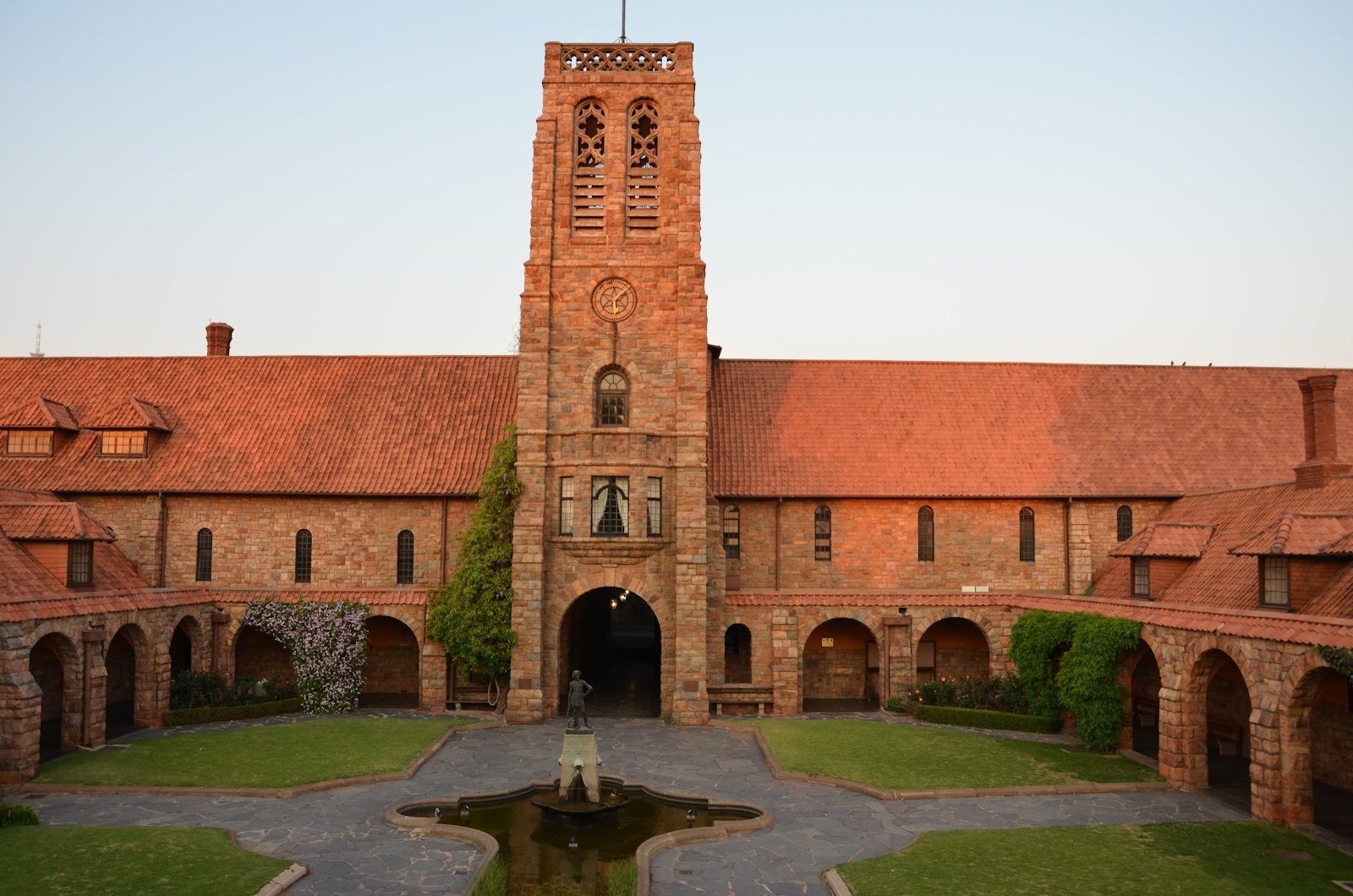
St John's College
Johannesburg · South Africa
Founded twelve years after the Witwatersrand gold rush, this Anglican boarding college blends Herbert Baker quadrangles with a four-house pastoral tradition
Roedean School South Africa
Johannesburg · South Africa
Founded in 1903 by two Cambridge-educated pioneers, this all-girls boarding school still occupies its original Herbert Baker campus in Parktown.

St Andrew's College
Makhanda · South Africa
On the Eastern Cape frontier since 1855, house tradition and shared classes with a sister school shape a distinct boarding life.
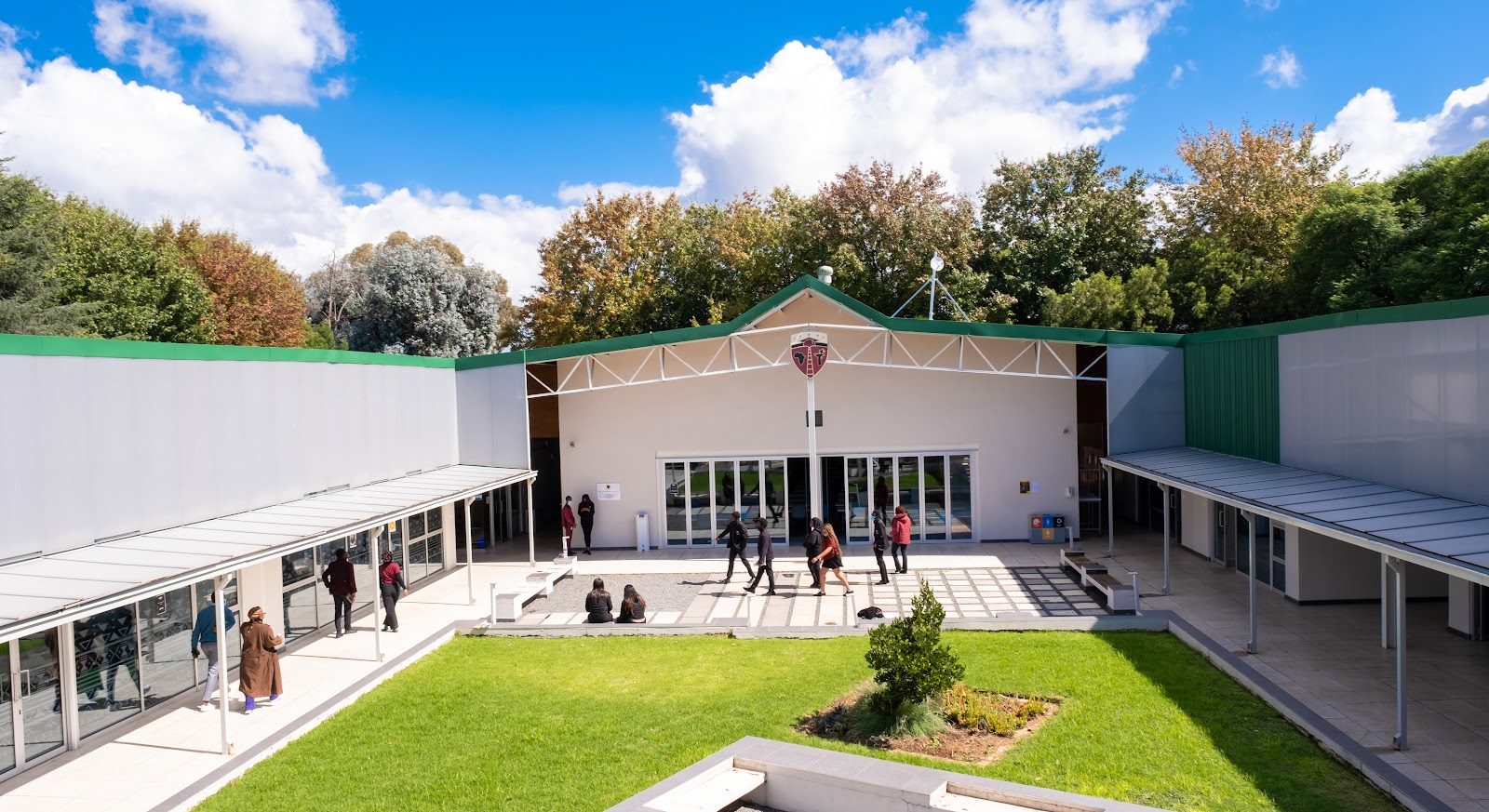
African Leadership Academy
Johannesburg · South Africa
A Johannesburg boarding campus where teens from 47 African nations run real ventures under a pan-African, entrepreneurship-driven curriculum.
Same country and curriculum — closest matches within ±10 points either way