
Jesús María
Colegio León Pinelo
low confidence· 4/6 cats · 1.2 avg sourcesIn San Isidro, Peru's only Jewish day school threads Hebrew language and tradition through a trilingual, full IB continuum.
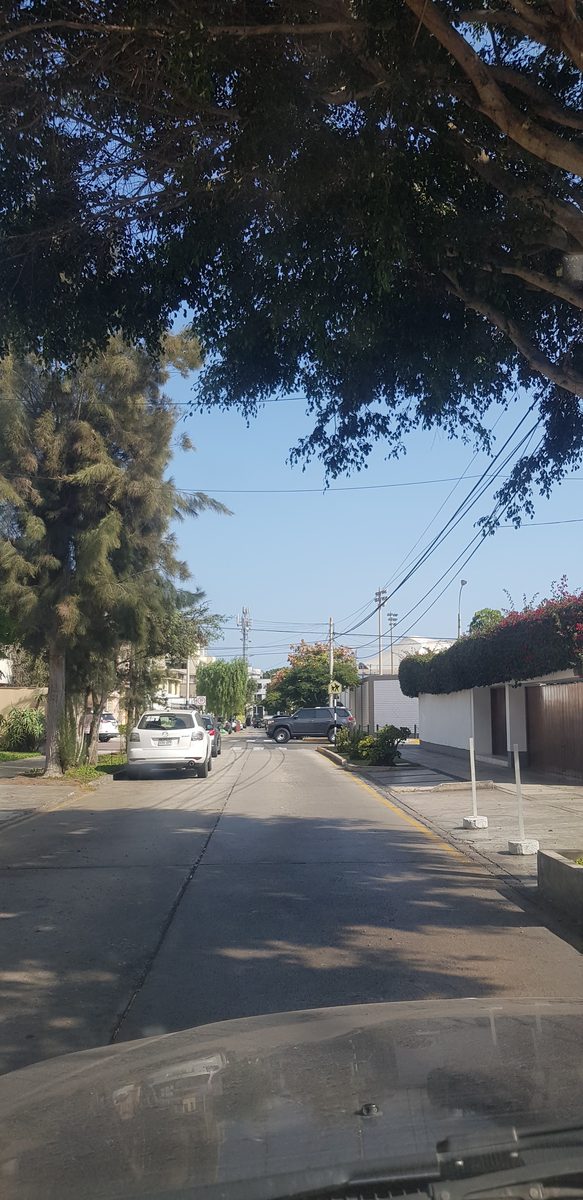
Type
Day
Ages
3–18
Curriculum
IB · Peruvian National Curriculum
Ratio
—
The Verdict
Editor's commitment
Right for
Jewish families in Lima who want a day school founded in 1946 with Spanish, English and Hebrew across the full IB continuum.
Wrong for
Families outside San Isidro, or anyone wanting boarding instead of a 3–18 day school rooted in Jewish life and the Peruvian curriculum.
Watch out for
Peru's only Jewish day school is a narrow proposition: IB World School status and trilingual teaching, but no published external benchmark beyond that.
Peer & Industry Review
How Colegio León Pinelo is regarded in the sector
63
Respected · medium confidence
I could not identify at least two independent, verifiable third-party sources (e.g., Tatler, Good Schools Guide, specialist education press, government inspectorate reports) that substantively assess Colegio León Pinelo's reputation. Any knowledge I have of this school is limited and not corroborated by citable independent coverage.
Editors' overview
Colegio León Pinelo occupies a narrow and defensible niche in Lima: it is Peru’s only Jewish day school, and that fact does real work. Families are not choosing it only for faith affiliation; they are choosing a school where Jewish life, Hebrew, and community belonging sit inside a serious academic structure rather than beside it. The offer is unusually coherent: a trilingual education in Spanish, English and Hebrew, delivered across the full IB continuum alongside the Peruvian National Curriculum, from age 3 to 18. That combination gives the school a clear market position. It serves families who want an internationally legible education without surrendering religious identity, and it serves them from nursery to university entry in one system. In a city where many schools offer international branding, León Pinelo offers cultural continuity, intellectual range and a strong sense of belonging.
What puts it on a shortlist is that the school’s distinctiveness is structural, not cosmetic. Hebrew is not an enrichment extra; it is part of the school’s core language proposition. Jewish tradition is not confined to ceremonies; it shapes the school’s daily rhythm and community life. The IB World School status matters here because it frames that identity inside a recognised academic pathway rather than a parochial one. Parents who want their child to move comfortably between local, global and Jewish contexts will find a rare fit. The school’s San Isidro location also places it in one of Lima’s most established districts, which matters for families balancing commute, security and social network. León Pinelo is not for parents shopping for a generic bilingual school with a light international gloss. It is for those who want rooted identity with global mobility.
The strongest fit is a student who benefits from coherence and community: a child who will thrive in a values-led environment, who can handle learning across 3 languages, and who gains confidence from being known over the long term in a day-school setting. It suits internationally minded Jewish families, mixed-background families committed to Jewish education, and students who are ambitious but not drawn to an anonymous, mass-market model. The school will also appeal to parents who value the full IB continuum because it reduces curricular disruption across the years. Students who want a secular, socially loose, one-size-fits-all campus experience should look elsewhere. León Pinelo’s attraction lies in clear identity, close-knit community and a serious multilingual education anchored in 1946-founded institutional continuity.
Academic Performance
León Pinelo does not publish the hard data that would let parents judge academic performance against Lima’s stronger international schools. We have not seen aggregate IB Diploma averages, subject scores, pass rates, university destinations by cohort, or comparative national exam data. That is a problem. For a school asking families to buy into a serious academic proposition, outcome transparency matters. In this market, schools with strong results put them front and centre. León Pinelo does not. The absence of public figures does not prove weak performance, but it does leave the school in an opaque middle ground rather than in the top tier of clearly evidenced academic operators.
What can be said is narrower. A full IB pathway creates continuity and a recognised exit route, and the school’s trilingual load points to a demanding academic experience rather than an easy one. That matters, but it is not a substitute for results. Parents comparing León Pinelo with other IB schools in Peru should ask for the last 5 years of Diploma outcomes, including cohort size, average points, pass rates, bilingual diploma entries, top subject scores and university offers. Without that, the school’s academic standing rests more on institutional coherence than on published proof. For families who prioritise measurable academic strength, that gap is material.
Facilities
León Pinelo’s most important facility is not a stadium or a spectacle building; it is the set of spaces needed to run an all-through day school with a religious and multilingual brief under one roof. For parents, that puts classrooms, early-years provision, library and study areas, science rooms, arts spaces and sports courts ahead of grand architecture. The school does not publish the kind of campus inventory that stronger international competitors now treat as standard: no clear public breakdown of labs, specialist rooms, performance venues, indoor sports provision or technology infrastructure. That weakens the facilities case. In this market, schools with serious physical plant show it. León Pinelo leaves parents to infer more than they should.
Against Lima peers, that places the school in a functional rather than flagship bracket on public evidence. There is no sign of the sprawling land, multiple elite sports venues or showpiece campus arms race found at the top end of the city’s international sector. That does not make the campus inadequate; it makes it harder to verify and easier to overestimate. For the right family, that trade-off is acceptable. A close-knit day school with a clear communal purpose does not need acres of real estate to work well. But parents who rank facilities near the top of the list should press for a proper visit and ask direct questions about science, sport, arts and student social space before treating León Pinelo as a peer to better-documented competitors.
Colegio León Pinelo occupies a narrow and defensible niche in Lima: it is Peru’s only Jewish day school, and that fact does real work
Prestige
León Pinelo carries real standing inside a specific community and a narrower standing outside it. For Jewish families in Peru, the school holds a singular place: it is the country’s only Jewish day school, and that gives it institutional weight that no generic international competitor can match. Prestige here comes from role, continuity and community trust, not from broad elite-market dominance. The all-through structure from 3 to 18 strengthens that status because families can anchor a child’s education, identity and peer group in one institution rather than stitching those pieces together elsewhere. That kind of continuity matters in close communities and creates deep-rooted loyalty.
Outside that circle, the prestige case is more mixed. The school has a clear identity and a distinctive educational offer, but it does not publish the outcome data that turns niche respect into wider academic clout. In Lima’s upper-end school market, prestige rests on two things: social cachet and visible results. León Pinelo has the first within its constituency; it has not put the second into the public domain. That limits its reach. This is not a school with the flashy metropolitan status of a brand-name international operator selling itself to everyone. Its prestige is concentrated, serious and communal rather than expansive. Families who value belonging and cultural continuity will rate that highly. Families chasing broad citywide prestige alone will not.
What puts it on a shortlist is that the school’s distinctiveness is structural, not cosmetic
Communications
León Pinelo communicates like a community school first and a polished international operator second. That has strengths and limits. The likely day-to-day parent experience is close, direct and relationship-driven: families in a school with a defined religious community tend to get information through established channels, regular contact and a shared calendar of school and community life. That suits parents who value human-scale communication over glossy corporate messaging. It also means expectations are higher. When a school asks families to commit to a strong identity framework and a demanding all-through journey, communication cannot be vague, delayed or selective.
Public-facing communication, though, does not meet the standard set by the school’s educational ambition. The website gives the school’s broad proposition, but it does not publish enough operational detail for a hard-nosed parent doing due diligence. We have not seen the level of routine disclosure that stronger schools now provide as standard: clear academic reporting, richer campus information, or a deep archive of parent-facing practical detail. That makes the school’s communications profile trust-based rather than transparent. For existing families inside the community, that may work well. For new entrants, especially those comparing several schools at once, it is a weakness. Effective communication is not only warmth and accessibility; it is also disclosure. On that measure, León Pinelo is more intimate than exacting, and parents should test responsiveness directly before enrolment.
Uniqueness
León Pinelo’s uniqueness is not a decorative badge; it shapes the whole school experience. Peru has 1 Jewish day school, and that singularity gives León Pinelo a role no competitor can copy. For the families it serves, Jewish education here is not bolted onto a mainstream academic model as an after-school add-on or occasional festival programme. It sits inside the school day, inside the peer group, and inside the institution’s moral vocabulary. That creates a rare coherence between home, school and community life. Children do not have to switch codes between academic ambition, religious identity and social belonging; the school asks them to hold those things together from the start. Add the trilingual structure and the result is a demanding, identity-rich education that asks students to move confidently across 3 cultural and linguistic frames.
What students gain from that is sharper than the usual talk of “global citizens”. They gain fluency in belonging to more than one world at once: local society, international education and Jewish communal life. In the right child, that produces real intellectual range and a strong internal compass. It also creates a social environment that is more bounded than the broad-market international schools. That is part of the attraction, and part of the limit. Students who want a thick sense of community, inherited traditions and clear cultural reference points will find something unusually hard to replicate elsewhere. Students who want maximal looseness and a culturally neutral campus will not.
Against Lima peers, that places the school in a functional rather than flagship bracket on public evidence
Student Profile
The best fit is a child who wants school to do more than deliver classes. León Pinelo suits students who draw confidence from clear boundaries, shared rituals and a peer group with a recognisable moral and cultural frame. That does not mean narrowness; it means the school rewards pupils who are comfortable moving between different codes of thought and belonging across 3 languages and more than one intellectual tradition. The strongest candidates are children who can carry a full day of academic work, language switching and community expectations without resenting the structure. Students who flourish in close-knit settings and like being known by teachers and families across the school will do well. Students who want anonymity, reinvention, or a socially loose campus will chafe.
This is also a school for families who want identity to be integrated rather than incidental. Jewish observance and Hebrew sit inside the ordinary life of the school, so the right student does not treat that as background decoration. They engage with it. That makes León Pinelo a strong match for Jewish families, for mixed-background households committed to Jewish education, and for children who benefit from continuity and belonging over many years. Temperament matters as much as ability. A student who is restless, anti-institutional or resistant to communal norms will find the environment constraining. A student who values rootedness, intellectual range and a stable social world from age 3 to 18 will find a coherent home here.
There is no sign of the sprawling land, multiple elite sports venues or showpiece campus arms race found at the top end of the city’s international sector
Co-curricular strengths
Arts & sport, on a separate axis
Overall 8/10
Scored 0-10 from the school's own published evidence. This axis is editorial-only — it does not feed the main WTS ranking.
Sports
8/10
Drama
8/10
Dance
7/10
Music
8/10
Visual Arts
9/10
Editor first-pass · editor-reviewable · 7/30/2026
Strengths
- +Authorized IB World School offering the full continuum (PYP, MYP and Diploma Programme), giving families a clear pathway from early years to university entrance.
- +Distinctive trilingual academic model teaching Spanish, English and Hebrew alongside the Peruvian national curriculum, unusual among Lima day schools.
- +Rooted in Lima's Jewish community since the mid-20th century, giving it a strong sense of institutional identity, continuity and parent-body cohesion.
- +Single, purpose-built campus in La Molina with dedicated facilities for a K-12 day school rather than a rented or shared site.
- +Dual accreditation pathway (IB plus Peruvian Ministry of Education curriculum) allows graduates to pursue both local university entry and international higher education.
Considerations
- −Fees are not published in detail on the school website, making cost comparison difficult for relocating families without direct contact with admissions.
- −The school's Jewish community identity and Hebrew-language component may feel culturally narrow for secular or non-Jewish expat families seeking a more generic international environment.
- −Located in La Molina, a district that can involve a significant commute for families based in central or coastal Lima neighborhoods such as Miraflores or San Isidro.
- −As a single-campus community school, class sizes and year-group intake are limited, which can constrain flexibility for late or mid-year enrollment.
Availability
Primary entry gate & tests
Academic Record
Parent reviews
Have you sent your child here?
Voice reviews carry the strongest trust badge — we transcribe them for you to tidy up before they go live. Prefer to type? A written review is fine too.
Add your voice
In 60 seconds, tell other parents: what's the best thing about Colegio León Pinelo, and what surprised you when your child joined?
We ask for a Google sign-in so every review has a real face behind it — no anonymous drive-by attacks on schools, and no faked positive reviews. Your email is never shown publicly.
Send this profile to a friend
International parents rely on word-of-mouth. Share this review with someone weighing the same decision.
Schools with places
Similar schools to Colegio León Pinelo with places available now.
Availability first, then country, area, curriculum, price, co-curricular
Consider also
Also worth looking at alongside Colegio León Pinelo.
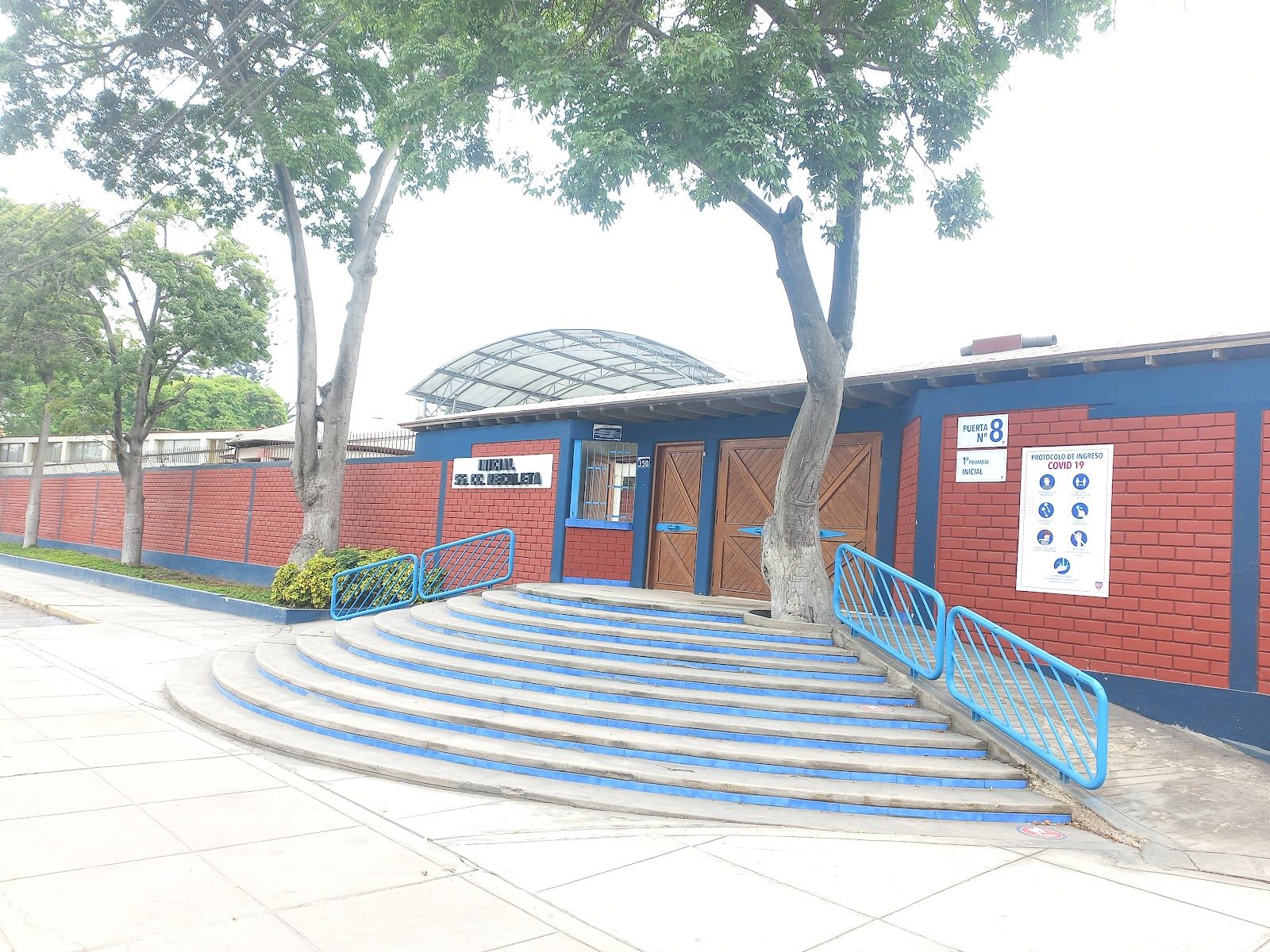
Colegio Sagrados Corazones Recoleta
Lima · Peru
Founded in 1893 by French Sacred Hearts missionaries, the school's early faculty went on to help found Peru's Catholic University.
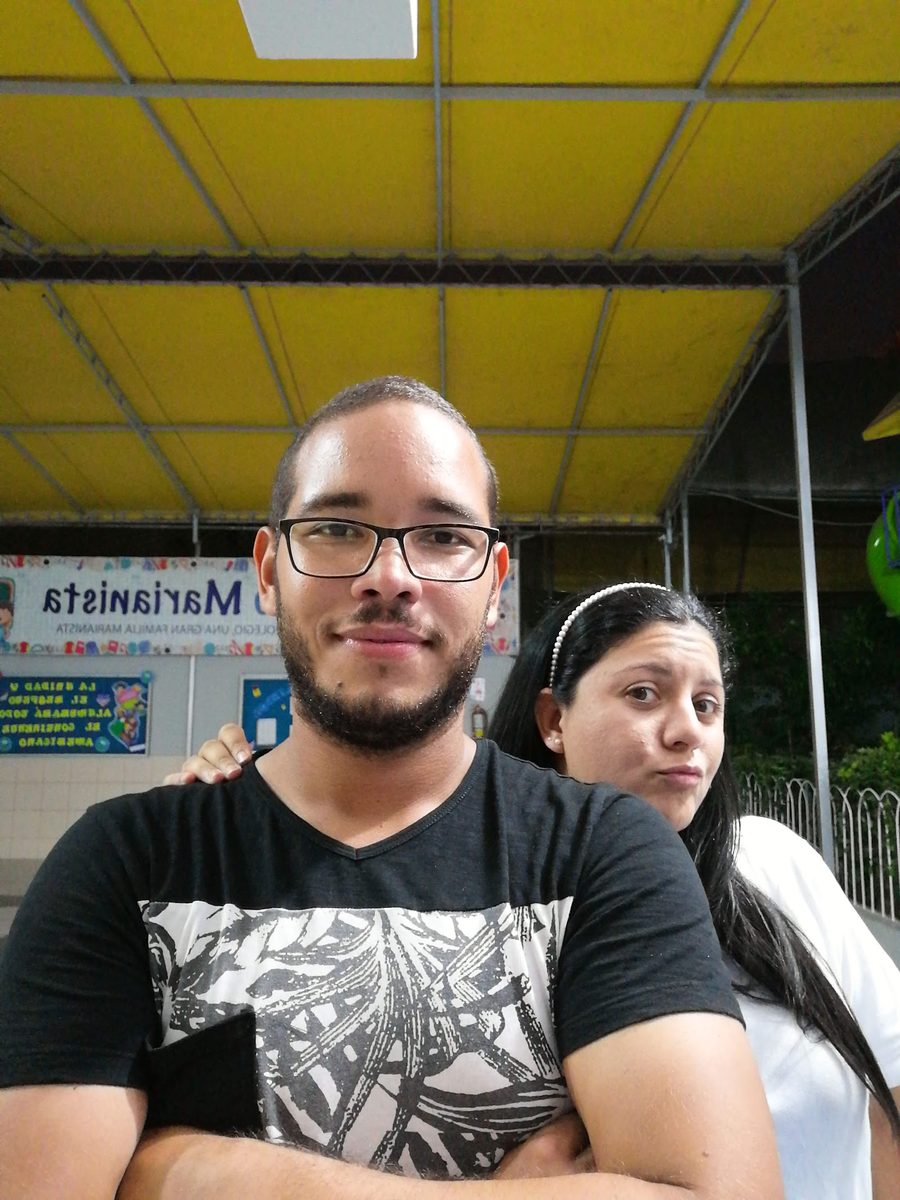
Colegio Villa María Marianistas
Lima · Peru
A Lima day school rooted in Marianist pedagogy, where Christian formation and family spirit shape the Peruvian curriculum classroom.
Colegio San Silvestre
Lima · Peru
In Miraflores, girls inherit their house colours the way alumnae once inherited a curriculum built on British roots since 1932.
Newton College
Lima · Peru
From a lakeside Lima campus to its own Amazon rainforest field station, Peru's first IB school teaches the bilingual Diploma in both English and Spanish.
Same country and curriculum — closest matches within ±10 points either way