
Auvergne-Rhône-Alpes
Cité Scolaire Internationale de Lyon
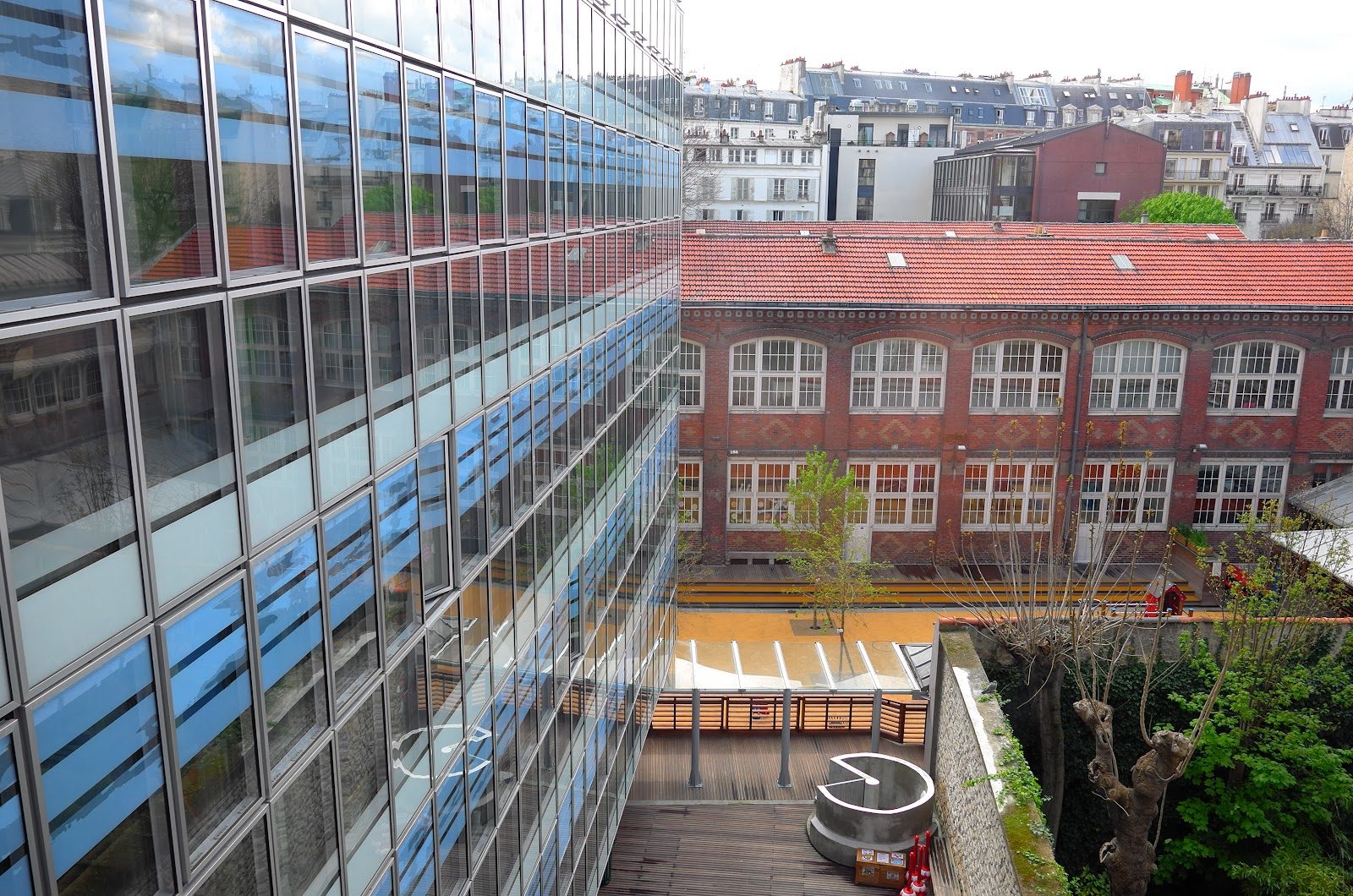
low confidence· 6/6 cats · 0 avg sourcesBorn from Interpol's arrival in Lyon, its serpentine glass campus on the Rhone teaches baccalaureate students in nine mother tongues.
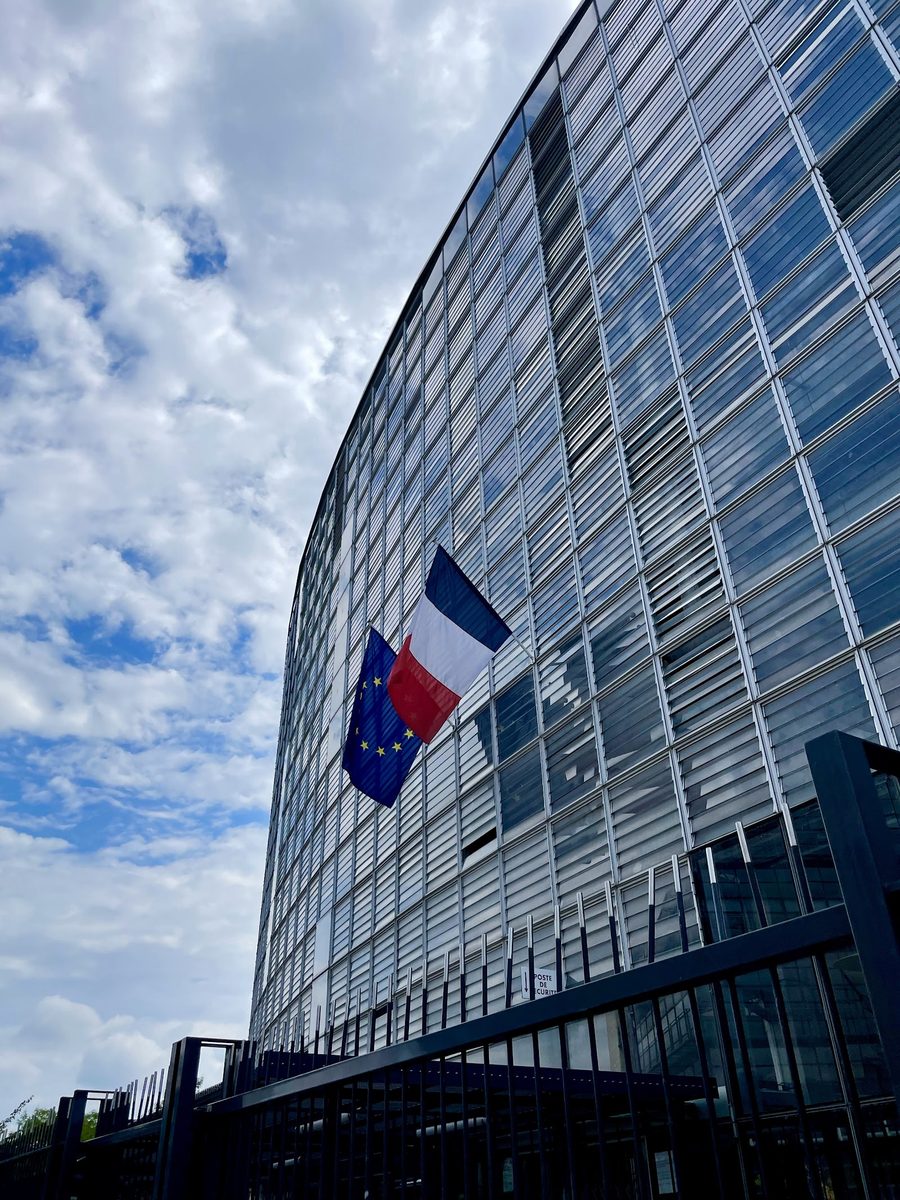
Photo © David Malleval via Google Maps
Type
Day
Ages
3–18
Curriculum
French Baccalauréat (OIB) · IB (Diploma)
Ratio
14:1
The Verdict
Editor's commitment
Right for
Families who want a 3–18 day school in Lyon offering both the French Baccalauréat (OIB) and the IB Diploma.
Wrong for
Parents expecting intimate teaching will balk at average class sizes of 28 and a 14:1 student-teacher ratio.
Watch out for
English is the stated language of instruction, but the school runs nine international sections; daily life is multilingual and unapologetically complex.
Ranking breakdown
Cité Scolaire Internationale de Lyon · # of 1591
Composite score 60.2. 8 weighted criteria.
By criterion
Academic Outcomes
Weight 20%
#1002
of 1529 scored
University Placement
Weight 16%
#1057
of 1529 scored
Prestige & Heritage
Weight 12%
#1095
of 1571 scored
Alumni Network
Weight 12%
#689
of 1530 scored
Facilities
Weight 12%
#1326
of 1534 scored
Transparency & Communications
Weight 8%
#1099
of 1532 scored
Peer & Industry Review
Weight 10%
#998
of 1548 scored
Admissions Selectivity & Demand
Weight 8%
#726
of 1529 scored
Peer & Industry Review
How Cité Scolaire Internationale de Lyon is regarded in the sector
68
Respected · medium confidence
Cité Scolaire Internationale de Lyon consistently ranks among the top public lycées in the Rhône-Alpes region in L'Etudiant and Le Parisien 'classement des lycées' rankings, largely due to its OIB (Option Internationale du Baccalauréat) results and multiple international sections (British, German, Italian, Spanish, etc.). It is also referenced in expat-parent forums (e.g. Expat.com, French-property forums) as one of the go-to public options for bilingual/international education in Lyon, though it lacks the global brand recognition or Tatler/Good Schools Guide UK-style coverage of top private international schools.
Evidence sources
Editors' overview
Cité Scolaire Internationale de Lyon occupies a distinctive niche in the French market: a state international campus built for multilingual, mobile families who want a rigorous public-sector education without the social varnish and fee structure of a private expatriate school. Founded in 1992, it serves ages 3 to 18 and pairs the French Baccalauréat with international sections in nine languages: English, Italian, Spanish, Polish, German, Portuguese, Chinese, Arabic and Japanese. That breadth matters. Few schools sustain mother-tongue teaching across so many linguistic communities from primary through lycée. The setting adds to the identity: a serpentine glass campus on the Rhône, tied to Lyon’s international ambitions and still marked by that civic purpose.
What puts it on a shortlist is not polish but structure. This is a day school with a clear academic core, a declared student-teacher ratio of 14:1 and average class size of 28. It offers the French Baccalauréat with the international option and the IB Diploma, which gives families two serious senior pathways inside one institution. The attraction is straightforward: students can stay inside the French system while preserving high-level study in their home language, or move towards the IB in the final years. For internationally minded families settled in Lyon, that is hard to replicate. For bilingual or multilingual children, the model has real intellectual heft: it treats language not as enrichment, but as part of the academic spine.
The school will suit a specific child. This is for students who can handle linguistic complexity, a large mixed public-school environment and the demands of a French academic culture. It will suit internationally mobile families, children of diplomats and executives, binational households, and strong local francophone students who want a genuinely international peer group without leaving the national system. It will not suit families looking for a small pastoral cocoon, lavish facilities narratives or the high-touch customer service of a private international school. CSI Lyon’s appeal lies elsewhere: serious multilingualism, public-sector substance and a student body shaped by movement across borders.
Its market position, then, is clear. In Lyon, CSI offers something rare and durable: an international education with public foundations, multilingual depth and academic credibility, all inside one campus from ages 3 to 18. The school’s 1992 founding matters because it has had time to build sections, routines and institutional memory. Parents should shortlist it if they value linguistic continuity, want access to the French Baccalauréat or IB Diploma, and prefer educational seriousness over theatre. For the right student, CSI Lyon is not a lifestyle purchase. It is a purpose-built academic instrument.
Academic Performance
Academic performance is the section where CSI Lyon leaves parents with work to do. The school offers two externally examined senior routes, but it does not publish aggregate pass rates, top-grade distributions, cohort averages or university destination data in the public domain. That is a material gap. For a school with a serious academic identity and a complex multilingual model, families deserve hard outcomes, not just programme architecture. We have seen public references to lycée specialisms, Parcoursup guidance and the international sections, plus the binational ABIBAC track, which signals range and ambition. It does not answer the central question: how strong are the results at cohort level? On that point, CSI is opaque.
Relative to peers, that places it behind the better-run international schools and top public-sector bilingual institutions that publish exam summaries with confidence. The academic proposition still carries weight: students study inside a demanding French framework while sustaining high-level work in a second language from the early years through school-leaving exams, across nine international sections. That model is intellectually exacting and not for the faint-hearted. Strong students with linguistic stamina can do very well in it. But until the school discloses consistent headline outcomes for the Baccalauréat and the IB Diploma, parents cannot benchmark CSI Lyon cleanly against rival schools on results alone. On academics, the structure is impressive; the published proof is thin.
Facilities
The campus itself is the standout facility. CSI sits in a striking glass complex on the Rhône, and that matters because the building suits the school’s purpose: large enough to hold primary, collège and lycée on one site, with the circulation and shared spaces that a multilingual public campus needs. The practical infrastructure is more legible than luxurious. The school publishes day-to-day essentials — canteen rules, textbook distribution, online payments, Pronote access, term calendars — with the rhythm of a large functioning institution, not a boutique school selling lifestyle. Families also get access to a full school community rather than a bolt-on international stream: international sections, lycée specialisms, guidance provision and student eco-delegate activity all point to a campus used hard for academic and civic life. The breadth of sections across nine languages is itself a facility of a kind: few schools can sustain that level of linguistic infrastructure on one site.
Against private international-school peers, CSI’s facilities profile is serious rather than glossy. We have not seen a public showcase of theatres, maker spaces, black-box studios or resort-style sports provision, and parents should not expect that genre of campus marketing here. Against public-sector peers, though, the school holds strong advantages: a purpose-built international site, integrated age range, and specialist spaces sufficient to support a complex multilingual model through to school leaving. This is a working academic campus, not a pampered one. For the right family, that is a strength, not a deficit.
Few schools sustain mother-tongue teaching across so many linguistic communities from primary through lycée
Prestige
CSI Lyon carries a form of prestige that matters more in Europe than glossy international-school branding: institutional seriousness inside the French public system, paired with genuine multilingual depth. That gives it standing with families who value academic legitimacy over social display. The school’s international sections run across nine mother tongues, and that breadth is not decorative. It signals a campus built for diplomats, binational families and globally mobile professionals who want children educated in a demanding national framework without surrendering linguistic inheritance. In that sense, CSI’s reputation is earned rather than staged. It is not an elite private badge; it is a selective-feeling public model whose prestige rests on intellectual design, not exclusivity theatre.
That distinction shapes our rating. Among parents who know the French system, a place at CSI has real cachet because it is hard to replicate: sustained home-language study, serious peer mix, and two credible senior academic routes under one roof. The school also benefits from a clear civic origin story tied to Lyon’s international institutions, which gives it institutional weight. But prestige here has limits. CSI does not trade on old-money aura, manicured intimacy or polished private-school service, and it does not publish the level of outcome data that would cement a top-tier academic reputation beyond informed local circles. So the prestige is substantial but specialised: high among internationally literate families, lower among those who equate status with fees, heritage branding or public exam chest-beating.
The setting adds to the identity: a serpentine glass campus on the Rhône, tied to Lyon’s international ambitions and still marked by that civic purpose
Communications
Parent communication has the stamp of a large French public institution: practical, centralised and built around routine rather than hand-holding. The school site foregrounds operational notices — start-of-term calendars, supply lists, textbook distribution, canteen rules, online payments and Pronote set-up — and it does so in a way that tells parents where to go for the next task. Direct contact details are easy to find, including a main telephone line and email, and the site also signposts agendas for the different school phases, parental information, orientation support and Parcoursup steps. That breadth matters. In a campus serving children from nursery to sixth form, with nine international sections and multiple administrative rhythms, parents need clear institutional plumbing. CSI provides it.
What CSI does not provide is the polished, narrative-rich communication style of a fee-charging international school. There is little effort to package school life into a reassuring story for prospective families; the tone is functional, busy and at times bureaucratic. For existing parents, that is effective enough if you are comfortable navigating a French state-school ecosystem and digital tools such as Pronote. For families arriving from more concierge-style schools, it will feel spare and impersonal. The communication works best as information delivery, not relationship management. That fits the school’s character: serious about operations, less interested in performance.
Uniqueness
What makes CSI Lyon distinct is not generic internationalism but embedded multilingualism inside a mainstream public school structure. Many schools add languages; CSI organises itself around them. The international sections span nine mother tongues from the early years through school leaving, and they sit alongside the ordinary French timetable rather than in an after-school annex. That changes the student experience. Children do not just study a foreign language for utility; they read, write and think in a language tied to family, identity and intellectual inheritance. For binational households and internationally mobile families, that is a serious advantage. It protects linguistic depth that many international schools flatten into English-first convenience.
The other point of difference is social and academic texture. CSI brings together local French families, expatriate families and students moving between systems, then asks them to work inside one demanding institutional framework. The result is a peer group with a wider cultural range than most state schools and a sharper academic edge than many softer international settings. Students learn early how to navigate different reference points, different home languages and different expectations without the school turning diversity into a slogan. That gives CSI a rare civic seriousness. It produces students who are more than bilingual exam-takers: they are used to intellectual switching, cultural translation and the discipline of operating across borders.
This is a day school with a clear academic core, a declared student-teacher ratio of 14:1 and average class size of 28
Student Profile
The best fit is a child who is already at ease moving between worlds: home and school, one language and another, local classmates and internationally mobile peers. This is not a soft landing for families who want intensive pastoral buffering or endless customisation. It suits students with mental agility, a solid tolerance for bureaucracy, and the confidence to hold their ground in a large public institution. Children from binational households, diplomatic circles, relocation-heavy careers and multilingual local families fit naturally here, because the school treats language as academic substance, not social garnish. A student who enjoys precision, routine and intellectual challenge will find serious peers. A child who needs constant reassurance, a highly curated social atmosphere or boutique attention will struggle.
The social mix also matters. With nine international sections and an all-through structure, pupils grow up around classmates whose reference points differ sharply from their own. That rewards curiosity, resilience and the ability to code-switch without turning it into performance. The strongest fit is a student who can manage a busy timetable, absorb different cultural norms and keep up in classes that do not slow down for indecision. CSI suits the self-propelled, the linguistically ambitious and the thick-skinned. It does not suit children looking for a cosseted school experience. This is a place for students who want their education to feel substantial and who can live with the fact that institutional seriousness matters more than charm.
It offers the French Baccalauréat with the international option and the IB Diploma, which gives families two serious senior pathways inside one institution
Co-curricular strengths
Arts & sport, on a separate axis
Overall 5.5/10
Scored 0-10 from the school's own published evidence. This axis is editorial-only — it does not feed the main WTS ranking.
Sports
6.5/10
Drama
5.5/10
Dance
4.5/10
Music
5.5/10
Visual Arts
5.5/10
Strengths
- +French Baccalauréat OIB and IB Diploma both offered
- +Ages 3–18 on one site
- +14:1 student-teacher ratio
- +International sections and ABIBAC mentioned on website
Considerations
- −Average class size is 28
- −Day school only; no boarding
- −English instruction in France may limit local immersion
Availability
Primary entry gate & tests
Academic Record
Gallery
Photo © David Malleval via Google Maps
Photo © Nicolas Cortesi via Google Maps
Photo © Kevin Bonnaud via Google Maps
Photo © Kevin Bonnaud via Google Maps
Photo © Eva via Google Maps
Photo © Eva via Google Maps
Photo © Eva via Google Maps
Photo © Eva via Google Maps
Photo © Éhsân RAOUF MOIEN via Google Maps
Parent reviews
Have you sent your child here?
Voice reviews carry the strongest trust badge — we transcribe them for you to tidy up before they go live. Prefer to type? A written review is fine too.
Add your voice
In 60 seconds, tell other parents: what's the best thing about Cité Scolaire Internationale de Lyon, and what surprised you when your child joined?
We ask for a Google sign-in so every review has a real face behind it — no anonymous drive-by attacks on schools, and no faked positive reviews. Your email is never shown publicly.
Send this profile to a friend
International parents rely on word-of-mouth. Share this review with someone weighing the same decision.
Schools with places
Similar schools to Cité Scolaire Internationale de Lyon with places available now.
École Alsacienne
Paris · France
- 2026-27
- CLOSEDStandard route
- 2027-28
- OPENS SOONOpens Sept/Oct '26
The British School of Paris
Paris · France
- 2026-27
- WAITPOOLSpace-dependent
- 2027-28
- PLACES OPENRolling
International School of Paris
Paris · France
- 2026-27
- WAITPOOLSpace-dependent
- 2027-28
- PLACES OPENRolling
American School of Paris
Saint-Cloud · France
- 2026-27
- WAITPOOLSpace-dependent
- 2027-28
- PLACES OPENRolling
Availability first, then country, area, curriculum, price, co-curricular
Consider also
Also worth looking at alongside Cité Scolaire Internationale de Lyon.
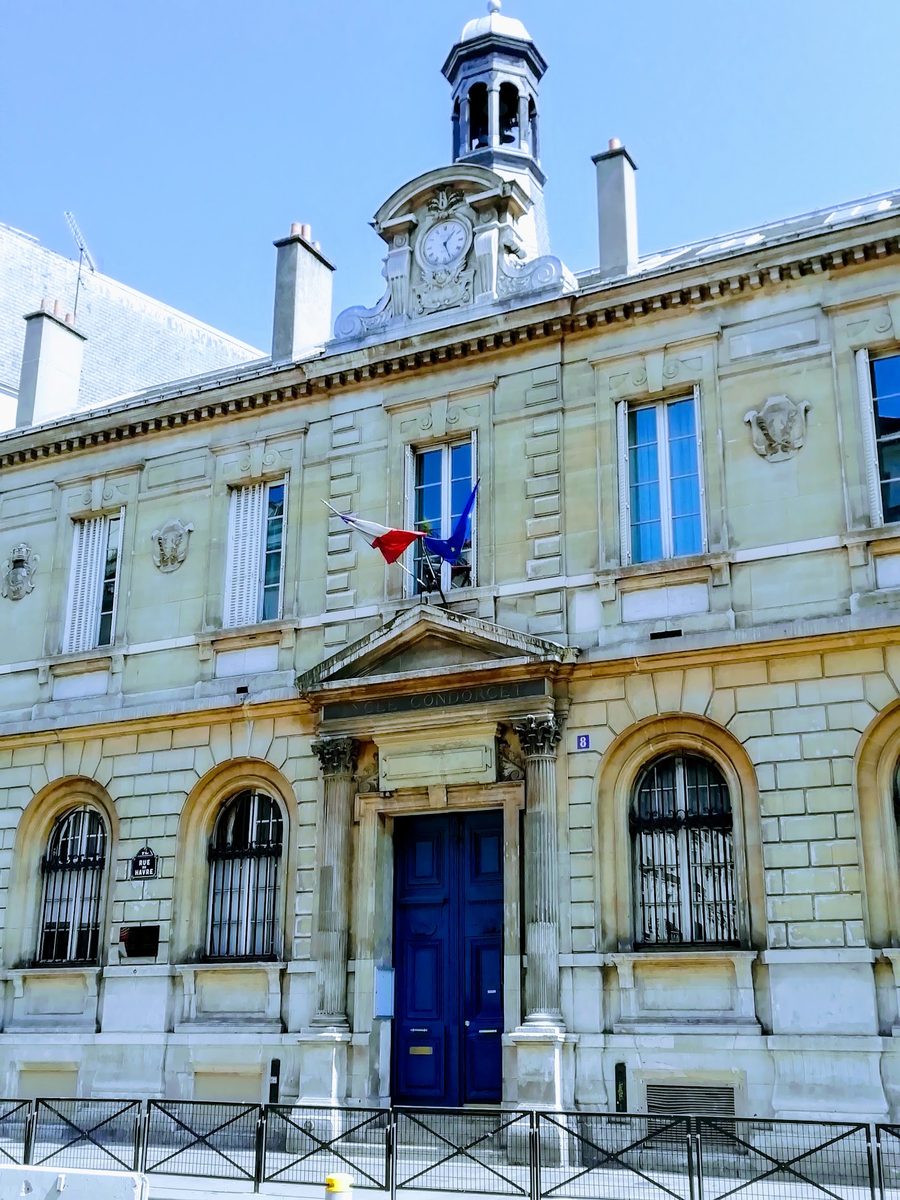
Lycée Condorcet
Paris · France
Housed in a former Capuchin cloister near Saint-Lazare, this boarding-free lycee still funnels day students into France's elite prep classes.
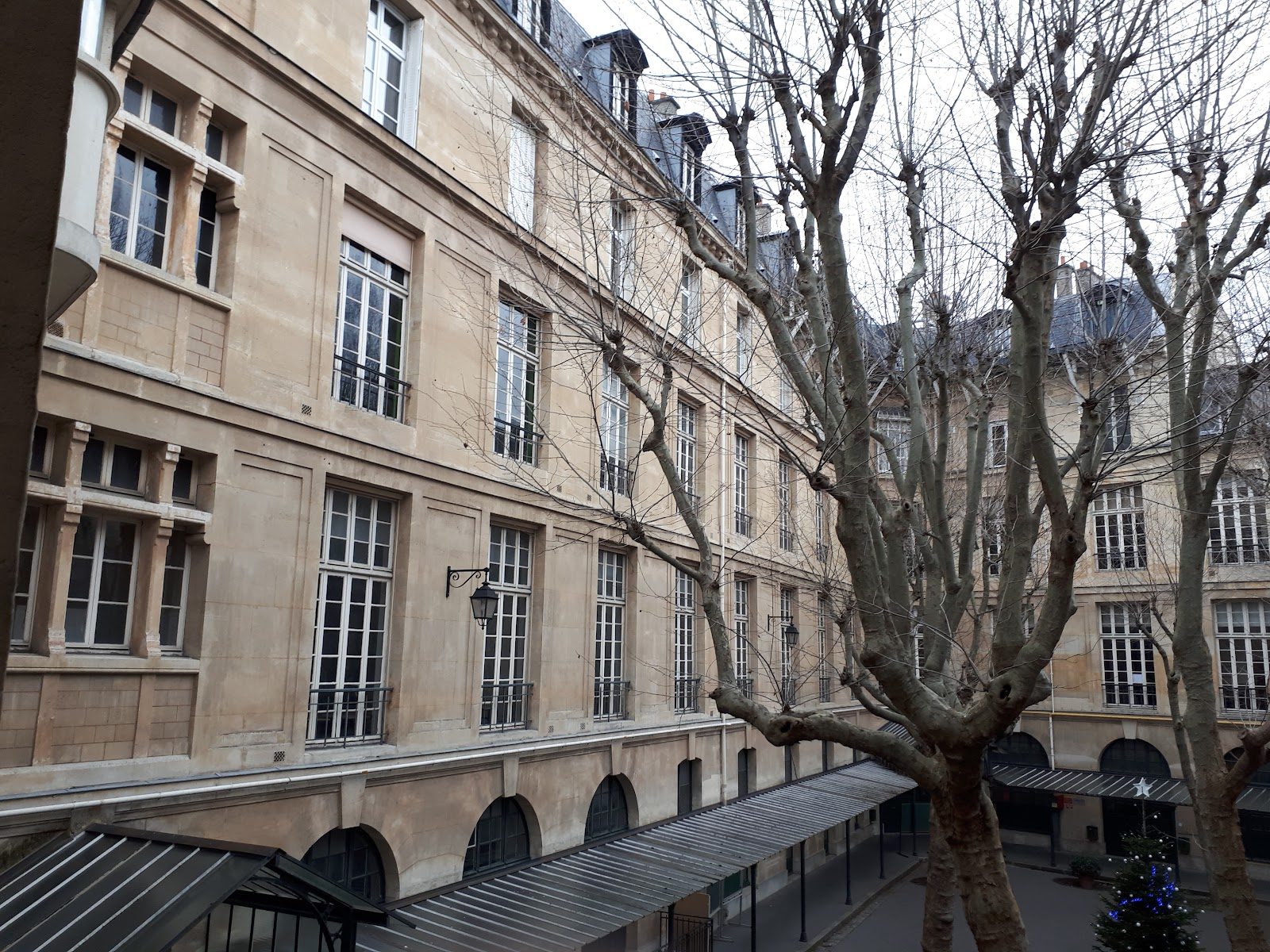
Lycée Fénelon
Paris · France
A former hotel particulier turned Paris's first girls' lycee, now second nationally for ENS admissions via its literary prepa.
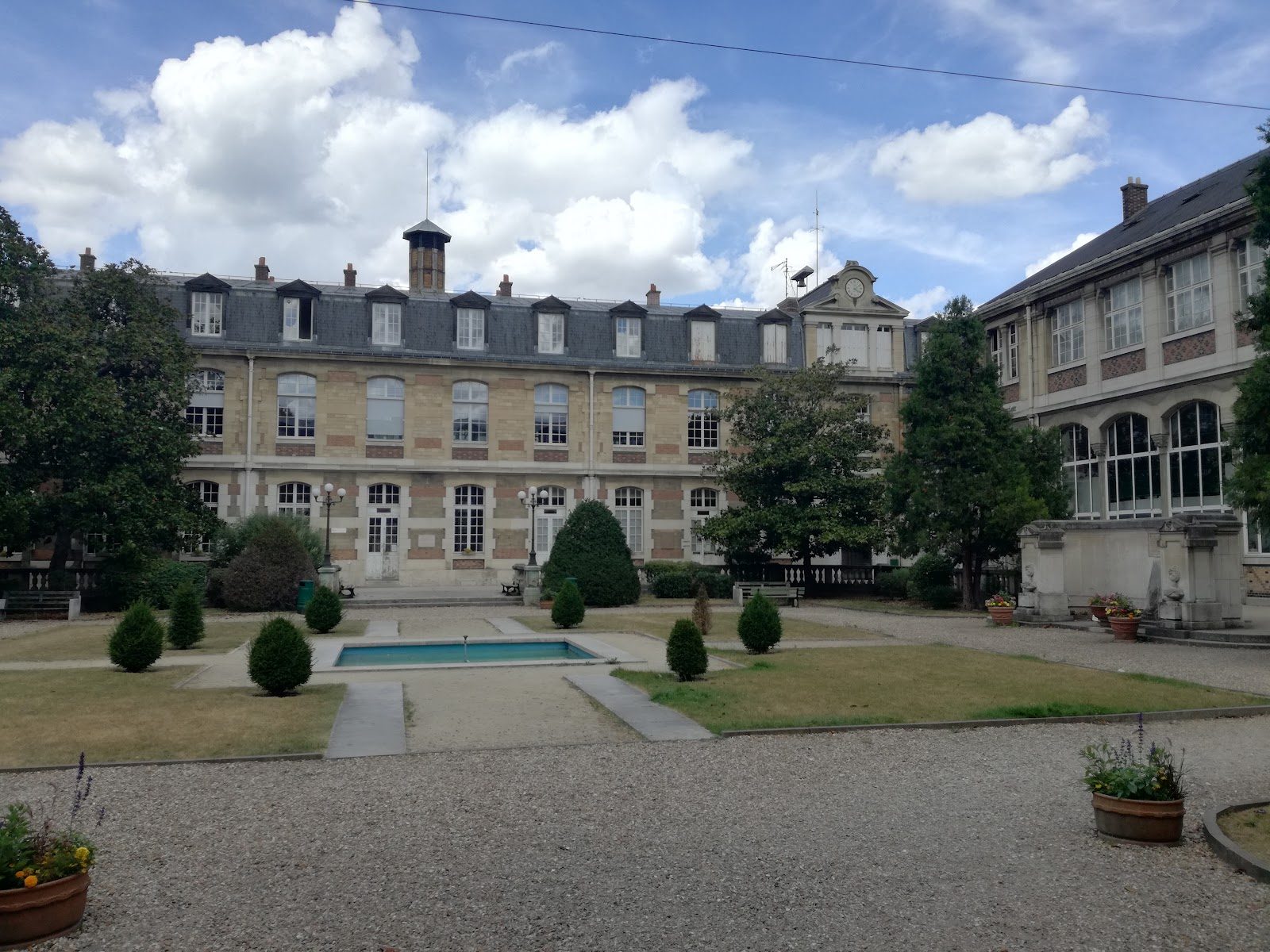
Lycée Janson-de-Sailly
Paris · France
A jilted lawyer's bequest built a 16th-arrondissement giant whose prepa classes still funnel thousands into France's grandes ecoles.
École Alsacienne
Paris · France
Founded by Alsatian refugees in 1874, a Left Bank laboratory for secular, progressive pedagogy that shaped France's republican school system.
Same country and curriculum — closest matches within ±10 points either way