
United States
Chicago Academy for the Arts – Visual Arts
New · 2026/27Type
Ages
—
Curriculum
—
Ratio
7:1
The Verdict
Editor's commitment
Right for
Teen artists who want an independent high school founded in 1981, a 7:1 ratio, and three-plus hours daily in Visual Arts.
Wrong for
Families after a conventional American high school: this is a performing and visual arts school, with a modified block day built around arts immersion.
Watch out for
At an average $39,388 a year, you are paying for an intensive co-curricular model: three 75-minute academic blocks, flex, then studio time.
Ranking breakdown
Chicago Academy for the Arts – Visual Arts · # of 1591
Composite score 50.3. 8 weighted criteria.
By criterion
Academic Outcomes
Weight 20%
No data yet
1533 of 1591 scored
University Placement
Weight 16%
No data yet
1529 of 1591 scored
Prestige & Heritage
Weight 12%
#1541
of 1580 scored
Alumni Network
Weight 12%
No data yet
1530 of 1591 scored
Facilities
Weight 12%
#61
of 1540 scored
Transparency & Communications
Weight 8%
No data yet
1547 of 1591 scored
Peer & Industry Review
Weight 10%
#783
of 1564 scored
Admissions Selectivity & Demand
Weight 8%
No data yet
1529 of 1591 scored
Peer & Industry Review
How Chicago Academy for the Arts – Visual Arts is regarded in the sector
68
Respected · medium confidence
Verifiable independent commentary on Chicago Academy for the Arts is thin. It sits outside the university-prep league tables (Chicago Tribune 'top high schools,' Niche, US News) that cover Chicago's elite day schools such as Latin School of Chicago or the Lab Schools, since its mission is pre-professional arts training rather than standardized-test performance. International outlets like Good Schools Guide or WhichSchoolAdvisor do not profile it, as their coverage skews UK/international. Its recognized peer set is the specialized-arts-school network (alongside institutions like Interlochen Arts Academy and LaGuardia High School), where it is known locally as one of the few Chicago-area conservatory-style options combining arts training with college prep, but no publicly documented head-to-head statements from rival heads were found. University-side regard is visible mainly through matriculation patterns to art and design schools (e.g., School of the Art Institute of Chicago, RISD-tier programs), rather than through quoted admissions-officer commentary. Overall, reputation appears solid within Chicago's niche arts-education community but lacks the kind of press and peer-institution documentation available for larger, nationally ranked prep schools.
Award
Elite Visual & Fine Arts 76
World's Top School · The Global Ranking
Chicago Academy for the Arts – Visual Arts is featured on our Global Top 76 ranking at #35. This seal is available for the school's marketing team to use on their website, prospectus and social channels.
Editors' overview
This is a specialist proposition with a clear point: serious arts training inside a real high-school structure, not an after-school add-on dressed up as a conservatoire. Chicago Academy for the Arts has been independent since 1981 and runs a day built around three 75-minute academic blocks, a 45-minute flex period, and then more than three hours in a student’s chosen arts department. For a visual arts student, that matters. The school gives the art discipline enough time to shape the day, rather than squeezing it around standard college-prep classes. With a 7:1 student-teacher ratio, the set-up points to close adult attention and a pace that suits students who need critique, iteration and sustained studio focus.
What sets it apart is the co-curricular design. The school is explicit that students do both: rigorous college-preparatory academics and professional-level arts training. That dual demand is the attraction and the warning label. This is not a casual arts option for a teenager who likes drawing but wants a conventional school week. It suits the student whose identity already rests in making work, taking criticism and spending long hours in an art environment, while still handling academic expectations. The National School of Distinction designation from the John F. Kennedy Center gives the school external credibility, but the more important signal is structural: the timetable itself tells parents that the arts are the organising principle, not the enrichment programme.
In market terms, this is a serious niche school rather than a broad private day school with a strong art department. The average annual day fee is $39,388, which places it in expensive US independent-school territory; parents are paying for specialisation, time and staff access, not a sprawling all-purpose campus proposition. The shortlist case is straightforward: if your child wants a high school where visual art sits at the centre of daily life, where academic work still carries weight, and where the culture is built for young artists rather than conventional all-rounders, this school earns attention. If your child wants Friday-night football, a standard extracurricular model, or room to keep the arts as a hobby, this is the wrong fit. For the committed young artist, that clarity is the strength.
An Elite Visual & Fine Arts 76 school
The Chicago Academy for the Arts sits in the city's River West neighborhood and holds rank thirty-five on the Elite Visual & Fine Arts 76. The single fact that earns its place here is verifiable and specific: the school's own account of recent graduate outcomes names Cooper Union and Rhode Island School of Design among the institutions its Visual Arts seniors are regularly admitted to on scholarship, a genuinely elite matriculation line for a co-curricular day school of roughly 120 students.
The specialism is built around a four-year studio sequence rather than a bolt-on elective. Year one is foundation-focused on technical skill-building; by junior year, students must present fifteen finished works, including a five-piece series, plus a written artist's statement to Visual Arts faculty for formal evaluation; seniors then develop a thesis body of work for a public Senior Exhibition and compete for National Foundation for Advancement in the Arts scholarships. Facilities include a dedicated oil-painting studio, a sculpture studio equipped for wood, plaster and mold-making, a printmaking studio with two presses supporting relief, lithography, intaglio, monotype and screenprint processes, a design studio and a digital lab running Adobe Creative Suite. The Visual Arts Department has been chaired since 2008 by Margy Stover, a Pratt Institute BFA and SUNY Buffalo MFA graduate, alongside faculty holding MFAs from Northwestern and SAIC who continue to exhibit professionally in Chicago and beyond.
Notable alumni include Heather Day (Visual Arts '08), an abstract painter whose work has been profiled in W Magazine and shown internationally, and Maisie Schloss (Visual Arts '09), a Forbes 30 Under 30 honoree. Recent graduate Hengyu Wang (Visual Arts '18) has also been featured by the school as a working artist.
International openness is real but modest in scale. The Academy does not offer boarding; instead it partners with Student RoomStay and Global School Access for homestay placement, and with Cornerstone Education specifically for students from China, with all international minors required to reside with a guardian recognized under Illinois courts. Admission runs through audition, portfolio submission and an in-person or phone interview alongside a parent interview; tuition for 2026-2027 is $39,388, and tuition assistance is not available to international applicants. Families abroad should begin the audition-and-homestay process at least nine to twelve months ahead, since portfolio review and guardian arrangements both take time to finalize.
Academic Performance
Academic performance is the least transparent part of the proposition. The school states that it delivers rigorous college-preparatory academics, and leadership biographies reference advanced courses such as AP Calculus and AP Computer Science, but the school does not publish aggregate AP results, average scores, SAT or ACT profiles, university matriculation breakdowns, or any other external benchmarking that would let parents place outcomes cleanly against selective arts high schools or strong US independents. That gap matters. In a school built around intensive artistic training, families need proof that academic attainment holds its ground rather than taking second place. Here, the public case rests on structure and intent, not disclosed results.
Relative to peers, that puts the academy in an opaque category on measurable academic outcomes, even while the educational model itself is demanding. A timetable with three academic blocks before a long studio immersion sets a high bar for stamina, organisation and independent work. For the right student, that can produce serious dual-track discipline: sustained studio practice without dropping college-prep expectations. For parents comparing schools on external examination strength, though, this is not a data-rich option. The school earns confidence on mission clarity and specialist focus; it does not earn it on published academic metrics. If exam performance is a deciding factor, ask for subject-by-subject AP entries, score distributions, and recent university destinations before treating the academic side as fully proven.
Facilities
The critical facility here is time-backed specialist space. A visual arts student works inside a school built for long daily immersion in one department, not a conventional campus where studio practice fights for room after classes. That shifts the facilities question away from acreage and towards suitability: parents need proper studios, critique space, storage, display capacity and equipment access that can sustain hours of uninterrupted work. The school identifies Visual Arts as a distinct department led by a long-serving chair, and the wider arts infrastructure is broad, with separate departments across dance, media arts, music, musical theatre and theatre. That breadth matters. In peer terms, this reads as a purpose-built arts environment rather than a private school with an earnest art wing bolted on.
The limitation is public detail. The school does not publish the kind of granular facilities inventory that top specialist competitors often do: no clear studio list, no workshop specifications, no gallery-style exhibition overview, no technical equipment breakdown, no floorplans and no serious visual documentation of the visual arts estate. For parents comparing elite arts high schools, that is a real weakness. The timetable gives the strongest clue to quality: more than three-plus hours each day in the chosen department demands rooms that function properly under pressure. That puts the academy ahead of mainstream peers on specialist use, but behind the best-documented arts schools on public proof. The facilities case is credible, specialist and still under-shown.
Academic outcomes remain opaque in public, and that blocks the school from the top bracket of all-round educational prestige
Prestige
Prestige here sits in the serious specialist tier, not the old-money independent-school tier and not the mass-market arts-school tier either. The status comes from focus, selectivity of purpose and professional seriousness inside the building. This is a high school organised around young artists, with a daily structure that gives long uninterrupted time to one discipline rather than treating art as enrichment. That matters more than polish. The Kennedy Center designation as a National School of Distinction adds external cachet, but the stronger prestige signal lies in the faculty and departmental leadership: the visual arts chair has led the department for many years, while other department heads bring established professional and higher-education credentials. The 7:1 ratio reinforces that this is a high-attention environment built for critique, close supervision and sustained making.
The limit on prestige is clear. This is not the kind of school that trades on broad social status, famous playing fields or a long list of published academic trophies. Its authority is discipline-specific and hard-earned. For families inside the arts world, that carries weight: the school treats adolescent artists as practitioners in training, not talented children to be indulged. For families chasing conventional prestige markers, the proposition is narrower. Academic outcomes remain opaque in public, and that blocks the school from the top bracket of all-round educational prestige. In visual arts, though, the school has real standing because the structure, staffing and culture are aligned with the work itself.
What makes this school distinctive is not “arts emphasis” in the vague private-school sense, but a full secondary model built around discipline-led practice
Communications
Parent communication tracks the school’s operating logic: direct, adult and mission-led. The public-facing message is consistent across leadership, timetable and department structure. Parents can see who runs the school, who leads each arts area and which senior staff hold operational or enrolment roles. That matters in a specialist setting, because families need named points of contact rather than a blur of brand language. The school also gives concrete shape to the day, down to the academic blocks, flex period and extended departmental immersion, so parents are not left guessing how a young artist’s week is organised. The admissions function is clearly identified, and the leadership pages carry more substance than many schools manage. This is serious institutional communication, not glossy lifestyle packaging.
The weakness is depth. For a school asking families to buy into an intensive dual-track model, public communication on outcomes and departmental life stays thinner than it needs to be. We have not seen the kind of parent-facing academic reporting that answers hard questions fast: aggregate AP performance, university destinations, visual arts portfolio outcomes, exhibition records, or a clear facilities breakdown. That leaves communication strong on identity and weaker on proof. In practice, parents will get a clear sense of ethos, personnel and structure, but a less clear sense of measurable results. At an average annual fee of $39,388, that imbalance is a real editorial reservation.
Uniqueness
What makes this school distinctive is not “arts emphasis” in the vague private-school sense, but a full secondary model built around discipline-led practice. A student does not tack visual art onto the edge of a standard timetable; the school gives the arts the dominant share of attention each day, with a long department immersion after academic classes. That creates a working-artist rhythm: sustained studio time, repeated critique, and enough continuity to develop serious habits rather than one-off projects. In visual arts, that matters more than glossy claims about creativity. The school also sits inside a broader artistic ecosystem, with parallel departments in dance, media arts, music, musical theatre and theatre. For students, that means daily proximity to other young makers and performers, which can sharpen standards and widen collaboration.
The benefit is clarity of identity. Teenagers who already think of themselves as artists get a school week that treats that commitment as the main event, not an extracurricular enthusiasm. The low staffing ratio supports close scrutiny and direct feedback, both essential in a field where progress depends on revision, technical discipline and resilience under criticism. The trade-off is just as clear: this is a demanding, narrow proposition. It does not suit a student who wants to keep art as one interest among many, or who needs the social architecture of a conventional American high school. For the right student, though, that narrowness is the advantage. It gives visual artists permission to work seriously while still staying inside a real high-school framework.
The school gives the art discipline enough time to shape the day, rather than squeezing it around standard college-prep classes
Student Profile
The right student for this school already has an artistic centre of gravity. In visual arts, that means a teenager who wants long stretches of making time, can tolerate critique without folding, and gets energy from process rather than applause. This is a strong fit for students who draw compulsively, build portfolios with intent, and accept that technical growth rests on repetition, correction and stamina. The low 7:1 ratio suits young artists who benefit from close scrutiny and direct feedback, not those who prefer to disappear into the back row. It also suits students who can handle a day split between academic expectations and intensive departmental work. That dual demand makes the place serious, high-pressure and not for dabblers.
Socially, the best fit is a student who wants to be surrounded by other young people who care deeply about their discipline. The wider arts culture matters here: visual artists work alongside dancers, musicians, actors and filmmakers, which can sharpen ambition and widen creative reference points. That environment suits teenagers who like purposeful peers more than conventional school spirit, and who do not need a standard American high-school experience to feel settled. The wrong fit is just as clear: a child who wants art as one elective among many, needs broad extracurricular variety, or resists structured criticism. Families paying an average of $39,388 a year are buying into a demanding specialist culture with a narrow brief and a clear reward.
The school is explicit that students do both: rigorous college-preparatory academics and professional-level arts training
Co-curricular strengths
Arts & sport, on a separate axis
Overall 8.38/10
Scored 0-10 from the school's own published evidence. This axis is editorial-only — it does not feed the main WTS ranking.
Sports
4.5/10
Drama
9.3/10
Dance
9.3/10
Music
9.3/10
Visual Arts
9.5/10
Parent reviews
Have you sent your child here?
Voice reviews carry the strongest trust badge — we transcribe them for you to tidy up before they go live. Prefer to type? A written review is fine too.
Add your voice
In 60 seconds, tell other parents: what's the best thing about Chicago Academy for the Arts – Visual Arts, and what surprised you when your child joined?
We ask for a Google sign-in so every review has a real face behind it — no anonymous drive-by attacks on schools, and no faked positive reviews. Your email is never shown publicly.
Send this profile to a friend
International parents rely on word-of-mouth. Share this review with someone weighing the same decision.
Schools with places
Similar schools to Chicago Academy for the Arts – Visual Arts with places available now.
Germantown Friends School
Philadelphia · United States
- 2026-27
- CLOSEDRegular cycle closed
- 2027-28
- OPENS SOONOpens Sept '26
Poly Prep Country Day School
Brooklyn · United States
- 2026-27
- CLOSEDRegular cycle closed
- 2027-28
- OPENS SOONOpens Sept '26
Marymount School of New York
New York City · United States
- 2026-27
- CLOSEDConfirmed full
- 2027-28
- PLACES OPENApplications opened 1 Aug '26
Boston University Academy
Boston · United States
- 2026-27
- CLOSEDRegular cycle closed
- 2027-28
- OPENS SOONOpens Sept '26
Availability first, then country, area, curriculum, price, co-curricular
Consider also
Also worth looking at alongside Chicago Academy for the Arts – Visual Arts.

Cincinnati Country Day School
Indian Hill, OH · United States
On a wooded Indian Hill campus, the nation's first 1:1 laptop program (1996) anchors a century of classroom innovation.
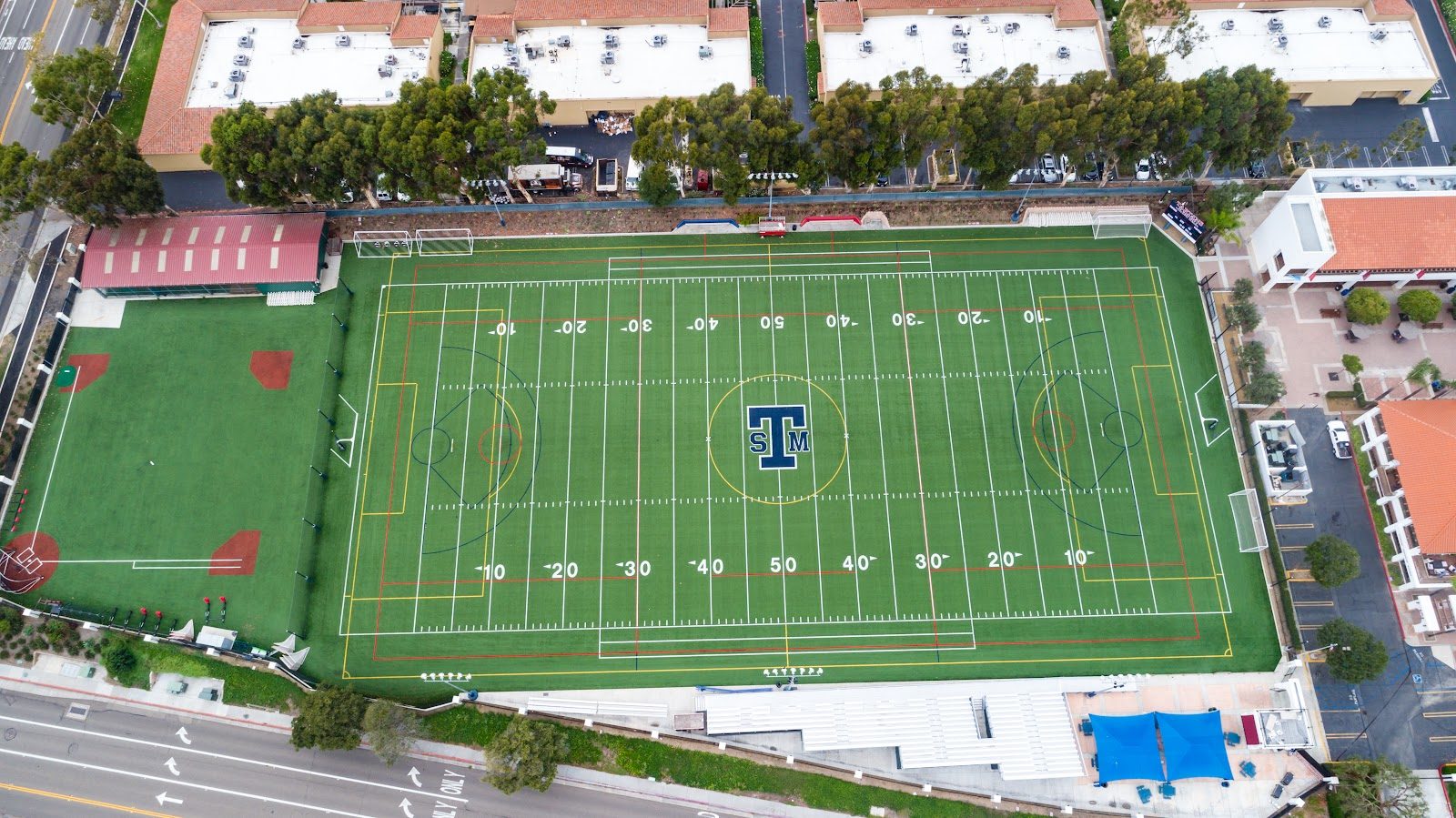
St. Margaret's Episcopal School
San Juan Capistrano · United States
Named for Scotland's patron saint of education, this mission-town day school builds Tartan identity into STEAM and service.
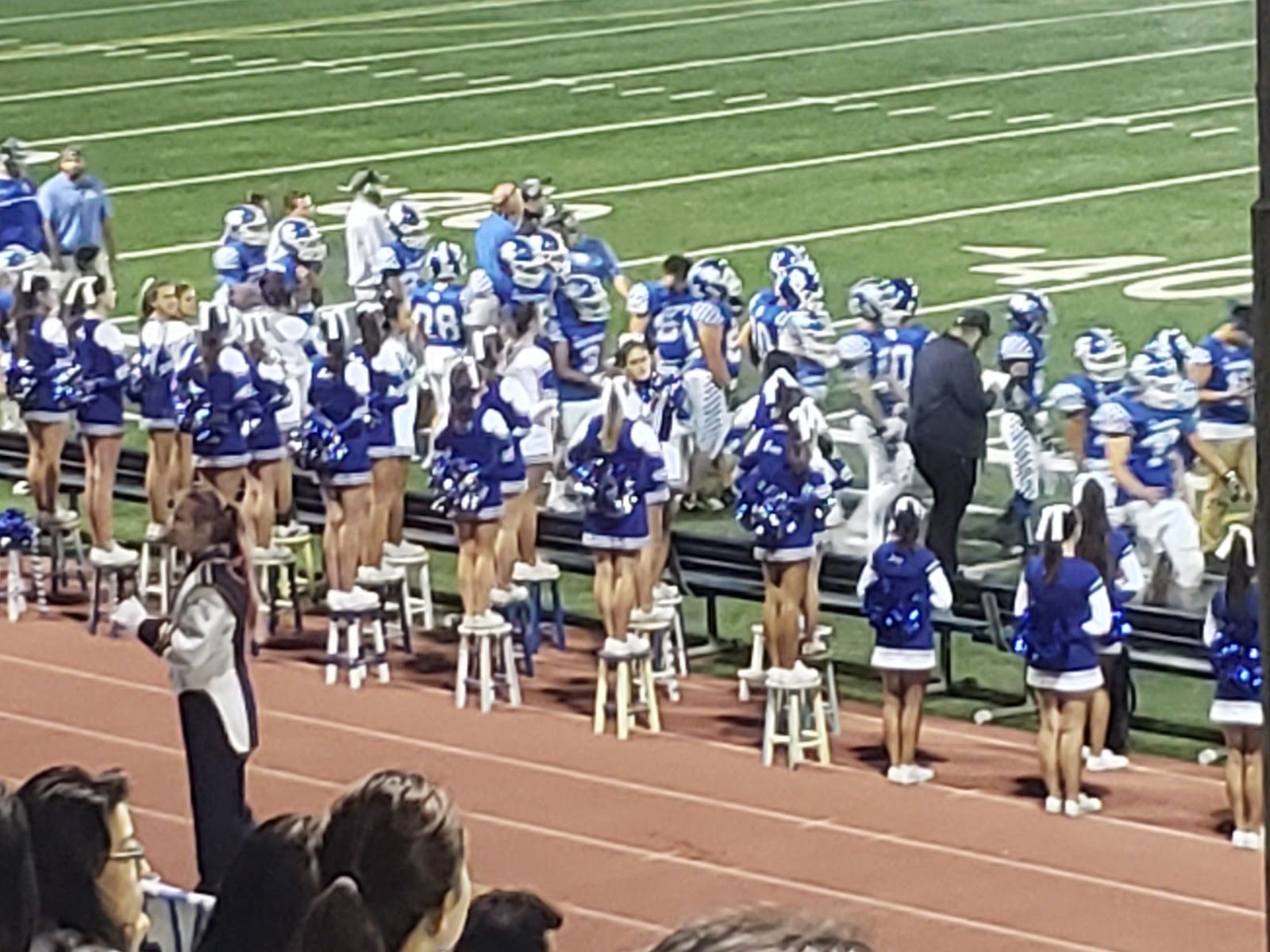
San Marino High School
San Marino · United States
A San Gabriel Valley public school pairing AP Platinum status with Caltech-linked STEM research and a national Blue Ribbon record.

JSerra Catholic High School
San Juan Capistrano · United States
California's first lay-founded Catholic high school, pairing five professional magnet tracks with Trinity League athletic firepower.
Same country and curriculum — closest matches within ±10 points either way