
Vaud
Chantemerle Bilingual School
low confidence· 6/6 cats · 0 avg sourcesAbove Lake Geneva, a family-run campus since 1966 pairs Swiss Matura rigor with a bilingual French-English track for late French starters.
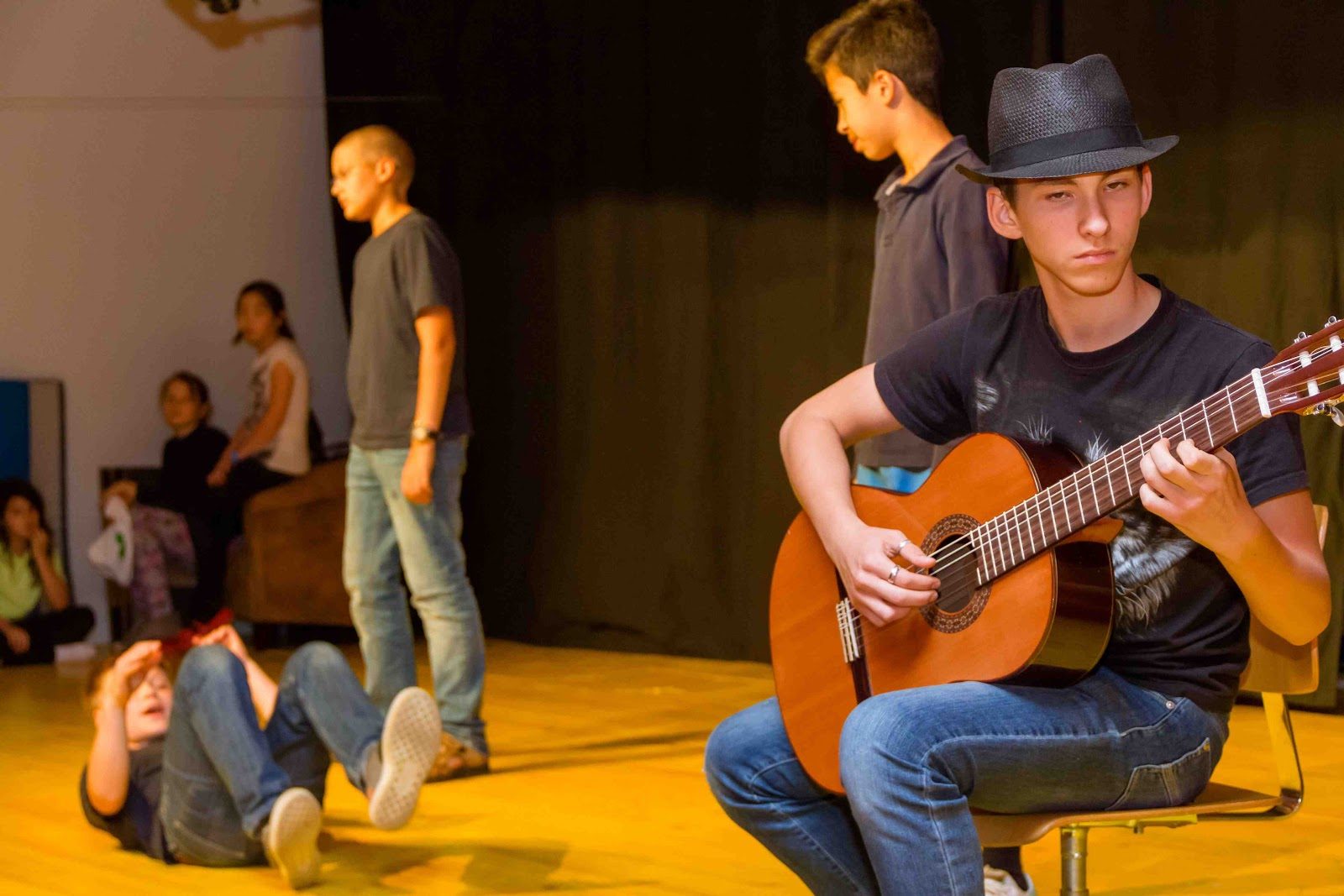
Photo © yann wegmueller via Google Maps
Type
Day
Ages
3–18
Curriculum
Bilingual English / French · Swiss Maturité
Ratio
7:1
The Verdict
Editor's commitment
Right for
Families in Blonay wanting a day school from ages 3–18, with 14-pupil classes and a 7:1 ratio, not factory-scale anonymity.
Wrong for
Parents wanting boarding, a broad menu of pathways, or instruction beyond English; Chantemerle is day-only and centres on Swiss Maturité.
Watch out for
Founded in 1968 and family-run by implication, this is a small operation: bilingual French-English plus Swiss Maturité leaves limited room to reinvent the brief.
Ranking breakdown
Chantemerle Bilingual School · # of 1591
Composite score 60.4. 8 weighted criteria.
By criterion
Academic Outcomes
Weight 20%
#1156
of 1529 scored
University Placement
Weight 16%
#1164
of 1529 scored
Prestige & Heritage
Weight 12%
#995
of 1571 scored
Alumni Network
Weight 12%
#623
of 1530 scored
Facilities
Weight 12%
#960
of 1534 scored
Transparency & Communications
Weight 8%
#1150
of 1532 scored
Peer & Industry Review
Weight 10%
#891
of 1548 scored
Admissions Selectivity & Demand
Weight 8%
#960
of 1529 scored
Peer & Industry Review
How Chantemerle Bilingual School is regarded in the sector
66
Respected · medium confidence
I could not identify at least two independent, third-party sources (e.g., Tatler, Good Schools Guide, expat forums, or specialist press) that substantively discuss Chantemerle Bilingual School's reputation. Available information appears to derive primarily from the school's own marketing materials or unverified directory listings, which do not meet the evidentiary bar required for scoring.
Editors' overview
Chantemerle occupies a narrow but valuable niche in the Lake Geneva market: a small, family-run day school that takes bilingualism seriously and does not force children into an all-French start. That matters. Many schools in francophone Switzerland expect pupils to cope with French from the outset; Chantemerle offers a bilingual English-French route and, crucially, a path into the Swiss Maturité for students who need time to build French. For international families who want local academic legitimacy without throwing a child straight into linguistic deep water, that is a serious practical advantage. The school’s scale also cuts against the anonymous feel of larger international campuses: a 7:1 student-teacher ratio and average class size of 14 point to close supervision, fast teacher feedback and little room for a child to drift.
What is special here is not glamour or breadth on the grand international-school model. It is focus. Chantemerle serves families who want a school with clear academic purpose, tight pastoral oversight and a bilingual structure that works for late French starters. The Swiss Maturité remains one of the more demanding school-leaving routes in Europe; pairing that with English-medium instruction gives the school a distinct market position. Parents looking for a huge subject buffet, sprawling facilities or the social scale of a major international brand will find stronger options elsewhere. Chantemerle’s offer is more disciplined and more specific: small classes, bilingual progression, and a route anchored in the Swiss system.
That puts Chantemerle on a shortlist for a defined type of student. It suits children who thrive in a closely watched environment, who benefit from teacher access, and who need structure more than spectacle. It also suits internationally mobile families based near Montreux, Vevey or Lausanne who want their child educated in English while acquiring serious French for life in Switzerland. Ambitious, academically steady students with patience for a rigorous programme will get the most from it. Teenagers chasing a vast co-curricular menu, a large peer group or a looser, more socially expansive school experience may find the school too contained.
In market terms, Chantemerle is not the default choice; it is the informed choice for parents who know exactly what they need. Its strength lies in precision rather than scale: bilingual access to the Swiss Maturité, a day-school format, and a compact campus culture built since 1968. For the right family, that combination is distinctive and hard to replace.
Academic Performance
Chantemerle does not publish the kind of examination data that allows a hard comparison with the stronger Swiss and international schools around Lake Geneva. We have not seen aggregate Swiss Maturité pass rates, subject grades, score distributions, university destinations by cohort, or year-by-year trend data. That is a real gap. For a school built around a demanding national leaving qualification, outcome transparency matters. Without it, parents cannot test whether the school converts its intimate scale and structured teaching into measurable academic return. In a market where serious schools increasingly disclose headline attainment, this silence leaves Chantemerle on the opaque side of the ledger.
That does not mean weak results; it means unproven results in public. The school’s academic proposition is coherent, and its small-scale model points to close monitoring and intervention. Those are strengths. But peers earn academic credibility with published evidence, not inference. Chantemerle therefore fits as a school whose performance case rests on programme design and educational structure rather than disclosed outcomes. For families already convinced by the school’s bilingual route into the Swiss system, that may be enough. For parents comparing schools on hard attainment data, it is not enough, and Chantemerle sits behind more transparent competitors until it publishes results in a form that allows scrutiny.
Facilities
Facilities are not Chantemerle’s selling point, and the school does not try to compete on scale. The campus gives pupils what a compact academic day school needs: teaching spaces sized for small classes, outdoor areas that make use of the hillside setting above the lake, and enough room for day-to-day sport and play. That works for younger children and for families who prize orderly, close-managed schooling over spectacle. It does not match the specialist infrastructure of the larger Lake Geneva internationals, where dedicated theatres, major indoor sports centres, extensive design labs and broad performance venues form part of the package. Parents choosing Chantemerle need to be comfortable with a tighter physical footprint and a campus experience that feels practical rather than grand.
Against peers, the comparison is straightforward. If your benchmark is intimate supervision and a contained environment, the facilities are fit for purpose. If your benchmark is breadth — elite aquatic provision, expansive grounds, high-end science centres, professional-grade arts spaces — Chantemerle sits below the regional heavyweights. That is not a flaw in itself; it is the consequence of a school built on focus rather than sprawl. The average class size of 14 eases pressure on rooms and helps the school function well without lavish physical scale. But families with children who need extensive on-site options in sport, performing arts or specialist extracurricular provision will find the campus limited by comparison.
For the right family, that combination is distinctive and hard to replace
Prestige
Chantemerle’s prestige is specific, not broad. It does not carry the social weight of the biggest Lake Geneva brands, nor the inherited cachet of the old Swiss boarding names that dominate international parent chatter. Its reputation rests on something narrower and more practical: a family-run school with tight oversight, small classes and a bilingual route that solves a real problem for expatriate families who want entry into the Swiss system without an abrupt all-French plunge. That earns it serious local credibility with informed parents. It does not make the school a status symbol. In prestige terms, this is a discerning choice rather than a glamorous one.
That distinction matters. Prestige in this market comes from one of three things: elite history, published academic dominance, or scale and brand visibility. Chantemerle has limited claim on the second and third. The school does not publish the outcome data that would lift its standing with hard-nosed academic comparators, and its compact profile keeps it out of the top tier of international name recognition. What it does have is a strong niche identity and a staffing ratio of 7:1, which signals unusually close adult attention. For families who value fit over flash, that reads as quietly valuable. For families buying social prestige, it reads as modest and contained. That is why the school sits in the middle rank for prestige: respected by those who understand its purpose, but not a school with automatic prestige beyond that circle.
What it does have is a strong niche identity and a staffing ratio of 7:1, which signals unusually close adult attention
Communications
Chantemerle’s parent communication works best where small schools have a natural advantage: access, speed and accountability. A close-knit day school with an average class size of 14 does not need layers of bureaucracy to get a message from teacher to parent, and families will value that. The school’s public-facing communication is clear on the essentials of its educational offer and who it suits. That matters because its proposition is niche and needs plain explanation. There is little sign of inflated branding language or the over-produced gloss that larger competitors use to mask weak substance. The tone is more direct, personal and workmanlike than polished. For many parents, that reads as reassuringly straightforward.
Where the communication falls short is not warmth but disclosure. The school does not publish the academic outcome data that serious parents expect when judging a demanding senior programme. That weakens trust at the point where communication matters most: proof. A school can answer emails quickly and still leave major questions unresolved if it does not disclose results, destinations or trend data in usable form. Chantemerle therefore communicates well at the relational level and less well at the evidential one. Parents who prize responsiveness and a human-scale relationship with staff will find the school strong here. Parents who want hard-edged transparency before committing will find the picture too thin.
Uniqueness
What sets Chantemerle apart is not novelty for its own sake, but a hard-to-find educational bridge. In francophone Switzerland, schools that offer a serious route into the local system while accommodating children who start with stronger English than French are scarce. Chantemerle tackles that problem directly. Its bilingual structure gives students time to build French without cutting them off from demanding academic expectations, and that matters for families who want more than an expatriate bubble. The gain for pupils is concrete: they can settle academically first, then deepen linguistic range without the shock of immediate full immersion. That makes the school practically distinctive in a market where language policy often acts as a filter.
Its other point of difference lies in scale and ownership. A family-run school of this size can enforce consistency, know its pupils well and correct problems early. Students benefit from an environment that is closely watched and deliberately structured, not one where a quiet child disappears into the machinery. The published staffing ratio of 7:1 underlines that advantage, and the average class size of 14 supports it. For the right student, that brings confidence, sharper teacher attention and steadier progress. It also brings limits: less anonymity, less breadth, and less room for reinvention through sheer scale. Chantemerle’s uniqueness lies in that trade-off. It offers precision over sprawl and a clearer path for bilingual progression than many larger rivals.
That makes the school practically distinctive in a market where language policy often acts as a filter
Student Profile
The best fit at Chantemerle is a child who benefits from close adult oversight and does not need the social anonymity of a big international campus. This suits pupils who work steadily, respond to structure and want teachers who know them well enough to catch slippage early. It also suits internationally minded families who want a school with a more grounded Swiss trajectory than the standard expatriate circuit. Children arriving with uneven French but solid academic habits fit the school well; the whole point of the model is to let them build linguistic confidence without derailing academic momentum. By contrast, students who crave constant novelty, a huge friendship pool or the broader social theatre of a large school can find the environment too contained.
Temperament matters here. The students who thrive are self-disciplined, teachable and comfortable being known. A low staffing ratio — 7:1 — brings support, but it also removes places to hide. That benefits quieter children who need attention and consistency, and ambitious pupils who want frequent feedback without fighting for it. It is less attractive for teenagers who define school life through scale, independence and endless optionality. In family terms, Chantemerle works for parents who value precision over prestige and who want a school that keeps a firm grip on progress, behaviour and day-to-day habits. For the right child, that makes the school sharply effective. For the wrong one, it feels narrow and closely managed.
What is special here is not glamour or breadth on the grand international-school model
Co-curricular strengths
Arts & sport, on a separate axis
Overall 7.62/10
Scored 0-10 from the school's own published evidence. This axis is editorial-only — it does not feed the main WTS ranking.
Sports
7.8/10
Drama
7.5/10
Dance
7.4/10
Music
7.8/10
Visual Arts
7.6/10
Strengths
- +7:1 student-teacher ratio allows close academic monitoring
- +Average class size 14 should limit classroom anonymity
- +Swiss Maturité route suits families prioritising Swiss pathways
- +English instruction with bilingual English/French positioning broadens access
Considerations
- −Founded year is inconsistent: 1968 context, 1966 website
- −Website emphasises French Swiss pathway over English curriculum details
- −Sources conflict on format: context says day, website mentions boarding
Availability
Primary entry gate & tests
Academic Record
Gallery
Photo © Angela Mallick via Google Maps
Photo © Julio Romero via Google Maps
Photo © Angela Mallick via Google Maps
Photo © yann wegmueller via Google Maps
Photo © yann wegmueller via Google Maps
Photo © Clara Garcia via Google Maps
Photo © École privée Chantemerle - Blonay, Suisse / Chantemerle Private school - Blonay, Switzerland via Google Maps
Parent reviews
Have you sent your child here?
Voice reviews carry the strongest trust badge — we transcribe them for you to tidy up before they go live. Prefer to type? A written review is fine too.
Add your voice
In 60 seconds, tell other parents: what's the best thing about Chantemerle Bilingual School, and what surprised you when your child joined?
We ask for a Google sign-in so every review has a real face behind it — no anonymous drive-by attacks on schools, and no faked positive reviews. Your email is never shown publicly.
Send this profile to a friend
International parents rely on word-of-mouth. Share this review with someone weighing the same decision.
Schools with places
Similar schools to Chantemerle Bilingual School with places available now.
Collège Alpin International Beau Soleil
Villars-sur-Ollon · Switzerland
- 2026-27
- WAITPOOLSpace-dependent
- 2027-28
- PLACES OPENRolling
Aiglon College
Chesières · Switzerland
- 2026-27
- WAITPOOLSpace-dependent
- 2027-28
- PLACES OPENRolling
Institut Le Rosey
Rolle · Switzerland
- 2026-27
- WAITPOOLVacancy-dependent
- 2027-28
- PLACES OPENRolling Quotas
Availability first, then country, area, curriculum, price, co-curricular
Consider also
Also worth looking at alongside Chantemerle Bilingual School.
Le Régent International School
Crans-Montana · Switzerland
A purpose-built 2015 alpine campus at 1,500m pairing British and IB curricula with daily ski-in, ski-out outdoor education.

Collège Champittet
Pully · Switzerland
A Dominican-founded lakeside campus above Lake Geneva, where boarders choose between IB, French Bac and Swiss Maturite tracks.
Zurich International School
Zurich · Switzerland
On Lake Zurich's shore, a 1963-founded day school pairs American diplomas and the IB with a bilingual German-English track from age three.
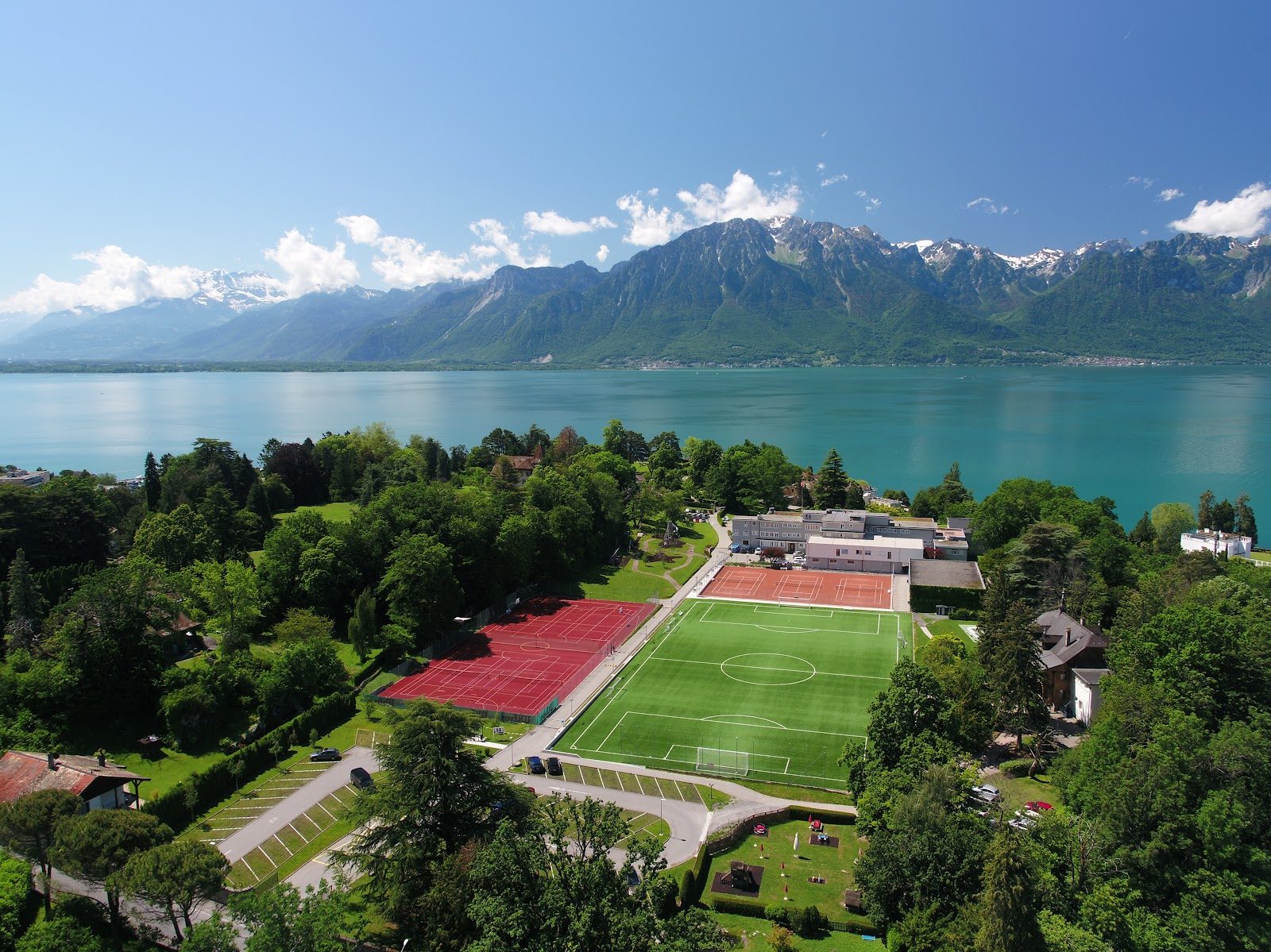
St George's International School (Montreux)
Montreux · Switzerland
Founded in 1927 by two Oxford graduates on the shores of Lake Geneva, pairing British rigor with IB ambition.
Same country and curriculum — closest matches within ±10 points either way