
Kolfe Keranyo
Bingham Academy
low confidence· 4/6 cats · 1 avg sourcesBorn in 1946 to educate missionary children, this Addis Ababa campus now gathers students from nearly thirty nations under one faith-rooted roof.
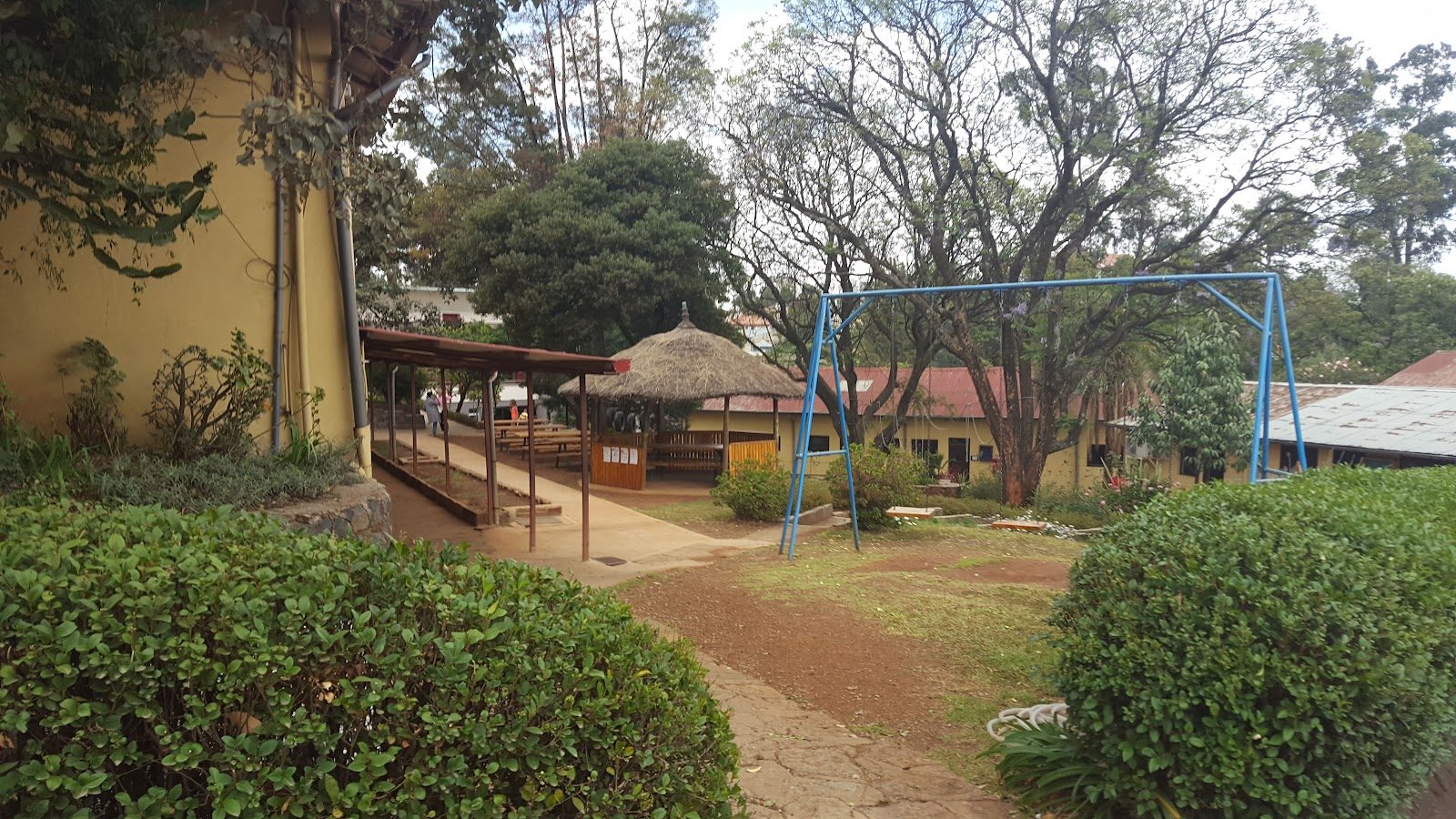
Photo © Daniel Kollman via Google Maps
Type
Both
Ages
3–18
Curriculum
American
Qualifications
AP · US High School Diploma
Ratio
—
The Verdict
Editor's commitment
Right for
Families in Addis Ababa wanting an English-medium American school, ages 3–18, with Christian faith and students from nearly thirty nations.
Wrong for
Parents wanting a secular school, a non-American curriculum, or teaching outside English; Bingham is interdenominational, American and in Addis Ababa.
Watch out for
Middle States, ACSI and AISA accreditations give external validation, but the school does not publish academic outcomes or university destinations.
Ranking breakdown
Bingham Academy · # of 1591
Composite score 59.6. 8 weighted criteria.
By criterion
Academic Outcomes
Weight 20%
#1135
of 1529 scored
University Placement
Weight 16%
#1144
of 1529 scored
Prestige & Heritage
Weight 12%
#1095
of 1571 scored
Alumni Network
Weight 12%
#689
of 1530 scored
Facilities
Weight 12%
#1153
of 1534 scored
Transparency & Communications
Weight 8%
#1150
of 1532 scored
Peer & Industry Review
Weight 10%
#998
of 1548 scored
Admissions Selectivity & Demand
Weight 8%
#943
of 1529 scored
Peer & Industry Review
How Bingham Academy is regarded in the sector
65
Respected · medium confidence
I could not identify at least two independent, third-party sources (e.g., Tatler, Good Schools Guide, specialist education press, government inspectorate reviews, or established expat-parent forums) that substantively assess Bingham Academy's reputation. Available information appears limited to the school's own materials or passing mentions without independent evaluative content.
Editors' overview
Bingham Academy occupies a distinct niche in Addis Ababa: an interdenominational Christian school with deep roots in the city and a clear international brief. Founded in 1946, it started life educating missionary children; today it serves ages 3–18 in English, under an American curriculum, with students from nearly thirty nations. That mix matters. In a market where some schools trade on prestige without much clarity of purpose, Bingham has a defined mission, published faith basis and long institutional memory. For parents who want a serious Christian frame, a settled school culture and an international peer group without the churn of a newly established campus, it deserves a place on the shortlist.
Its strongest selling point is coherence. The school states its mission plainly: quality Christian education in a multicultural community, developing students of integrity. That gives families a clear read on what daily life is built around. The accreditations — Middle States, ACSI and AISA — add external scrutiny and place it inside recognised international-school networks. The school covers the full 3–18 age range and operates as both day and boarding, which gives continuity rare in Ethiopia’s market. What stands out here is not glossy positioning but institutional durability, faith-rooted purpose and a campus designed to carry children from early years to university application stage in one place.
This is not the right school for every family. Parents seeking a secular environment, a weakly expressed values system or a purely local social mix should look elsewhere. Bingham suits students who do well in structured communities, respond to clear expectations and benefit from close adult guidance. It will appeal to internationally mobile families, Christian families who want belief integrated into school life, and children who value a strong sense of belonging over social flash. For the right student, the attraction is straightforward: continuity, clarity and a multicultural Christian environment with nearly 30 nationalities under one roof.
Academic Performance
Bingham does not publish aggregate external exam results, average scores, university destinations by cohort, or year-on-year attainment data. That is the central fact for parents assessing academic performance. In a competitive international-school market, serious comparators put headline outcomes in the public domain: AP score distributions, SAT or ACT ranges, IB averages, A-level grades, or at minimum a clear university matriculation list. Bingham’s public case is thinner. There is a guidance function and a full secondary structure, but no published attainment profile that lets families test academic strength against peers. The result is limited visibility, thin public accountability and a school that asks parents to trust process more than published outcomes.
That does not place Bingham at the weak end by default; it places it in the opaque middle. Schools with strong but unpublished results still lose ground in parent due diligence, because opacity makes comparison harder and weakens confidence. The school’s long-established character and external oversight give it institutional ballast, yet neither substitutes for hard attainment data. Relative to peers that publish external results in detail, Bingham is behind on transparency. Relative to schools that disclose almost nothing beyond marketing language, it retains more credibility because its mission, support structures and governance are clear. For academically hard-nosed families, though, the unanswered question remains simple: where are the numbers?
Facilities
Bingham’s public picture of facilities is thin. The website confirms a campus overview, athletics, gallery images, learning support, student wellness and guidance, but it does not publish the kind of room-by-room inventory serious parents expect: no clear breakdown of labs, specialist arts spaces, theatre provision, library scale, maker facilities or sports infrastructure. That matters. In this market, stronger operators show parents exactly what children use each day. Bingham asks families to infer quality from structure rather than inspect it in detail. The upside is that the school does not hide behind glossy excess or inflated campus rhetoric; the downside is real uncertainty about how far the physical plant matches the school’s all-through age range and international brief.
What we can say is narrower but still useful. Dedicated sections for athletics, learning support, counselling and wellness point to a campus organised around more than classrooms alone, which places Bingham above the bare-bones schools that offer little beyond core teaching rooms. That still falls short of the best-equipped international campuses, where science, performing arts, design and indoor sport facilities are documented in depth and used as proof of seriousness. Against peers, Bingham lands in the serviceable but under-evidenced category on facilities: enough signs of a functioning, student-supportive campus, not enough published detail to justify any claim of standout provision. For parents comparing schools carefully, that is a clear weakness in the public case.
Bingham Academy occupies a distinct niche in Addis Ababa: an interdenominational Christian school with deep roots in the city and a clear international brief
Prestige
Bingham’s prestige sits in the respectable but niche tier. It has durability, a clear religious identity and an international student body drawn from nearly 30 nationalities, all of which give it standing with families who know Addis well. In that circle, the school carries earned local credibility: it is not a speculative new entrant, and it is not trying to buy status through branding. The Christian frame also gives it a defined constituency. For mission-linked families, internationally mobile Protestant families and parents who want a school with a declared moral code, that identity adds weight. Prestige here comes from trust, continuity and fit, not glamour.
Outside that constituency, the ceiling is lower. Bingham does not project the kind of prestige attached to ultra-selective academic results, elite university pipelines or lavish campus theatre. The public case remains too thin for that. No published aggregate outcomes means no hard proof of top-tier academic distinction, and without that evidence the school cannot claim high-status academic clout in the wider international market. Its reputation rests instead on institutional steadiness, pastoral seriousness and a long record of serving a specific community well. That is real prestige, but it is bounded prestige: strong among families who value faith, stability and international community; weaker among parents chasing social cachet or measurable academic supremacy.
What makes Bingham distinctive is not novelty but institutional inheritance
Communications
Bingham’s parent communication looks functional rather than polished. The website gives families the core routes they need: a calendar, parent portal, PowerSchool access, contact details, PTO links, incoming staff information and separate sections for guidance, learning support, wellness and athletics. That menu tells you something important. This is a school that communicates through working channels, not through brand theatre. Parents can trace the structures around their child without digging through layers of slogan-heavy copy, and that counts in the school’s favour. The weakness is depth. There is little public-facing explanation of academic outcomes, little granular operational detail, and no strong evidence of the kind of disciplined transparency that reassures exacting parents before they enquire.
So how effective is it? Adequate for current families who already know the culture; less strong for outsiders running a hard comparison. A parent inside the community has clear access points for day-to-day life and school routines. A parent assessing the school from scratch gets a serviceable, plain-spoken picture, but not a rich one. The social media prompt and portal structure indicate an active information flow, yet the public case still lacks the crisp accountability and comprehensive publishing standards that mark out the best-run international schools. In practice, Bingham communicates with enough clarity to support an existing parent body across ages 3–18, but not with the forensic openness that would settle every serious question before first contact.
Uniqueness
What makes Bingham distinctive is not novelty but institutional inheritance. This school grew out of a missionary need and has kept that original logic in modern form: a Christian school built for internationally mobile families who want faith woven into the school day rather than parked at the edge of it. In Addis, that is a narrow lane, and Bingham occupies it with unusual clarity. The interdenominational basis matters here. It widens the tent beyond one church tradition while still holding a firm moral centre. Add a student body drawn from nearly 30 nationalities and the result is a school culture that is neither narrowly local nor rootless expat. It has a settled identity.
For students, that brings a specific kind of education. Children grow up inside a community where belief, behaviour and belonging are tied together, and where cross-cultural contact is routine rather than decorative. That can produce strong social confidence, ease across national lines and a sharper sense of personal responsibility than schools with a thinner value base. The trade-off is plain: this is not a loose, socially anonymous international school where families can take or leave the ethos. The school’s distinctiveness rests on conviction, continuity and community, and students who thrive in that frame gain something harder to manufacture than polished branding — a durable sense of place inside a genuinely international Christian environment.
The school states its mission plainly: quality Christian education in a multicultural community, developing students of integrity
Student Profile
The students who fit Bingham best are those who want school to feel like a community, not a transit lounge. With children from nearly 30 nationalities and a declared Christian basis, the social mix is international but not culturally loose. This suits pupils who are comfortable with difference, open to shared norms and willing to live inside a school culture that links conduct to belief. Children who need endless social reinvention, status competition or a hands-off moral climate will find the atmosphere too bounded and too intentional. Pupils who value routine, clear adult expectations and a stable friendship circle will do better. So will families who want their child known by staff, not absorbed into a crowd.
The strongest fit is the student who is community-minded, pastorally receptive and steady rather than showy. Bingham will work for internationally mobile children who need continuity, missionary or church-linked families, and parents who want faith embedded in ordinary school life rather than confined to assemblies and slogans. It also fits students who benefit from guidance and structure through adolescence, not just academic delivery. The weaker fit is easy to identify: fiercely secular families, children who resist overt values framing, and highly competitive students whose main measure of school quality is published academic outcomes. For them, the school’s faith-rooted discipline and opaque results profile will grate. For the right child, though, Bingham offers a settled, multicultural environment with a clear moral centre.
That gives families a clear read on what daily life is built around
Co-curricular strengths
Arts & sport, on a separate axis
Overall 6.4/10
Scored 0-10 from the school's own published evidence. This axis is editorial-only — it does not feed the main WTS ranking.
Sports
7.5/10
Drama
6.5/10
Dance
4.5/10
Music
7/10
Visual Arts
6.5/10
Editor first-pass · editor-reviewable · 7/30/2026
Strengths
- +Long-established institution originally founded to serve missionary and expatriate children in Ethiopia, giving it decades of institutional continuity.
- +Offers a boarding option alongside day school, a practical advantage for families based outside Addis Ababa or in remote postings.
- +Delivers an American-style curriculum, easing transitions for US-bound students or those moving between international postings.
- +Operates within a close-knit, faith-based community, which typically means small class sizes and a strong pastoral culture.
- +Serves a specific international niche (missionary and NGO families) that larger international schools in Addis Ababa do not directly cater to.
Considerations
- −Small overall scale relative to major international schools means a narrower range of electives, sports facilities, and extracurricular programmes.
- −Explicit Christian faith-based ethos may not suit secular families or those of other religious backgrounds seeking a neutral environment.
- −Based in Addis Ababa, where infrastructure, resources, and access to specialist facilities can lag behind schools in larger international hubs.
- −Low editorial visibility and limited independent data on outcomes, accreditation detail, or university placement make it harder for prospective families to benchmark against peer schools.
Availability
Primary entry gate & tests
Academic Record
Gallery
Photo © Daniel Kollman via Google Maps
Photo © Grace Kollman via Google Maps
Photo © Daniel Kollman via Google Maps
Photo © Daniel Kollman via Google Maps
Photo © Daniel Kollman via Google Maps
Parent reviews
Have you sent your child here?
Voice reviews carry the strongest trust badge — we transcribe them for you to tidy up before they go live. Prefer to type? A written review is fine too.
Add your voice
In 60 seconds, tell other parents: what's the best thing about Bingham Academy, and what surprised you when your child joined?
We ask for a Google sign-in so every review has a real face behind it — no anonymous drive-by attacks on schools, and no faked positive reviews. Your email is never shown publicly.
Send this profile to a friend
International parents rely on word-of-mouth. Share this review with someone weighing the same decision.
Schools with places
Similar schools to Bingham Academy with places available now.
Marymount International School Rome
Rome · Italy
- 2026-27
- WAITPOOLSpace-dependent
- 2027-28
- PLACES OPENRolling
Germantown Friends School
Philadelphia · United States
- 2026-27
- CLOSEDRegular cycle closed
- 2027-28
- OPENS SOONOpens Sept '26
Poly Prep Country Day School
Brooklyn · United States
- 2026-27
- CLOSEDRegular cycle closed
- 2027-28
- OPENS SOONOpens Sept '26
St Michaels University School
Victoria · Canada
- 2026-27
- CLOSEDRegular cycle closed
- 2027-28
- PLACES OPEN2027/28 open; priority 1 Dec '26
Availability first, then country, area, curriculum, price, co-curricular
Consider also
Also worth looking at alongside Bingham Academy.
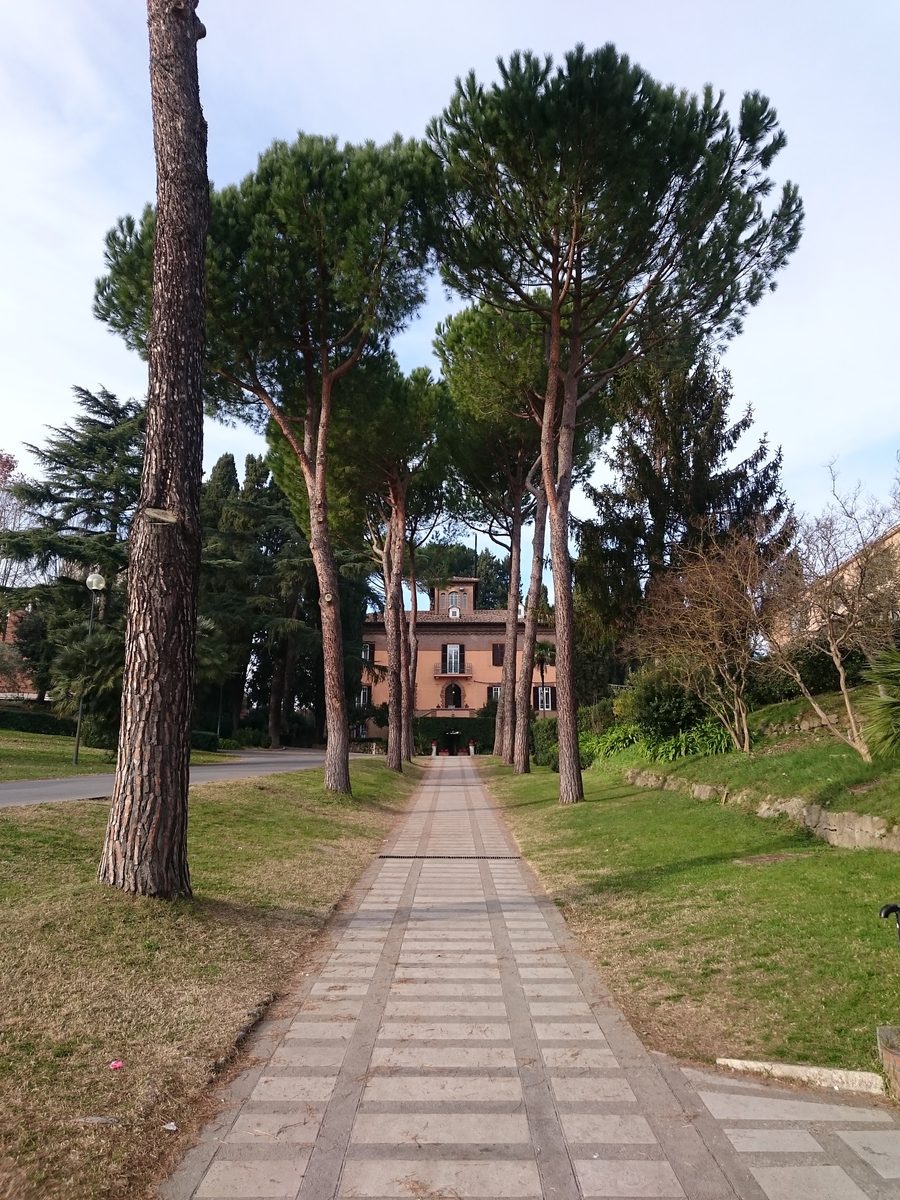
Marymount International School Rome
Rome · Italy
Italy's first international school pairs an American diploma with the IB on 40 acres of protected Roman parkland
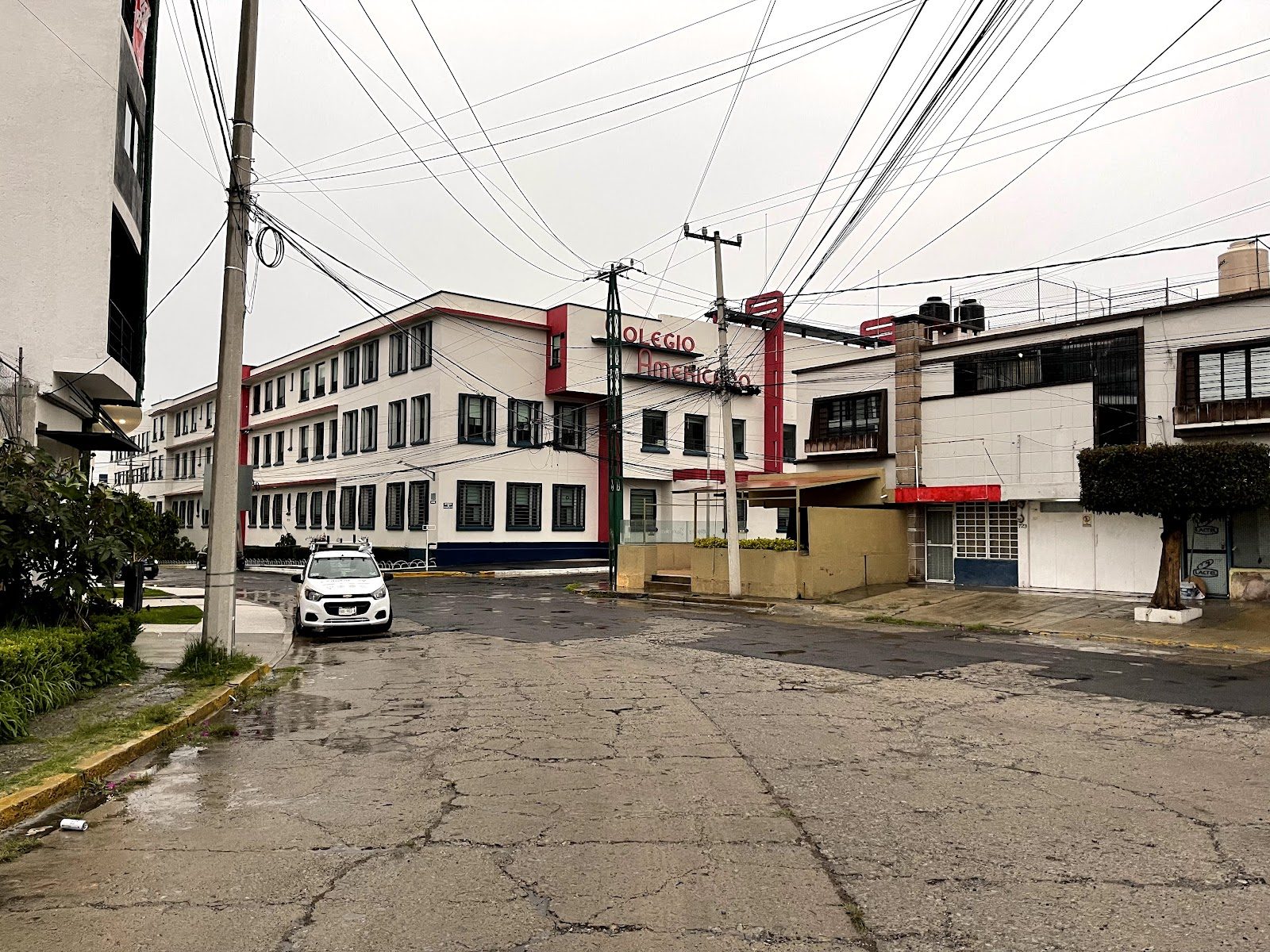
Puebla American School Foundation
Puebla · Mexico
Since 1942, this bilingual Puebla day school became the city's first to run the full IB continuum, from PYP to Diploma.
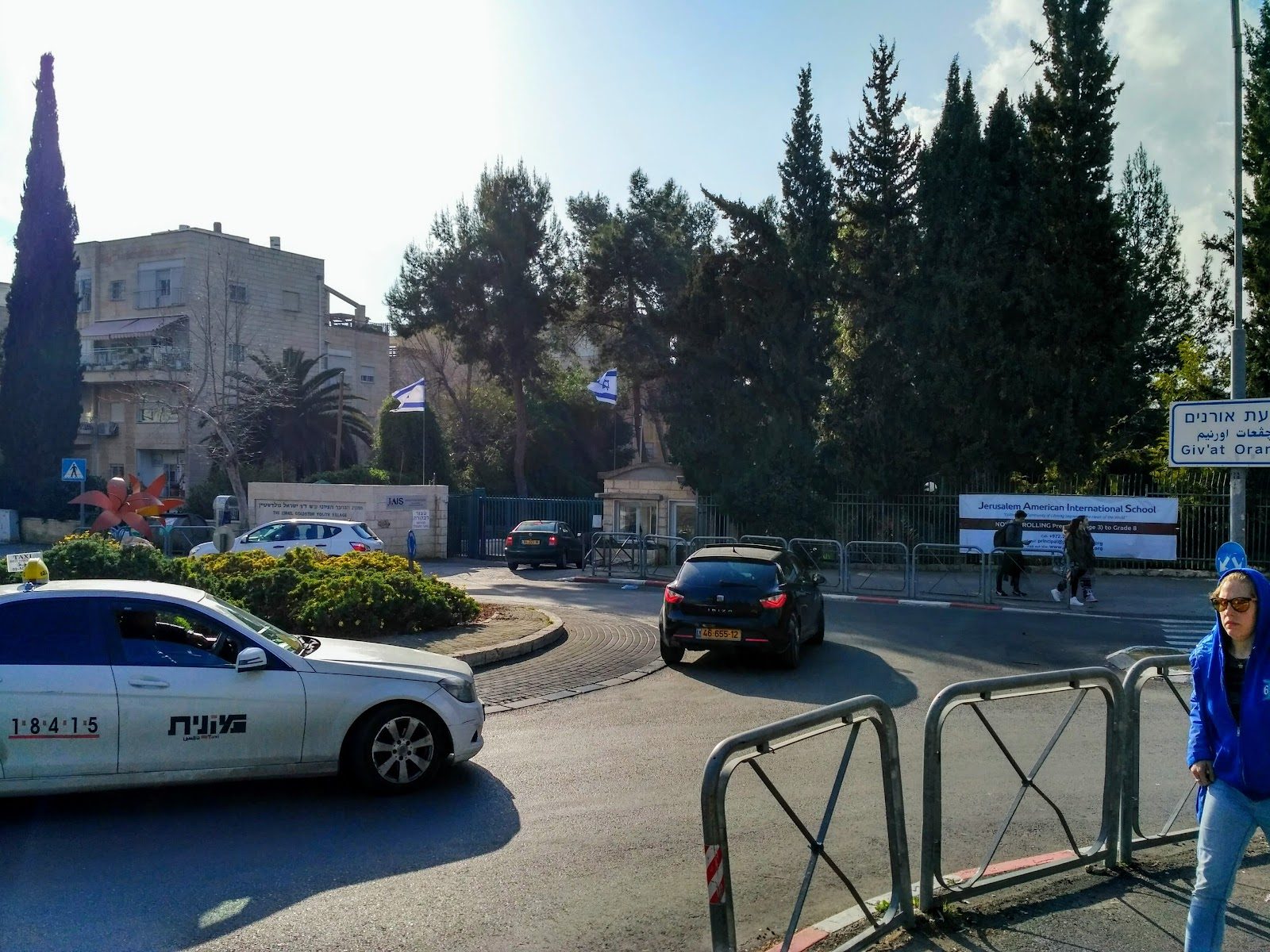
Jerusalem American International School
Jerusalem · Israel
A compact American day school weaving Jerusalem Studies into its curriculum for diplomatic, NGO and embassy families.
Germantown Friends School
Philadelphia · United States
Rooted in an 1845 Quaker meeting in historic Germantown, where juniors design a month-long independent study of their own.
Same country and curriculum — closest matches within ±10 points either way