
Arizona
Tuition-free, test-driven American schooling that pushes grade 5-to-12 students through an AP-heavy STEM curriculum.
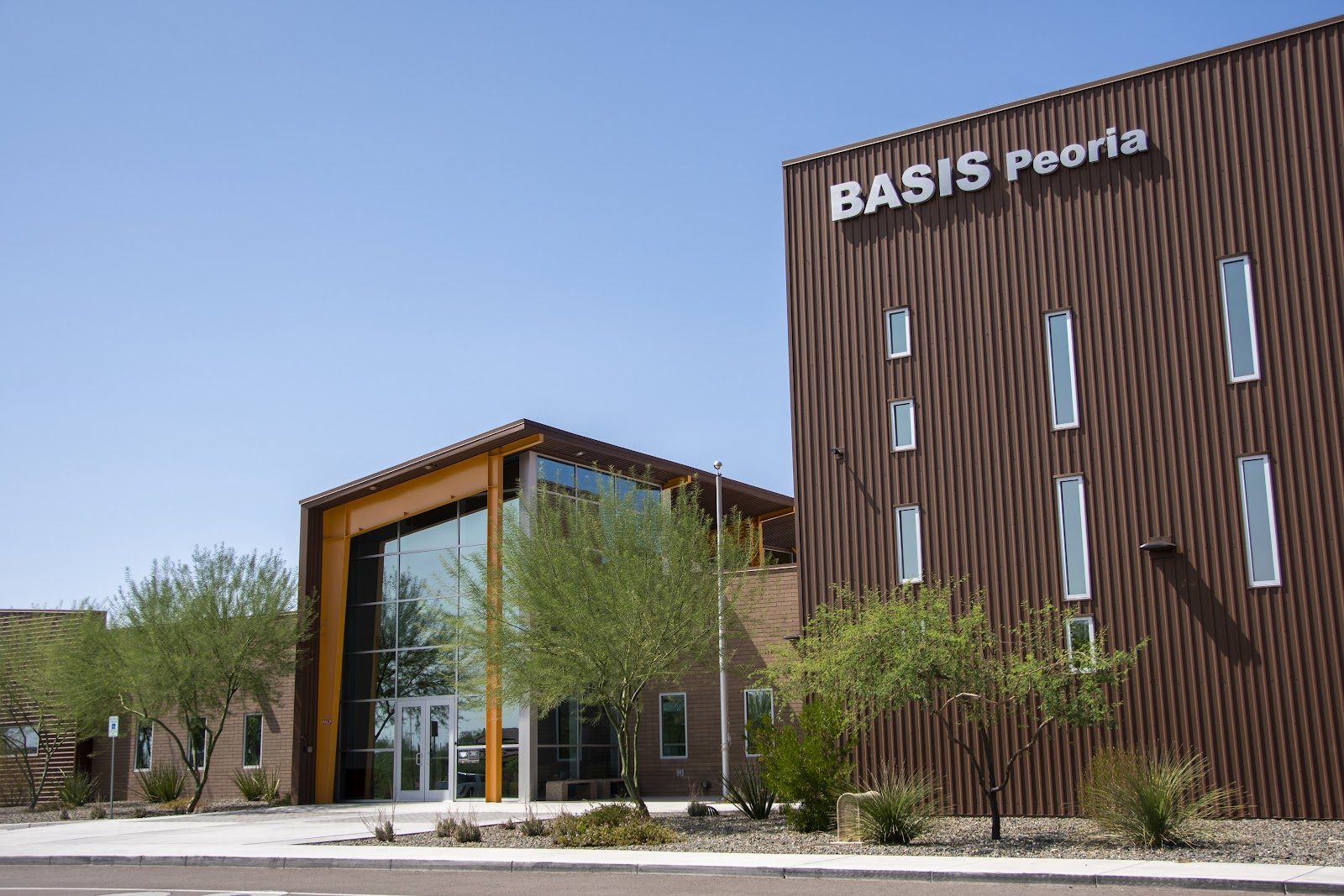
Photo © BASIS Peoria via Google Maps
Type
Day
Ages
10–18
Curriculum
American · AP
Ratio
—
The Verdict
Editor's commitment
Right for
Students aged 10–18 who can handle an American curriculum loaded with AP from a tuition-free Peoria day school founded in 2014.
Wrong for
Families wanting a softer pace, broader educational philosophy or boarding; BASIS Peoria is a secular day school for ages 10–18.
Watch out for
Cognia accreditation gives baseline assurance, not warmth; this 2014 Peoria campus trades pastoral romance for test-driven American AP results.
Ranking breakdown
BASIS Peoria · # of 1591
Composite score 74.0. 8 weighted criteria.
By criterion
Academic Outcomes
Weight 20%
#147
of 1529 scored
University Placement
Weight 16%
#219
of 1529 scored
Prestige & Heritage
Weight 12%
#597
of 1571 scored
Alumni Network
Weight 12%
#389
of 1530 scored
Facilities
Weight 12%
#848
of 1534 scored
Transparency & Communications
Weight 8%
#204
of 1532 scored
Peer & Industry Review
Weight 10%
#373
of 1548 scored
Admissions Selectivity & Demand
Weight 8%
#143
of 1529 scored
Score history
BASIS Peoria · 2026
Movement across 2024–2026. Peer average overlaid.
Overall — 2024–2026
74.0/ 100
▲ +25.8 vs 2025
year on year
Peer & Industry Review
How BASIS Peoria is regarded in the sector
78
Strong · medium confidence
BASIS Peoria is part of the BASIS Charter Schools network, which is consistently highlighted by U.S. News & World Report's Best High Schools rankings, with several BASIS Arizona campuses (including Peoria) placing in the national top tier for rigorous curriculum and AP performance. Niche.com and local Arizona press (e.g., AZCentral) also regularly cite BASIS schools, including Peoria, among the state's top-performing public/charter schools. However, coverage is more regional/specialist (education rankings, charter-school press) rather than broad international or elite private-school press coverage.
Evidence sources
Editors' overview
BASIS Peoria sits in a narrow but important niche: a tuition-free public charter school for ages 10–18 that delivers an American curriculum through an unapologetically AP-driven model. Founded in 2014, it offers something rare in the US market: a no-fee route into a high-pressure, academically selective culture more commonly associated with expensive private schools. That alone puts it on a serious parent’s shortlist. The draw is not warmth, pastoral softness or expansive extracurricular theatre. The draw is intellectual pace, early specialisation and a timetable built to reward competitive ambition, academic stamina and a taste for measurable attainment.
What makes BASIS Peoria distinctive is the combination of access and intensity. It is secular, English-medium and Cognia-accredited, but those basics do not define it. The defining feature is a test-driven structure that pushes students hard through middle and upper school, with AP courses carrying unusual weight. In practice, that means a school for families who want rigour without paying private-school fees, and who accept the trade-off: less educational cushioning, more pressure, more exams, more sorting by performance. For the right child, that produces serious academic momentum. For the wrong child, it produces fatigue, frustration and a constant sense of falling behind.
This school belongs on a shortlist for students who are strong in maths, science and analytical subjects, who like clear standards, and who do not need endless hand-holding to stay organised. The best fit is the child energised by hard classes, external benchmarks and a peer group that treats high performance as normal. It suits self-propelled learners, high scorers and pupils who value subject mastery over the broader, more polished social experience sold by many independent schools. It does not suit students who need a gentler pace, broad academic flexibility or a school culture built around emotional reassurance first and academic pressure second.
In market terms, BASIS Peoria competes less with conventional district schools than with selective magnets, exam-focused charters and lower-cost private college-prep options. Its central proposition is blunt: academic intensity without tuition. That is a powerful offer. Parents who want disciplined stretch, visible standards and a school that treats achievement as the main event will find it compelling. Parents looking for rounded ease, institutional softness or educational romance will not.
Academic Performance
BASIS Peoria does not publish the kind of clean, school-specific performance table that serious parents want. We have not seen aggregate AP score distributions, average SAT or ACT results, National Merit counts, or a year-by-year university destinations list for this campus. That opacity matters. In a school built around constant academic measurement and an exam-centred model, public outcomes should be easier to inspect. The absence of that data does not erase the school’s academic intent, but it does limit any precise judgement on how this campus performs against the strongest selective magnets and top public charters, where headline results are part of the public case.
The more defensible conclusion is comparative rather than statistical. Within the local public-school market, BASIS Peoria sits at the hard-charging end: more accelerated, more test-focused and more willing to sort students by performance than a standard district comprehensive. That gives it a stronger claim in advanced maths, science and AP preparation than most non-selective peers. Against the best exam-led charters and elite public magnets nationally, the picture is less clear because the school does not disclose the figures that would prove top-tier academic output. Parents can infer a serious academic ceiling from the model; they cannot verify campus-level results with the precision this type of school warrants.
Facilities
Facilities are functional rather than aspirational. BASIS Peoria operates in the stripped-back mould common to high-performing charters: the campus serves the academic machine first, with classrooms, science labs and test-preparation spaces carrying more weight than grand theatres, aquatic centres or showcase sports infrastructure. For a school that starts at age 10 and runs through 18, that matters. Parents should expect competent teaching rooms and the lab capacity needed for an AP-heavy science track; they should not expect the expansive specialist estates that top-fee independents use to advertise breadth. In this segment, that is not a flaw. It is a clear institutional choice: money and attention go to academic throughput, not to a country-club campus.
Against district schools, that can still feel sharper and more purposeful, because the estate is aligned to a narrower mission and a more exacting student profile. Against leading private college-prep schools, the gap is obvious. Those schools offer deeper arts provision, more polished athletic facilities and a wider range of specialist spaces that support students beyond the classroom. BASIS Peoria’s facilities fit a school built for hard academic mileage, not for campus theatre. Families who want elite laboratories, first-rate performance venues and major sports amenities will find the physical offer thin. Families who care more about whether the classrooms work, the labs function and the day stays focused on study will find it perfectly serviceable and in line with the school’s no-frills, high-pressure brief.
What makes BASIS Peoria distinctive is the combination of access and intensity
Prestige
BASIS Peoria carries a form of prestige that is real but narrow. It does not trade on old-name cachet, deep-rooted civic tradition or the social polish that affluent families still associate with elite independent schools. Its standing rests on something more utilitarian: a reputation for academic severity, high-output classrooms and a student body willing to tolerate pressure in exchange for stretch. In the American market, a tuition-free school serving ages 10–18 does not acquire status through architecture or heritage; it acquires status by signalling that weaker students will struggle and stronger students will move fast. That gives BASIS a recognisable brand among parents who value hard metrics, selective peer culture and intellectual competition. It does not give the school universal prestige. Outside that circle, the name carries less weight.
That is why the school rates as high-status in a specialist lane rather than broadly prestigious. Families who know the charter and magnet landscape will read BASIS as serious, exam-minded and uncompromising. Families shopping the independent-school world for social capital, campus experience or old-boy-network advantage will not. The missing public outcomes data also caps the school’s standing. Prestige in this segment depends on visible proof: AP distributions, university destinations, scholarship records, national awards. BASIS Peoria does not publish enough of that. So the school earns respect for rigour and ambition, but not the fully proven prestige that the strongest selective public schools command.
BASIS Peoria’s uniqueness lies in that unsoftened bargain: access to rigour, with few illusions about the cost
Communications
Parent communication is serviceable, but not a point of distinction. The school’s public-facing channels do the basics: term dates, enrolment information, contact routes and routine updates are easy enough to find, and the website is cleaner than the cluttered portals many public schools still force on families. That matters in a school with a high-demand academic culture, where missed deadlines and vague instructions create avoidable friction fast. The problem is depth. We have not seen the kind of rich, campus-specific communication that gives parents a sharp sense of day-to-day academic life, leadership priorities or how the school handles pressure points when students struggle. For a school built on tight accountability and constant performance tracking, communication needs to be exact, regular and transparent.
That leaves the overall impression of a school that communicates efficiently rather than generously. Families who want dates, forms and operational clarity will cope well. Families who want a strong narrative around student wellbeing, detailed academic reporting, or a more humanly textured picture of school life will find the public communication thin. That does not mean the internal parent experience is weak; it means the school does not publish enough to prove that it is strong. In this segment, that restraint reads less as discipline than as institutional opacity. Parents choosing a pressure-heavy school have every right to expect more than functional notices and procedural information.
Uniqueness
What sets BASIS Peoria apart is not novelty for its own sake, but a blunt educational wager: take children from 10 upwards, place them in a school where high attainment is the organising principle, and remove the tuition barrier that usually screens access to this kind of pressure. That mix is rare. In most markets, families choose between free public provision with a broader intake and fee-paying schools with a more demanding academic culture. BASIS compresses those worlds into one institution. The result for students is early academic sorting, constant external measurement and a peer environment where hard work is not an optional extra but the baseline. For able pupils who like pace and precision, that brings real advantages: faster movement into advanced content, stronger habits of study, and daily exposure to classmates who treat marks and mastery seriously.
The flip side is just as distinctive. This is a school that asks children to tolerate pressure earlier and more consistently than most. It gives strong students serious intellectual traction and a clear route into advanced coursework before many conventional schools have raised the pace. It also narrows the margin for drift. Students who thrive here learn to manage deadlines, absorb criticism and compete without much cushioning; that is useful preparation for selective universities and other high-demand environments. Students who need room to wobble, recover slowly or define success more broadly than exam performance pay a price. BASIS Peoria’s uniqueness lies in that unsoftened bargain: access to rigour, with few illusions about the cost.
BASIS Peoria does not publish the kind of clean, school-specific performance table that serious parents want
Student Profile
The students who fit here are the ones who treat school as a serious job. They are organised, fast to grasp instruction, and unbothered by a culture where marks matter and comparison is built into the day. The school starts at 10, so that sorting begins early. Children who flourish in this environment tend to like right answers, clear standards and subjects where effort converts cleanly into results. Strong mathematicians, confident scientists and pupils with real tolerance for repetition, testing and correction will do well. So will children who recover quickly from a low score and return to work without drama. This is a place for the driven, the thick-skinned and the self-propelled.
The weaker fit is just as clear. Students who need broad creative latitude, slow academic pacing or heavy pastoral cushioning will find the culture hard. So will bright but inconsistent children who rely on charm, improvisation or last-minute rescue. The school runs through 18, and that long stretch rewards stamina as much as raw ability. A child does not need to be joyless or monomaniacal to belong here, but they do need discipline, competitive calm and a genuine appetite for external validation. Families also need a high tolerance for pressure at home: revision, deadlines and performance dips will shape domestic life. For the right student, that produces serious traction. For the wrong one, it becomes a grind very quickly.
BASIS Peoria’s facilities fit a school built for hard academic mileage, not for campus theatre
Co-curricular strengths
Arts & sport, on a separate axis
Overall 6/10
Scored 0-10 from the school's own published evidence. This axis is editorial-only — it does not feed the main WTS ranking.
Sports
6.5/10
Drama
5.5/10
Dance
5/10
Music
6.5/10
Visual Arts
6.5/10
Editor first-pass · editor-reviewable · 7/27/2026

WTS 300 badge
2025/26 editionBASIS Peoria is one of the World's Top 300 Schools for 2025/26. Claim your listing to add it to your site →
Strengths
- +BASIS Peoria was named the No. 1 high school in the United States in the 2024 US News & World Report Best High Schools rankings, up from No. 12 the previous year.
- +It is a tuition-free public charter school with no entrance exam; admission is not restricted by academic achievement or any protected class.
- +By graduation, students have taken a minimum of six Advanced Placement courses as part of an accelerated liberal arts and sciences curriculum.
- +State assessment data show 83% of students scoring at or above proficient in math and 79% in reading, matching or exceeding district and state comparisons.
- +Extracurricular offerings include several sports teams, Model UN and a robotics club alongside the academic program.
Considerations
- −The wider BASIS charter network, including its Arizona flagship campuses, has drawn criticism for high student attrition between lower and upper grades, with one commentator noting hundreds of students leaving similar top-rated charters after a short period.
- −Student demographics skew heavily toward one group, with school data showing 74% of pupils identifying as Asian, 12% White, 6% Hispanic and 4% African American, limiting broader ethnic diversity.
- −As a lottery-admission charter school, a seat is not guaranteed even for well-prepared families; oversubscribed grade levels can carry waitlists despite open, non-selective enrollment rules.
- −The accelerated, AP-heavy academic pace that drives the school's rankings is demanding by design, which is not a fit for every learner regardless of ability.
Availability
Primary entry gate & tests
Open Enrollment / Lottery
Gallery
Photo © Ash DiCristina via Google Maps
Photo © Svetoslav Sabev via Google Maps
Photo © Hans Ruygt via Google Maps
Photo © From a Google User via Google Maps
Photo © BASIS Peoria via Google Maps
Photo © BASIS Peoria via Google Maps
Photo © BASIS Peoria via Google Maps
Photo © BASIS Peoria via Google Maps
Photo © BASIS Peoria via Google Maps
Parent reviews
Have you sent your child here?
Voice reviews carry the strongest trust badge — we transcribe them for you to tidy up before they go live. Prefer to type? A written review is fine too.
Add your voice
In 60 seconds, tell other parents: what's the best thing about BASIS Peoria, and what surprised you when your child joined?
We ask for a Google sign-in so every review has a real face behind it — no anonymous drive-by attacks on schools, and no faked positive reviews. Your email is never shown publicly.
Send this profile to a friend
International parents rely on word-of-mouth. Share this review with someone weighing the same decision.
Schools with places
Similar schools to BASIS Peoria with places available now.
Lick-Wilmerding High School
San Francisco · United States
- 2026-27
- CLOSEDRegular cycle
- 2027-28
- OPENS SOONOpens early Sept '26
Crystal Springs Uplands School
Hillsborough · United States
- 2026-27
- CLOSEDRegular cycle
- 2027-28
- OPENS SOONOpens Sept '26
Saint Ann's School
Brooklyn · United States
- 2026-27
- WAITPOOLLate / attrition-dependent
- 2027-28
- OPENS SOONOpens 8 Sept '26
The Branson School
Ross · United States
- 2026-27
- CLOSEDRegular cycle
- 2027-28
- OPENS SOONOpens Sept '26
Availability first, then country, area, curriculum, price, co-curricular
Consider also
Also worth looking at alongside BASIS Peoria.
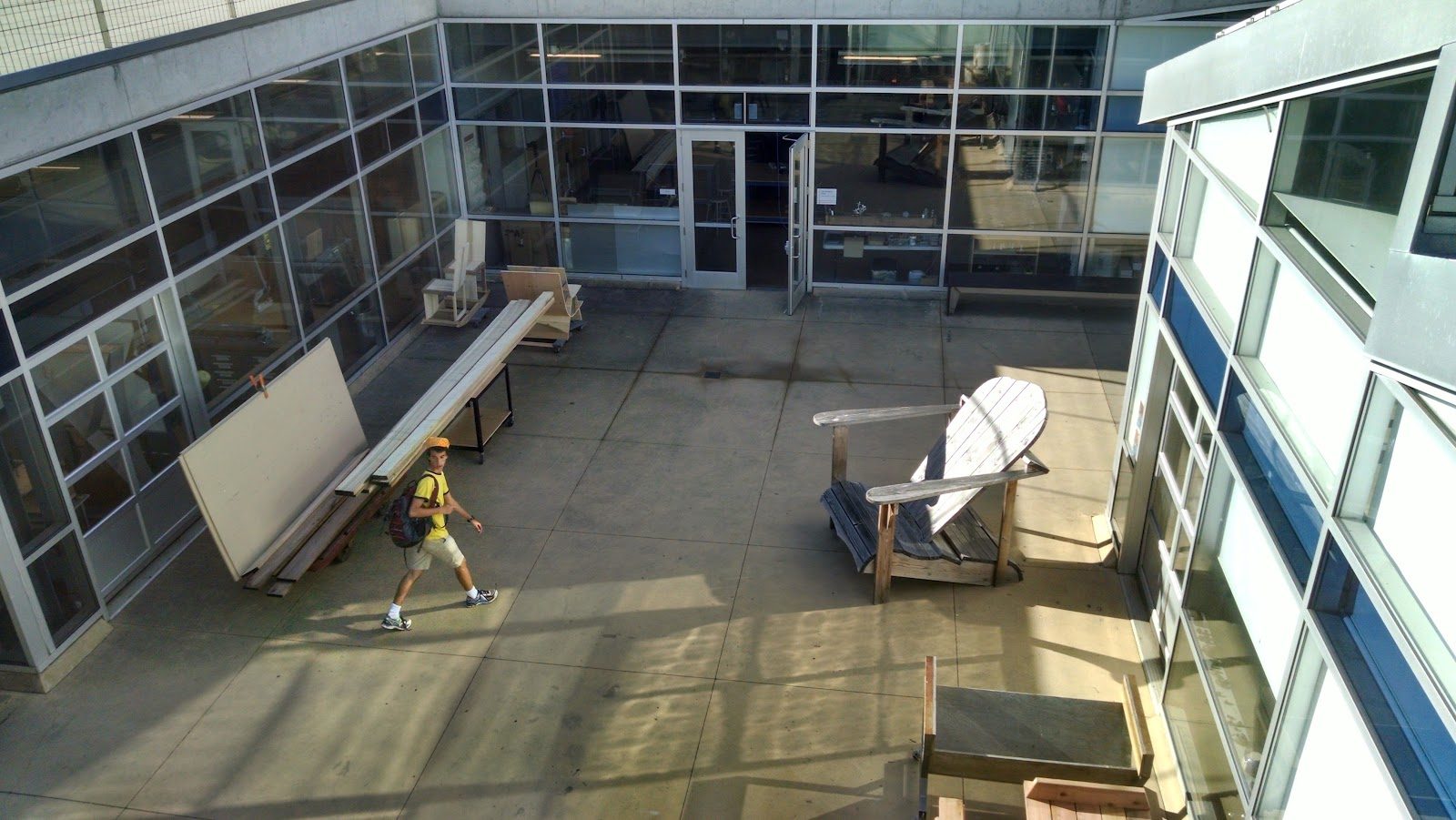
Lick-Wilmerding High School
San Francisco · United States
Founded as an 1895 mechanical-arts school, it still requires wood, metal, jewelry, or electronics credits alongside AP coursework.
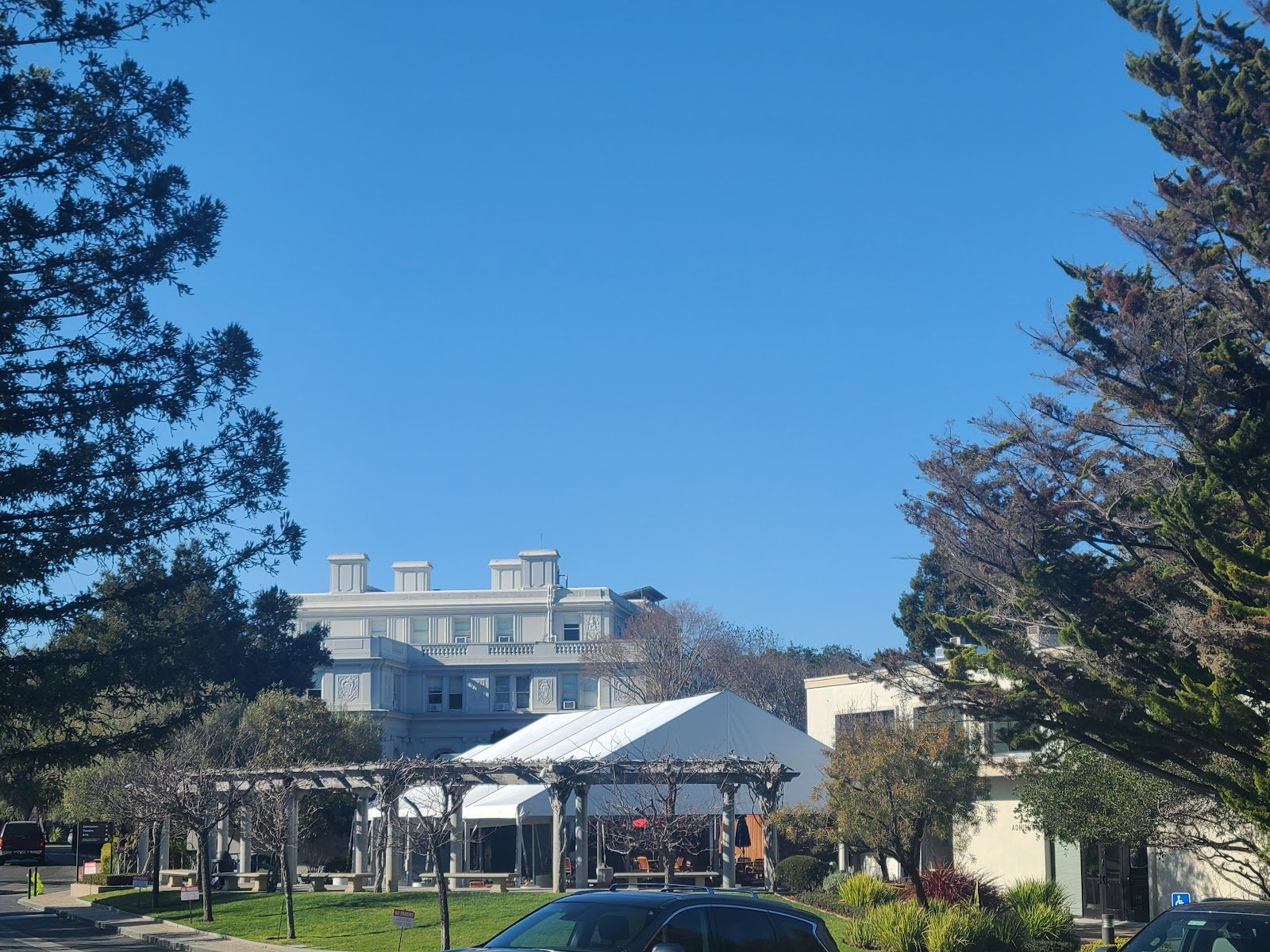
Crystal Springs Uplands School
Hillsborough · United States
On a Peninsula estate once built by railroad money, this day school ditched AP courses for honors-level, student-driven research.
Saint Ann's School
Brooklyn · United States
In Brooklyn Heights, narrative reports replace letter grades while nationally recognized arts programs anchor the curriculum.
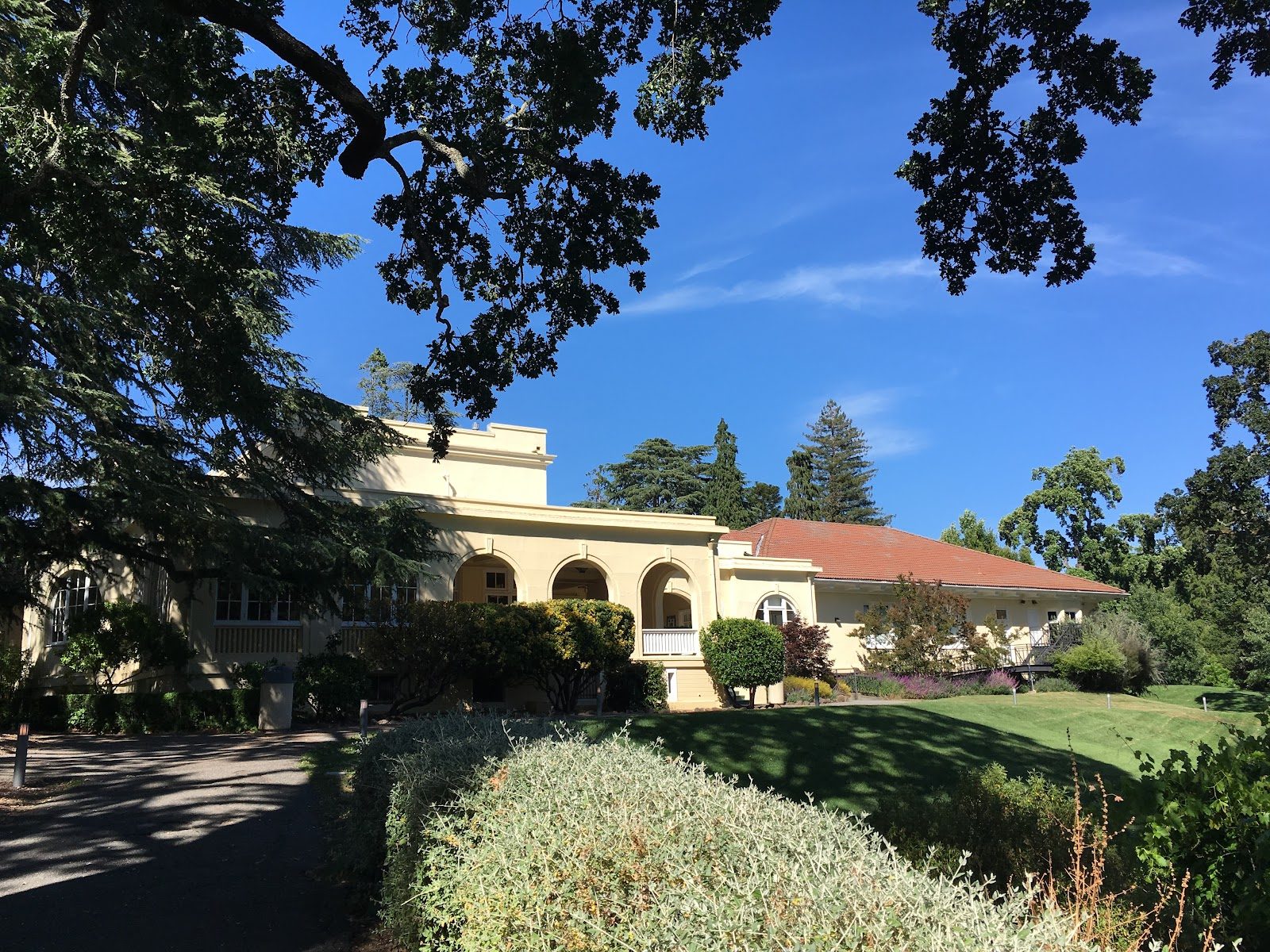
The Branson School
Ross · United States
A Marin hillside campus that skips AP tests for honors depth, immersive electives, and outdoor-education fieldwork.
Same country and curriculum — closest matches within ±10 points either way