
New South Wales
On Sydney's upper North Shore, an Anglican day-and-boarding school pairing Year 9 seniors-only boarding with 50 years of coeducation.
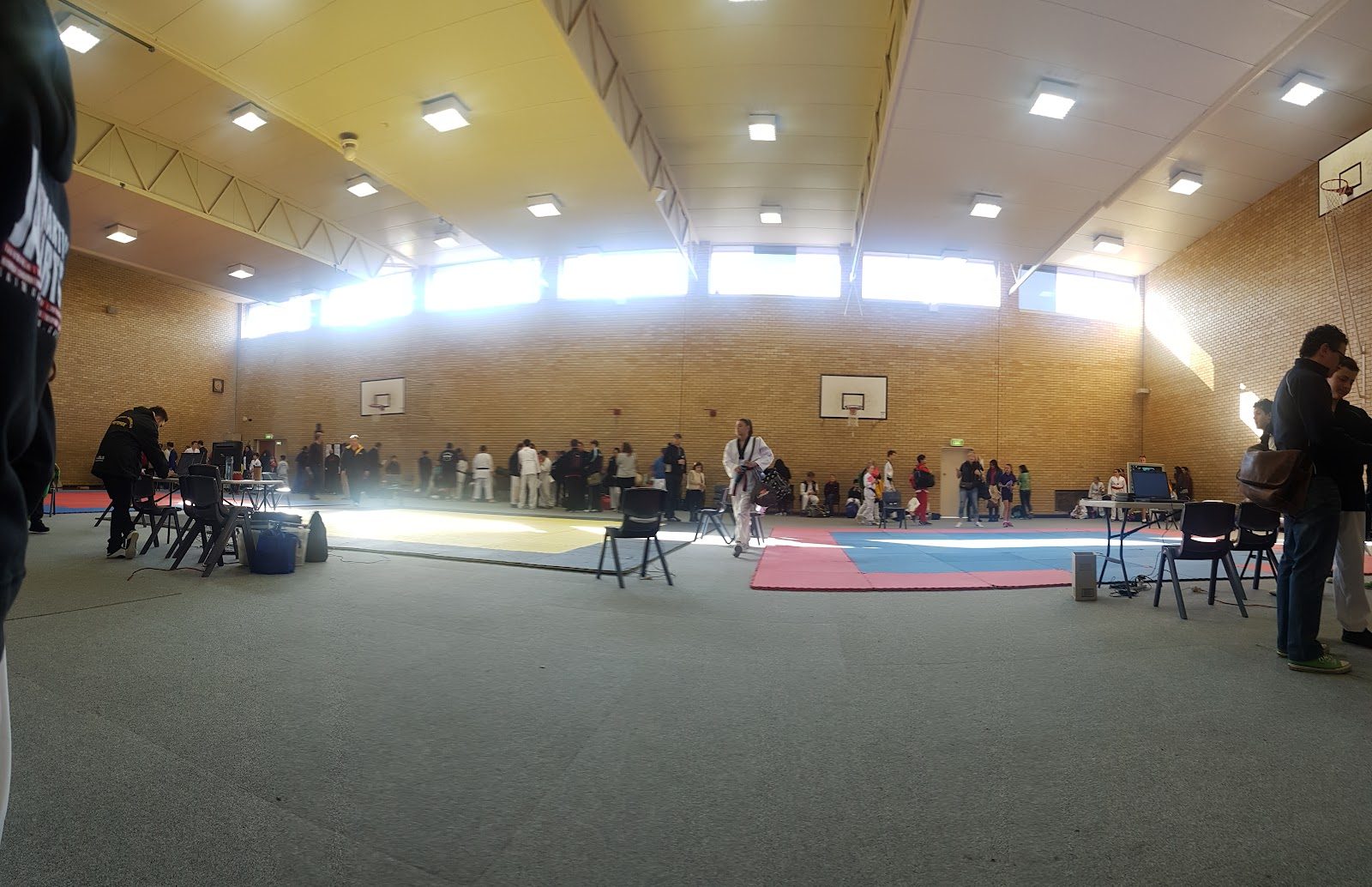
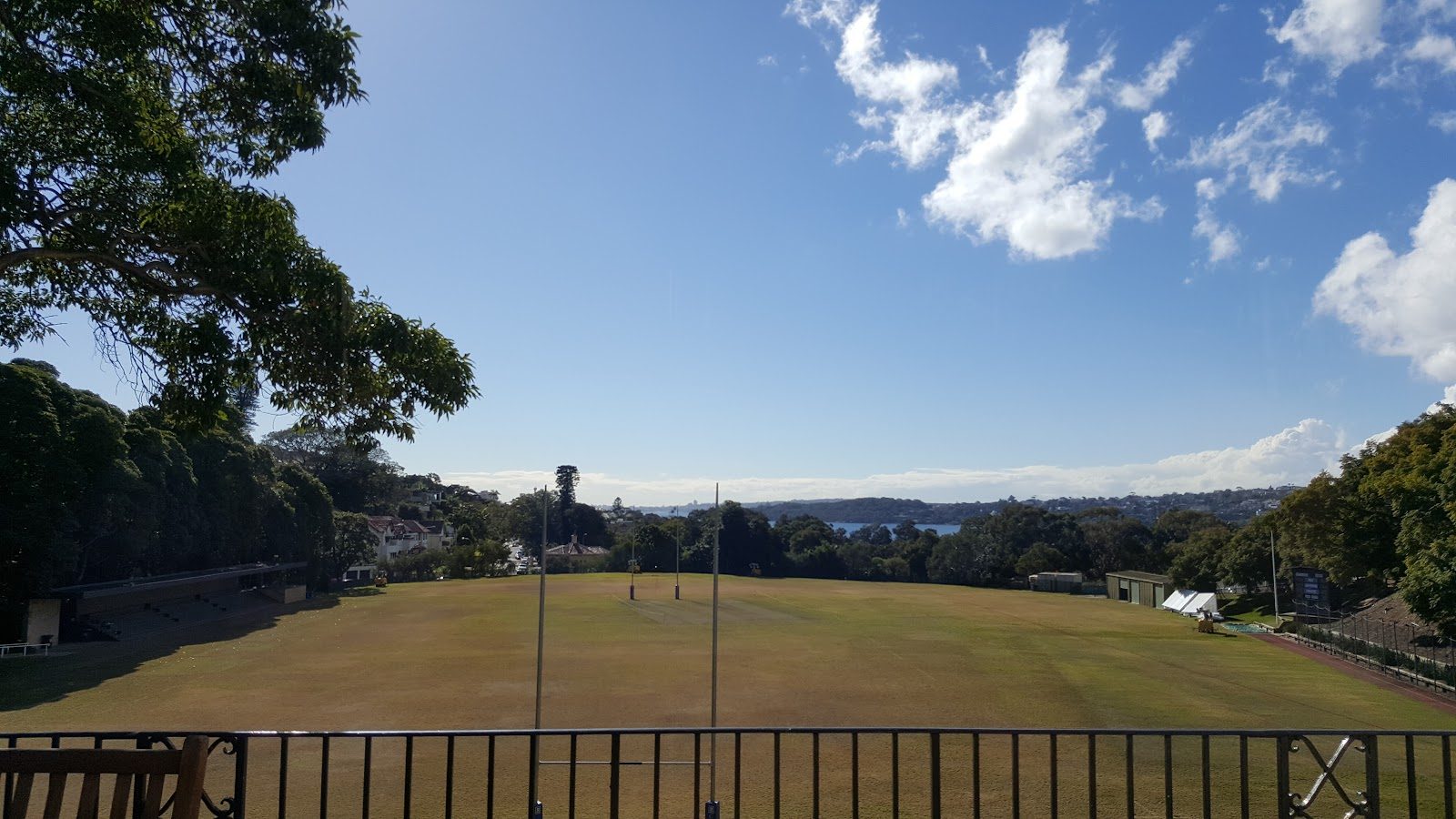
Photo © Goldie Goldie via Google Maps
Type
Both
Ages
11–18
Curriculum
Australian HSC
Ratio
11:1
The Verdict
Editor's commitment
Right for
Sydney families wanting an 11–18 Hornsby school with HSC, 11:1 staffing and boarding inside an established Anglican institution founded in 1890.
Wrong for
Families wanting a secular brief, full coeducation from birth, or a large boarding culture: girls only entered Year 7 in 2020.
Watch out for
Average class size is 22, but boarding exists without published scale, and the school foregrounds a Christian environment despite the non-religious listing.
Ranking breakdown
Barker College · # of 1591
Composite score 73.8. 8 weighted criteria.
By criterion
Academic Outcomes
Weight 20%
#451
of 1533 scored
University Placement
Weight 16%
#398
of 1529 scored
Prestige & Heritage
Weight 12%
#211
of 1580 scored
Alumni Network
Weight 12%
#138
of 1530 scored
Facilities
Weight 12%
#26
of 1540 scored
Transparency & Communications
Weight 8%
#154
of 1547 scored
Peer & Industry Review
Weight 10%
#311
of 1564 scored
Admissions Selectivity & Demand
Weight 8%
#991
of 1529 scored
Peer & Industry Review
How Barker College is regarded in the sector
68
Respected · medium confidence
Barker College is a large, well-established Sydney Anglican day/boarding school in Hornsby regularly featured in Australian media 'best schools' and HSC performance rankings (e.g. Sydney Morning Herald, The Australian HSC league tables), and it is noted for strong rugby, rowing, and academic co-curricular programs with a substantial alumni network including notable sportspeople and business figures. It lacks the global-tier recognition of GPS rivals like Sydney Grammar or Scots College in international specialist press (Tatler, Good Schools Guide focus mainly on UK/international schools), but within Australian peer and press coverage it is consistently regarded as a solid, respected NSW GPS-affiliated institution.
Evidence sources
Editors' overview
Barker College occupies a valuable niche on Sydney’s upper North Shore: a large, established school with the reach of a major independent campus and the practical advantages of a day-and-boarding model. Founded in 1890, it now serves ages 11–18 with the Australian HSC in English, and it pairs that scale with a clear family proposition: one school, multiple phases, strong co-curricular breadth and senior years continuity. The school’s own messaging leans hard into wellbeing, community and service, and the public-facing structure backs that up with distinct junior, middle and senior divisions, boarding, scholarships and visible investment in Indigenous education. For parents, the point is straightforward: Barker offers institutional heft, a broad school life and serious operational maturity.
What puts Barker on a shortlist is not novelty but range. This is a school for families who want many options under one roof: academic pathways through the HSC, boarding as a practical solution, and enough scale to sustain specialist programmes, events and campus life without feeling provisional. The published 11:1 student–teacher ratio and average class size of 22 are strong for a school of this type and indicate workable access to teachers rather than lecture-hall schooling. The Year 9 seniors-only boarding angle matters too. It gives older students independence without exposing younger children to a full boarding culture from the outset. That will suit families who want structure without claustrophobia and independence with supervision.
Barker will appeal to students who want a busy, outward-facing school rather than a narrow academic hothouse. The website points to visible commitments in wellbeing, Round Square and First Nations education, which signals a school that values participation, service and community identity alongside classroom results. Students who thrive here will be comfortable in a sizeable institution, ready to make use of opportunities and willing to contribute. This is not the right fit for a child who needs a tiny, intimate setting or a low-stimulation school day. It is a strong fit for the student who wants room to grow, clear expectations and a school with enough depth to carry them from early adolescence to university entry with momentum.
Academic Performance
Barker does not publish aggregate HSC outcomes, median ATAR, subject-by-subject score tables or a clear league-table narrative. That leaves parents without the simplest external measure of academic performance. For a school of this scale and profile, that opacity matters. The public-facing emphasis sits on school life, wellbeing, events, service and institutional identity, not on exam data. That does not mean weak results; it means the school declines to make the case in hard numbers. In a crowded Sydney independent-school market, where stronger academic operators put results in plain sight, Barker’s silence reads as a deliberate editorial choice and a real handicap for comparison.
Where does that place it relative to peers? Not in the results-obsessed top tier of schools whose HSC performance drives their reputation and whose published data does the talking. Barker fits better in the broad band of large all-rounder independents: schools selling range, community and co-curricular depth alongside academic seriousness, rather than a single-minded examination culture. Parents seeking a hard-edged academic pecking order will find Barker frustrating, because the school does not disclose the figures needed for precise benchmarking. Parents comfortable judging a school by institutional depth, programme breadth and day-to-day academic structure will be less troubled. The key point is simple: Barker’s academic performance may be strong, but its public evidence is thin and *less transparent than the best of its peers*.
Facilities
Barker’s public-facing estate reads as the infrastructure of a large all-through school rather than a boutique campus. The important facilities are the ones that support daily range: distinct junior, middle and senior school zones; dedicated boarding; and the institutional apparatus around them, including events spaces, tourable campuses and a visible calendar of exhibitions. The school flags senior visual arts and design showcases, which points to proper specialist teaching spaces rather than token classrooms for creative subjects. Boarding matters here as a facility, not just a pastoral add-on: for the right family it turns Barker from a local day school into a practical weekly base. Against peer independents, that puts Barker in the serious full-service bracket rather than the light-on-hardware category of smaller suburban schools.
What Barker does not do publicly is publish the kind of granular facilities inventory that top competitors now use to make their case: no clear roll-call of theatres, aquatic centres, high-performance sport provision, laboratories or maker spaces sits front and centre. That absence does not mean the campus is thinly equipped; it does mean parents must work harder to test the substance behind the scale. The school’s size, boarding offer and multi-division structure indicate strong operational depth, and the average class size of 22 supports spaces built for normal teaching rather than overcrowding. Even so, on facilities Barker’s public case is competent rather than dazzling: robust, useful and broad, but less crisply evidenced than the best-armed Sydney rivals.
Not in the results-obsessed top tier of schools whose HSC performance drives their reputation and whose published data does the talking
Prestige
Barker carries solid upper-tier local prestige rather than the kind of status that dominates Sydney school talk on exam results alone. Its name has weight because it is established, large, operationally confident and visible in the life of the independent-school sector. The school benefits from the social capital that attaches to a well-known North Shore campus with day and boarding provision, and the published 11:1 staffing ratio reinforces the sense of a properly resourced institution rather than a stretched operation. Prestige here rests on continuity, scale and breadth: families know what Barker is, what it offers and what sort of school life it delivers. That matters. In practice, it gives the school real market credibility with parents who want a recognised name without buying into a single-track academic pressure cooker.
That said, Barker does not sit in the rarefied prestige bracket occupied by schools whose public academic results, elite selectivity or old-boy mythology make them unavoidable reference points. Its reputation is broader and more civic than exalted. The school’s own emphasis on wellbeing, Round Square, service and First Nations education supports that reading: Barker sells a full-spectrum education, not a trophy cabinet. For many families, that is a strength, not a compromise. But prestige at the highest level needs public proof of exceptional outcomes, and Barker does not publish enough hard attainment data to claim that ground. The result is a school with substantial standing, strong recognition and dependable social cachet, but not the sharp-edged aura of Sydney’s most academically lionised independents.
But prestige at the highest level needs public proof of exceptional outcomes, and Barker does not publish enough hard attainment data to claim that ground
Communications
Barker communicates like a large, organised school that expects parents to use formal channels. The website is clear enough to handle the basics: contact points sit in plain view, tours are easy to find, term dates and events are surfaced early, and there is a defined path for enrolment, payments, concerns and employment. That matters more than glossy storytelling. A parent can tell, quickly, where to go and whom to contact. The presence of myBarker also points to a proper portal structure rather than ad hoc email traffic. Add the published phone number, multiple contact routes and a busy events calendar, and the school reads as administratively serious and operationally settled.
The limits are also clear. Barker’s communications put institutional life front and centre — wellbeing, community identity, donations, events, Indigenous education, Round Square — while harder parental questions get less attention. We have not seen the school publish the academic data, performance dashboards or detailed facilities evidence that ambitious parents now expect from top competitors. That weakens trust at the point where families want proof rather than tone. So the verdict is mixed: communication is efficient, accessible and well-drilled on logistics, but selective on substance. Parents who value smooth day-to-day information flow will be well served. Parents who want hard comparators and full disclosure will need to press for answers.
Uniqueness
What marks Barker out is the combination of a big-school machine with a school culture built around continuity and belonging. “One School. One Family.” is not an empty slogan here; the public structure points to a single institution with clear internal stages, shared identity and enough scale to carry students through adolescence without the stop-start feel of fragmented campuses or bolt-on programmes. Add boarding to that, and Barker serves more than one family pattern at once: local day families, regional families and students who need a stable base for the senior years. That breadth gives students access to a wider social mix, more activities and a campus life with real momentum, while the published 11:1 staffing ratio and average class size of 22 keep it from reading as anonymous mass education.
The other distinctive element is Barker’s public insistence on service, Indigenous education and outward-facing citizenship. Round Square is on the front page. So is national recognition for First Nations education. That combination matters because it shifts the school away from the narrow prestige script that dominates parts of the Sydney market. Barker offers students a fuller idea of success: not just classroom attainment, but participation, responsibility and engagement beyond their own cohort. For the right child, that produces a less brittle, more expansive education — one with room for leadership, cultural literacy and a stronger sense that school connects to the world outside the gate.
The other distinctive element is Barker’s public insistence on service, Indigenous education and outward-facing citizenship
Student Profile
Barker suits students who can handle a busy, full-spectrum school life without needing constant hand-holding. The right pupil here is socially capable, willing to join in and comfortable navigating a large institution with many moving parts. Children who want endless options in activities, events and peer groups will have room to build a strong school identity. So will students who value structure and clear routines. The low staffing ratio of 11:1 and class size of 22 support access to adults, but Barker still demands a degree of self-management: pupils need to organise themselves, ask for help when they need it and make sensible use of what is on offer. This is not a school for the child who wants anonymity, nor for one who recoils from a high-participation culture.
Temperament matters as much as attainment. Barker fits students who are community-minded, open to service and comfortable with a school that gives visible weight to wellbeing, citizenship and Indigenous education alongside academic work. It will also suit families who want a less brittle version of ambition than the pure exam-factory model. A child whose only measure of success is rank order and public score comparison may find the school’s all-round emphasis unsatisfying. A child who wants a serious education, a strong pastoral frame and a school day with breadth will fit far better. In short: Barker works best for engaged joiners, not loners; for students who want range, not narrowness; and for families who value depth of experience as much as outcomes.
For parents, the point is straightforward: Barker offers institutional heft, a broad school life and serious operational maturity
Co-curricular strengths
Arts & sport, on a separate axis
Overall 9.16/10
Scored 0-10 from the school's own published evidence. This axis is editorial-only — it does not feed the main WTS ranking.
Sports
9.5/10
Preeminent co-educational athletic force across the CAS/ISA leagues, fielding nationally competitive rugby, cricket, and hockey programs across state-of-the-art turf grounds.
Drama
9/10
The modern performing arts center anchors an ambitious dramatic tracking program, mounting complex classical and modern plays.
Dance
9/10
Maintained strictly as a minor auxiliary component for theatrical physical movement blocks or musical configurations.
Music
9.5/10
Outstanding symphonic wind bands, jazz big bands, and orchestral ensembles that highlight major cultural showcases.
Visual Arts
8.8/10
Highly structured fine art layout leaning heavily toward technical drawing, fine oils, and advanced portfolio mastery.
Editor-verified · 8/6/2026

WTS 300 badge
2026/27 editionBarker College is one of the World's Top 300 Schools for 2026/27. Claim your listing to add it to your site →
Strengths
- +Founded in 1890, Barker is an independent Anglican day and boarding school on a 44-hectare campus in Hornsby, on Sydney's North Shore, giving it long institutional history and unusually generous grounds for a metropolitan school.
- +In the 2025 HSC, the school reported 26 All-Rounders (achieving top Band results in 10 or more units), 10 placegetters and 137 students who received an ATAR of 90 and above, indicating a solid depth of high-achieving students beyond the headline league-table position.
- +Barker has been fully coeducational for half a century; the school notes it is celebrating 50 years of coeducation at Barker in 2025, so mixed-gender schooling is deeply embedded rather than a recent addition.
- +The Old Barker Association gives graduates access to more than 22,000 past students of the School, ranging from major capital projects... through to mentoring, support for its members through the OBA Support for Life program and careers advice, a sizeable and active alumni infrastructure for a school of this size.
- +Boarding access is broadened by dedicated support schemes, including Indigenous Boarding scholarships in partnership with the Australian Indigenous Education Foundation (AIEF) for students entering into boarding from Year 9, alongside country-family boarding priority.
Considerations
- −Fees are substantial for a non-selective independent school: published tuition runs from $28,310 (Pre-K) - $44,720 (Year 12), with an additional Boarding fees *** (Years 9 - 12) $38,830 on top of tuition for boarding families.
- −Day-place admission is heavily queue-based rather than needs- or merit-based for most entry points: the school states Barker has extensive waiting lists in all year groups, so late-arriving expat families may find limited-notice enrolment difficult.
- −Securing a place requires upfront non-refundable payments before a child even starts: a non-refundable Application Fee is $385 (including GST), followed by a non-refundable Confirmation Fee, which is currently $2250, represents the first moiety (50%) of the Barker College Admission Fee.
- −The campus sits well outside central Sydney, described as located at Hornsby, 25 kms to the north of Sydney at the junction of the North Shore and Central Coast railway lines, a meaningful commute for families not based on the Upper North Shore.
Availability
Primary entry gate & tests
Academic Record + Interview
Gallery
Photo © Chris Dow via Google Maps
Photo © Chris Dow via Google Maps
Photo © Chris Dow via Google Maps
Photo © Chris Dow via Google Maps
Photo © Kenneth John via Google Maps
Photo © marilyn cogle via Google Maps
Photo © Kenneth John via Google Maps
Photo © Barker College via Google Maps
Photo © Barker College via Google Maps
Parent reviews
Have you sent your child here?
Voice reviews carry the strongest trust badge — we transcribe them for you to tidy up before they go live. Prefer to type? A written review is fine too.
Add your voice
In 60 seconds, tell other parents: what's the best thing about Barker College, and what surprised you when your child joined?
We ask for a Google sign-in so every review has a real face behind it — no anonymous drive-by attacks on schools, and no faked positive reviews. Your email is never shown publicly.
Send this profile to a friend
International parents rely on word-of-mouth. Share this review with someone weighing the same decision.
Schools with places
Similar schools to Barker College with places available now.
The King's School (Parramatta)
Parramatta · Australia
- 2026-27
- WAITPOOLVacancy-dependent
- 2027-28
- PLACES OPEN
Ascham School
Sydney · Australia
- 2026-27
- WAITPOOLVacancy-dependent
- 2027-28
- PLACES OPEN
Sydney Grammar School
Sydney · Australia
- 2026-27
- WAITPOOLYr 7 closed; Yrs 8-11 enquire
- 2027-28
- WAITPOOLYr 7 closed; Yrs 8-11 enquire
Pymble Ladies' College
Sydney · Australia
- 2026-27
- WAITPOOLVacancy-dependent
- 2027-28
- PLACES OPEN
Availability first, then country, area, curriculum, price, co-curricular
Consider also
Also worth looking at alongside Barker College.
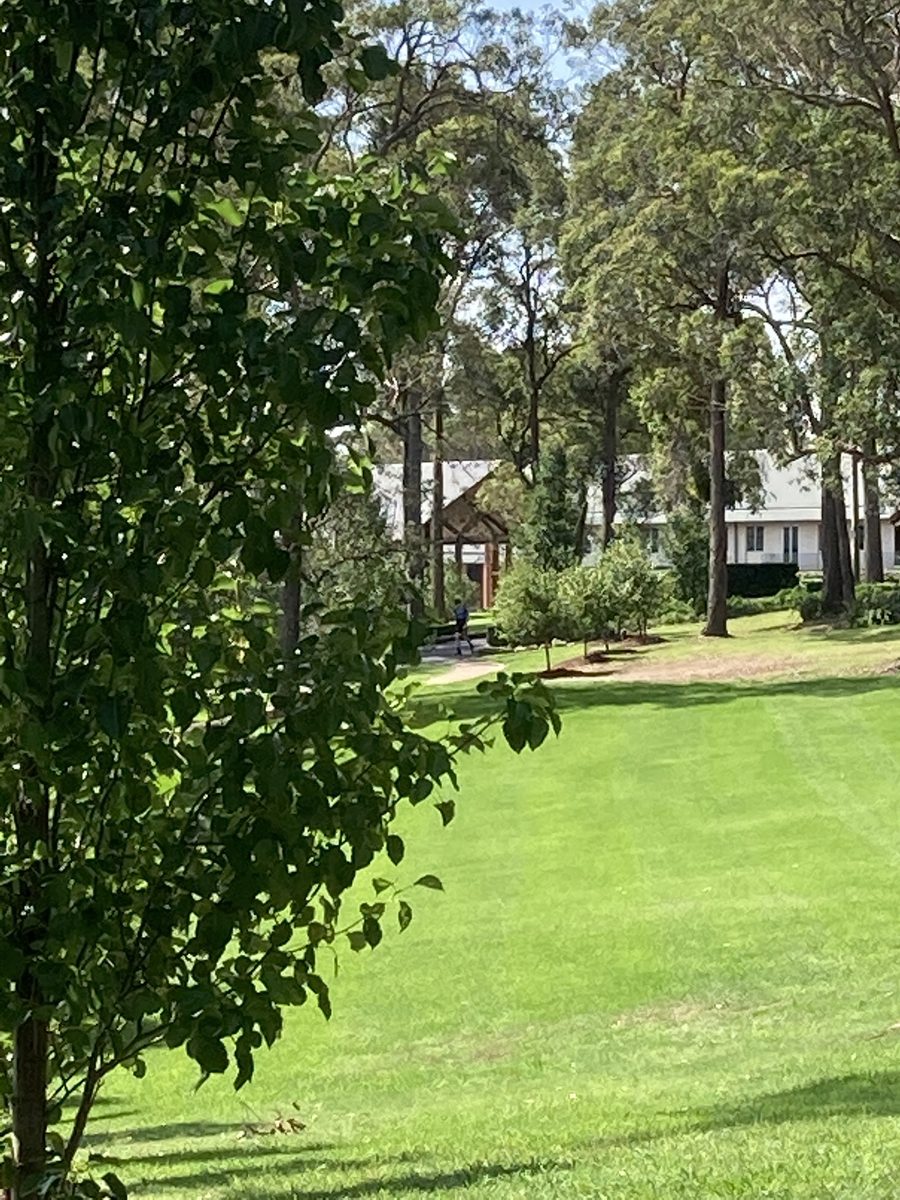
The King's School (Parramatta)
Parramatta · Australia
Australia's oldest independent school, where an 1831 foundation still marches in the country's oldest surviving military uniform and cadet corps.
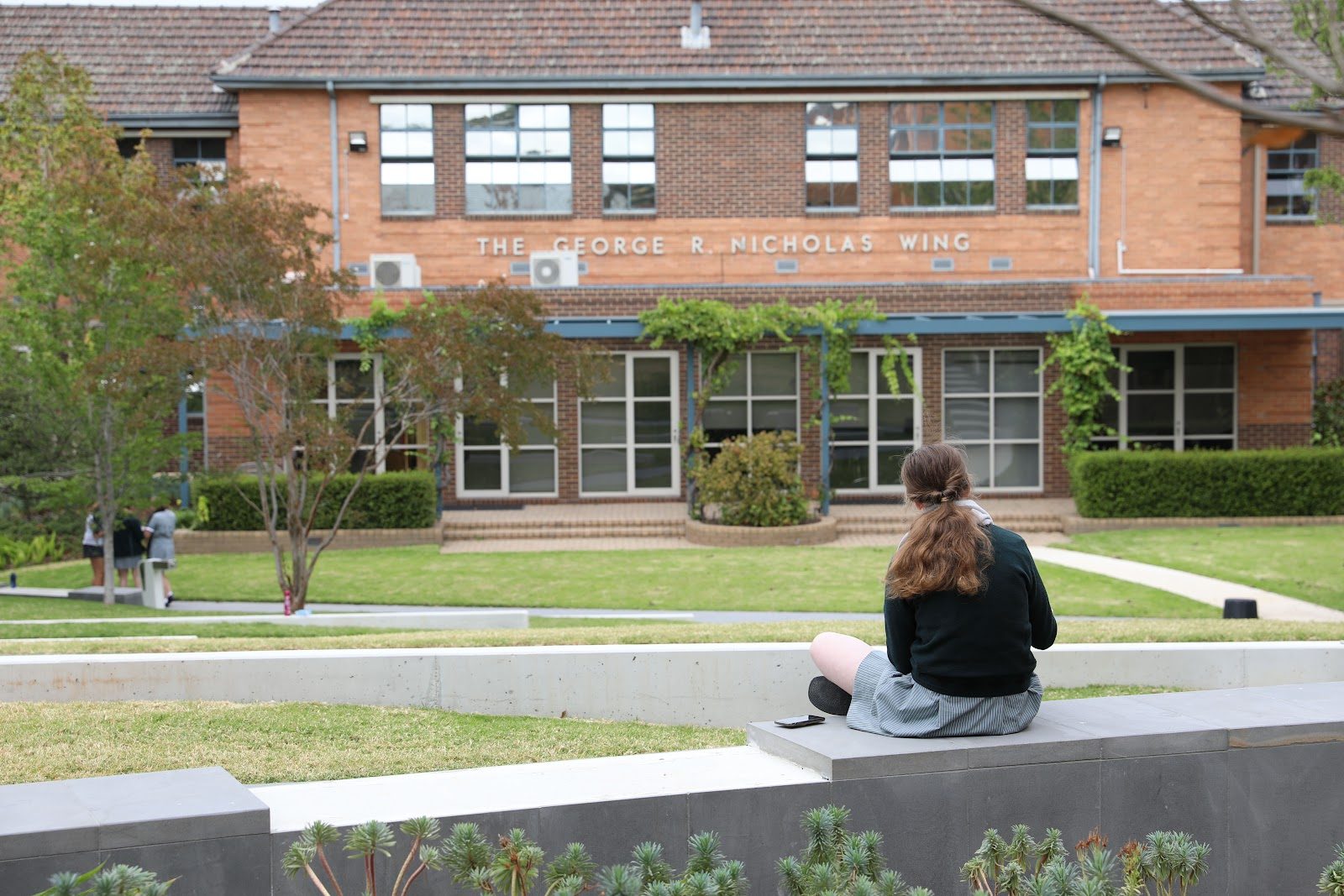
Methodist Ladies' College
Melbourne · Australia
First school worldwide to put laptops in every student's hands in 1990, now pairing deep VCE-IB choice with an eight-week Marshmead wilderness term.
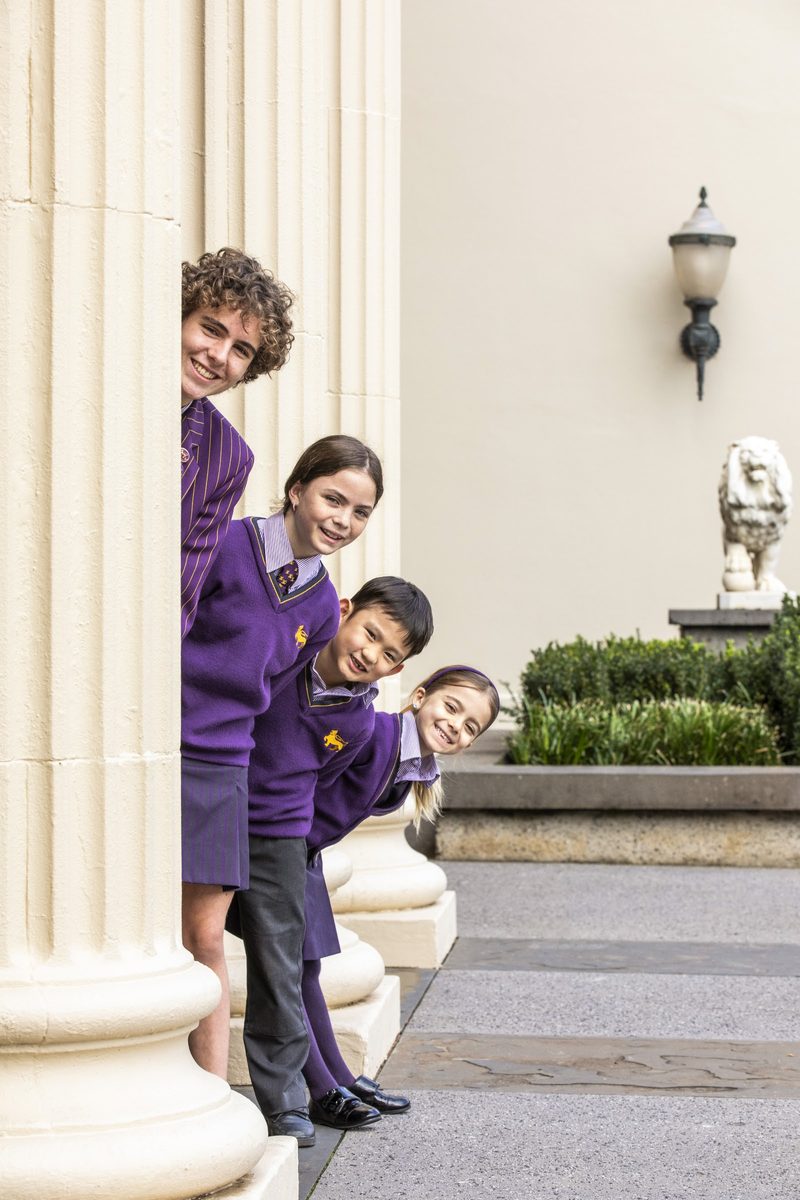
Wesley College
Melbourne · Australia
Runs the full IB continuum alongside VCE across three Melbourne campuses, reaching all the way to a studio school in the Kimberley outback.
Cranbrook School
Sydney · Australia
Sydney's first IB Continuum School, pairing Bellevue Hill harbour views with a Blue Mountains bush campus for experiential learning.
Same country and curriculum — closest matches within ±10 points either way