
Old Kampala
Aga Khan High School Kampala
low confidence· 4/6 cats · 1 avg sourcesSince 1959, Uganda's first multicultural school remains one of only four in the country authorised for the IB Diploma.
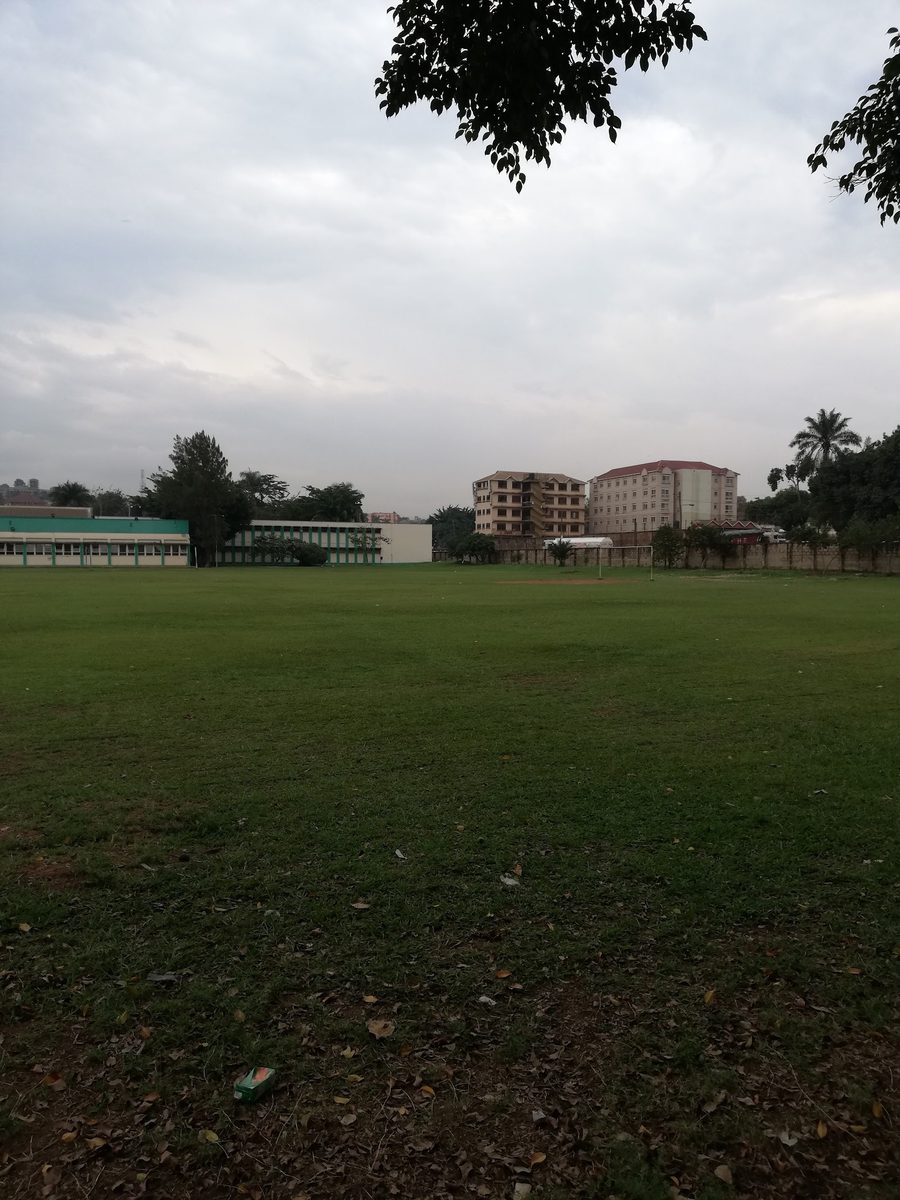
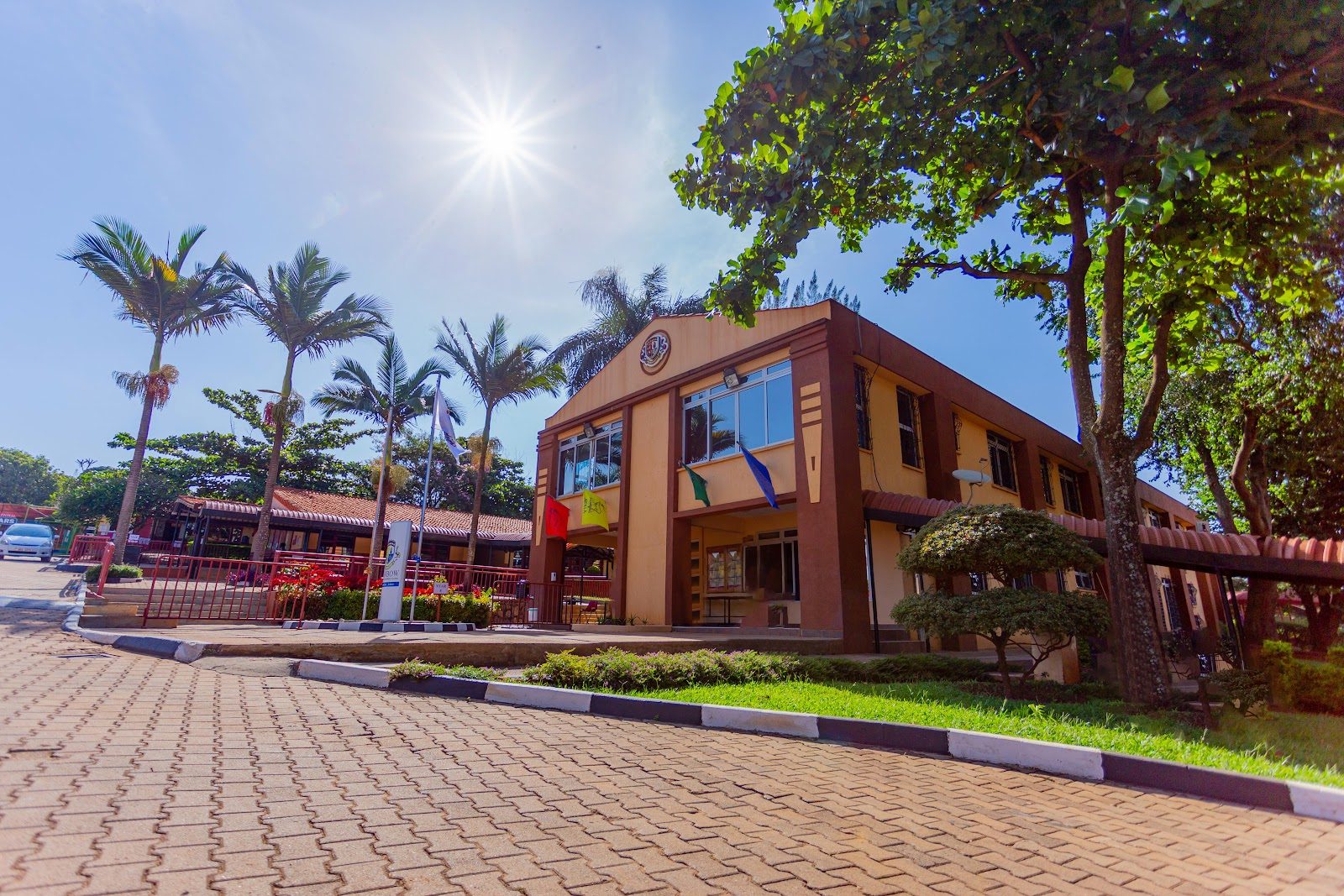
Photo © raj shikhar via Google Maps
Type
Day
Ages
12–18
Curriculum
IB
Qualifications
IB Diploma · IGCSE
Ratio
—
The Verdict
Editor's commitment
Right for
Families wanting Kampala day schooling with substance: founded in 1959, English-medium, and one of only four Ugandan schools authorised for the IB Diploma.
Wrong for
Parents after boarding, primary years or a faith-led education: this is a secular day school for ages 12–18 with Ismaili Muslim heritage.
Watch out for
The average annual day fee is UGX 9,355,500; accreditation spans IB World School, Cambridge International and AKDN, so ask which pathway actually dominates.
Ranking breakdown
Aga Khan High School Kampala · # of 1591
Composite score 56.6. 8 weighted criteria.
By criterion
Academic Outcomes
Weight 20%
#1219
of 1529 scored
University Placement
Weight 16%
#1227
of 1529 scored
Prestige & Heritage
Weight 12%
#1242
of 1571 scored
Alumni Network
Weight 12%
#816
of 1530 scored
Facilities
Weight 12%
#1238
of 1534 scored
Transparency & Communications
Weight 8%
#1224
of 1532 scored
Peer & Industry Review
Weight 10%
#1108
of 1548 scored
Admissions Selectivity & Demand
Weight 8%
#1077
of 1529 scored
Peer & Industry Review
How Aga Khan High School Kampala is regarded in the sector
64
Respected · medium confidence
I could not identify at least two independent third-party sources (specialist education press, Tatler/Good Schools Guide-type rankings, inspectorate reports, or established expat forum discussions) that substantively assess Aga Khan High School Kampala's reputation. Most available information traces back to the school's own network materials or generic directory listings without independent evaluative content.
Editors' overview
What separates Aga Khan High School Kampala from most of the Ugandan market is not branding but scarcity. It was founded in 1959, it serves ages 12 to 18, and it sits in a narrow bracket of schools authorised for the IB Diploma in a country with very few such options. That matters. Parents looking beyond a purely national route into an internationally portable post-16 qualification do not have many credible choices in Kampala. Aga Khan also carries a mixed academic identity that broadens its appeal: the school declares IB, while its accreditations include both IB World School and Cambridge International. That combination gives it a more serious academic brief than schools that trade on an international label without the external anchors to back it up.
The other distinguishing feature is cultural rather than curricular. The school’s Ismaili Muslim heritage is clear, but it is secular, English-medium, and has been multicultural since the start. In Kampala, that still gives it a distinctive social position: values-led without being confessional, internationally minded without cutting itself off from its local setting. For families who want structure, composure and a school culture that prizes coexistence across communities, this is a genuinely unusual offer. The average annual day fee across the full secondary ladder is UGX 9,355,500, which places it in the fee-paying market but not in the stratosphere reserved for a handful of expatriate-focused schools. For an IB-authorised day school in Uganda, that pricing gives it a strong value argument.
The pupil who will thrive here is academically purposeful, comfortable in a diverse peer group, and ready for a school with a clear institutional identity. This is not the place for families chasing flash, sprawling facilities or a loose, lifestyle-driven sixth-form experience. It suits students who want an English-medium education from ages 12–18, a day-school routine, and a qualification set with real external credibility. For any parent in Kampala building a shortlist around academic portability, multicultural depth and institutional steadiness, Aga Khan High School Kampala belongs on it.
Academic Performance
Aga Khan High School Kampala has a credible external-exam structure, but public reporting on outcomes is thin. The school sits in a market where many competitors advertise ambition more loudly than results; the problem here is not weak academic architecture but limited disclosure. We have not seen aggregate IB Diploma results, subject averages, top-score profiles, or multi-year pass-rate data in the public domain. That matters because the school’s strongest point of differentiation lies in internationally benchmarked examinations, and parents need hard numbers to judge how far that promise converts into attainment. Without them, the school earns credit for offering a serious route through recognised programmes, but not for proven outperformance.
Relative to peers, that places Aga Khan in a respectable but opaque bracket: stronger than schools with no meaningful external benchmark, less convincing than schools that publish clean year-on-year exam data. Its Cambridge International accreditation also broadens the academic frame, yet the same disclosure issue applies unless the school releases IGCSE or equivalent senior results in a comparable way. For families comparing Kampala options, the conclusion is clear. This is a school with real academic substance and external validation in place, but not one that currently gives parents the published results data needed to rank it confidently among the city’s top academic performers.
Facilities
Aga Khan High School Kampala does not trade on a grand campus narrative, and that matters for parents calibrating expectations. We have not seen a public facilities inventory detailed enough to support claims about specialist science suites, performing-arts spaces, elite sports provision or standout design. That leaves the school in a function-first bracket rather than a destination-campus one. For a day school serving adolescents, the essentials matter most: classrooms, exam-ready academic spaces, safe circulation, and grounds that support a full school day without friction. On that count, the school’s reputation rests more on institutional order than on showpiece infrastructure. Against Kampala peers, that places it behind schools that publish extensive sports, arts and specialist-lab provision as a core selling point.
That is not a trivial weakness. Facilities are where many internationally branded schools justify their price, and Aga Khan’s average annual fee of UGX 9,355,500 invites scrutiny on what parents get beyond the classroom. The answer here is measured rather than lavish. Families looking for sprawling sports complexes, theatrical architecture or a resort-style sixth-form environment will find stronger physical offers elsewhere. Families who care more about a composed school day than visual spectacle will judge the campus more leniently. The school does not need opulence; it does need clearer disclosure. Until it publishes a fuller account of its physical resources, its facilities sit in a competent but unexceptional tier.
What separates Aga Khan High School Kampala from most of the Ugandan market is not branding but scarcity
Prestige
Aga Khan High School Kampala carries real prestige in Uganda, but it is a specific kind of prestige. This is not a school whose name dominates through spectacle, old-boy mythology or brute exclusivity. Its standing rests on scarcity, continuity and institutional seriousness. In a national market with only 4 schools authorised for the IB Diploma, membership of that group confers immediate weight. The Aga Khan name also matters. Across East Africa, it signals a disciplined, academically minded, values-driven educational tradition rather than social flash. For many families, that makes the school quietly formidable: respected by parents who pay attention to substance, less magnetic to those who equate prestige with luxury infrastructure or aggressive self-promotion.
That distinction explains the rating. The school has high-status academic currency because its qualifications travel, its heritage has depth, and its multicultural identity carries credibility rather than slogan value. It also benefits from being one of the more established names in Uganda’s fee-paying sector, which still counts in university-facing school choice. But prestige has limits when outcomes data remain unpublished. The school does not put enough hard public evidence behind its academic reputation to claim the topmost echelon without reservation. In plain terms: this is a serious, reputable school with national standing and regional name recognition, not an untouchable status symbol. Its prestige is earned through durability and academic legitimacy, not theatre.
Aga Khan High School Kampala has a credible external-exam structure, but public reporting on outcomes is thin
Communications
Aga Khan High School Kampala communicates in a formal, orderly way rather than a highly visible one. The public-facing website does the core job: it establishes the school’s identity, sets out admissions routes, and links the campus to the wider Aga Khan Schools network. That networked structure gives parents a sense of institutional backbone, but it also creates distance. Families looking for a rich stream of campus-level news, routine leadership messages, detailed parent guidance or a clear calendar of school life will find the picture thin. We have not seen the kind of consistently updated parent information architecture that marks the best-run schools: regular news items, published handbooks, transparent policy access, or detailed academic reporting pathways.
That does not mean communication is weak in day-to-day practice, but it does mean the school is under-explained in public. For current families, direct channels may carry the real load; for prospective families, the outward communication leaves too much unanswered. That matters more in a school charging an average annual fee of UGX 9,355,500, where parents are buying not only teaching but competence, clarity and responsiveness. The tone is serious rather than slick, which suits the institution. The weakness is not style; it is depth. Strong schools do not need glossy language, but they do need clean, accessible, current information. On that test, Aga Khan communicates with discipline but limited transparency.
Uniqueness
What makes Aga Khan High School Kampala unusual is the way it combines three things that rarely sit together comfortably in one school: deep-rooted heritage, a secular civic culture, and access to an internationally mobile sixth-form qualification. Plenty of schools claim diversity; this one has built its identity around it for decades. In the Ugandan market, that gives it a rare institutional character. The Aga Khan network brings a recognisable ethic of service, discipline and pluralism, but the school does not read as confessional or closed. For students, that matters in daily life. They study in a community where difference is not an add-on to the prospectus but part of the school’s operating logic. In a country with only 4 IB Diploma schools, that mix of multicultural seriousness and academic portability is genuinely scarce.
The benefit for students is not glamour; it is formation. A school with this profile trains pupils to work across communities, handle structure, and take ideas of respect and responsibility seriously without lapsing into piety or slogan. That produces a steadying influence on adolescent life. Students who thrive here leave with more than exam preparation: they gain practice in navigating a mixed social world with composure. That does not make the school universally appealing. Families looking for a flashier, more socially performative environment will find stronger theatre elsewhere. Aga Khan’s distinction lies in building grounded internationalists rather than polished showpieces.
Aga Khan High School Kampala does not trade on a grand campus narrative, and that matters for parents calibrating expectations
Student Profile
The student who fits here is self-possessed, steady and able to work within clear expectations. This is not a school for teenagers who need constant indulgence, social spectacle or a loose culture with endless reinvention. It suits pupils who take school seriously, can coexist comfortably with classmates from different backgrounds, and do not need a campus built around performance and display to feel engaged. The social environment rewards courtesy, routine and academic intent. Children who are rattled by structure, or who want a more expressive, high-theatre school identity, will find the tone too restrained. Those who value order, respect and a peer group with a grown-up social code will settle more naturally.
There is also a practical fit question. The school serves the secondary years only, so entry at 12 and progression through to 18 work best for families who want a coherent adolescent phase rather than a cradle-to-university institution. Students with outward-facing ambitions will value that the school offers qualifications with international reach; students who are purely looking for a local-status playground will not get much from it. The strongest match is a young person who is academically purposeful, socially adaptable and comfortable in a multicultural but unsentimental environment. In plain terms, this is a good school for pupils who want to get on with the work, keep their footing in a mixed community, and leave with serious options rather than a polished social persona.
Aga Khan High School Kampala carries real prestige in Uganda, but it is a specific kind of prestige
Co-curricular strengths
Arts & sport, on a separate axis
Overall 7.5/10
Scored 0-10 from the school's own published evidence. This axis is editorial-only — it does not feed the main WTS ranking.
Sports
8/10
Drama
7.5/10
Dance
7/10
Music
7.5/10
Visual Arts
7.5/10
Editor first-pass · editor-reviewable · 7/30/2026
Strengths
- +Part of the long-established Aga Khan Education Services network, with a presence in Uganda dating back several decades.
- +Offers the International Baccalaureate Diploma Programme, giving students a globally recognised exit qualification.
- +Multi-faith, multicultural ethos rooted in the Aga Khan Development Network's philosophy of pluralism and community service.
- +Day-school format keeps fees lower than Kampala's boarding international schools, widening access for local and expatriate families.
- +Benefits from association with a global network of Aga Khan schools, allowing shared training, resources and curriculum development.
Considerations
- −Editorial ranking (1232) suggests it sits well outside the top tier of internationally benchmarked schools reviewed here.
- −Publicly available data on IB Diploma results, class sizes, or university placement for this specific campus is limited.
- −As a single-campus day school, options for boarding or extended extracurricular residential programmes are absent.
- −Facilities and academic breadth may be narrower than larger, purpose-built international schools in Kampala.
Availability
Primary entry gate & tests
Academic Record
Gallery
Photo © Lwanyaga Timothy via Google Maps
Photo © Yilo via Google Maps
Photo © Anthony Mwenja via Google Maps
Photo © Anthony Mwenja via Google Maps
Photo © Anthony Mwenja via Google Maps
Parent reviews
Have you sent your child here?
Voice reviews carry the strongest trust badge — we transcribe them for you to tidy up before they go live. Prefer to type? A written review is fine too.
Add your voice
In 60 seconds, tell other parents: what's the best thing about Aga Khan High School Kampala, and what surprised you when your child joined?
We ask for a Google sign-in so every review has a real face behind it — no anonymous drive-by attacks on schools, and no faked positive reviews. Your email is never shown publicly.
Send this profile to a friend
International parents rely on word-of-mouth. Share this review with someone weighing the same decision.
Schools with places
Similar schools to Aga Khan High School Kampala with places available now.
Collège du Léman
Versoix · Switzerland
- 2026-27
- WAITPOOLSpace-dependent
- 2027-28
- PLACES OPENRolling
Yew Chung International School of Chongqing
Chongqing · China
- 2026-27
- WAITPOOLSpace-dependent
- 2027-28
- WAITPOOLRolling / space-dependent
Bishop Cotton School
Shimla · India
- 2026-27
- WAITPOOLSpace-dependent
- 2027-28
- PLACES OPENRolling
Christ's College
Christchurch · New Zealand
- 2026-27
- WAITPOOLVacancy-dependent
- 2027-28
- PLACES OPEN
Availability first, then country, area, curriculum, price, co-curricular
Consider also
Also worth looking at alongside Aga Khan High School Kampala.
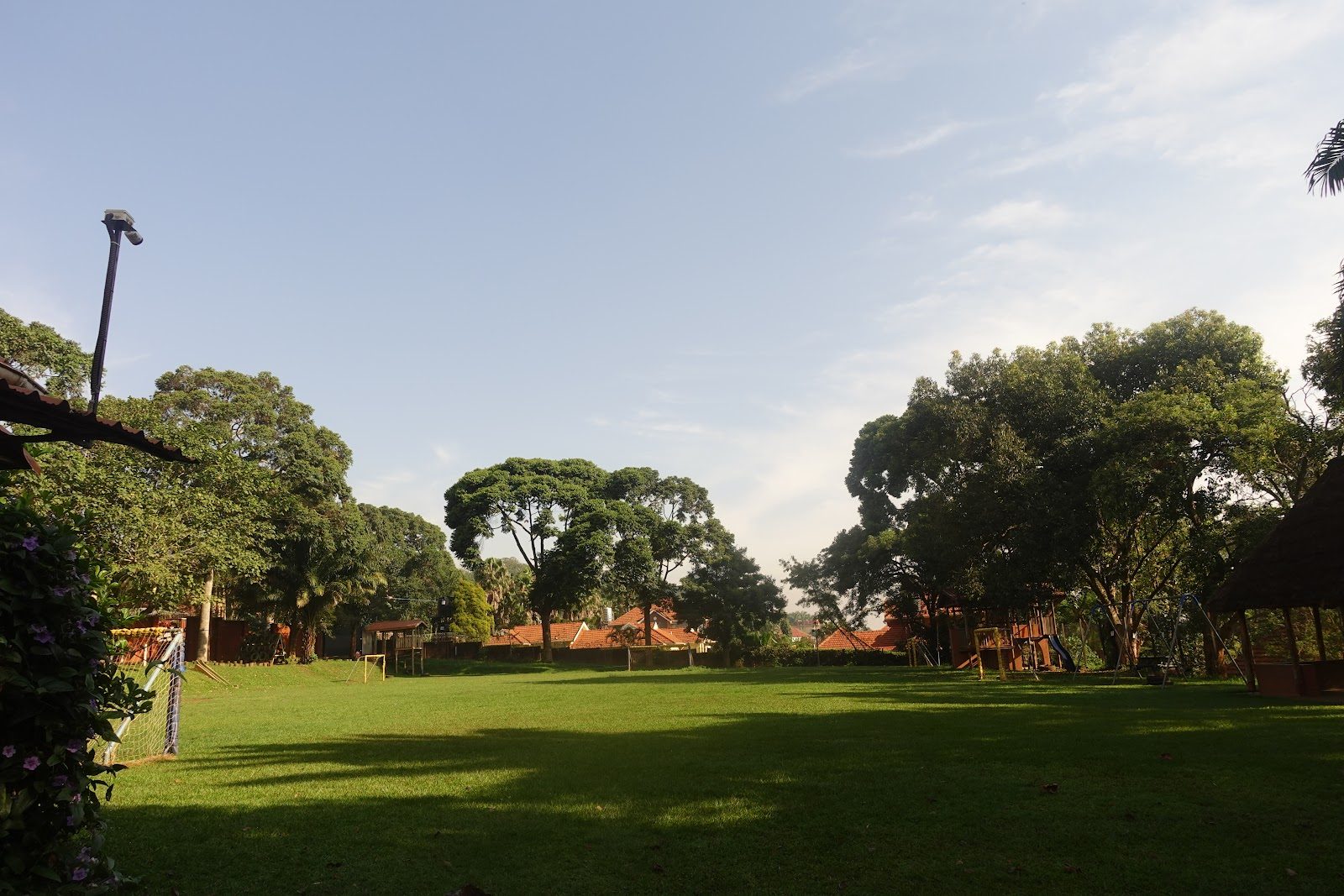
International School of Uganda
Kampala · Uganda
Since 1967, a 33-acre garden campus in Lubowa has run East Africa's longest continuous IB programme for over fifty nationalities.
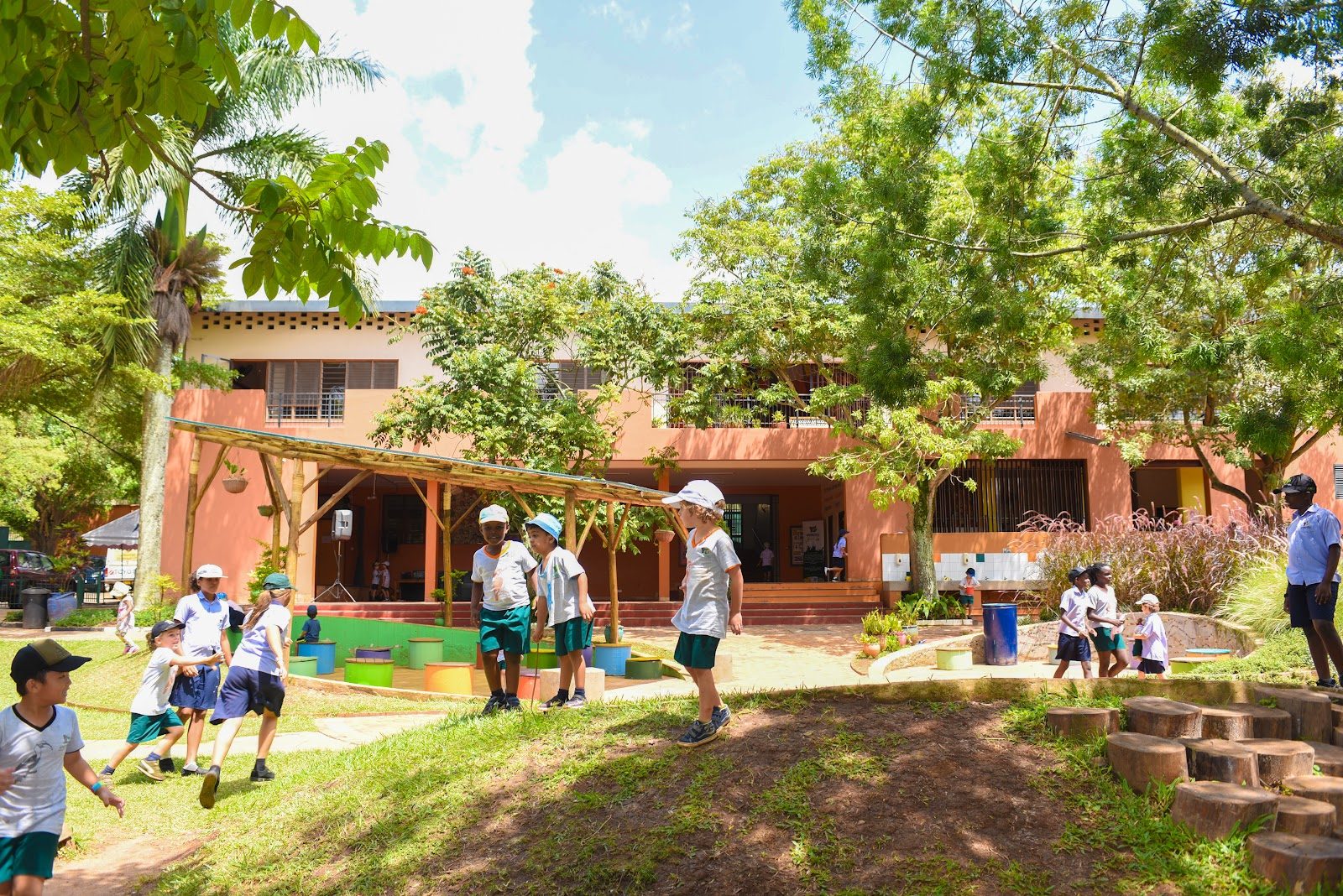
Ambrosoli International School
Kampala · Uganda
Named for a missionary doctor-priest, this Bugolobi primary became Uganda's first IPC-accredited school in 2019.
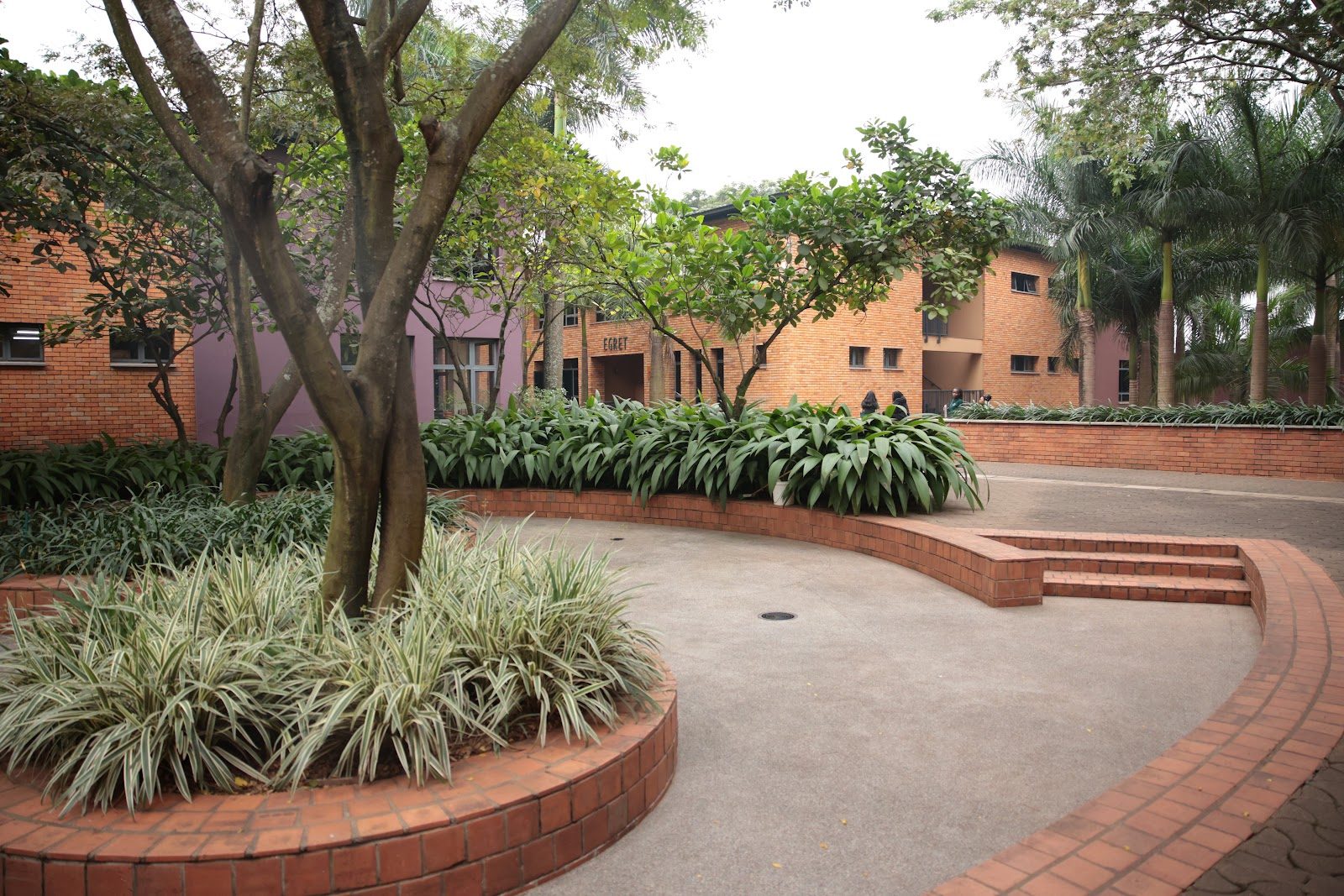
Kabira International School
Kampala · Uganda
A leafy Bukoto campus where the English National Curriculum feeds into Cambridge IGCSE and the IB Diploma for over 40 nationalities.
Rainbow International School Uganda
Kampala · Uganda
Sixty nationalities share a nine-acre Kampala campus where Cambridge IGCSEs and BTEC pathways lead side by side to university.
Same country and curriculum — closest matches within ±10 points either way