
Lubowa
International School of Uganda
low confidence· 4/6 cats · 1 avg sourcesSince 1967, a 33-acre garden campus in Lubowa has run East Africa's longest continuous IB programme for over fifty nationalities.
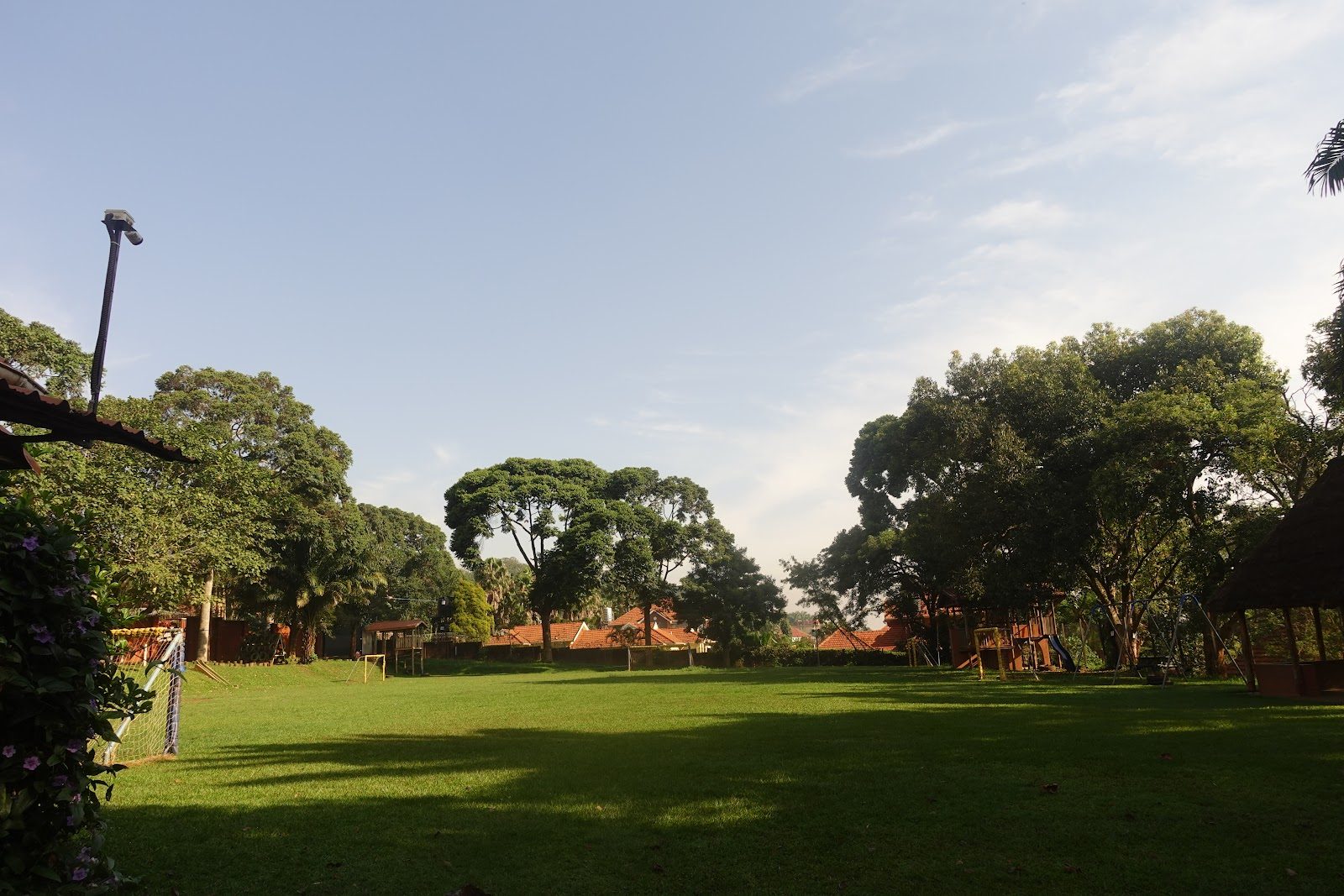
Photo © Aimee Marie via Google Maps
Type
Day
Ages
3–18
Curriculum
IB
Qualifications
IB Diploma · IB MYP · IB PYP
Ratio
—
The Verdict
Editor's commitment
Right for
Families wanting a non-religious 3-18 day school in Kampala with the full IB continuum and CIS accreditation since 1967.
Wrong for
Parents seeking boarding, a faith-based ethos, or a British curriculum; ISU is day-only, non-religious and IB throughout.
Watch out for
At an average annual fee of $24,842, ISU sits at the expensive end for Kampala; ask what student support and outcomes it publishes.
Ranking breakdown
International School of Uganda · # of 1591
Composite score 60.1. 8 weighted criteria.
By criterion
Academic Outcomes
Weight 20%
#1135
of 1529 scored
University Placement
Weight 16%
#1144
of 1529 scored
Prestige & Heritage
Weight 12%
#1095
of 1571 scored
Alumni Network
Weight 12%
#689
of 1530 scored
Facilities
Weight 12%
#1045
of 1534 scored
Transparency & Communications
Weight 8%
#1137
of 1532 scored
Peer & Industry Review
Weight 10%
#891
of 1548 scored
Admissions Selectivity & Demand
Weight 8%
#943
of 1529 scored
Peer & Industry Review
How International School of Uganda is regarded in the sector
68
Respected · medium confidence
International School of Uganda is consistently cited in expat-parent forums and diplomatic community postings (e.g., U.S. Department of State post reports, International Schools Services directory) as the leading choice for expatriate and diplomatic families in Kampala, and it holds NEASC and Council of International Schools accreditation, both regarded as credible third-party quality signals. However, it lacks the level of coverage seen in Tatler, Good Schools Guide, or Sunday Times rankings, and independent alumni-network press mentions are sparse, suggesting solid regional respect rather than top-tier international acclaim.
Editors' overview
A 33-acre campus in Lubowa gives the International School of Uganda room to do what many city schools cannot: run a full age 3–18 school without feeling cramped. That scale matters. So does continuity. Founded in 1967, ISU has been in the Kampala market for decades, and the school’s claim to East Africa’s longest continuous IB programme gives it a clear identity: this is an IB school through and through, not a British or American school with a Diploma bolted on at the top. It is non-religious, taught in English, and accredited by the IB, CIS and AISA. For internationally mobile families, that mix reads as serious, settled and globally legible.
What puts ISU on a shortlist is not novelty but scarcity. In Kampala, a long-established, fully international, non-religious day school with the full IB ladder and a genuinely international parent body is a narrow market segment. The average annual day fee across the school is US$24,842, which places it firmly in the premium bracket for Uganda. Parents paying that level are buying more than classrooms: they are buying institutional stability, international transferability and a campus large enough to support athletics, activities and the broader life of a full school. The school serves over fifty nationalities, which strengthens the case for families arriving from diplomatic, NGO, development, multinational and regional business postings who do not want a locally dominant national culture to shape the school too heavily.
The right student for ISU is one who thrives in a cosmopolitan, discussion-heavy environment and is comfortable in the demands of the IB from early years onwards. It suits families who value breadth, service, independent thinking and university portability over a narrowly exam-drilled culture. It will also appeal to students who want a campus school rather than a vertical urban operation. The trade-off is clear: parents who want a more traditional British grammar, a confessional ethos, boarding, or a school built around local national exams should look elsewhere. ISU’s offer is clear-cut: a mature, premium, all-IB international school for families who want continuity, mobility and a campus with real space around it.
Academic Performance
ISU runs an all-IB pathway, so the decisive public benchmark at the top of the school is Diploma performance. That is where the school is frustratingly opaque. We have not seen published aggregate IB Diploma results: no average point score, no pass rate, no subject distribution, no year-on-year trend, and no university destinations list detailed enough to test academic depth against peers. For a premium international school with a long-established reputation, that gap matters. In a market where top IB schools increasingly publish at least the headline Diploma data, silence weakens the academic case and forces parents to rely on reputation rather than evidence.
Relative to peers, ISU still holds structural advantages that count: a full-school IB model, an established international intake, and the continuity that mobile families value when transfers cut across school systems. That combination usually correlates with academically serious Sixth Form cultures, but correlation is not proof, and proof is what is missing here. The school therefore sits in the category of credible but unverified academic performers: stronger in institutional substance than many local competitors, less transparent than the best-run international schools when it comes to outcomes. Parents comparing ISU with other premium options should ask for the last 3–5 years of Diploma averages, pass rates, top scores, subject entries and destination patterns. Without that, academic performance remains a matter of trust, not a published record.
Facilities
The campus is the facilities story. On 33 acres, ISU has the one asset many African capital-city schools lack: room. That changes the daily experience. Athletics, activities, circulation and play do not have to compete for every square metre, and a full-school operation can function without the cramped compromises that plague tighter urban sites. The school flags campus facilities, athletics, activities, library, technology, lunch services, transport and trips as core parts of the offer; taken together, that points to a fully built-out day-school infrastructure rather than a classroom-only academic core. For parents, the practical value is simple: children get a school day with space around it, not just lessons stacked in blocks.
Against Kampala peers, that is a serious advantage. Against the strongest international schools in Nairobi or Johannesburg, acreage alone does not settle the question. The missing piece is detail. ISU does not publish the sort of granular facilities breakdown that top schools now give as standard: no clear public inventory of specialist labs, performance spaces, indoor sports provision, aquatics, design workshops or theatre capacity. That absence does not mean the campus is thinly equipped; it means parents have to inspect it properly. The broad picture is still favourable: a proper campus school with the breadth to support sport and co-curricular life well. The sharper verdict stops there, because the public case lacks the hard specifics that separate good grounds from exceptional provision.
A 33-acre campus in Lubowa gives the International School of Uganda room to do what many city schools cannot: run a full age 3–18 school without feeling cramped
Prestige
ISU carries real prestige within Uganda’s international-school market, but it is a specific kind of prestige. This is not a school that trades on inherited British-brand cachet, selective admissions mythology or old-boys symbolism. Its status comes from durability, from being one of the country’s established choices for diplomatic, NGO, development and multinational families, and from sustaining a genuinely international community across more than 50 nationalities. That matters. In a small market, breadth of nationality mix is not cosmetic; it shapes peer group, parent expectations and university-minded culture. The premium fee level also places ISU in the territory where families expect strong staffing, orderly operations and a peer cohort drawn from globally mobile professional households. Prestige here rests on international credibility, social mix and institutional maturity, not on glamour.
That prestige still has limits, and they are important. ISU holds serious local standing and strong regional recognition among internationally mobile families in East Africa. It does not carry the automatic global name-recognition of the most famous schools in Nairobi, Johannesburg, Singapore or London. More importantly, prestige without public academic data has a ceiling. The school’s reputation is stronger than its published proof. For some parents, that gap will not matter: the draw is community, continuity and a campus life that signals substance. For harder-nosed families comparing elite international schools across countries, opaque outcomes reduce the force of the brand. Our rating, then, is high but not untouchable: a respected school with clear market stature, short of the top-tier, evidence-backed prestige that the best international schools command.
The sharper verdict stops there, because the public case lacks the hard specifics that separate good grounds from exceptional provision
Communications
ISU’s parent-facing communication has a clear institutional spine. The website is extensive, with direct routes to admissions, fees, financial assistance, transport, lunch services, safeguarding, parent community, news, photos, videos and calendar information. That matters because schools serving a mobile international population need to answer practical questions fast, not bury them under brand language. Here, the navigation does the heavy lifting well. Parents can locate the operational basics without friction, and the presence of dedicated sections for the parent hub, association, blogs and alumni points to a school that treats communication as an ongoing relationship rather than a once-a-year admissions exercise. The tone, at least publicly, is orderly, serviceable and institutionally mature.
The limit is depth. ISU publishes plenty of channels but less hard substance than the best schools now provide. We have not seen the kind of detailed public reporting that sharpens parental trust: rich academic outcome data, a granular facilities inventory, or a university destinations picture with enough precision to test claims. In communications terms, that leaves the school competent but controlled. Parents get the mechanics, the contact points and the community touchpoints; they do not get full transparency on the questions that matter most once fees reach US$24,842 a year. For existing families, day-to-day communication is very probably functional in practice; for prospective families, the public-facing picture is less candid than it should be.
Uniqueness
What sets ISU apart in Uganda is not a single headline feature but an unusual combination that few schools can match at once: a full age-range international school, a genuinely mixed parent body drawn from across borders, and enough physical room to let school life operate at full scale rather than in fragments. The result for students is a daily experience that feels properly international rather than locally dominant with overseas branding added on top. With more than 50 nationalities in the community, children grow up negotiating difference as routine: in classrooms, on teams, in friendships, and in the quiet social mechanics of a transient global city. That matters for internationally mobile families. Students learn to enter and leave peer groups, absorb new arrivals, and work across cultures without drama. Those are not decorative virtues; they are core life skills for this clientele.
The other point of difference is institutional continuity. ISU is not improvising its identity year by year. It has had time to build habits, expectations and a culture that fit its mission. For students, that brings consistency, social confidence and a stronger sense that the school knows what it is doing. The large garden campus reinforces that identity. Children do not just move between lessons; they inhabit a school with space for sport, activities and the informal encounters that make adolescence more than timetable management. In a market where many schools feel narrow, improvised or over-compressed, ISU offers a settled, cosmopolitan version of school life that is hard to replicate.
ISU runs an all-IB pathway, so the decisive public benchmark at the top of the school is Diploma performance
Student Profile
The students who fit best here are children who are at ease in flux. With more than 50 nationalities in the community, friendship groups, classroom discussions and team dynamics do not revolve around a single national script. That suits pupils who are socially adaptable, outward-facing and comfortable joining a community where arrivals and departures are part of the rhythm of school life. Diplomatic, NGO, development and multinational families will recognise the type immediately: children who settle fast, read a room, and can work with peers whose home assumptions differ from their own. Students who need a fixed local culture, a narrow social mould or a strongly traditional school identity will find the environment less natural.
It also suits children who want a full school life rather than a lesson-only experience. The campus and the school’s emphasis on athletics, activities, service learning, trips and student participation point to a student body expected to do more than attend class and go home. The best fit is a pupil with energy, curiosity and enough independence to make use of that range. This is not for the passive child. It works for students who will join teams, take on responsibilities and cope well in a cosmopolitan, adult-facing environment where parents expect competence and peers bring wide experience from other countries and systems. For thoughtful, engaged children, that mix is formative and expansive.
The result for students is a daily experience that feels properly international rather than locally dominant with overseas branding added on top
Co-curricular strengths
Arts & sport, on a separate axis
Overall 8.3/10
Scored 0-10 from the school's own published evidence. This axis is editorial-only — it does not feed the main WTS ranking.
Sports
9/10
Drama
8.5/10
Dance
7/10
Music
8.5/10
Visual Arts
8.5/10
Editor first-pass · editor-reviewable · 7/30/2026
Strengths
- +One of the longest-established international schools in East Africa, founded in 1967, giving it unusual institutional continuity for the region.
- +Delivers the full IB continuum (PYP, MYP, and Diploma Programme), offering a single coherent curricular pathway from early years to graduation.
- +Serves a genuinely international student body linked to Kampala's diplomatic, NGO, and multinational community, reflecting Uganda's role as a regional hub.
- +Large, purpose-built campus in Lubowa with sports fields and extracurricular facilities that are uncommon among newer Kampala international schools.
- +Holds international accreditation, giving external verification of standards beyond the Ugandan national inspection system.
Considerations
- −Campus sits in Lubowa on the outskirts of Kampala, meaning longer commutes for families based in the city centre or other suburbs.
- −Fees are set in US dollars at a level that puts the school out of reach for most local Ugandan families, limiting its socio-economic diversity.
- −Day school only, so families wanting boarding provision, common at some other regional international schools, must look elsewhere.
- −Uganda's wider political and infrastructural volatility (power, traffic, occasional unrest) can affect daily operations and long-term expatriate planning in ways outside the school's control.
Availability
Primary entry gate & tests
Academic Record
Gallery
Photo © Bella Case via Google Maps
Photo © L P via Google Maps
Photo © Bella Case via Google Maps
Photo © L P via Google Maps
Photo © Bella Case via Google Maps
Parent reviews
Have you sent your child here?
Voice reviews carry the strongest trust badge — we transcribe them for you to tidy up before they go live. Prefer to type? A written review is fine too.
Add your voice
In 60 seconds, tell other parents: what's the best thing about International School of Uganda, and what surprised you when your child joined?
We ask for a Google sign-in so every review has a real face behind it — no anonymous drive-by attacks on schools, and no faked positive reviews. Your email is never shown publicly.
Send this profile to a friend
International parents rely on word-of-mouth. Share this review with someone weighing the same decision.
Schools with places
Similar schools to International School of Uganda with places available now.
Marymount International School Rome
Rome · Italy
- 2026-27
- WAITPOOLSpace-dependent
- 2027-28
- PLACES OPENRolling
Santiago College
Santiago · Chile
- 2026-27
- WAITPOOLSpace-dependent
- 2027-28
- PLACES OPENRolling
St Michaels University School
Victoria · Canada
- 2026-27
- CLOSEDRegular cycle closed
- 2027-28
- PLACES OPEN2027/28 open; priority 1 Dec '26
Welham Girls' School
Dehradun · India
- 2026-27
- WAITPOOLSpace-dependent
- 2027-28
- PLACES OPENRolling
Availability first, then country, area, curriculum, price, co-curricular
Consider also
Also worth looking at alongside International School of Uganda.
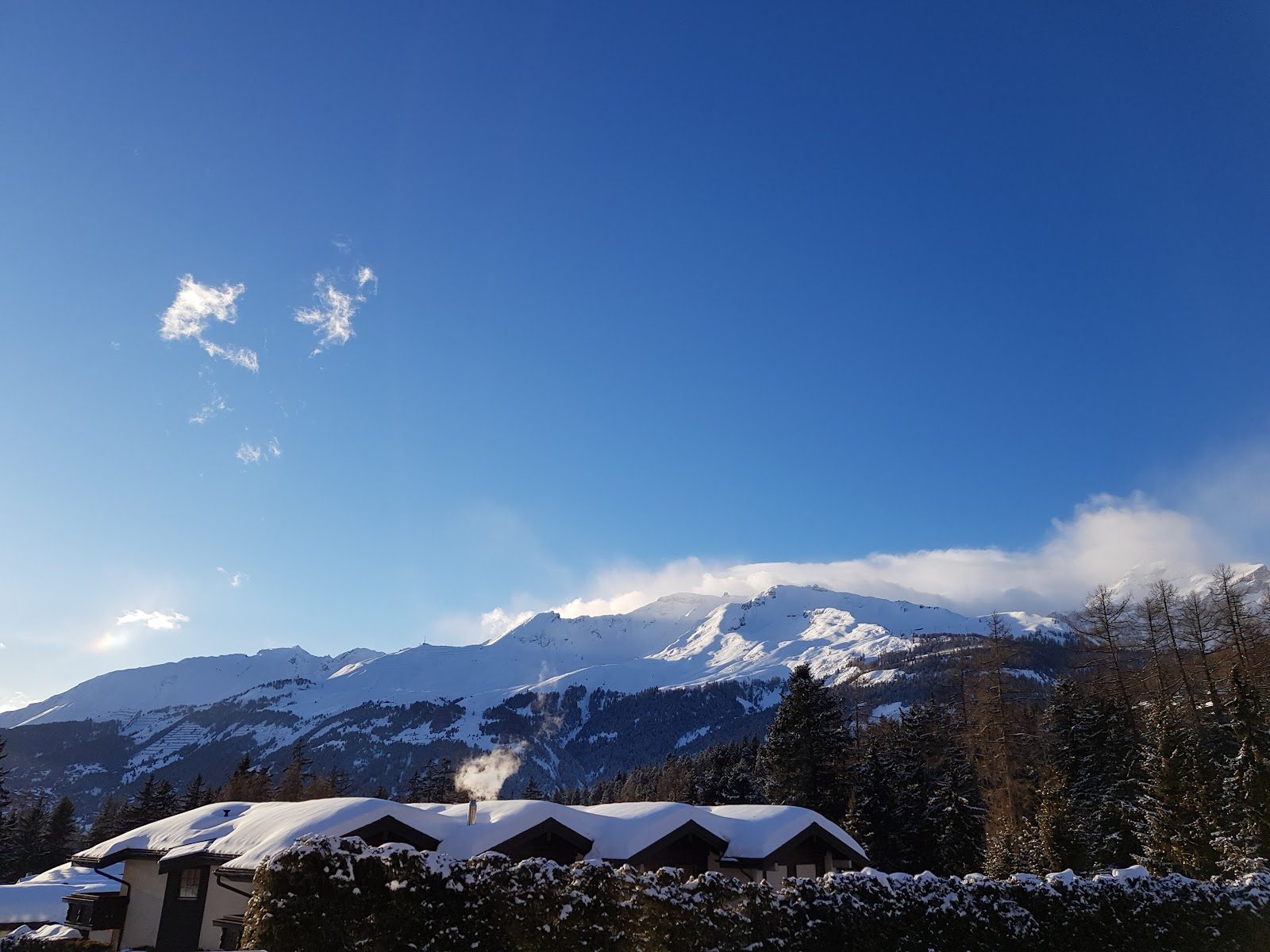
Le Régent International School
Crans-Montana · Switzerland
A purpose-built 2015 alpine campus at 1,500m pairing British and IB curricula with daily ski-in, ski-out outdoor education.
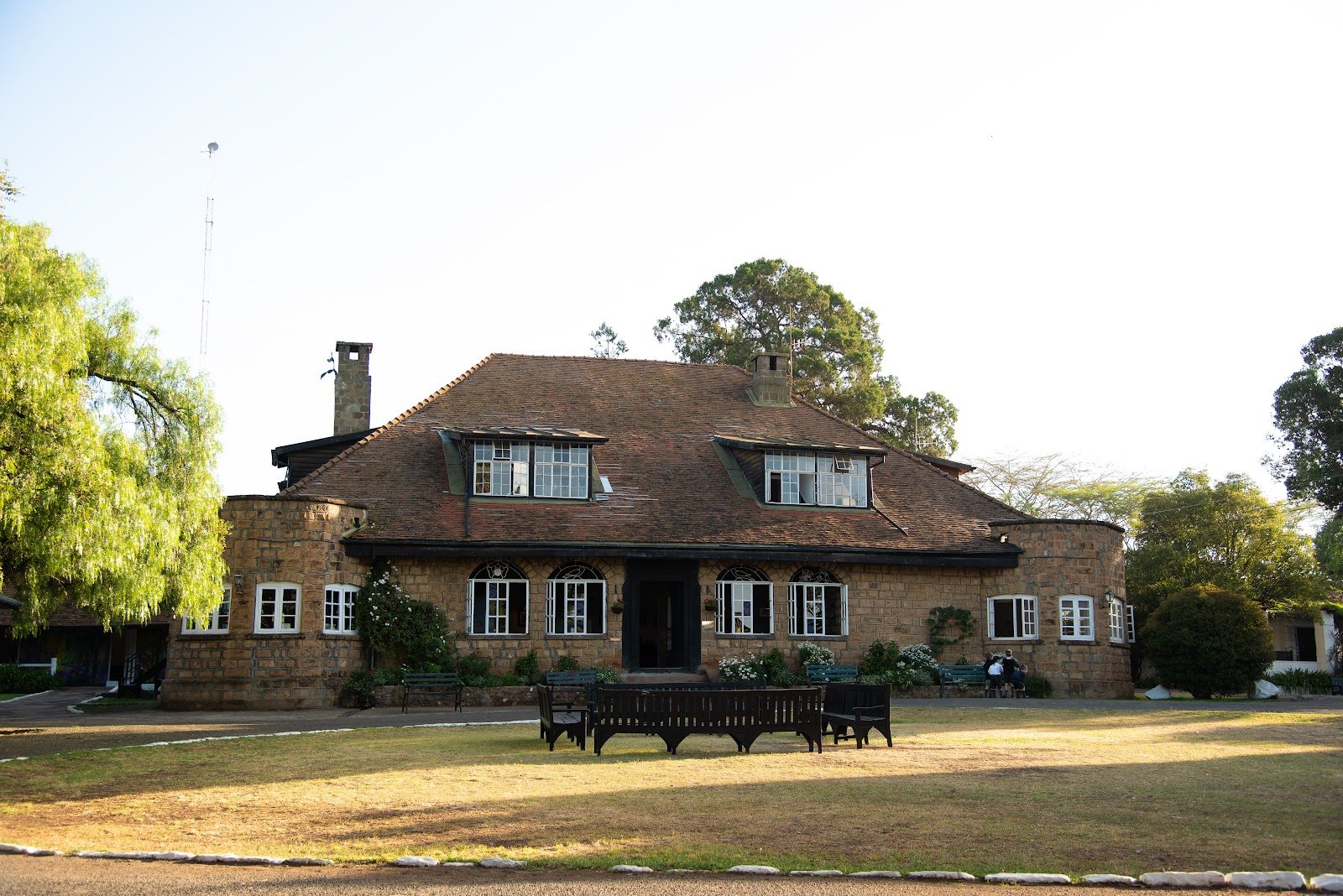
Pembroke House School
Gilgil · Kenya
Nearly a century deep in the Great Rift Valley, this British prep drills pupils through Common Entrance into top senior schools abroad.
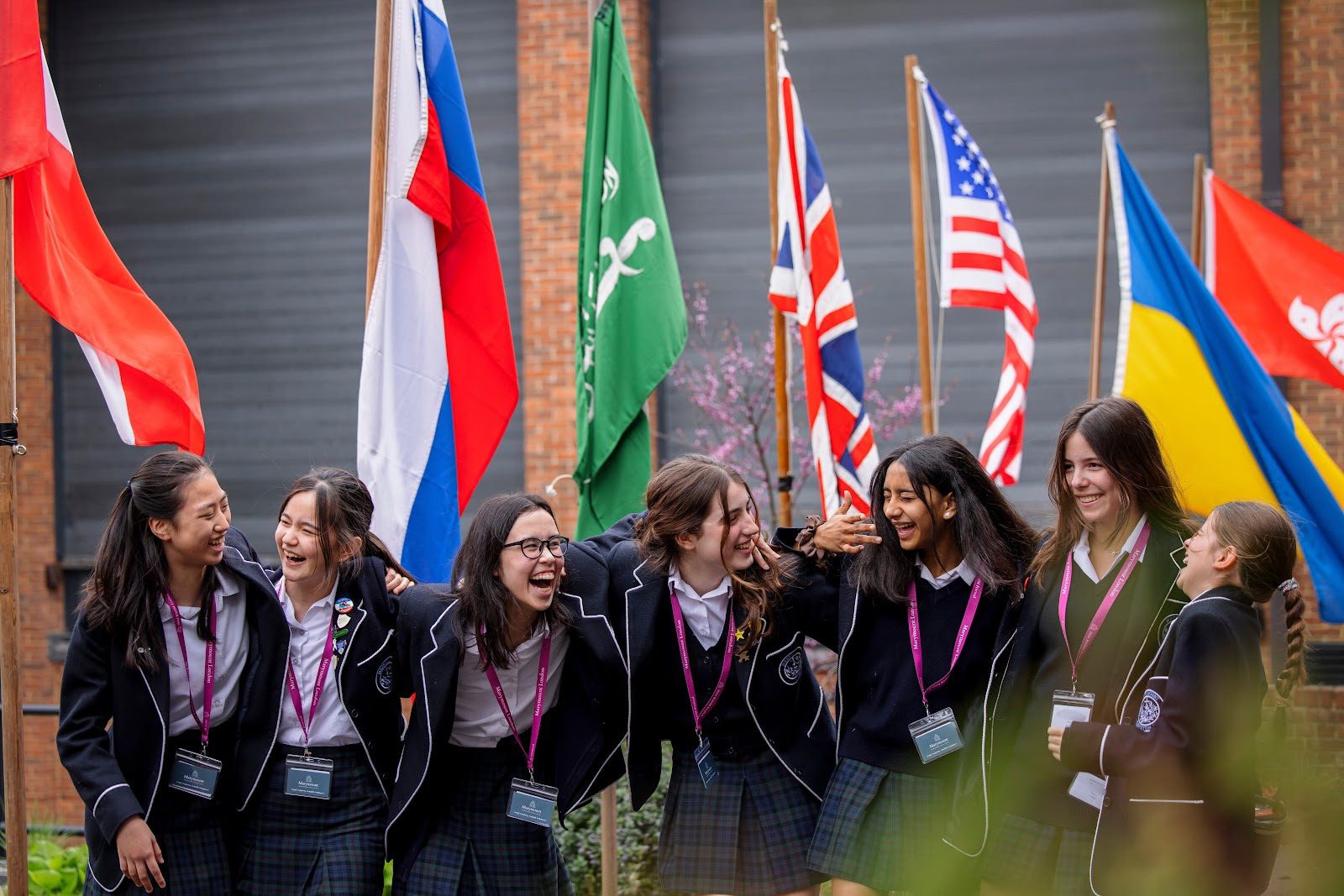
Marymount International School London
Kingston upon Thames · United Kingdom
A Catholic girls' day-and-boarding school in Kingston upon Thames that became Britain's first to adopt the IB from Middle Years through Diploma.
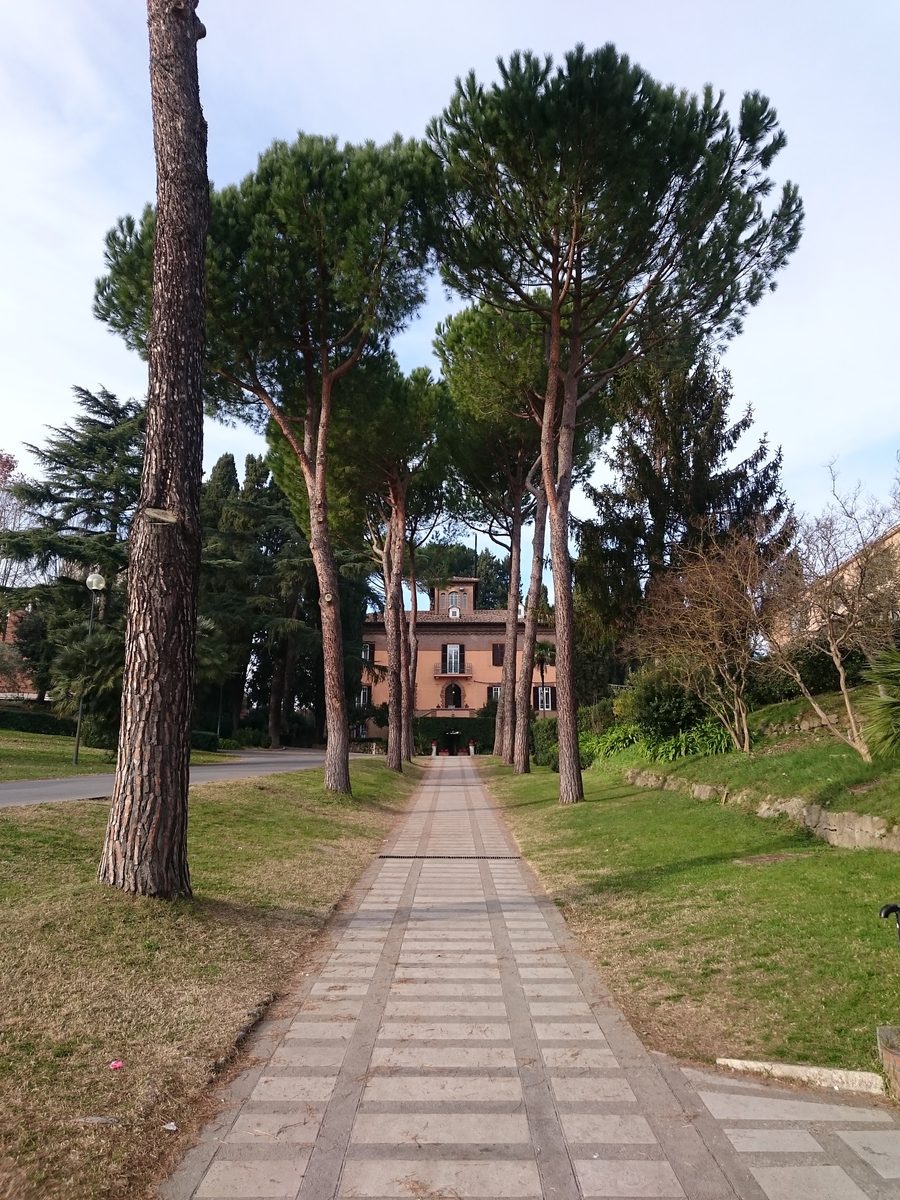
Marymount International School Rome
Rome · Italy
Italy's first international school pairs an American diploma with the IB on 40 acres of protected Roman parkland
Same country and curriculum — closest matches within ±10 points either way