
Queensland
Academy of Queensland Ballet
Pointe work and QCE credits share a timetable, as Kelvin Grove State College classrooms feed straight into Queensland Ballet's own studios
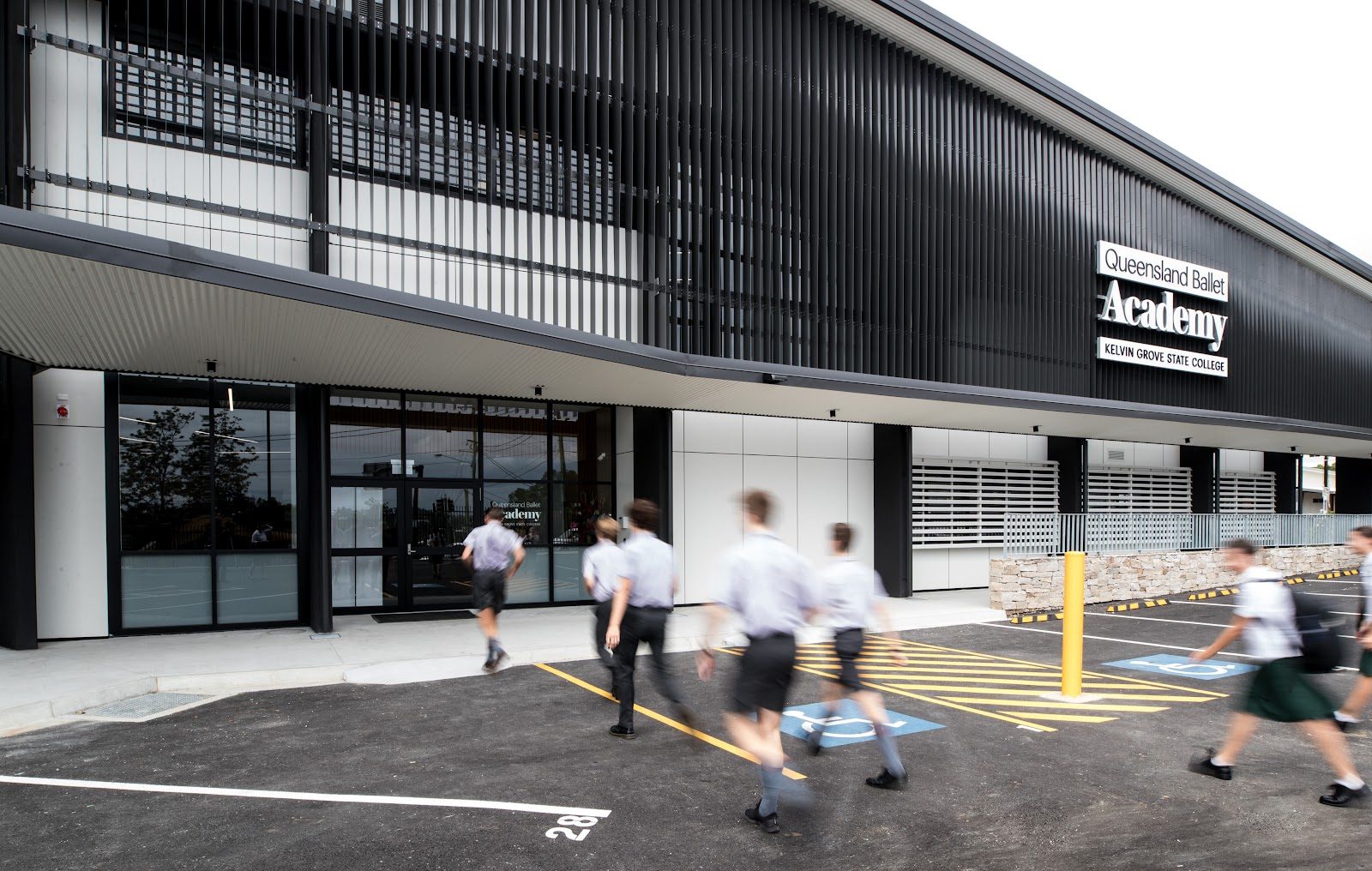
Photo © Queensland Ballet Academy via Google Maps
Type
Day
Ages
3–18
Curriculum
—
Ratio
—
The Verdict
Editor's commitment
Right for
Young dancers in Brisbane who want English-medium day schooling from ages 3–18 with Queensland Ballet training built around academics.
Wrong for
Families wanting a conventional all-round school will hit a wall: this Brisbane day academy is built for ballet, not broad extracurricular sprawl.
Watch out for
The Kelvin Grove State College link matters because QCE credits sit alongside studio hours; if ballet stops, the whole 3–18 proposition changes.
Ranking breakdown
Academy of Queensland Ballet · # of 1591
Composite score 50.1. 8 weighted criteria.
By criterion
Academic Outcomes
Weight 20%
#1492
of 1529 scored
University Placement
Weight 16%
#1521
of 1529 scored
Prestige & Heritage
Weight 12%
#1554
of 1571 scored
Alumni Network
Weight 12%
#750
of 1530 scored
Facilities
Weight 12%
#120
of 1534 scored
Transparency & Communications
Weight 8%
#820
of 1532 scored
Peer & Industry Review
Weight 10%
#371
of 1548 scored
Admissions Selectivity & Demand
Weight 8%
#93
of 1529 scored
Peer & Industry Review
How Academy of Queensland Ballet is regarded in the sector
80
Strong · medium confidence
Within Australian dance training, the Academy is consistently paired with The Australian Ballet School (Melbourne) and WAAPA as one of the country's few full-time vocational classical pathways, a comparison repeated in arts-press coverage such as Dance Australia and ArtsHub rather than mainstream school league tables, since it sits outside standard academic ranking systems. Its credibility rests heavily on the Queensland University of Technology articulation, allowing trainees to bank academic credit alongside full-time studio work, a structure QUT admissions staff have cited when discussing dual-pathway arts students. Graduate placement into Queensland Ballet's own company, and periodically into The Australian Ballet and touring international companies, is the metric peers and dance journalists track rather than university entry data typical of academic schools. Independent guides like WhichSchoolAdvisor and Good Schools Guide do not profile it, reflecting its specialist, non-ATAR-focused mission. Regard among rival heads is largely implicit: it is treated as a benchmark pre-professional feeder rather than a competitor in the conventional independent-schools market, with reputation built on company affiliation and dancer outcomes rather than press awards or public rankings.
Award

Elite Dance 50
World's Top School · The Global Ranking
Academy of Queensland Ballet is featured on our Global Top 50 ranking at #20. This seal is available for the school's marketing team to use on their website, prospectus and social channels.
Editors' overview
The Academy of Queensland Ballet occupies a narrow, serious niche: pre-professional ballet training embedded within a mainstream school structure. Its core attraction is plain. Students can pursue intensive dance training without giving up an academic pathway, with Queensland Certificate of Education study running alongside studio hours. For families weighing conservatoire-level ambition against the need for recognised school credentials, that combination has force. This is not a broad independent school with strong dance on the side; it is a specialist pipeline built for students whose lives already revolve around ballet, with no room for dabbling.
What puts it on a shortlist is that direct connection to Queensland Ballet itself. The academy offers proximity to a professional company, professional studios and a training culture shaped by the demands of the art form rather than by school marketing. That creates a disciplined, high-pressure environment with obvious advantages: students train in a setting that treats ballet as work, not enrichment. It also creates clear limits. Families seeking breadth, a conventional all-round school identity or a wide menu of co-curricular options will find the specialism restrictive. The age span, 3–18, signals a long training ladder, but the real question is not entry age; it is whether a child has the resilience, physical durability and appetite for repetition that classical ballet at this level requires.
The students who will want this academy are the ones already committed to dance, already comfortable with correction and already willing to organise life around class, rehearsal and recovery. They need academic competence in English and the maturity to handle a split identity: school student and young dancer at once. For that child, the proposition is clear-eyed and ambitious — serious ballet training in Brisbane within a day-school format, for ages 3–18, without abandoning QCE-linked schooling. For everyone else, the academy is too narrow. That is not a weakness; it is its value. Single-minded young dancers need institutions built for exactly this purpose, and Academy of Queensland Ballet does that with professional intent and a hard-edged sense of direction.
A Global Elite 50 Dance school
Academy of Queensland Ballet sits at #20 on our Global Elite 50 Dance Schools 2026, with B+ confidence, because on the 100-point cohort-conversion methodology it demonstrates the professional conversion, faculty pedigree, health-and-wellbeing infrastructure and specialist facilities required for the individually-ranked top-20 group.
The Global Elite 50 Dance Schools methodology is deliberately aggressive: half of the 100 available points are directly tied to professional conversion between 2016 and 2026 — main-company contracts, elite junior-company positions, apprenticeships and second companies. Beautiful campuses, historic alumni and impressive facilities cannot compensate for weak contemporary professional conversion, and are not scored independently.
Its evidence-confidence grade is deliberately separate from the ranking position: a lower grade reflects less public disclosure, not weaker performance. Where the school moves substantially better cohort data into the public domain in future audit cycles, the position — but not the underlying professional-conversion reality — may be revised.
International openness is a defining feature. Boarding or residential arrangements are standard, and overseas dancers apply on a rolling international audition + video pre-screen basis without residency, federation or citizenship gates. Student visas are handled by the school or its host-family partner. This is one of the internationally-open pipelines on the Global Elite 50 Dance Schools list that a relocating family can consider directly. Prospective families are advised to begin overseas application conversations early in the calendar year, with detailed audition and boarding logistics arranged 12-18 months ahead of the intended entry point. Prospective families are advised to begin overseas application conversations early in the calendar year, with detailed audition and boarding logistics arranged 12-18 months ahead of the intended entry point. Prospective families are advised to begin overseas application conversations early in the calendar year, with detailed audition and boarding logistics arranged 12-18 months ahead of the intended entry point. Prospective families are advised to begin overseas application conversations early in the calendar year, with detailed audition and boarding logistics arranged 12-18 months ahead of the intended entry point.
Academic Performance
Public examination performance is not published in any useful aggregate form. We have not seen cohort-wide ATAR outcomes, subject-by-subject QCE results, or any external benchmarking against other senior schools. That opacity matters. For a specialist institution asking families to commit heavily to a single discipline, academic accountability needs more than a statement that students study towards recognised school credentials. Without headline results, it is impossible to place the academy cleanly against selective state schools, high-performing independents or other arts-training pathways. On academics alone, this is a blind spot.
That does not make the model weak; it fixes the terms of the decision. Families are choosing a pre-professional training environment first and a conventional academic comparison set second. The relevant peer group is not the city’s broad academic frontrunners but specialist dance and performing arts programmes where timetable flexibility and training quality carry real weight. Even so, the school needs to publish hard academic data. Until it does, parents cannot test whether intensive ballet training is being balanced with strong senior outcomes or merely accommodated. In editorial terms, that leaves the academy credible in purpose but under-evidenced on results.
Facilities
The decisive facilities are the ballet ones, not the school ones. This programme draws strength from direct access to Queensland Ballet’s own training environment at the Thomas Dixon Centre: professional-standard studios, sprung floors, mirrors, barres and the backstage infrastructure that serious dancers need every day, not as an occasional add-on. That matters. Many schools with “elite” dance strands still teach in multipurpose halls or adapted arts blocks; here, the physical setting is built for repetition, correction and injury-aware technique work. For younger pupils, the academy also runs dedicated children’s classes from age 3, which gives families a continuous training ladder rather than a disconnected after-school offer. Against peer schools, that places the academy in a specialist bracket with a clear vocational edge.
The compromise sits on the academic side. Classroom teaching for full-time students is delivered through Kelvin Grove State College, so the academy does not offer the self-contained campus breadth of a large independent school with its own science suites, libraries, playing fields and all-purpose arts complex under one institutional roof. Parents need to read that correctly: this is not a grand-campus proposition. It is a split-site, purpose-built model in which the standout facilities are concentrated around ballet training and professional adjacency. For committed dancers, that concentration is a strength. For families seeking broad sports provision, expansive social spaces or a traditional school estate, the facilities package is narrow by design.
The Academy of Queensland Ballet occupies a narrow, serious niche: pre-professional ballet training embedded within a mainstream school structure
Prestige
Prestige here is real but narrow. Queensland Ballet carries weight in Australian dance, and the academy borrows that authority directly because it sits inside the company’s training ecosystem rather than attaching a ballet badge to a standard school offer. For a family in the pre-professional dance world, that connection matters more than old-school independent cachet, debating trophies or university-entry bragging. The school’s status rests on vocational seriousness, selection and proximity to a recognised professional institution. In that lane, it has hard currency. Outside it, the name does not command the same instant social recognition as a top academic independent, because this is not a broad status school; it is a specialist conservatoire track for young dancers.
That is why the prestige rating lands below the city’s all-purpose elite schools but above many generic performing arts programmes. The academy offers industry-adjacent credibility, not establishment polish. Parents buying into it are not buying a grand campus myth or a networked old-boy aura; they are buying access to a disciplined ballet pipeline with school education attached. That has strong signalling value for auditions, training progression and professional intent. It has weaker signalling value in conventional status terms, especially when academic outcomes remain unpublished in aggregate. Prestige, then, comes from professional relevance and art form legitimacy, not from breadth, social cachet or public exam clout.
For families weighing conservatoire-level ambition against the need for recognised school credentials, that combination has force
Communications
Parent communication here works best when it sticks to logistics, scheduling and training expectations. That is the heart of family life in a specialist ballet programme: class timetables, rehearsal calls, performance dates, attendance requirements, uniform details and the constant practical coordination that sits around a young dancer’s week. The academy benefits from a clean institutional identity under the Queensland Ballet banner, and its public-facing information does the fundamentals well enough: families can find programme pathways, age entry points from 3, and the broad shape of the full-time offer. The integration with external schooling also forces communication to be operationally precise. When a child’s day is split between academic study and elite training, vagueness creates friction fast.
Where the picture weakens is depth and transparency. We have not seen the kind of parent communication that answers harder questions before families need to ask them: how academic oversight works in practice, how welfare and injury management are coordinated, what progression reviews look like, or how concerns move between the ballet and school sides of the arrangement. That leaves the communications model serviceable but narrow. It tells parents what the academy does; it does less to show how the machine runs day to day. For a high-pressure, high-commitment environment spanning up to 18, that gap matters. Parents considering this route need communication that is not just polished, but granular, disciplined and exact.
Uniqueness
What makes this academy distinct is not merely that it teaches dance well, but that it organises a child’s day around ballet as the central discipline while keeping formal schooling intact. That is a rare institutional shape. In most schools, dance sits at the edge of the timetable, vulnerable to exams, fixtures and whole-school priorities. Here, ballet drives the structure. Students train inside a professional company environment and absorb its habits early: punctuality, correction without fuss, physical maintenance, rehearsal discipline and the acceptance that progress depends on repetition more than praise. For the right child, that is transformative. It turns artistic ambition into a daily method rather than an after-school aspiration.
The gain is clarity. Young dancers do not need to shuttle between a conventional school that tolerates their ambition and an external studio that carries the real weight. The academy closes that divide. It gives students a single-minded peer group, teachers who understand the demands of pre-professional training, and a path that starts as young as 3 and runs through to 18 without forcing families to improvise each next step. That continuity has value beyond convenience. It helps students build stamina, self-knowledge and professional standards early. The trade-off is plain: breadth narrows, and adolescence unfolds inside a demanding, specialised world. For serious ballet students, that concentration is the point.
What puts it on a shortlist is that direct connection to Queensland Ballet itself
Student Profile
The students who fit here are not children who “love dance” in the loose school-play sense. They are young ballet students already living with routine, correction and physical discipline, and they need to want that life for themselves. The right child tolerates repetition without drama, takes technical notes without defensiveness and does not need constant affirmation to keep working. Ambition matters, but temperament matters more: patience, body awareness, resilience after disappointment and the ability to function inside a high-control, high-expectation training culture. Because the academy starts from 3 and runs through to 18, families also need to judge honestly whether a child’s commitment has depth or only early glamour.
Socially, this suits students who are comfortable in a narrow peer world shaped by one dominant pursuit. They will spend time with others whose weeks are organised around class, rehearsal, recovery and performance, not broad school generalism. That can be intensely motivating for the right student and claustrophobic for the wrong one. A child who wants a wide sporting life, a big menu of clubs, or a conventional teenage experience will hit the limits fast. The best fit is the student who already treats ballet as central rather than decorative, can manage academic work alongside heavy training, and accepts that progress in this environment is measured in millimetres, not applause. It is not for dabblers.
That creates a disciplined, high-pressure environment with obvious advantages: students train in a setting that treats ballet as work, not enrichment
Co-curricular strengths
Arts & sport, on a separate axis
Overall 5.86/10
Scored 0-10 from the school's own published evidence. This axis is editorial-only — it does not feed the main WTS ranking.
Sports
3.5/10
Drama
5.5/10
Dance
9.8/10
Music
5.5/10
Visual Arts
5/10
Strengths
- +Operates as the training arm of Queensland Ballet, a state ballet company whose artistic director, Li Cunxin, is internationally known through his memoir 'Mao's Last Dancer'.
- +Offers a structured, multi-tier pathway from part-time children's associate classes through to full-time pre-professional (vocational) training.
- +Based at the Thomas Dixon Centre in Brisbane, the same premises used by Queensland Ballet's professional company, giving students proximity to working dancers and studios.
- +Vocational-stream cohorts are kept small, allowing closer staff-to-student ratios than typical in broader performing-arts programmes.
- +Clear audition-based progression structure gives families a transparent sense of the standard required at each level.
Considerations
- −The Academy teaches classical ballet only; it is not a full academic day school, so families must separately arrange schooling (often distance education or a partner school) for children in full-time training.
- −Entry to the senior vocational stream is competitive and audition-based, disadvantaging late starters or children without an established classical technique.
- −Fees for full-time vocational training are in line with specialist elite ballet schools internationally, and detailed current fee schedules are not published in full on the website, requiring direct enquiry.
- −Single-discipline focus on classical ballet offers little room for students wanting a broader arts, contemporary dance, or general extracurricular mix.
Gallery
Photo © Boon Hoe Chew via Google Maps
Photo © Boon Hoe Chew via Google Maps
Photo © Boon Hoe Chew via Google Maps
Photo © Boon Hoe Chew via Google Maps
Photo © Boon Hoe Chew via Google Maps
Photo © Brendan O'Sullivan (Foodaustralia) via Google Maps
Photo © Brendan O'Sullivan (Foodaustralia) via Google Maps
Parent reviews
Have you sent your child here?
Voice reviews carry the strongest trust badge — we transcribe them for you to tidy up before they go live. Prefer to type? A written review is fine too.
Add your voice
In 60 seconds, tell other parents: what's the best thing about Academy of Queensland Ballet, and what surprised you when your child joined?
We ask for a Google sign-in so every review has a real face behind it — no anonymous drive-by attacks on schools, and no faked positive reviews. Your email is never shown publicly.
Send this profile to a friend
International parents rely on word-of-mouth. Share this review with someone weighing the same decision.
Schools with places
Similar schools to Academy of Queensland Ballet with places available now.
Pymble Ladies' College
Sydney · Australia
- 2026-27
- WAITPOOLVacancy-dependent
- 2027-28
- PLACES OPEN
Ivanhoe Grammar School
Melbourne · Australia
- 2026-27
- WAITPOOLVacancy-dependent
- 2027-28
- PLACES OPEN
Ascham School
Sydney · Australia
- 2026-27
- WAITPOOLVacancy-dependent
- 2027-28
- PLACES OPEN
Wesley College
Melbourne · Australia
- 2026-27
- WAITPOOLVacancy-dependent
- 2027-28
- PLACES OPEN
Availability first, then country, area, curriculum, price, co-curricular
Consider also
Also worth looking at alongside Academy of Queensland Ballet.
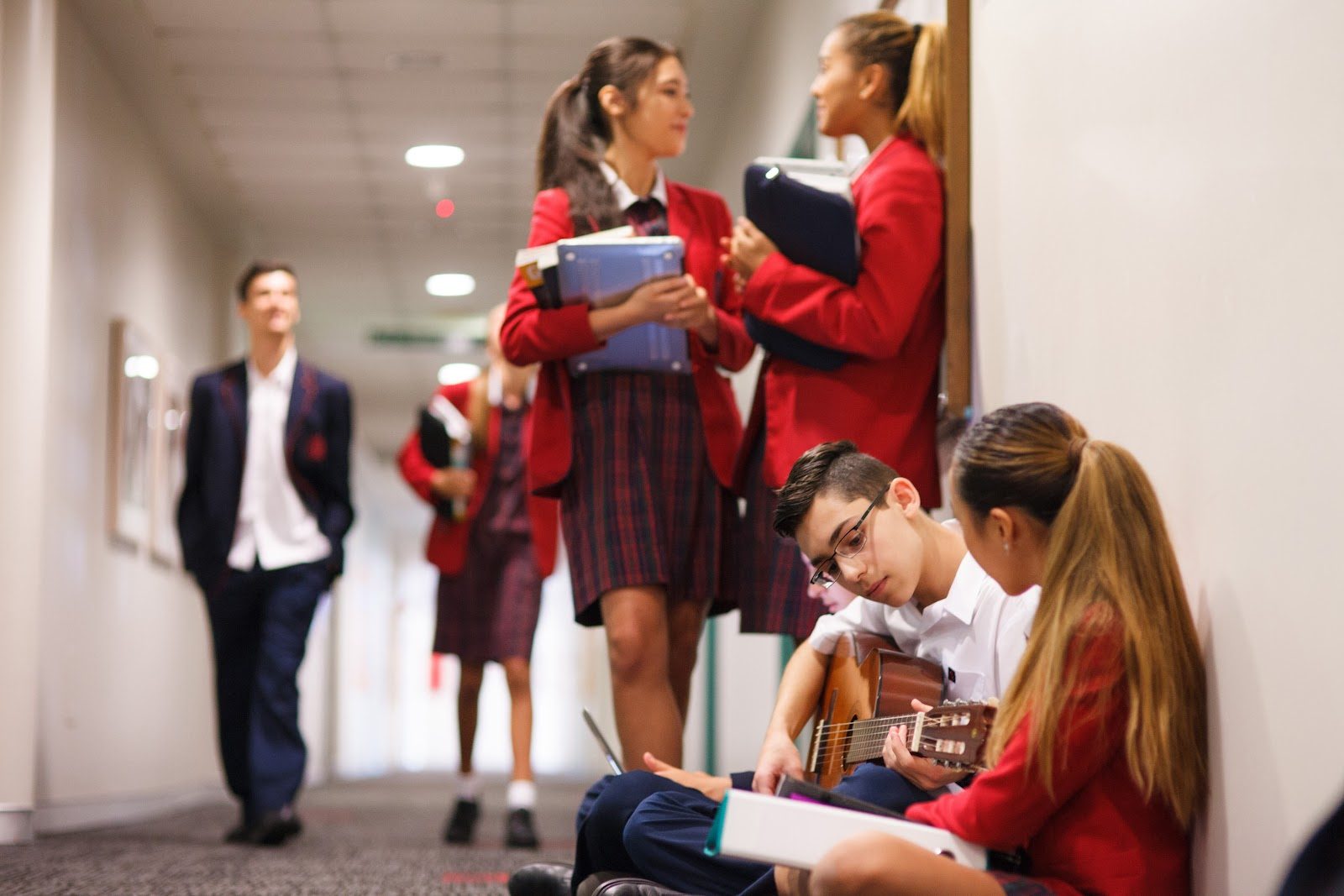
The McDonald College
North Strathfield, Sydney · Australia
Where ballet barres and tennis courts share the timetable with the HSC, in the only K-12 day school of its kind in Australia.
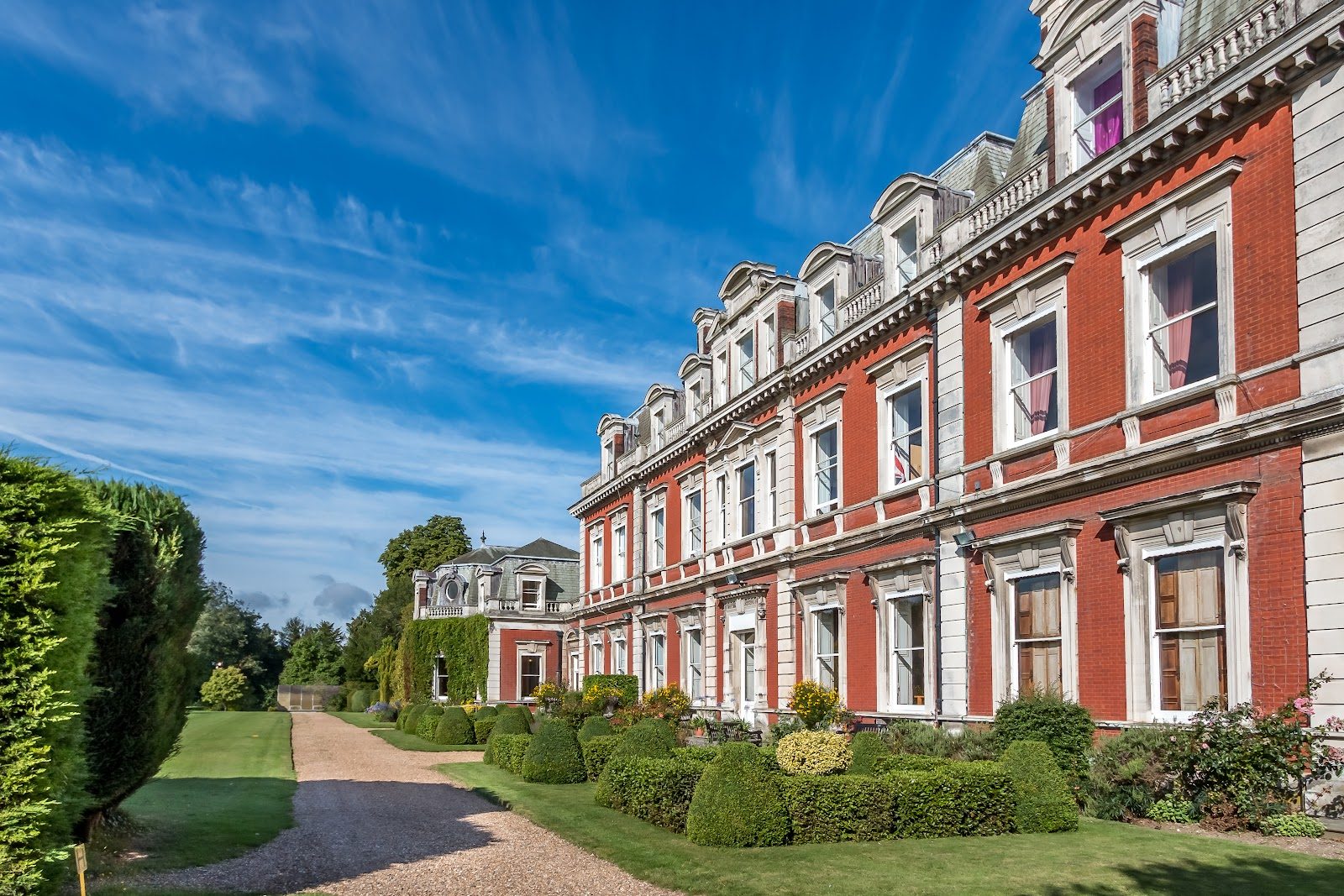
Tring Park School for the Performing Arts
Tring, Hertfordshire · United Kingdom
In a Wren-designed Rothschild mansion, mornings of GCSE and A-Level study give way to afternoons of rigorous, audition-only dance and drama training.
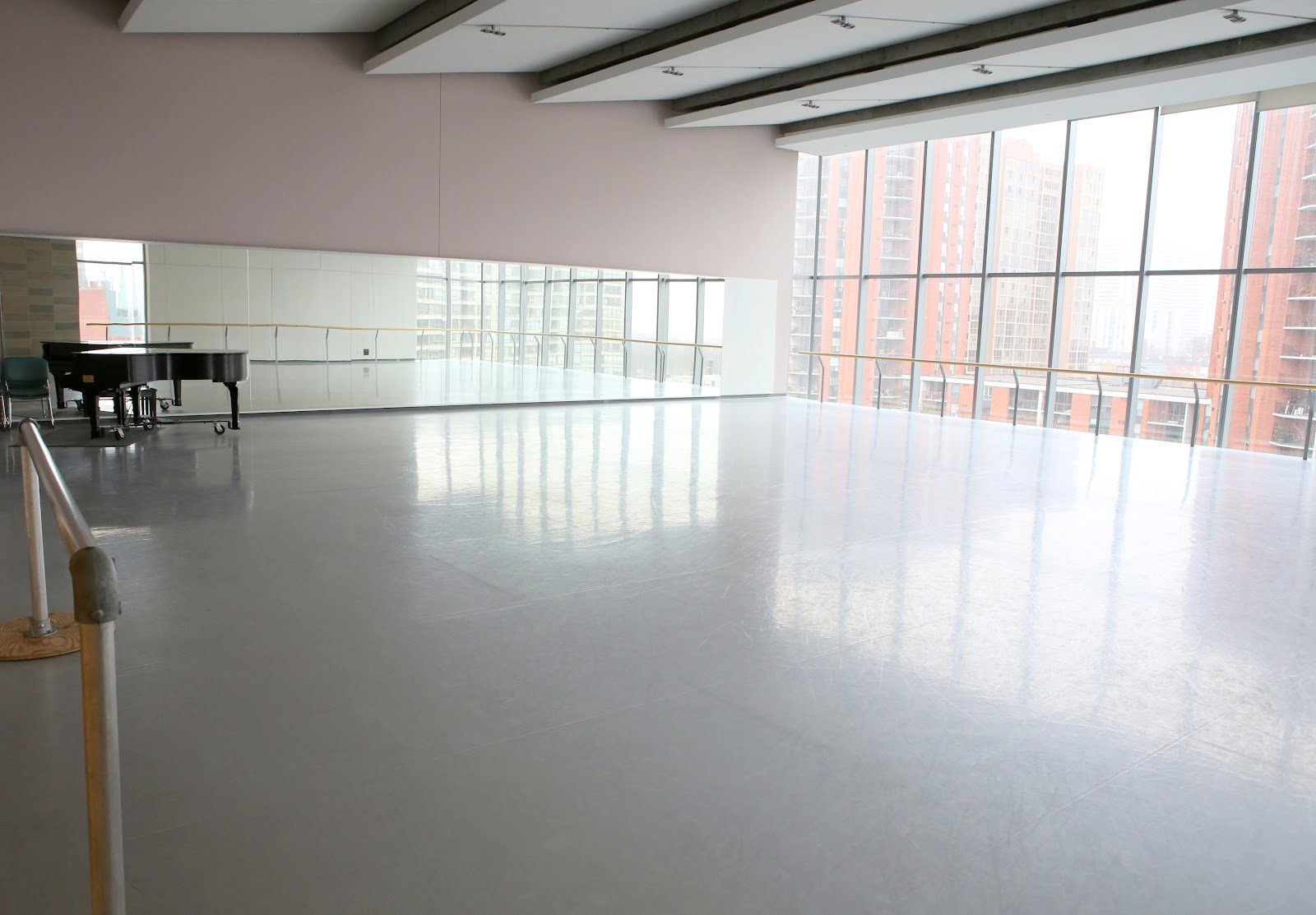
Canada's National Ballet School
Toronto · Canada
Talent is the sole entry ticket to this Toronto campus fusing full-time ballet training, academics, and boarding life under one roof.

The Royal Ballet School
White Lodge, Richmond Park (Lower) / Covent Garden (Upper) · United Kingdom
A Grade I-listed royal hunting lodge in Richmond Park doubles as classroom and studio for GCSE-age dancers admitted on talent alone.
Same specialism, country and curriculum — closest matches within ±10 points either way