
Somerset
Wellington School
low confidence· 1/6 cats · 2.5 avg sourcesSince 1837, this Somerset school has topped the county's A-Level tables and once trained Olympians bound for London 2012.
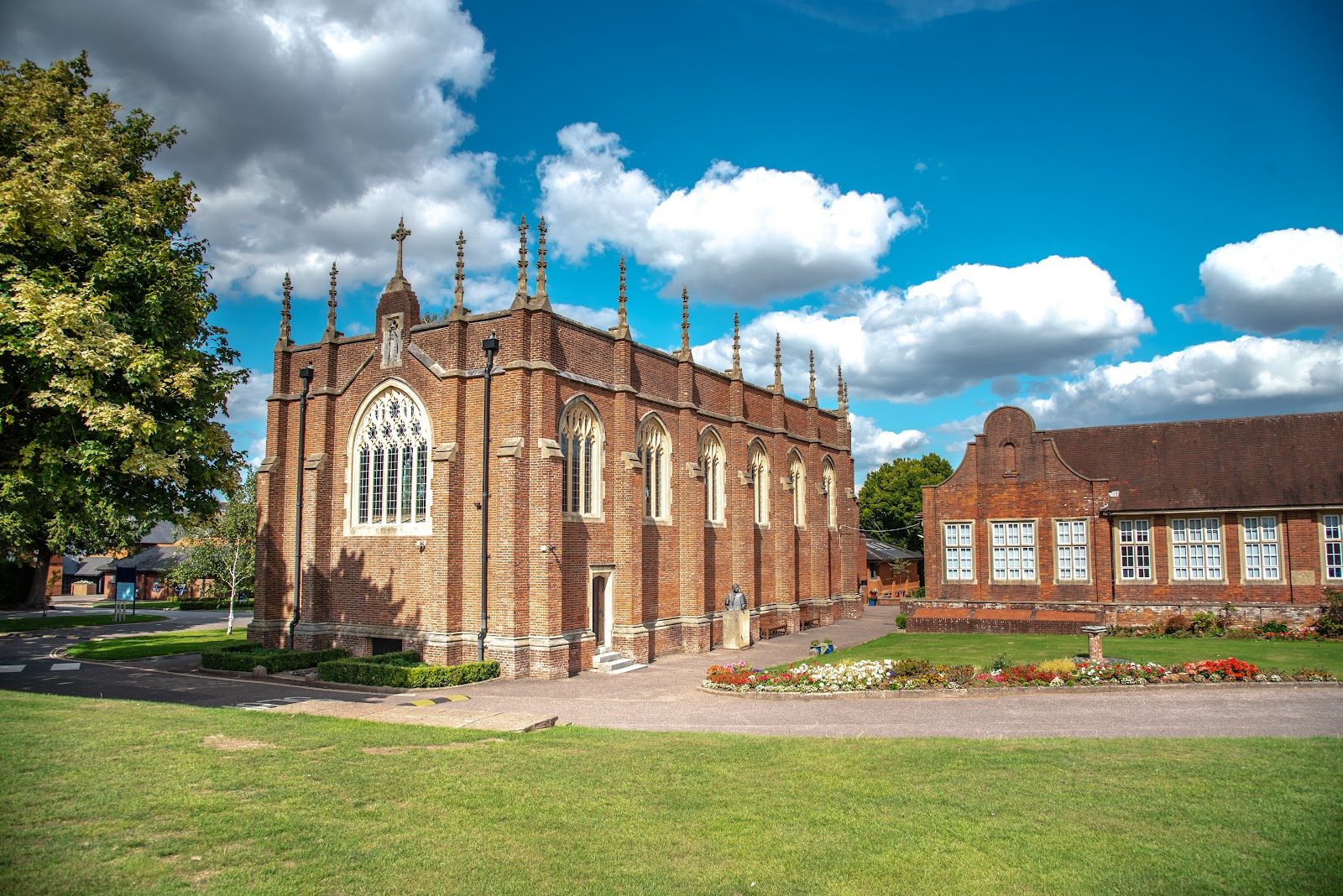
Photo © Wellington School via Google Maps
Type
Both
Ages
3–18
Curriculum
British
Qualifications
A-Level · GCSE
Ratio
—
The Verdict
Editor's commitment
Right for
Families wanting a 3–18 British day-and-boarding school in Somerset, founded in 1837 and accredited by ISI and HMC.
Wrong for
Parents seeking a cheap option, a faith school, or anything other than English-medium British schooling; day fees average £19,801, boarding £46,365.
Watch out for
The website sells vision and atmosphere harder than hard outcomes; beyond ISI and HMC, Wellington does not publish headline exam data here.
Ranking breakdown
Wellington School · # of 1591
Composite score 62.6. 8 weighted criteria.
By criterion
Academic Outcomes
Weight 20%
#1049
of 1529 scored
University Placement
Weight 16%
#1015
of 1529 scored
Prestige & Heritage
Weight 12%
#900
of 1571 scored
Alumni Network
Weight 12%
#566
of 1530 scored
Facilities
Weight 12%
#923
of 1534 scored
Transparency & Communications
Weight 8%
#927
of 1532 scored
Peer & Industry Review
Weight 10%
#1216
of 1548 scored
Admissions Selectivity & Demand
Weight 8%
#960
of 1529 scored
Peer & Industry Review
How Wellington School is regarded in the sector
63
Respected · medium confidence
Within Somerset's crowded independent sector, Wellington School sits in the shadow of Millfield's national brand, Taunton School's assertive marketing, and Blundell's longer boarding pedigree; heads of these larger neighbours rarely cite it as a direct competitor for top academic or sporting talent, reflecting its smaller size and modest boarding numbers. Independent-school guides such as the Good Schools Guide have typically characterised it as a caring, unshowy school strong on pastoral support rather than one that features prominently in Sunday Times or Telegraph independent-school league tables. University destinations lean toward solid Russell Group and regional universities rather than a heavy Oxbridge pipeline, and admissions commentary does not single it out the way it does the county's larger boarding schools. Its visible presence at HMC or peer-conference level is limited relative to comparable schools, consistent with its identity as a well-regarded but essentially local, rather than nationally competitive, institution.
Editors' overview
Wellington School is a long-established Somerset independent school with a full 3–18 age range, day and boarding provision, and a clear all-through structure from nursery to sixth form. Founded in 1837, it carries the advantages of maturity without the dead hand of nostalgia. The pitch from the school leans hard on future-facing language, but the substance that matters to parents is simpler: this is a broad, conventional British school with enough scale to offer real facilities, a boarding community woven into school life, and a co-curricular programme that has visible range. The editorial hook is straightforward. Wellington gives families a serious independent school in the South West without the grandiosity, price inflation and social theatre that attach themselves to more famous names.
What puts Wellington on a shortlist is the mix of breadth and access. It covers nursery, prep, senior and sixth form on one campus, which suits families who want continuity rather than repeated 11+ and 16+ reinvention. The school points to a rich and diverse environment, flexible international courses, and shared facilities between prep and senior sections; that matters because younger pupils are not being educated in an afterthought. Boarding is not an ornamental add-on here; the school states that the boarding community is central to school life. Parents looking for a school with a grounded sense of community, strong extracurricular expectations and a lived-in rather than theatrical boarding culture will find Wellington credible. Its public-facing strengths sit in sport, music, service and student leadership as much as in classroom life, with signals that pupils are expected to do more than collect grades.
The school will suit pupils who want a busy, full-spectrum school life: sport, CCF, Duke of Edinburgh, music, charity work, careers activity and the ordinary rituals of a traditional British independent school. It will also suit children who benefit from a nurturing prep environment before moving into a larger senior setting, and boarders who want structure without isolation. Families seeking a small specialist academic hothouse or a progressive experimental school should look elsewhere. Wellington’s appeal is broader than that. It is for students who thrive when there is a lot to do, who value belonging, and who want a school with serious co-curricular muscle and plain institutional confidence rather than metropolitan gloss.
In market terms, Wellington sits in the strong middle of the independent sector: established, ambitious, and more substantial than many regional competitors, but less self-mythologising than the prestige brands. Accreditation through ISI and HMC gives it the expected sector credentials. The reason to shortlist it is not mystique; it is fit. For the right child, Wellington offers stable all-through education, authentic boarding, and the kind of wide opportunity set that turns school into a lived community rather than a timetable.
Academic Performance
Wellington’s academic case rests on hard public outcomes rather than brand noise. In 2024, the school states that it finished top of the Somerset A-level league table, with 62% of entries graded A–A and 86% at A–B. At GCSE, 53% of grades were 9–7 and 78% were 9–6. Those are strong numbers for a broad all-through independent school rather than a tiny exam factory. They place Wellington in the upper tier of regional independents and ahead of the softer middle of the market, where schools trade on pastoral warmth and co-curricular breadth while results drift into vagueness. Here, the outcomes are concrete.
The limitation is also clear. We have not seen a multi-year run of published results in the public domain, and the school does not publish the deeper comparative detail that the most academically exacting schools now provide: subject-by-subject performance, value-added data, university destinations at scale, or a sustained record across several cohorts. That leaves Wellington looking convincingly strong at headline level without giving parents the full forensic picture. Relative to peers, this is not a national academic superpower; it is a serious regional performer with results that justify attention, especially for families who want real attainment without sending a child into a narrow pressure chamber.
Facilities
Wellington’s facilities profile is broad rather than flamboyant, which suits the school it is. The clearest point from the school’s own description is structural: prep and senior pupils share the main resource base, and the site supports nursery through sixth form without splitting the school into disconnected zones. That matters. At weaker all-through schools, younger pupils get a token corner while senior pupils monopolise the serious spaces. Wellington indicates the opposite: a campus built for daily crossover, continuity and access. Sport has visible weight here, with named leadership in sport and co-curricular provision, pupil-facing rugby prominence, cricket activity and an established Duke of Edinburgh and CCF culture. Music also has traction beyond brochure filler, with a summer proms event, chapel choir activity and a music and performing arts award. Against peer schools in the South West independent market, that reads as properly equipped for busy school life, not architectural theatre.
Boarding facilities also matter because boarding sits near the centre of the school’s identity rather than at the edge of it. The school states that the boarding community is central to its environment, which carries more weight than the standard “boarding available” line many day schools bolt onto their websites. There is also public evidence of careers provision, environmental work and mentoring recognition, which points to infrastructure beyond classrooms and pitches. What is missing is equally important: the school does not publish the granular campus detail that top-fee competitors now give parents, such as theatre specifications, science suite descriptions, studio provision or dedicated sixth form spaces. So the picture is credible and full-service, but not lavishly itemised.
In 2024, the school states that it finished top of the Somerset A-level league table, with 62% of entries graded A–A and 86% at A–B
Prestige
Wellington’s prestige sits at the strong regional end of the independent market, not in the national celebrity tier. That distinction matters. Parents are buying a school’s standing with universities, employers and other schools, but also its social signal. Wellington carries real weight in the South West because it combines long institutional continuity, full age-range provision and public academic proof. Topping the county A-level table with 62% of grades at A–A gives it serious local authority*. The school also has the markers that sustain reputation beyond raw grades: boarding woven into school life, visible strength in sport and music, a functioning service culture through CCF and Duke of Edinburgh, and enough breadth to produce the well-rounded independent-school profile many families still want.
Why not rate it higher? Because prestige at the top end depends on national pull, relentless selectivity, and a level of outcome transparency that leaves no room for doubt. Wellington does not occupy that bracket. It is not one of the names that rearranges a family’s geography on prestige alone, and its public case leans more on community, opportunity and broad school life than on elite intellectual cachet. That does not diminish it. In fact, for many families, it sharpens the appeal. Wellington offers earned prestige rather than inherited glamour: a school with solid social credibility, strong regional recognition, and enough substance to justify its reputation without lapsing into myth.
Topping the county A-level table with 62% of grades at A–A gives it serious local authority
Communications
Wellington communicates with parents in a clear, active, school-centred way. The public site is updated frequently and covers the full age range, with separate entry points for nursery, prep, senior, sixth form, boarding and international families. That matters because all-through schools can lapse into muddle; Wellington keeps the sections distinct without making the school feel fragmented. The news stream is the strongest sign of competence. It records ordinary school life as well as flagship moments: careers recognition, Duke of Edinburgh, music, charity fundraising, Model United Nations, chapel choir and CCF activity all surface in public view. That breadth tells parents what the school values day to day. It also shows a culture of steady institutional communication rather than sporadic bursts of self-congratulation.
The style is more mixed. Some of the leadership language lapses into generic future-of-education rhetoric and abstract slogans, which adds gloss but not much usable information for parents. The stronger pages are the practical ones: clear age ranges, identifiable school sections, visible staff and pupil voices, and regular news with concrete events, including an 80km canoe expedition and more than £5,000 raised through a cricket challenge. Those specifics build trust. So the verdict is straightforward: Wellington communicates competently and consistently, with a lived sense of school activity and a solid grasp of what parents need to see. It is not forensically transparent on every operational detail, but it is far better than the sector average at showing that the school is busy, organised and in motion.
Uniqueness
What sets Wellington apart is the combination of an all-through structure with a school culture that still expects pupils to do a great deal beyond lessons. Plenty of schools offer nursery to sixth form on paper; fewer build a shared institutional life that runs from the youngest children to older boarders, captains, performers, cadets and athletes. Wellington does. The result for students is continuity without drift. Children can grow up inside one coherent system, use serious facilities before they reach the senior years, and move through the school with a strong sense of what older pupils do and what will be expected of them next. That creates a lived community rather than a set of adjacent departments.
The other distinctive point is Wellington’s refusal to narrow itself into one selling line. It is not a pure academic hothouse, not a boutique arts school, and not a day school with token boarding attached. The school’s public life shows a busy, traditional, full-service model: careers recognition, Duke of Edinburgh, CCF, choir, charity fundraising, model United Nations, canoe expeditions and visible sporting leadership. For pupils, that breadth brings two advantages. First, there are multiple routes to status beyond exam grades alone. Second, students learn to operate in a culture with high participation expectations and few places to hide. For the right child, that is formative in the best sense: it builds confidence, responsibility and range, not just a transcript.
Because prestige at the top end depends on national pull, relentless selectivity, and a level of outcome transparency that leaves no room for doubt
Student Profile
The pupils who fit Wellington best are the ones who want to be involved. This is not a school for spectators, drifters or children who want to keep school at arm’s length. The public life of the school points to a student body shaped by participation: sport has status, music is active, service matters, leadership posts are visible, and outdoor challenge is part of the culture. A child who likes structure, routines, teams and shared endeavour will find plenty of traction here. Boarders and day pupils both need to be comfortable in a community where school life extends well beyond lessons. The presence of Duke of Edinburgh, CCF, Model United Nations, choir, charity work and events such as an 80km canoe expedition tells you a lot about the expected temperament: energetic, game, resilient, and willing to put themselves forward. For that sort of pupil, Wellington will feel busy, grounded and socially coherent.
It will also suit families who want a school with more than one route to confidence. Wellington does not read like a monoculture built only for the hyper-academic or the socially polished. It gives space to athletes, organisers, performers, internationally minded pupils and students who grow through responsibility rather than display. The best fit is a child who benefits from clear expectations, a full diary and a community where contribution counts. The weaker fit is the child who wants anonymity, intense niche specialism, or a looser, more bohemian school atmosphere. Wellington asks pupils to join in, keep up and carry their share. For the right student, that is excellent training for adult life.
The other distinctive point is Wellington’s refusal to narrow itself into one selling line
Co-curricular strengths
Arts & sport, on a separate axis
Overall 8.8/10
Scored 0-10 from the school's own published evidence. This axis is editorial-only — it does not feed the main WTS ranking.
Sports
9/10
Drama
9.3/10
Dance
8.8/10
Music
8.7/10
Visual Arts
8.2/10
Strengths
- +Boarding and day options widen family arrangements, with 125 boarders across three houses.
- +World-class sport and drama provision, backed by an Olympic-standard 35-acre sports complex.
- +A-level attainment consistently above the national average with strong value-added data.
- +Covers ages 3–18 within one all-through school.
- +HMC membership offers recognised independent-school benchmarking.
Considerations
- −British curriculum only; no IB offered.
- −Somerset location may feel remote for international families.
- −Modest senior roll limits the breadth of A-level subjects and fixtures versus the largest independents.
- −National profile is lower than the quality of outcomes and facilities warrants.
Availability
Primary entry gate & tests
Written Exams + Interview
Gallery
Photo © Wellington School via Google Maps
Photo © Wellington School via Google Maps
Photo © R̤̮i̤̮c̤̮h̤̮a̤̮r̤̮d̤̮s̤̮o̤̮n̤̮ 66 via Google Maps
Photo © Hu Nick via Google Maps
Photo © Jennifer Barton via Google Maps
Parent reviews
Have you sent your child here?
Voice reviews carry the strongest trust badge — we transcribe them for you to tidy up before they go live. Prefer to type? A written review is fine too.
Add your voice
In 60 seconds, tell other parents: what's the best thing about Wellington School, and what surprised you when your child joined?
We ask for a Google sign-in so every review has a real face behind it — no anonymous drive-by attacks on schools, and no faked positive reviews. Your email is never shown publicly.
Send this profile to a friend
International parents rely on word-of-mouth. Share this review with someone weighing the same decision.
Schools with places
Similar schools to Wellington School with places available now.
Availability first, then country, area, curriculum, price, co-curricular
Consider also
Also worth looking at alongside Wellington School.
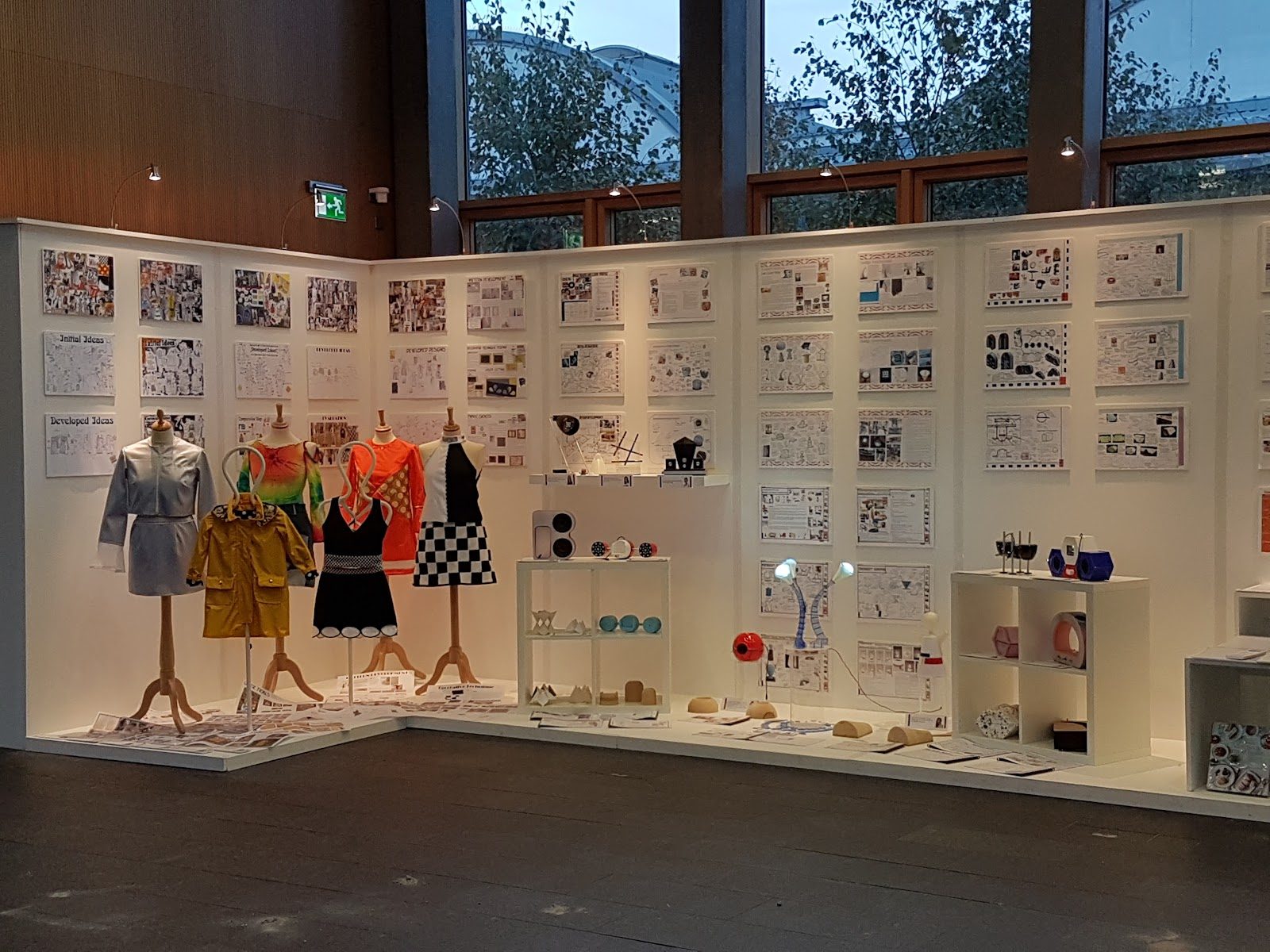
Lady Eleanor Holles School
Hampton · United Kingdom
Since 1710 on a 24-acre Hampton site, a Thames boathouse has bred record-holding rowing eights alongside Oxbridge-track academics.
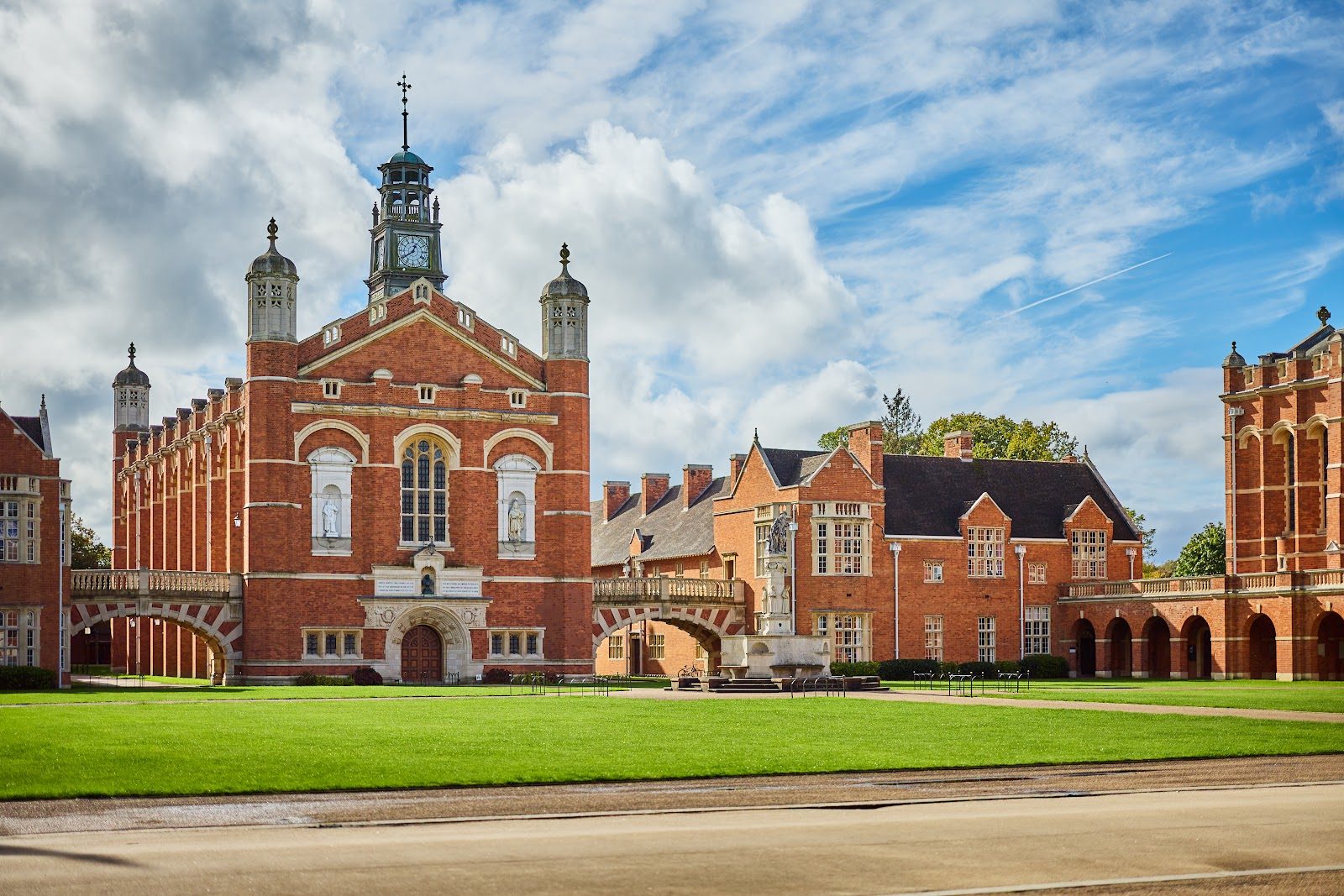
Christ's Hospital
Horsham · United Kingdom
Tudor bluecoat uniforms unchanged since 1552 meet a bursary scheme that funds most pupils, set across 1,200 acres of Sussex countryside.
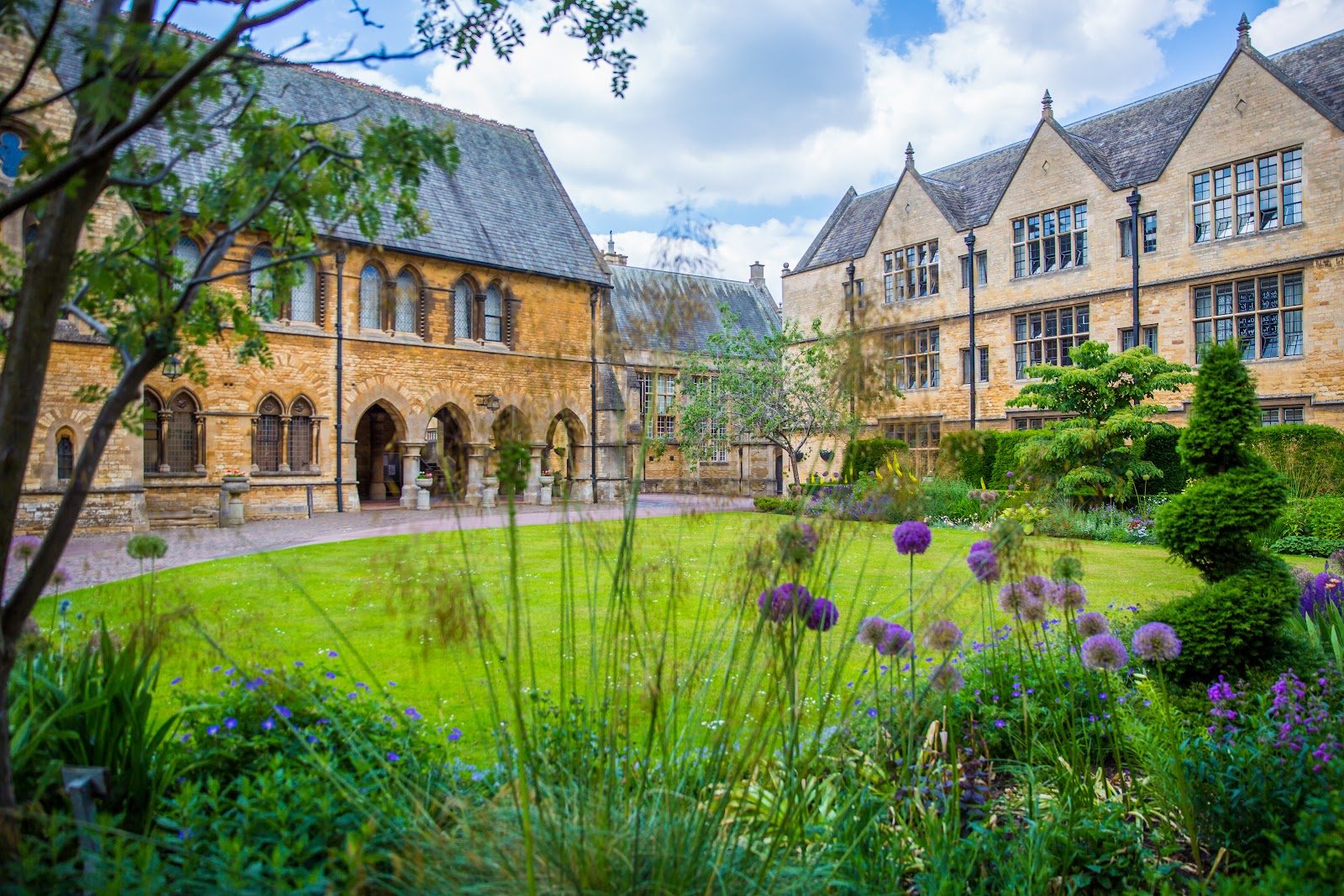
Uppingham School
Uppingham · United Kingdom
A Rutland boarding school where Thring's music-first Victorian philosophy still shapes seven-day house life today

Badminton School
Bristol · United Kingdom
On a Bristol campus where girls have played cricket since 1858, science labs for women followed decades ahead of the curve
Same country and curriculum — closest matches within ±10 points either way