
Cornwall
Truro School
low confidence· 1/6 cats · 2.5 avg sourcesOn a Cornish hilltop since 1880, where Truro Cathedral's choristers train and a new music centre extends a choral tradition unbroken since the 1880s.
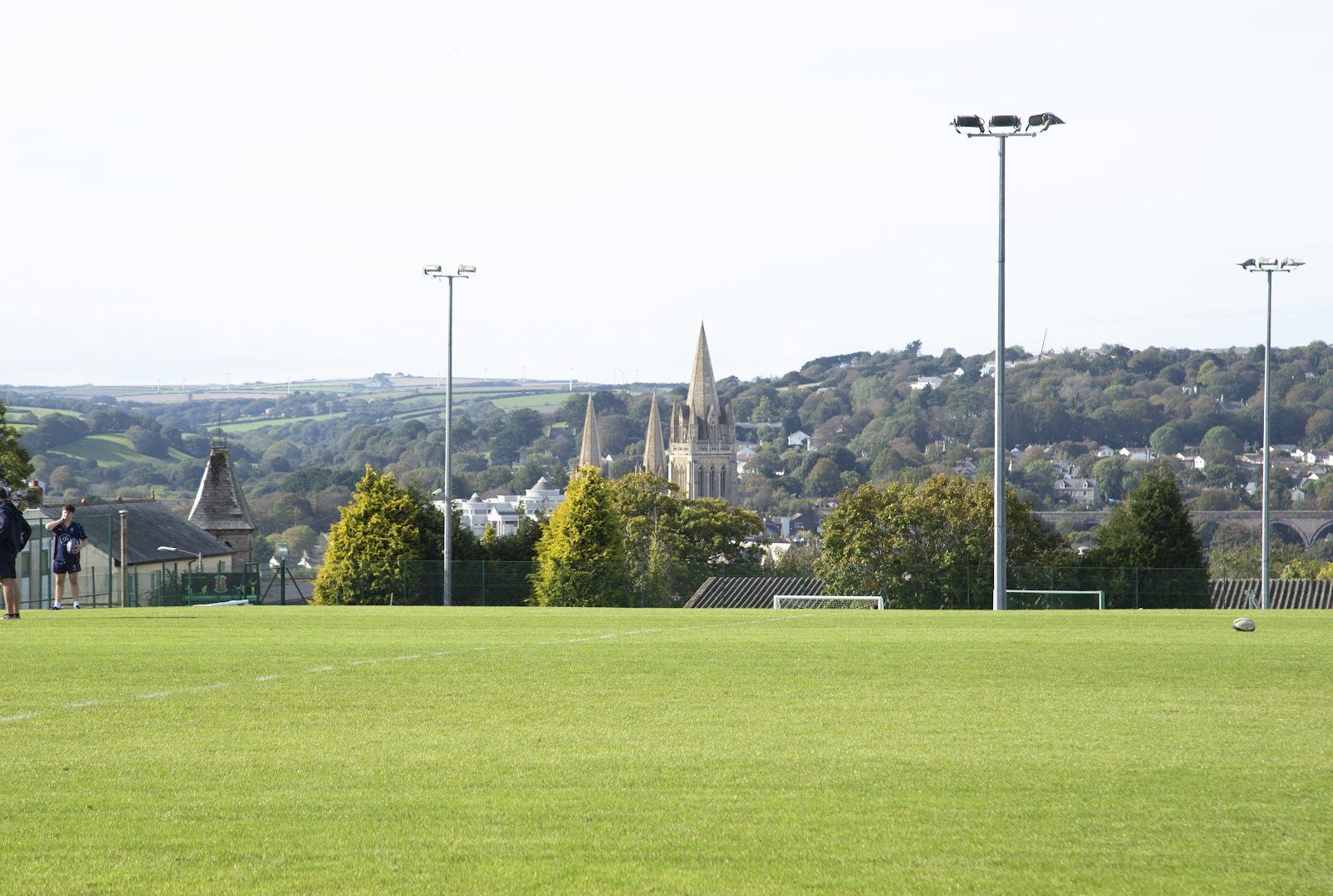
Photo © Truro School via Google Maps
Type
Both
Ages
3–18
Curriculum
British
Qualifications
A-Level · GCSE
Ratio
—
The Verdict
Editor's commitment
Right for
Families wanting a British 3–18 school in Truro with boarding, Methodist roots and a serious music offer tied to cathedral choristers.
Wrong for
Anyone seeking an IB track, non-English instruction or a secular ethos; Truro School states British curriculum, English teaching and Methodist identity.
Watch out for
Truro School advertises GCSE and A-Level results, boarding and bursaries, but publishes no aggregate outcomes or university destination data here.
Ranking breakdown
Truro School · # of 1591
Composite score 58.9. 8 weighted criteria.
By criterion
Academic Outcomes
Weight 20%
#900
of 1529 scored
University Placement
Weight 16%
#911
of 1529 scored
Prestige & Heritage
Weight 12%
#723
of 1571 scored
Alumni Network
Weight 12%
#1301
of 1530 scored
Facilities
Weight 12%
#799
of 1534 scored
Transparency & Communications
Weight 8%
#820
of 1532 scored
Peer & Industry Review
Weight 10%
#998
of 1548 scored
Admissions Selectivity & Demand
Weight 8%
#837
of 1529 scored
Peer & Industry Review
How Truro School is regarded in the sector
65
Respected · medium confidence
Among Southwest independent schools, Truro School is viewed as a solid HMC member rather than a first-rank competitor to Sherborne, Blundell's or King's Bruton, largely because Cornwall's isolation limits direct competitive benchmarking. Good Schools Guide-style commentary typically highlights pastoral warmth, sailing and rowing, and creative arts, while noting exam results trail the national independent-school elite. University admissions patterns skew toward solid Russell Group placement (Exeter, Bristol, Cardiff) rather than routine Oxbridge entry, consistent with a broad regional intake rather than a selective one. It appears reliably in ISI inspection cycles with positive pastoral and educational judgements, and maintains active HMC conference presence, but rarely features in national newspaper league tables above the middle tier. Independent education press treats it as a dependable regional institution whose reputation rests on consistency and character rather than headline results or celebrity alumni.
- Tim Smit — Co-founder and CEO, Eden Project
- David Penhaligon — Politician, Liberal MP
Editors' overview
Truro School occupies a strong niche in the south-west independent market: a full 3–18 school with day and boarding provision, rooted in Cornwall rather than pretending to be a commuter appendage to London. Founded in 1880, it trades on place, continuity and scale. The senior school sits in 40 acres overlooking Truro and its cathedral; the prep runs on a separate site next to the Royal Cornwall Hospital. That matters. This is not a boutique city school short on space, nor a vast national brand with a diluted local identity. It is a substantial regional school with enough breadth to offer serious sport, drama, outdoor education, learning support and a large sixth form menu, while still feeling tied to one county and one community. For families in Cornwall, or those wanting boarding without the harder edges of a more metropolitan or militarised model, that is a compelling proposition.
What marks Truro out is music, and more specifically the cathedral chorister tradition. The school makes that visible in its structure, with chorister scholarships from 8–13 and senior chorister scholarships from 13–18, plus dedicated prep and senior chorister pathways. That gives the school a distinctive cultural centre of gravity: disciplined musicianship, liturgical tradition, and a daily connection to Truro Cathedral that few schools can match. Beyond music, the offer is broad rather than eccentric: A levels, a sixth form diploma, careers and university programmes, strong co-curricular infrastructure, and facilities that include the Burrell Theatre, the Sir Ben Ainslie Sports Centre and the Heseltine Gallery. This is a school that has built proper platforms for performance, sport and public life, not just classrooms and a playing field.
Parents should shortlist Truro if they want a school with Cornish rootedness, serious pastoral intent and enough scale to keep options open into sixth form. The Methodist foundation still helps explain the tone: there is an explicit emphasis on compassion, respect and service, without the school reading as doctrinaire. The market position is clear. Truro is not selling hyper-selective swagger, and it does not publish the kind of granular outcome data that would let parents test academic performance in forensic detail. What it does offer is a credible all-round education with visible investment in character, leadership, employability and community life. For many families, that combination carries more weight than a school obsessed with rank-ordering children.
The pupils who thrive here are those who want range without chaos: children who will use the theatre, the sports centre, the outdoor programme or the music pathway; sixth formers who want structure around university and careers; boarders who want a civilised boarding experience rather than institutional bravado. Truro suits the student who is capable, busy and community-minded, and who benefits from a school with a strong sense of place and real breadth without gimmickry. It is less suited to families chasing a narrowly academic hothouse or a school whose prestige rests on published league-table theatre. Truro’s case is steadier than that, and more durable.
Academic Performance
Truro publishes GCSE and A-level results pages, and the message is positive without being forensic. The school is happy to announce “strong” results and, in one recent sixth-form results story, “strongest results in over a decade”. That tells parents one useful thing: outcomes are solid enough for the school to trade on them publicly. It does not tell them enough about where Truro sits against the sharper end of the independent market. We have not seen aggregate grade tables, multi-year subject breakdowns, or the sort of clean comparative data that would let a family benchmark Truro against hard-driving academic competitors. The sixth form offer also includes targeted pathways such as Oxbridge, medicine and overseas university applications, which points to ambition beyond a purely local destination pattern.
Set against peers, Truro fits the bracket of the credible all-round independent school rather than the results machine. That is not a criticism; it is a distinction parents need made plainly. Schools in that bracket can produce excellent individual outcomes and strong university destinations, but they do not build their identity around relentless public disclosure of headline grades. Truro’s academic case rests on confidence, breadth and continuity rather than raw exam theatre. For families who want *serious education without hothouse posturing*, that has value. For families who rank schools by published top-grade percentages first and everything else second, the opacity is a weakness.
Facilities
The facilities that matter most at Truro are the ones with clear institutional purpose, not decorative acreage. The Burrell Theatre, the Heseltine Gallery and the Sir Ben Ainslie Sports Centre give the school real delivery capacity in performance, visual arts and sport. Add the cookery provision, fencing club, extensive sports fields and structured outdoor education, and the picture is of a school built to keep pupils occupied constructively and at scale. The music provision also carries more weight than at many regional independents because it sits inside the school’s chorister system rather than as an optional extra. That gives Truro a serious performing-arts backbone, and parents looking for disciplined musical training will clock the difference quickly.
Against peers, this is a strong all-round plant for a regional independent school, with more specialist infrastructure than many day schools outside the major boarding centres. Plenty of schools can point to pitches, a hall and a drama studio; fewer have a proper theatre, a named sports centre and gallery space that signal sustained investment. What Truro does not offer is the arms-race excess of the wealthiest national boarding brands with Olympic-standard complexes, design-centre science blocks and vast residential estates. That is the right comparison point. Within its market, the facilities are well above the local norm and broad enough to support ambitious pupils across sport, arts and co-curricular life without the hollow gloss of a brochure-first campus.
For families who rank schools by published top-grade percentages first and everything else second, the opacity is a weakness
Prestige
Truro carries solid regional prestige, not national glamour. In Cornwall, it sits near the top of the independent pecking order by scale, continuity and reach: a full through-school, a substantial sixth form, and a pupil roll of over 1050 give it weight that smaller local independents cannot match. Membership of HMC reinforces that standing. So does the fact that it has built recognisable institutional assets around school life — theatre, sports centre, gallery, specialist programmes — rather than relying on a single old-building mystique. The chorister link gives Truro a distinctive cultural authority that reaches beyond standard school marketing. Few schools can claim an unbroken musical tradition tied so directly to a cathedral and backed by formal scholarship routes.
That said, prestige here is grounded rather than glittering. Truro does not operate in the rarefied bracket occupied by the most selective boarding schools with international name recognition and aggressively public academic data. Its reputation rests on being Cornwall’s biggest coeducational independent school, on delivering breadth with competence, and on projecting a civilised, locally embedded confidence. For many families, that is the more useful kind of status: a school respected in its region, trusted by professional local families, and visible in public cultural life. For parents chasing league-table theatre or metropolitan cachet, Truro falls short. For parents who value substance, continuity and a serious local reputation, its prestige is real and earned.
The chorister link gives Truro a distinctive cultural authority that reaches beyond standard school marketing
Communications
Truro communicates like a substantial independent school with a lot going on and a clear need to keep parents in the loop. The public-facing structure is organised, busy and practical: dedicated parent access through iSAMS, a weekly bulletin, term dates, transport, handbooks, exam information, medical provisions, fixtures, calendars, newsletters and a long menu of admissions and event pages. That breadth matters. Schools with nursery, prep, senior and sixth form layers can become administratively messy fast; Truro has built a communications system that covers the basics properly and gives parents multiple routes to information. Open events are pushed hard across the site, which tells you the school treats communication as an active part of school life rather than a back-office function. The volume of news posts and the prominence given to reviews, results stories and community events also create a constant drumbeat of institutional life.
The weakness is not access but tone and selectivity. Truro publishes plenty, yet much of it sits in the polished register independent schools favour: upbeat stories, celebratory results lines, strong emphasis on welcome, care and opportunity. Parents will get a good sense of activity and ethos; they will get less hard comparative data than the most transparent academic operators provide. That makes the communications effective for reassurance, logistics and community engagement, and less effective for forensic scrutiny. In plain terms: strong on practical information, strong on visibility, less rigorous on the numbers that hard-nosed parents use to test performance. For many families that balance works. For the data-first parent, it does not go far enough.
Uniqueness
What sets Truro apart is not generic “all-roundness” but the way a cathedral chorister tradition runs through the school’s structure. This is one of the few schools where serious music is built into scholarships, timetables and identity across prep and senior years, rather than parked at the edge as an enrichment option. The chorister pathway, with scholarship entry points at 8–13 and 13–18, gives musically committed pupils a clear institutional route from childhood into adolescence. That brings discipline, public performance, routine and a standard of expectation that reaches beyond the school gates. For the right child, that is formative in the best sense: not just more music lessons, but daily training in concentration, resilience and service.
The second point of difference is Truro’s place in Cornwall. Many independent schools talk about community; Truro has built community use into its theatre, sports and arts infrastructure, and keeps visible links with local families, local culture and public life. That gives the school a regional civic role that bigger national brands rarely manage. Pupils benefit from a school that feels embedded rather than imported: less insulated, less performative, and more connected to the county it serves. The result is a student experience with real breadth and local texture — strong for children who want serious opportunities without the social theatricality that infects parts of the boarding market.
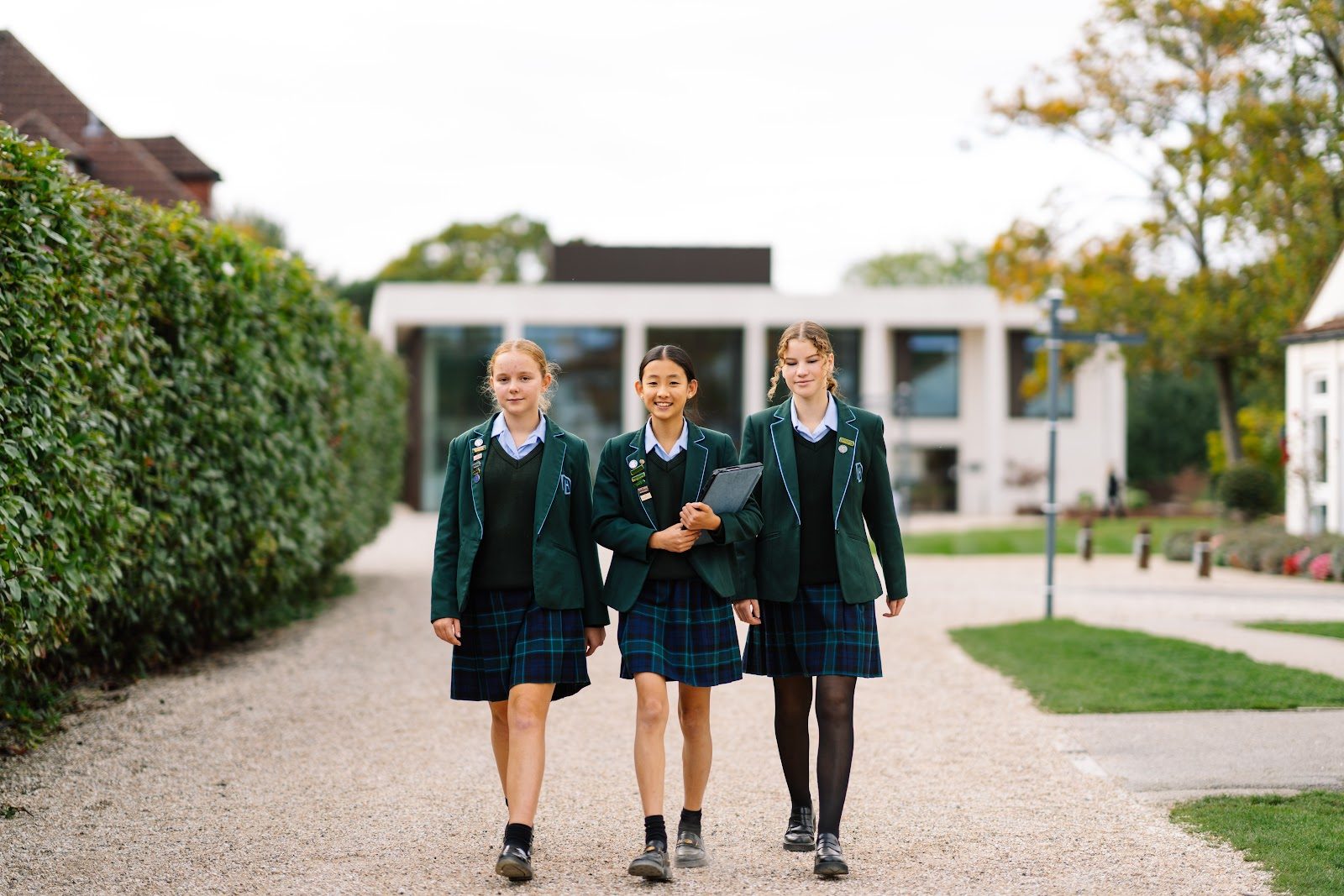
The senior school sits in 40 acres overlooking Truro and its cathedral; the prep runs on a separate site next to the Royal Cornwall Hospital
Student Profile
The pupils who fit Truro best are engaged joiners rather than edge-case specialists. This is a school for children who want to do several things well at once and who will use what is on offer: rehearsals, fixtures, clubs, trips, leadership roles, chapel-linked music, outdoor activity, and the quieter routines of school community. The chorister route gives it a distinctive pull for young musicians with stamina and discipline, especially those who can handle structured practice and public performance without drama. Equally, sport matters here in a real way, with enough breadth to suit competitive pupils who want regular training rather than token games. The school roll — over 1050 pupils — also means students need a degree of self-possession. Children who need constant hand-holding or a very narrow, intensely curated environment will find the pace less comfortable.
Socially, Truro suits families who value grounded ambition over polish for its own sake. The prevailing type is capable, busy, community-minded: pupils who are respectful, willing to contribute, and happy in a culture that prizes steadiness over swagger. Boarders who want a civilised, socially integrated experience fit well, as do day pupils who want substantial opportunities without the brittle social competition found in some prestige schools. It is less convincing for the child chasing a single-track academic hothouse, or for families who want a school built around metropolitan gloss. Truro works best for students who have energy, interests and a usable sense of purpose.
This is not a boutique city school short on space, nor a vast national brand with a diluted local identity
Co-curricular strengths
Arts & sport, on a separate axis
Overall 9.22/10
Scored 0-10 from the school's own published evidence. This axis is editorial-only — it does not feed the main WTS ranking.
Sports
9.2/10
Drama
9.3/10
Dance
9/10
Music
9.4/10
Visual Arts
9.2/10
Strengths
- +Day and boarding options across a full 3–18 co-educational span.
- +World-class co-curricular provision in sport, music, drama, dance and visual arts.
- +Wide sport offer, notably rugby, hockey and cricket, plus scholarship routes including fencing.
- +Structured sixth-form pathways including Oxbridge, medical and overseas-university support.
- +Publishes GCSE and A-level results on its own website.
Considerations
- −Cornwall location is relatively remote for international travel.
- −Methodist foundation and ethos may not suit every family.
- −British curriculum only.
- −Full grade distributions and value-added data were not available for benchmarking in this review.
Availability
Primary entry gate & tests
Written Exams + Interview
Gallery
Photo © Truro School via Google Maps
Photo © Truro School via Google Maps
Photo © Truro School via Google Maps
Photo © Truro School via Google Maps
Photo © Truro School via Google Maps
Parent reviews
Have you sent your child here?
Voice reviews carry the strongest trust badge — we transcribe them for you to tidy up before they go live. Prefer to type? A written review is fine too.
Add your voice
In 60 seconds, tell other parents: what's the best thing about Truro School, and what surprised you when your child joined?
We ask for a Google sign-in so every review has a real face behind it — no anonymous drive-by attacks on schools, and no faked positive reviews. Your email is never shown publicly.
Send this profile to a friend
International parents rely on word-of-mouth. Share this review with someone weighing the same decision.
Schools with places
Similar schools to Truro School with places available now.
Millfield School
Street · United Kingdom
- 2026-27
- CLOSEDStandard route closed
- 2027-28
- PLACES OPEN11+ / 13+ / 16+ active
Thomas's Battersea
London · United Kingdom
- 2026-27
- CLOSEDStandard route closed
- 2027-28
- PLACES OPENRegistration open for Sept 2027 and beyond
Badminton School
Bristol · United Kingdom
- 2026-27
- CLOSEDStandard route closed
- 2027-28
- PLACES OPENCloses Oct/Nov '26
Christ's Hospital
Horsham · United Kingdom
- 2026-27
- CLOSEDStandard route closed
- 2027-28
- PLACES OPEN2027 entry assessment timetable active
Availability first, then country, area, curriculum, price, co-curricular
Consider also
Also worth looking at alongside Truro School.
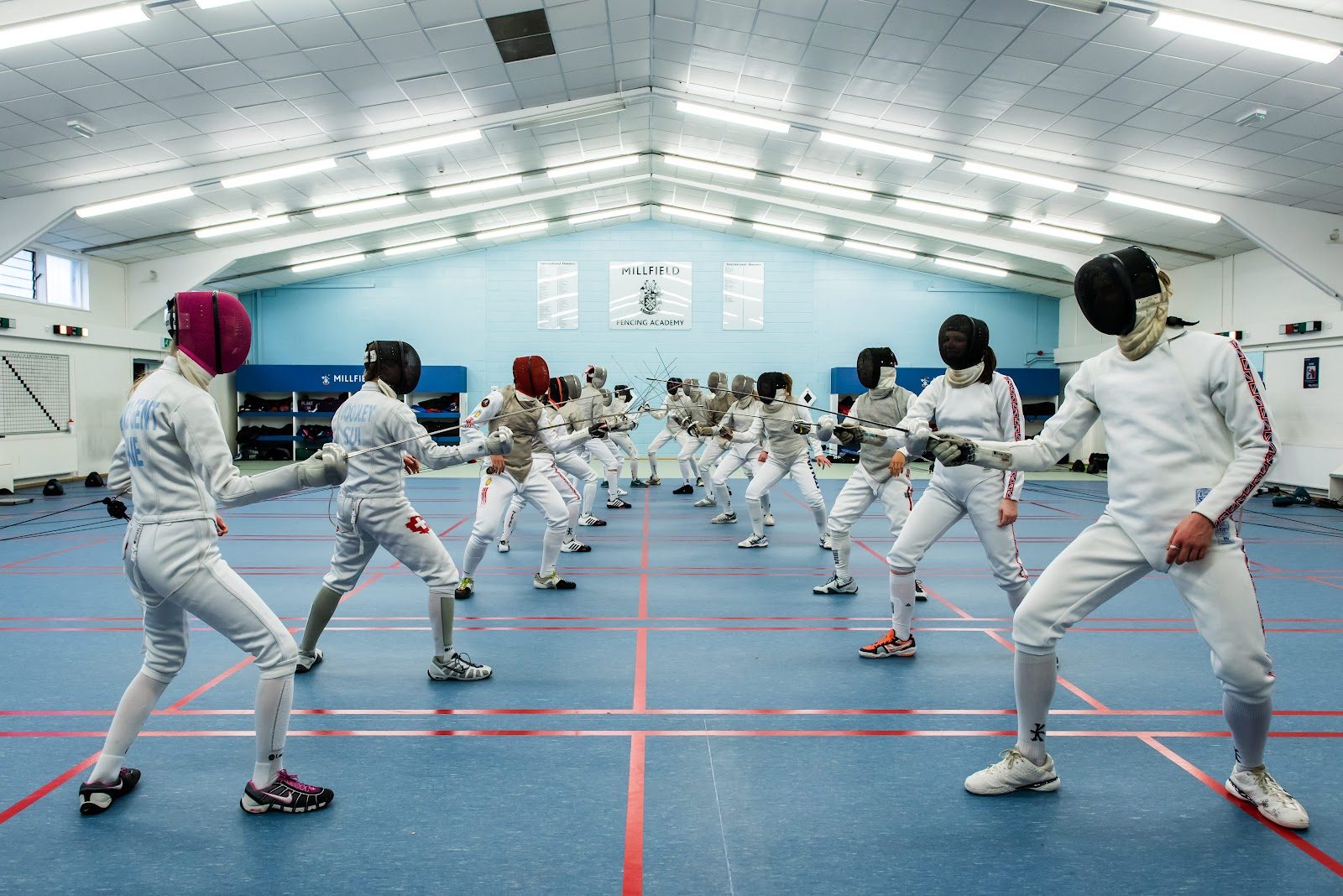
Millfield School
Street · United Kingdom
Sixty-plus sports and an Olympic-length pool anchor a 240-acre Somerset campus built for athletes and scholars alike.
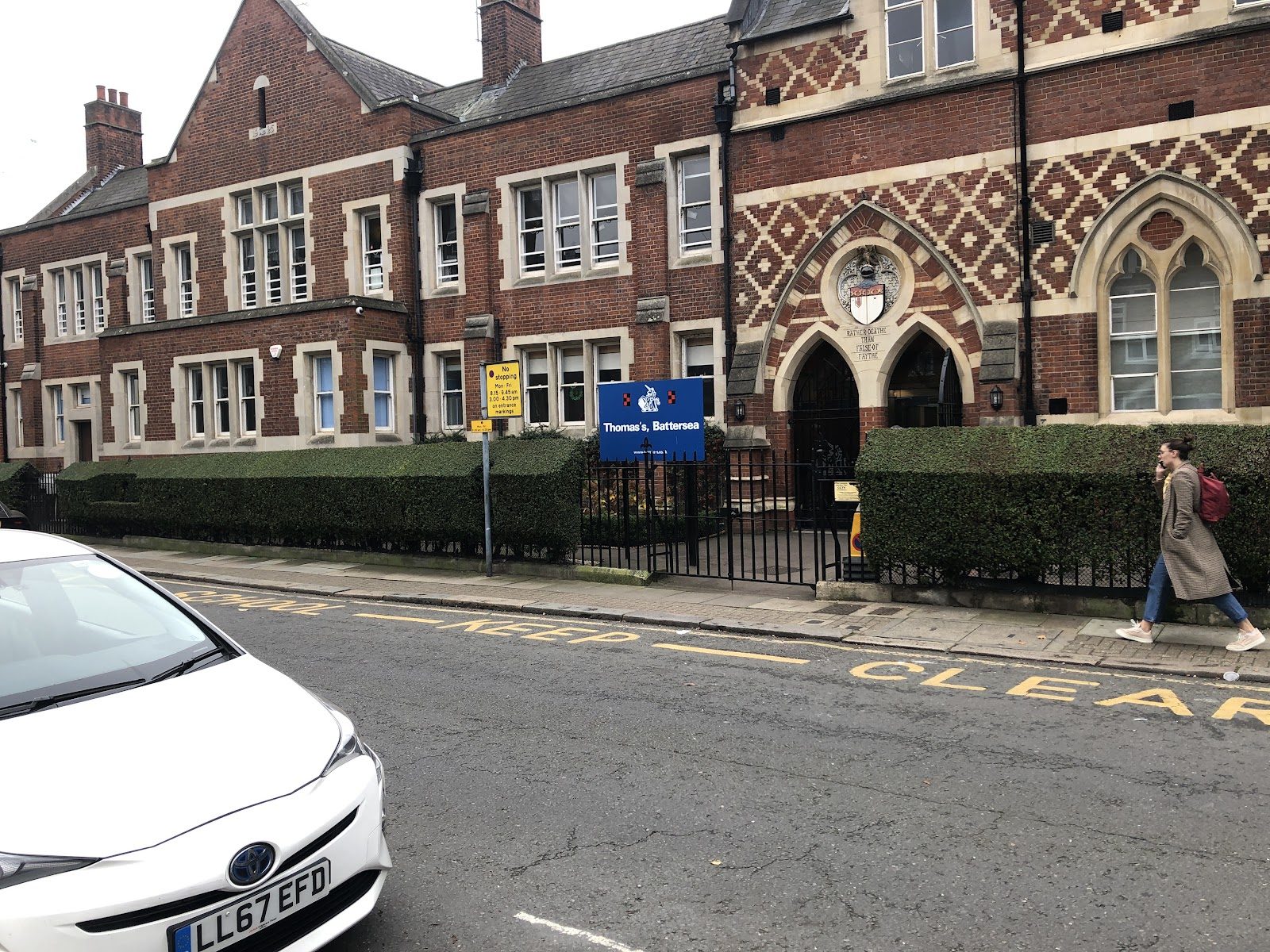
Thomas's Battersea
London · United Kingdom
In a former Victorian art school, an 'enquiry mindset' and a 'Be Kind' ethos feed London's top senior schools.
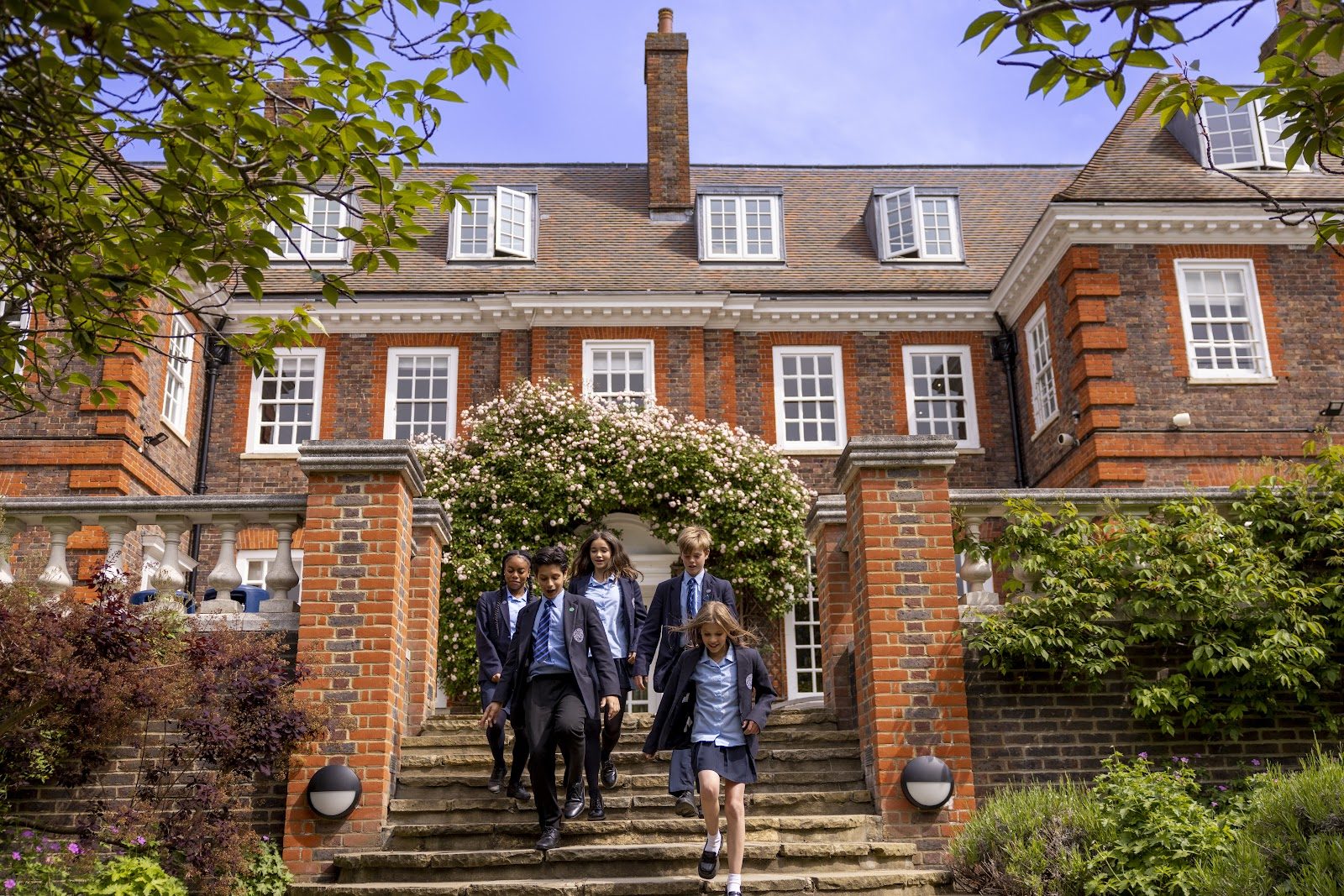
Ibstock Place School
London · United Kingdom
On the fringe of Richmond Park, a Froebel-founded day school has championed co-education since 1894.
Downe House School
Cold Ash · United Kingdom
Rooted in Charles Darwin's former home, now a 110-acre Berkshire estate where science thrives and Oxbridge ambition runs deep.
Same country and curriculum — closest matches within ±10 points either way