
Worcestershire
The King's School, Worcester
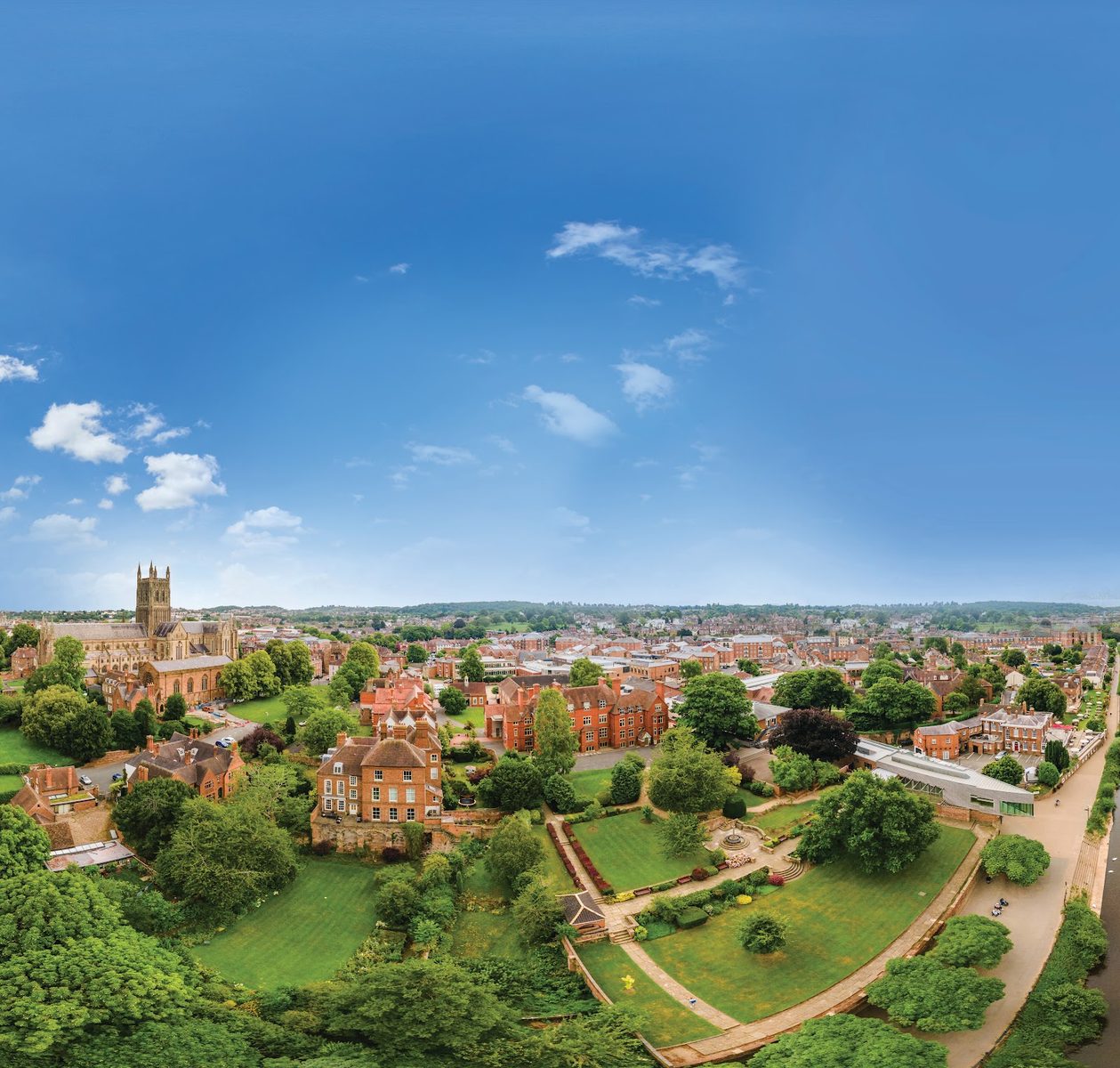
low confidence· 1/6 cats · 3.33 avg sourcesOn the banks of the Severn beside Worcester Cathedral, monastic roots meet a storied rowing boathouse and centuries of scholarship.
Type
Day
Ages
2–18
Curriculum
British
Qualifications
A-Level · GCSE
Ratio
—
The Verdict
Editor's commitment
Right for
Families wanting an Anglican, English-medium day school in Worcester, with entry from age 2 to 18 across a three-school foundation.
Wrong for
Parents seeking boarding, a non-British curriculum, or a secular ethos; this is a day-only, Anglican school founded in 1541.
Watch out for
HMC and ISI credentials reassure, but the school does not publish headline exam outcomes here; test academic value before buying heritage.
Peer & Industry Review
How The King's School, Worcester is regarded in the sector
63
Respected · medium confidence
Within the Midlands independent sector, King's Worcester is regarded as a solid, well-established HMC member, generally spoken of alongside Warwick School and RGS Worcester rather than Cheltenham College or Malvern College in academic terms, though its music reputation, tied to the cathedral choir tradition, draws distinct respect from peer heads and conservatoire contacts. Good Schools Guide commentary has typically praised its pastoral warmth, musical strength and all-through structure while noting academic results are good rather than exceptional. It does not feature prominently in Sunday Times or Telegraph independent school league tables' upper tiers, and its university destinations lean toward solid Russell Group placement with occasional Oxbridge rather than the volume seen at nationally ranked academic schools. Independent education press coverage is modest and largely regional, reflecting a school valued for continuity and character rather than competitive positioning against England's most selective day and boarding schools.
- Richard Baxter — Puritan theologian and writer
- Thomas Tomkins — composer, organist
- Edwin Sandys — Archbishop of York
Editors' overview
The King’s School, Worcester has one advantage that no rival can copy: place. The senior school sits beside Worcester Cathedral on the River Severn, with a setting that gives it historical weight without turning it into a museum piece. Founded in 1541, it trades on deep roots and uses them well. This is a co-educational Anglican day school for ages 2–18, organised as a three-school foundation with two prep feeders and the senior school and sixth form at its centre. That structure matters. It gives families a clear through-route from nursery to sixth form, and it gives the senior school a steady intake from King’s Hawford and King’s St Alban’s, with Wikipedia stating that around two thirds join at 11 from those prep schools. For parents who want continuity, civic setting and a school that feels woven into the life of Worcester rather than marooned on an edge-of-town campus, King’s has a strong case.
What is special here is the combination of cathedral-city character, long institutional memory and a broad independent day-school offer. The school’s own language leans hard on purpose, character and community; the more concrete point is that King’s runs as a family of schools with distinct sites and a shared identity. That creates scale without the sprawl of a giant standalone senior school. The riverside and cathedral adjacency add real atmosphere, and the editorial tagline’s reference to a storied rowing boathouse fits the geography: this is a school whose identity is tied to Worcester itself. Parents looking for a polished but not anonymous independent education in the West Midlands will find King’s well placed. It has the stature of an old foundation, but it serves a current local and regional market rather than an international boarding one. The ISI and HMC badges matter too: they place the school firmly inside the established British independent-school mainstream.
King’s should be on a shortlist for families who want a serious day school with a strong sense of continuity and enough scale to support varied interests, but who do not want the machinery of boarding. It will suit pupils who like the idea of being educated in the middle of a city, not sealed off from it; pupils who respond to tradition when it is matched by momentum; and families who value a school community that starts at age 2 and runs through 18. The best fit is the student who wants academic structure, visible heritage and a school life shaped by place — river, cathedral, city, routine. Children who need a blank-slate modern campus or a radically progressive ethos will find stronger fits elsewhere. Children who want belonging with backbone will understand King’s quickly.
Academic Performance
King’s advertises headline result years in its news stream, including GCSE and A level announcements, but that is not the same thing as publishing a usable academic record. We have not seen aggregate public figures for top grades, pass rates over time, value added, destination patterns, or subject-level strength by cohort. That leaves parents with an incomplete picture of attainment. In the independent day-school market, especially among academically ambitious schools, that opacity matters. A school with a serious scholarly reputation and a substantial sixth form needs to show its hand. Without that data, King’s sits in the credible but unproven category on published performance: established, clearly exam-focused, yet not transparent enough for a hard comparison with stronger-reporting peers.
Relative to competitors in the West Midlands and the wider HMC day-school field, King’s looks like a school that expects solid examination outcomes and trades on continuity, culture and student formation as much as raw score-chasing. That is a defensible position, but parents seeking a results-first proposition will want more than celebratory headlines. The school’s own phrasing — “academic success” built over 500 years — leans on heritage rather than disclosed contemporary metrics. Heritage has value; it does not replace data. The practical conclusion is straightforward: treat King’s as serious but not numerically transparent. If examination performance is the deciding factor, ask for recent GCSE and A level grade distributions, university destinations and subject trends before drawing any conclusion at all.
Facilities
The defining facility here is not a sports dome or a glossy innovation hub. It is the site itself: a historical senior-school campus beside the cathedral and river, woven into the city rather than parked on an edge-of-town estate. That gives King’s a physical character many peers cannot match, but it also brings constraints. Parents should expect charm, civic presence and atmosphere before they expect the clean efficiency of a single modern super-campus. The foundation’s structure adds breadth: one prep school in the city centre, another on a 24-acre rural site, and the senior school on its own historic footprint. That spread gives families access to distinct environments as children move through the school, which is a practical advantage over smaller stand-alone day schools with thinner provision.
Sport matters here, and the school makes that plain through its separate sports-facilities hire operation, swimming academy and repeated emphasis on rowing. The boathouse is not a decorative detail; it is part of the school’s identity, and that river setting gives King’s a genuine edge over inland competitors for rowing. Against stronger-funded HMC peers, though, the public case on facilities is incomplete. We have not seen a clear published account of specialist science provision, theatre and music spaces, design and technology, or sixth-form study facilities. That does not mean those assets are weak; it means the school does not showcase them with much precision. In facility terms, King’s reads as distinctive and place-rich, not obviously lavish.
What sets King’s apart is not a single flagship programme but an unusually coherent sense of place
Prestige
A King’s Worcester education carries real regional prestige, not national myth. The name has weight in Worcestershire and the wider West Midlands because the school sits inside the old British independent-school establishment: cathedral adjacency, a long institutional lineage, HMC membership and a visible place in local civic life. That combination gives it social recognisability among employers, professional families and other schools. It also benefits from scale across a foundation serving ages 2–18, which reinforces continuity and brand familiarity in the local market. For families choosing within Worcester and its commuter belt, King’s reads as one of the area’s serious default options.
That said, prestige here is context-bound. This is not the kind of school whose name alone alters the temperature of an Oxbridge or City conversation across the country. Its status is strongest close to home, where the setting, history and institutional embeddedness carry force. Beyond that geography, it sits in the broad band of established independent day schools that command respect without automatic awe. The lack of detailed published academic outcomes also caps its standing. Prestige holds best when reputation is backed by hard performance data; King’s asks parents to trust heritage and institutional confidence more than disclosed results. That still amounts to a solid, upper-tier local reputation. It does not amount to untouchable elite status.
We have not seen aggregate public figures for top grades, pass rates over time, value added, destination patterns, or subject-level strength by cohort
Communications
King’s communicates like an established foundation with several moving parts: there is one umbrella website for the family of schools, clear top-level navigation, dedicated areas for safeguarding, policies, governance, vacancies, news and events, and a stream of foundation updates through the Gazette and blog. For parents, that structure does the practical work. It signals where authority sits, how the organisation is run, and where to find routine information without too much hunting. Open events are pushed hard, as schools do, but the stronger point is the visible administrative scaffolding behind the marketing. A school serving ages 2–18 needs disciplined communication across phases, and King’s has built a coherent, orderly public front end for that job.
The weakness is depth. The site carries plenty of institutional voice — mission, heritage, community, celebration — but less hard operational detail than exacting parents will want. We have not seen much granular public communication on academic outcomes, subject performance, or the nuts and bolts of day-to-day senior-school life. News items and inspection praise help with tone; they do not answer the sharper parental questions. That leaves the impression of a school that is professionally managed and confident in its identity, but also selective in what it discloses. Communication is effective on orientation and brand maintenance. It is weaker on evidence. Parents who like plain dealing will want to press for specifics at open events and in direct contact with staff.
Uniqueness
What sets King’s apart is not a single flagship programme but an unusually coherent sense of place. Many independent schools talk about heritage; King’s operates beside a cathedral, on a river, inside the daily life of a working city, and that shapes the school day in ways a sealed suburban campus cannot. Pupils grow up with history in view, not staged for open days. The foundation model also gives the school a distinctive internal pipeline: children can move through 3 linked schools under one banner, with the senior school drawing a substantial intake from its own prep settings while still taking external joiners. That creates *continuity without complete social closure*. New pupils are not walking into a school where nobody knows the system, but nor is the place reset every September by a wholly new cohort.
For students, that uniqueness brings a strong institutional memory and a clear culture from the start. King’s can socialise pupils early into its expectations, rituals and habits, then carry that through to sixth form with less friction than stand-alone senior schools face. The riverside setting adds another layer: rowing here is not an add-on but part of the school’s lived geography, which gives sport a local identity rather than a generic fixture-list feel. The gain is belonging, rootedness and a school experience tied to real surroundings. The trade-off is obvious too. Families seeking a blank-canvas modernism or a looser, more experimental culture will find King’s too shaped by its own inheritance.
For students, that uniqueness brings a strong institutional memory and a clear culture from the start
Student Profile
King’s suits children who like structure, ritual and a school culture with clear edges. The internal pipeline matters here: with around two thirds of pupils joining the senior school from the foundation’s own prep schools, many children arrive already fluent in the habits, expectations and social codes. That makes the place easier for pupils who value continuity and harder for those who need a full social reset. External joiners still have a route in, but they need confidence, decent social agility and a willingness to step into an established culture rather than remake it. This is a good fit for families who want a settled, tradition-conscious peer group and a school day shaped by routine rather than experiment.
The pupil who thrives here is engaged, community-minded and comfortable in a school with visible Anglican roots and a strong sense of occasion. Rowers and sport-minded students have an obvious draw, but King’s is not only for the athletic; it also suits academically serious children who want a grounded independent education without the churn of boarding. The school serves a broad regional catchment and educates roughly 1,465 pupils across the foundation, so students meet more than one social type, but the centre of gravity stays conventional, well-schooled and locally rooted. Children who want constant reinvention, a radically informal atmosphere or a campus culture built on anonymity will chafe here. Children who like belonging, adult expectations and a school identity that asks them to join something bigger than themselves will fit.
The King’s School, Worcester has one advantage that no rival can copy: place
Co-curricular strengths
Arts & sport, on a separate axis
Overall 9.4/10
Scored 0-10 from the school's own published evidence. This axis is editorial-only — it does not feed the main WTS ranking.
Sports
9.6/10
High-performance UK independent day athletic powerhouse; fields nationally dominant rowing, cricket, and rugby programs.
Drama
9.4/10
Active classical drama societies and Shakespeare showcases focused on building rigorous public speaking and confidence traits.
Dance
9.2/10
Popular choreographic asset utilized to build movement and synchronization ensembles for large-scale performance showcases.
Music
9.5/10
Highly elite music wing backed by close links to Worcester Cathedral, supporting top-tier youth orchestras and symphonies.
Visual Arts
9.3/10
Highly structured fine art layout leaning heavily toward technical drawing, fine oils, and advanced portfolio mastery.
Strengths
- +Founded in 1541, giving unusual historical continuity.
- +Anglican foundation with close Worcester Cathedral links.
- +World-class music provision underpinned by the cathedral tradition.
- +World-class sport across the foundation, including rowing on the River Severn.
- +HMC member and ISI-accredited.
- +All-through route from prep schools into the senior school and sixth form.
Considerations
- −Not positioned as a boarding destination, which may not suit families seeking boarding.
- −English-medium instruction may narrow support for other languages.
- −Anglican character may not suit every family.
- −Regional rather than national academic profile in a crowded West Midlands sector.
Availability
Primary entry gate & tests
Written Exams + Interview
Gallery
Parent reviews
Have you sent your child here?
Voice reviews carry the strongest trust badge — we transcribe them for you to tidy up before they go live. Prefer to type? A written review is fine too.
Add your voice
In 60 seconds, tell other parents: what's the best thing about The King's School, Worcester, and what surprised you when your child joined?
We ask for a Google sign-in so every review has a real face behind it — no anonymous drive-by attacks on schools, and no faked positive reviews. Your email is never shown publicly.
Send this profile to a friend
International parents rely on word-of-mouth. Share this review with someone weighing the same decision.
Schools with places
Similar schools to The King's School, Worcester with places available now.
Millfield School
Street · United Kingdom
- 2026-27
- CLOSEDStandard route closed
- 2027-28
- PLACES OPEN11+ / 13+ / 16+ active
Thomas's Battersea
London · United Kingdom
- 2026-27
- CLOSEDStandard route closed
- 2027-28
- PLACES OPENRegistration open for Sept 2027 and beyond
Badminton School
Bristol · United Kingdom
- 2026-27
- CLOSEDStandard route closed
- 2027-28
- PLACES OPENCloses Oct/Nov '26
Christ's Hospital
Horsham · United Kingdom
- 2026-27
- CLOSEDStandard route closed
- 2027-28
- PLACES OPEN2027 entry assessment timetable active
Availability first, then country, area, curriculum, price, co-curricular
Consider also
Also worth looking at alongside The King's School, Worcester.
Millfield School
Street · United Kingdom
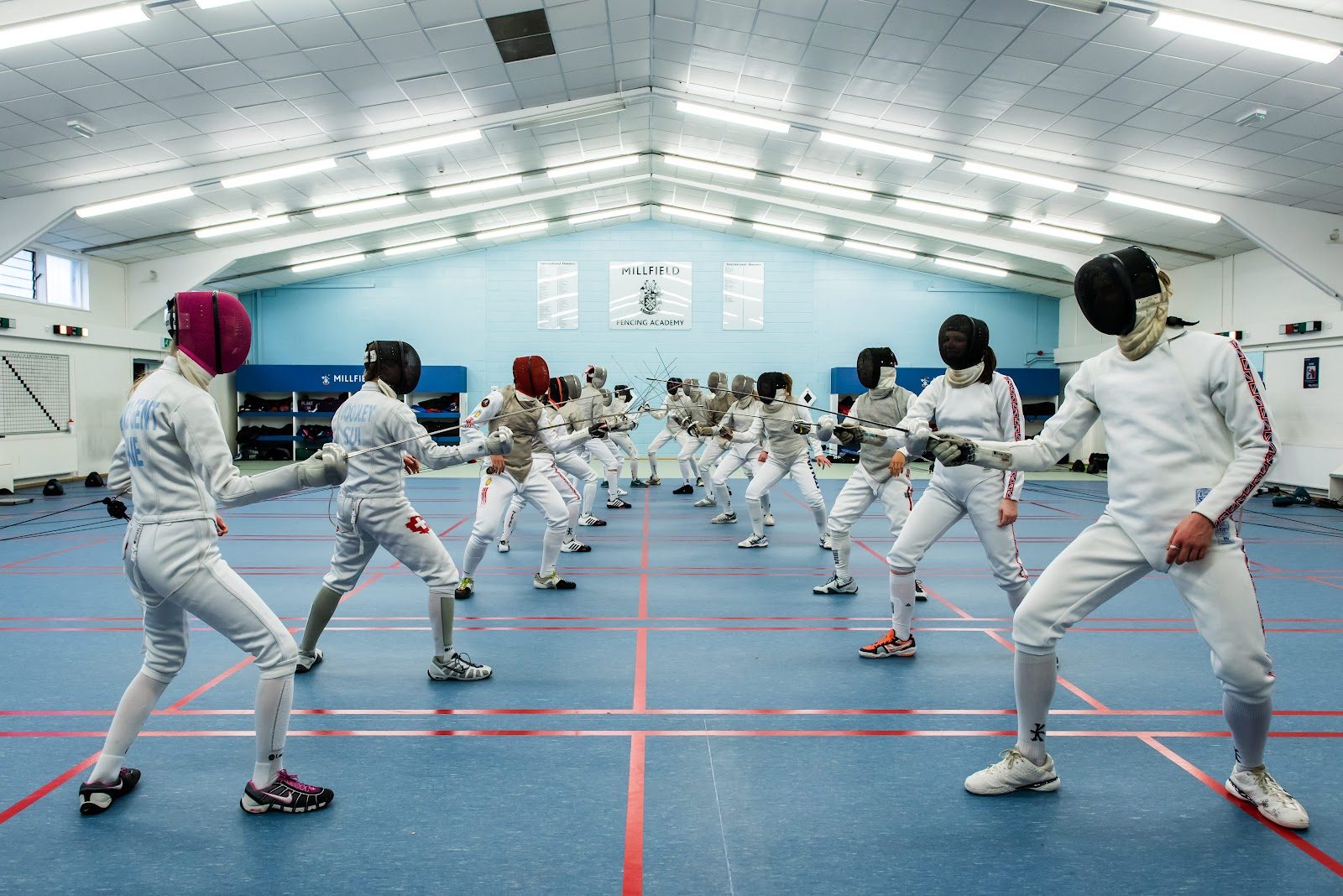
Sixty-plus sports and an Olympic-length pool anchor a 240-acre Somerset campus built for athletes and scholars alike.
Thomas's Battersea
London · United Kingdom
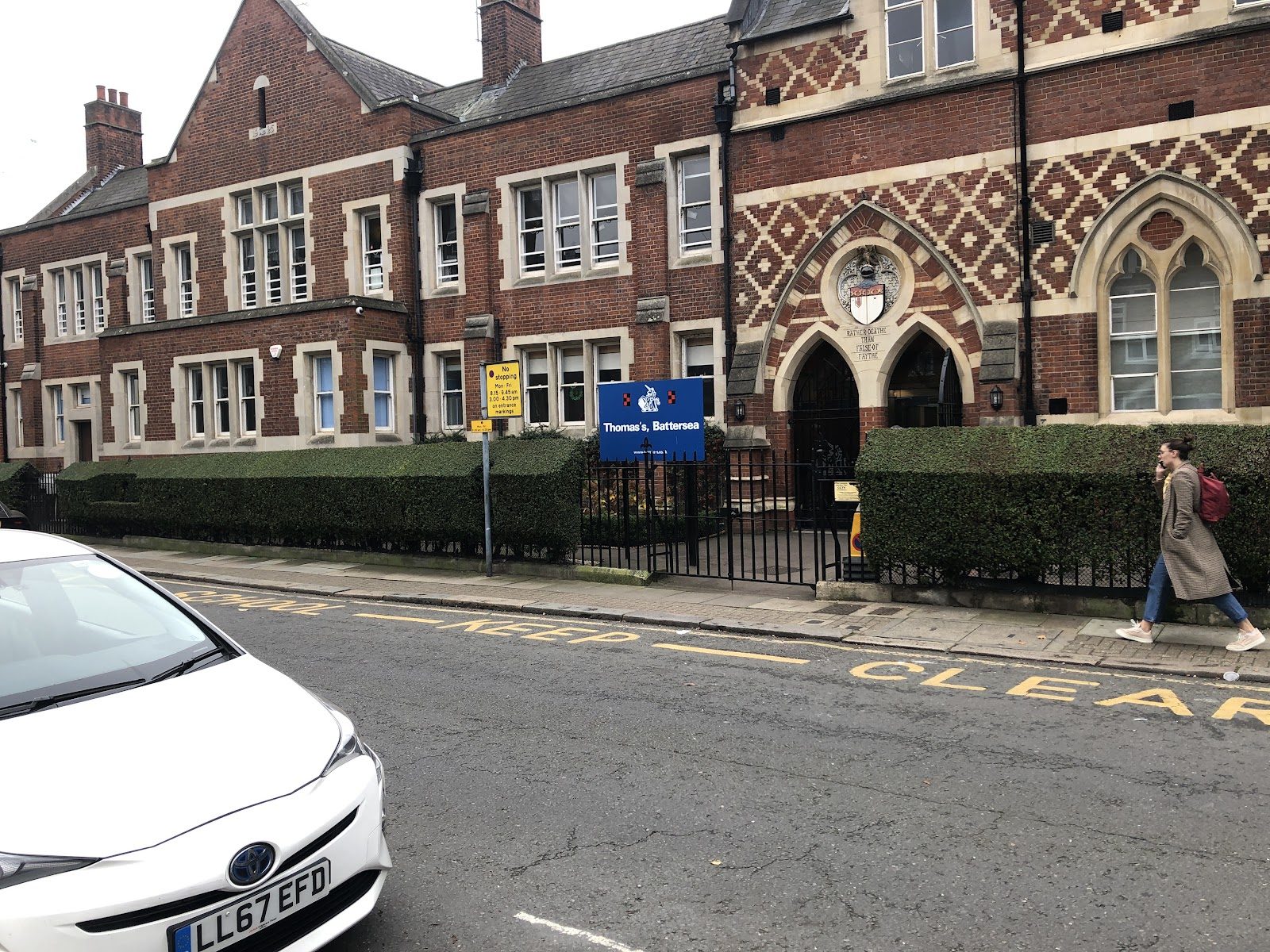
In a former Victorian art school, an 'enquiry mindset' and a 'Be Kind' ethos feed London's top senior schools.
Ibstock Place School
London · United Kingdom
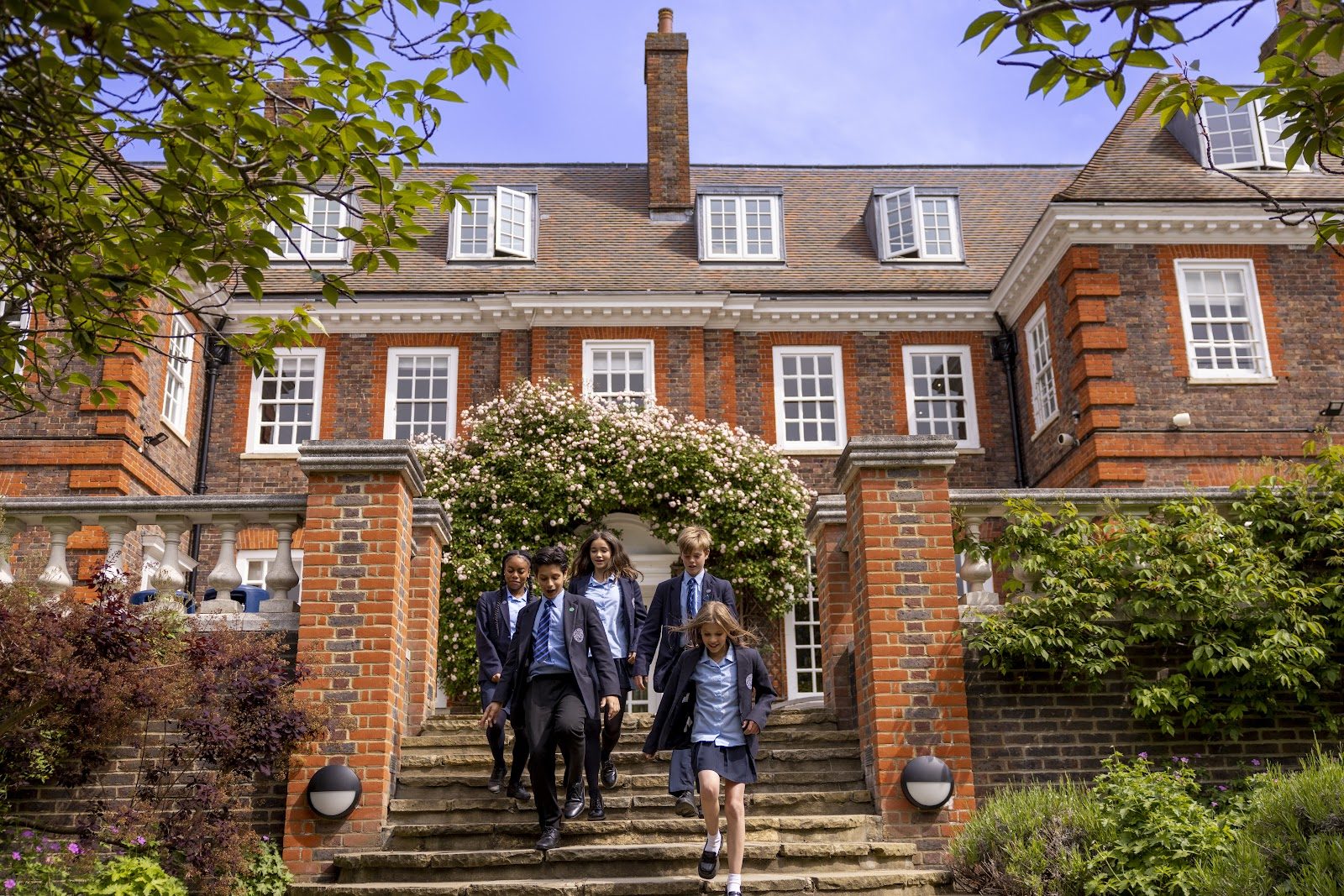
On the fringe of Richmond Park, a Froebel-founded day school has championed co-education since 1894.
Downe House School
Cold Ash · United Kingdom
Rooted in Charles Darwin's former home, now a 110-acre Berkshire estate where science thrives and Oxbridge ambition runs deep.
Same country and curriculum — closest matches within ±10 points either way