
Antioquia
The Columbus School
Since 1947, an Envigado hillside campus fusing American college-prep with IB primary years amid the Andean valley of Medellin.
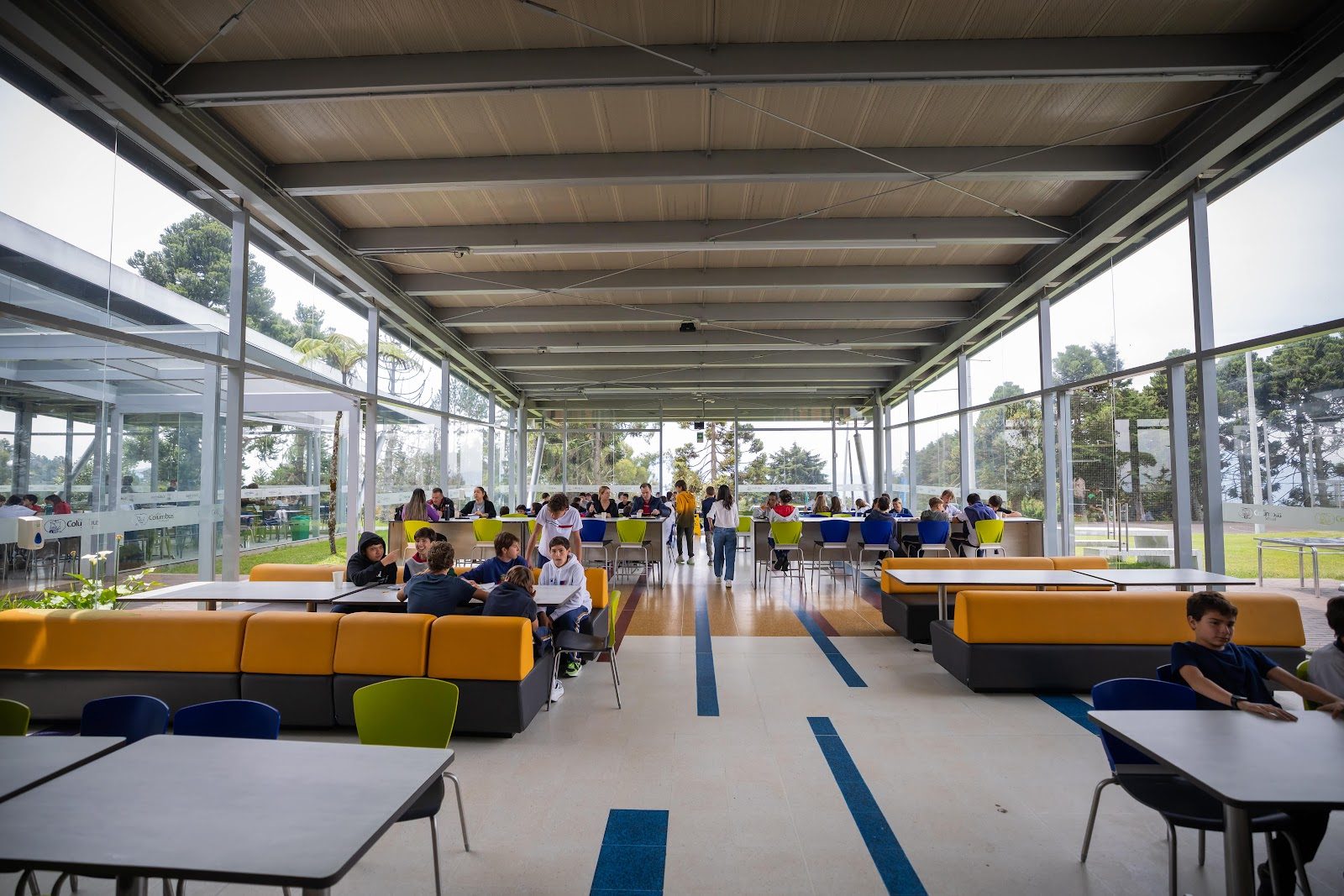
Photo © Esteban Uribe via Google Maps
Type
Day
Ages
3–18
Curriculum
American · IB
Qualifications
High School Diploma · AP · IB Diploma
Ratio
—
The Verdict
Editor's commitment
Right for
Families in Medellín who want a secular, day school for ages 3–18 with American college-prep and IB under one roof.
Wrong for
Parents seeking boarding, a single-curriculum route, or full English-only teaching; Columbus runs day-only in English and Spanish.
Watch out for
Founded in 1954 and accredited by AdvancED and the IB, it offers reassurance, but published outcomes remain thin.
Ranking breakdown
The Columbus School · # of 1591
Composite score 54.0. 8 weighted criteria.
By criterion
Academic Outcomes
Weight 20%
#1219
of 1529 scored
University Placement
Weight 16%
#1259
of 1529 scored
Prestige & Heritage
Weight 12%
#1381
of 1571 scored
Alumni Network
Weight 12%
#1133
of 1530 scored
Facilities
Weight 12%
#1102
of 1534 scored
Transparency & Communications
Weight 8%
#1150
of 1532 scored
Peer & Industry Review
Weight 10%
#1445
of 1548 scored
Admissions Selectivity & Demand
Weight 8%
#1156
of 1529 scored
Peer & Industry Review
How The Columbus School is regarded in the sector
55
Credible · medium confidence
Independent, English-language scrutiny of The Columbus School is thin: it does not appear in WhichSchoolAdvisor or Good Schools Guide indices, which focus on UK/Gulf/Asia markets, and Colombian national press (El Colombiano, Semana Educacion) covers it only in passing alongside Medellin's other bilingual leaders such as Colegio Aleman, Marymount and The New School. Within that local peer set it is generally regarded as a solid, established IB World School and member of Colombia's bilingual-school associations, competing for the same feeder pipeline into Universidad EAFIT, Universidad de los Andes and, for a smaller cohort, US and Canadian universities. There is no verifiable record of rival heads publicly commenting on Columbus, nor of named university admissions officers citing it specifically, and it does not have a visible presence at international peer conferences (COBIS, CIS forums) beyond routine IB network participation. In short, its standing rests on stable regional reputation among Medellin families rather than documented external validation from admissions offices, national league tables, or specialist school-review outlets.
Editors' overview
The Columbus School sits in a strong niche at the top of Medellín’s international market: an established, secular day school with 1954 roots, a bilingual English-Spanish environment, and a curriculum that combines American college-prep with the IB in the primary years. That mix matters. It gives families a route into US-style schooling without sacrificing local fluency or international mobility. The age span, 3–18, also gives the school unusual continuity. Children can start early, stay put through adolescence, and avoid the disruption that comes with changing systems midstream. For parents who want institutional stability, serious academic intent and a campus life tied to one community rather than a transient expatriate churn, Columbus earns a place on the shortlist.
What sets it apart is not novelty but synthesis. Plenty of schools offer bilingual education; plenty promise international-mindedness. Columbus ties those claims to a long-established local reputation and a clearer academic structure than many rivals. The American framework gives shape to progression in the secondary years; the IB Primary Years Programme adds inquiry and breadth at the start. That combination suits families who want their children taught in English to a high standard while remaining fully operational in Spanish and anchored in Colombia. The result is a demanding bilingual education with a real sense of permanence. Parents who dislike educational fashion and want a school that has already proved it can endure will find that attractive.
This is not the right school for every child. It suits motivated, adaptable students who can handle bilingual expectations and who benefit from a campus culture built around steady performance rather than reinvention. Pupils who thrive here will value academic structure, a broad peer group, and the discipline of moving between two languages every day. Families looking for boarding, a narrowly local curriculum, or a looser, alternative ethos should look elsewhere. Families looking for long-term educational continuity, international options at graduation, and a school with enough history to know what it is will see the case immediately.
Academic Performance
The school does not publish enough hard data to support a full academic verdict. We have not seen aggregate SAT or AP outcomes, nor a consistent run of diploma-level results that would let parents judge attainment against other top schools in Colombia or the wider region. That matters. In a market where serious schools increasingly put headline exam figures in the public domain, this level of opacity is a real weakness. It does not prove underperformance; it does mean families must ask harder questions than the website answers. Any admissions conversation needs to cover score distributions, university destinations by cohort, and how results break down between the strongest students and the middle of the year group.
Where Columbus still holds ground is in academic architecture rather than published outcomes. A school with this degree of continuity, a bilingual teaching environment and a long-established college-prep track has the ingredients for solid upper-end performance, but ingredients are not results. Relative to peers, that places Columbus in an awkward middle category: credible but not fully evidenced. The strongest schools in this bracket back reputation with transparent numbers. Columbus still asks parents to trust institutional standing and anecdote more than cold academic proof. For families who prize measurable attainment, that is the key pressure point.
Facilities
The strongest facility asset here is the campus itself: a substantial, self-contained hillside site with the room to do more than squeeze classes into urban blocks. That matters in Medellín, where many competitors trade on convenience rather than space. Columbus has the physical scale for proper outdoor play, age-segmented areas and the kind of circulation that stops a large day school feeling cramped. For younger children, that usually marks the difference between token provision and a campus built for daily use. For older pupils, it gives the school credibility in sport, co-curriculars and whole-school events. Against peer schools, that places Columbus in the serious-infrastructure category rather than the polished-but-tight city-campus tier.
What we have not seen is the level of public detail that would let parents judge specialist provision with precision. The school does not publish enough to benchmark laboratories, performing arts spaces, design rooms or athletics facilities in the way top schools now do. That lack of specificity matters because strong grounds alone do not guarantee top-flight facilities. Parents should ask bluntly about indoor sports capacity, theatre and music provision, science lab access by age group, and whether specialist spaces match the school’s ambitions in the upper years. The campus gives Columbus a clear structural advantage. The published detail does not yet prove that every specialist area meets the same standard.
Columbus has the physical scale for proper outdoor play, age-segmented areas and the kind of circulation that stops a large day school feeling cramped
Prestige
Columbus carries real local weight. In Medellín, it sits in the small group of schools whose name travels beyond the parent circuit and into business, university and professional circles. That matters because prestige in this market does not rest on glossy international branding alone; it rests on durability, selectivity by reputation, and the confidence that a school can move a child from the early years to graduation without a collapse in standards or identity. Columbus has that advantage. Its hillside campus in Envigado adds to the picture: not as a lifestyle flourish, but as a marker of permanence, scale and institutional seriousness. Families read the school as established, socially credible and academically consequential.
That said, this is not untouchable prestige of the kind that ends all further questions. The school’s standing outruns its public proof. We have not seen the level of published outcomes or destination data that would convert reputation into hard-edged authority. So the prestige here is strongest as a regional and social fact, weaker as a fully evidenced academic claim. For many families, that still carries force: a Columbus education signals status, continuity and access to an ambitious peer group. For the most data-driven parents, the signal is incomplete. My rating stays high, but not at the top tier, because reputation without disclosure has limits.
The school does not publish enough to benchmark laboratories, performing arts spaces, design rooms or athletics facilities in the way top schools now do
Communications
Columbus communicates like an established school that expects parental engagement rather than passive consumption. The public-facing basics are in place: a clean website, admissions pathways, calendars, news updates and direct contact points for key areas. That covers the essentials, but not much more. We have not seen the kind of high-spec parent communication ecosystem that leading schools now use to build trust before a family ever visits: detailed handbooks, transparent academic reporting samples, rich curriculum maps by year, or a deep archive of governance and performance information. The tone is institutional rather than expansive. For some families, that reads as calm and self-assured. For others, it reads as too thin.
Effectiveness, then, depends on what a parent needs. If the question is logistical—how to enquire, apply, find dates, or get a basic sense of school life—Columbus does the job. If the question is evaluative—how teaching quality is monitored, how results track over time, how concerns escalate, what parents can expect from reporting across 3 to 18—the published communication leaves gaps. That matters because communication is not only about friendliness; it is about disclosure. Strong schools explain themselves with precision and discipline. Columbus still relies too heavily on reputation to carry that load. My view: competent day-to-day communication, weak strategic transparency. Parents who like hard information will need to press for it.
Uniqueness
What makes Columbus distinct is the way it binds an international-school brief to a deeply rooted local institution. Many schools in this market chase mobility first and community second; Columbus does both at once. Children move through a single system from the early years to graduation inside one settled culture, not a revolving expatriate enclave. That changes the student experience. Peer relationships hold, family networks deepen, and the school can set expectations over the long term rather than managing constant churn. For students, that brings rare continuity, social depth and a stronger sense of belonging than transient international schools usually deliver.
The other differentiator is the combination of ambition and bilingual reality without ideological fuss. Columbus does not sell reinvention, experimentation or niche pedagogy. It offers a disciplined mainstream route for families who want international progression but also want children to operate confidently in the country they live in. That produces a graduate profile with practical advantages: students learn to switch registers, move between social contexts and handle academic demands without the insulation that some foreign schools create. The result is grounded internationalism rather than exported schooling dropped onto a local hillside. For the right child, that is a serious advantage: broad options later on, with firmer local competence and less cultural dislocation along the way.
That lack of specificity matters because strong grounds alone do not guarantee top-flight facilities
Student Profile
The best fit here is the student who can handle two demands at once: academic expectation and social steadiness. Columbus suits children who work well inside a structured mainstream environment, respond to clear routines and can manage the daily discipline of operating across more than one linguistic and cultural register. It will reward the pupil who is adaptable without being needy, socially grounded, and comfortable in a community where relationships last for years rather than terms. New arrivals can settle, but the easier fit is the child who values continuity, makes friends without drama and does not need constant novelty to stay engaged.
This is less suitable for the student who needs a loose, highly experimental culture or heavy institutional hand-holding. A child who resists structure, dislikes bilingual demands, or wants a very alternative identity will feel the edges here. The same goes for families expecting a transient expat social scene; this is a school for those who want roots, not churn. The strongest match is the pupil who can grow from the early years through to 18 without needing reinvention at each stage: self-directed, resilient, and ready for a peer group that carries both ambition and local confidence. In plain terms, Columbus fits families who want their children educated for breadth and endurance, not sheltered from either.
My rating stays high, but not at the top tier, because reputation without disclosure has limits
Co-curricular strengths
Arts & sport, on a separate axis
Overall 7.4/10
Scored 0-10 from the school's own published evidence. This axis is editorial-only — it does not feed the main WTS ranking.
Sports
8.5/10
Drama
7.5/10
Dance
6.5/10
Music
7/10
Visual Arts
7.5/10
Strengths
- +The campus spans 21 hectares with facilities including 70 classrooms, eight science labs, two libraries, gyms, fields for soccer and baseball, and outdoor theater.
- +The school runs on a Calendar B system, with the school year going from August to June, which eases transitions for families relocating from North America or Europe.
- +The school blends the IB Primary Years Programme with an American curriculum, with English as the primary language of instruction in most classrooms and daily Spanish.
- +Notable programs include COSMUN, Columbus Life extracurriculars, and student governance through StuCo and National Honor Society.
- +Columbus School runs bus routes across most of Medellin, including Laureles and Belen, widening practical access beyond the immediate Envigado/El Poblado catchment.
Considerations
- −The Columbus School is a Candidate School for the Primary Years Program (PYP), and this school is pursuing authorization as an IB World School, meaning full IB status is not yet confirmed.
- −Tuition is among the highest in the city, with annual tuition ranging from COP 39,079,260 for 2026/27, plus separate charges for food and transport.
- −The school is located at Km 16 (Alto de Las Palmas), Envigado, in the hills outside central Medellin, meaning many families rely on bus transport rather than a short local commute.
- −One relocation account describes extremely tight admissions timing, noting the family secured exactly one open seat at my son's grade level, due to a family that pulled out at the last minute, suggesting limited spare capacity at some grade levels.
Availability
Primary entry gate & tests
Academic Record
Gallery
Photo © William Duque Sierra via Google Maps
Photo © Federico Garcia Velez via Google Maps
Photo © Jaime Andrés Grisales via Google Maps
Photo © Jaime Andrés Grisales via Google Maps
Photo © David Londoño Carmona via Google Maps
Photo © Federico Garcia Velez via Google Maps
Photo © Federico Garcia Velez via Google Maps
Parent reviews
Have you sent your child here?
Voice reviews carry the strongest trust badge — we transcribe them for you to tidy up before they go live. Prefer to type? A written review is fine too.
Add your voice
In 60 seconds, tell other parents: what's the best thing about The Columbus School, and what surprised you when your child joined?
We ask for a Google sign-in so every review has a real face behind it — no anonymous drive-by attacks on schools, and no faked positive reviews. Your email is never shown publicly.
Send this profile to a friend
International parents rely on word-of-mouth. Share this review with someone weighing the same decision.
Schools with places
Similar schools to The Columbus School with places available now.
Colegio Nueva Granada
Bogotá · Colombia
- 2026-27
- WAITPOOLVacancy-dependent
- 2027-28
- WAITPOOLVacancy-dependent
Colegio Bolívar
Cali · Colombia
- 2026-27
- CLOSEDStandard route
- 2027-28
- WAITPOOL2027/28 enquiries underway
Availability first, then country, area, curriculum, price, co-curricular
Consider also
Also worth looking at alongside The Columbus School.
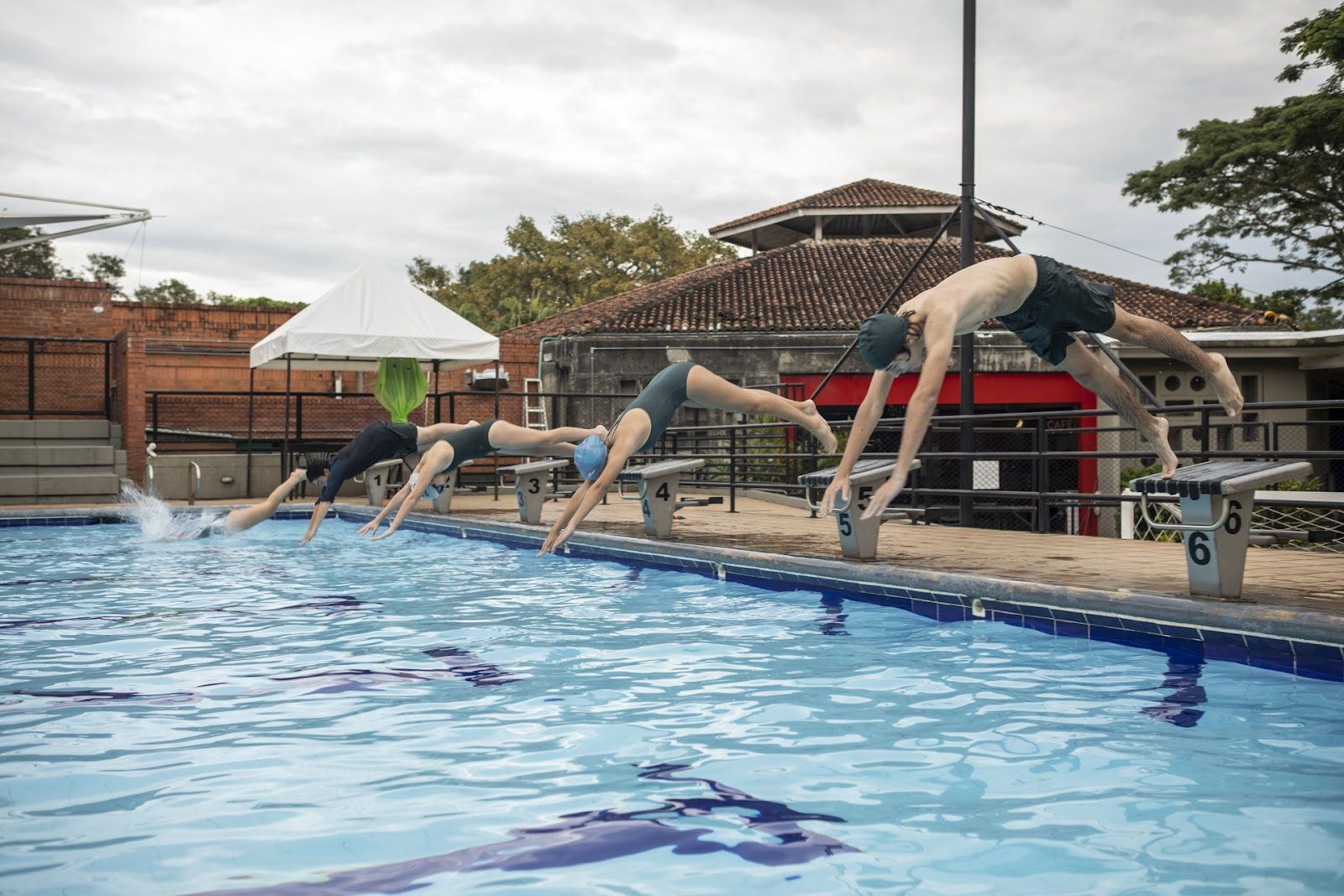
Colegio Colombo Británico Cali
Cali · Colombia
Founded in 1956 on English pedagogy, Cali's only CIS-accredited school runs the full IB continuum with a Round Square ethos of service and exchange.

Colegio Alemán de Barranquilla
Barranquilla · Colombia
On Colombia's Caribbean coast, a century-old German school pairs Abitur rigor with the IB diploma in three languages.
American School of Marrakesh
Marrakesh · Morocco
Outside Marrakesh, a dual-diploma campus pairs American college prep with the IB in English, French and Arabic classrooms.
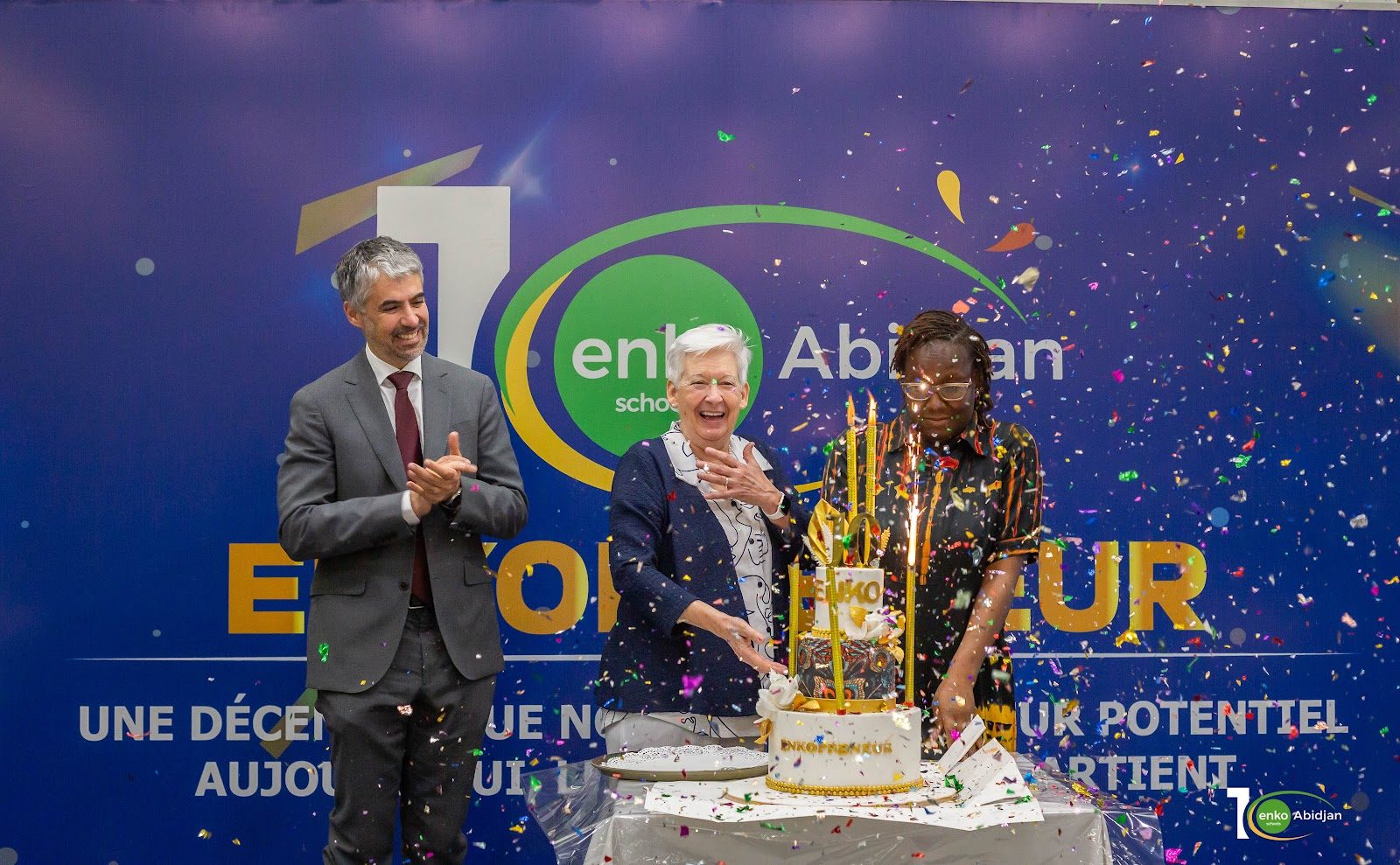
Enko Riviera International School
Abidjan · Côte d'Ivoire
A bilingual IB pathway from age three to Diploma, with Grade 1 career tracks aimed at global university admission
Same country and curriculum — closest matches within ±10 points either way