
Mexico City
The American School Foundation
high confidence· 6/6 cats · 2.6 avg sourcesFounded in 1888, the oldest continuously operating American school outside the U.S., blending IB rigor with bilingual roots in Mexico City.
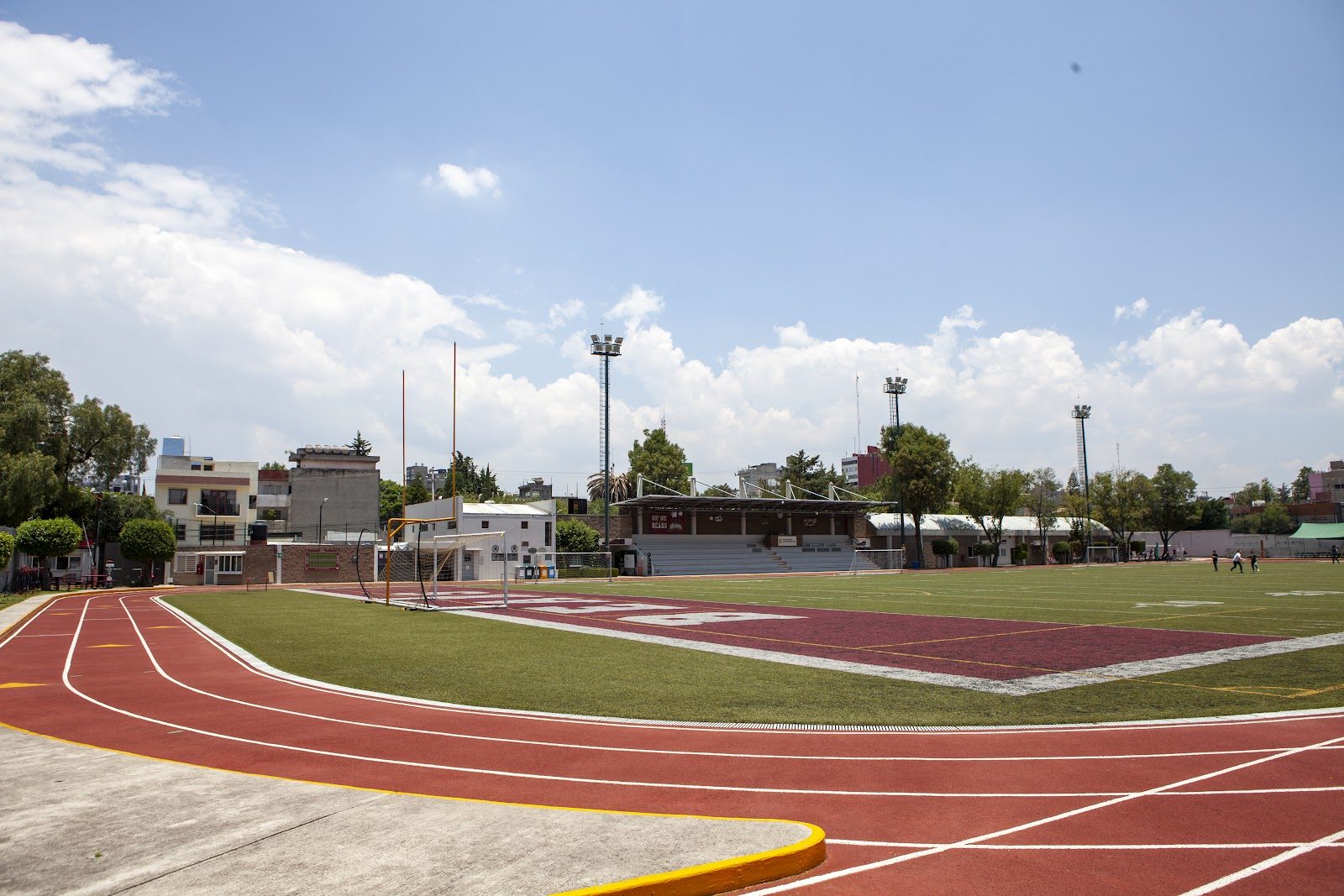
Photo © The American School Foundation via Google Maps
Type
Day
Ages
3–18
Curriculum
American
Qualifications
AP · IB Diploma
Ratio
1:8
The Verdict
Editor's commitment
Right for
Families wanting Mexico City heft with history: founded in 1888, ages 3–18, American curriculum, IB World School and SACS accredited.
Wrong for
Families chasing broad university proof; recent destinations list American University, Arizona State and Babson, one student each, and no boarding exists.
Watch out for
English is the teaching language despite bilingual roots, and a 1:8 ratio says little if the school does not publish aggregate outcomes.
Ranking breakdown
The American School Foundation · # of 1591
Composite score 69.2. 8 weighted criteria.
By criterion
Academic Outcomes
Weight 20%
#587
of 1533 scored
University Placement
Weight 16%
#584
of 1529 scored
Prestige & Heritage
Weight 12%
#601
of 1580 scored
Alumni Network
Weight 12%
#388
of 1530 scored
Facilities
Weight 12%
#554
of 1540 scored
Transparency & Communications
Weight 8%
#655
of 1547 scored
Peer & Industry Review
Weight 10%
#636
of 1564 scored
Admissions Selectivity & Demand
Weight 8%
#438
of 1529 scored
Score history
The American School Foundation · 2026
Movement across 2024–2026. Peer average overlaid.
Overall — 2024–2026
69.2/ 100
▲ +13.9 vs 2025
year on year
Peer & Industry Review
How The American School Foundation is regarded in the sector
72
Respected · medium confidence
The American School Foundation is consistently cited in expat-parent forums (e.g., InterNations, Expat Exchange) and relocation guides as the leading, longest-established American international school in Mexico City, and it holds official U.S. State Department Office of Overseas Schools recognition, which reflects a degree of independent vetting. It lacks entries in Tatler or Good Schools Guide (which rarely cover Latin American schools), but its scale, century-plus history, and prominent alumni network give it solid regional standing among peer international schools rather than top-tier global renown.
Evidence sources
Editors' overview
The American School Foundation occupies a rare position in Latin America’s school market: a Mexico City institution with deep local roots and a long American lineage, founded in 1888 and still operating as a non-religious day school for ages 3–18. That history matters. Plenty of schools borrow the language of “international”; ASF has lived it for more than a century. The combination of an American school identity, English-medium teaching and IB status gives it a dual appeal: families who want a US-facing education, and families who want a globally portable diploma route without sacrificing a serious foothold in Mexico. The student-teacher ratio of 1:8 points to strong classroom access, and the school’s age confers something newer institutions cannot replicate: institutional memory, earned credibility and a network that extends across generations of Mexico City families and international professionals.
What puts ASF on a shortlist is not novelty but durability. This is a school for parents who value academic structure, scale and continuity over educational fashion. Its market position sits at the established, premium end of the sector: the oldest continuously operating American school outside the United States, accredited by SACS and authorised as an IB World School. That blend gives it a distinctive hybrid identity. It is not a British school in Mexico, not a religious school, and not a transient expat outpost. It is a long-settled international school with a clear college-preparatory mission. Families looking for flashy reinvention will find something more sober here: serious academic intent, a settled institutional culture, and the confidence of a school that does not need to manufacture prestige.
The best-fit student is academically motivated, comfortable in a large, established environment and heading towards university study that may span Mexico, the US and other international destinations. Children who thrive on personal visibility in class, broad peer networks and a school culture built over decades will do well. So will students from globally mobile families who need continuity in English without giving up relevance to the local context. This is less well suited to families seeking a niche pedagogical experiment or a small, intensely alternative atmosphere. ASF’s appeal lies in breadth, heritage and cross-border fluency. For the right student, that translates into a powerful sense of permanence in a city where many international schools still feel temporary.
Academic Performance
ASF’s public picture on academic performance is less transparent than its heritage and positioning. We have not seen aggregate IB Diploma results, average point scores, pass rates, subject distributions or year-on-year attainment data in the public domain. That matters. Among premium international schools, serious academic operators publish at least a headline pass rate, a mean score, or a clear university outcomes profile. ASF does not give parents much to interrogate on external examination performance, so any claim of top-tier results lacks the published evidence that stronger peers provide. The school’s college-preparatory identity and established reputation carry weight, but reputation is not the same thing as disclosed attainment.
Where does that leave it relative to competitors? In market terms, ASF sits in the credible but opaque group: a long-established school with enough standing to attract ambitious families, but without the exam-data disclosure that marks out the most confidently accountable schools. The recent destinations listed here are too thin — 1 student each to three named universities — to support any broad judgment on outcomes strength, selectivity or consistency. That does not indict the school; it does limit scrutiny. Parents comparing ASF with other top schools in the region should press for hard numbers: IB averages, distribution across score bands, bilingual diploma uptake if offered, and multi-year university destination patterns. Until then, the academic case rests on institutional trust more than published proof.
Facilities
ASF’s facilities profile is harder to judge than its market standing because the school does not publish a clear public inventory of specialist spaces, campus planning or recent capital investment. That is a weakness. Parents choosing at this level need more than brand confidence; they need to know what daily life looks like in laboratories, libraries, performance venues, sports provision and age-specific play or recreation areas. The low staffing ratio points to resource intensity in teaching, but staffing and facilities are not the same thing. A school can be academically well resourced and still be under-explanatory about the physical estate. ASF’s public disclosure leaves that gap.
Against premium peers, that places ASF behind the schools that map their campuses in detail and show parents exactly where money has gone. The strongest competitors publish enough to test whether the estate matches the fees: dedicated arts spaces, serious indoor sport, robust science infrastructure, well-designed early years environments, and sixth-form areas with real independence. ASF does not give that level of public specificity, so its facilities case rests on institutional trust rather than hard evidence. That does not mean the campus is weak. It means the school has not made the proof easy to inspect. For a school with this stature, that opacity feels below par. Parents should ask direct questions and expect direct answers.
Plenty of schools borrow the language of “international”; ASF has lived it for more than a century
Prestige
ASF carries real prestige, and not the flimsy, advertising-led kind. Its status rests on endurance, institutional recognition and a place in the history of international schooling that very few schools can match. “Oldest operating accredited American school outside the United States” is not a decorative claim; it confers historic weight, alumni continuity and a level of name recognition that newer entrants spend decades trying to build. In Mexico’s international-school market, that matters. Parents, universities and employers know the school. The 3 notable alumni catalogued in Wikidata are only a floor, not a ceiling, but even that limited record reinforces a school with genuine civic footprint rather than a school trading on imported branding.
That prestige is strong but not unqualified. ASF has the standing of an established grand institution, not the sharpened public academic aura of schools that publish relentless exam detail and high-profile destination lists at scale. Its reputation is broader than raw results: heritage, durability, a serious college-preparatory identity and a deep embed in elite and internationally minded circles. The 1:8 staffing ratio adds to that premium impression because it signals resource depth, not mass-market provision. So the rating here is high: ASF offers earned prestige, social capital and long-built credibility. What it does not offer, at least publicly, is the full evidential scaffolding that turns prestige into undisputed academic clout.
This is a school for parents who value academic structure, scale and continuity over educational fashion
Communications
ASF’s parent-facing communication has one clear strength: institutional confidence. The school does not write like a start-up scrambling for attention, and that steadiness will reassure families who value order over noise. There is no sense of breathless salesmanship. The tone fits an established college-preparatory school with a serious brief. That said, calm communication is not the same as strong communication. Across the areas parents scrutinise most closely — academic outcomes, campus detail, and the nuts and bolts of school life — ASF leaves too much unanswered. A low staffing ratio of 1:8 implies scope for close home-school contact, but the public-facing picture does not show how that contact works in practice: frequency of reporting, parent portals, response expectations, or how clearly the school handles transitions, subject choices and university guidance.
That gap matters because premium schools need to communicate with discipline and proof, not just with heritage and confidence. ASF gives families a credible institutional voice, but not enough operational clarity. Parents can infer a school with strong internal systems; they cannot inspect those systems properly from what ASF publishes. In communications terms, that places the school in the trusted but opaque bracket: unlikely to alarm, but short of the forensic transparency that the best-run international schools now treat as standard. For existing families, the experience may be warmer and more detailed than the public record shows. For prospective families, the external communication does not do enough heavy lifting.
Uniqueness
ASF’s uniqueness starts with institutional continuity. Plenty of international schools in large capitals operate as polished transplants; this one has had time to become part of the city’s educational fabric while retaining an American college-preparatory frame. That combination is genuinely rare. It gives students something more durable than international-school branding: a school culture with memory, alumni reach across generations, and a social position that extends beyond the expatriate circuit. The claim to be the oldest operating accredited American school outside the United States is not trivia. It marks ASF out as a historically consequential institution in a sector crowded with newer schools trading on aspiration rather than inheritance. For students, that translates into a stronger sense of belonging, clearer institutional habits, and access to a community that has outlasted cycles of fashion.
The second point of difference is the school’s dual orientation. ASF is rooted in Mexico yet built around an outward-facing academic tradition, which gives students a more anchored cosmopolitanism than schools that feel detached from their host country. Add the low staffing ratio — 1:8 — and the experience becomes more personal than many large, established schools manage. Students get scale without anonymity, heritage without museum-piece stiffness, and an education that prepares them for movement across borders without turning them into cultural tourists. That mix of permanence, academic intent and local embed is hard to replicate.
It is not a British school in Mexico, not a religious school, and not a transient expat outpost
Student Profile
The best fit here is the student who wants a school with scale, structure and a clear academic destination, but without the churn and rootlessness that weaken parts of the international sector. ASF suits children who are comfortable in a settled, high-expectation environment where tradition carries real force and peers include both internationally mobile families and deeply established local ones. That mix matters. It creates a student body with stronger continuity than the transient expatriate norm, and it will reward pupils who can move confidently between social worlds rather than staying inside a narrow foreign enclave. The low staffing ratio of 1:8 also points towards students who benefit from close adult attention while still wanting the range and momentum of a large institution.
Who struggles? Families looking for a quirky, alternative culture or a deliberately intimate school with a handmade feel should look elsewhere. This is not the right setting for students who need constant novelty, a loose academic frame or a community built around educational experimentation. It suits the self-directed, university-minded child who values breadth, recognises standards and can handle a peer group shaped by ambition and social confidence. Students who flourish here will use the school’s long-established network, absorb its cross-border ease and treat its heritage as a platform rather than a museum piece.
It is a long-settled international school with a clear college-preparatory mission
Co-curricular strengths
Arts & sport, on a separate axis
Overall 8.72/10
Scored 0-10 from the school's own published evidence. This axis is editorial-only — it does not feed the main WTS ranking.
Sports
9.2/10
Explicitly names 'Varsity sports'.
Drama
8.8/10
The profile gives explicit evidence of drama through 'Theater productions', which goes beyond a bare listing of drama by indicating recurring staged activity, but no theatre, department, staff or awards are described.
Dance
8/10
Music
8.8/10
Both 'Choir' and 'Concert band', showing structured music participation across named ensembles.
Visual Arts
8.8/10
Explicitly includes 'Visual arts' but offers.
Editor-verified · 7/30/2026
Outcomes & destinations
Where students go next
Class of 2026
Top destinations
194 placements
- American University· 1
- Arizona State University· 1
- Babson College· 1
- Bard College· 1
- Baylor University· 1
- Bentley University· 1
- Boston University· 1
- Bowdoin University· 1
- Brandeis University· 1
- Brigham University· 1
- Carleton College· 1
- Case Western Reserve University· 1
- Chapman University· 1
- Christopher Newport University· 1
- College of Charleston· 1
- Colorado State University· 1
- Columbia University in the City of New York· 1
- Connecticut College· 1
- Drexel University· 1
- Emory & Henry University· 1
- Florida International University· 1
- Fordham University· 1
- George Mason University· 1
- George Washington University· 1
- Georgetown University· 1
- Georgia Institute of Technology-Main-Campus· 1
- Georgia State University· 1
- Hamilton College· 1
- Hillsborough Community College· 1
- Indiana University Bloomington· 1
- James Madison University· 1
- Loyola Marymount University· 1
- Loyola University Chicago· 1
- Loyola University New Orleans· 1
- Macalester College· 1
- Michigan State University· 1
- New Jersey Institute of Technology· 1
- New York University· 1
- Northeastern University· 1
- Northern Arizona University· 1
- Northwestern University· 1
- Oberlin College· 1
- Ohio State University-Main Campus· 1
- Oregon State University· 1
- Otis College of Art and Design· 1
- Pepperdine University· 1
- Pomona College· 1
- Pratt Institute-Main· 1
- Purdue University Northwest· 1
- Purdue University-Main Campus· 1
- Quinnipiac University· 1
- Rhode Island School of Design· 1
- Rice University· 1
- Rochester Institute of Technology· 1
- Rutgers University-New Brunswick· 1
- Santa Clara University· 1
- Savannah College of Art and Design· 1
- Southern California Institute of Architecture· 1
- Southern Methodist University· 1
- Suffolk University· 1
- Syracuse University· 1
- Texas A&M University-College Station· 1
- Texas Christian University· 1
- Texas State University· 1
- The New School· 1
- The Pennsylvania State University-Main Campus· 1
- The University of Alabama· 1
- The University of Tampa· 1
- The University of Texas at Dallas· 1
- The University of Texas at El Paso· 1
- The University of Texas at San Antonio· 1
- Trinity College· 1
- Tulane University of Louisiana· 1
- University of Arizona· 1
- University of California, Davis· 1
- University of California, Los Angeles· 1
- University of California, Riverside· 1
- University of California, San Diego· 1
- University of California, Santa Barbara· 1
- University of California, Santa Cruz· 1
- University of Central Florida· 1
- University of Chicago· 1
- University of Colorado Boulder· 1
- University of Colorado Denver· 1
- University of Dayton· 1
- University of Denver· 1
- University of Hawaii at Manoa· 1
- University of Illinois Urbana-Champaign· 1
- University of Iowa· 1
- University of Massachusetts Amherst· 1
- University of Massachusetts Boston· 1
- University of Massachusetts Lowell· 1
- University of Miami· 1
- University of Michigan-Ann Harbor· 1
- University of Michigan-Dearborn· 1
- University of New Mexico-Main Campus· 1
- University of North Carolina at Chapel Hill· 1
- University of Notre Dame· 1
- University of Oregon· 1
- University of Pittsburgh-Pittsburgh Campus· 1
- University of San Diego· 1
- University of San Francisco· 1
- University of South Florida· 1
- University of Southern California· 1
- University of Utah· 1
- University of Vermont· 1
- University of Virginia-Main Campus· 1
- University of Washington-Seattle Campus· 1
- University of Wisconsin-Madison· 1
- Utah State University· 1
- Vanderbilt University· 1
- Villanova University· 1
- Virginia Commonwealth University· 1
- Virginia Military Institute· 1
- Virginia Polytechnic Institute and State University· 1
- Washington College· 1
- Wesleyan University· 1
- Whittier College· 1
- William & Mary· 1
- Brock University· 1
- Carleton University· 1
- Concordia University· 1
- Huron University College At Western· 1
- Queen's University· 1
- The University of British Columbia· 1
- The University of British Columbia - Okanagan· 1
- University of Calgary· 1
- University of Ottawa· 1
- University of Toronto· 1
- ITAM- Mexico Autonomous Institute of Technology· 1
- Tecnológico de Monterrey, Campus Monterrey· 1
- Tecnológico de Monterrey, Campus Santa Fe· 1
- Universidad Anahuac, Campus Norte· 1
- Universidad Iberoamericana· 1
- Universidad Panamericana· 1
- ASU London· 1
- Brunel University London· 1
- Central European University, Vienna Campus· 1
- Durham University· 1
- EDHEC Business School· 1
- École hôtelière de Lausanne· 1
- Eindhoven University of Technology· 1
- Erasmus University Rotterdam· 1
- ESADE Business School· 1
- ESCP Business School· 1
- European University of Madrid· 1
- Franklin University Switzerland· 1
- Heriot-Watt University· 1
- Hult International Business School· 1
- IE University- Madrid Campus· 1
- International University of Catalonia· 1
- Kent and Medway Medical School· 1
- Kng's College London,University of London· 1
- Lancaster University· 1
- Leiden University· 1
- Loughborough University· 1
- Newcastle University· 1
- Oxford Brookes University· 1
- Queen Mary University of London· 1
- Queen's University Belfast· 1
- Royal College of Surgeons· 1
- Saint Louis University- Madrid· 1
- Technical University of Delft· 1
- The American University of Paris· 1
- The University of Edinburgh· 1
- University College London· 1
- Universidad Europea de Madrid· 1
- University College Dublin· 1
- University of Amsterdam· 1
- University of Bath· 1
- University of Birmngham· 1
- University of Brighton· 1
- University of Buckingham· 1
- University of Central Lancashire· 1
- University of East Anglia· 1
- University of Exeter· 1
- University of Galway· 1
- University of Glasgow· 1
- University of Lancashire· 1
- University of Leeds· 1
- University of Leicester· 1
- University of Liverpool· 1
- University of Manchester· 1
- University of Navarra· 1
- University of Nottingham· 1
- University of St. Andrews· 1
- University of Sussex· 1
- University of the Arts London· 1
- University of Warwick· 1
- Utrecht University· 1
- Gulf Medical University· 1
- Korea Advanced Institute of Science and Technology· 1
- Royal College of Surgeons in Ireland- Medical University of Bahrain· 1
- The University of Hong Kong· 1
Reported by the school. Confirm with admissions.
Strengths
- +Founded in Mexico City in 1888, The American School Foundation is the oldest continuously operating accredited American School outside the U.S.
- +Accredited in the U.S. through Cognia and the Southern Association of Independent Schools (SAIS), with graduates awarded a U.S. high school diploma alongside optional Mexican Bachillerato and IB Diploma pathways.
- +ASF is an IB World School whose Early Childhood Center and Lower School follow the IB Primary Years Program, and about a quarter of the graduating class completes the full IB Diploma.
- +The 14.6-acre campus includes 16 buildings such as a covered pool, two multipurpose gyms, a fine arts center, a wellness center and an on-site bus fleet of 78 vehicles.
- +The 2,500-student body is drawn from a genuine mix of backgrounds, roughly 58% Mexican, 21% U.S. citizens with Mexican connections, and 21% other nationalities.
Considerations
- −Annual tuition for grades 9-12 was listed at 302,750 pesos for 2023-24, on top of a one-time admission fee reported at $7,000 U.S. and separate registration charges billed each December and March.
- −Entry is not open: applicants must show a minimum 80% average with no failing grades, and from Grade 1 up a strong command of written and spoken English is required and formally evaluated.
- −Governance sits outside most expat families' control, since Foundation membership - which elects the 15-member board of trustees - is open only to U.S. citizens living in Mexico.
- −Families must weigh three parallel academic tracks - the U.S. diploma, the Mexican Bachillerato, and the IB Diploma Programme - which adds complexity compared with schools offering a single, streamlined curriculum.
Availability
Primary entry gate & tests
Academic Record
Gallery
Photo © The American School Foundation via Google Maps
Photo © The American School Foundation via Google Maps
Photo © The American School Foundation via Google Maps
Photo © The American School Foundation via Google Maps
Photo © The American School Foundation via Google Maps
Parent reviews
Have you sent your child here?
Voice reviews carry the strongest trust badge — we transcribe them for you to tidy up before they go live. Prefer to type? A written review is fine too.
Add your voice
In 60 seconds, tell other parents: what's the best thing about The American School Foundation, and what surprised you when your child joined?
We ask for a Google sign-in so every review has a real face behind it — no anonymous drive-by attacks on schools, and no faked positive reviews. Your email is never shown publicly.
Send this profile to a friend
International parents rely on word-of-mouth. Share this review with someone weighing the same decision.
Schools with places
Similar schools to The American School Foundation with places available now.
Belmont Hill School
Belmont · United States
- 2026-27
- CLOSEDRegular cycle
- 2027-28
- PLACES OPENApplication route live
Colegio Roosevelt — The American School of Lima
Lima · Peru
- 2026-27
- WAITPOOLSpace-dependent
- 2027-28
- PLACES OPENRolling
The American International School Muscat
Muscat · Oman
- 2026-27
- WAITPOOLSpace-dependent
- 2027-28
- PLACES OPENRolling
Kingdom Schools
Riyadh · Saudi Arabia
- 2026-27
- WAITPOOLSpace-dependent
- 2027-28
- PLACES OPENRolling
Availability first, then country, area, curriculum, price, co-curricular
Consider also
Also worth looking at alongside The American School Foundation.
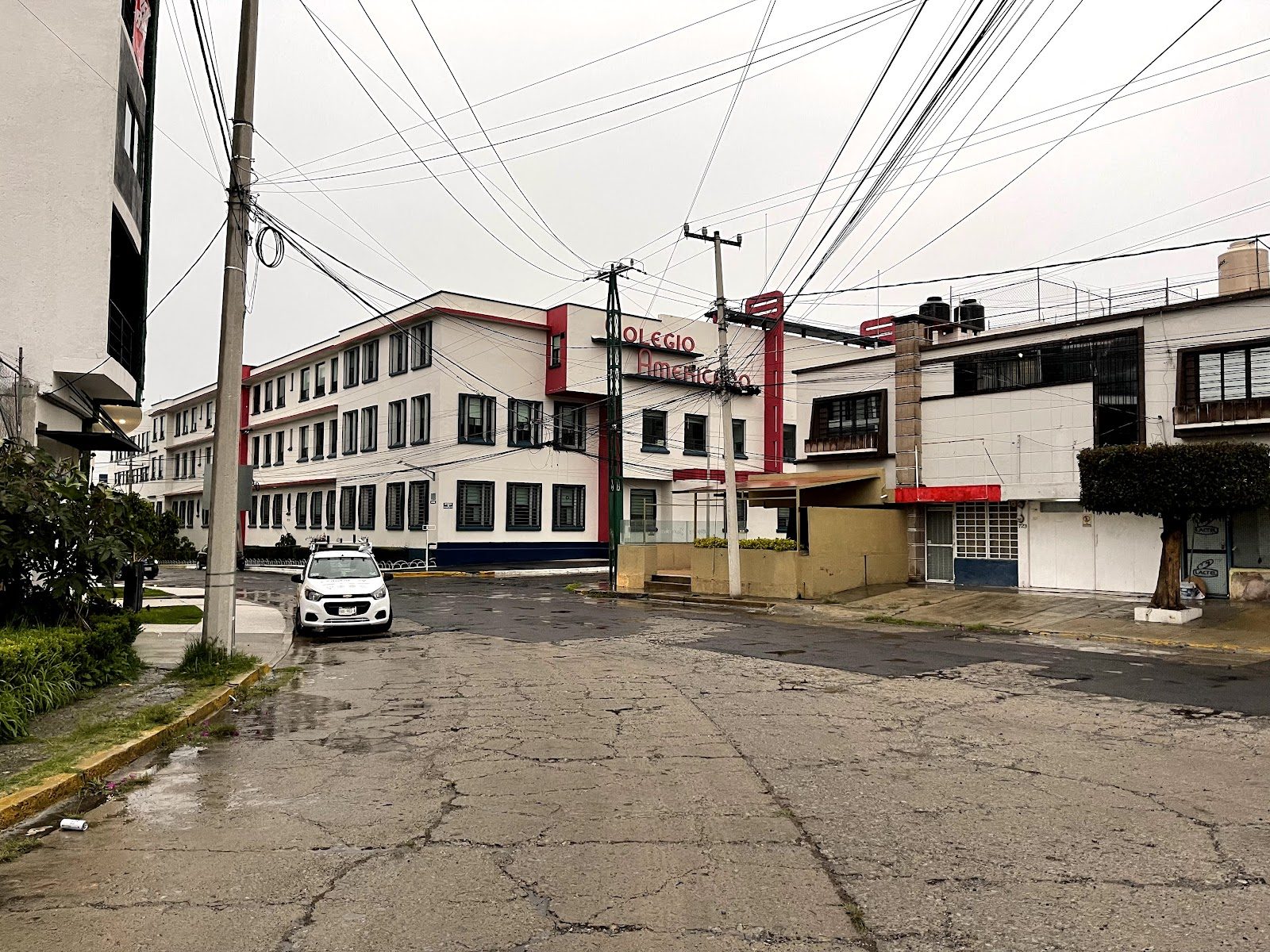
Puebla American School Foundation
Puebla · Mexico
Since 1942, this bilingual Puebla day school became the city's first to run the full IB continuum, from PYP to Diploma.

Greengates School
Mexico City · Mexico
Since 1951 in Naucalpan, the only Mexico City school requiring every sixth-former to sit the full IB Diploma, with results to match
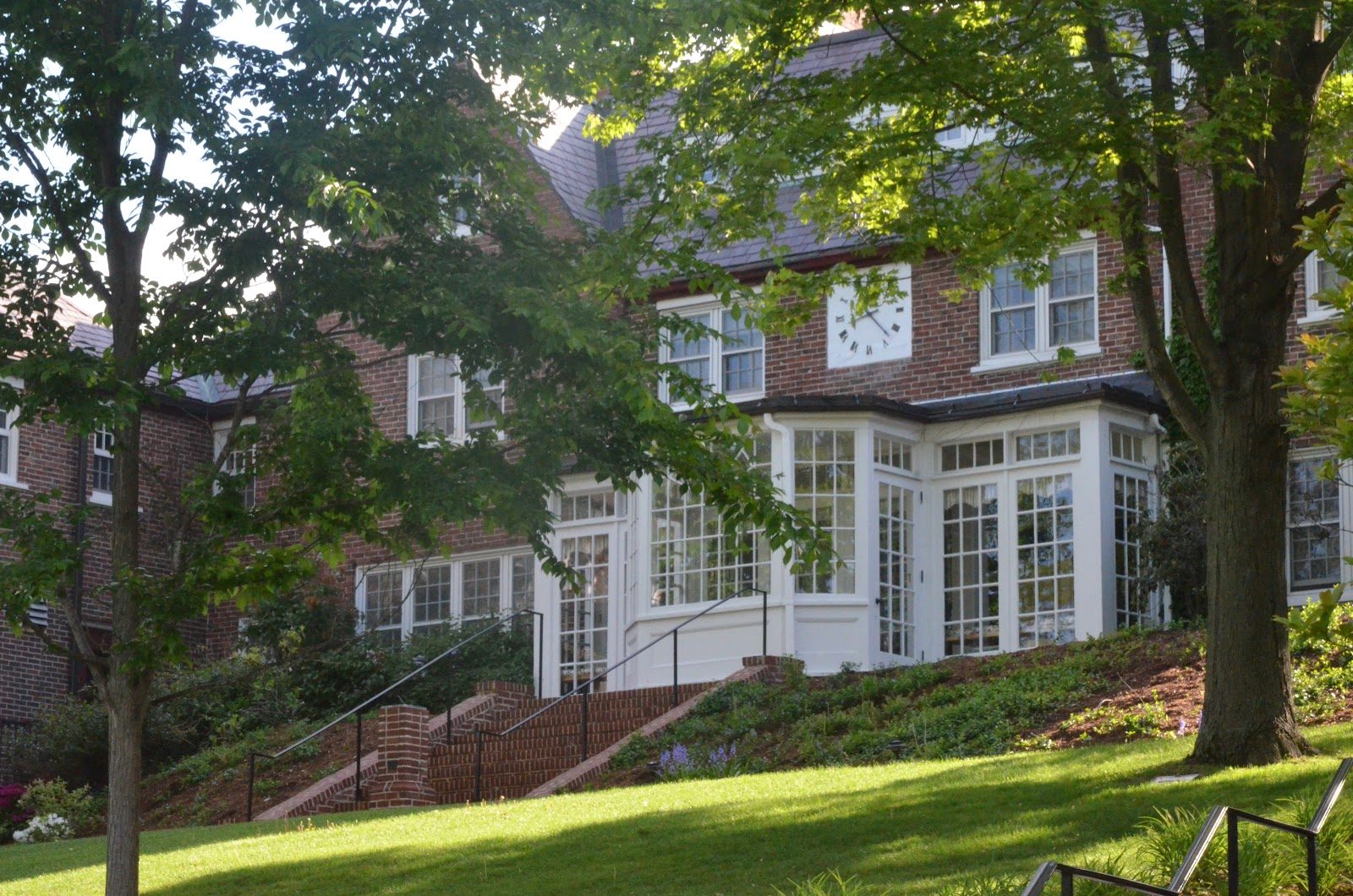
Belmont Hill School
Belmont · United States
A hilltop day school outside Boston, where jacket-and-tie ritual and family-style lunch anchor a century-old all-boys formation.
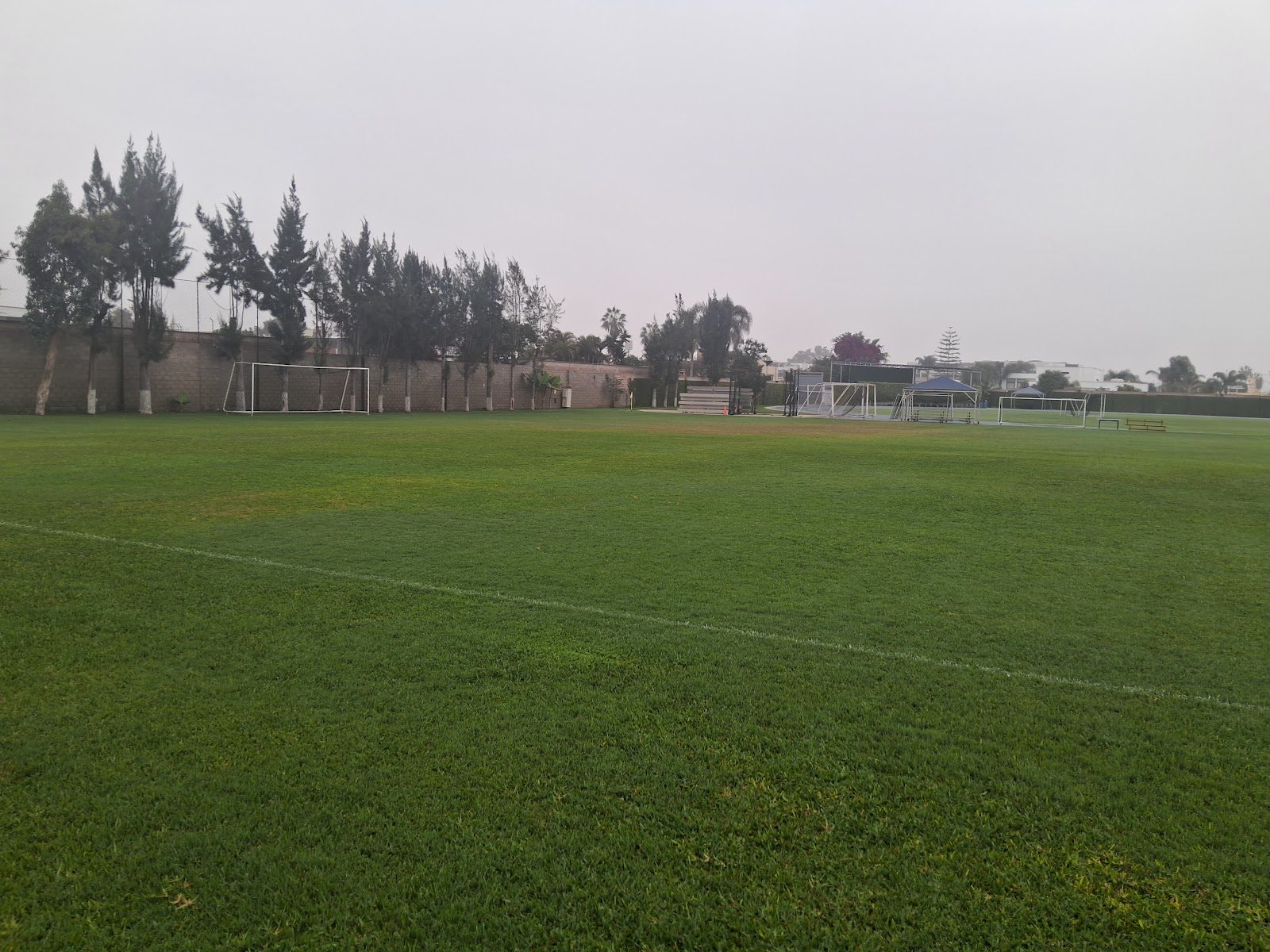
Colegio Roosevelt — The American School of Lima
Lima · Peru
Named for a wartime American president, this La Molina campus layers an FDR diploma with IB and Peru's own official credential.
Same country and curriculum — closest matches within ±10 points either way