
Lisbon District
A 1956 Swiss lineage lands on the Portuguese Riviera, pairing Core Knowledge rigor with an IB Diploma graduating its first class in 2026.
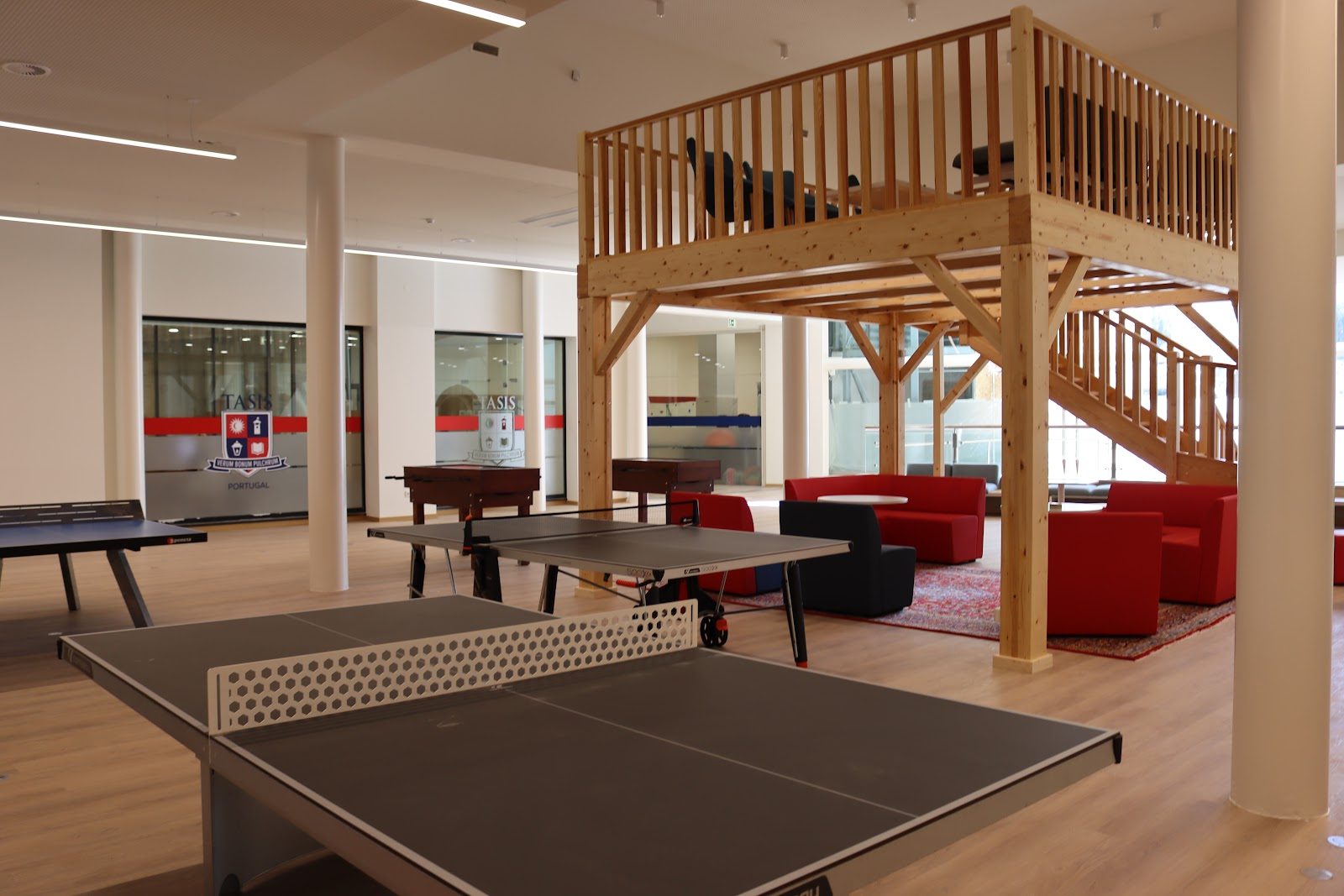
Photo © TASIS Portugal via Google Maps
Type
Day/Boarding
Ages
3–18
Curriculum
American · IB
Qualifications
High School Diploma · AP · IB Diploma
Ratio
8:1
The Verdict
Editor's commitment
Right for
Families buying into a 2020 start-up with NEASC and IB accreditation, 1:8 staffing, and 15-pupil classes in English.
Wrong for
Anyone wanting a long-established Portugal school: TASIS Portugal opened in 2020, and its first IB Diploma class graduates in 2026.
Watch out for
This is an American-and-IB school under Swiss TASIS governance, not a Portuguese curriculum route; boarding details and outcomes remain thinly published.
Ranking breakdown
TASIS Portugal · # of 1591
Composite score 53.4. 8 weighted criteria.
By criterion
Academic Outcomes
Weight 20%
#1273
of 1529 scored
University Placement
Weight 16%
#1300
of 1529 scored
Prestige & Heritage
Weight 12%
#1306
of 1571 scored
Alumni Network
Weight 12%
#1186
of 1530 scored
Facilities
Weight 12%
#1045
of 1534 scored
Transparency & Communications
Weight 8%
#1150
of 1532 scored
Peer & Industry Review
Weight 10%
#1352
of 1548 scored
Admissions Selectivity & Demand
Weight 8%
#1456
of 1529 scored
Peer & Industry Review
How TASIS Portugal is regarded in the sector
61
Respected · medium confidence
TASIS Portugal sits in the shadow of larger, longer-established Lisbon-area internationals such as St. Julian's, Oeiras International School and Carlucci American International School, which dominate local rankings and COBIS/CIS peer visibility; TASIS Portugal itself holds CIS and NEASC accreditation, the standard credential peers recognize, but is rarely singled out in Portuguese press league tables the way those schools are. Its main reputational asset is affiliation with the original TASIS network founded in Switzerland in 1956, which gives it credibility among boarding-school circles in the US/UK college counseling world even though independent outlets like Good Schools Guide International and WhichSchoolAdvisor have published little dedicated commentary on the Sintra campus specifically. University reception rests mainly on the school's self-reported IB Diploma and US dual-diploma placement lists rather than third-party admissions-officer commentary. Overall it reads as a small, credible but sub-scale player: accredited and respected within its network, but not yet a fixture in regional peer-review or education-press conversation compared to Lisbon's dominant international schools.
Editors' overview
TASIS Portugal occupies a narrow and interesting slot in the market: a young school with an old brand. It opened in 2020, but it trades on a TASIS lineage that starts in 1956 in Lugano and still carries weight with internationally mobile families who know the name. The proposition is clear. This is an English-medium school in Sintra offering an American curriculum with the IB Diploma at the top end, under a Swiss non-profit foundation rather than a private equity story. That combination gives it a distinct profile in Portugal: heritage without stasis, a start-up campus with a mature playbook. The first IB Diploma cohort graduates in 2026, so parents are buying into a school still building its senior track record. That matters. Families who need years of published graduating-class outcomes will find the school early in its cycle.
What puts TASIS Portugal on a shortlist is the structure of the offer rather than any inflated claim of prestige. Small classes and close staffing are real selling points: an average class size of 15 and a student-teacher ratio of 1:8 support individual attention, and the school states a rigorous, student-centred model grounded in global citizenship and personal growth. The boarding element broadens the market beyond Lisbon and Cascais day families and makes the school relevant to expatriate and relocation cases. The Sintra setting adds appeal, but the stronger point is operational: a school built for internationally minded families who want an English-language education and a clean route into the IB Diploma. Close adult attention, serious academic intent, and international mobility sit at the centre of the offer.
The caveat is equally clear. This is not an established Portuguese grandee with decades of local graduating data, nor a deep-rooted British-style institution with inherited rituals and a settled public record at sixth form level. It is a newer school still expanding its campus and proving its outcomes in the senior years. Parents choosing TASIS Portugal are backing a framework: the TASIS name, NEASC and IB accreditation, boarding capacity, and a coherent academic model. That makes sense for students who thrive in smaller classes, want strong teacher contact, and value an international peer group over a large-school social machine. It suits the child who is academically capable, adaptable, and comfortable in an environment with high expectations and a still-forming identity. It suits families who want cosmopolitan ambition more than local tradition.
Academic Performance
TASIS Portugal does not yet have a mature public examination record. That is the central fact. The school’s first IB Diploma class graduates in 2026, so there are no published Diploma averages, pass rates, subject scores, university destinations, or multi-year trend lines to test against Lisbon’s established international competitors. In performance terms, parents are buying into promise rather than proof. That is not a fatal flaw in a young school, but it places TASIS Portugal in a different category from peers that can point to several graduating cohorts and a settled set of outcomes. Any family for whom hard data matters most will find the current picture thin.
Where, then, does it fit? In academic-market terms, TASIS Portugal sits with ambitious newer schools that offer a clear upward route and strong structural conditions for learning, but not yet the examined record that settles debate. The low staffing ratio and small classes support close monitoring, and the school talks openly about rigour, knowledge, and high expectations. That framework is credible. The missing piece is external validation at the top end. Until the first results land and the school publishes them in full, TASIS Portugal remains an early-cycle bet: attractive for families comfortable backing a developing senior school, less persuasive for those benchmarking on IB points tables and destination data. The first graduating cohort in 2026 will matter disproportionately.
Facilities
TASIS Portugal’s facilities case rests less on spectacle than on fit. The school itself says the campus is still evolving, which places it behind Portugal’s older international heavyweights on sheer physical depth. Families will not find the settled sprawl of a decades-built estate with every specialist block already in place. What they do get is a modern campus built around contemporary teaching rather than inherited grandeur: spaces for collaborative learning, small-group teaching and day-to-day visibility between staff and students. That matters in a younger school. It produces a tighter, more supervised environment and avoids the tired wings and piecemeal add-ons that drag down parts of older campuses. The average class size of 15 also changes how rooms function: teaching spaces do not need to absorb large cohorts, and that supports a more close-grained academic atmosphere.
Against peer schools, then, TASIS Portugal sits in the middle: stronger than start-ups operating from converted premises, less physically commanding than established rivals with extensive sports stock, major theatres or long-developed sixth-form centres. The school leans on setting and design rather than scale. Its public language around “beautiful, historic settings” and a culture shaped by environment fits the wider TASIS house style, but parents should separate brand aesthetics from hard facility depth. This is a campus with clear functional strengths and a still-forming upper edge. For families who prize polish, safety and manageable scale, that works. For those shopping by specialist infrastructure alone, the offer is not yet top-tier.
TASIS Portugal occupies a narrow and interesting slot in the market: a young school with an old brand
Prestige
TASIS Portugal carries *brand prestige before earned local prestige*. That distinction matters. The TASIS name has standing with internationally mobile families who know the Swiss parent lineage and read it as a marker of continuity, governance and a certain old-world academic seriousness. In Portugal, that gives the school instant recognition that most new entrants do not get. The non-profit foundation structure strengthens that impression. So does the scale of adult attention signalled by the 1:8 staffing ratio and average classes of 15. Parents read those figures as evidence of selectivity and close management, even before the school has built a long alumni base or a shelf of senior-school outcomes.
But prestige here is imported, not yet sedimented. TASIS Portugal does not command the kind of status that comes from generations of graduates, dominant university placement data, or a settled place in the Portuguese independent-school hierarchy. Its cachet rests on three things: the TASIS umbrella, a polished international peer set, and the social confidence of a school serving families who value mobility and recognisable global-school signals. That gives it real market appeal, but not unassailable prestige. For some parents, that is enough: they want a school with an international stamp and disciplined ambition, not a local grande dame. For others, prestige without a deep public record remains unfinished business.
What puts TASIS Portugal on a shortlist is the structure of the offer rather than any inflated claim of prestige
Communications
TASIS Portugal communicates in the polished, conversion-minded style common to international schools, but it does the practical basics well. The website is clean, easy to navigate and built around the actions parents actually need: enquire, visit, apply, meet staff. That matters. A school serving mobile families cannot bury core information under branding language. Here, the route through admissions is clear, and the public face has operational coherence. The tone is warm without slipping into chatter. There is also a visible attempt to connect the school to the wider TASIS identity through its ideals and governance language, which gives communications a disciplined institutional frame rather than the improvised feel of many younger schools.
The weakness is depth. The school talks fluently about values, student growth and community, but parents doing serious due diligence need more than polished intent. We have not seen the kind of hard-edged public communication that answers the difficult questions before they are asked: how the senior school is bedding in, how academic outcomes will be reported, what expansion means in practice, and where the limits of current provision still sit. That leaves the communications package strong on tone, thinner on proof. For a school with classes averaging 15 and a staffing ratio of 1:8, parent communication needs to feel close, candid and concrete, not only aspirational. The foundations are solid; the test is whether the school matches that polish with sharper disclosure as it matures.
Uniqueness
What separates TASIS Portugal from the Lisbon-area pack is not novelty alone but hybrid inheritance. It is a young school backed by a Swiss-founded international network with a settled set of ideals, a non-profit governance model and a recognisable educational house style. That gives students something rare in a start-up institution: *institutional memory without institutional drag*. The school can build from a tested TASIS framework rather than inventing itself term by term, yet it is not burdened by old local habits, stale facilities or a narrow national social mix. The result is a school shaped for families who move across borders and want continuity in tone, expectations and pastoral handling, not just a timetable in English.
The academic proposition also has an unusual shape. TASIS couples an American-style base with Core Knowledge in the lower years and the IB Diploma at the top, which creates a more deliberately structured route than many international schools that drift between philosophies. For students, that brings coherence: explicit content, close teacher attention, and a senior leaving qualification with global reach. The staffing profile strengthens that promise. A ratio of 1:8 and classes averaging 15 support close adult oversight, faster intervention and less room for pupils to disappear into the crowd. That does not make the school for everyone. Children who want a huge social machine or the prestige theatre of an old flagship campus will find a smaller, more controlled environment here. For the right student, that is precisely the point: serious guidance, portable ambition, and a school identity built around care and accountability rather than scale.
Parents choosing TASIS Portugal are backing a framework: the TASIS name, NEASC and IB accreditation, boarding capacity, and a coherent academic model
Student Profile
TASIS Portugal suits children who do well with close adult oversight and a school culture that expects them to engage, not drift. This is not the place for a pupil who wants to disappear into the back row, negotiate every boundary, or treat school as a loose social backdrop. The school’s public language points to intellectual curiosity, integrity, cultural awareness and meaningful engagement with the wider world; read that in practical terms as a fit for students who can handle structure, respond to teacher attention and take expectations seriously. The small-class setting — average class size 15 — will work best for children who are comfortable being known well by staff and held to account for the quality of their effort.
Socially, the strongest fit is the internationally minded family that values mobility, adaptability and a peer group shaped by more than one national reference point. Students who enjoy arts, sport and a broad school life will fit better than narrow grade-maximisers, because the wider TASIS model gives those areas real weight. Equally, this is not a huge social ecosystem with endless room to reinvent yourself through anonymity. It is a managed, intentional environment with a clear moral frame. For some teenagers, that reads as constraining. For others, it is exactly what allows them to grow: serious but not joyless, ambitious without the swagger, and best for pupils who want personal attention as much as opportunity.
TASIS Portugal does not yet have a mature public examination record
Co-curricular strengths
Arts & sport, on a separate axis
Overall 8.72/10
Scored 0-10 from the school's own published evidence. This axis is editorial-only — it does not feed the main WTS ranking.
Sports
9/10
Drama
8.5/10
Dance
8.8/10
Music
8.8/10
Visual Arts
8.5/10
Strengths
- +Offers both the American high school diploma and the IB Diploma Programme, giving students flexibility for university applications in the US and internationally.
- +Located in Sintra, a UNESCO World Heritage town, with easy access to Lisbon, offering a distinctive cultural and historical setting for boarding families.
- +Part of the long-established TASIS network founded in Switzerland in 1956, giving it institutional continuity and shared curriculum standards across campuses.
- +Small overall enrollment allows for a low student-to-teacher ratio and close faculty attention, typical of boutique international schools.
- +Boarding option available alongside day school, useful for expatriate and diplomatic families needing full-time care during relocation.
Considerations
- −Small student body and campus size limit the breadth of extracurricular activities, sports leagues, and elective course variety compared to larger international schools.
- −Boarding and day fees are a significant financial commitment, placing the school out of reach for many local and middle-income expatriate families.
- −Location outside central Lisbon means longer commute times for day students living in the city itself.
- −As a smaller, lower-profile school within the TASIS network, it lacks the extensive alumni networks and name recognition of larger flagship international schools.
Availability
Primary entry gate & tests
Academic Record
Gallery
Photo © TASIS Portugal International School via Google Maps
Photo © TASIS Portugal International School via Google Maps
Photo © TASIS Portugal International School via Google Maps
Photo © TASIS Portugal International School via Google Maps
Photo © TASIS Portugal International School via Google Maps
Photo © TASIS Portugal International School via Google Maps
Photo © TASIS Portugal International School via Google Maps
Parent reviews
Have you sent your child here?
Voice reviews carry the strongest trust badge — we transcribe them for you to tidy up before they go live. Prefer to type? A written review is fine too.
Add your voice
In 60 seconds, tell other parents: what's the best thing about TASIS Portugal, and what surprised you when your child joined?
We ask for a Google sign-in so every review has a real face behind it — no anonymous drive-by attacks on schools, and no faked positive reviews. Your email is never shown publicly.
Send this profile to a friend
International parents rely on word-of-mouth. Share this review with someone weighing the same decision.
Schools with places
Similar schools to TASIS Portugal with places available now.
St Peter's International School
Palmela · Portugal
- 2026-27
- WAITPOOLSpace-dependent
- 2027-28
- PLACES OPENRolling
Carlucci American International School of Lisbon
Lisbon · Portugal
- 2026-27
- WAITPOOLSpace-dependent
- 2027-28
- PLACES OPENRolling
Availability first, then country, area, curriculum, price, co-curricular
Consider also
Also worth looking at alongside TASIS Portugal.
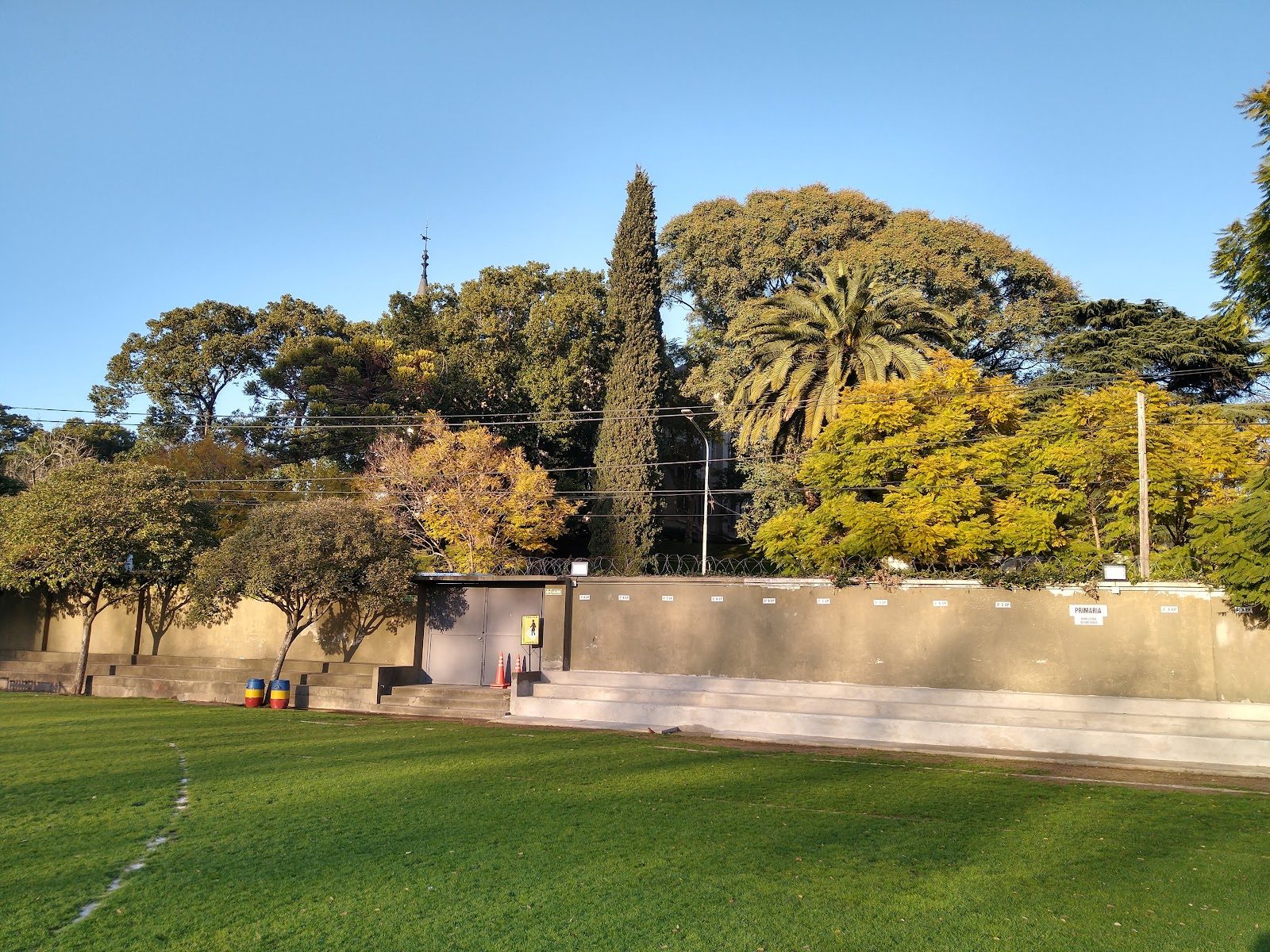
Colegio Michael Ham
Buenos Aires · Argentina
Inside a neo-Gothic castle on the Vicente Lopez barranca, nearly a century of girls-only schooling has just given way to coeducation.
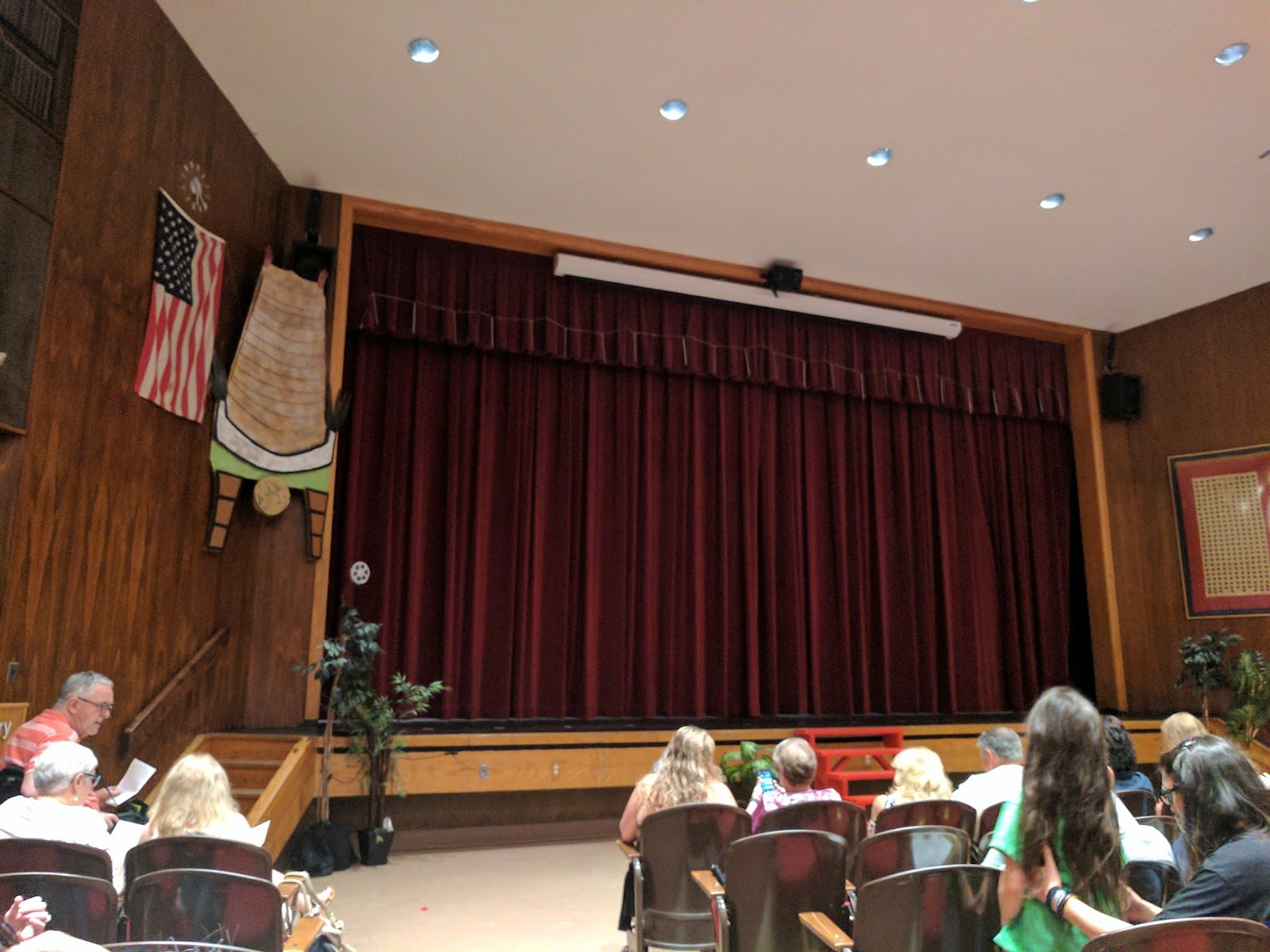
Canterbury School
New Milford · United States
On a Litchfield County hilltop, a lay-led Catholic school founded in 1915 on the radical idea that faith and Ivy League prep could coexist.
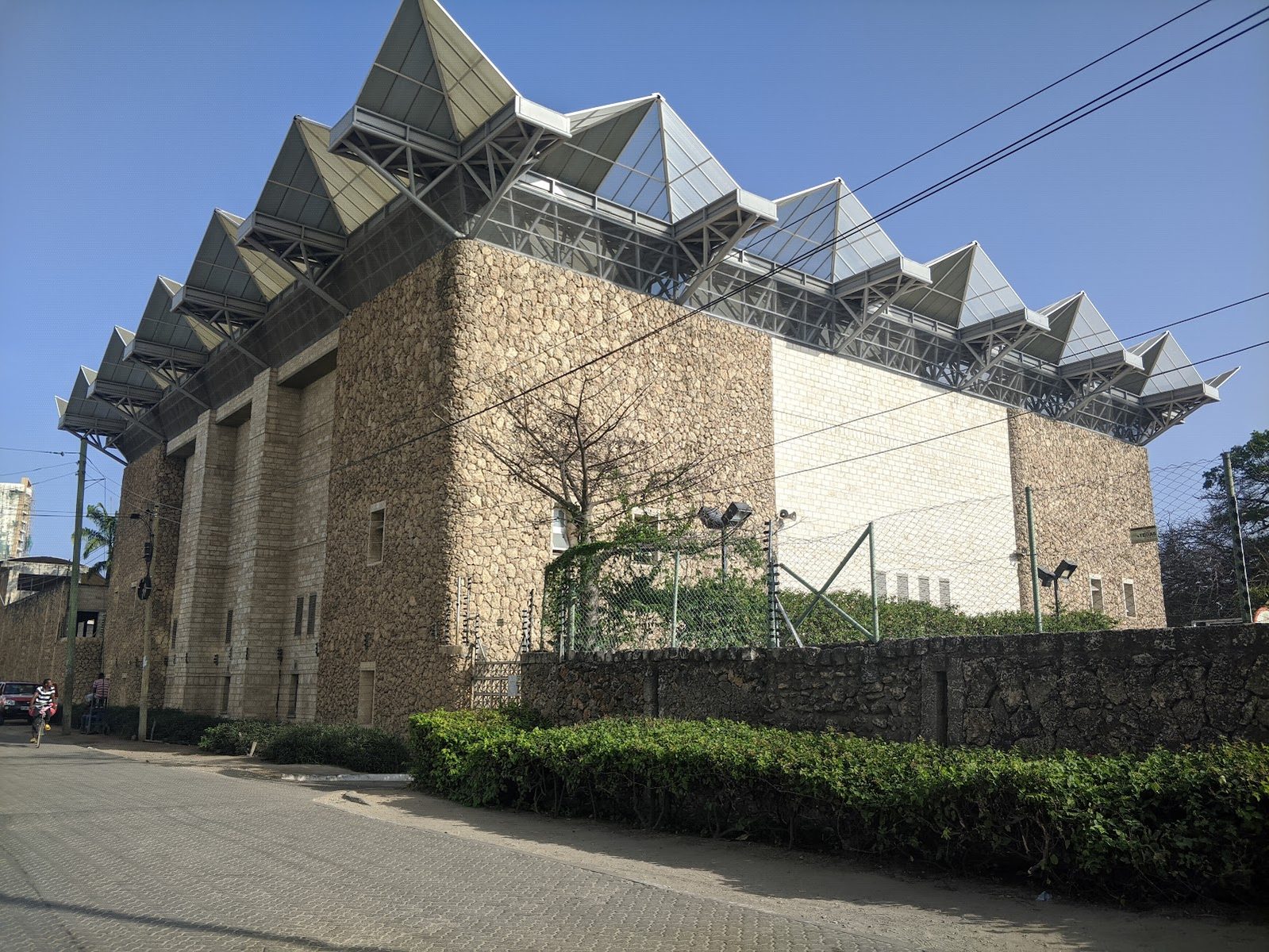
Aga Khan Academy Mombasa
Mombasa · Kenya
On Mombasa's Likoni Channel, a Swahili-inspired campus anchors the network's founding school, where admission is judged purely on merit.
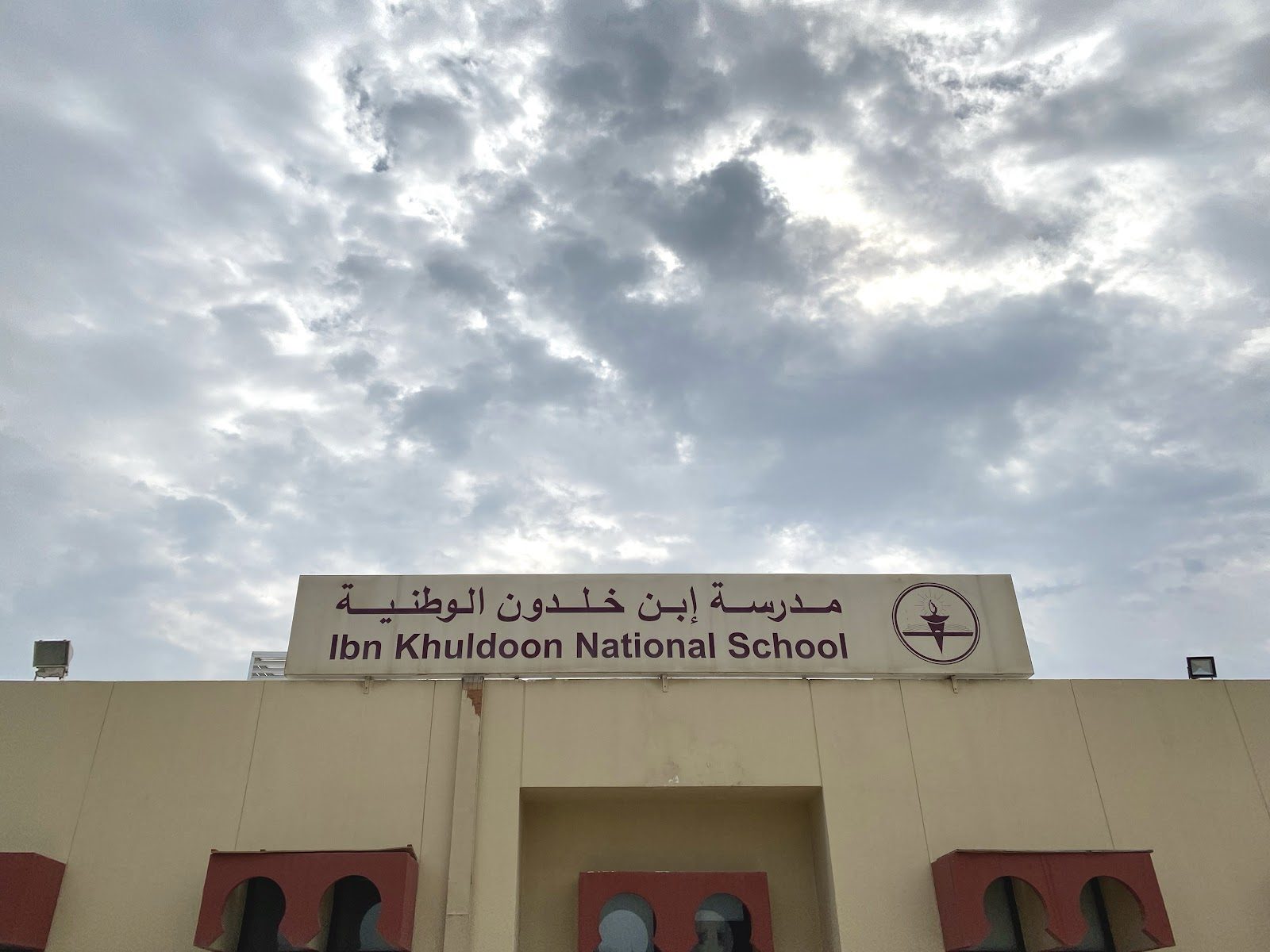
Ibn Khuldoon National School
Isa Town · Bahrain
In Isa Town, one of Bahrain's few IB Continuum schools runs its Diploma Programme alongside a parallel American track, bilingual since 1983.
Same country and curriculum — closest matches within ±10 points either way