
Western Province
St Thomas' College, Mount Lavinia
medium confidence· 4/6 cats · 2.81 avg sourcesSri Lanka's 1851 Anglican boys' school in Mount Lavinia, offering day and boarding places on its historic beachside campus.
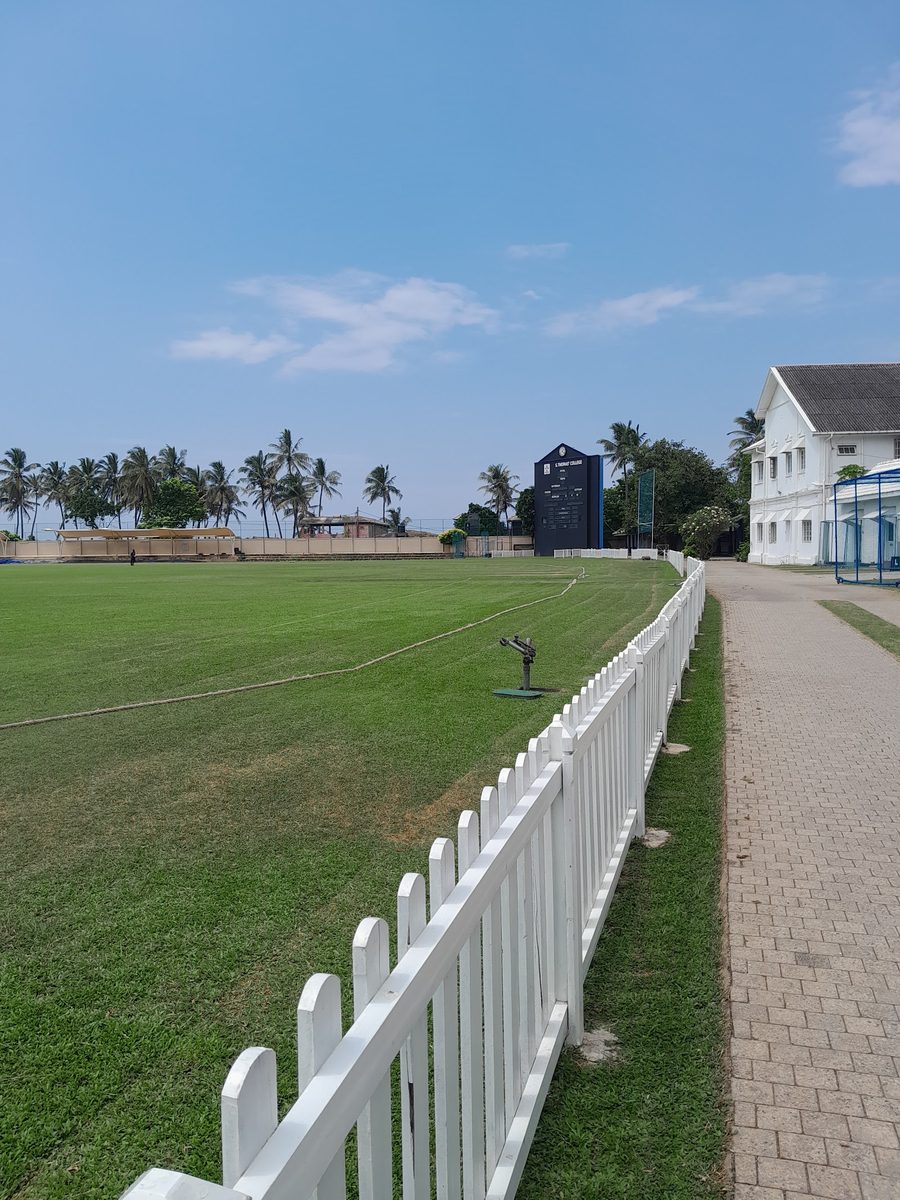
Photo © Ramika Karunarathna via Google Maps
Type
Day
Ages
3–18
Curriculum
British
Ratio
—
The Verdict
Editor's commitment
Right for
Families wanting a Colombo day school with 1851 roots, English teaching and Cambridge accreditation at an average annual fee of $328.
Wrong for
Parents seeking girls' places, a secular identity in practice, or a non-British curriculum; St Thomas' is a boys' school, founded in 1851.
Watch out for
The context says day only, despite the boarding tagline; verify access for ages 3–18 on the Mount Lavinia campus before committing.
Ranking breakdown
St Thomas' College, Mount Lavinia · # of 1591
Composite score 63.7. 8 weighted criteria.
By criterion
Academic Outcomes
Weight 20%
#385
of 1529 scored
University Placement
Weight 16%
#516
of 1529 scored
Prestige & Heritage
Weight 12%
#438
of 1571 scored
Alumni Network
Weight 12%
#1276
of 1530 scored
Facilities
Weight 12%
#923
of 1534 scored
Transparency & Communications
Weight 8%
#650
of 1532 scored
Peer & Industry Review
Weight 10%
#640
of 1548 scored
Admissions Selectivity & Demand
Weight 8%
#282
of 1529 scored
Score history
St Thomas' College, Mount Lavinia · 2026
Movement across 2024–2026. Peer average overlaid.
Overall — 2024–2026
63.7/ 100
▲ +17.7 vs 2025
year on year
Peer & Industry Review
How St Thomas' College, Mount Lavinia is regarded in the sector
90
Top-tier · medium confidence
St Thomas' College, Mount Lavinia is consistently cited as one of Sri Lanka's oldest and most prestigious schools, frequently referenced alongside Royal College and S. Thomas' peer institutions in Sri Lankan media coverage of elite schools, old-boy networks, and the annual Royal-Thomian cricket encounter, one of the world's longest-running school cricket rivalries, which receives extensive independent press coverage (Sunday Times Sri Lanka, Daily FT, Ceylon Today). Its alumni network includes prominent politicians, judges, and business leaders, and it is routinely benchmarked against other elite Colombo schools in local press and expat-parent forums discussing top schools in Colombo. However, it lacks coverage in international specialist education press (Tatler, Good Schools Guide) which typically focus on UK/global markets rather than Sri Lankan schools specifically.
Evidence sources
- Michael Ondaatje — Author, Literature
- Duleep Mendis — Cricketer, Sports
- Mahes Rodrigo — Sports Administrator, Cricket Governance
Editors' overview
St Thomas’ College, Mount Lavinia trades on something few schools can match: a campus identity forged in 1851 and still tied to place. This is an English-medium boys’ school in Colombo, on a historic beachside site in Mount Lavinia, taking pupils from ages 3–18 and teaching a British curriculum with Cambridge accreditation. That matters. In Sri Lanka, where many schools claim tradition or academic seriousness, St Thomas’ offers both with institutional weight behind them. It is not an imported international-school brand; it is an old local institution with a long public presence, and that gives it a different texture from newer, more polished operators.
Its appeal rests first on history and continuity, then on access. The average annual day fee is $328, which places it in a strikingly inexpensive bracket for an English-medium school covering the full school age range. That price point alone puts it in a different market from expatriate-focused schools charging international premiums. Parents considering St Thomas’ are not buying boutique facilities or a glossy global-schools package. They are buying entry into a deep-rooted Colombo school with a long-established name, a British curriculum, Cambridge accreditation and a structure that runs cleanly from early years to the end of school. The tension is obvious: a school this historic and this inexpensive will attract demand on reputation, but families who want lavish disclosure on outcomes, facilities and pastoral detail will find the public picture thin.
The boy who will want St Thomas’ is one who values belonging to a school with serious institutional character rather than a soft, consumer-led experience. This suits families drawn to heritage, routine and the social confidence that old schools tend to instil. It will also suit parents who want English-language schooling in Colombo without international-school fee inflation. It is less suited to families seeking a co-educational environment, a deliberately secular international culture, or the highly managed transparency that newer schools use to reassure globally mobile parents. On a shortlist, St Thomas’ earns its place because it offers something rarer than novelty: prestige built over time, delivered at a fee level that is hard to ignore.
Academic Performance
St Thomas’ does not publish the kind of exam dashboard that strong academically ambitious schools use to make their case. We have not seen aggregate Cambridge results, subject pass rates, top-grade distributions, university destinations or year-on-year attainment data in the public domain. That leaves parents judging academic performance through reputation and selectivity rather than hard numbers. For a school with such a long-established name, that level of disclosure is thin, and in a market where many families want proof rather than heritage, it is a real weakness.
Relative to peers, that places the college in an awkward middle ground. It carries the authority of an old, well-known boys’ school, but it does not give external families the published evidence needed to rank it cleanly against Colombo’s more data-forward competitors or against international schools that release headline results each year. That does not mean outcomes are weak; it means the school asks families to trust institutional standing instead of measurable transparency. Some parents will accept that without fuss. Others will read it as old-school opacity. The academic proposition may still be serious and demanding, but until the college publishes concrete examination outcomes, its performance remains harder to verify than a school of this stature should allow.
Facilities
The decisive facility here is the campus itself. St Thomas’ has a rare physical setting by Colombo standards: a historic seafront site with the scale and permanence that older South Asian schools still hold over newer urban operators. That matters more than a glossy prospectus gym or a boutique STEAM lab. Schools built into tight city plots often trade breadth for convenience; St Thomas’ offers the opposite impression — room for assemblies, sport, circulation and the daily theatre of school life. For boys’ schools, that kind of environment still counts. It supports routine, house identity and competitive sport in a way that compact premium schools struggle to match. The downside is obvious too: parents expecting a freshly curated international-school estate with design-led interiors and heavily publicised specialist spaces will not find that level of consumer polish.
Against peer schools, the facilities proposition is strong in the traditional categories and opaque in the rest. The college’s public profile points clearly to a campus with institutional heft and sporting utility, but it does not publish the kind of granular facilities inventory that stronger market communicators now treat as standard: named performing arts spaces, dedicated early-years environments, science suites, maker spaces, technology provision or high-spec indoor sport. That leaves the school looking well-grounded but under-explained. In practical terms, parents can count on a campus with history, scale and real presence; they cannot count on detailed public disclosure about whether it matches top-fee Colombo competitors for specialist infrastructure.
The average annual fee of $328 also makes that inheritance unusually accessible
Prestige
St Thomas’ carries real old-school prestige in Sri Lanka. The source of that prestige is not glossy international branding or published league-table style data; it is institutional memory, recognisability and the social weight that attaches to a long-entrenched Colombo boys’ school. In local terms, that matters. Schools of this kind build standing through generations of families, established rituals, competitive entry and a durable place in the country’s educational hierarchy. For parents who value status, continuity and network effects, St Thomas’ has serious name recognition. For parents arriving without that cultural context, the prestige can feel inherited rather than explained, because the school does not do much public work to translate its standing into modern, evidence-led terms.
That is why the prestige here rates high, but not in the frictionless international-school sense. It has institutional authority and social cachet, yet it is not packaging itself for globally mobile families who expect polished disclosure, visible outcomes and a carefully managed brand story. The very low average annual fee of $328 also shifts the equation: this is prestige with unusual accessibility, not exclusivity priced at international-school levels. That combination is rare and powerful. The trade-off is clear. Families plugged into Sri Lankan school culture will understand the badge value immediately; outsiders will need to do more homework. This is earned prestige, not consumer-friendly prestige, and that distinction matters.
At an average annual fee of $328, that cultural capital is unusually accessible
Communications
Parent communication looks functional rather than polished. The website gives the essentials — contact routes, core school information and a visible public identity — but it does not do the heavier lifting that strong modern parent communications demand. We have not seen a robust news flow, a clear archive of leadership updates, detailed academic reporting, or the kind of regularly refreshed parent-facing guidance that helps families track school life without friction. That matters because communication is not decoration; it is how a school demonstrates organisation, openness and respect for parents’ time. At an average annual fee of $328, few families will expect concierge-style service. They still need clarity, rhythm and dependable information.
The deeper issue is tone. St Thomas’ communicates like an established institution that expects families to adapt to it, not like a school competing aggressively for parental confidence. For long-connected local families, that can work perfectly well: they already understand the codes, the calendar and the authority structure. For newcomers, the experience risks feeling opaque, old-fashioned and under-explained. A school with this level of social standing can get away with that more than most. It still leaves a gap. Effective communication is not only about sending notices; it is about making parents feel informed before they need to ask. On that measure, the college reads as serviceable, not parent-centred.
Uniqueness
What sets St Thomas’ apart is not novelty but institutional culture with a hard edge. This is a boys’ school whose identity has been shaped over generations by ritual, competition, hierarchy and place. The beachside setting matters less as scenery than as atmosphere: students grow up inside a campus that feels rooted, self-contained and steeped in tradition, not rented from a developer and dressed up with branding. For the right family, that produces something valuable — boys who know they belong to a school with its own codes, expectations and memory. The average annual fee of $328 also makes that inheritance unusually accessible. In practical terms, students gain entry to a school with social weight and a durable local network without paying international-school prices.
That distinctiveness cuts both ways. St Thomas’ offers formed identity, not endless flexibility. Boys who thrive in structured environments, competitive house cultures and schools that expect adaptation rather than constant customisation will get a great deal from it. They gain confidence from continuity, peer loyalty and the discipline of fitting into an established institution bigger than themselves. Boys who need a gentler, more individually curated culture may find it tradition-bound and less responsive than newer schools built around parent service. The uniqueness here lies in that trade: not a polished global product, but a school that still feels like a school in the old sense — demanding, communal and full of inherited character.
St Thomas’ College, Mount Lavinia trades on something few schools can match: a campus identity forged in 1851 and still tied to place
Student Profile
The student who fits best here is a boy who can handle a school with its own gravity. St Thomas’ suits families who want boys educated inside a strongly codified institution, where identity is shaped by house life, tradition, sport and the daily expectations of a long-established community. This is not a school built around constant personal tailoring or soft-edged pastoral theatre. It will reward boys who are resilient, socially adaptable and comfortable in environments where status is earned through participation, conduct and staying power. For locally rooted families, that structure brings real social fluency: boys learn how to carry themselves, read hierarchy and belong to something larger than their year group. At an average annual fee of $328, that cultural capital is unusually accessible.
The less natural fit is the boy who needs a highly individualised, heavily explained school experience. Newcomers without local context, families expecting intense parent hand-holding, or children who thrive only in highly personalised settings may find the culture demanding and at times inward-looking. The all-boys environment will suit students who enjoy competition, camaraderie and a clear communal identity; it will not suit families who want a gentler or more consciously progressive social atmosphere. In practical terms, this school works best for boys who are ready to join an existing world rather than ask the school to remake itself around them.
In Sri Lanka, where many schools claim tradition or academic seriousness, St Thomas’ offers both with institutional weight behind them
Co-curricular strengths
Arts & sport, on a separate axis
Overall 8.6/10
Scored 0-10 from the school's own published evidence. This axis is editorial-only — it does not feed the main WTS ranking.
Sports
9.5/10
Cricket, Rugby, Athletics and Swimming, and the review describes sport as the likely standout with playing fields, organised athletics and proper outdoor sport associated with the school's traditional all-round model.
Drama
8.5/10
Drama Club is offered, but no further detail on productions, facilities, staff or programme depth is provided.
Dance
7.5/10
Music
9/10
School Choir is offered, but there is.
Visual Arts
8.5/10
Editor first-pass · editor-reviewable · 7/27/2026
Strengths
- +Founded in 1851 by James Chapman, the first Anglican Bishop of Colombo, and modelled on the British public school tradition, making it among the oldest schools in Sri Lanka.
- +Alongside the local GCE O/L and A/L syllabus, the school runs a dedicated London Advanced Level section offering Edexcel Pearson International A-Level examination classes.
- +Located a 30-minute drive south of Colombo on a campus that stretches down to the beach at Mount Lavinia, giving it an unusually large, sea-facing site by local standards.
- +The college has educated prime ministers, world leaders, sportsmen and Booker Prize winners, giving it a long, verifiable alumni track record.
- +With a student body of approximately 2,800, S. Thomas' is considered one of the most prestigious schools in Sri Lanka, a rivalry underscored by the annual Royal-Thomian cricket, rugby and regatta fixtures against Royal College.
Considerations
- −It is a fee-paying, selective-entry boys' school, so it offers no coeducational option for families who need one.
- −Instruction is given in Sinhala and Tamil in the Lower School, with all three media (including English) only from the Lower Secondary section onward, meaning an expatriate child cannot enter directly into English-medium classes at Grade 1.
- −Admission to the college is at the sole discretion of the warden, and filling in the application form does not guarantee admission, with the outcome dependent on the college's own process.
- −A student body of roughly 2,800 across a boys-only day-and-boarding structure implies large year groups and class sizes rather than the small, individualized cohorts found at boutique international schools.
Availability
Primary entry gate & tests
National/Ministry Guidelines (Boys)
Gallery
Photo © Thanunjeyan Yohenthiran via Google Maps
Photo © Parakum Pathirana via Google Maps
Photo © Parakum Pathirana via Google Maps
Photo © Sevinda Perera via Google Maps
Photo © Sivananthan T via Google Maps
Photo © Sevinda Perera via Google Maps
Photo © ShawnthePaul via Google Maps
Photo © Mugunthan Govindapillai via Google Maps
Photo © S. Thomas' College via Google Maps
Parent reviews
Have you sent your child here?
Voice reviews carry the strongest trust badge — we transcribe them for you to tidy up before they go live. Prefer to type? A written review is fine too.
Add your voice
In 60 seconds, tell other parents: what's the best thing about St Thomas' College, Mount Lavinia, and what surprised you when your child joined?
We ask for a Google sign-in so every review has a real face behind it — no anonymous drive-by attacks on schools, and no faked positive reviews. Your email is never shown publicly.
Send this profile to a friend
International parents rely on word-of-mouth. Share this review with someone weighing the same decision.
Schools with places
Similar schools to St Thomas' College, Mount Lavinia with places available now.
St Swithun's School
Winchester · United Kingdom
- 2026-27
- CLOSEDStandard route closed
- 2027-28
- PLACES OPENCloses Nov '26
Multinational School Riyadh
Riyadh · Saudi Arabia
- 2026-27
- PLACES OPENApps open / space-dependent
- 2027-28
- WAITPOOL2027/28 timetable TBC
The Grange School
Santiago · Chile
- 2026-27
- CLOSEDStandard route closed
- 2027-28
- WAITPOOLEnquiries underway
Woodstock School
Mussoorie · India
- 2026-27
- CLOSED
- 2027-28
- OPENS SOONOpens 17 Aug '26
Availability first, then country, area, curriculum, price, co-curricular
Consider also
Also worth looking at alongside St Thomas' College, Mount Lavinia.
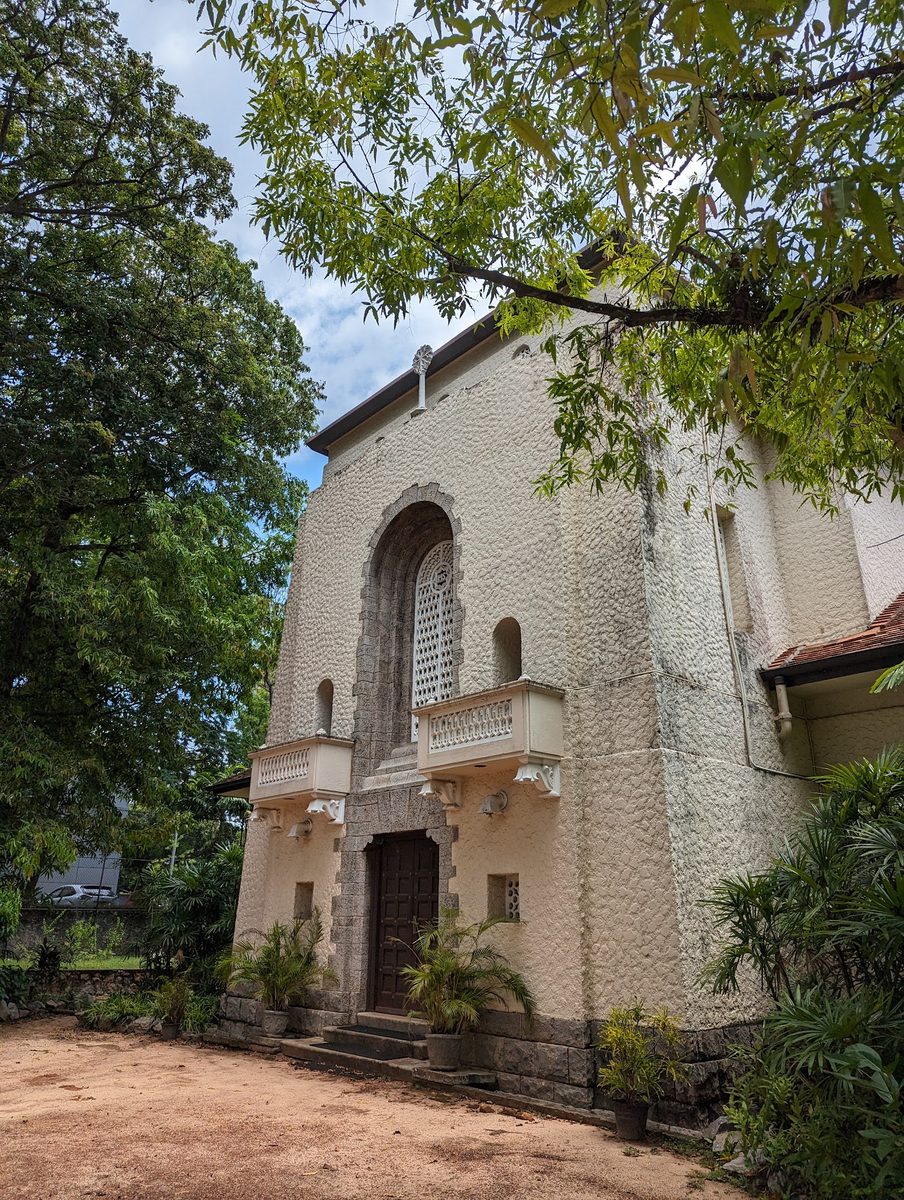
Ladies' College
Colombo · Sri Lanka
Founded in 1900 by an Irish missionary teacher, this Colombo school's hall has hosted the Symphony Orchestra of Sri Lanka since 1958.
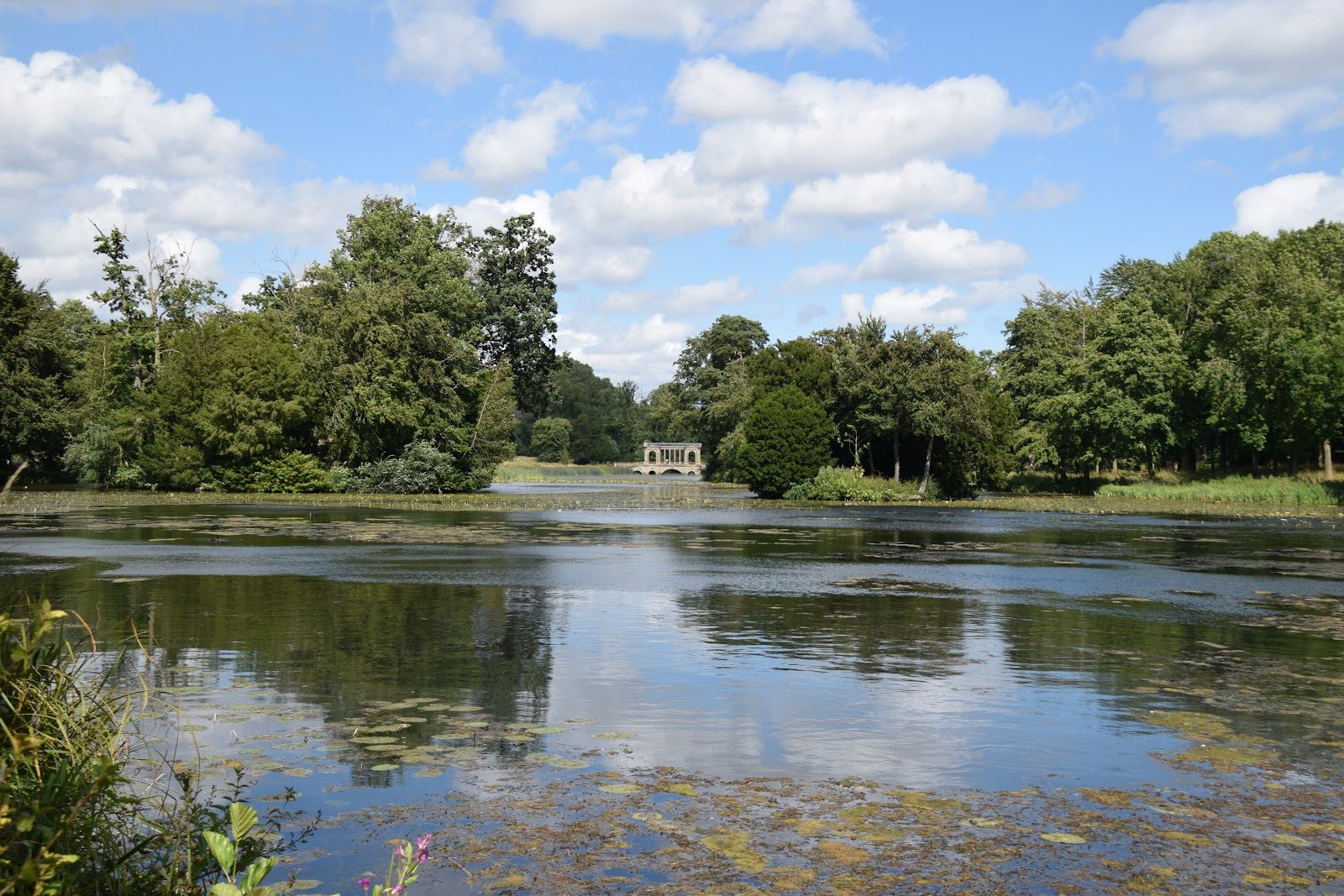
Stowe School
Stowe · United Kingdom
Boarders learn inside a Grade I neoclassical mansion set within an 18th-century landscape garden that shaped English garden design.
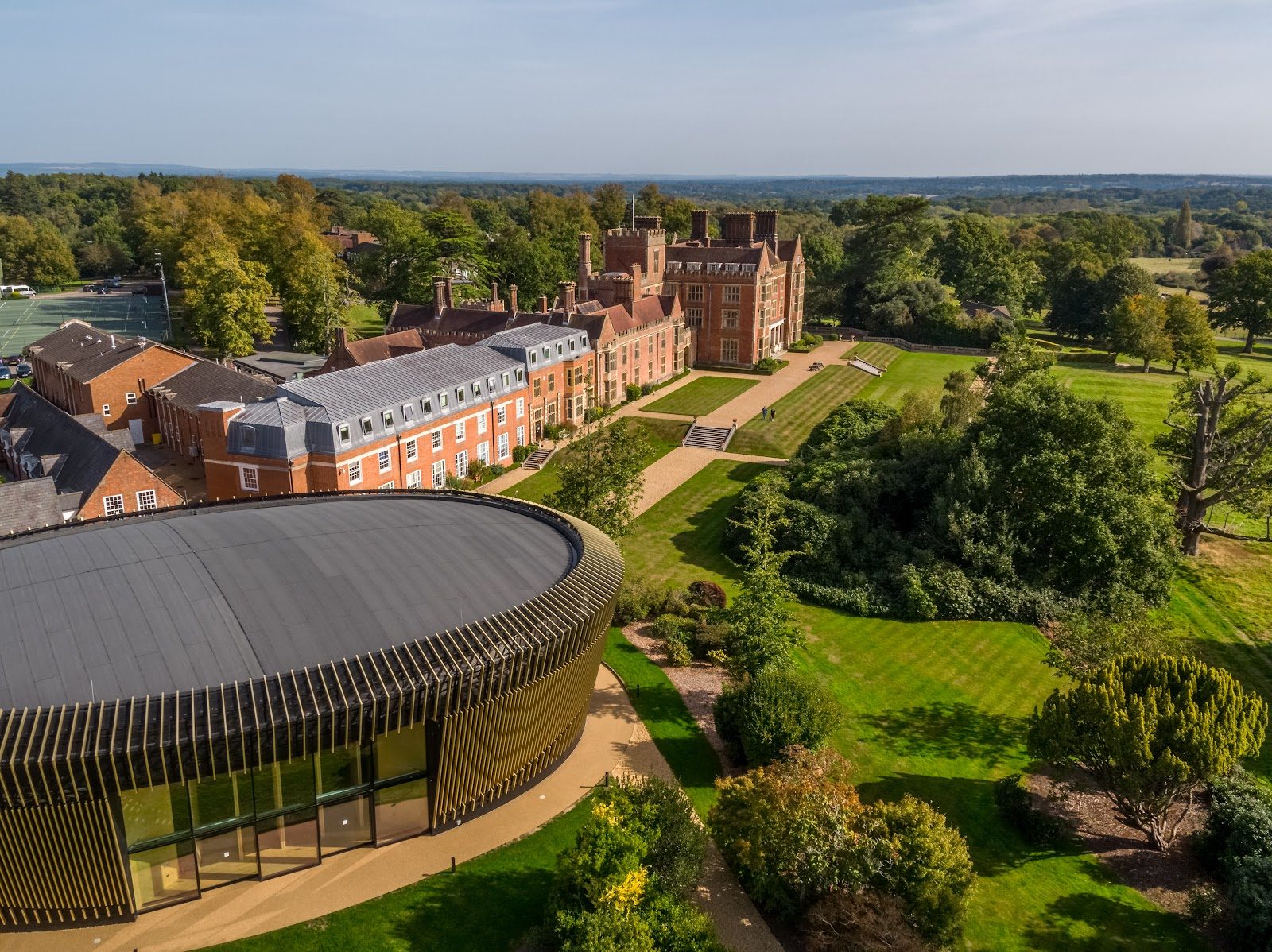
Benenden School
Cranbrook · United Kingdom
Amid 250 acres of Wealden parkland, the full-boarding spirit that inspired Malory Towers still runs through ten close-knit houses
Kuwait English School
Salwa · Kuwait
In Salwa since 1978, a British day school that pioneered Middle East classroom tech and built inclusion through its Green Unit.
Same country and curriculum — closest matches within ±10 points either way