
Bavaria
Schule Schloss Neubeuern
low confidence· 6/6 cats · 0 avg sourcesA 12th-century Bavarian castle campus offering small, close-knit classes on the path to the German Abitur.
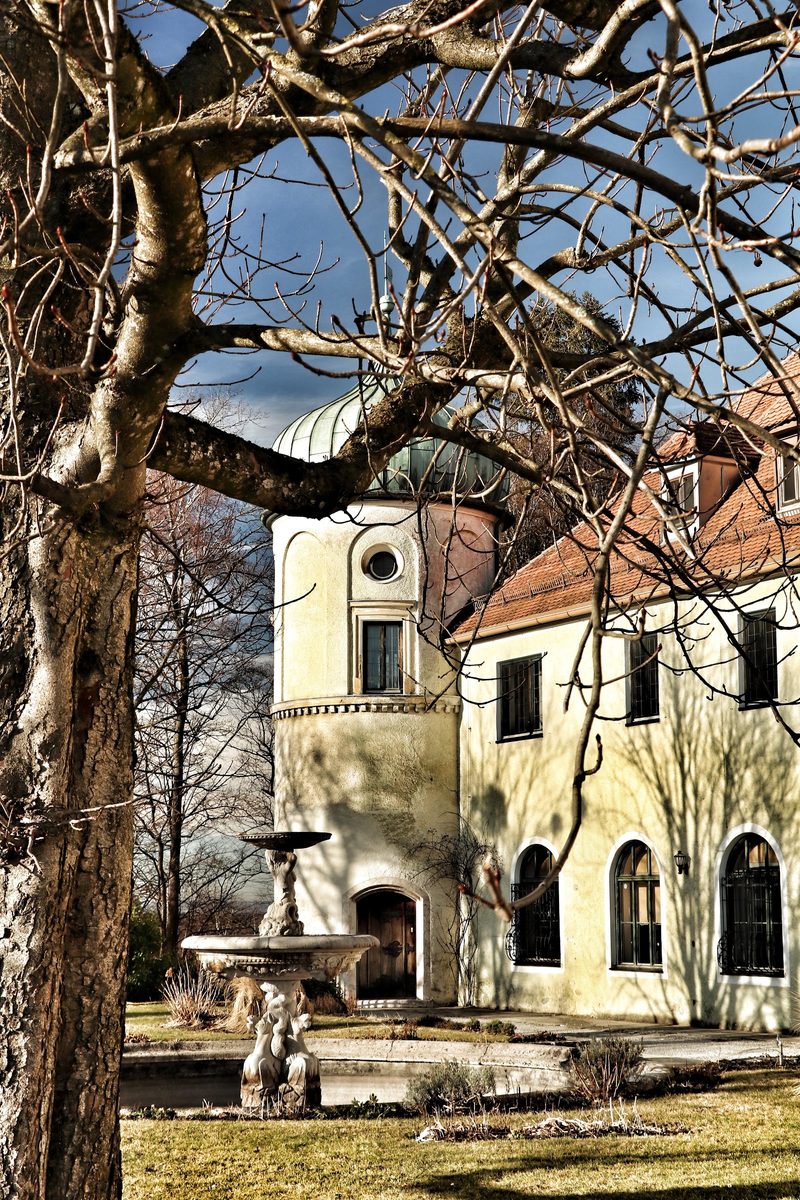
Photo © DF via Google Maps
Type
Both
Ages
11–18
Curriculum
German Abitur · IB (Diploma)
Ratio
6:1
The Verdict
Editor's commitment
Right for
Families who want a boarding or day school in Neubeuern with a 6:1 student-teacher ratio and average classes of 14.
Wrong for
Parents seeking a straightforward German-language route; instruction is in English, even though the school offers the German Abitur and IB Diploma.
Watch out for
The castle setting and 1925 heritage are easy sells; published hard data stop at ages 11–18, 6:1 staffing and class size 14.
Ranking breakdown
Schule Schloss Neubeuern · # of 1591
Composite score 59.3. 8 weighted criteria.
By criterion
Academic Outcomes
Weight 20%
#1219
of 1529 scored
University Placement
Weight 16%
#1227
of 1529 scored
Prestige & Heritage
Weight 12%
#995
of 1571 scored
Alumni Network
Weight 12%
#623
of 1530 scored
Facilities
Weight 12%
#960
of 1534 scored
Transparency & Communications
Weight 8%
#1194
of 1532 scored
Peer & Industry Review
Weight 10%
#998
of 1548 scored
Admissions Selectivity & Demand
Weight 8%
#1077
of 1529 scored
Peer & Industry Review
How Schule Schloss Neubeuern is regarded in the sector
68
Respected · medium confidence
Schule Schloss Neubeuern is consistently listed among Germany's traditional elite Internate (alongside Salem, Louisenlund, and Birklehof) in German press features on boarding schools (e.g., Der Spiegel, FAZ, Focus 'beste Internate Deutschlands' round-ups), and is known within German expat/parent forums as a solid, historically respected Bavarian boarding school. It lacks the international 'top-tier' Tatler/Good Schools Guide coverage that Salem or UK equivalents receive, but maintains a strong regional and national German reputation with a recognizable alumni network among Bavarian and German business/political families.
Evidence sources
Editors' overview
Schule Schloss Neubeuern sells a rare proposition in the German market: a full boarding-and-day school set in a 12th-century castle, with small classes, a declared route to both the German Abitur and the IB Diploma, and a scale that keeps adults close to pupils. The hard numbers matter more than the castle imagery: a 6:1 student–teacher ratio and average classes of 14 give this school a level of academic proximity that large day schools do not match. Founded in 1925, it trades on tradition, but the stronger point is operational: pupils live and work in a close-knit community where teachers, mentors and boarding staff can intervene early, push harder and monitor habits day by day. For parents who want structure without institutional sprawl, that is the core attraction.
What marks the school out is not academic radicalism; it is the combination of historic setting, boarding intensity and personal oversight. The school leans heavily on community, pastoral care and shared experience, and the public messaging is saturated with belonging, friendship and routine. That has strengths and limits. Strength first: children who need a firm frame, steady adult attention and a defined social environment will get it here. Limit second: families looking for a loose, urban, highly independent sixth-form culture will not find it in a Bavarian castle with school clothing, a smart office look in the upper years and a strong communal ethos. The Plus-MINT programme adds a concrete academic differentiator, and the school states that it is the only boarding school in Bavaria to offer that specific strand. That gives scientifically inclined pupils more than scenery and sentiment.
This school belongs on a shortlist for parents seeking contained ambition: strong academic supervision, boarding life with real social glue, and a school small enough for children to be known in detail rather than processed in batches. It also has a practical advantage for international families through its international department and stated support for entry into German. The language point needs care: the school context lists English as the language of instruction, while the school’s own public presentation centres the Bavarian Abitur and German school culture. Parents should ask direct questions about how teaching is split between English and German across year groups and pathways, and how the IB Diploma operates in practice.
The pupil who will want Schule Schloss Neubeuern is not hard to identify. This is a strong fit for a student aged 11–18 who wants constant encouragement, adult presence and a clear sense of belonging, and who will thrive in a residential environment where school and social life are tightly interwoven. It suits pupils who value tradition, ritual and team spirit, and those who benefit from close academic follow-up. It is less suited to the adolescent who wants anonymity, maximal freedom or a broad metropolitan menu outside the school gates. At its best, Neubeuern offers watchful structure in a dramatic setting; for the right child, that combination has real force.
Academic Performance
The school does not publish public headline data for either the Abitur or the IB Diploma. That matters. In a market where serious schools put average grades, subject distributions or cohort outcomes into the open, Neubeuern asks parents to trust the atmosphere, the setting and the promise of close support. That is not enough for an academic verdict. The low staffing ratio and small teaching groups point to conditions that ought to produce strong oversight and steady intervention when pupils drift, but oversight is not the same as published attainment. On external examination performance, the school is opaque.
Relative to peers, that places Neubeuern in a weaker position for families who compare schools by disclosed results first and culture second. The school gives more public space to community, pastoral life, MINT enrichment and the lived texture of boarding than to hard outcome data. That editorial choice tells its own story. It does not mean results are weak; it means parents cannot verify strength from the public record. For a family choosing between academically hard-numbered German and international schools, Neubeuern sits in the category of promising but unproven on paper. Ask for recent Abitur averages, IB Diploma score ranges, university destinations by cohort, and subject-level performance over at least 3 years. Without that, comparison with top academic peers stays incomplete.
Facilities
The castle is the facility. That is not a romantic flourish; it is the school’s defining physical asset and a real point of difference against standard German day schools and many mid-market boarding campuses. A historic complex gives Neubeuern a singular sense of place, and for some children that matters: the environment can sharpen attachment, ritual and school identity. The risk is also clear. Old buildings charm parents faster than they serve modern teaching. Here, the more persuasive evidence lies in the school’s newer academic provision, above all the science facilities tied to its MINT offer. The school refers to a new science centre and biochemistry practical work, which places it ahead of peers that talk about STEM ambition without naming specialist space. Combined with average classes of 14 and a student–teacher ratio of 6:1, that infrastructure has room to be used properly rather than theatrically.
Beyond academics, the facilities picture is shaped by the school’s residential and communal model: organised group life, space for shared activities, and a campus built for immersion rather than urban flexibility. That compares well with traditional boarding peers that sell structure and close adult oversight, and less well with metropolitan international schools that offer larger sports estates, black-box theatres, design labs or glossy multi-building sixth-form centres. We have not seen a strong public case on high-performance sport, major arts infrastructure or specialist maker spaces. So the facilities verdict is distinctive rather than comprehensive: a dramatic heritage campus, credible science investment, and the kind of contained environment that suits pupils who want all-in community life, not sprawling choice.
The pupil who will want Schule Schloss Neubeuern is not hard to identify
Prestige
Schule Schloss Neubeuern has real prestige, but it is a specific kind of prestige. This is not the prestige of published league-table dominance or loudly advertised examination data; the school does not disclose those numbers. Its status rests instead on scarcity, social texture and institutional memory: a castle campus, a long-established alumni network, formal codes around dress and conduct, and a boarding culture built around belonging, supervision and shared life. In Germany, that still carries weight with families who value social polish, continuity and access to a network that extends beyond school. The school itself leans hard on that network and states that those connections can open professional doors. That is a serious claim, and in prestige terms it matters.
The rating stops short of the top tier because the public case remains impressionistic where it needs proof. Prestige in education has two forms: inherited reputation and earned academic authority. Neubeuern clearly has the first. The second requires transparent outcomes, selective university placements and hard comparative data, none of which the school puts into the public domain. So the school lands in the category of high-status traditionalist rather than indisputable academic heavyweight. For the right family, that distinction will not weaken the appeal; for a parent buying education, not atmosphere, it does. The small scale, the 6:1 ratio and average classes of 14 reinforce the sense of exclusivity, but exclusivity alone does not settle the question of educational standing.
Schule Schloss Neubeuern has real prestige, but it is a specific kind of prestige
Communications
Neubeuern communicates in a way that mirrors its culture: high-touch, image-heavy and emotionally charged. The public-facing message leans hard on belonging, warmth, friendship and lived experience, with repeated invitations to take a personal tour, browse galleries and enter the school through atmosphere before data. That works for families buying into community first. It is less effective for parents who want hard operational clarity. The site gives a strong sense of pastoral intent, daily ethos and house-style expectations, including school clothing and a smart office look in the senior years. It also signals real accessibility: “every door and every heart open” is sentimental phrasing, but behind it sits a credible promise of adult availability in a school with a 6:1 staffing ratio. Communication, in other words, is strongest when it describes care, integration and social life.
Where it falls short is precision. The school talks expansively about support, networks, experiences and encouragement, but it does not match that with enough hard-edged parent information on outcomes, academic tracking or how key pathways operate in practice. The international department is a useful signal for overseas families, and the direct offer of personal guidance lowers the barrier to first contact. Still, the overall style is curated rather than candid: plenty of feeling, less proof. For some parents, that reads as confidence in the school’s relationships. For others, it reads as a communications model that sells the castle dream before it answers the difficult questions.
Uniqueness
What Neubeuern has that few schools can match is a total environment. The castle setting is not decorative background; it shapes the school’s social order, daily rhythm and sense of collective identity. Add school clothing, a smart office look in the senior years, and a boarding culture that treats community as a serious organising principle, and you get a school with a strong internal culture rather than a loose collection of classes and extracurriculars. For students, that brings clarity. Expectations are visible. Adults are close. Peer groups form inside a contained world rather than dispersing at the gate. Children who thrive on ritual, belonging and consistent oversight gain from that high-contact model; they are less exposed to the fragmentation that weakens many day schools.
The other point of difference is the way Neubeuern ties that traditional frame to focused academic support and a concrete science offer. The school makes a specific claim for its Plus-MINT programme and backs it with mention of a dedicated science centre and practical lab work. That gives intellectually curious pupils, especially in the sciences, more than pastoral rhetoric and heritage scenery. The international department adds another functional advantage: a defined route into the school community for pupils entering from abroad and building their German. Combined with the school’s unusually intimate scale — 6:1 staffing and classes averaging 14 — the result is watchful, immersive schooling with a distinct social code. For the right child, that can be transformative. For a student who wants anonymity or constant urban stimulation, it will feel tight-grained and inescapable.
Without that, comparison with top academic peers stays incomplete
Student Profile
The pupil who fits Neubeuern best wants adults close by and does not resent structure. This school suits children who work better when expectations are visible, routines hold, and someone notices fast when standards slip. The social environment is tight-knit, supervised and deliberately shaped: dress codes matter, manners matter, and communal life is not optional wallpaper around the timetable. Boarders and day pupils who enjoy shared routines, group activities and a strong house-style will settle well. So will students who value being known in detail rather than left to manage themselves. With classes averaging 14 and a staffing ratio of 6:1, the school has the scale to make that personal scrutiny real. Pupils with a genuine appetite for science also have a clear route into the school’s MINT focus, which gives able mathematicians and laboratory-minded students more than generic enrichment.
The weaker fit is just as clear. Independent, urban-minded adolescents who want distance from adults, informal norms and a broad social life beyond the school gates will find this place constraining. So will students who dislike uniforms, resist collective culture or prefer a more anonymous sixth-form experience. Neubeuern asks for buy-in: to community, to presentation, to shared life and to a school identity that is intensive rather than casual. For the right child, that creates rare security and momentum. For the wrong one, it will feel airless.
The rating stops short of the top tier because the public case remains impressionistic where it needs proof
Co-curricular strengths
Arts & sport, on a separate axis
Overall 8/10
Scored 0-10 from the school's own published evidence. This axis is editorial-only — it does not feed the main WTS ranking.
Sports
8/10
Drama
8/10
Dance
7.5/10
Music
8.5/10
Visual Arts
8/10
Strengths
- +6:1 student-teacher ratio allows close academic oversight
- +Average class size 14 should suit quieter learners
- +Offers both German Abitur and IB Diploma
- +Boarding and day options widen family flexibility
Considerations
- −English instruction may limit full German immersion
- −Ages 11–18 excludes younger siblings
- −Boarding model will not suit every family
Availability
Primary entry gate & tests
Academic Record
Gallery
Photo © Stefan Ruscanu via Google Maps
Photo © Együd József via Google Maps
Photo © Együd József via Google Maps
Photo © Ričard Aralica via Google Maps
Photo © Axel Strasser via Google Maps
Photo © Denis Ružman via Google Maps
Photo © Schloss Neubeuern via Google Maps
Photo © Schloss Neubeuern via Google Maps
Photo © Nicoleta Olear via Google Maps
Parent reviews
Have you sent your child here?
Voice reviews carry the strongest trust badge — we transcribe them for you to tidy up before they go live. Prefer to type? A written review is fine too.
Add your voice
In 60 seconds, tell other parents: what's the best thing about Schule Schloss Neubeuern, and what surprised you when your child joined?
We ask for a Google sign-in so every review has a real face behind it — no anonymous drive-by attacks on schools, and no faked positive reviews. Your email is never shown publicly.
Send this profile to a friend
International parents rely on word-of-mouth. Share this review with someone weighing the same decision.
Schools with places
Similar schools to Schule Schloss Neubeuern with places available now.
Bavarian International School
Munich · Germany
- 2026-27
- WAITPOOLSpace-dependent
- 2027-28
- PLACES OPENRolling
Munich International School
Starnberg · Germany
- 2026-27
- WAITPOOLSpace-dependent
- 2027-28
- PLACES OPENRolling
Availability first, then country, area, curriculum, price, co-curricular
Consider also
Also worth looking at alongside Schule Schloss Neubeuern.
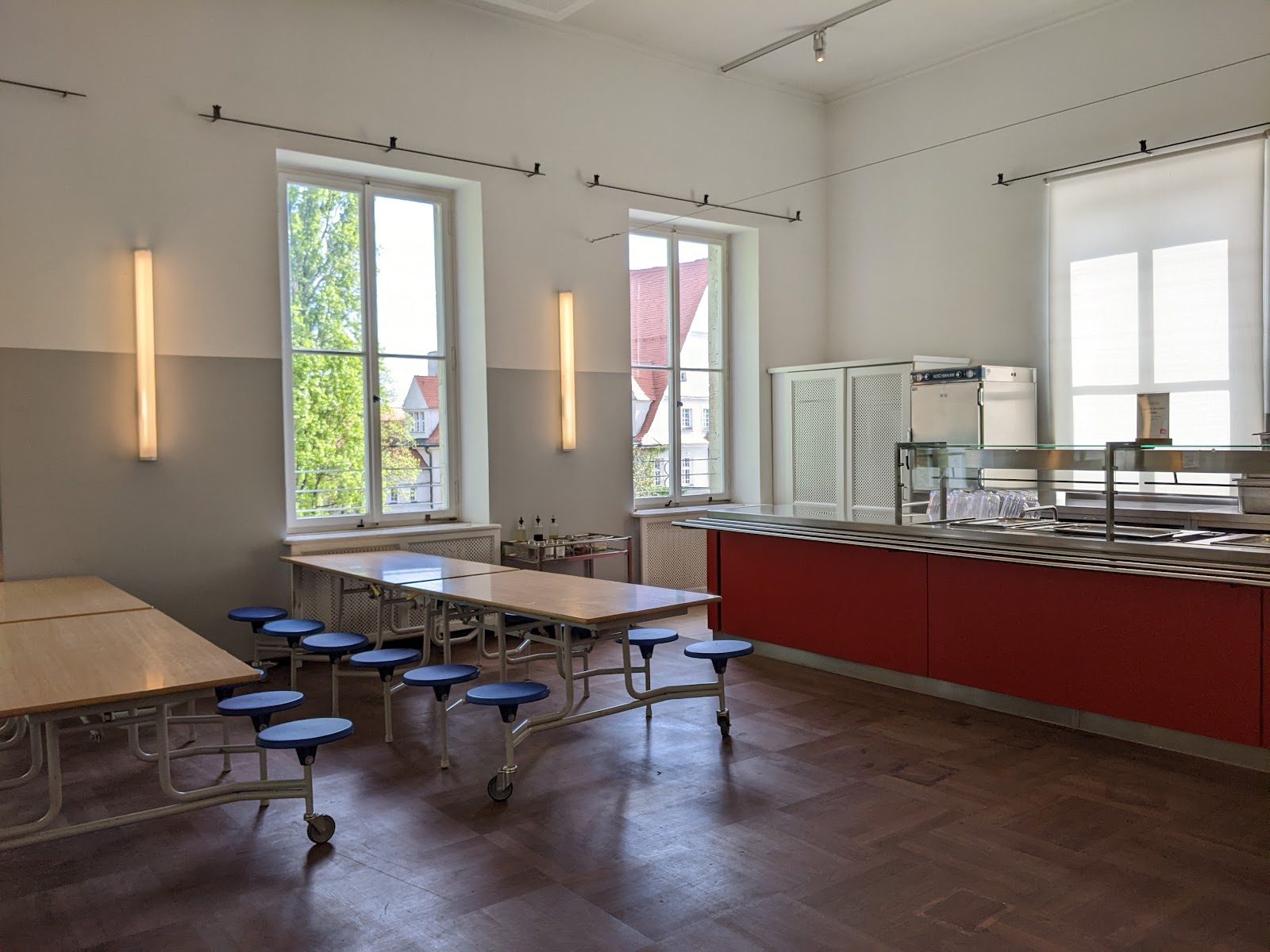
Phorms Campus München
Munich · Germany
In leafy Bogenhausen, the Bavarian Abitur runs alongside the IB Diploma, every class co-taught by native German and English staff.
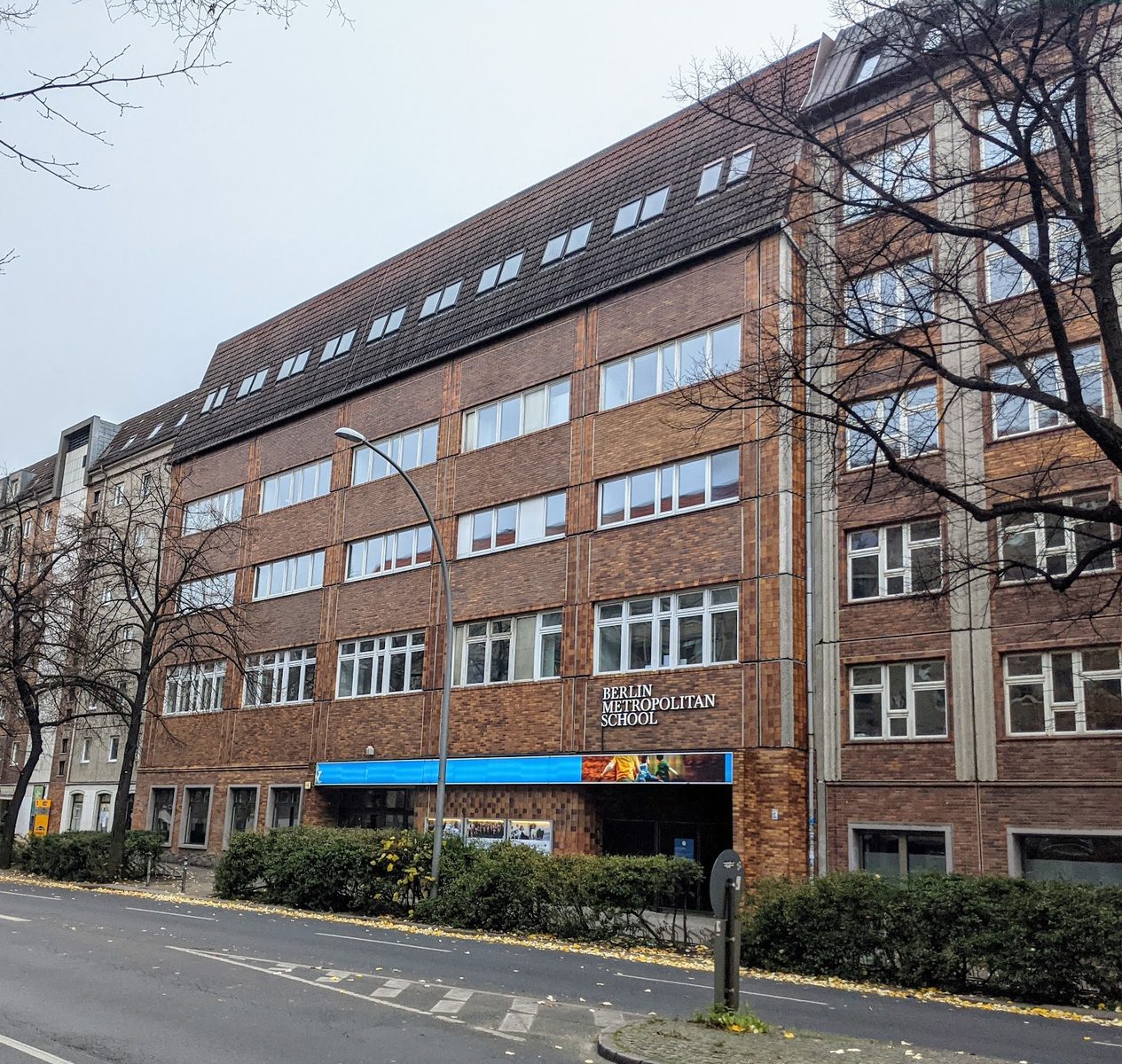
Berlin Metropolitan School
Berlin · Germany
In Mitte, former GDR prefab blocks now house Berlin's oldest international IB campus, blending Cold War bones with global curriculum.
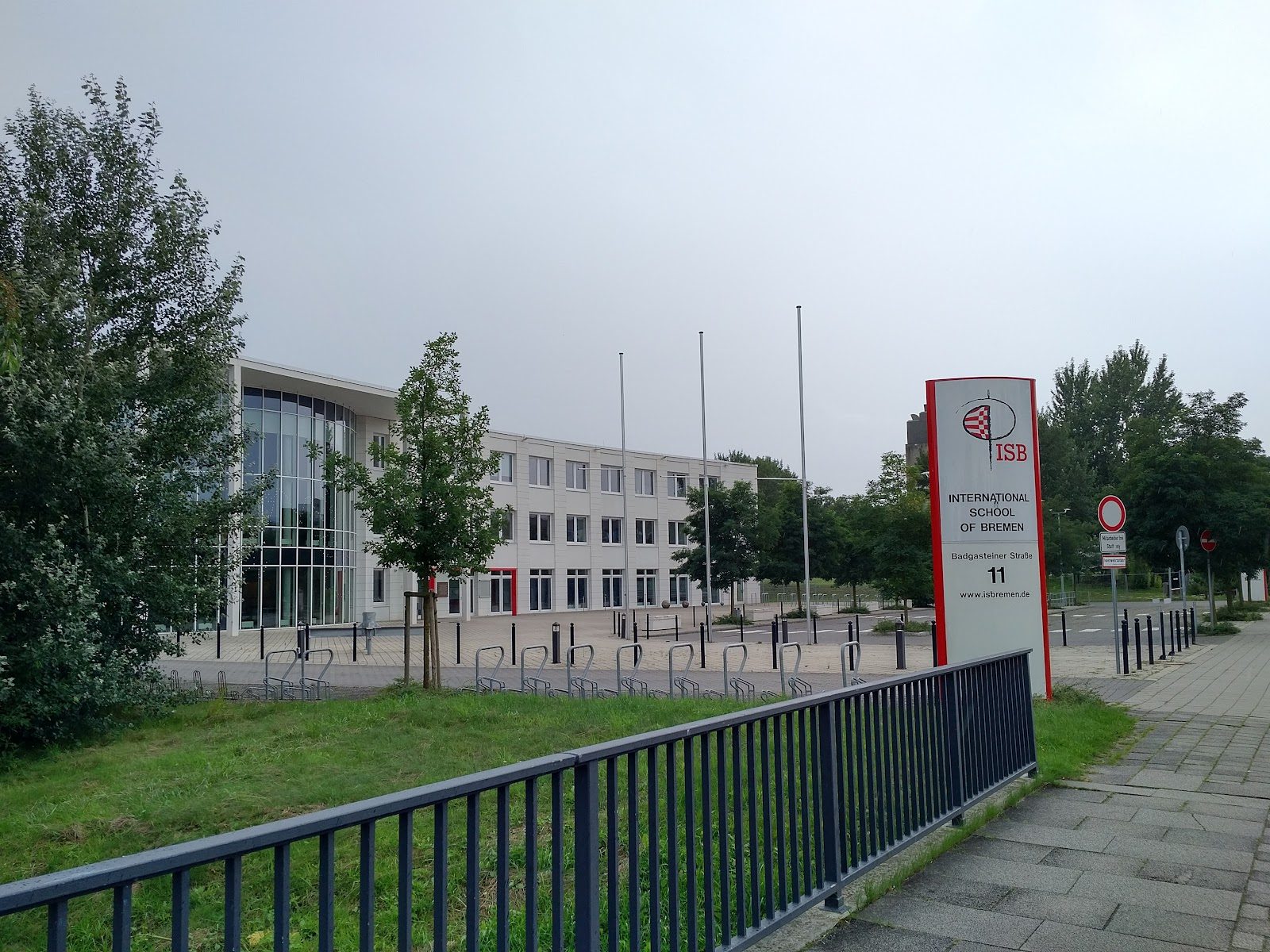
International School of Bremen
Bremen · Germany
On Bremen University's campus, Germany's only MINT-EC STEM-network school pairs IB rigor with hands-on science and engineering.
Berlin International School
Berlin · Germany
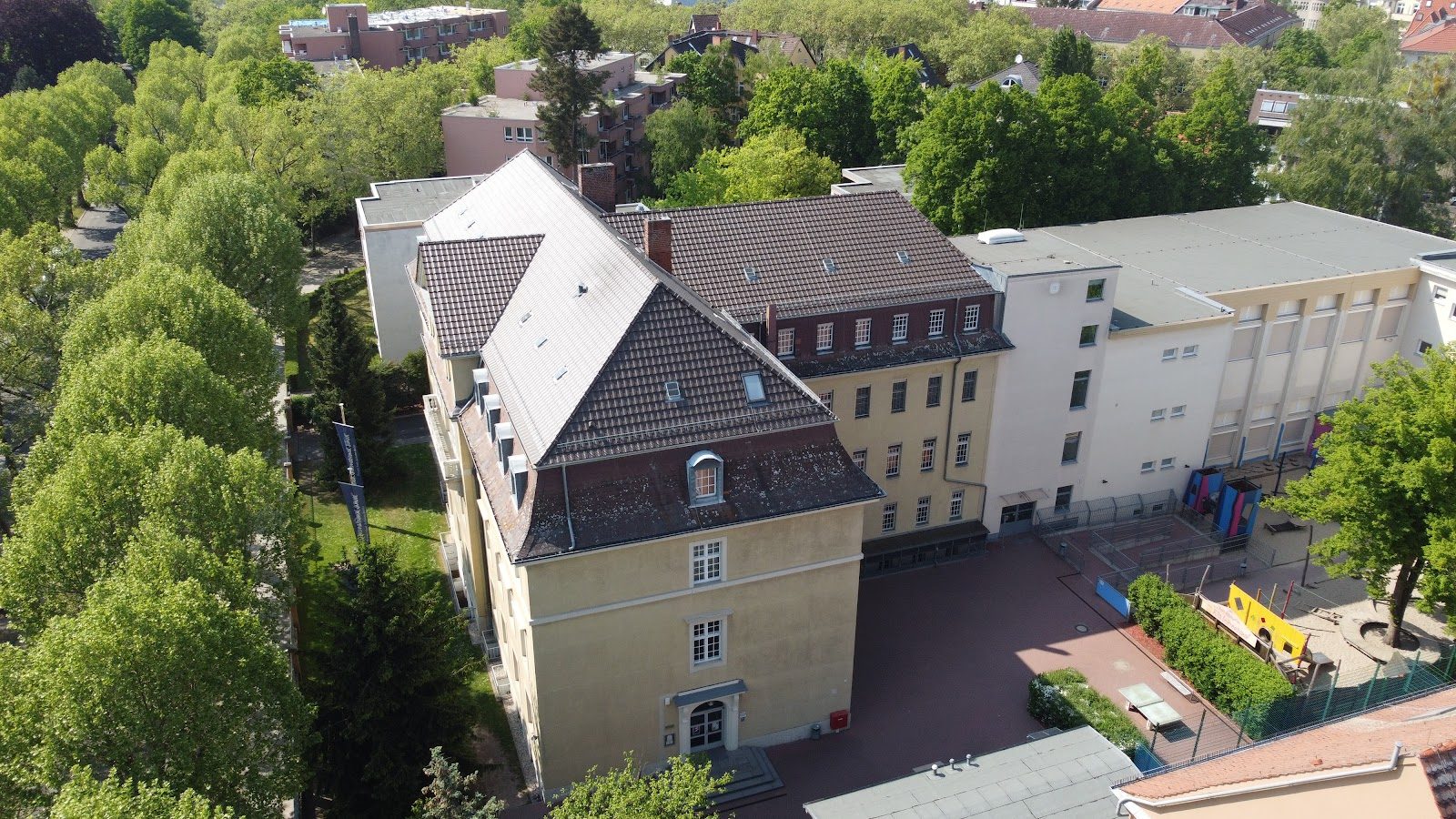
Born from the Bonn-to-Berlin embassy move, blending IB inquiry with Germany's own Rahmenlehrplan in the heart of the capital.
Same country and curriculum — closest matches within ±10 points either way