
East Java
SMA Katolik St. Louis 1 Surabaya
Founded in 1862 in a heritage building beside Surabaya's Catholic cathedral, ranked Indonesia's top private school by national UTBK scores
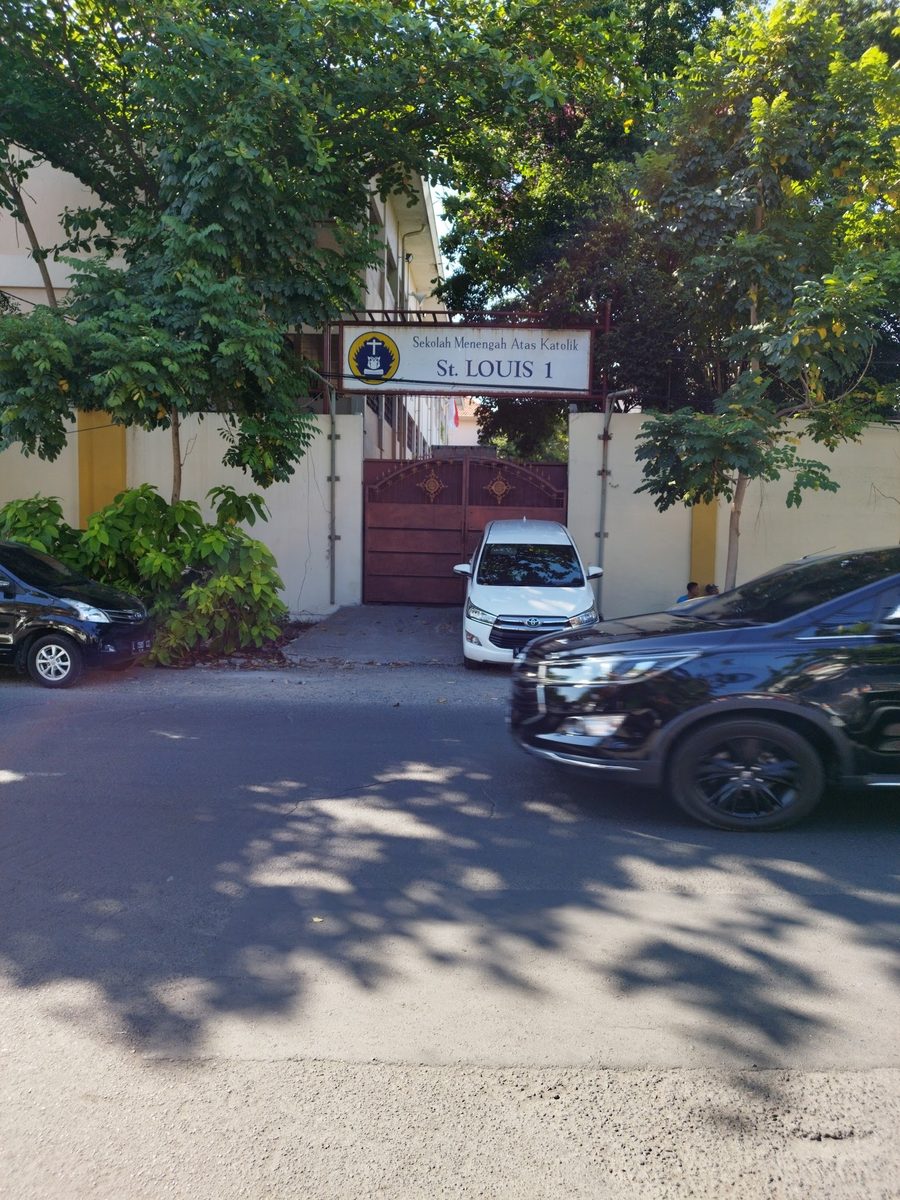
Photo © Roy Syahputra via Google Maps
Type
Day
Ages
15–18
Curriculum
Indonesian
Qualifications
Indonesian national curriculum
Ratio
—
The Verdict
Editor's commitment
Right for
Families wanting a Catholic day school in Surabaya with roots in 1862 and instruction in Indonesian plus English.
Wrong for
Parents seeking boarding, a non-religious setting, or an international curriculum beyond the Indonesian programme for ages 15–18.
Watch out for
The headline claim is UTBK prestige; the school does not publish broader academic outcomes or overseas university destinations here.
Ranking breakdown
SMA Katolik St. Louis 1 Surabaya · #1176 of 1591
Composite score 59.2. 8 weighted criteria.
By criterion
Academic Outcomes
Weight 20%
#856
of 1529 scored
University Placement
Weight 16%
#1089
of 1529 scored
Prestige & Heritage
Weight 12%
#984
of 1571 scored
Alumni Network
Weight 12%
#1267
of 1530 scored
Facilities
Weight 12%
#1303
of 1533 scored
Transparency & Communications
Weight 8%
#1329
of 1532 scored
Peer & Industry Review
Weight 10%
#1373
of 1548 scored
Admissions Selectivity & Demand
Weight 8%
#400
of 1529 scored
Peer & Industry Review
How SMA Katolik St. Louis 1 Surabaya is regarded in the sector
60
Respected · medium confidence
SMAK St. Louis 1 Surabaya is consistently cited in East Java media (Jawa Pos, Surya, Kompas regional editions) as one of the province's top-performing Catholic schools, regularly appearing among Surabaya's highest scorers on the national exam (UN) and now the Asesmen Nasional, a benchmark local rival schools such as Petra and Santa Maria are measured against. Its strong olympiad record in mathematics and science (national and provincial MIPA competitions) is frequently referenced by other Yayasan Vincentius and Catholic-network schools as a standard for STEM rigor. University admissions counsellors in Surabaya routinely note its graduates' strong placement into ITB, UI, UGM and Airlangga's competitive faculties, and a smaller but growing cohort proceeding to Singapore and Australian universities. It lacks coverage in international outlets like WhichSchoolAdvisor or the Good Schools Guide, reflecting its status as a nationally rather than internationally benchmarked institution; its reputation rests almost entirely on domestic academic league tables and word-of-mouth among Indonesian Catholic education networks rather than international peer commentary.
Editors' overview
SMA Katolik St. Louis 1 Surabaya occupies a rare position in Indonesian schooling: a Catholic day school founded in 1862, housed in a heritage setting beside Surabaya’s cathedral, with a public academic reputation that carries real weight. The headline claim is concrete, not decorative: it was ranked Indonesia’s top private school by national UTBK scores. That places it in the small group of schools that matter to families who judge value by hard academic outcomes rather than campus theatre. The combination of age, institutional discipline and sustained examination strength gives the school a serious intellectual centre of gravity and a sense of earned prestige that newer premium schools cannot manufacture.
What sets it apart is not curricular novelty. It follows the Indonesian curriculum, with instruction in Indonesian and English, and that matters. This is not an international-school imitation aimed at expatriate mobility; it is a high-performing national school for families who want elite local academic preparation inside a Catholic framework. For the right child, that is a strength, not a limitation. Parents considering St. Louis 1 are buying into high expectations, clear structure and a school culture shaped by competition, routine and institutional memory. The heritage building and long history add character, but the real draw is academic seriousness and the status that flows from it.
It belongs on a shortlist for families who want a day school with proven national standing, strong cultural rootedness and no confusion about purpose. This is a school for students aged 15–18 who are comfortable in a demanding environment and who gain energy from being surrounded by able peers. It will suit the disciplined, ambitious student who wants measurable achievement, values order, and does not need progressive educational fashion to stay engaged. It will not suit families looking for a loose, personalised, pastoral-first model. St. Louis 1 offers pressure with purpose, institutional confidence and a hard-edged academic reputation — exactly the mix that many high-achieving Indonesian families want.
Academic Performance
The school’s academic standing rests on a hard national metric, not internal publicity. Its UTBK performance placed it first among Indonesia’s private schools, a result that puts it in the top tier of academically selective national schools and gives parents a clear benchmark against peers. In a market crowded with schools selling aspiration, this is genuine exam credibility. It also signals something important about the student body and teaching culture: strong intake, high expectations, disciplined preparation and a school day organised around measurable outcomes rather than enrichment theatre. For families who care about external validation, top private school nationally is a serious claim and a high bar.
That strength does not tell the whole story, because the school does not publish the wider result set that would sharpen the picture further. We have not seen aggregate graduation outcomes, subject-by-subject public examination data, university destination lists, or longitudinal attainment measures in the public domain. That limits comparison with schools that disclose more. Even so, the national ranking carries enough weight to place St. Louis 1 among the country’s academic heavyweights. The message is straightforward: this is a school with proven competitive strength in Indonesia’s testing culture, but with less public transparency on the full spread of outcomes than the best data-led schools provide.
Facilities
Facilities are not the school’s main selling point, and that matters in context. There is no public case here for a lavish campus loaded with specialist spaces, elite sports infrastructure or the architectural spectacle that newer premium schools use to justify high fees. What stands out instead is the setting: a heritage campus beside the cathedral, which gives the school distinct institutional character and a sense of place that purpose-built suburban competitors cannot copy. For some families, that brings real gravitas. For others, it raises a practical question: how far older buildings support the full demands of contemporary senior secondary teaching. The school does not publish a detailed facilities inventory that answers that question cleanly.
Against peer schools at the top of Indonesia’s private market, that opacity is a weakness. Schools competing for academically ambitious families now spell out their laboratories, libraries, arts spaces, sports provision and technology resources in exact terms. St. Louis 1 does not. That does not mean the campus is weak; it means parents must work harder to verify what is there. The balance of probability is not the point — published detail is. In editorial terms, this reads as a school where academic culture outranks campus theatre, and where facilities support the mission rather than define it. Families seeking flashy breadth or resort-style amenities will find stronger propositions elsewhere. Families content with a functional, tradition-steeped environment tied to a serious school culture will be less troubled by the lack of public detail.
The headline claim is concrete, not decorative: it was ranked Indonesia’s top private school by national UTBK scores
Prestige
A St. Louis 1 education carries real domestic prestige because the school has currency where Indonesian families actually count status: selective academic culture, public exam performance and long-standing institutional recognition. This is not the softer prestige of glossy facilities or imported branding. It is the harder kind earned through competition and repeatable results. The school’s position at the top of the private-school UTBK table gives it serious national standing beyond its own community, and that matters more than marketing language. Among universities, employers and ambitious local families, a school associated with disciplined high achievement holds genuine social capital. In practical terms, the name signals that a student has been educated in a demanding environment with strong peers and little tolerance for drift.
The Catholic identity and historic stature deepen that reputation rather than create it. For many families, the attraction lies in the combination of institutional weight, moral structure and academic pressure inside one established school. That mix gives St. Louis 1 a prestige profile closer to an old, exam-led metropolitan school than to a fashionable premium upstart. The ceiling is clear, though. Its prestige is strongest in Indonesia and among families who value national academic distinction; it does not carry the same automatic international cachet as globally networked schools selling overseas progression as their core product. Even so, within its lane, this is top-bracket prestige backed by a memorable public benchmark: top private school nationally.
For families who care about external validation, top private school nationally is a serious claim and a high bar
Communications
Parent communication reads as functional rather than expansive. The school runs a public-facing website with standard institutional sections, but it does not publish the kind of parent-information architecture that strong communicators now treat as basic: clear calendars, leadership messages, detailed academic reporting frameworks, complaint routes, safeguarding detail, or a visible archive of school news substantial enough to show how the school speaks to families week by week. That matters because schools with a high-pressure academic culture need disciplined, predictable communication to match. Parents do not need glossy storytelling; they need timetables, expectations, escalation paths and timely reporting. St. Louis 1 gives an impression of institutional reserve more than parent-facing transparency.
Effectiveness, then, looks mixed. Families already inside the school community may find the system works through established routines and direct channels, especially in a school with strong structure and long institutional habits. New families, by contrast, get less help from the public side than they should. The school does not publish enough detail to show how frequently parents receive academic updates, who handles pastoral concerns, how digital platforms are used, or how rapidly enquiries are answered. For an established, high-status school, that is a conspicuous gap. Communication here does not read as chaotic; it reads as inward-facing and under-explained. Parents who value clarity before enrolment will want hard answers in person before committing.
Uniqueness
What makes St. Louis 1 distinctive is the combination of old-city Catholic gravitas and hard competitive purpose. Many schools have heritage; many schools chase academic distinction. Few fuse the two so tightly that the setting, religious identity and performance culture all pull in the same direction. This is not a school built around lifestyle branding, imported educational fashion or broad-spectrum internationalism. It has a narrower, sharper identity: a national academic school with a Catholic spine and a reputation strong enough to place it at 1st among private schools in the UTBK table. That creates a student experience defined by clarity of mission. Pupils know what the school values, adults know what standards they are enforcing, and families are not buying into ambiguity.
For students, that brings advantages that go beyond test preparation. A school with this profile gives able teenagers a high-pressure peer group, strong behavioural boundaries and a daily culture where effort carries status. The cathedral-side heritage environment also gives the place more than decorative character; it reinforces continuity, ritual and institutional memory in a way newer schools cannot replicate. For the right student, that mix builds confidence, stamina and seriousness. It teaches them to work inside structure, compete without apology and measure themselves against demanding peers. The trade-off is plain: students who need constant flexibility, soft pastoral cushioning or a broad experimental model will find the culture tight-framed and unforgiving. For disciplined high achievers, that is exactly the point.
Against peer schools at the top of Indonesia’s private market, that opacity is a weakness
Student Profile
The students who thrive here are the ones who do not need coaxing. They can handle routine, accept authority and treat competition as normal rather than traumatic. This school suits teenagers who are driven, thick-skinned and comfortable being measured against strong classmates in public ways. They do not need endless choice, therapeutic framing or a school that reorganises itself around individual preference. They need structure, pace and adults who enforce standards. For able students with a serious work ethic, that environment can be sharply formative. For bright but erratic pupils, or those who shut down under pressure, it will feel hard-edged fast.
Socially, the fit is just as specific. A Catholic setting with long institutional habits will work best for families who respect order, ritual and a clear moral frame, even if faith is not the sole reason for choosing the school. Students who like clear rules, cohort identity and the status of belonging to a high-performing institution will settle more easily than those who want a loose, expressive or highly personalised sixth-form experience. The school’s public academic standing — 1st among private schools in the national table already cited — tells parents a great deal about the peer group: ambitious, exam-conscious and used to pressure. In plain terms, this is a school for the self-propelled and the serious-minded. It is not for the fragile or the complacent.
Even so, within its lane, this is top-bracket prestige backed by a memorable public benchmark: top private school nationally
Co-curricular strengths
Arts & sport, on a separate axis
Overall 6.8/10
Scored 0-10 from the school's own published evidence. This axis is editorial-only — it does not feed the main WTS ranking.
Sports
7/10
Drama
6.5/10
Dance
5.5/10
Music
7.5/10
Visual Arts
7.5/10
Strengths
- +Ranked 2nd nationally among all Indonesian high schools on the 2022 LTMPT UTBK university-entrance results, and 1st in East Java province.
- +One of the oldest schools in Indonesia, tracing its roots to a Catholic elementary school founded in 1862.
- +Holds an 'A' accreditation rating and reports a 22:1 student-to-teacher ratio across roughly 1,336-1,351 students.
- +Established alumni network that includes nationally recognised figures such as former Transportation and Energy Minister Ignasius Jonan.
- +Long-standing Catholic Lazarist (Congregatio Missionis) administration provides institutional continuity and a defined pastoral/academic mission.
Considerations
- −Follows the Indonesian national curriculum only, with no IB, Cambridge, or other international pathway on offer.
- −Instruction is conducted in Indonesian, which may be a barrier for expat children without prior Bahasa Indonesia proficiency.
- −Its strong reputation for UTBK results implies a competitive, examination-driven admissions and academic culture that may not suit all learners.
- −As a Catholic institution with embedded faith formation in its mission, families seeking a secular or multi-faith environment should weigh this carefully.
Availability
Primary entry gate & tests
Academic Record + Internal Test
Gallery
Photo © Felix Setiawan Santoso via Google Maps
Photo © Felix Setiawan Santoso via Google Maps
Photo © Felix Setiawan Santoso via Google Maps
Photo © Felix Setiawan Santoso via Google Maps
Photo © Herry Gunawan Santoso via Google Maps
Photo © Novellie Asalim via Google Maps
Photo © Herry Gunawan Santoso via Google Maps
Parent reviews
Have you sent your child here?
Voice reviews carry the strongest trust badge — we transcribe them for you to tidy up before they go live. Prefer to type? A written review is fine too.
Add your voice
In 60 seconds, tell other parents: what's the best thing about SMA Katolik St. Louis 1 Surabaya, and what surprised you when your child joined?
We ask for a Google sign-in so every review has a real face behind it — no anonymous drive-by attacks on schools, and no faked positive reviews. Your email is never shown publicly.
Send this profile to a friend
International parents rely on word-of-mouth. Share this review with someone weighing the same decision.
Schools with places
Similar schools to SMA Katolik St. Louis 1 Surabaya with places available now.
Green School Bali
Abiansemal · Indonesia
- 2026-27
- WAITPOOLSpace-dependent
- 2027-28
- PLACES OPENRolling
Jakarta Intercultural School
Jakarta · Indonesia
- 2026-27
- WAITPOOLSpace-dependent
- 2027-28
- PLACES OPENRolling
Availability first, then country, area, curriculum, price, co-curricular
Consider also
Also worth looking at alongside SMA Katolik St. Louis 1 Surabaya.
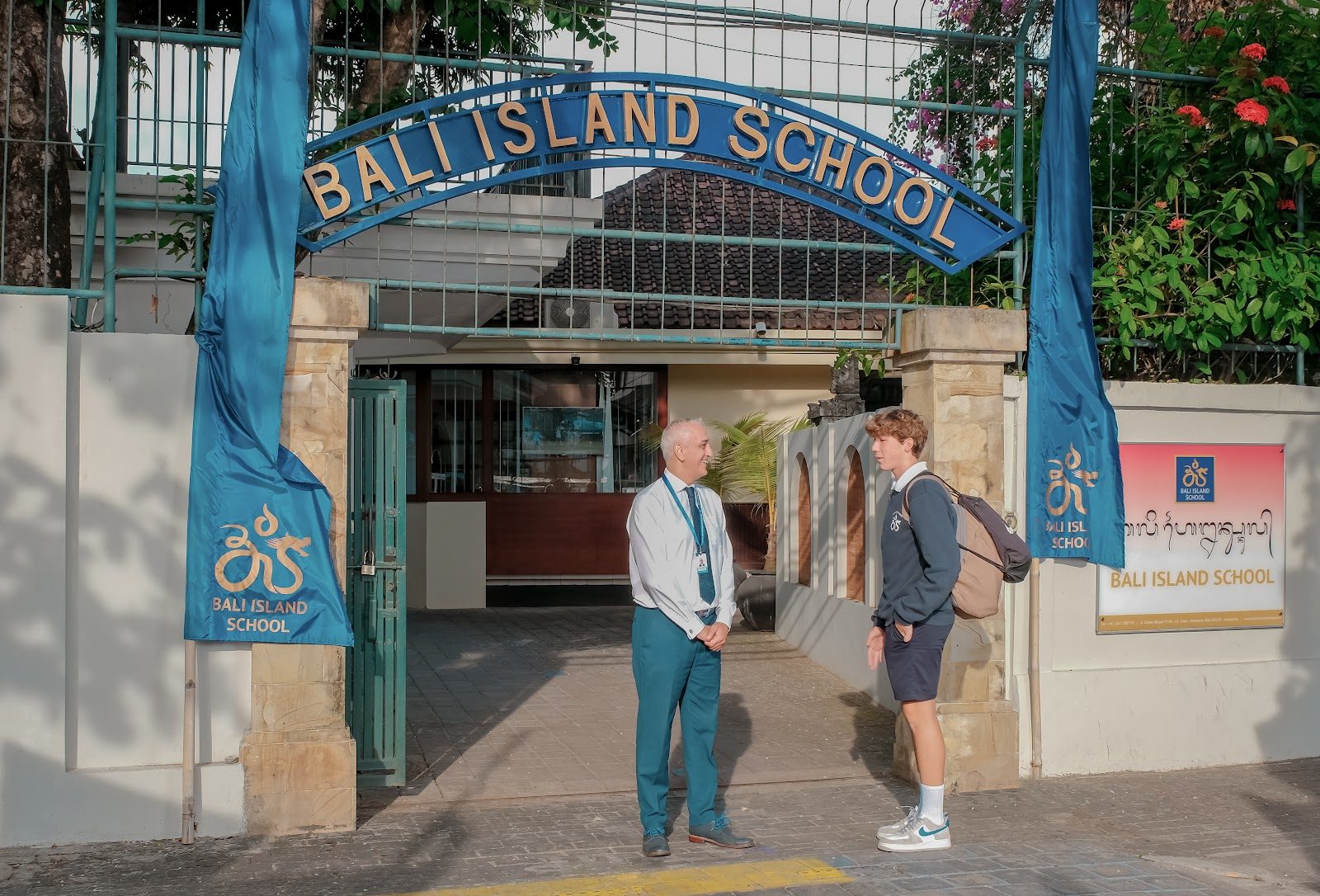
Bali Island School
Denpasar · Indonesia
Amid Sanur's temple lanes, this Denpasar campus has run the island's only full IB continuum since 1985.
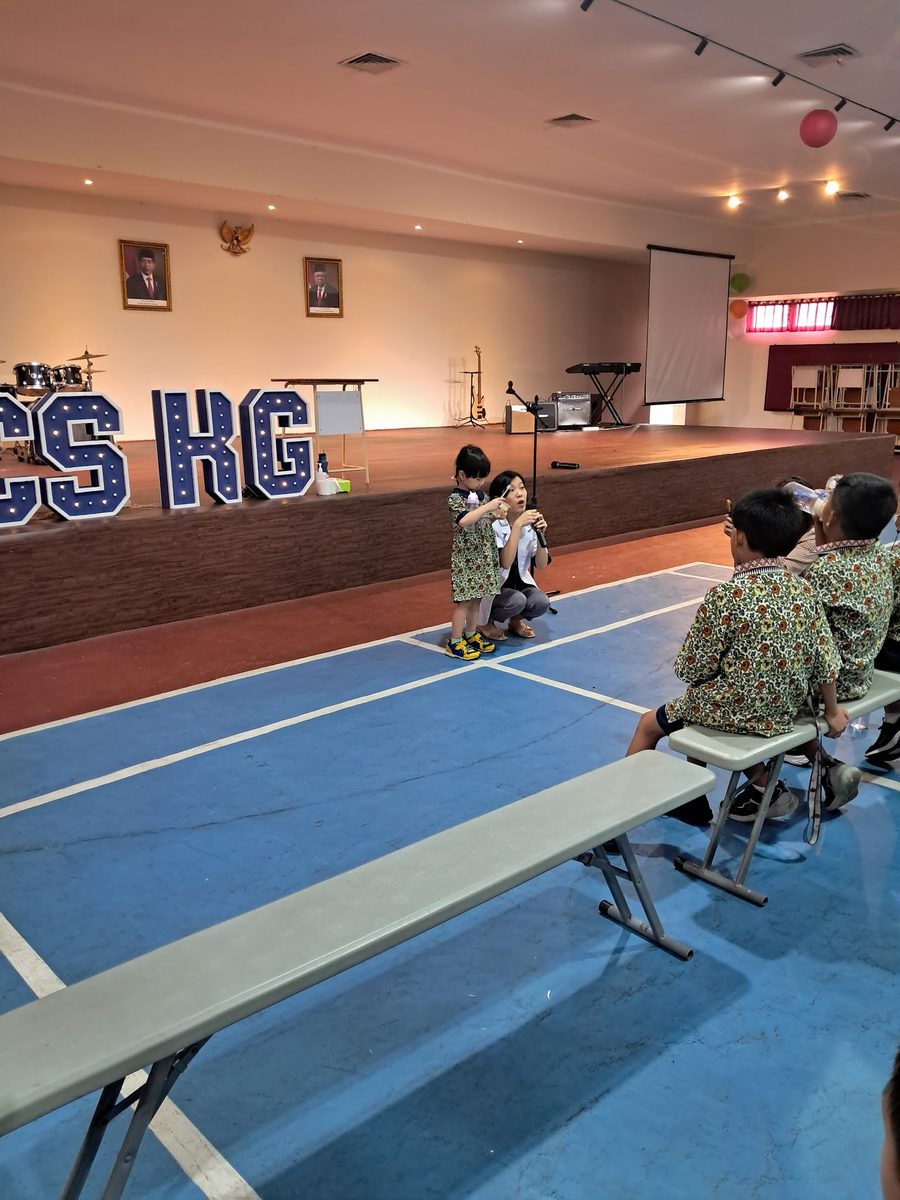
Raffles Christian School Kelapa Gading
Jakarta · Indonesia
A Kelapa Gading day school blending Singapore rigor with Cambridge assessment, its IGCSE and A Level scholars earning Top in the World distinctions.
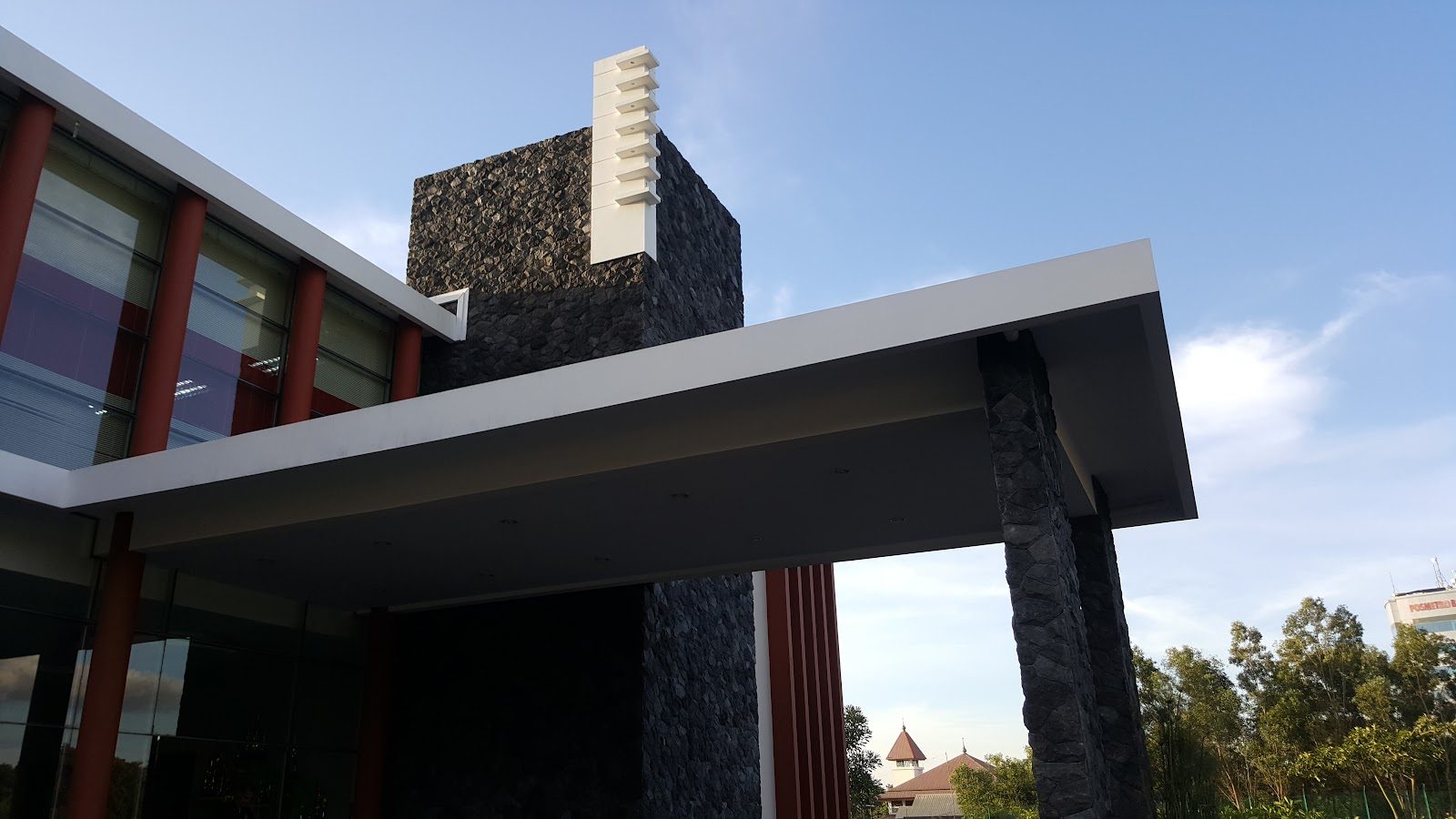
Sekolah Global Indo-Asia
Batam · Indonesia
On Batam's free-trade island facing Singapore, a campus blending the IB Diploma with Cambridge IGCSE and A Levels since 1998.
Australian Independent School Jakarta
Jakarta · Indonesia
Founded in 1996 after one family found no inclusive classroom in Jakarta, it now pairs Australian Curriculum with IB Diploma pathways.
Same country and curriculum — closest matches within ±10 points either way