
Vienna
American International School Vienna
medium confidence· 4/6 cats · 3.29 avg sourcesAustria's longest-running English-language school pairs an embassy-founded campus by the Vienna Woods with a CERN-linked physics program.

Photo © American International School Vienna via Google Maps
Type
Day
Ages
3–18
Curriculum
American
Qualifications
AP · IB Diploma
Ratio
—
The Verdict
Editor's commitment
Right for
Families wanting English-medium, non-religious day schooling from age 3 to 18, with Middle States and CIS accreditation in Vienna.
Wrong for
Parents chasing a published university-placement machine: recent destinations list FH Campus Wien, Lauder Business School and MODUL University Vienna, one each.
Watch out for
Founded in 1959 and recognised by Austria’s Ministry of Education, AIS Vienna has pedigree; published outcomes still lack depth and range.
Ranking breakdown
American International School Vienna · #431 of 1591
Composite score 69.9. 8 weighted criteria.
By criterion
Academic Outcomes
Weight 20%
#511
of 1529 scored
University Placement
Weight 16%
#516
of 1529 scored
Prestige & Heritage
Weight 12%
#601
of 1571 scored
Alumni Network
Weight 12%
#389
of 1530 scored
Facilities
Weight 12%
#476
of 1534 scored
Transparency & Communications
Weight 8%
#592
of 1532 scored
Peer & Industry Review
Weight 10%
#645
of 1548 scored
Admissions Selectivity & Demand
Weight 8%
#400
of 1529 scored
Score history
American International School Vienna · 2026
Movement across 2024–2026. Peer average overlaid.
Overall — 2024–2026
69.9/ 100
▲ +38.3 vs 2025
year on year
Peer & Industry Review
How American International School Vienna is regarded in the sector
60
Respected · low confidence
AISV is consistently mentioned in expat parent forums (e.g., InterNations, ExpatArrivals Vienna school guides) as one of the leading international schools in Vienna alongside Vienna International School and Danube International School, and it holds CIS and Middle States accreditation, which is referenced in specialist directories. However, it lacks the broader specialist press coverage (Tatler, Good Schools Guide detailed reviews, Sunday Times) that would place it in the top tier, and independent alumni network coverage is sparse.
Evidence sources
Editors' overview
American International School Vienna occupies a clear niche: a long-established, English-language day school in a city where many international options lean bilingual, national or church-linked. Founded in 1959, non-profit and non-religious, it offers an American curriculum from ages 3 to 18 on terms that matter to mobile families: continuity, English-medium teaching and recognised accreditation through the Middle States Association and the Council of International Schools. The Vienna setting adds its own pull, but the school’s sharper distinction lies in longevity. In a market full of newer entrants and hybrid models, AIS Vienna carries the weight of institutional memory. That gives it stability parents value and a settled international culture.
What puts it on a shortlist is not novelty but fit. This is a day school for internationally minded families who want an American educational framework without boarding, religious framing or a local-language barrier at the point of instruction. The editorial tagline’s reference to an embassy-founded campus by the Vienna Woods and a CERN-linked physics programme points to the school’s strongest identity markers: diplomatic roots, an outward-facing student body and a science offer with real intellectual ambition. That combination gives AIS Vienna a serious academic spine without turning it into a pressure-cooker. For families relocating into Austria, that matters. So does the fact that it serves the full 3–18 age range, which reduces the churn of changing schools mid-journey.
The school will suit students who thrive in international classrooms, speak or want to study in English, and want a broad school experience rather than a narrowly selective local track. It fits children of diplomatic, corporate and academic families especially well, along with students who need a portable education that travels cleanly between countries. It also suits the child who wants a campus with a strong sense of continuity and less ideological baggage than confessional schools. Families seeking a deeply Austrian educational experience, a bilingual German-English model, or a boarding environment should look elsewhere. AIS Vienna’s appeal is more exact than that: it offers an established American-style education in Vienna, backed by recognised accreditation and a long record in the city since 1959.
Academic Performance
AIS Vienna does not publish the hard data that let parents judge academic performance cleanly. We have not seen aggregate AP scores, SAT or ACT profiles, mean subject grades, score distributions, or university matriculation patterns beyond a thin recent destinations list. That leaves a frustratingly opaque picture of outcomes. For a school with a long-established place in the market, that is a weakness. Many direct international competitors now put at least some external benchmark data into the public domain; AIS Vienna does not. Parents who care about academic stretch, top-end attainment, or consistency across cohorts need to ask for exam-by-exam results and destination depth, not just headline reassurance.
What the school does have is a few credible signals of academic seriousness. The editorial context points to a CERN-linked physics programme, which gives the science offer more than brochure-level gloss. Its non-profit status and official recognition in Austria add institutional ballast, and the Wikidata alumni floor of 11 notable former students, including 1 star-tier award laureate, points to a real alumni footprint rather than none at all. Still, those are indirect markers, not performance data. Relative to peers, AIS Vienna sits in the trust us, ask privately camp on results transparency. That does not make it weak academically; it makes it hard to verify in public.
Facilities
AIS Vienna’s facilities story starts with setting and programme fit rather than architectural spectacle. The campus by the Vienna Woods gives it an immediate advantage over inner-city schools squeezed into converted blocks: more breathing room, a calmer daily rhythm and better scope for outdoor use. That matters for younger children and for families who value a school day that does not feel hemmed in by traffic and density. The standout specialist asset is the CERN-linked physics programme flagged in the editorial context. Very few schools in this market can point to a science offer with that kind of external intellectual connection; that is a serious differentiator for students with real STEM appetite. Beyond that, the public picture is thin. The school does not publish the sort of detailed facilities inventory that lets parents assess labs, arts spaces, sports provision or maker facilities with confidence. That lack of clarity is a weakness.
Against peer schools, this places AIS Vienna in an awkward middle ground. It has the substantive advantage of a campus setting and an intellectually credible science marker, but it does not make a strong public case on breadth or quality of plant. Rival international schools now tend to document theatres, pools, design labs, libraries and sports halls in exact terms, often with floor-by-floor clarity. AIS Vienna asks parents to infer more than they should. That does not mean the facilities are poor; it means the school is under-evidenced where competitors are explicit. For a school serving ages 3–18, parents deserve a clearer account of what children actually use day to day.
The result is a school with earned reputation in its own market, but not the rarefied cachet of the best-known academic flagships in London, Geneva or Singapore
Prestige
AIS Vienna carries solid local prestige and credible international standing, not elite mystique. In Vienna, its advantage is age, continuity and recognisability among diplomatic and expatriate families. A school that has served that constituency for decades builds reputation through persistence as much as glamour, and AIS Vienna has that inheritance. Its non-profit status helps too: parents read that as institutional seriousness rather than investor packaging. Official recognition by the Austrian Ministry of Education strengthens the point. So does a verified alumni floor of 11 notable former students, including 1 star-tier award laureate. That is not a global power-school alumni machine, but it is enough to show that the school has produced graduates with real public distinction.
The ceiling on prestige comes from visibility and proof. AIS Vienna does not publish the kind of outcomes data that elevate a school from respected to indisputably high-status. Nor does the recent destinations list point to a dominant pipeline into the most internationally prestigious universities. The result is a school with earned reputation in its own market, but not the rarefied cachet of the best-known academic flagships in London, Geneva or Singapore. Parents buy AIS Vienna for stability, international familiarity and a dependable peer group, not for social theatre or brute-brand advantage. That still counts for a great deal. It just places the school in the respected tier rather than the top-stratum prestige bracket.
It just places the school in the respected tier rather than the top-stratum prestige bracket
Communications
AIS Vienna’s parent communications carry the same pattern as the rest of its public face: functional in the basics, thin where scrutiny matters. Parents can confirm core institutional facts without trouble — non-profit status, official recognition in Austria, age range, and the school’s broad identity are clear enough. What is missing is the richer layer that strong schools now treat as standard: detailed academic reporting, a fuller account of day-to-day provision, and the sort of public documentation that lets families understand how the school works before they enquire. For a school with this level of market maturity, that is behind the curve. Good communication is not glossy prose; it is precise disclosure. AIS Vienna does not disclose enough.
That matters because parent communication is not just about newsletters and event photos. It is about whether a school answers the hard questions before a family has to ask them. Here, AIS Vienna leaves too much to private conversation. We have not seen a robust public results picture, nor a granular facilities account, nor destination reporting with enough depth to test claims of academic strength. That creates a trust gap with analytically minded parents, especially those relocating on tight timelines and comparing several schools at once. Families already inclined toward the school may accept that. Hard-nosed researchers will not. The communication style is competent but guarded: clear on identity, opaque on proof, and weaker than it needs to be for a school serving children from age 3 to 18.
Uniqueness
What distinguishes AIS Vienna is not novelty but a rare combination of diplomatic lineage, non-profit governance and a school culture built for internationally mobile families without the social frostiness that can attach to older expatriate institutions. In a crowded international-schools market, that mix is genuinely hard to replicate. The embassy-rooted origin still matters because it shapes the constituency the school knows how to serve: children arriving mid-posting, leaving on compressed timelines, and needing classmates and teachers who understand transience without treating every stay as temporary. For students, that brings a settled but worldly environment — one with institutional memory, but not a parochial local mould.
The other point of difference is the school’s intellectual profile at the edges. The CERN-linked physics offer gives AIS Vienna a sharper academic identity than many broadly competent international schools that promise everything and define little. Add the verified floor of 11 notable alumni, including 1 star-tier award laureate, and the school clears the bar of having produced graduates with public distinction. That does not turn it into an elite factory. It does give students something more valuable than branding: a school with real international texture, a serious science marker, and a peer group shaped by diplomatic, academic and globally mobile families rather than one national pipeline. For the right child, that means adaptability, cultural fluency and a stronger sense that school connects to the wider world.
In a crowded international-schools market, that mix is genuinely hard to replicate
Student Profile
The social fit is clear. AIS Vienna suits children from internationally mobile families who need peers already accustomed to arrivals, departures and mixed cultural reference points. Diplomatic households sit naturally here; so do families in multinational business, academia and international organisations. The atmosphere is cosmopolitan without being showy. Students who settle best are those comfortable building friendships across passports, accents and prior school systems, rather than children who want one dominant national culture or a tightly local identity. For newcomers to Austria, that lowers friction. For adolescents, it can also mean a peer group with more breadth than rootedness.
In temperament, this school fits the child who wants a broad school life and can work independently without needing a hyper-competitive hothouse to stay motivated. The CERN-linked physics strand gives intellectually serious STEM students a real point of traction, and the full-through age span from 3 to 18 supports families who value continuity over repeated admissions churn. It is less well suited to families seeking a deeply Austrian social world, a confessional environment, or a school built around visible status display. The recent destinations list, thin as it is, points to a cohort with mixed ambitions rather than one marching in lockstep toward a narrow set of elite universities. That will suit grounded, adaptable students. It will frustrate families chasing a hard-edged academic tribe.
American International School Vienna occupies a clear niche: a long-established, English-language day school in a city where many international options lean bilingual, national or church-linked
Co-curricular strengths
Arts & sport, on a separate axis
Overall 7.86/10
Scored 0-10 from the school's own published evidence. This axis is editorial-only — it does not feed the main WTS ranking.
Sports
8.5/10
The extracurriculars explicitly list Basketball and Volleyball, showing active sports provision with named team sports but no further evidence of facilities, staffing, or competitive results.
Drama
8/10
Drama Productions in the extracurriculars, which goes beyond a bare listing of drama by indicating staged productions, but provides no dedicated theatre, department, or specialist staff.
Dance
6.5/10
Music
8.3/10
Choir Ensemble and Jazz Band, and the verified alumnus Bryan Adams, a Grammy-winning musician, independently anchors music at at least 7.
Visual Arts
8/10
Editor first-pass · editor-reviewable · 7/28/2026
Outcomes & destinations
Where students go next
Top destinations
285 placements
- FH Campus Wien· 1
- Lauder Business School (LBS)· 1
- MODUL University Vienna· 1
- Sigmund Freud University· 1
- Technical University TU Vienna· 1
- University of Applied Arts Vienna· 1
- Vienna University· 1
- Webster Vienna Private University· 2
- Wiener Neustadt· 1
- Wirtschaftsuniversität WU Vienna - University of Economics and Business· 2
- Brussels School of Governance (Vesalius College)· 1
- Carleton University· 1
- Concordia University· 1
- Dalhousie University· 1
- McGill University· 1
- Queen’s University· 1
- Royal Military College of Canada· 1
- Simon Fraser University· 1
- St. Francis Xavier University· 1
- The University of British Columbia, Vancouver· 4
- Université de Sherbrooke· 1
- University of Alberta· 1
- University of Calgary· 1
- University of Ottawa· 1
- University of Toronto· 3
- University of Victoria· 1
- University of Waterloo· 1
- Western University· 1
- York University· 1
- New York University· 1
- European University Cyprus· 1
- University of Nicosia· 1
- EDHEC Business School· 1
- ESCP Business School, Paris· 2
- ESSEC Business School, Cergy-Pontoise· 1
- Institute of Political Studies Paris-'Sciences Po'· 1
- Istituto Marangoni, Paris· 1
- Paris College of Art· 1
- Toulouse Business School· 1
- Berlin Technical University of Arts· 1
- EBS University of Business and Law· 1
- Aristotle University School of Medicine· 1
- National and Kapodistrian University of Athens· 1
- University of Crete - School of Medicine· 1
- Hong Kong University of Science and Technology· 1
- The Chinese University of Hong Kong· 1
- The University of Hong Kong· 1
- Queen Mary’s College, Chennai· 1
- Technological University Dublin, Bolton Street· 1
- Trinity College Dublin - The University of Dublin· 1
- University College Dublin· 1
- Reichman University· 1
- Bocconi University· 3
- Istituto Marangoni, Milano· 1
- Luiss University· 1
- Sophia University· 1
- Delft University of Technology (TU Delft)· 1
- Eindhoven University of Technology· 1
- Hanze University of Applied Sciences, Groningen· 1
- Hotelschool The Hague· 1
- HZ University of Applied Sciences· 1
- Leiden University· 1
- Maastricht University· 2
- NHL Stenden University of Applied Sciences· 1
- Tilburg University· 1
- University College Maastricht· 1
- University College Utrecht· 1
- University of Amsterdam· 1
- University of Groningen· 1
- Utrecht University· 1
- Vrije Universiteit, Amsterdam· 1
- BI Norwegian Business School· 1
- University of Medicine, Pharmacy, Science and Technology of Targu Mures· 1
- Singapore Management University· 1
- Escuela Superior de Adminsitracion y Direccion de Empresas ESADE· 1
- IE University· 3
- Instituto de Empresa Business School· 1
- Karolinska Institutet· 2
- Kungl Tekniska Högskolan - Royal Institute of Technology· 1
- EHL Swiss School of Tourism and Hospitality (SSTH)· 1
- Chulalongkorn University· 1
- Bogazici University· 1
- Abertay University Dundee· 1
- Aberystwyth University· 1
- Arts University Bournemouth· 1
- Birkbeck, University of London· 1
- Brunel University of London· 1
- City University of London· 1
- Courtauld Institute of Art, University of London· 1
- Coventry University· 1
- Edinburgh Napier University· 1
- ESCP Business School, London· 1
- Falmouth University· 1
- Goldsmiths, University of London· 1
- Hult International Business School· 1
- Imperial College London· 1
- King’s College London· 5
- Kingston College· 1
- Kingston University· 1
- Lancaster University· 1
- London Metropolitan University· 1
- London School of Economics and Political Science· 1
- Newcastle University· 1
- Northeastern University, London· 1
- Queen Mary University of London· 2
- Ravensbourne University London· 1
- Regent’s University London· 1
- Robert Gordon University· 1
- Royal Holloway, University of London· 1
- The University of Liverpool· 1
- University College London· 5
- University of Bath· 1
- University of Birmingham· 1
- University of Bristol· 1
- University of Cambridge· 1
- University of Chester· 1
- University of Edinburgh· 2
- University of Glasgow· 1
- University of Greenwich· 1
- University of Hertfordshire· 1
- University of Leeds· 1
- University of Leicester· 1
- University of Manchester· 1
- University of Nottingham· 1
- University of Portsmouth· 1
- University of Reading· 1
- University of Sheffield· 1
- University of Southampton· 1
- University of St Andrews· 2
- University of Sunderland· 1
- University of Sussex· 1
- University of the Arts London· 1
- University of Warwick· 1
- University of Westminster· 1
- University of York· 1
- American University· 1
- Babson College· 1
- Baylor University· 1
- Binghamton University· 1
- Boston College· 1
- Boston University· 1
- Brigham Young University Hawaii Campus· 1
- California State University, Chico· 1
- Carnegie Mellon University· 1
- Central Washington University· 1
- Clemson University· 1
- College of William & Mary· 1
- Colorado State University· 2
- Columbia College Chicago· 1
- Duquesne University· 1
- Eastern Washington University· 1
- Eckerd College· 1
- Elon University· 1
- Embry-Riddle Aeronautical University-Daytona Beach· 1
- Emerson College· 1
- Fairfield University· 1
- Florida Institute of Technology· 1
- Fordham University· 1
- George Mason University· 1
- George Washington University· 1
- Georgia Institute of Technology· 1
- Georgia Military College· 1
- Gonzaga University· 1
- Harvard University· 1
- Hobart and William Smith Colleges· 1
- Hofstra University· 1
- Hult International Business School, Boston· 1
- James Madison University· 4
- Johns Hopkins University· 1
- Lafayette College· 1
- Louisiana State University· 2
- Loyola University Chicago· 1
- Lynn University· 1
- Macalester College· 1
- Middlebury College· 1
- Mississippi State University· 1
- Montana State University· 1
- New York University· 1
- Northeastern University· 1
- Old Dominion University· 1
- Pace University· 1
- Pennsylvania State University, University Park· 1
- Radford University· 1
- Rensselaer Polytechnic Institute· 1
- Rhodes College· 1
- Roosevelt University - Chicago Campus· 1
- Rutgers University - New Brunswick· 1
- Saint Louis University· 1
- Sam Houston State University· 1
- Savannah College of Art and Design· 1
- Seattle University· 1
- Spring Hill College· 1
- Stony Brook University· 1
- Suffolk University· 1
- Syracuse University· 1
- Texas A&M University· 1
- Texas State University· 1
- The Catholic University of America· 1
- The University of Texas at Austin· 1
- Tufts University· 1
- United States Naval Academy· 1
- University of Alabama· 1
- University of Arizona· 1
- University of California, Berkeley· 1
- University of California, Davis· 1
- University of California, Irvine· 1
- University of California, Los Angeles· 1
- University of California, San Diego· 1
- University of Colorado at Colorado Springs· 1
- University of Colorado Boulder· 1
- University of Colorado Denver· 1
- University of Denver· 1
- University of Florida· 1
- University of Hawaii at Hilo· 1
- University of Hawaii at Manoa· 1
- University of Houston· 1
- University of Illinois at Chicago· 1
- University of Illinois at Urbana Champaign· 1
- University of Iowa· 1
- University of Maine· 1
- University of Maine at Augusta· 1
- University of Maine at Farmington· 1
- University of Mary Washington· 1
- University of Maryland· 1
- University of Miami· 1
- University of Michigan Ann Arbor· 1
- University of Mississippi· 1
- University of Montana· 1
- University of New Haven· 1
- University of North Carolina at Chapel Hill· 1
- University of North Florida· 1
- University of Pittsburgh· 1
- University of Puget Sound· 1
- University of San Diego· 1
- University of San Francisco· 1
- University of South Alabama· 1
- University of South Florida· 1
- University of Southern California· 1
- University of Southern Maine· 1
- University of Utah· 2
- University of Vermont· 1
- University of Virginia· 1
- University of Washington· 1
- University of Washington-Tacoma Campus· 1
- University of West Florida· 1
- University of Wisconsin, Madison· 1
- Vanderbilt University· 1
- Villanova University· 1
- Virginia Tech· 2
- Washington State University, Pullman· 1
- Wesleyan University· 1
- Western Washington University· 1
- Williams College· 1
Reported by the school. Confirm with admissions.
Notable alumni · Wikidata
11notable alumni
0 historic (born pre-1930) · 5 modern (born post-1970)wikidata:2026-07-28 How we source this
Strengths
- +Founded in 1959, the school is Founded in 1959, The American International School (AIS) Vienna is Austria's oldest English-speaking school. giving it decades of experience serving relocating families.
- +AIS Vienna is accredited by the Middle States Association of Schools and Colleges, USA, and the Council of International Schools, and is recognized by the Austrian Ministry of Education.
- +AISV offers an American curriculum as well as the International Baccalaureate (IB) Diploma Program (Grade 11 and 12), and all students are eligible to graduate with the American High School Diploma and additionally, the full IB Diploma or IB courses / certificates.
- +The school reports a Student to teacher ratio: 8:1 alongside a maximum class size of 21, the average is 18.
- +Teaching staff come from all over the world and represent 21 different nationalities, with the majority being US citizens, and over 70% of teachers hold advanced degrees.
Considerations
- −The school is located in Vienna's 19th district near the Vienna woods, in the outskirts of the city, meaning a longer commute for families based centrally.
- −Admission is in accordance with the Admissions Criteria and Guidelines, and the following order of priority: Children of U.S. or Canadian citizens with diplomatic status, qualifying AIS Vienna faculty and administration, and Ambassadors to Austria come ahead of other applicants, including local Austrian families without such ties.
- −With the exception of AP Statistics, and occasionally, AP Computer Science, we do not offer AP courses in general, limiting choice for families wanting a broad AP menu alongside the IB option.
- −Annual tuition at American International School Vienna ranges from EUR 13,592 to EUR 37,065 for 2026/27, plus a non-refundable Application Fee: 700 euros (non-refundable; valid for two years) and additional one-time enrollment and capital charges.
Availability
Primary entry gate & tests
Academic Record
Gallery
Photo © Gabriele Boxan via Google Maps
Photo © Emmett Wray via Google Maps
Photo © American International School Vienna via Google Maps
Photo © Saša Dimitrašković via Google Maps
Photo © Saša Dimitrašković via Google Maps
Parent reviews
Have you sent your child here?
Voice reviews carry the strongest trust badge — we transcribe them for you to tidy up before they go live. Prefer to type? A written review is fine too.
Add your voice
In 60 seconds, tell other parents: what's the best thing about American International School Vienna, and what surprised you when your child joined?
We ask for a Google sign-in so every review has a real face behind it — no anonymous drive-by attacks on schools, and no faked positive reviews. Your email is never shown publicly.
Send this profile to a friend
International parents rely on word-of-mouth. Share this review with someone weighing the same decision.
Schools with places
Similar schools to American International School Vienna with places available now.
Availability first, then country, area, curriculum, price, co-curricular
Consider also
Also worth looking at alongside American International School Vienna.
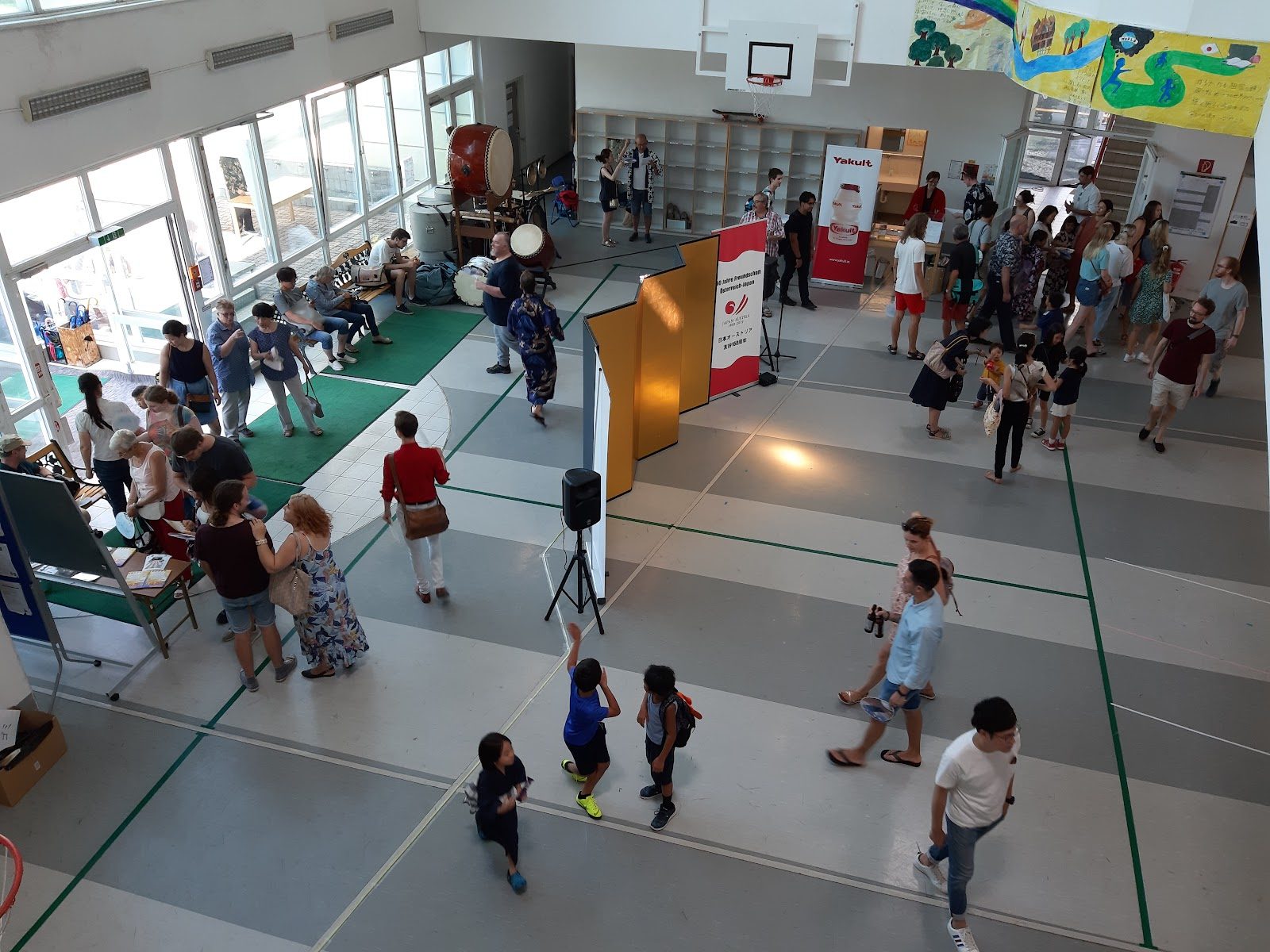
Vienna International School
Vienna · Austria
Near Vienna's UN complex, Austria's first Eco-School pairs a full IB continuum with sixty languages and Ivy League-bound diplomas.
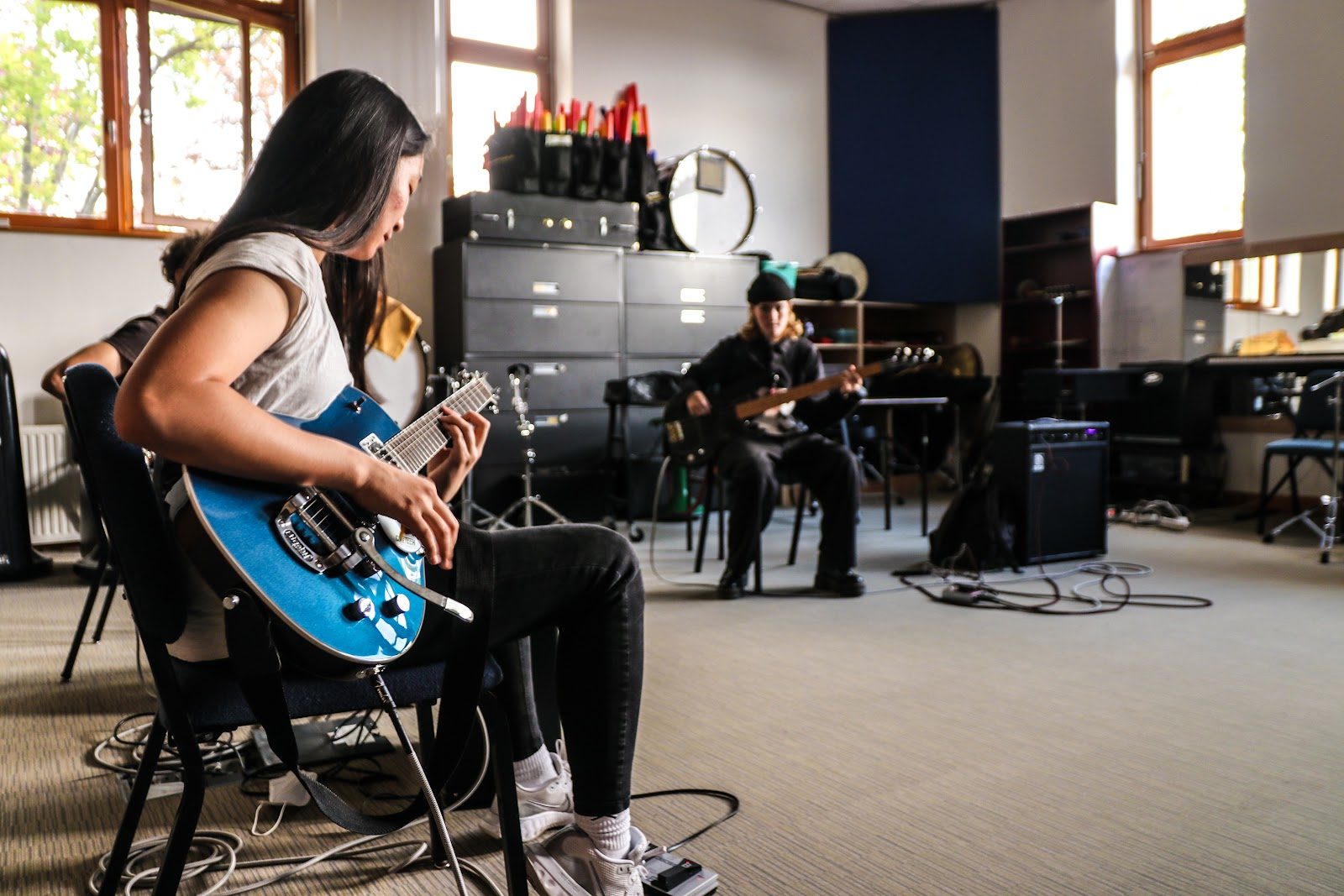
American International School of Budapest
Budapest · Hungary
Founded by the US Embassy in 1973, this Buda Hills campus pairs an American diploma with a full IB pathway.
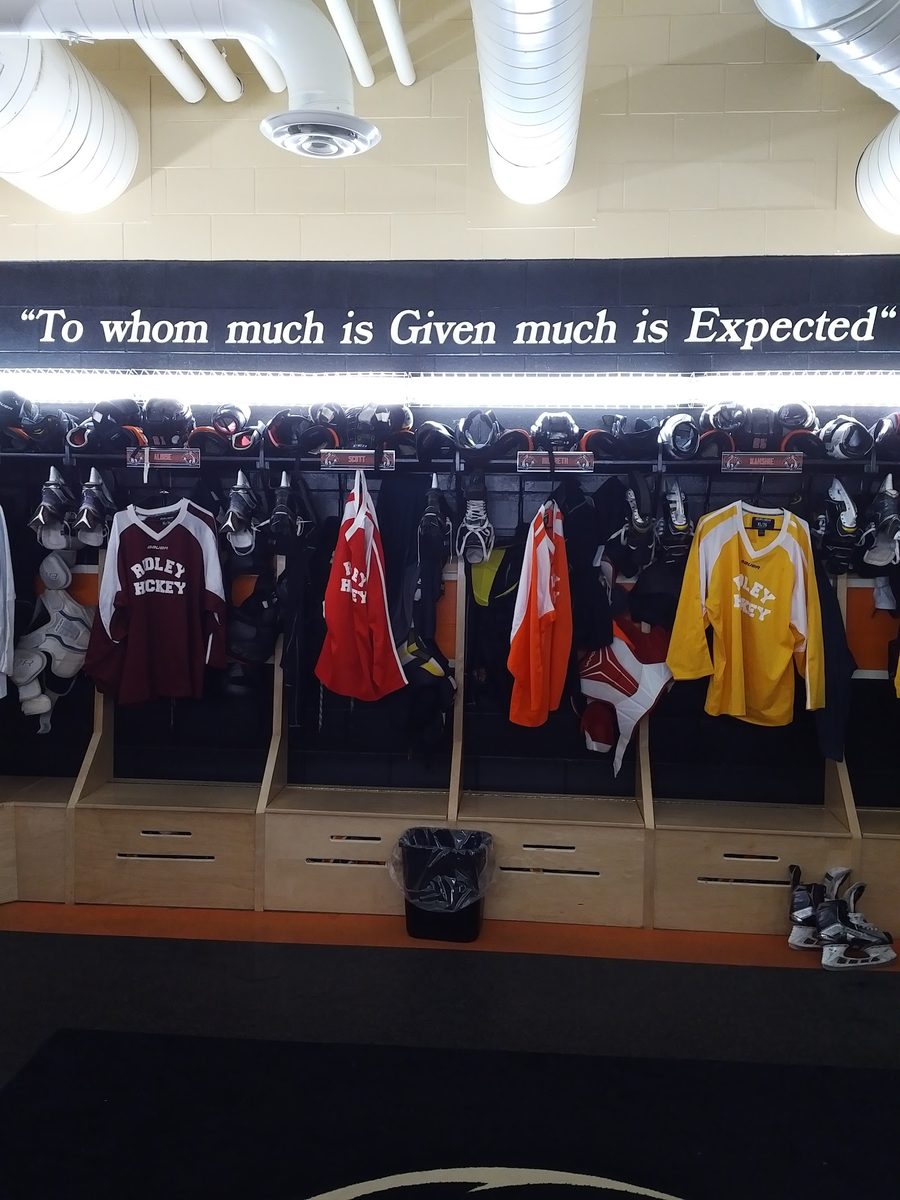
Ridley College
St Catharines · Canada
St Catharines day-and-boarding school blending Ontario's OSSD with the full IB continuum
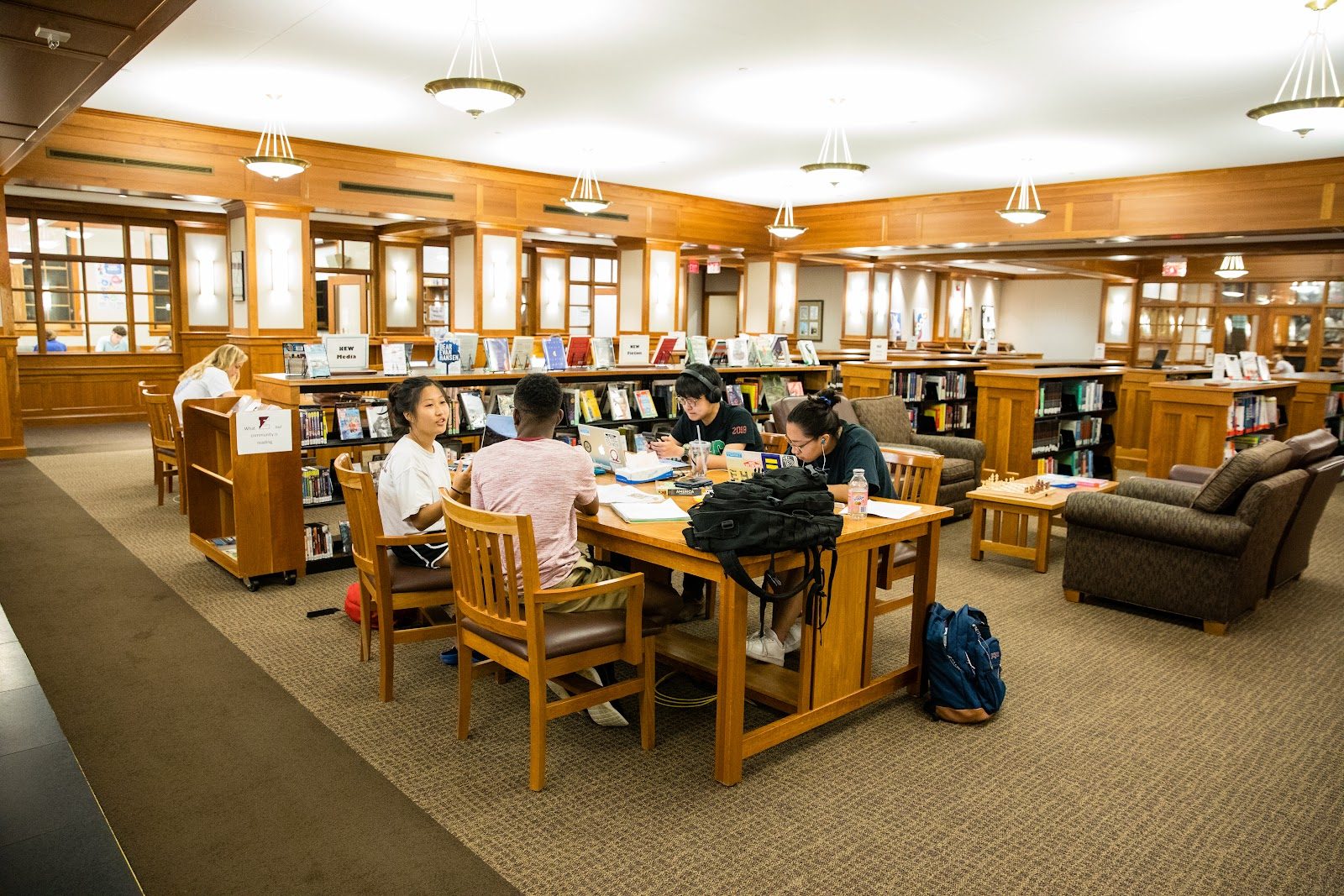
Episcopal High School
Alexandria · United States
A 130-acre hilltop campus 10 minutes from the Capitol, running America's only fully residential school of its caliber in a major metro area.
Same country and curriculum — closest matches within ±10 points either way