
Porto District
CLIP – Oporto International School
Where Cambridge IGCSE and the IB run in parallel, and OPOMUN each spring turns Porto into a model United Nations chamber.

Photo © CLIP - Oporto International School via Google Maps
Type
Day
Ages
3–18
Curriculum
British · IB
Qualifications
IGCSE · IB Diploma
Ratio
—
The Verdict
Editor's commitment
Right for
Families in Porto who want English-medium day schooling from ages 3–18 with Cambridge International and the IB under one roof.
Wrong for
Parents after boarding, religious formation or a single-track curriculum; CLIP is secular, day-only, and runs British and IB pathways.
Watch out for
Accreditations are solid—CIS, IB and Cambridge International—but the school does not publish aggregate exam outcomes or university destinations here.
Ranking breakdown
CLIP – Oporto International School · #1379 of 1591
Composite score 52.7. 8 weighted criteria.
By criterion
Academic Outcomes
Weight 20%
#1223
of 1529 scored
University Placement
Weight 16%
#1259
of 1529 scored
Prestige & Heritage
Weight 12%
#1386
of 1529 scored
Alumni Network
Weight 12%
#1428
of 1529 scored
Facilities
Weight 12%
#1336
of 1529 scored
Transparency & Communications
Weight 8%
#1151
of 1529 scored
Peer & Industry Review
Weight 10%
#1465
of 1529 scored
Admissions Selectivity & Demand
Weight 8%
#1232
of 1529 scored
Peer & Industry Review
How CLIP – Oporto International School is regarded in the sector
52
Credible · medium confidence
Within Portugal's small international-school sector, CLIP is generally positioned alongside Oporto British School and Lisbon's St. Julian's School as one of the country's established IB continuum providers, and its long-standing IB World School and CIS/ECIS-linked accreditation status is the main credential cited when peers reference it, rather than any headline ranking. It does not feature prominently in mainstream Portuguese newspaper league tables, which focus on national exam results rather than IB continuum schools, so its reputation is carried more through IB and international-education networks than domestic press. University-facing evidence is limited to general claims of graduates progressing to Portuguese public universities and a range of UK and European institutions, consistent with typical outcomes for a small Diploma Programme cohort, but no independent admissions-officer commentary or named destination list is publicly verifiable. Coverage in outlets like Good Schools Guide International or WhichSchoolAdvisor is thin compared with larger Lisbon-based rivals, reflecting Porto's smaller expatriate market rather than a quality gap. Overall, its standing is best described as solid and accreditation-driven rather than headline-making.
Editors' overview
CLIP occupies a strong niche in Porto: an English-medium day school with the scale to feel busy, but not so large that pupils disappear. Founded in 1988, it now enrols 1,226 students from 56 nationalities, with 250 staff and a published teacher-student ratio of 1:6. The draw is clear. CLIP combines a British curriculum with the IB, giving families a route through Cambridge IGCSE and then into the Diploma years without the muddle that afflicts many self-styled “international” schools. It also has full recognition where it matters: CIS, IB and Cambridge International. For parents who want academic structure, English fluency and an internationally mobile peer group, CLIP earns a serious look.
What sets it apart is breadth with visible machinery behind it. The school splits its offer cleanly into Lower, Middle and Upper School, and then builds a substantial ecosystem around the core day: professionalised sport through CLIP Teams, a developed activities programme through CLIP Clubs and CLIP+, and a distinct music strand through CLIP Music. This is not a small school improvising enrichment after lessons; it is an institution with multiple operating arms and enough staffing to run them properly. Events such as CLIPMUN and the Porto-based OPOMEP, alongside the school’s wider culture of active citizenship, serious extracurricular range and international fluency, give pupils more than classroom credentials. The annual rhythm feels outward-facing and engaged, not sealed off behind the school gates.
The trade-off is equally clear. CLIP is not for families seeking an intimate, handmade school with a single educational philosophy and minimal structure. It is organised, layered and ambitious. The presence of Dukes Education in governance adds corporate heft; some parents will welcome that discipline, others will prefer a more independent feel. The average class size of 20.4 sits in the workable middle ground, not boutique territory. Still, for the right child, this is a compelling proposition: the student who thrives in English, wants a busy, cosmopolitan environment, can handle academic expectations, and will use the co-curricular programme rather than merely admire it from the sidelines. CLIP suits pupils who like momentum, who benefit from clear pathways and high-functioning routines, and who want Porto with a genuinely international school culture rather than a local school wearing international branding.
Academic Performance
CLIP does not publish aggregate IGCSE or IB Diploma results in the public domain. That is the central fact for any parent assessing academic performance. In a school with a substantial senior cohort, parallel Cambridge and IB pathways, and a clear claim to academic seriousness, the absence of headline outcomes is a real gap. We have not seen average IB points, subject distributions, top grades, pass rates, university destinations by cohort, or year-on-year trend data. That puts CLIP behind the stronger reporting standard set by the best international schools, which treat exam transparency as a basic part of accountability rather than an optional extra.
That does not mean weak outcomes; it means opaque outcomes. The school’s structure points to an institution with the staffing, scale and organisational discipline to deliver solid examination performance, and its published average class size of 20.4 sits within a manageable range for IGCSE and IB teaching. The wider culture also has academic signals: event programming with a civic and debating bent, a defined upper-school pathway, and enough institutional machinery to support students beyond the timetable. Still, without published external results, CLIP cannot claim a top academic position on evidence parents can inspect. Relative to peers, it fits in the credible but unproven bracket: a school with the ingredients for strong performance, but not the public data that marks out the genuinely confident operators.
Facilities
CLIP’s facilities story is less about a single showpiece campus and more about institutional breadth. The school runs separate operating arms for sport, clubs, music and co-curricular provision, which matters because it points to dedicated spaces and timetabled use rather than a token after-school add-on squeezed into spare classrooms. The strongest signals sit in sport and performance: “professionalised” sport under CLIP Teams, a standalone CLIP Music strand, and a calendar that supports conferences, diploma ceremonies, proms and community events. Add an average class size of 20.4 and a staffing base of 250, and the practical picture is a school with enough rooms, supervision and specialist capacity to keep a busy, full-spectrum day running. The parent portals, reading platforms and school systems also indicate a well-drilled operational environment rather than an analogue school trying to scale up.
Against peers, that places CLIP above the many mid-market international schools whose facilities cover the basics but whose enrichment infrastructure is thin. It sits below the top tier that publishes detailed campus plans, theatre specifications, laboratory stock, pitch counts or dedicated sixth-form centres. That missing detail matters. CLIP gives a clear sense of range and organisational muscle; it does not disclose enough about labs, libraries, maker spaces or indoor sports provision to claim hard facilities superiority. Parents can conclude this much with confidence: CLIP has the machinery for a serious all-round school life, but not the level of public facilities disclosure that marks out the most campus-proud competitors.
We have not seen average IB points, subject distributions, top grades, pass rates, university destinations by cohort, or year-on-year trend data
Prestige
CLIP carries solid local prestige and respectable international standing, but it does not sit in the rarefied tier occupied by schools whose exam outcomes and university placements are published in full and scrutinised accordingly. Its status rests instead on three visible strengths: scale, international mix and institutional competence. A pupil body drawn from 56 nationalities gives it real cosmopolitan weight, not the token diversity some schools advertise. The surrounding ecosystem — student events, music, sport, clubs, civic programmes and formal conferences — adds to that impression of a school with serious range and real operating heft. OPOMUN and other large-format events matter here: they confer a public-facing profile that extends beyond the classroom and beyond Porto’s narrower local-school circuit.
Why not rate it higher? Because prestige in top international education depends on more than busyness, branding and breadth. It depends on visible academic authority. CLIP does not publish the outcome data that would convert good standing into genuine elite credibility. The Dukes Education connection gives the school corporate ballast and a wider network, and the staffing base — 250 staff — supports a substantial, high-functioning operation. But scale and polish are not the same as distinction. In plain terms, CLIP is a well-known, well-established international school with strong social capital among globally minded families in northern Portugal. It is not a secrecy-shrouded outlier, nor a grand old European name with automatic cachet. Its prestige is earned through competence and visibility, then capped by opacity.
Still, without published external results, CLIP cannot claim a top academic position on evidence parents can inspect
Communications
CLIP communicates like a school that runs a lot of moving parts and knows it needs systems. The public-facing structure is clear: parents get a dedicated portal, a parents’ evening platform, school memos, schedules and calendars, downloads, news updates, event listings and direct community channels. That breadth matters. It means communication is not confined to a termly letter and the occasional emergency email; it is built into daily school operations. The separate access points for parents, students and teachers also point to a well-administered information flow rather than a one-size-fits-all approach. For a school with 1,226 students and 250 staff, that level of infrastructure is not a luxury; it is basic competence, and CLIP has it.
What we do not get is the stronger test of communications quality: published parent-survey data, service standards, response-time commitments or a clear statement of how concerns escalate. So the verdict is positive, with limits. CLIP looks organised, digitally mature and operationally serious. Families will have multiple routes to routine information, event logistics and school life. That said, efficient distribution is not the same as transparent accountability. The school publishes plenty of activity and community news, which keeps parents informed and engaged, but it says less about how hard conversations are handled when things go wrong. In practice, CLIP’s communications read as strong on structure and less tested in public on candour.
Uniqueness
CLIP’s distinctiveness lies in how many moving parts it runs at once without collapsing into incoherence. Plenty of international schools offer sport, music, service and clubs; fewer build separate operating strands for each and give them real public presence. Here, CLIP Teams, CLIP Clubs, CLIP+, CLIP Music and CLIP AdvancEd create a school that functions less like a narrow academic institution and more like a multi-track education platform. That breadth changes the student experience. A child does not need to fit one mould — scholar, athlete, musician, committee type — because the structure supports several identities at once. The school’s international makeup also has substance, with 56 nationalities in the student body and 18 among staff. That gives daily life a genuinely mixed social texture rather than the thin internationalism of schools with one dominant expatriate bloc.
The other point of difference is CLIP’s public-facing civic culture. OPOMUN, CLIPMUN, iMEP hosting, charity initiatives and intergenerational projects put pupils into organised contact with debate, volunteering and leadership beyond routine classroom service language. That matters because it produces social confidence, institutional fluency and a habit of working across age groups and causes. Students who thrive here will enjoy momentum and visibility; they will not hide comfortably at the edges. For the right child, that is formative. For the quieter or more inward pupil, it can feel demanding — a school with many doors open, but also an expectation that students walk through them.
It sits below the top tier that publishes detailed campus plans, theatre specifications, laboratory stock, pitch counts or dedicated sixth-form centres
Student Profile
The student body is unusually international in day-to-day terms, not just in admissions copy. With pupils drawn from 56 nationalities and staff from 18, CLIP suits children who are comfortable crossing social lines, adapting quickly and joining a community where mobility and mixture are normal. The best fit is the student who wants a school life that is busy, visible and participatory: someone happy to sign up, speak up and turn up. The calendar pulls students into conferences, service projects, performances, clubs and organised sport, so the natural Clipper is not passive. This is a good school for the child who enjoys momentum, likes structured opportunity and can manage a week with several demands on it at once.
It is less well suited to families looking for a small, sheltered atmosphere or for children who want to keep their heads down and treat school as lessons only. CLIP rewards engagement. Students who do well here will have a degree of independence, social confidence and tolerance for a high-traffic environment with plenty happening around them. The service strand also matters: intergenerational work, volunteering and charity activity are not decorative extras, and pupils who respond to that outward-facing culture will get more from the place. In plain terms, CLIP fits the energetic all-rounder, the internationally minded joiner and the student who likes clear structures but does not want a narrow academic lane.
Because prestige in top international education depends on more than busyness, branding and breadth
Co-curricular strengths
Arts & sport, on a separate axis
Overall 8.16/10
Scored 0-10 from the school's own published evidence. This axis is editorial-only — it does not feed the main WTS ranking.
Sports
9/10
Drama
8/10
Dance
7/10
Music
8.5/10
Visual Arts
8.3/10
Strengths
- +Combines a Cambridge/British IGCSE and A-Level pathway with an International Baccalaureate Diploma option, giving families a choice of exit qualification rare among Porto's international schools.
- +Large, well-established campus of more than 25,000 square metres with a 200-seat auditorium, science labs, a Music Centre, a Drama Room and a 25-metre heated indoor pool.
- +Fully accredited by the Council of International Schools (CIS) since 2013, providing external quality assurance beyond the school's own claims.
- +Serves a genuinely international community of roughly 1,000 students aged 3 to 18 from more than 40 countries, with foreign nationals representing about 35 percent of the roll.
- +Non-profit foundation status (run via the Fundacao Luso-Internacional and AGECLIP) rather than a for-profit corporate ownership structure common among newer international schools.
Considerations
- −As a day school only, it offers no boarding option for relocating families without a local base in Porto.
- −Running two parallel senior pathways (Cambridge IGCSE/A-Level and IB Diploma) means resources and cohort sizes are split rather than concentrated on a single exit qualification.
- −Editorial rank of 516 and challenger_300 tier place it well outside Portugal's most internationally prominent schools, such as Oporto British School, which holds the country's longest IB track record in the north.
- −Admissions windows are tightly staged by year group and open only on specific published dates, with some forms (10 and 12) not accepted for new entrants at all, which can complicate mid-cycle relocations.
Availability
Primary entry gate & tests
Academic Record + Interview
Gallery
Photo © CLIP - Oporto International School via Google Maps
Photo © CLIP - Oporto International School via Google Maps
Photo © CLIP - Oporto International School via Google Maps
Photo © CLIP - Oporto International School via Google Maps
Photo © CLIP - Oporto International School via Google Maps
Photo © CLIP - Oporto International School via Google Maps
Photo © CLIP - Oporto International School via Google Maps
Parent reviews
Have you sent your child here?
Voice reviews carry the strongest trust badge — we transcribe them for you to tidy up before they go live. Prefer to type? A written review is fine too.
Add your voice
In 60 seconds, tell other parents: what's the best thing about CLIP – Oporto International School, and what surprised you when your child joined?
We ask for a Google sign-in so every review has a real face behind it — no anonymous drive-by attacks on schools, and no faked positive reviews. Your email is never shown publicly.
Send this profile to a friend
International parents rely on word-of-mouth. Share this review with someone weighing the same decision.
Schools with places
Similar schools to CLIP – Oporto International School with places available now.
St Peter's International School
Palmela · Portugal
- 2026-27
- WAITPOOLSpace-dependent
- 2027-28
- PLACES OPENRolling
St. Julian's School
Carcavelos · Portugal
- 2026-27
- WAITPOOLMostly full / waitlist
- 2027-28
- PLACES OPEN
Availability first, then country, area, curriculum, price, co-curricular
Consider also
Also worth looking at alongside CLIP – Oporto International School.
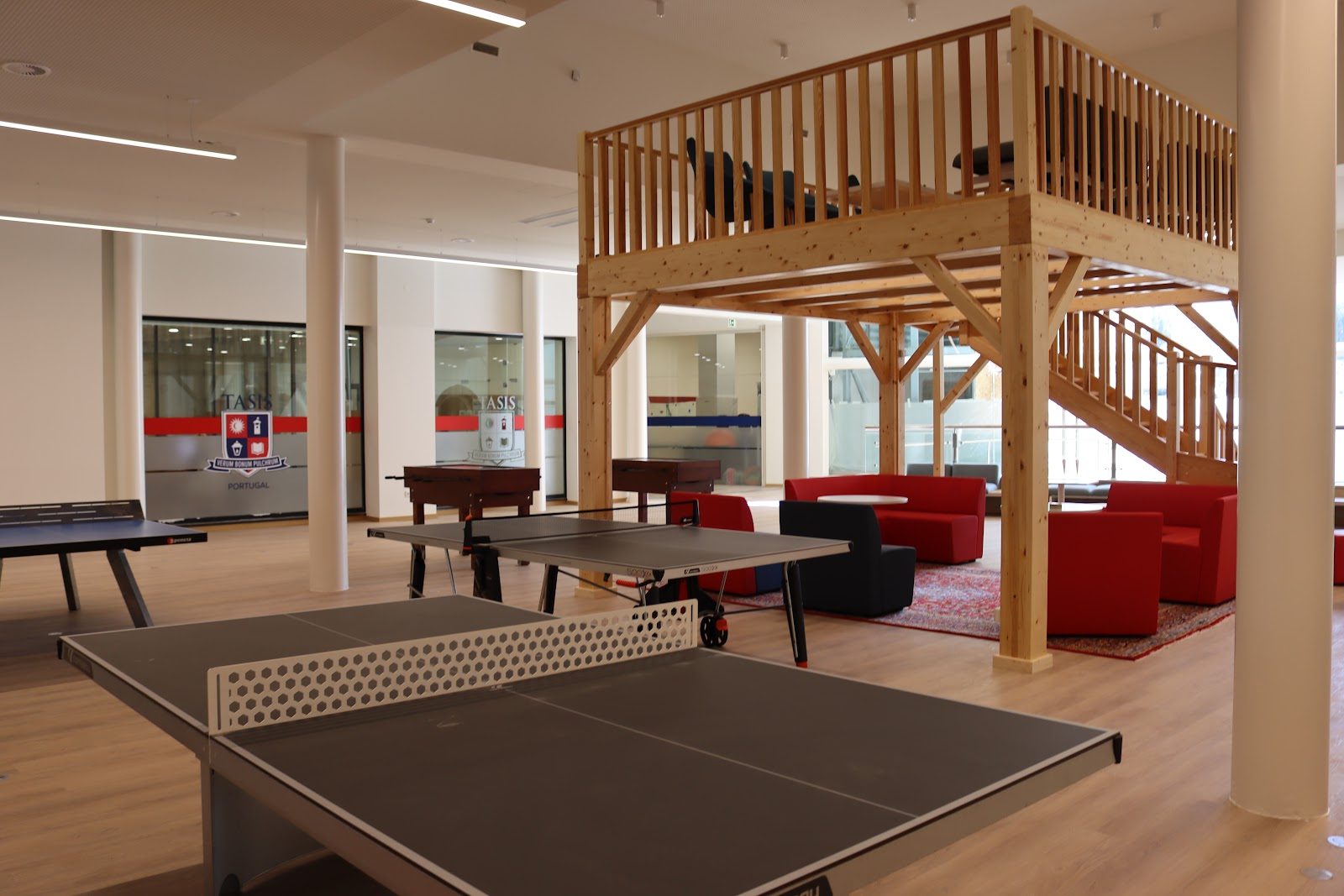
TASIS Portugal
Sintra · Portugal
A 1956 Swiss lineage lands on the Portuguese Riviera, pairing Core Knowledge rigor with an IB Diploma graduating its first class in 2026.
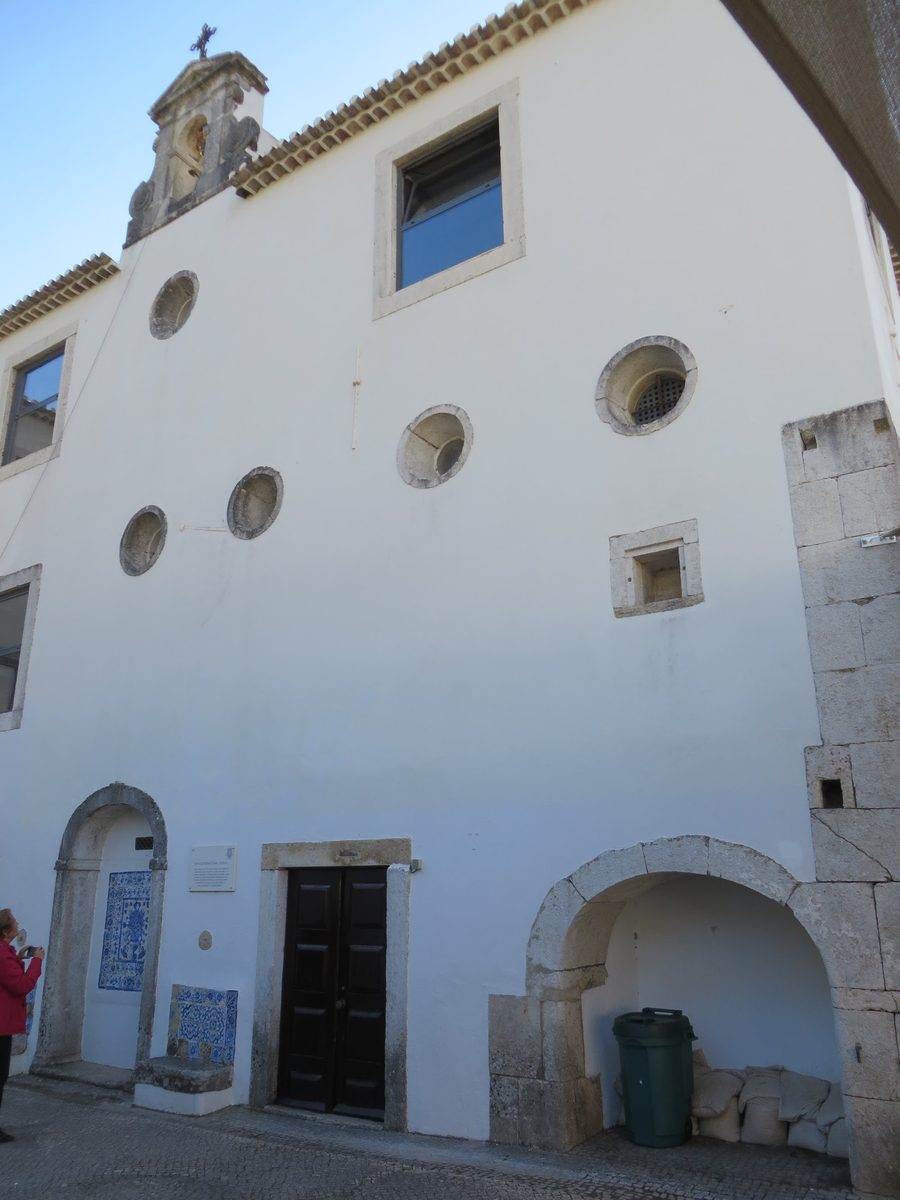
Oeiras International School
Oeiras · Portugal
A 17th-century palace estate near Lisbon runs the full IB continuum on a deliberately non-selective, community-rooted admissions model.
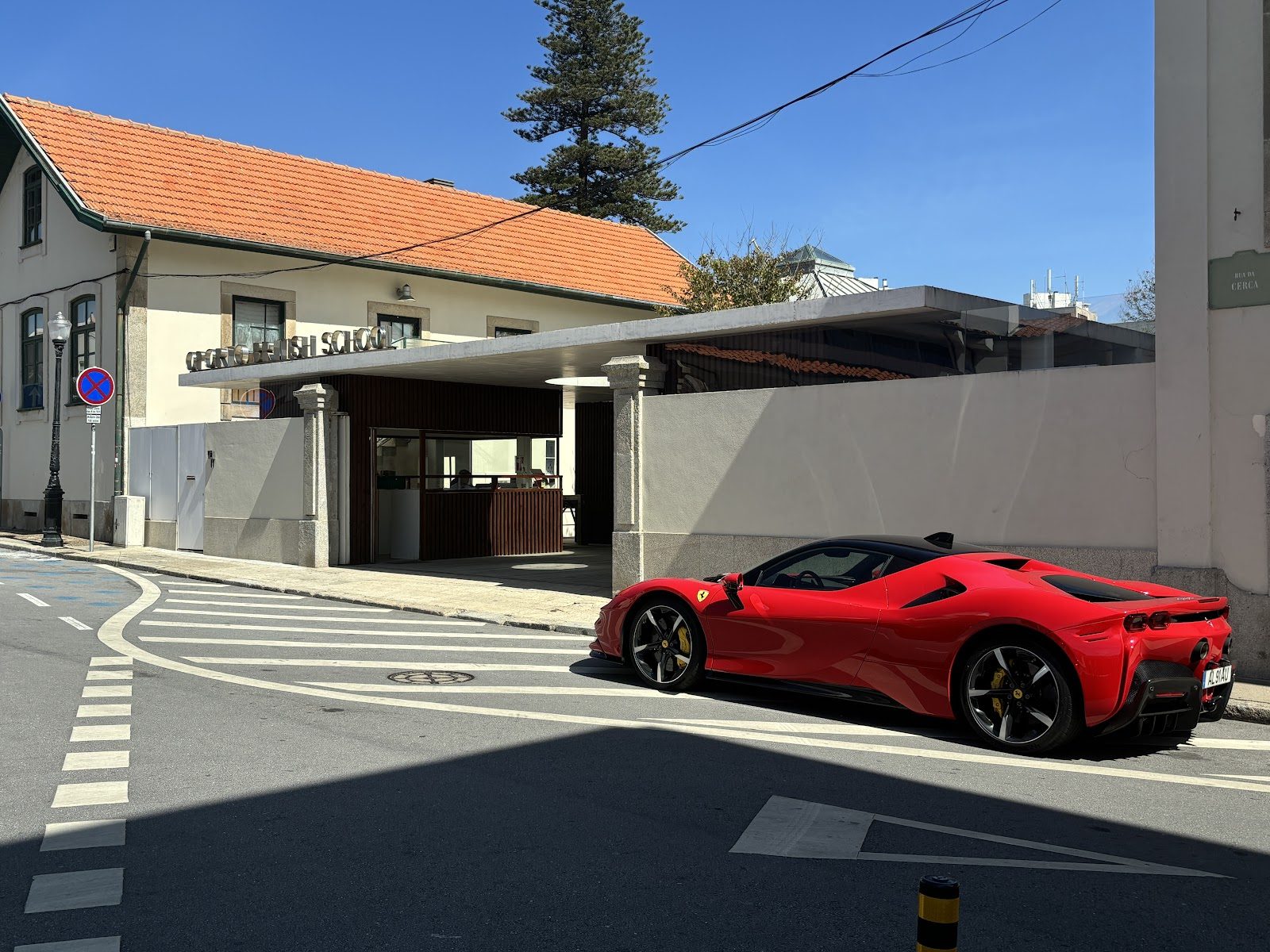
Oporto British School
Porto · Portugal
Founded in 1894 by Porto's port wine growers, this Douro-side campus remains mainland Europe's oldest British school.
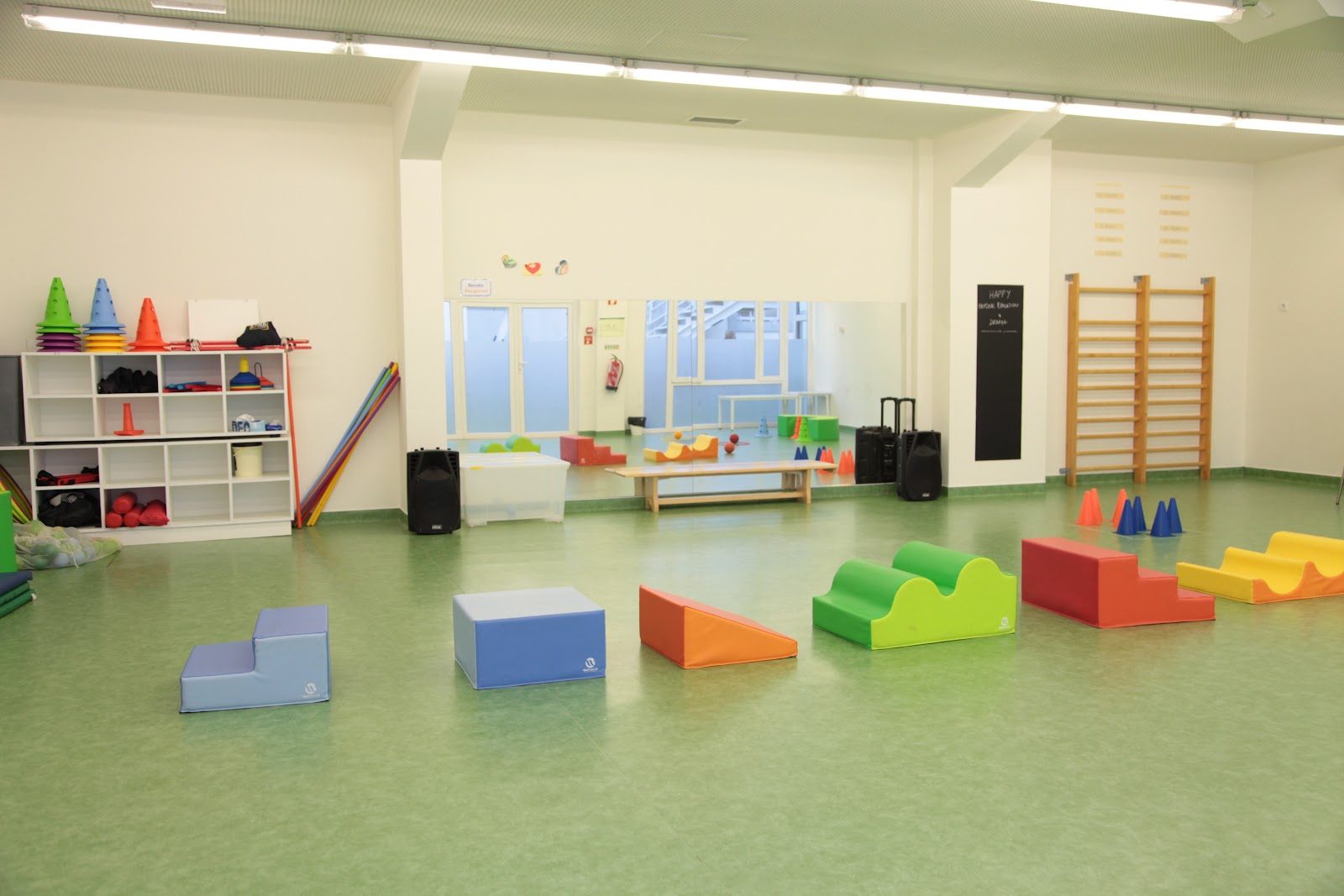
PaRK International School
Lisbon · Portugal
Bilingual immersion to Grade 4 gives way to Cambridge IGCSE and the IB Diploma, inside Lisbon's global Inspired Education network.
Same country and curriculum — closest matches within ±10 points either way