
Buenos Aires Province
St George's College (Quilmes)
Since 1898, English house culture and rugby heritage anchor Argentina's only school combining full-day study with mixed boarding life.
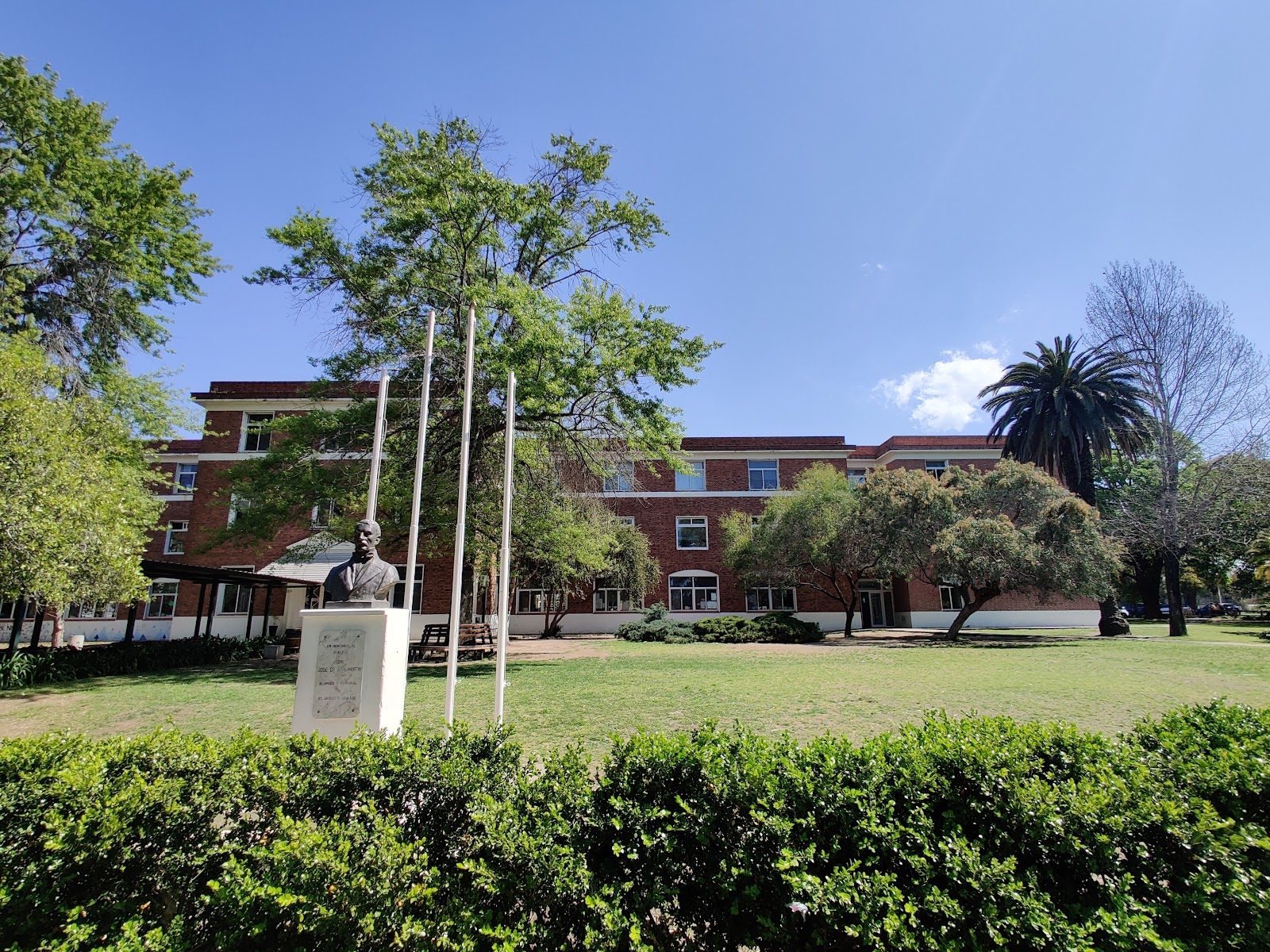
Photo © Ricardo Fernandez via Google Maps
Type
Boarding & Day
Ages
3–18
Curriculum
British
Qualifications
IGCSE · A-Levels
Ratio
—
The Verdict
Editor's commitment
Right for
Families wanting ages 3–18 in English, Anglican grounding and mixed boarding at a school founded in 1898 with Round Square membership.
Wrong for
Parents wanting published academic outcomes, day-only simplicity or a non-British model; this Quilmes school trades on houses, boarding and identity.
Watch out for
Argentina’s only school combining full-day study with mixed boarding is distinctive, but the school does not publish hard results here.
Ranking breakdown
St George's College (Quilmes) · #1187 of 1591
Composite score 50.5. 8 weighted criteria.
By criterion
Academic Outcomes
Weight 20%
#1219
of 1529 scored
University Placement
Weight 16%
#1259
of 1529 scored
Prestige & Heritage
Weight 12%
#723
of 1571 scored
Alumni Network
Weight 12%
#1512
of 1530 scored
Facilities
Weight 12%
#1045
of 1534 scored
Transparency & Communications
Weight 8%
#1324
of 1532 scored
Peer & Industry Review
Weight 10%
#1415
of 1548 scored
Admissions Selectivity & Demand
Weight 8%
#1156
of 1529 scored
Peer & Industry Review
How St George's College (Quilmes) is regarded in the sector
58
Credible · medium confidence
Within Argentina's Anglo-Argentine school circuit, St George's College Quilmes is consistently grouped with St Andrew's Scots School, Northlands, and Belgrano Day School as one of the historic British-founded institutions, and rival heads in this cohort routinely acknowledge its rugby and rowing pedigree alongside its academic standing. Its IB Diploma and bilingual Cambridge-aligned curriculum give it visibility in Argentine press education supplements (Clarin and La Nacion periodically reference it in coverage of bilingual and Anglo-Argentine schooling), though it does not feature in formalized UK-style league tables since Argentina lacks an equivalent national ranking system. University-side, its graduates are noted among applicant pools at Universidad de San Andres, Universidad Torcuato Di Tella, and UBA, with occasional placements at UK and US institutions attributed informally by admissions counselors to the strength of its IB results. It is not covered by WhichSchoolAdvisor or the Good Schools Guide, which focus on UK/international markets, limiting independent third-party critical review; most reputational signals remain domestic, alumni-network-driven, and tied to its founding-era prestige rather than externally audited rankings.
- Hugo Porta — Rugby player, Sport
Editors' overview
St George’s College, Quilmes occupies a narrow and valuable niche in the Argentine market. Founded in 1898, it has the depth of an old Anglo-Argentine institution and the operational reality of a modern co-educational school for ages 3–18. The differentiator is plain: this is Argentina’s only school combining a full-day programme with mixed boarding life. For families who want a British school culture without leaving the country, that matters. The house system, Anglican foundation, English-medium teaching and rugby-and-tradition spine give the school a character that newer bilingual schools cannot replicate. A strong sense of inheritance, a lived boarding culture, and institutional memory are the point here.
What puts it on a shortlist is not novelty but continuity. The Quilmes campus has over 850 students and sits at the centre of a school identity built over more than 125 years. Boarding is not an add-on; it sits inside the school’s history from the start. Nor is the British element cosmetic. The house structure is embedded, not borrowed for admissions copy, and the school’s public identity still draws heavily on chapel, pavilion, assembly hall, alumni culture and inter-house life. Round Square membership and the Duke of Edinburgh’s International Award add credible international scaffolding. There is also an exchange programme, which fits the school’s stated international outlook. The weakness is also clear: the school talks at length about values, leadership and holistic development, but publishes no hard academic outcome data in the public domain here. Parents who rank exam transparency above culture will want more detail.
The right student for St George’s is not hard to identify. This school suits children who thrive on structure, ritual, team sport, shared identity and a school community that expects participation. Boarders and day pupils who want belonging, healthy competition, and *the discipline of an old-school environment* will find a good fit. So will families who value English-language education inside a recognisably British framework, with co-education and a fuller-than-average school day. It is a less natural choice for children who dislike institutional tradition, resist house-based culture, or want a loose, progressive atmosphere with minimal emphasis on collective life. St George’s offers tradition with backbone; that is its strength, and its filter.
Academic Performance
St George’s does not publish the core data that serious parents need to judge academic performance against peers. We have not seen aggregate IB scores, subject pass rates, university destination tables, value-added measures, or year-on-year attainment trends for the Quilmes campus. That is a real weakness. The school talks confidently about excellence and international programmes, but on results it is opaque where it matters. For a school with such an established identity, that gap is striking. Parents comparing leading bilingual and international schools in Argentina need more than language about holistic development, leadership and challenge; they need numbers.
That absence does not place St George’s in the weak academic bracket. It places it in the hard-to-verify bracket. The school’s long institutional life, exchange links, Duke of Edinburgh offer and enduring alumni culture point to a school with substance beyond classroom metrics, and there is no sign here of academic drift or a casual approach to standards. But neither is there published evidence that it sits at the top of the market on external examinations. Relative to transparent competitors, St George’s gives families less to work with. The conclusion is plain: this is a school whose academic reputation still rests more on inheritance and confidence than on disclosed outcomes. If exam performance is the deciding factor, parents need direct answers from admissions before treating the school as a front-rank academic choice.
Facilities
The Quilmes campus’s key physical assets are the ones tied to the school’s old institutional core: the chapel, pavilion and assembly hall, plus science laboratories and a purpose-built boarding house. Those are not decorative heritage pieces wheeled out for prospectuses; they shape daily life and give the place a lived-in institutional centre that many newer bilingual schools lack. The school also states that its North campus sits on eight hectares, but for Quilmes the public picture is thinner: there is no published masterplan, no serious facilities inventory, and no clear breakdown of specialist spaces for music, theatre, visual arts, design or indoor sport. That gap matters. In this market, families expect more than a list of legacy buildings and a boarding block.
Against peers, St George’s looks strongest where tradition and communal life depend on place: shared gathering spaces, house identity, boarding infrastructure and the kind of campus architecture that gives a school real cultural weight. It looks less convincing on facilities transparency. Rival schools competing for the same families now publish sharper detail on libraries, performance venues, maker spaces, technology provision and sports infrastructure. St George’s does not. That does not mean the campus is weak; it means parents must ask harder questions. The facilities here read as *functionally strong for an old boarding school*, but not presented with the clarity or breadth that top-tier competitors now treat as standard.
But neither is there published evidence that it sits at the top of the market on external examinations
Prestige
St George’s carries real social and institutional prestige in Argentina’s Anglo-heritage school world. That status rests first on continuity: this is not a new bilingual entrant borrowing British signals for effect, but an old establishment school with chapel, pavilion, assembly hall, an entrenched house system and an alumni body strong enough to sustain its own club and museum. The school’s own account makes clear that boarding sits inside that inheritance rather than beside it. That matters. Prestige in this segment does not come from glossy facilities alone; it comes from durable culture, recognisable rituals and the confidence of a community that has reproduced itself across generations. The Quilmes campus now has over 850 students, which gives it scale without stripping out identity.
The rating stops short of the top tier of academic prestige because the school does not publish the outcome data that would prove elite performance in hard terms. Its public standing is therefore driven more by legacy, networks and cultural weight than by disclosed examination strength. That still counts for a great deal. Families looking for a school with old-guard cachet, strong community allegiance and a British-inflected social world will rate St George’s highly. Families who define prestige through published results, selective university placements and relentless academic proof will find the picture incomplete. In plain terms: this is a high-prestige traditional school, not a transparently data-led academic powerhouse.
St George’s College, Quilmes occupies a narrow and valuable niche in the Argentine market
Communications
Parent communication is serviceable but uneven. The website gives families the basic routes in — admissions process, named admissions officers, enrolment pages, contact points, campus navigation, boarding pages, alumni links and an open day call to action — and it does so in a structure that is easy enough to follow. There is a clear institutional voice, and parents get a strong sense of the school’s priorities: values, houses, exchange, community, fundraising and student development. What they do not get is the harder operational detail that turns communication from warm institutional storytelling into proper parent information. Academic outcomes are absent, practical day-to-day explanations are thin, and several pages lean on slogans where specifics are needed. The stray placeholder text on the About page is a sloppy own goal for a school of this stature.
The result is a communications style that works best for families already drawn to the school’s culture and history. It communicates identity well; it communicates evidence less well. That distinction matters. Parents choosing a school need more than atmosphere, however deep-rooted the atmosphere is. They need clarity on how the school runs, what it delivers, and how success is measured. St George’s gives a strong impression of community, tradition and belonging, and the public site does convey a cohesive institutional world. It is less strong on precision, transparency and editorial discipline. In short: effective at selling ethos; weaker at answering the sharper questions serious parents ask.
Uniqueness
What sets St George’s apart is not a generic “international” offer but a rare institutional mix: an old British-style house culture, a co-educational day school, and boarding woven into the same daily community. In Argentina, that combination is genuinely unusual. Students do not just attend classes and go home; they enter a school world organised around houses, shared rituals, inter-house competition and a long-running alumni network that keeps school identity alive beyond graduation. The school’s own history still drives present life: chapel, assembly, boarding, houses and the Old Georgian network are not heritage props but the machinery of belonging. For the right child, that brings real ballast: loyalty, confidence in group settings, comfort with structure and an instinct for participation rather than passivity.
There is also a practical difference in how students grow up here. A child moving through the school enters a community with deep routines, exchange opportunities, the Duke of Edinburgh’s Award, and a social life shaped as much by collective commitment as by classroom performance. That can be formative in a lasting way. Students learn to live with others, compete publicly, represent a house, and manage themselves inside a demanding communal framework. The gain is depth of character as much as breadth of activity. The trade-off is plain: this is a school for children who want immersion, not distance. Families seeking a looser, more anonymous education will find the culture too all-encompassing. Families who want identity, continuity and a boarding-grounded peer group will find 125 years of accumulated practice working in their favour.
Founded in 1898, it has the depth of an old Anglo-Argentine institution and the operational reality of a modern co-educational school for ages 3–18
Student Profile
The students who fit St George’s best are those who want to belong to something larger than themselves. This is a school for children who can live comfortably inside a strong collective culture: house loyalties, public competition, shared routines, chapel-grounded tradition and a social world where participation is expected rather than optional. Boarders and day pupils mix inside the same community, which gives the school a more continuous rhythm than a standard day school. Pupils who enjoy team sport, who do not mind being known, and who gain energy from institutional life will thrive. So will families who want school to shape conduct as well as grades. The child who prospers here is robust, community-minded and happy with structure.
The less suitable student is easy to identify. A child who wants anonymity, dislikes ritual, resists organised belonging or treats school as a transactional route to exam results will find St George’s confining. The same goes for students who want a loose progressive culture, light-touch expectations or a highly individualised social experience. The school’s exchange programme and Duke of Edinburgh pathway broaden the profile beyond the playing fields, but this remains a place that rewards stamina, self-management and willingness to contribute. With only six boarders at the start and now more than 850 pupils on the Quilmes campus, the institution has kept that communal logic intact. For the right child, that produces deep loyalty; for the wrong one, constant friction.
The differentiator is plain: this is Argentina’s only school combining a full-day programme with mixed boarding life
Co-curricular strengths
Arts & sport, on a separate axis
Overall 8.1/10
Scored 0-10 from the school's own published evidence. This axis is editorial-only — it does not feed the main WTS ranking.
Sports
9/10
Drama
8/10
Dance
7.5/10
Music
8/10
Visual Arts
8/10
Strengths
- +Founded in 1898, St George's is described as the oldest boarding school in Latin America, giving it an unusually long, continuous institutional history for the region.
- +The Quilmes site sits on a 27-hectare campus with purpose-built buildings and ample playing fields, allowing a wide range of sports and outdoor activities on one site.
- +The school has been authorized by the International Baccalaureate to offer the Diploma programme since 1984, giving it four decades of continuous IB Diploma experience.
- +The Headmaster is a member of the overseas section of the Headmasters Conference (HMC), and the school belongs to the Boarding Schools Association and the Latin American Heads Conference, linking it to recognised British and regional school networks.
- +Alumni of the school, known as Old Georgians, include Rhodes Scholars who attended Oxford, Cambridge, and Ivy League universities, evidencing a track record of graduates progressing to selective universities abroad.
Considerations
- −Yearly fees are listed as "Not public" on independent school-comparison sites, meaning relocating families cannot easily budget in advance and must approach the school directly for costings.
- −Although the majority of pupils are Argentine, the college also caters for international students, so the day-to-day community is predominantly local rather than a broad international mix, which may affect integration for non-Spanish-speaking arrivals.
- −The student-to-teacher ratio is around 22:1, higher than many comparable fee-paying international boarding schools that advertise smaller class sizes.
- −The campus is situated roughly 25 minutes outside the city of Buenos Aires in Quilmes, meaning day pupils based in central or northern Buenos Aires face a daily commute rather than a walk-in option.
Availability
Primary entry gate & tests
Internal Assessment + Interview
Gallery
Photo © Ricardo Fernandez via Google Maps
Photo © Ricardo Fernandez via Google Maps
Photo © Ricardo Fernandez via Google Maps
Photo © St George's College | Quilmes Campus via Google Maps
Photo © St George's College | Quilmes Campus via Google Maps
Photo © Tania Maria Nascimento via Google Maps
Photo © Ricardo Fernandez via Google Maps
Parent reviews
Have you sent your child here?
Voice reviews carry the strongest trust badge — we transcribe them for you to tidy up before they go live. Prefer to type? A written review is fine too.
Add your voice
In 60 seconds, tell other parents: what's the best thing about St George's College (Quilmes), and what surprised you when your child joined?
We ask for a Google sign-in so every review has a real face behind it — no anonymous drive-by attacks on schools, and no faked positive reviews. Your email is never shown publicly.
Send this profile to a friend
International parents rely on word-of-mouth. Share this review with someone weighing the same decision.
Schools with places
Similar schools to St George's College (Quilmes) with places available now.
Availability first, then country, area, curriculum, price, co-curricular
Consider also
Also worth looking at alongside St George's College (Quilmes).
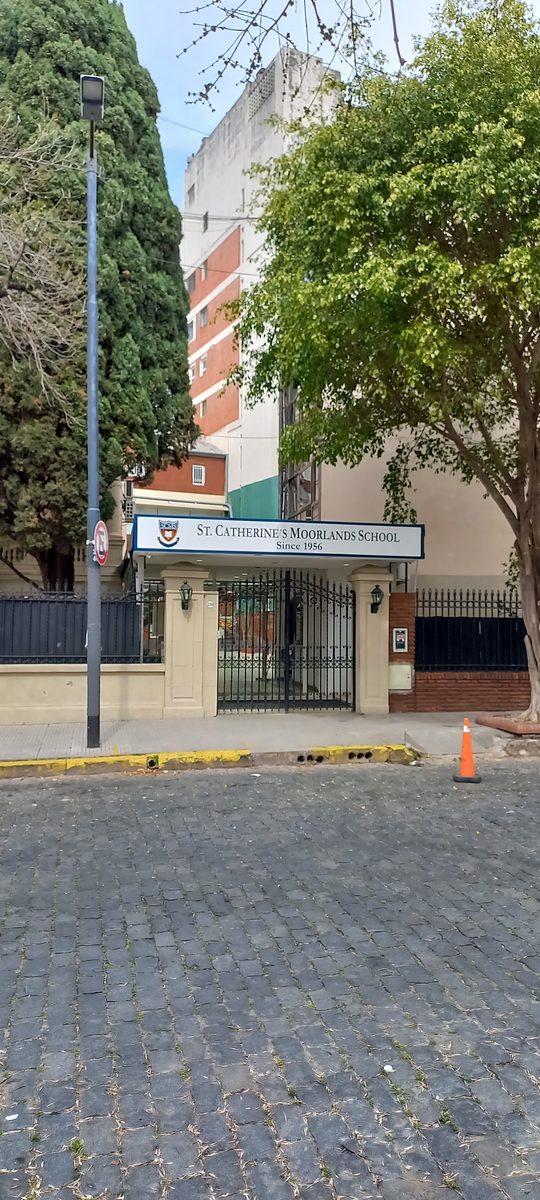
St. Catherine's Moorlands School
Buenos Aires · Argentina
Argentina's IB pioneer since 1973, pairing a British-rooted curriculum with a storied Buenos Aires hockey tradition
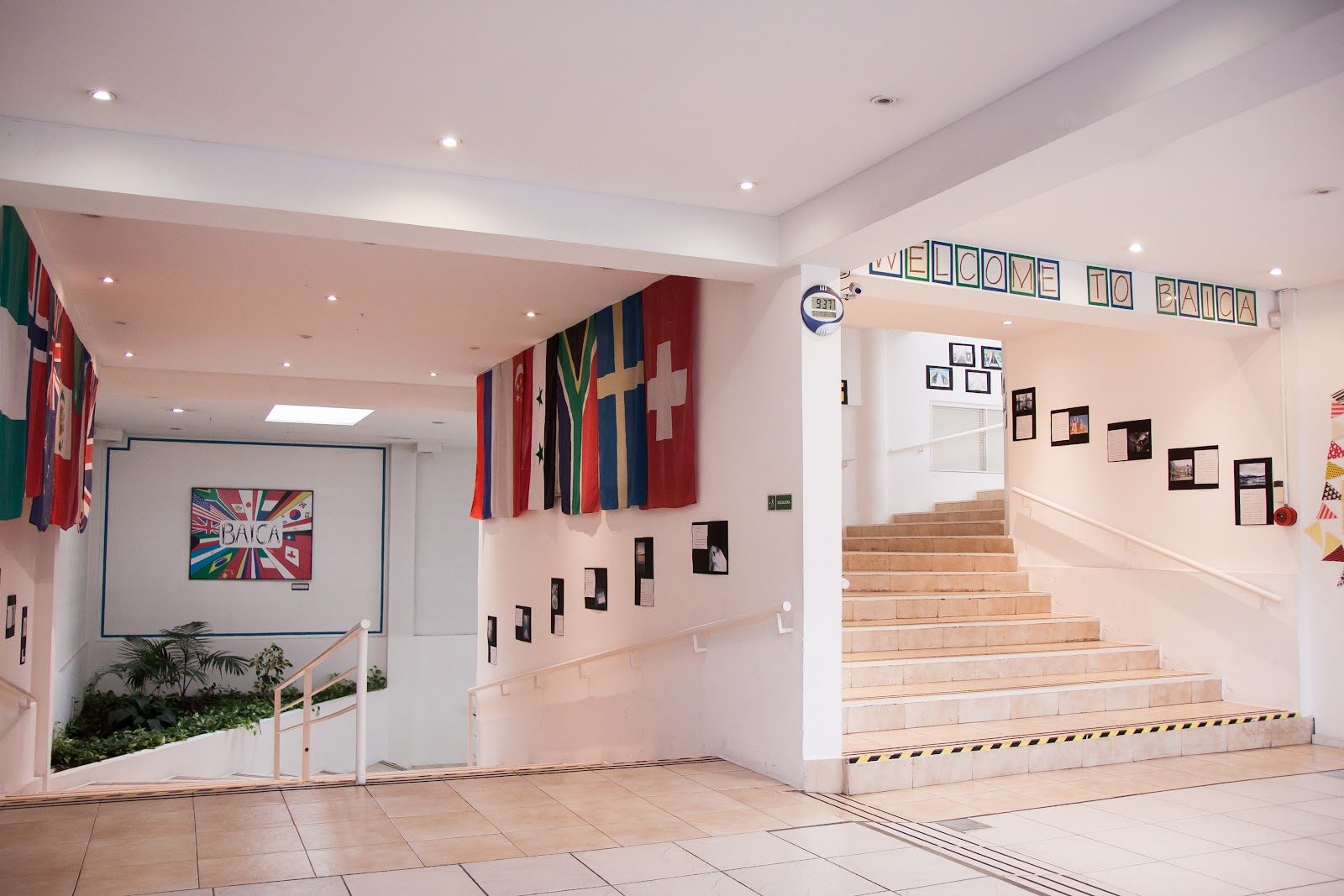
Buenos Aires International Christian Academy
Buenos Aires · Argentina
Buenos Aires' only Christian international school pairs a US college-prep track with a dual Argentine diploma.
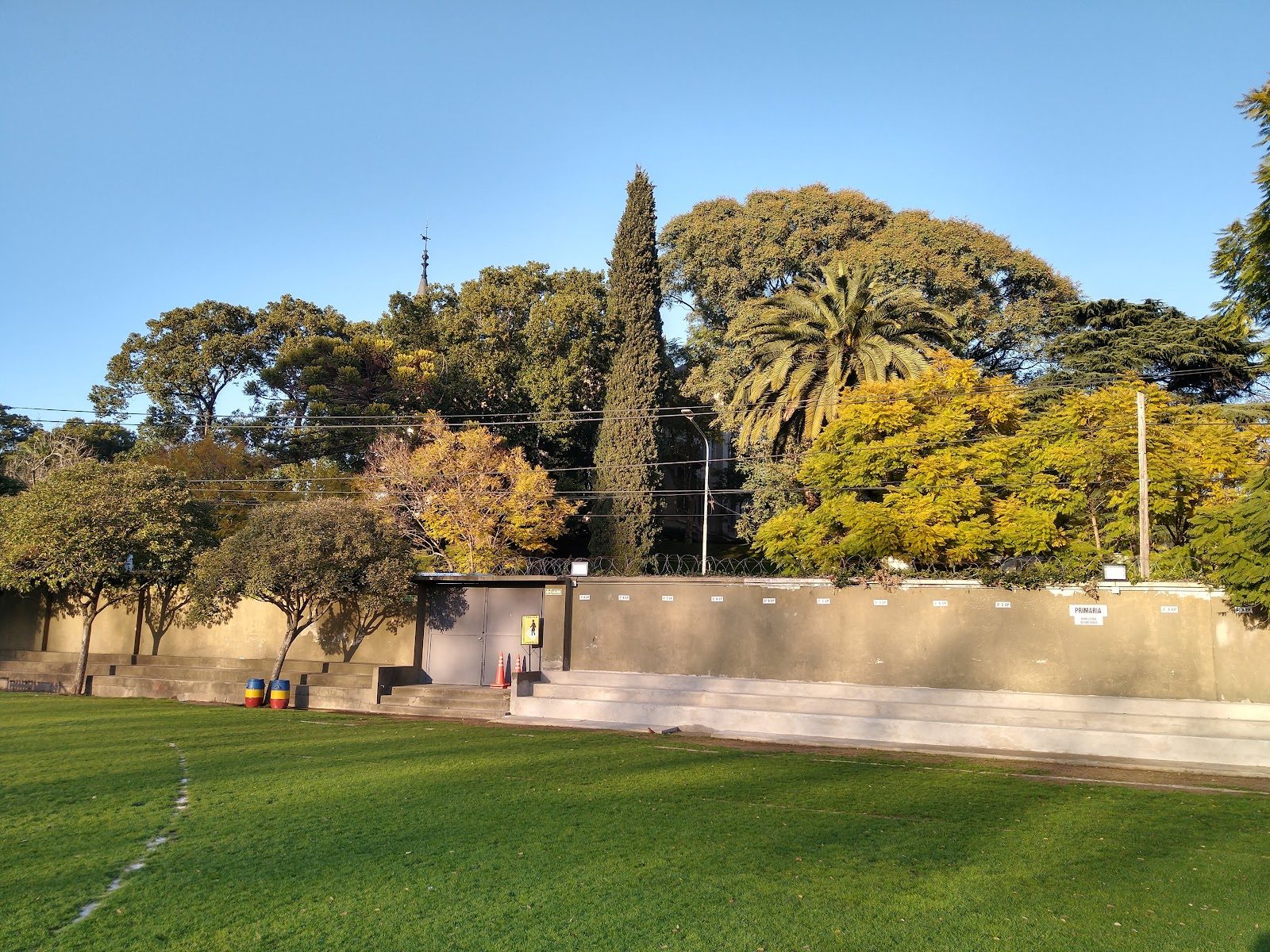
Colegio Michael Ham
Buenos Aires · Argentina
Inside a neo-Gothic castle on the Vicente Lopez barranca, nearly a century of girls-only schooling has just given way to coeducation.
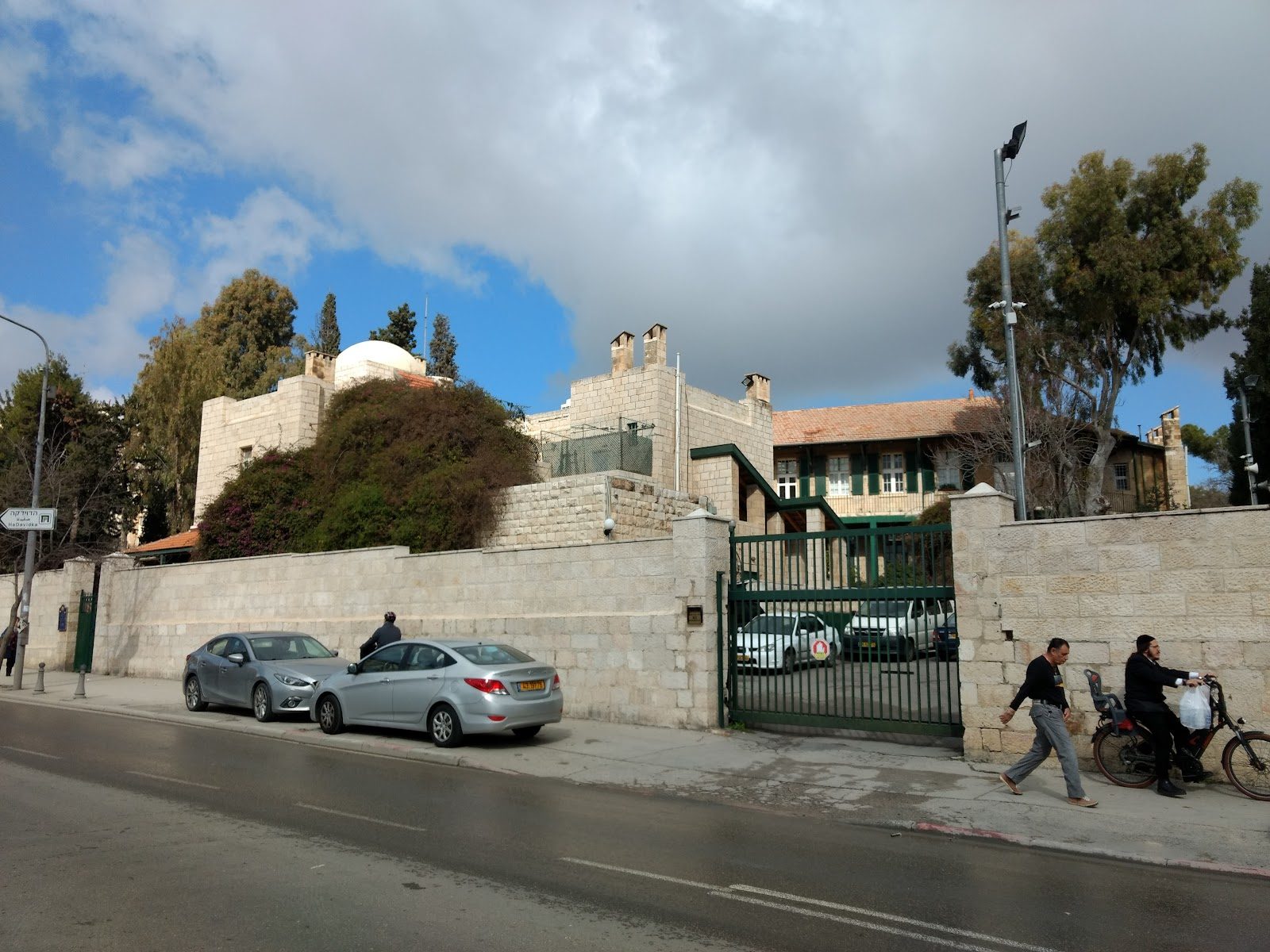
Anglican International School Jerusalem
Jerusalem · Israel
The first school in Israel authorised for the IB, mixing British roots with over thirty nationalities inside Jerusalem's ancient walls.
Same country and curriculum — closest matches within ±10 points either way