
Maharashtra
Aditya Birla World Academy
low confidence· 6/6 cats · 0 avg sourcesMumbai day school delivering the Cambridge IGCSE and IB Diploma curricula.
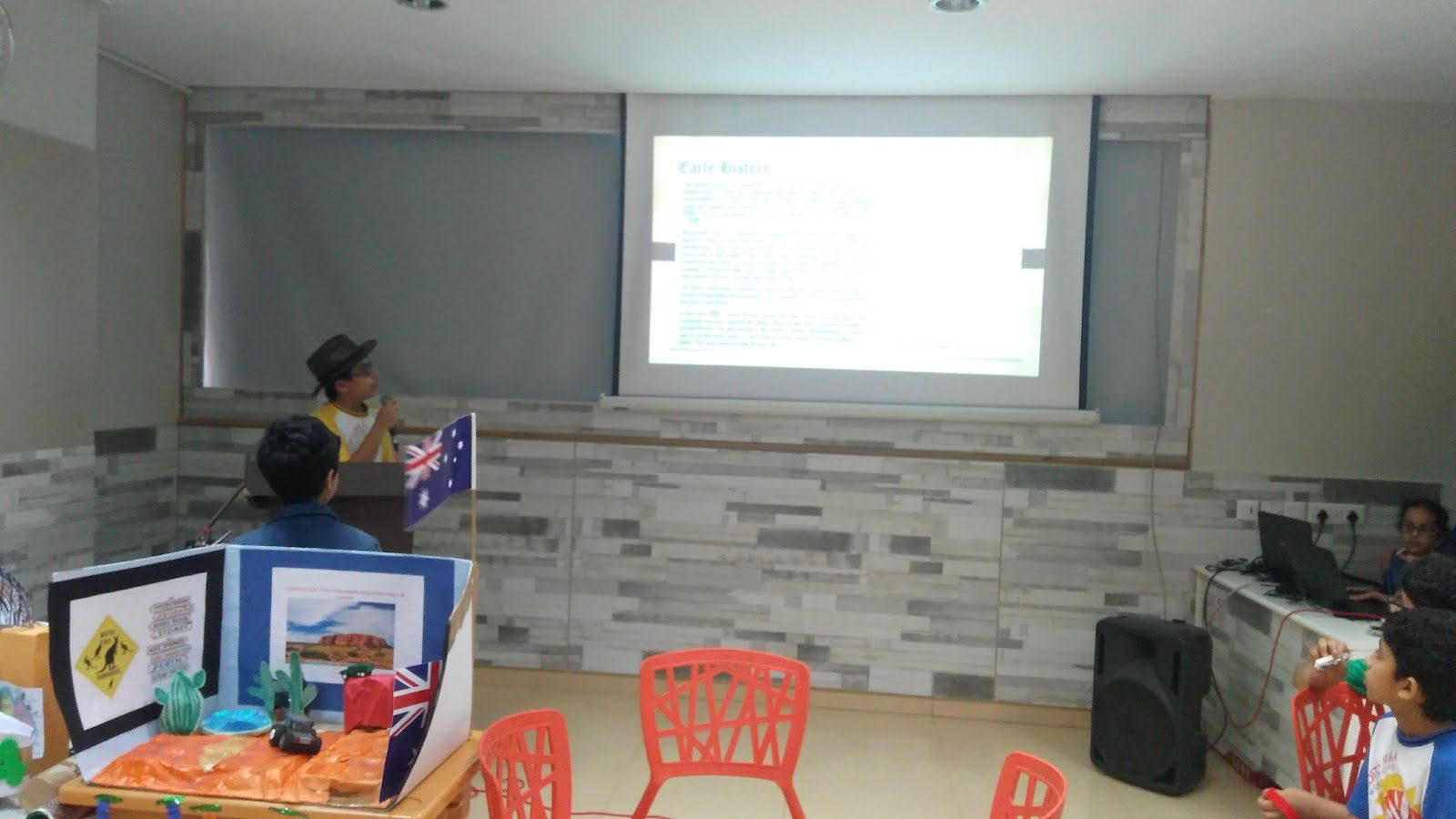
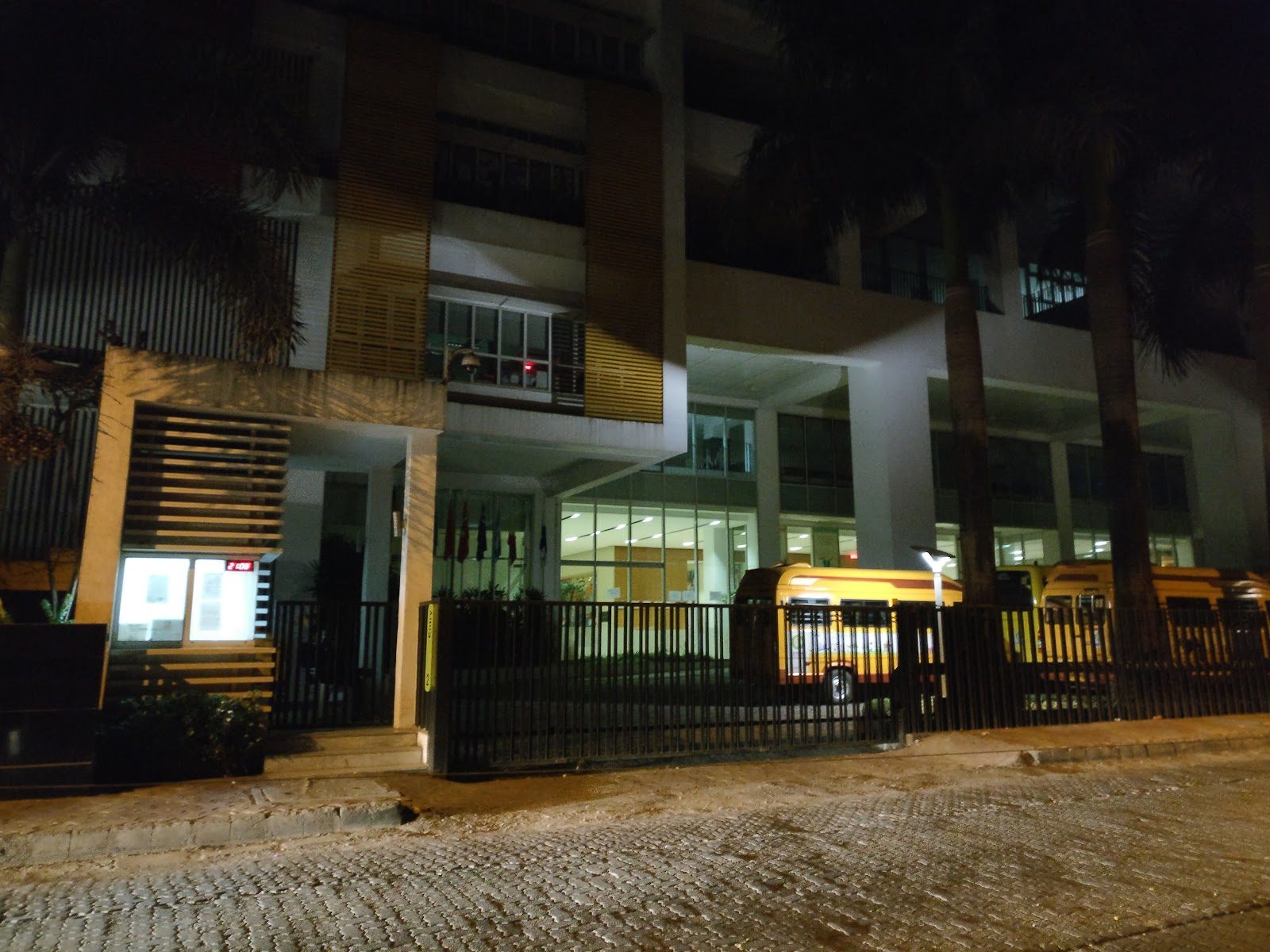
Photo © Nishant Dexter via Google Maps
Type
Day
Ages
5–18
Curriculum
ICSE · IGCSE · IB (Diploma)
Ratio
8:1
The Verdict
Editor's commitment
Right for
Mumbai families wanting a 2008-founded day school with English teaching, 11:1 staffing, and a genuine ICSE, IGCSE and IB Diploma spread.
Wrong for
Parents wanting boarding, a single-curriculum school, or religion on campus; ABWA is non-religious, day-only, and runs ICSE, IGCSE and IB Diploma.
Watch out for
The school advertises A Level, but the verified curriculum lists ICSE, IGCSE and IB Diploma; clarify sixth-form pathways before applying.
Ranking breakdown
Aditya Birla World Academy · #372 of 1591
Composite score 72.2. 8 weighted criteria.
By criterion
Academic Outcomes
Weight 20%
#333
of 1529 scored
University Placement
Weight 16%
#354
of 1529 scored
Prestige & Heritage
Weight 12%
#462
of 1529 scored
Alumni Network
Weight 12%
#386
of 1529 scored
Facilities
Weight 12%
#502
of 1529 scored
Transparency & Communications
Weight 8%
#457
of 1529 scored
Peer & Industry Review
Weight 10%
#523
of 1529 scored
Admissions Selectivity & Demand
Weight 8%
#282
of 1529 scored
Peer & Industry Review
How Aditya Birla World Academy is regarded in the sector
68
Respected · medium confidence
Aditya Birla World Academy is consistently listed among Mumbai's top IB/international schools in expat parent forums (e.g., Expat Arrivals, InterNations discussions) and education directories covering South Mumbai schooling options, and is referenced in comparative pieces alongside Dhirubhai Ambani International School and Ecole Mondiale. It lacks the global 'best schools' press coverage (Tatler, Good Schools Guide detailed reviews) seen at the very top tier, but has a solid regional reputation with recognisable name-brand backing from the Aditya Birla Group.
Evidence sources
Editors' overview
Aditya Birla World Academy occupies a specific niche in Mumbai: a high-fee, urban day school that combines Indian and international pathways under one roof, with ICSE in the earlier years and IGCSE or the IB Diploma later on. Founded in 2008, it is still a young school by Mumbai standards, but it has built a clear identity around close adult attention, strong pastoral framing and a polished metropolitan parent base. The school’s own messaging leans heavily on emotional development, leadership and service; that focus is not decorative. PRIME — its in-house framework for tracking impact, mindset and empathy — gives ABWA a more explicit social-emotional architecture than many academic-first competitors. For families who want pastoral seriousness alongside exam routes with international currency, that matters. The published student-teacher ratio of 11:1 and average class size of 22 reinforce the point.
What puts it on a shortlist is the combination of breadth and containment. ABWA is not a vast, anonymous institution. It offers a compact, carefully managed environment in English, with visible attention to student care, co-curricular programming, university counselling, internships and community service. That package suits parents who want close oversight, urban convenience and a school that treats confidence, articulation and emotional literacy as core work, not enrichment at the edges. The drawback is equally clear: families seeking old-school institutional heft, a sprawling campus culture or decades of public exam data will find ABWA lighter on legacy than Mumbai’s longest-established names. The website also trades too often in slogan and testimonial where sharper academic disclosure would serve parents better.
The student who fits ABWA is bright, outward-facing and comfortable in a structured, ambitious environment. This is a good school for children who thrive with encouragement, perform well in discussion-rich classrooms and want access to sport, service, competitions and leadership without the brutality of a sink-or-swim culture. It also suits internationally minded families who value the option of IGCSE and the IB Diploma in a day-school format. Children who need steady pastoral scaffolding, enjoy purposeful busyness and respond to adults who know them well will do well here. Children who want a rougher, more independent atmosphere or a deeply traditional academic culture may find ABWA too curated. Its strongest appeal lies in delivering high-touch ambition with emotional intelligence at the centre.
Academic Performance
ABWA gives parents very little hard public data on academic performance. We have not seen aggregate IGCSE grade distributions, IB Diploma averages, top-score ranges, pass rates, subject-by-subject breakdowns or multi-year outcome tables in the public domain. That is a real weakness in a market where serious competitors publish at least headline exam figures and university destinations with more rigour. The school foregrounds student stories, competition honours and institutional messaging; it does not give parents a clean statistical picture of how whole cohorts perform. For an academically ambitious school, that level of disclosure is too polished and too thin.
That does not place ABWA in the weak-results category; it places it in the opaque-results category. Its exam pathways carry external accountability, and the school clearly wants to be read as a high-expectation operator rather than a soft pastoral haven. The published 1:8 teacher-student ratio claim points to capacity for close academic monitoring, and the presence of dedicated university counselling reinforces the college-preparatory pitch. Still, relative to Mumbai peers competing for the same internationally minded families, ABWA sits below the best-disclosed schools on transparency. Parents choosing this school for academic outcomes need to ask for cohort-level IGCSE and IB data, score distributions, destination lists and at least 3–5 years of trend lines. Without that, judgement rests on trust rather than evidence — a poor basis for a high-fee decision.
Facilities
ABWA’s facilities pitch centres on range rather than scale. The website points parents to a dedicated “Campus & Facilities” section, strong sports visibility, co-curricular programming, student care, community service and internship opportunities, but it gives too little hard detail on the physical plant itself. That matters. In this fee bracket, parents need clear disclosure on science labs, specialist arts spaces, indoor and outdoor sport provision, libraries, design or technology rooms, and how much room students actually have to move. ABWA communicates activity and polish; it does not publish the kind of facility inventory that lets families benchmark properly. The one concrete operational clue is the school’s low staffing ratio, paired elsewhere with an average class size of 22, which points to classrooms built for contained, closely managed learning rather than mass throughput.
Against Mumbai peers, that places ABWA in a familiar premium urban category: *well-programmed, spatially constrained, carefully run*. Families should not expect the land-rich footprint, extensive playing fields or resort-style campus infrastructure available at some suburban schools. The likely strength lies in versatile indoor teaching areas and a timetable that extracts a lot from limited city space. The likely weakness lies in breadth of specialist provision and day-to-day room for sport, rehearsal and informal student life. For children who want a compact, supervised, high-touch setting, that works. For families prioritising expansive grounds or visibly exceptional facilities, ABWA does not make the case clearly enough.
Aditya Birla World Academy has real local cachet in Mumbai’s premium day-school market, but its prestige is contemporary rather than inherited
Prestige
Aditya Birla World Academy has real local cachet in Mumbai’s premium day-school market, but its prestige is contemporary rather than inherited. The Aditya Birla name carries weight, and the school benefits from that association with wealth, reach and institutional polish. It also caters to a parent body that values global pathways, close management and social confidence, which gives the school a distinct upper-tier aura. The public-facing brand is glossy, disciplined and carefully controlled. That matters in this segment. So does the school’s visible success in competitions and student showcases, from robotics to international academic events to elite junior sport. The low staffing ratio — the site cites 1:8 — adds to the sense of high-touch exclusivity.
Still, prestige here rests more on network, presentation and parent perception than on the old markers of school stature. ABWA does not have the deep institutional history, intergenerational alumni power or public academic record that define the most entrenched names. Its claim to be ranked No. 1 in the Times School Survey helps the brand, but survey rankings are a soft measure and no substitute for hard outcomes. That leaves ABWA in a strong but not unassailable position: admired, expensive, socially visible, and credible with ambitious urban families, yet short of the untouchable status that only long-established schools with fully published results command.
For families prioritising expansive grounds or visibly exceptional facilities, ABWA does not make the case clearly enough
Communications
ABWA communicates with parents in a high-control, brand-managed way. The website is polished, busy and clearly maintained, with visible pathways into admissions, events, parent community activity, student life and pastoral messaging. Parents do not need to hunt for the school’s priorities: emotional wellbeing, co-curricular life, service, competition success and university preparation all sit front and centre. That gives a clear sense of what daily school life values. The presence of a dedicated Parent Circle also points to a school that treats parent engagement as part of the operating model rather than an afterthought. For families who want regular institutional signalling, strong tone-setting and a school that keeps its community inside a curated narrative, this works well.
The weakness is depth. ABWA is better at promotion than disclosure. The site relies heavily on slogans, testimonials and selected student highlights, and it uses them to polished effect, but parents making an expensive decision need more than atmosphere. We have not seen the sharper communications that matter most once a child is enrolled or applying onwards: detailed academic reporting examples, cohort outcome tables, fuller destination data, or a plain account of how concerns escalate and who answers them. Even the staffing claim of 1:8 functions more as brand shorthand than operational explanation. So the verdict is mixed: communication is confident, coherent and parent-aware, but also tightly curated. It reassures well; it informs less well than the best schools in this bracket.
Uniqueness
What sets ABWA apart in Mumbai is not raw scale, old institutional muscle or radical academic disclosure. It is the school’s decision to build a premium day-school model around managed intimacy and emotional architecture. The most distinctive expression of that is PRIME, the school’s own framework for tracking impact, mindset and empathy. Plenty of schools talk about wellbeing and leadership; ABWA has turned that language into a branded internal structure. Combined with its published 11:1 student-teacher ratio and small-class setup, that gives students more adult attention, tighter monitoring and a school culture where pastoral care is organised rather than incidental. For children who need encouragement to speak up, recover from setbacks or take on visible responsibility, that matters.
ABWA also stands out for the way it packages high expectation without the harshness that defines some elite urban schools. The public narrative gives equal weight to community service, internships, university counselling, competitions and emotional development. That produces a student experience that is highly curated, socially polished and geared towards confident public performance. The upside is clear: students get structure, exposure and repeated opportunities to lead, present and participate. The trade-off is clear too. This is not a loose, student-led culture with much room for anonymity or self-invention at the margins. ABWA’s version of distinctiveness lies in close cultivation — and for the right child, that is a strong advantage.
The most distinctive expression of that is PRIME, the school’s own framework for tracking impact, mindset and empathy
Student Profile
The best fit at ABWA is a child who engages readily with adults, handles a packed week without resentment and gains energy from visibility. This is a school for students who will use counselling, service, internships, competitions and performance opportunities rather than hide from them. The culture rewards articulation, self-possession and the willingness to take part. Children who enjoy presenting, collaborating and moving between academic work and organised enrichment will find a high-attention, socially polished environment. The low staffing ratio — 11:1 in the verified school context, and 1:8 on the school’s website — points to close observation. Students who benefit from being known, checked in on and nudged forward fit that model well.
The weaker fit is just as clear. Children who want anonymity, resist institutional framing or prefer a looser, rougher peer culture will find ABWA tightly managed. This is not a school built around benign neglect or adolescent drift. Its emphasis on empathy, mindset and impact gives it a deliberately shaped tone, and that will suit some families far better than others. It also suits a metropolitan parent body that expects composure, responsiveness and visible growth, not only grades. The students who thrive here are ambitious without needing a brutal atmosphere, outward-facing without being reckless, and comfortable in classrooms that run on discussion, expectation and constant adult presence.
ABWA’s version of distinctiveness lies in close cultivation — and for the right child, that is a strong advantage
Co-curricular strengths
Arts & sport, on a separate axis
Overall 8.54/10
Scored 0-10 from the school's own published evidence. This axis is editorial-only — it does not feed the main WTS ranking.
Sports
8.3/10
Drama
8.4/10
Dance
8.8/10
Music
8.7/10
Visual Arts
8.5/10
Strengths
- +Authorised by the International Baccalaureate Organization to offer the IB Diploma Programme since February 2010, giving the school over a decade of DP delivery experience.
- +Runs a single continuous pathway from Nursery through Cambridge Primary/Lower Secondary, IGCSE (Grades 9-10) and the IB Diploma (Grades 11-12), avoiding a school change at 16.
- +A Merit Scholarship Programme is available for Grade 11 IBDP entry, open to both internal and external applicants and able to cover part or full two-year tuition.
- +Was ranked No. 1 in Mumbai's 'International Curriculum' category in the Times School Survey 2025, a third-party newspaper ranking rather than a self-assessment.
- +Central Tardeo (Gamadia Colony) location places it close to south Mumbai residential pockets such as Cumballa Hill and Breach Candy, popular with relocating professionals.
Considerations
- −Annual tuition sits in the premium band for Mumbai, reported at roughly INR 8-14 lakh (about $7,800-$13,250) depending on grade, before one-off admission and development charges.
- −Fixed entry points mean new admissions are concentrated at Nursery, LKG, Grade 8 and Grade 11, with other grades offered only on a chance-vacancy basis, limiting flexibility for mid-cycle relocations.
- −Campus is a single urban site in dense Tardeo rather than a sprawling suburban plot, which constrains on-site space for sport and outdoor facilities typical of newer purpose-built campuses.
- −Editorial rank of 466 and challenger_300 tier place it below Mumbai's most internationally established IB schools on independent comparative rankings.
Availability
Primary entry gate & tests
Academic Record + Assessment
Gallery
Photo © Nishant Dexter via Google Maps
Photo © Nishant Dexter via Google Maps
Photo © Nishant Dexter via Google Maps
Photo © Nishant Dexter via Google Maps
Photo © Nishant Dexter via Google Maps
Photo © Nishant Dexter via Google Maps
Photo © Nishant Dexter via Google Maps
Photo © Nishant via Google Maps
Photo © Nishant via Google Maps
Parent reviews
Have you sent your child here?
Voice reviews carry the strongest trust badge — we transcribe them for you to tidy up before they go live. Prefer to type? A written review is fine too.
Add your voice
In 60 seconds, tell other parents: what's the best thing about Aditya Birla World Academy, and what surprised you when your child joined?
We ask for a Google sign-in so every review has a real face behind it — no anonymous drive-by attacks on schools, and no faked positive reviews. Your email is never shown publicly.
Send this profile to a friend
International parents rely on word-of-mouth. Share this review with someone weighing the same decision.
Schools with places
Similar schools to Aditya Birla World Academy with places available now.
Oberoi International School
Mumbai · India
- 2026-27
- WAITPOOLSpace-dependent
- 2027-28
- PLACES OPENRolling
Dhirubhai Ambani International School
Mumbai · India
- 2026-27
- WAITPOOLVacancy-dependent
- 2027-28
- WAITPOOLEnquiry/app live (Dates TBC)
Availability first, then country, area, curriculum, price, co-curricular
Consider also
Also worth looking at alongside Aditya Birla World Academy.
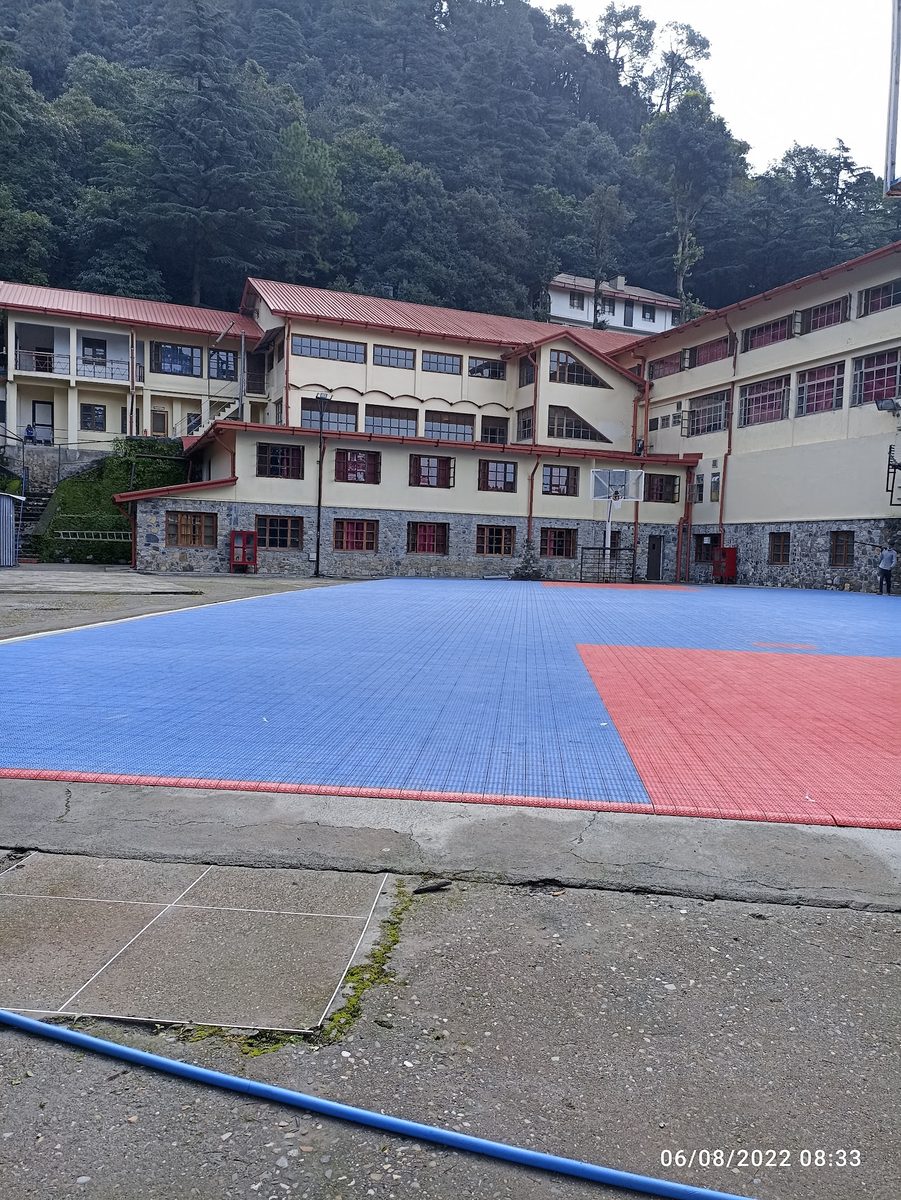
Woodstock School
Mussoorie · India
IB, American Diploma and Cambridge boarding amid the Himalayan foothills since 1854
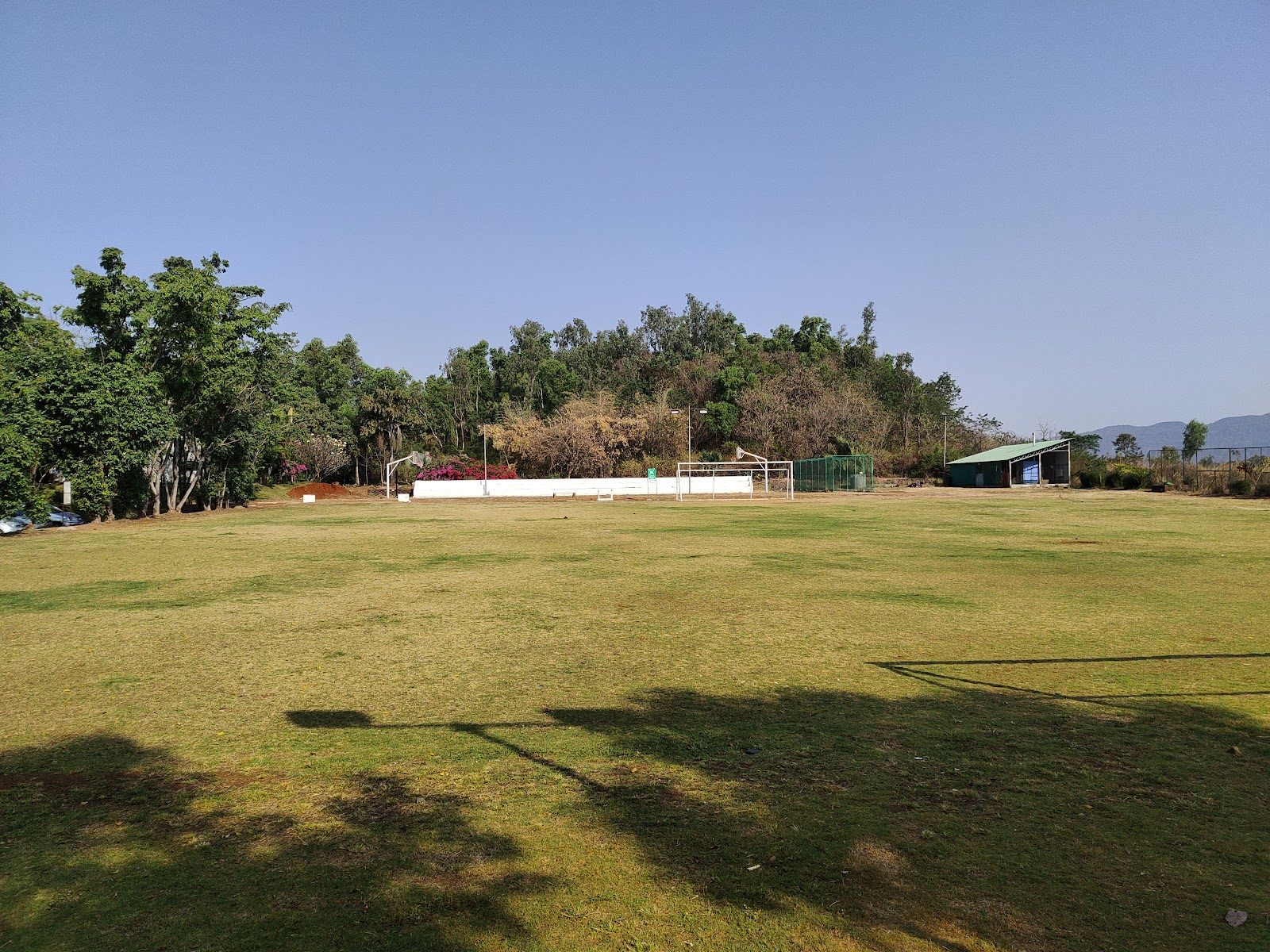
UWC Mahindra College
Pune · India
South Asia's only United World College, its 170-acre Western Ghats campus reforested tree by tree by its own students.
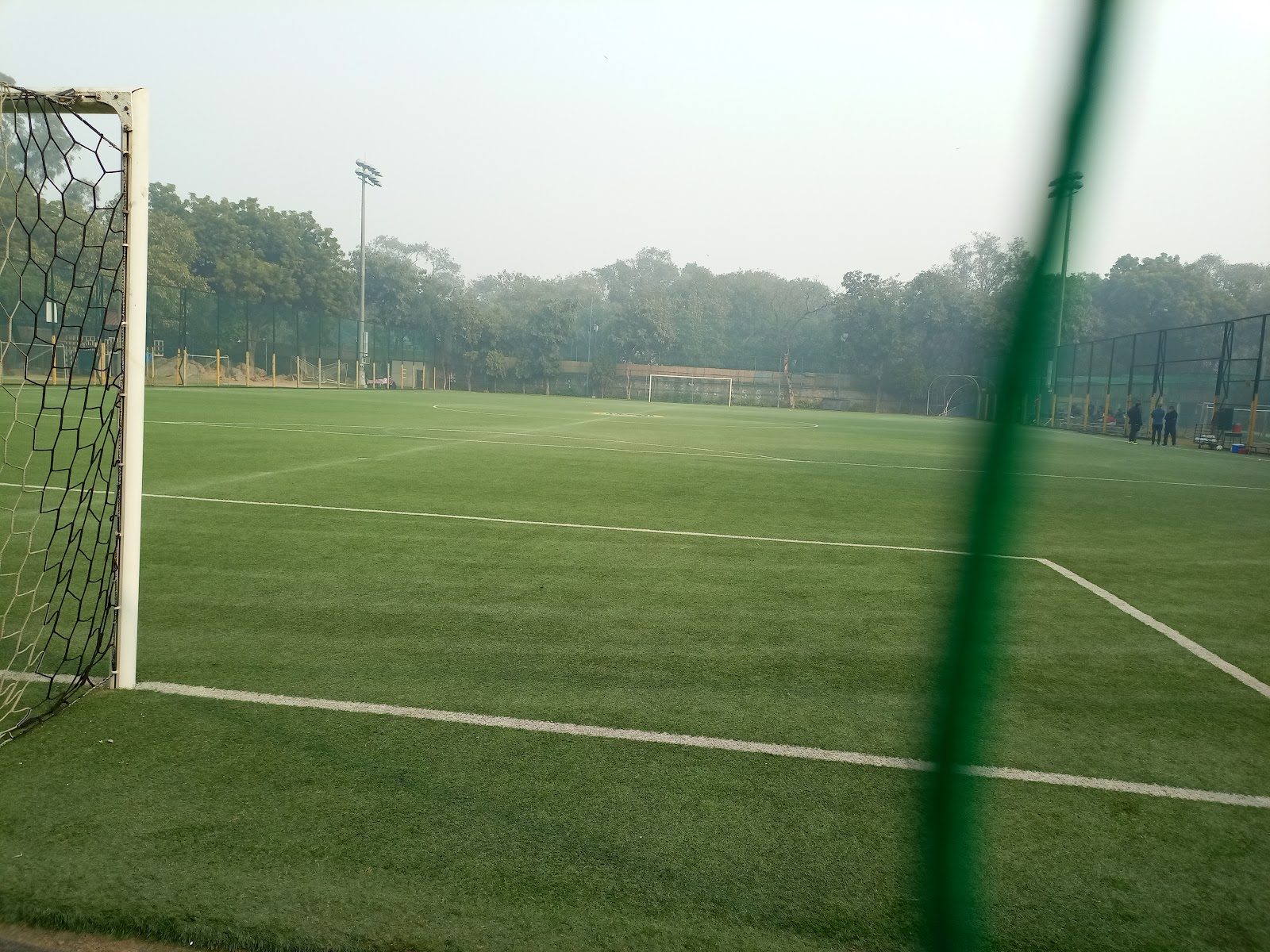
American Embassy School
New Delhi · India
Beside the U.S. Embassy in Chanakyapuri, a Joseph Stein-designed campus mixes American college prep with IB rigor for over 70 nationalities.
Oberoi International School
Mumbai · India
A full IB continuum from Nursery to Diploma, spread across twin Goregaon campuses inside Mumbai's Oberoi Garden City enclave.
Same country and curriculum — closest matches within ±10 points either way