
Dubai
Hartland International School
low confidence· 4/6 cats · 0 avg sourcesTen minutes from the Burj Khalifa, where maths and physics classes study the skyline as their textbook
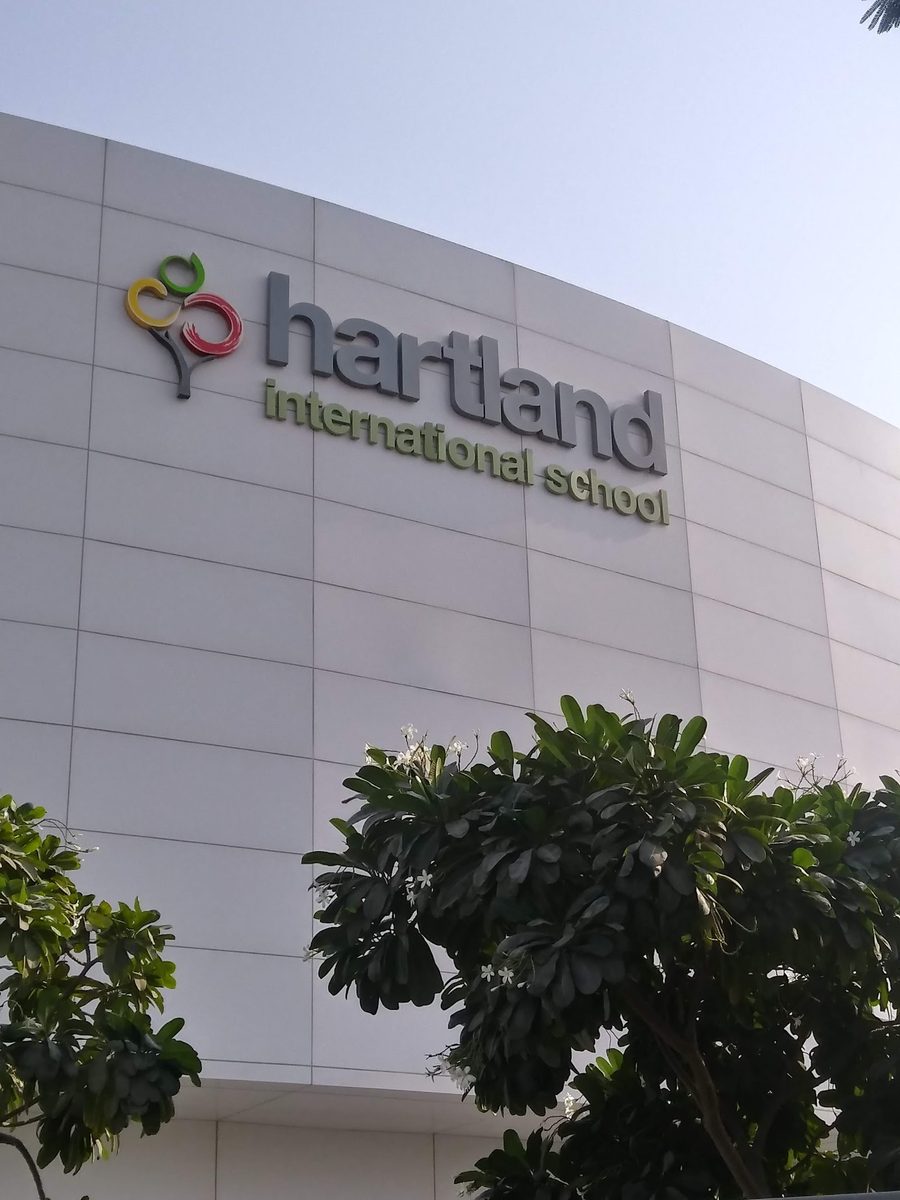
Photo © Narendra Mehra via Google Maps
Type
Day
Ages
3–18
Curriculum
British
Qualifications
IGCSE · A-Level
Ratio
—
The Verdict
Editor's commitment
Right for
Dubai families wanting a British day school, ages 3–18, with KHDA Very Good and High Performance Learning built into the pitch.
Wrong for
Parents wanting boarding, a non-British curriculum, or teaching in another language; Hartland is day-only, British, and English-medium.
Watch out for
Founded in 2015, Hartland is still a young school; BSO and HPL add credibility, but the school does not publish hard outcome data here.
Ranking breakdown
Hartland International School · #440 of 1591
Composite score 69.8. 8 weighted criteria.
By criterion
Academic Outcomes
Weight 20%
#294
of 1529 scored
University Placement
Weight 16%
#398
of 1529 scored
Prestige & Heritage
Weight 12%
#819
of 1571 scored
Alumni Network
Weight 12%
#761
of 1530 scored
Facilities
Weight 12%
#126
of 1534 scored
Transparency & Communications
Weight 8%
#288
of 1532 scored
Peer & Industry Review
Weight 10%
#533
of 1548 scored
Admissions Selectivity & Demand
Weight 8%
#1123
of 1529 scored
Peer & Industry Review
How Hartland International School is regarded in the sector
76
Strong · high confidence
Hartland International School has built a strong reputation among Dubai's premium British curriculum schools, anchored by consistently high parent satisfaction rather than headline exam pedigree. WhichSchoolAdvisor's latest review notes a positivity rating of 86% from close to 300 parents, with 94% saying they would recommend the school, while SchoolsCompared records a Net Promoter Score of 90%, with 93% of parents actively recommending it. Inspection outcomes reinforce this standing, with the school judged Outstanding overall in its April 2025 British Schools Overseas inspection and rated Very Good by the KHDA for 2023-24, with several strands marked Outstanding. SchoolsCompared's editorial verdict is unusually warm for the sector, judging that Hartland blends academic rigour with human warmth and builds lasting partnerships with parents. It has not yet acquired the alumni profile of Dubai's very top-tier names, but among premium British schools it is now a well-established, frequently cited reference point.
Editors' overview
Hartland International School occupies a strong niche in Dubai’s British-school market: a full-through day school, founded in 2015, with a central location and a sharper academic identity than many newer entrants. The selling point is not heritage; it is execution. Hartland pairs the British curriculum with High Performance Learning, and the combination matters. The school pushes enquiry, specialist subject teaching from a young age, and a conspicuously broad enrichment offer. KHDA rates it Very Good for 2023/24, while BSO and HPL accreditation give parents an external check on standards. This is a school for families who want serious academic intent without the stale mechanics of a traditional exam factory.
What distinguishes Hartland is the balance between ambition and range. The school promises over 100 clubs and enrichment activities, with students spending up to 4 hours a week on them, and says almost all are included in fees. That is a material advantage in Dubai, where “extras” often inflate the real cost of schooling. The academic side has substance too. KHDA quotes point to strong teaching, secure assessment systems and high expectations, while also flagging a weakness: independent learning is less well developed than the school’s rhetoric about critical thinking implies. That criticism is useful because it gives a cleaner picture than the usual brochure language. Hartland delivers a disciplined academic core, a wide co-curricular menu and a calm, orderly culture; it still has work to do in producing students who drive more of their own learning without teacher scaffolding.
For parents building a shortlist, Hartland earns its place because it covers a lot of ground well. It serves ages 3–18, teaches in English, and offers continuity across the whole school rather than a handoff at Year 6 or Year 11. Its senior leadership advertises a combined average of over 20 years leading outstanding schools, and KHDA’s comments on leadership, inclusion and wellbeing are strong. The location also counts. In a city where school commutes can hollow out family life, a campus close to central Dubai carries real value. Hartland is expensive, as any school with this profile in this part of Dubai is expensive, so parents should expect to pay for the package; the question is whether they get enough in return. Here, the answer is yes.
The pupil who fits Hartland best is bright, engaged and comfortable in a structured environment that expects effort. This is not the first choice for a child who needs an eccentric, permissive or ultra-progressive culture. It suits students who will use the enrichment programme, respond to high expectations, and benefit from close adult oversight and visible pastoral care. It also suits internationally minded families who want a British education with modern framing rather than old-school mannerisms. In market terms, Hartland sits in the upper tier of Dubai British schools: not the oldest name, but one of the more convincing for parents seeking urban convenience with academic depth.
Academic Performance
Hartland does not publish the kind of full results dashboard that makes peer comparison easy. We have not seen aggregate GCSE or A-level pass rates, top-grade distributions, subject breakdowns, cohort sizes, or university destination tables in the public domain. That gap matters. In Dubai’s upper-tier British market, schools with hard-edged academic confidence tend to put headline exam data front and centre. Hartland instead leans on inspection language about attainment and progress being very strong in the core subjects, plus internal claims around assessment, challenge and enquiry. That supports the case for a school with solid academic machinery; it does not prove elite exam outcomes. For parents who prize transparent benchmarking, the picture is less complete than it should be.
Relative to peers, Hartland sits in the bracket below the most data-rich exam powerhouses and above schools whose academic case rests on little more than glossy messaging. KHDA’s judgement carries weight, and the regulator’s praise for teaching quality, tracking systems and ambitious targets points to a school that prepares pupils seriously for external assessment. The catch is that independent learning is flagged as less developed, which matters at the sharp end of GCSE and sixth-form performance, where self-direction separates good results from genuinely top-flight ones. The school’s enrichment breadth and specialist teaching add depth, but without published outcomes Hartland remains an informed bet rather than a fully evidenced academic standout.
Facilities
Hartland’s facility pitch is built around breadth and daily usability rather than one trophy building. The school gives arts, sport and specialist subjects enough dedicated space to support the kind of timetable it advertises, and the structure of the site matters: this is a campus designed for a full-through school, not a primary bolted onto a secondary or vice versa. The practical advantage for parents is obvious. Children can move through the school without a visible drop in physical provision as they get older, and specialist teaching has the rooms to function as more than a slogan. In Dubai terms, that puts Hartland in the well-resourced premium bracket. It does not trade on architectural theatre in the way some newer rivals do, but it covers the essentials of a serious day school with more substance than spectacle.
The stronger point is how facilities connect to the wider school day. Hartland ties its site to a co-curricular programme of over 100 activities, and that scale only works when sports areas, performance spaces and teaching rooms stay busy beyond lessons. Many peer schools have impressive facilities that feel under-programmed or heavily paywalled; Hartland’s claim that almost all activities are included in fees gives its provision a more usable, less performative edge. We have not seen the kind of granular public facility map that lets parents compare room by room against Dubai’s most lavish campuses, so the school does not win on transparency. It wins on a campus that supports *serious academic and extracurricular throughput* without forcing families to pay extra for every extension of the school day.
The school does not publish the hard results data that would lift it into the city’s undisputed academic top tier
Prestige
Hartland carries real local standing in Dubai’s premium British-school market, but prestige here rests on current performance and parent demand, not old institutional cachet. It has the markers that matter to informed families: a strong regulator grade, recognised external validation, a central address that suits senior business and professional households, and a polished whole-school offer that runs from the early years to sixth form without an obvious weak phase. The school also pushes a model of education that plays well with status-conscious, academically serious parents: specialist teaching early on, visible enrichment, and a vocabulary of challenge, ambition and high expectations. More than 100 activities, with up to 4 hours a week attached to them, gives Hartland a high-functioning, full-service profile rather than the narrower identity of a school that only sells exam preparation.
That said, Hartland does not sit in Dubai’s old-money, legacy-name bracket, because it has not earned prestige through decades of alumni reach or through public exam transparency that silences debate. The school does not publish the hard results data that would lift it into the city’s undisputed academic top tier. Its prestige is therefore earned, not inherited: strong enough to command attention on a serious shortlist, strong enough to justify premium positioning, but not the kind that closes the conversation the moment its name is mentioned. For many families, that distinction will not matter. For parents buying pure brand power, it does.
Hartland’s distinctiveness lies in how deliberately it marries central-city life to the school day
Communications
Hartland communicates with parents in the way an upper-tier Dubai day school needs to: frequently, across multiple channels, and with a strong bias toward visibility. The public-facing structure tells its own story. There are dedicated sections for school life, calendar, the school day, transport, lunch, uniform by phase, policies, inspection reports, parent engagement, a parent group, and an alumni portal, alongside direct local and international contact numbers. That is well-drilled operational communication, not decorative website architecture. The school also publishes its senior leadership, teaching teams and advisory board, which gives parents a clearer line of sight into who runs the place than many competitors offer. For a full-through school serving busy families, that degree of practical signposting matters.
Effectiveness is strongest at the organisational level and less convincing on the academic-disclosure front. Parents can find the mechanics of day-to-day school life without much friction, and the prominence given to inspection reports signals healthy institutional confidence. The weak point is results transparency. Hartland talks fluently about teaching, challenge and student support, but it does not publish the aggregate exam data that would make communication feel fully candid rather than carefully managed. That does not mean communication is poor; it means it is strong on process, lighter on proof. The inclusion of parent engagement in the site structure, plus a menu of community-facing touchpoints, points to a school that works hard to keep families connected. The message reaches parents clearly. It does not answer every hard question.
Uniqueness
Hartland’s distinctiveness lies in how deliberately it marries central-city life to the school day. The editorial tagline is not decorative: a campus close to Dubai’s commercial core gives maths, physics and geography a live urban backdrop, and that changes the texture of learning. Add specialist subject teaching from an early stage, plus an enquiry-led model, and the school builds a pattern that is more intellectually switched-on than the generic premium-school formula of nice facilities and broad claims. The other point of difference is operational rather than philosophical: Hartland runs a genuinely full day. With over 100 activities and up to 4 hours a week attached to enrichment, students have more room than usual to test interests, commit to a discipline, or find competence outside the classroom. That matters for children who need a school to be busy, structured and purposeful rather than just safe.
What this brings to students is a high-expectation environment with range. KHDA’s comments on strong relationships, effective oversight and targeted support point to a school where adults know what they are doing and pupils get watched carefully. For many families, that is the value proposition: not romance, not heritage, but clear educational intent and a school culture that keeps children productively occupied. The limitation is also clear. Independent learning is less developed than the school’s own language of critical thinking implies, so Hartland’s version of ambition still relies heavily on teacher direction. For self-starting pupils that is a constraint; for many others, it is exactly the scaffold they need.
The other point of difference is operational rather than philosophical: Hartland runs a genuinely full day
Student Profile
The Hartland pupil is bright, compliant enough to work within a clear framework, and energetic enough to take advantage of a school day that extends well beyond lessons. This suits children who thrive when adults set standards, track progress closely and keep the pace up. It suits families who want visible structure, high adult involvement and a school culture that keeps idleness to a minimum. The co-curricular scale matters here: with over 100 activities and up to 4 hours a week tied to enrichment, students who like being busy will get more from Hartland than those who want a narrower, purely academic routine. Socially, the fit is with pupils who are respectful, cooperative and comfortable in an orderly environment where relationships with teachers are warm but the expectations are not negotiable.
The weaker fit is the child who resists direction, dislikes being closely guided, or needs a more unconventional atmosphere to flourish. Hartland talks the language of enquiry and critical thinking, but the inspection record is clear that independent learning has lagged behind other strengths. That points to a school that develops strong, engaged learners within a well-managed system, not one built for the fiercely self-propelled or the happily eccentric. For ambitious families, that is not a flaw; it is the model. Hartland works best for students who value challenge, respond to consistency and will use the school’s broad menu to build confidence, competence and range.
Hartland pairs the British curriculum with High Performance Learning, and the combination matters
Co-curricular strengths
Arts & sport, on a separate axis
Overall 8/10
Scored 0-10 from the school's own published evidence. This axis is editorial-only — it does not feed the main WTS ranking.
Sports
7.8/10
Football, Basketball, Swimming, Tennis and Gymnastics as extracurriculars.
Drama
8.5/10
Drama is offered, and the review also mentions performing arts and opportunities to perform, but without named productions, specialist staff or dedicated facilities.
Dance
7.7/10
Dance appears as a named extracurricular.
Music
8.2/10
Choir is explicitly listed as an extracurricular, which is sufficient evidence of a music programme, but there is.
Visual Arts
7.8/10
Editor first-pass · editor-reviewable · 7/27/2026
Official inspection · Dubai
KHDA report · 2023/24
Official · KHDAInspectorate
Knowledge & Human Development Authority
Dubai's mandatory education regulator; annual DSIB inspections.
Curriculum
British
Improved vs previous cycle
Full report
KHDA report finderRating history
Strengths
- +KHDA rated the school 'Very Good' overall for 2023-2024, with Outstanding judgements for curriculum design and student personal development.
- +British Schools Overseas (BSO) inspection in April 2025 rated Hartland Outstanding overall.
- +Sixth form offers an unusually broad menu of 26 A Level subjects plus three BTEC qualifications, an Extended Project Qualification, and the school's own Hartland Diploma.
- +Purpose-built Sobha Hartland campus includes a 650-seat theatre, a professional recording studio, specialised labs, gym and swimming pools.
- +Student body drawn from 57 nationalities, giving a genuinely international, non-single-nationality-dominated community.
Considerations
- −Fees sit in Dubai's premium tier, ranging from roughly AED 48,781 to AED 92,803 a year depending on year group (2025-26).
- −Campus is in Sobha Hartland/Mohammed Bin Rashid City, reached via Ras Al Khor and Al Ain roads, rather than in an established central expat residential belt.
- −Some parent feedback flags Arabic language instruction as an area needing improvement.
- −Founded in 2015, the school has a shorter operating history than Dubai's long-established British schools, so its outcomes track record is still comparatively young.
Availability
Primary entry gate & tests
CAT4 / Assessment
Gallery
Photo © Narendra Mehra via Google Maps
Photo © Varun via Google Maps
Recommended reading
Independent write-ups of this school from editorial outlets we trust.
- Hartland International School Dubai ReviewWhichSchoolAdvisor
- Hartland International School Review 2024SchoolsCompared
Parent reviews
Have you sent your child here?
Voice reviews carry the strongest trust badge — we transcribe them for you to tidy up before they go live. Prefer to type? A written review is fine too.
Add your voice
In 60 seconds, tell other parents: what's the best thing about Hartland International School, and what surprised you when your child joined?
We ask for a Google sign-in so every review has a real face behind it — no anonymous drive-by attacks on schools, and no faked positive reviews. Your email is never shown publicly.
Send this profile to a friend
International parents rely on word-of-mouth. Share this review with someone weighing the same decision.
Schools with places
Similar schools to Hartland International School with places available now.
Kings' School Al Barsha
Dubai · United Arab Emirates
- 2026-27
- PLACES OPENApps open / space-dependent
- 2027-28
- PLACES OPENSpace-dependent
Dubai British School Emirates Hills
Dubai · United Arab Emirates
- 2026-27
- PLACES OPENApps open / space-dependent
- 2027-28
- WAITPOOL2027/28 timetable TBC
Repton School Dubai
Dubai · United Arab Emirates
- 2026-27
- PLACES OPENApps open / space-dependent
- 2027-28
- PLACES OPENRolling
Dubai British School Jumeirah Park
Dubai · United Arab Emirates
- 2026-27
- PLACES OPENApps open / space-dependent
- 2027-28
- WAITPOOL2027/28 timetable TBC
Availability first, then country, area, curriculum, price, co-curricular
Consider also
Also worth looking at alongside Hartland International School.
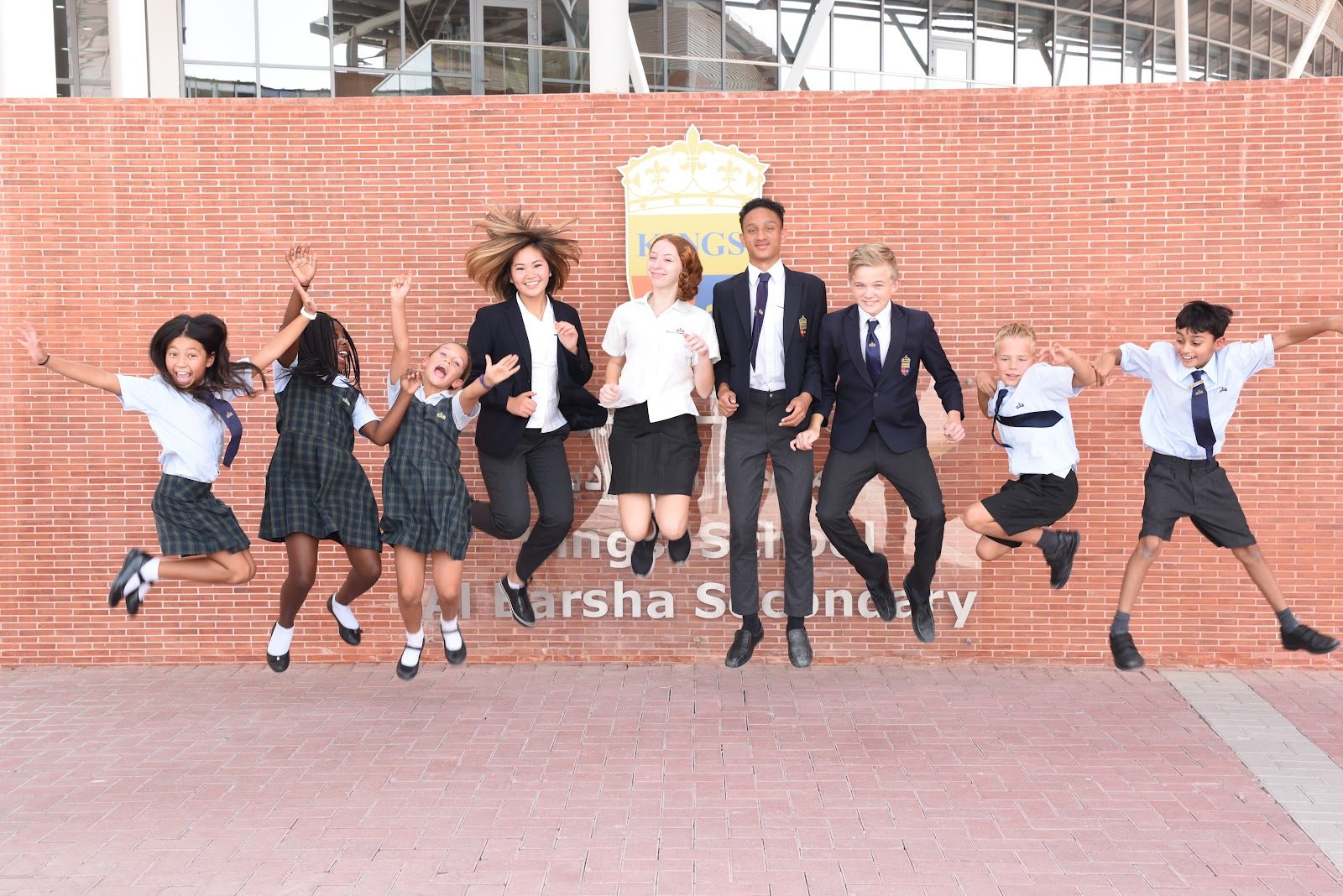
Kings' School Al Barsha
Dubai · United Arab Emirates
A red-brick, doughnut-shaped campus in Al Barsha climbed from Good to Outstanding across four KHDA inspections.
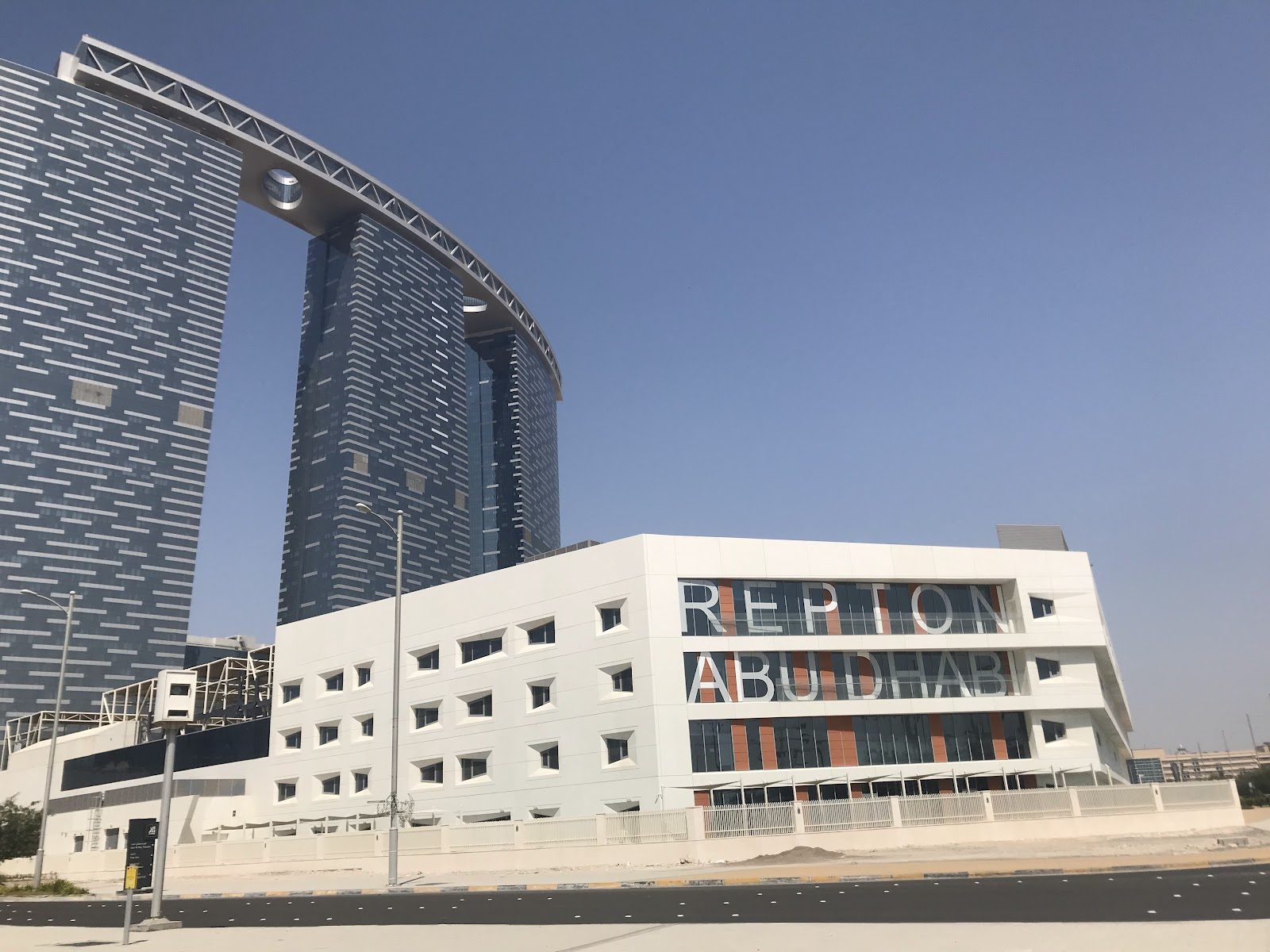
Repton Abu Dhabi
Abu Dhabi · United Arab Emirates
A 450-year Derbyshire house tradition roots this Reem Island campus, where inter-house rivalry shapes a British curriculum education.
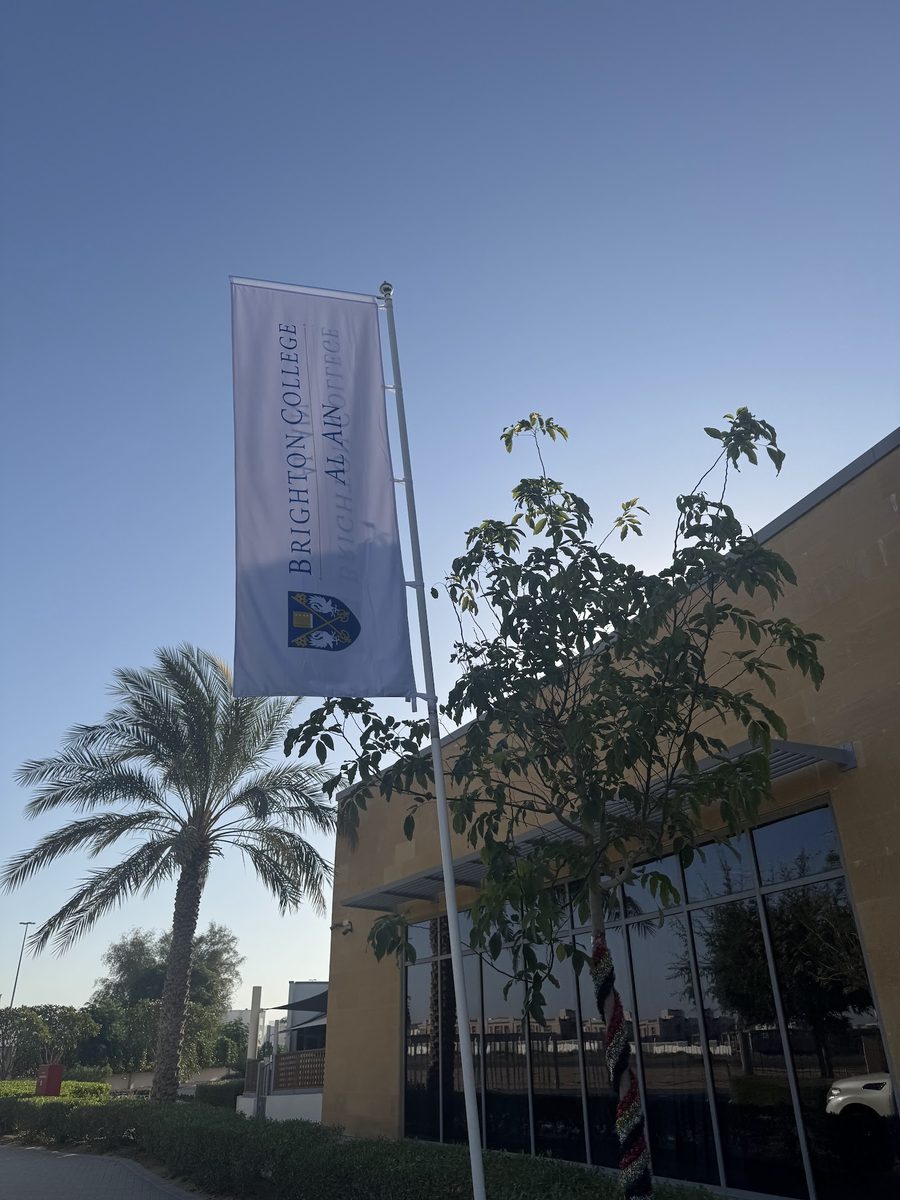
Brighton College Al Ain
Al Ain · United Arab Emirates
Sister school to England's Sunday Times School of the Decade, sending 59% of 2025 A-Level leavers into Russell Group universities.

Dubai British School Emirates Hills
Dubai · United Arab Emirates
Tucked in Emirates Hills' villa lanes, a deliberately small-scale British day school that has held its top KHDA rating unbroken since 2017
Same country and curriculum — closest matches within ±10 points either way