
Baden-Württemberg
Schule Birklehof
low confidence· 6/6 cats · 0 avg sourcesA Kurt Hahn foundation in the Black Forest pairing Abitur rigor with compulsory service and outdoor education across ten boarding houses.
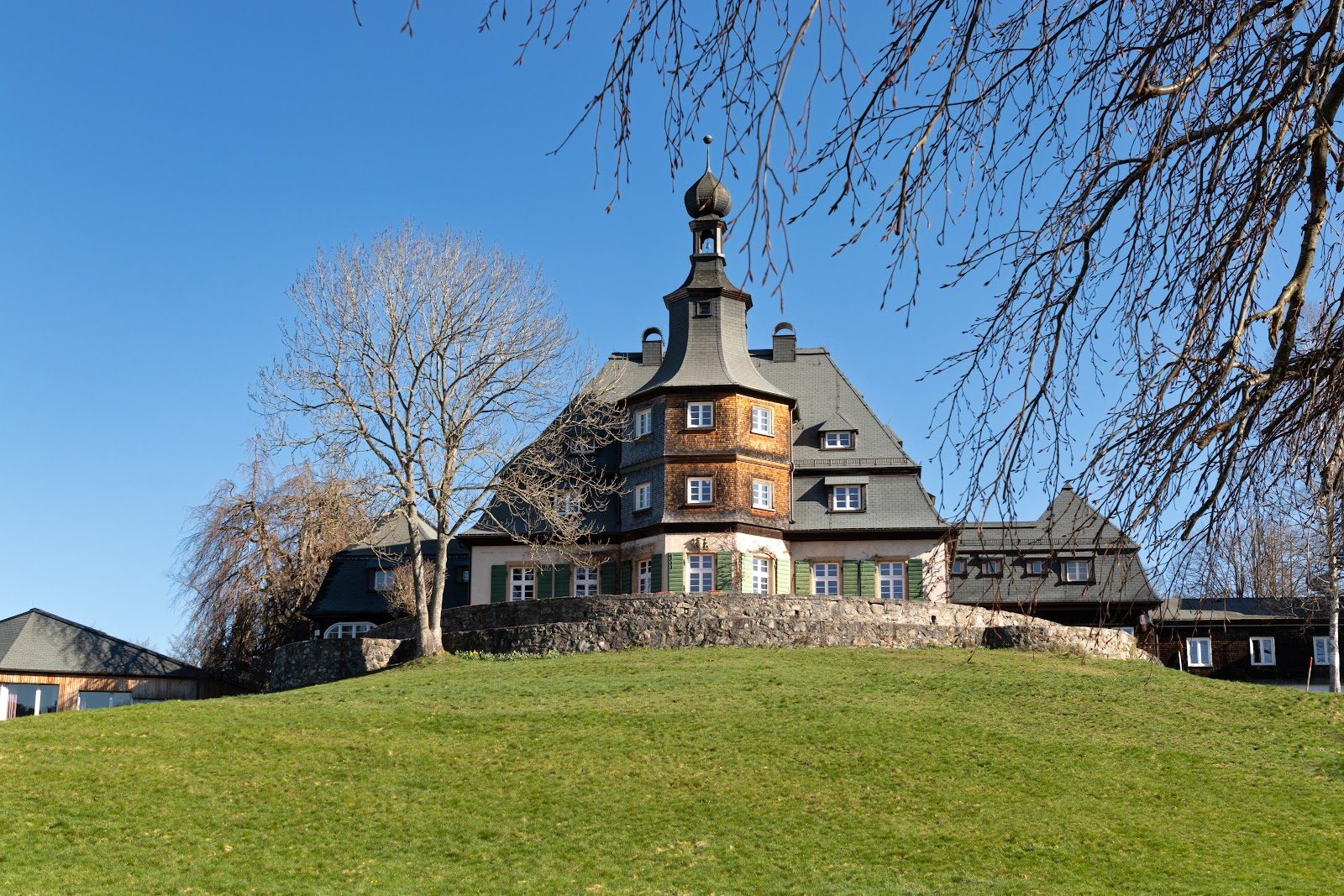
Photo © Michel Hermens via Google Maps
Type
Both
Ages
11–18
Curriculum
German Abitur
Ratio
6:1
The Verdict
Editor's commitment
Right for
Students aged 11–18 who want Abitur academics with teeth: 15 per class, a 6:1 ratio, and compulsory service outdoors.
Wrong for
Families wanting a conventional day school miss the point: this 1932 Kurt Hahn boarding school runs ten houses and expects engagement.
Watch out for
The school claims 2.04 average Abitur in 2026 and 100% teaching in classes 5–10; verify how English-medium teaching works.
Ranking breakdown
Schule Birklehof · #1088 of 1591
Composite score 58.9. 8 weighted criteria.
By criterion
Academic Outcomes
Weight 20%
#1220
of 1533 scored
University Placement
Weight 16%
#1227
of 1529 scored
Prestige & Heritage
Weight 12%
#1047
of 1580 scored
Alumni Network
Weight 12%
#655
of 1530 scored
Facilities
Weight 12%
#1000
of 1540 scored
Transparency & Communications
Weight 8%
#1214
of 1547 scored
Peer & Industry Review
Weight 10%
#1002
of 1564 scored
Admissions Selectivity & Demand
Weight 8%
#1077
of 1529 scored
Peer & Industry Review
How Schule Birklehof is regarded in the sector
78
Strong · medium confidence
Birklehof, founded in 1932 by Kurt Hahn (co-founder of Schule Schloss Salem and Gordonstoun), is consistently listed among Germany's leading traditional boarding schools (Internate) in German press features such as Spiegel and Focus rankings of top Internate, alongside Salem, Louisenlund and Schloss Neubeuern. It has a recognized alumni network and strong regional/national reputation in German specialist education coverage, though it receives less international (Anglophone) press attention than Salem or Louisenlund.
Evidence sources
Editors' overview
Schule Birklehof occupies a distinctive corner of the German boarding market: a small, old-school reformist boarding school with real pedagogical lineage. Founded in 1932 by Kurt Hahn, it carries the DNA of the Hahn tradition without reducing itself to brand heritage. The school pairs the German Abitur with a structured boarding life, outdoor education, democracy education and compulsory social responsibility. That combination matters. Plenty of schools promise “whole child” development; Birklehof builds it into the week. In the Black Forest setting, with ten boarding houses and around 230 pupils in total, this is a school for families who want education to feel deliberate, demanding and lived, not just timetabled.
The scale is one of its strongest selling points. Average class size sits at 14, and the published student-teacher ratio is 6:1. The school also advertises 100% lesson cover in years 5 to 10 and an Abitur average of 2.04. Those figures point to a school with close adult oversight and academic seriousness, not a country-house finishing school trading on atmosphere. The profile options — music, sciences and languages, alongside an international strand — give pupils room to specialise within a conventional German academic framework. Parents should note one point of friction in the public presentation: the editorial context lists English as the language of instruction, while the school site itself is overwhelmingly German and the stated qualification is the Abitur. For an international family, that language question needs a direct answer before application.
What puts Birklehof on a shortlist is the boarding culture. This is not a school for children who want anonymity, minimal expectations or a transactional path to exam grades. It is for pupils who thrive with structure, community and accountability; pupils who can handle being known well; pupils who gain from service, expeditions and shared responsibility rather than seeing them as decorative extras. The Hahn inheritance still has bite here: character under pressure, responsibility for others, a serious boarding community. That will suit self-possessed, outward-facing adolescents, and it will also suit bright children who need a smaller, more supervised setting than a big urban day school can offer.
The trade-off is plain. Birklehof is not a broad international college with multiple diploma routes and a glossy global identity. It is a German boarding school with a strong internal ethos and a clear idea of what education is for. Families who want maximum flexibility, a highly international peer mix or a lighter-touch pastoral model will find tighter fits elsewhere. Families who want moral seriousness, close adult attention and a boarding school where education extends beyond the classroom will find Birklehof one of the more compelling names in Germany.
Academic Performance
Birklehof publishes one external-results headline that matters: an Abitur average of 2.04. In the German system, that is a strong result rather than a token claim to competence. It places the school in the territory of serious academic delivery, not just pastoral promise. The significance lies in the mix: this is a school that asks pupils to absorb a demanding communal programme beyond lessons, yet still posts an exam outcome that stands up. The school also advertises full lesson cover through the lower and middle years, which matters more than many glossy marketing claims; continuity of teaching underpins exam performance. What Birklehof does not publish is just as important. We have not seen subject-by-subject Abitur results, grade distributions at the top end, university destinations linked to outcomes, or multi-year trend data. That leaves parents without the detail needed to judge consistency or exceptionalism.
Relative to peers, Birklehof fits the bracket of *small, academically credible German boarding schools* that deliver solid public-exam results without playing the international league-table game. It does not offer the data transparency of the best-documented exam factories, and families chasing headline-perfect scores or granular benchmarking will find the picture thin. Still, the published average gives the school real academic legitimacy. This is not an institution hiding behind ethos while results drift. It is a school with a clear academic floor, but with limited public proof of how high its strongest pupils climb.
Facilities
The campus offer fits the school’s educational line: not flashy, but *purpose-built for a demanding boarding routine*. The key assets are the boarding houses themselves, because life here runs through them rather than around them. The school states that pupils live and learn across 10 houses, which matters at this scale: it supports close supervision, a stronger sense of belonging and fewer opportunities for pupils to disappear into the background. The site also points to a full co-curricular infrastructure built around music, sciences, languages, social responsibility and outdoor education, plus a virtual campus tour that confirms a settled, wooded campus rather than an urban, high-density build. This is a place where the setting does real work. The Black Forest location is not decorative; it underpins the school’s serious outdoors culture and gives credibility to its emphasis on experiential education.
Against peers, Birklehof sits in the strong middle-to-upper bracket for the facilities that matter most to its model, and below the arms-race standard of the richest Swiss and British boarding schools. Families will not find a public-facing parade of elite sports complexes, signature theatres or cutting-edge innovation labs. The school does not trade on spectacle. It trades on usable space, residential structure and facilities aligned with a clear educational purpose. For a Hahn-founded school, that alignment counts for more than architectural vanity. For parents who want a campus that feels lived-in, supervised and intentional, Birklehof has substance. For those chasing grand hardware and wow-factor amenities, it has less to show.
Schule Birklehof occupies a distinctive corner of the German boarding market: a small, old-school reformist boarding school with real pedagogical lineage
Prestige
Birklehof carries real niche prestige rather than mass-market prestige. In Germany, Kurt Hahn’s name still matters to families who know the history of reformist boarding education, and Birklehof benefits from that inheritance. This is not prestige built on scale, celebrity alumni lists or relentless public score-broadcasting. It rests on pedigree, selectivity of fit and the credibility of a school that has kept a Hahn-style conception of education alive: responsibility, community, outdoor challenge and serious adult expectations. For the right families, that reads as old-world educational capital. For others, it reads as deliberately narrow. Both judgments are fair. The school’s small population — around 230 pupils, with about 170 boarders — adds to the sense of exclusivity, but it also limits its visibility outside informed German and European boarding circles.
That is why the prestige rating sits below the top global tier and above the generic private-school middle. Birklehof has cultural weight and educational seriousness; it does not have the broad international brand power of the most famous Swiss, British or global diploma schools. Public transparency also caps its standing. Families can see that the school takes itself seriously, but they do not get the full data architecture that elite academic brands now publish as standard. So the value of a Birklehof education lies less in instant name recognition and more in belonging to a distinctive, exacting tradition that still has teeth.
We have not seen subject-by-subject Abitur results, grade distributions at the top end, university destinations linked to outcomes, or multi-year trend data
Communications
Birklehof’s parent communication reads as clear in purpose and thinner in operational detail than top schools now provide. The admissions side is straightforward: named contacts, direct phone numbers and email addresses sit in plain view, and the school pushes in-person discovery through open days and campus visits rather than hiding behind enquiry forms. That suits a school with a high-fit, high-expectation culture. The site also gives parents a workable outline of school stages, profile options, boarding life, social responsibility, outdoor education, costs and scholarships, plus a virtual tour. News flow exists through blog posts on trips, school life and staff interviews. For a small school, that is competent and usable.
Where the communication falls short is depth and precision. Parts of the site still carry placeholder text, which is sloppy and undermines confidence. The blog content gives flavour, but not enough hard information about how the school reports academic progress, pastoral concerns or day-to-day boarding matters to families. Parents can see the school’s ideals easily; they get less help on the mechanics of living with the school week by week. There is also a heavy dependence on German-language presentation, which narrows accessibility for non-German-speaking families despite the school’s international note. In editorial terms, Birklehof communicates its ethos better than its systems. That will satisfy families who value conversation and direct contact. It will frustrate those who expect the fully polished, data-rich parent communications now standard at the sharp end of the market.
Uniqueness
What marks Birklehof out is not the slogan of character education but the fact that it hardwires it into school life. This is a Kurt Hahn school in more than ancestry. Outdoor education, democracy education, engagement and responsibility sit inside the school’s stated structure, not on the fringe as optional enrichment for the already motivated. That gives the place a harder moral edge than many boarding schools with softer pastoral language. Pupils are not just invited to join activities; they are educated into participation, accountability and service. For the right child, that produces unusual self-command, resilience under pressure and a stronger sense that school is a community to contribute to, not a service to consume.
The other distinctive feature is the combination of intimacy and seriousness. With around 230 pupils and about 170 boarders, Birklehof can keep expectations personal. Children are known, watched and challenged. That changes the texture of education: progress, conduct and contribution do not disappear into scale. The profile structure also gives pupils a clear route to deepen interests in music, sciences, languages and an international strand without turning the school into a loose menu of options. The result is a close-grained, demanding education that suits adolescents who benefit from structure, shared standards and adult scrutiny. It is not for the evasive. It is strong for pupils who need a school to shape habits as well as intellect.
That leaves parents without the detail needed to judge consistency or exceptionalism
Student Profile
Birklehof suits pupils who can tolerate visibility. In a school this small, with a staffing ratio of 1:4 and classes capped close to 15, nobody disappears for long. The children who do well here are steady enough to live under constant adult notice without reading that as pressure alone. They need some appetite for structure, a willingness to participate, and the temperament to cope with a community that treats service, shared responsibility and outdoor challenge as normal parts of education rather than optional extras. This is a good fit for self-disciplined adolescents, thoughtful joiners, serious musicians, academically minded scientists and pupils who gain from a high-accountability environment. It also suits bright children who need firm edges and close follow-through.
The weaker fit is just as clear. Pupils who want maximum independence, a loose social culture or the right to keep school at arm’s length will chafe. So will children who resent compulsory contribution, dislike communal routines or need a broad, highly international social scene to feel at home. Birklehof asks for emotional robustness, social maturity and a readiness to be known well by adults and peers alike. For the right student, that produces unusual confidence and depth. For the wrong one, it feels confining, moralising and hard to evade.
That is why the prestige rating sits below the top global tier and above the generic private-school middle
Co-curricular strengths
Arts & sport, on a separate axis
Overall 8.14/10
Scored 0-10 from the school's own published evidence. This axis is editorial-only — it does not feed the main WTS ranking.
Sports
8/10
Drama
8/10
Dance
7.5/10
Music
8.7/10
Visual Arts
8.5/10
Strengths
- +1932 founding suggests institutional continuity.
- +German Abitur offers a clear national leaving qualification.
- +6:1 student-teacher ratio allows close academic oversight.
- +Average class size 14 keeps lessons relatively focused.
Considerations
- −Instruction listed as English, despite German Abitur framework.
- −Ages 11–18 exclude younger primary-age siblings.
- −Boarding and day format may not suit every family.
Availability
Primary entry gate & tests
Academic Record
Gallery
Photo © Schule Birklehof e.V. via Google Maps
Photo © Schule Birklehof e.V. via Google Maps
Photo © S W via Google Maps
Photo © Michael via Google Maps
Photo © Schule Birklehof e.V. via Google Maps
Photo © Schule Birklehof e.V. via Google Maps
Photo © Schule Birklehof e.V. via Google Maps
Photo © Schule Birklehof e.V. via Google Maps
Photo © Schule Birklehof e.V. via Google Maps
Parent reviews
Have you sent your child here?
Voice reviews carry the strongest trust badge — we transcribe them for you to tidy up before they go live. Prefer to type? A written review is fine too.
Add your voice
In 60 seconds, tell other parents: what's the best thing about Schule Birklehof, and what surprised you when your child joined?
We ask for a Google sign-in so every review has a real face behind it — no anonymous drive-by attacks on schools, and no faked positive reviews. Your email is never shown publicly.
Send this profile to a friend
International parents rely on word-of-mouth. Share this review with someone weighing the same decision.
Schools with places
Similar schools to Schule Birklehof with places available now.
International School of Stuttgart
Stuttgart · Germany
- 2026-27
- WAITPOOLSpace-dependent
- 2027-28
- PLACES OPENRolling
Schule Schloss Salem
Salem · Germany
- 2026-27
- WAITPOOLVacancy-dependent
- 2027-28
- WAITPOOLVacancy-dependent / Rolling
Availability first, then country, area, curriculum, price, co-curricular
Consider also
Also worth looking at alongside Schule Birklehof.
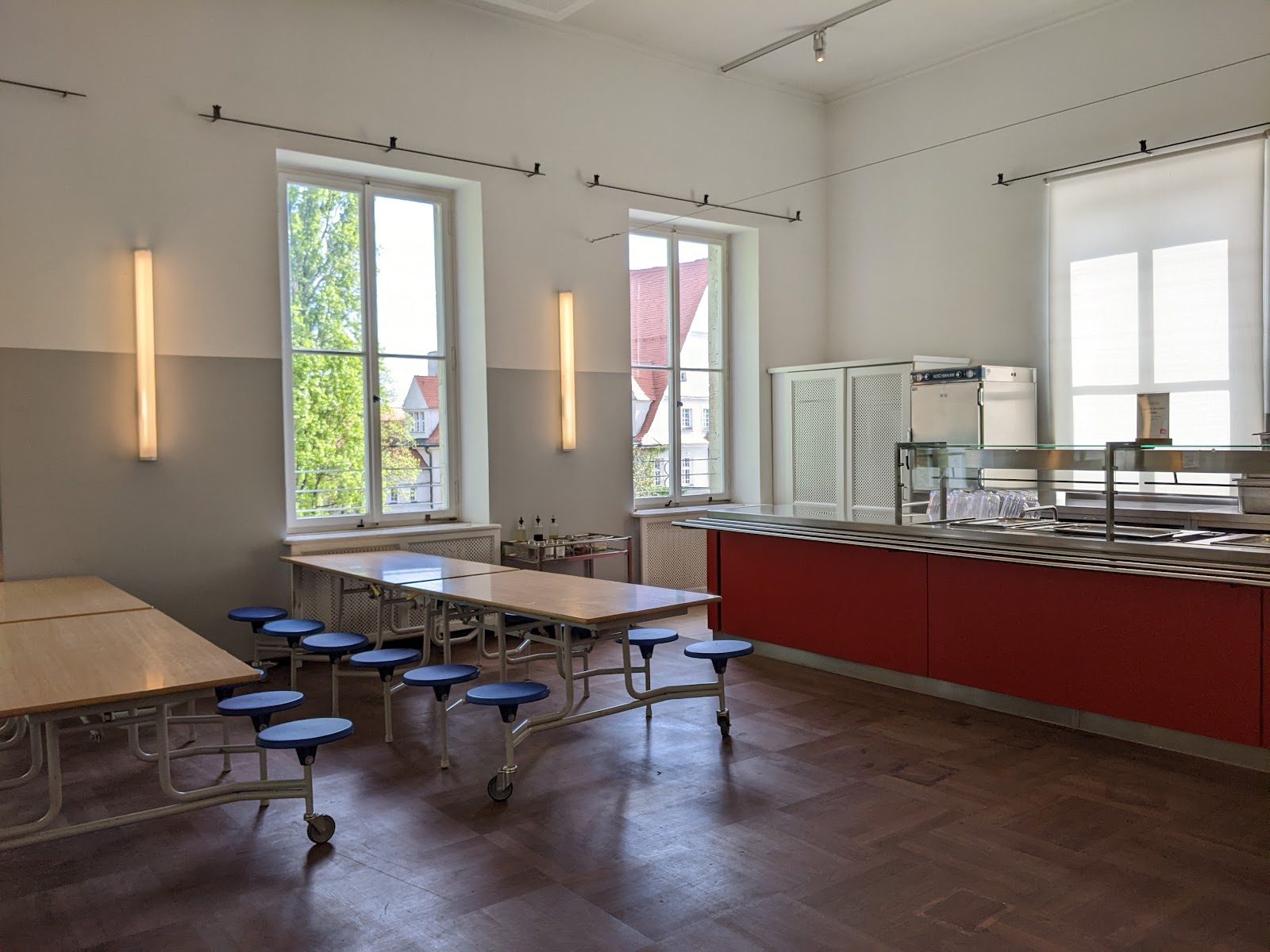
Phorms Campus München
Munich · Germany
In leafy Bogenhausen, the Bavarian Abitur runs alongside the IB Diploma, every class co-taught by native German and English staff.
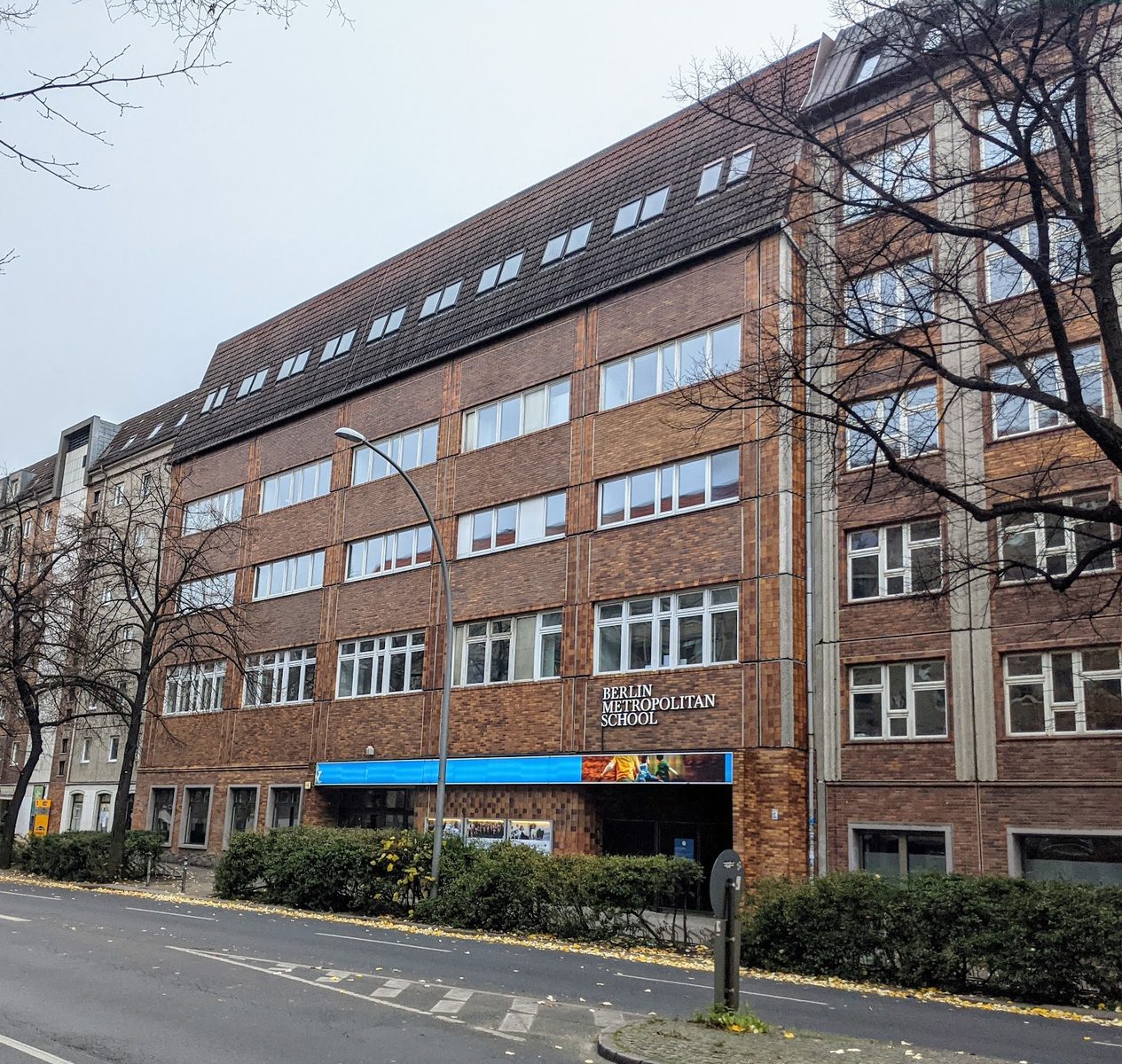
Berlin Metropolitan School
Berlin · Germany
In Mitte, former GDR prefab blocks now house Berlin's oldest international IB campus, blending Cold War bones with global curriculum.
Leipzig International School
Leipzig · Germany
Central Germany's first international campus channels 77 nationalities into an IB pathway anchored by student-led Model UN and house-day traditions.
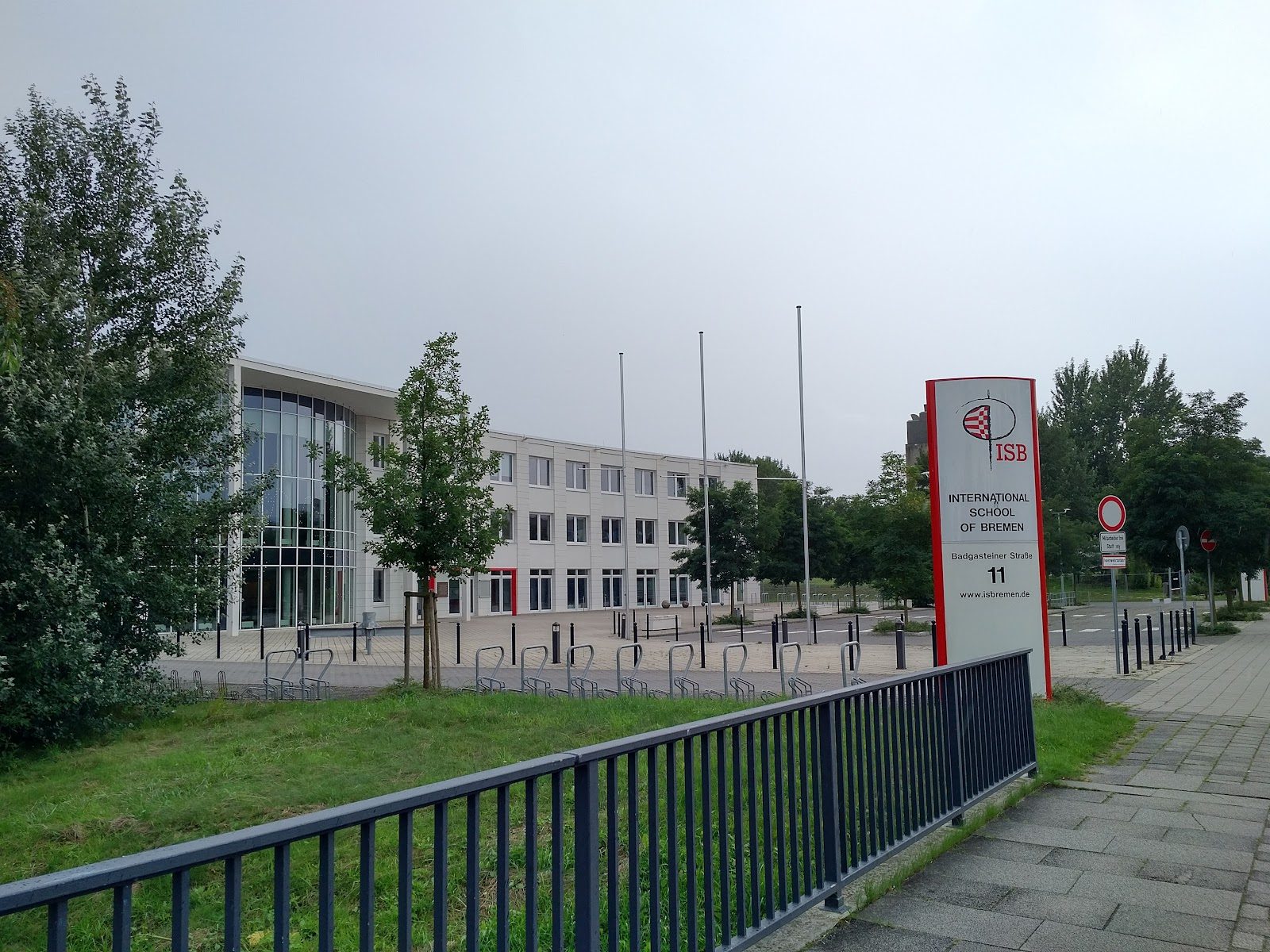
International School of Bremen
Bremen · Germany
On Bremen University's campus, Germany's only MINT-EC STEM-network school pairs IB rigor with hands-on science and engineering.
Same country and curriculum — closest matches within ±10 points either way