
Surrey
Nonsuch High School for Girls
low confidence· 6/6 cats · 0 avg sourcesOn the grounds of Henry VIII's lost palace, a selective grammar posts near-perfect GCSE results in science and languages
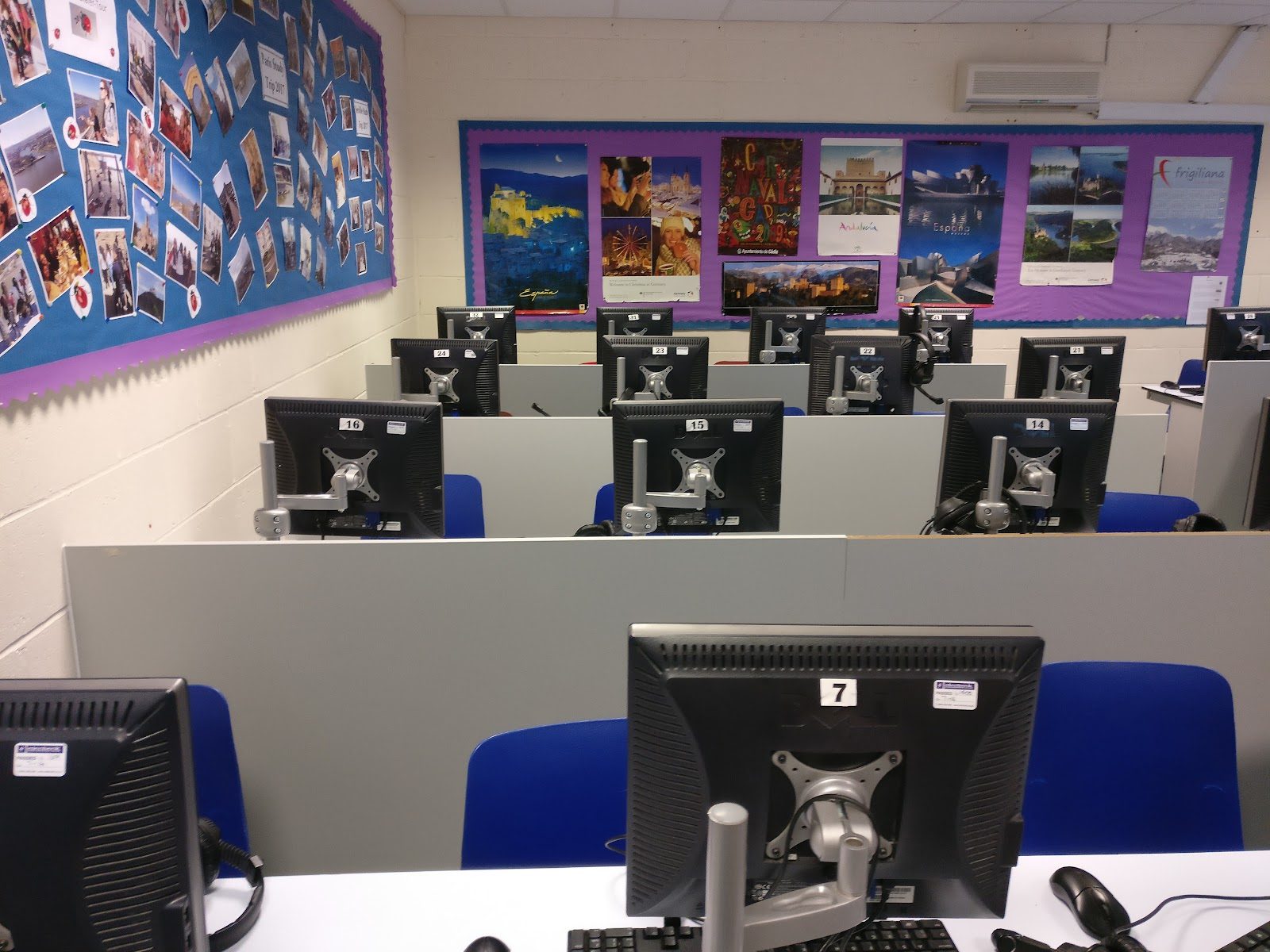
Photo © Kai Liu via Google Maps
Type
Day
Ages
11–18
Curriculum
British
Ratio
14:1
The Verdict
Editor's commitment
Right for
Girls aged 11–18 who want a selective British day school with 84% of GCSE grades at 7+ and 81% of A-levels at A*–B.
Wrong for
Families wanting small classes or a softer pace: average class size is 28, and a 14:1 ratio sits behind unforgiving public results.
Watch out for
This is a day-only, non-religious grammar founded in 1938; sixth-form spaces exist, but the school does not publish destination data.
Ranking breakdown
Nonsuch High School for Girls · #972 of 1591
Composite score 61.1. 8 weighted criteria.
By criterion
Academic Outcomes
Weight 20%
#902
of 1533 scored
University Placement
Weight 16%
#965
of 1529 scored
Prestige & Heritage
Weight 12%
#1140
of 1580 scored
Alumni Network
Weight 12%
#718
of 1530 scored
Facilities
Weight 12%
#1331
of 1540 scored
Transparency & Communications
Weight 8%
#1043
of 1547 scored
Peer & Industry Review
Weight 10%
#1002
of 1564 scored
Admissions Selectivity & Demand
Weight 8%
#607
of 1529 scored
Peer & Industry Review
How Nonsuch High School for Girls is regarded in the sector
78
Strong · high confidence
Nonsuch High School for Girls sits firmly among the most sought-after state grammars in the country, with the Good Schools Guide's independent verdict opening flatly: An academic hothouse that's warm in all the right places, Nonsuch High School for Girls is an excellent environment for whip smart go-getting girls to hone their intellect and reach for the stars in whichever field they choose. The same review notes it is one of the most sought after schools in the country with a reputation that precedes it, with parents eyeing it up from across continents and 210 year 7 seats hotly contested by over 2500 girls. That standing was reinforced when the school was named The Sunday Times Parent Power Guide 2026 best state secondary in the Southeast, a list that also recognises heavyweight independents such as Guildford High and Brighton College. Oxbridge conversion remains strong, with the Good Schools Guide citing nine to Cambridge and three to Oxford (one for music) in 2025, underscoring sustained rather than one-off academic credibility. Coverage is dominated by UK-specific outlets rather than the international school-review circuit, so global brand recognition falls short of the very top tier.
Evidence sources
Editors' overview
Nonsuch High School for Girls is a selective state grammar in Cheam with a clear academic edge and an unusual setting: 22 acres on the edge of Nonsuch Park, on the grounds associated with Henry VIII’s vanished palace. The school’s strength sits where the tagline says it does — science and languages — and the public results justify the claim. In 2026, 68% of GCSE grades were at 8+ and 84% at 7+, with almost 40% at grade 9. At A level, 81% of grades were A*–B. This is a school for families who want a serious academic culture, strong sixth form continuity and the discipline of a grammar school without boarding or religious framing.
What distinguishes Nonsuch is not pastoral rhetoric or glossy branding, but consistency. It has been established since 1938, teaches in English, and runs as a day school for girls aged 11 to 18 with a published student–teacher ratio of 14:1. The site gives a straightforward picture of priorities: academic performance, sixth form progression, house activity, sport, creative work and leadership. The values language — positivity, respect, integrity, courage, endeavour — is standard school fare; the more persuasive point is that pupils produce the grades. Wikipedia also notes specialist status in science and languages and records that in 2023, 100% of students secured grade 5 or above in English and maths GCSEs. For a state school, that is hard-edged academic credibility.
Parents should shortlist Nonsuch if they want a high-performing girls’ grammar with real exam horsepower, a settled identity and none of the expensive-school theatre. It suits bright, self-motivated students who are happy in a selective intake, can handle brisk pace and competition, and want to stretch beyond the classroom into music, sport, fundraising or leadership. Girls who need intensive hand-holding or a deliberately soft environment will find the grammar model unforgiving. Girls who enjoy intellectual pressure, value belonging with purpose, and want a demanding peer group in a non-religious state setting will find Nonsuch a compelling option.
Academic Performance
Nonsuch’s external results place it firmly in the top tier of selective state girls’ schools. The headline pattern is clear: GCSE outcomes are brutally strong across the cohort, not confined to a thin layer of high attainers. The school’s own published figures show 84% of GCSE grades at 7 or above and 68% at 8 or above, with almost 40% at grade 9. That is the profile of a school delivering sharp subject mastery at the top end, not merely secure passes. Wikipedia adds a useful anchor point from an earlier cycle: every pupil secured at least grade 5 in English and maths, placing the school among the country’s stronger state performers. For parents comparing grammars, that matters more than warm rhetoric about “confidence” or “global citizens”.
At sixth form, the picture stays strong rather than absolute. The published A-level profile — A* to B grades dominating, with more than half at A or A — confirms a serious academic engine*, but not the kind of statistical overkill posted by the most extreme super-selective hothouses. That is not a weakness; it places Nonsuch in the band of schools that combine high-output scholarship with a broader school life. Relative to peers, it sits above the mainstream state sector by a wide margin and holds its ground comfortably against many fee-charging schools. The only real limitation is transparency over longer-term trends: the school publishes celebratory results snapshots, but not a deep run of comparative outcome data.
Facilities
The physical asset that matters most here is space. Nonsuch sits in 22 acres on the edge of Nonsuch Park, and that land gives it an advantage over many urban grammars cramped onto tighter plots. For parents comparing selective state schools, that translates into a campus that can support sport, outdoor circulation and a less compressed daily rhythm than the norm. The school also hires out its facilities, which at minimum signals infrastructure worth using beyond the school day. This is not a boutique independent with a theatre complex, rowing lake or glossy wellness centre. It is a state grammar with a properly sized site and the practical benefits that follow.
The second point is alignment between facilities and institutional strengths. Wikipedia records specialist status in science and languages, and the school’s own messaging gives visible weight to sporting, creative and leadership activity alongside academics. We have not seen a detailed public inventory of labs, arts rooms or sports provision, which limits close scrutiny. That opacity matters because rival grammars and strong independents now publish far more. Still, against peer state schools, Nonsuch holds a clear positional advantage in grounds and setting, and that counts. Against top fee-charging competitors, the offer is functional rather than lavish. Families choosing Nonsuch do so for academic seriousness on a rarely generous site, not for architectural spectacle.
What sets Nonsuch apart is the combination of selective grammar-school pressure with an unusually storied setting
Prestige
Nonsuch carries real state-school prestige, but it is a specific kind of prestige. This is not the social cachet of an old independent school or the global name recognition of a famous London day school. Its standing rests on selective entry, hard academic output and the enduring reputation of a girls’ grammar that delivers at scale. Within the state sector, that counts for a great deal. The specialist association with science and languages strengthens the profile, and the all-girls setting sharpens the identity further. Families who know the grammar landscape will read Nonsuch as serious, competitive and exacting; families hunting for luxury branding or polished exclusivity will not find that here.
The rating rests on substance. Public exam outcomes are strong enough to command respect well beyond Surrey, and the earlier benchmark of 100% securing at least grade 5 in English and maths confirms depth across the cohort, not just brilliance at the top. The sixth form also matters: open places for late applicants tell parents this is not a sealed fortress, but a school confident in the value of its academic culture. The campus setting on the edge of historic parkland adds a layer of distinction, though prestige here comes from results first, scenery second. In plain terms, Nonsuch has high academic credibility, selective-state clout and a reputation that punches above the usual expectations of a non-fee-paying school.
Nonsuch’s external results place it firmly in the top tier of selective state girls’ schools
Communications
Nonsuch communicates with parents in a serviceable, school-centred way. The website covers the essentials cleanly: safeguarding, admissions, vacancies, facility hire, portals for parents and staff, a visible calendar, and headline news on results and school events. That gives families a workable map of the institution. The school also keeps sixth form admissions information easy to find, including late-entry routes and current availability, which signals practical openness rather than bureaucratic obstruction. Public-facing messaging stays formal and restrained. There is little of the oversold warmth that clutters many school sites, and that discipline counts in its favour.
The limitation is depth. Communication is stronger on announcements than on explanation. Parents get the big signals — results, values, events, house activity — but not a rich public picture of day-to-day teaching, departmental life, pastoral systems or how decisions are made. The values framework is presented in acronym form, which is neat but generic. The social feed does not strengthen the picture either: the homepage shows no live tweets, so one visible channel looks dormant. That leaves the portals carrying much of the real parent communication burden behind login. For current families, that may work perfectly well. For prospective families, the school’s public communications are efficient rather than illuminating: competent, orderly, and thinner than the strongest grammar-school comparators.
Uniqueness
What sets Nonsuch apart is the combination of selective grammar-school pressure with an unusually storied setting. Very few state schools teach girls on land tied to Henry VIII’s lost palace, and fewer still do it on 22 acres beside a major park. That matters in practice, not just in prospectus copy. The scale of the site gives pupils room to move, play and compete without the pinched feel of many London-area grammars. The school also has a sharper academic identity than the standard “good at everything” comprehensive line. Its specialist association with science and languages gives the place a clear intellectual contour: this is a school where analytical subjects and linguistic achievement carry real weight, and where able girls work among peers who expect high attainment as normal.
The other distinctive feature is the balance between hard selective discipline and a school culture that still leaves visible space for house competition, fundraising, creative work and leadership. Plenty of high-performing state schools talk about whole-child development; Nonsuch gives it a more credible frame because the academic core is already secure. Sixth form entry also stays permeable, with late applications and places available rather than a sealed internal pipeline. That opens the door to ambitious students who were not in the school from the start. For pupils, the gain is straightforward: serious academic stretch, a peer group that sharpens performance, and a campus life that feels bigger and less cramped than the usual grammar-school model.
That is the profile of a school delivering sharp subject mastery at the top end, not merely secure passes
Student Profile
The girls who thrive at Nonsuch are bright, self-propelling and comfortable with selection as the organising principle of school life. This is a peer group in which high attainment is standard, not exceptional, and that shapes the social as well as the academic atmosphere. Pupils who enjoy competing against able classmates, can recover quickly from setbacks and do not need constant reassurance will fit best. The school’s published outcomes — from the cohort-wide GCSE strength to the sixth form’s strong A-level profile — confirm a student body with serious academic intent and the stamina to sustain it. The all-girls setting will suit families who want ambition normalised without adolescent posturing, and who value a culture where science and languages carry real status rather than token mention.
The broader fit matters too. Nonsuch does not read as a narrow exam factory. House activity, fundraising, sport, creative work and leadership all have visible space, so the strongest fit is a girl who wants to do more than collect grades. She need not be extrovert, but she does need to participate. The average class size of 28 tells its own story: this is not an intimate, hand-held environment. Students who need intensive individual attention, soft pacing or a gently protected school day will struggle. Students who want clear standards, a demanding peer culture and the chance to test themselves in a high-performing state school will settle well.
Against top fee-charging competitors, the offer is functional rather than lavish
Co-curricular strengths
Arts & sport, on a separate axis
Overall 7.56/10
Scored 0-10 from the school's own published evidence. This axis is editorial-only — it does not feed the main WTS ranking.
Drama
7.5/10
Dance
6.5/10
Music
8.3/10
Visual Arts
7.5/10
Editor-verified · 8/6/2026
Strengths
- +Girls-only day school for ages 11–18
- +British curriculum taught in English
- +Publishes a full multi-year A-Level results record on its own site
- +Non-religious school in Cheam
- +14:1 student-teacher ratio
- +22-acre site including a floodlit Astro pitch, sports hall and dance studio
Considerations
- −Average class size is 28
- −Girls-only setting will not suit everyone
- −Selective grammar access is shaped by tutoring and preparation
- −Large school with limited individual visibility lower down the year groups
Availability
Primary entry gate & tests
Written Exams + Interview
Gallery
Photo © Kai Liu via Google Maps
Photo © Kai Liu via Google Maps
Photo © Kai Liu via Google Maps
Photo © Kai Liu via Google Maps
Photo © Kai Liu via Google Maps
Photo © Kai Liu via Google Maps
Photo © Kai Liu via Google Maps
Photo © Kavita Gajjar via Google Maps
Photo © Eduard Pana via Google Maps
Parent reviews
Have you sent your child here?
Voice reviews carry the strongest trust badge — we transcribe them for you to tidy up before they go live. Prefer to type? A written review is fine too.
Add your voice
In 60 seconds, tell other parents: what's the best thing about Nonsuch High School for Girls, and what surprised you when your child joined?
We ask for a Google sign-in so every review has a real face behind it — no anonymous drive-by attacks on schools, and no faked positive reviews. Your email is never shown publicly.
Send this profile to a friend
International parents rely on word-of-mouth. Share this review with someone weighing the same decision.
Schools with places
Similar schools to Nonsuch High School for Girls with places available now.
Royal Grammar School, Guildford
Guildford · United Kingdom
- 2026-27
- CLOSEDStandard route closed
- 2027-28
- PLACES OPEN11+ / 13+ / 16+ active
Charterhouse
Godalming · United Kingdom
- 2026-27
- CLOSEDStandard route
- 2027-28
- PLACES OPEN16+ Active (Closes 23 Sept); 13+ Late
Availability first, then country, area, curriculum, price, co-curricular
Consider also
Also worth looking at alongside Nonsuch High School for Girls.
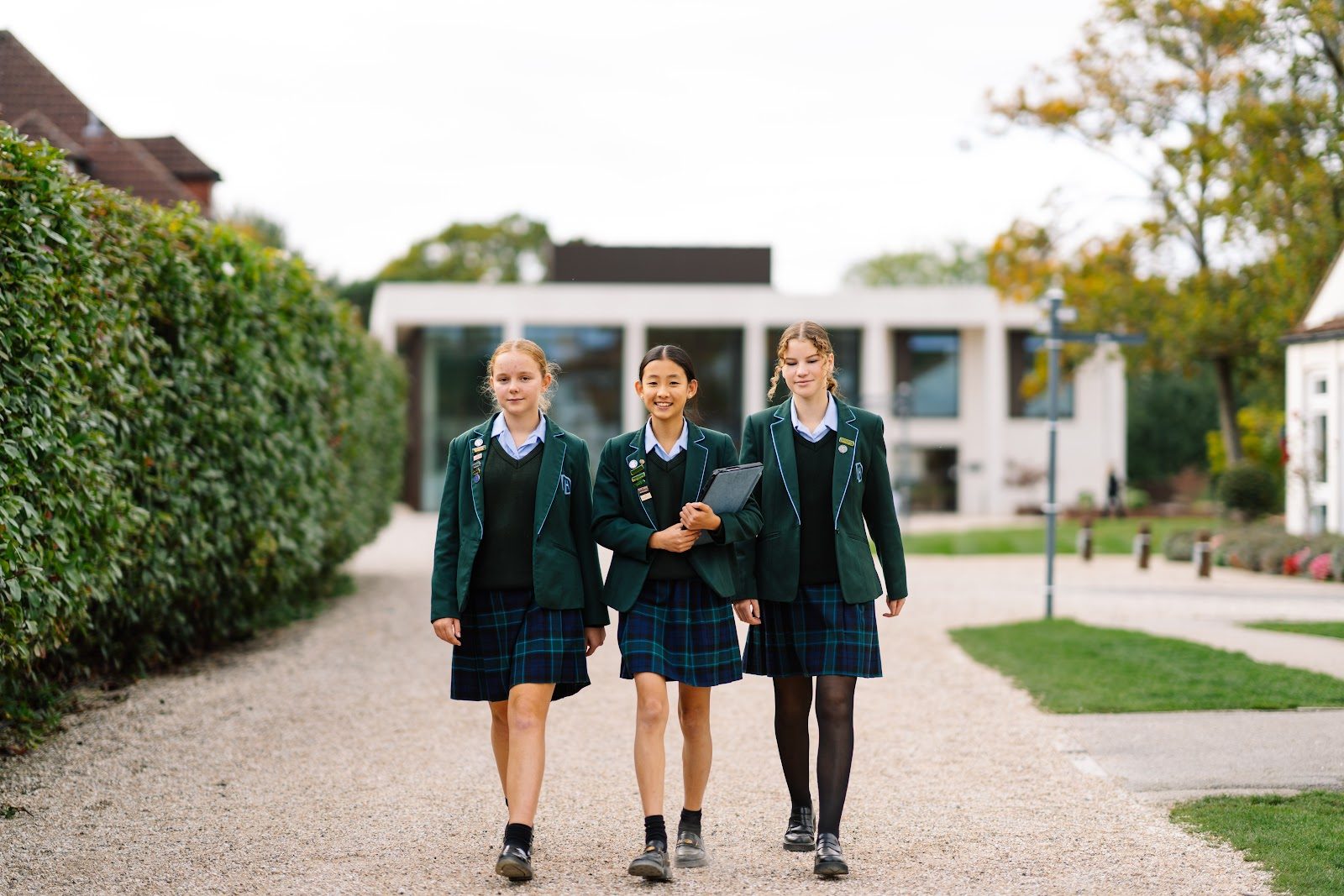
Downe House School
Cold Ash · United Kingdom
Rooted in Charles Darwin's former home, now a 110-acre Berkshire estate where science thrives and Oxbridge ambition runs deep.

Oakham School
Oakham · United Kingdom
Where a 1584 market-town foundation meets Rutland Water sailing, early co-education, and a long-standing IB Diploma alongside A-levels.
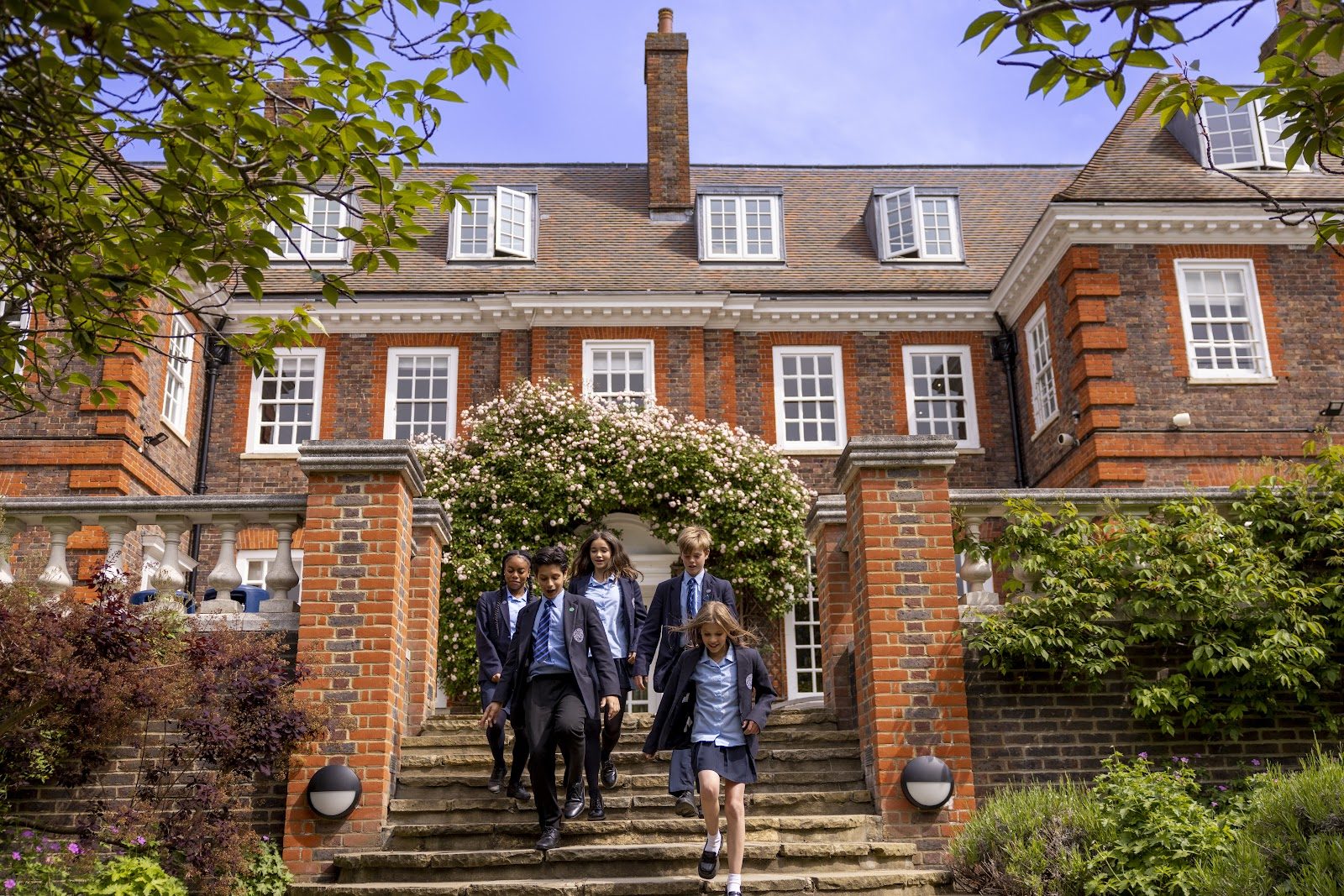
Ibstock Place School
London · United Kingdom
On the fringe of Richmond Park, a Froebel-founded day school has championed co-education since 1894.
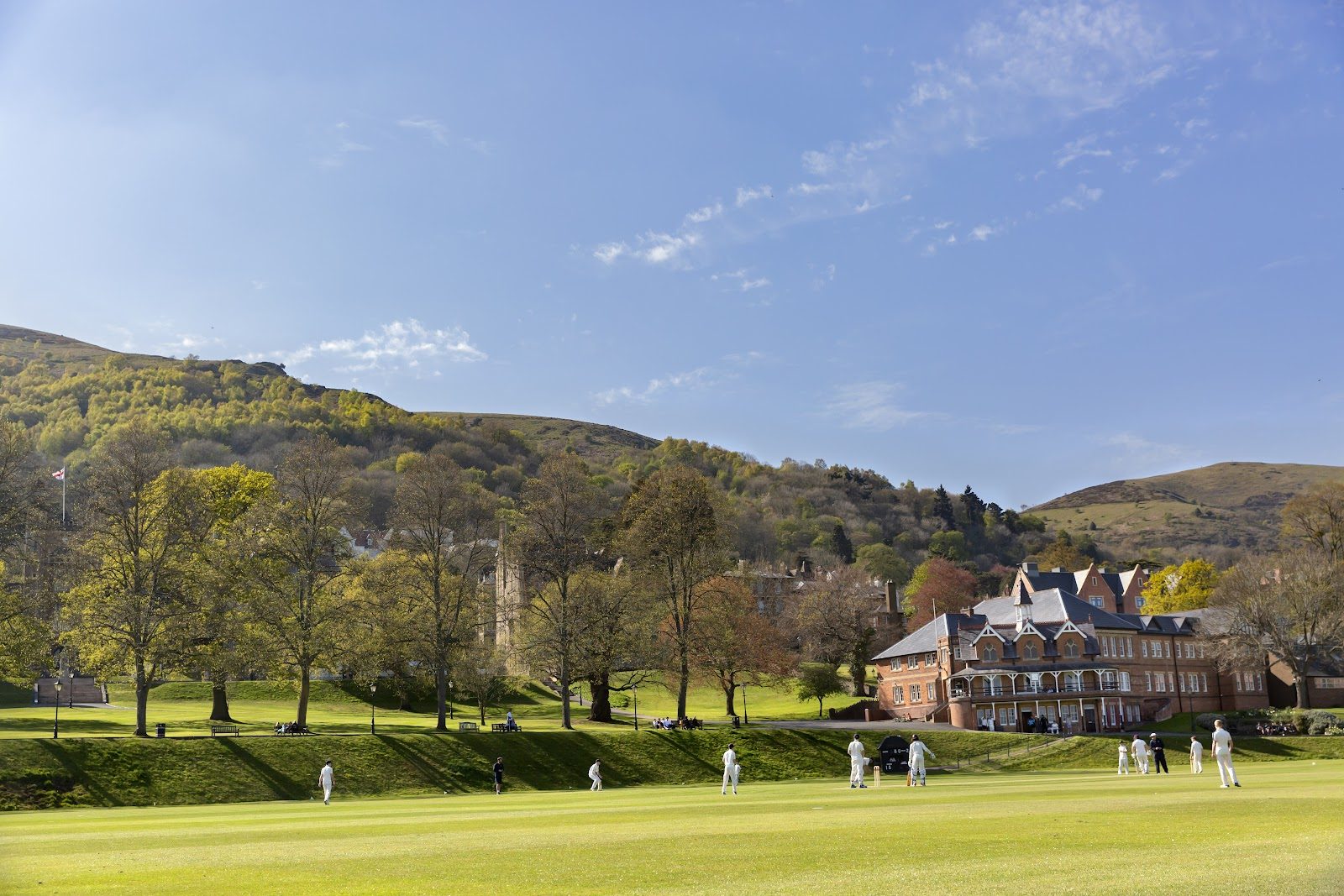
Malvern College
Malvern · United Kingdom
Beneath the Malvern Hills, a campus that once housed wartime radar research has produced four Nobel Prize winners.
Same country and curriculum — closest matches within ±10 points either way