
Western Australia
St Hilda's Anglican School for Girls
low confidence· 6/6 cats · 0 avg sourcesSince 1896 on the Swan River, pairing an ESSTEAM entrepreneurship curriculum with a Year 9 Wandering Spirit resilience program.
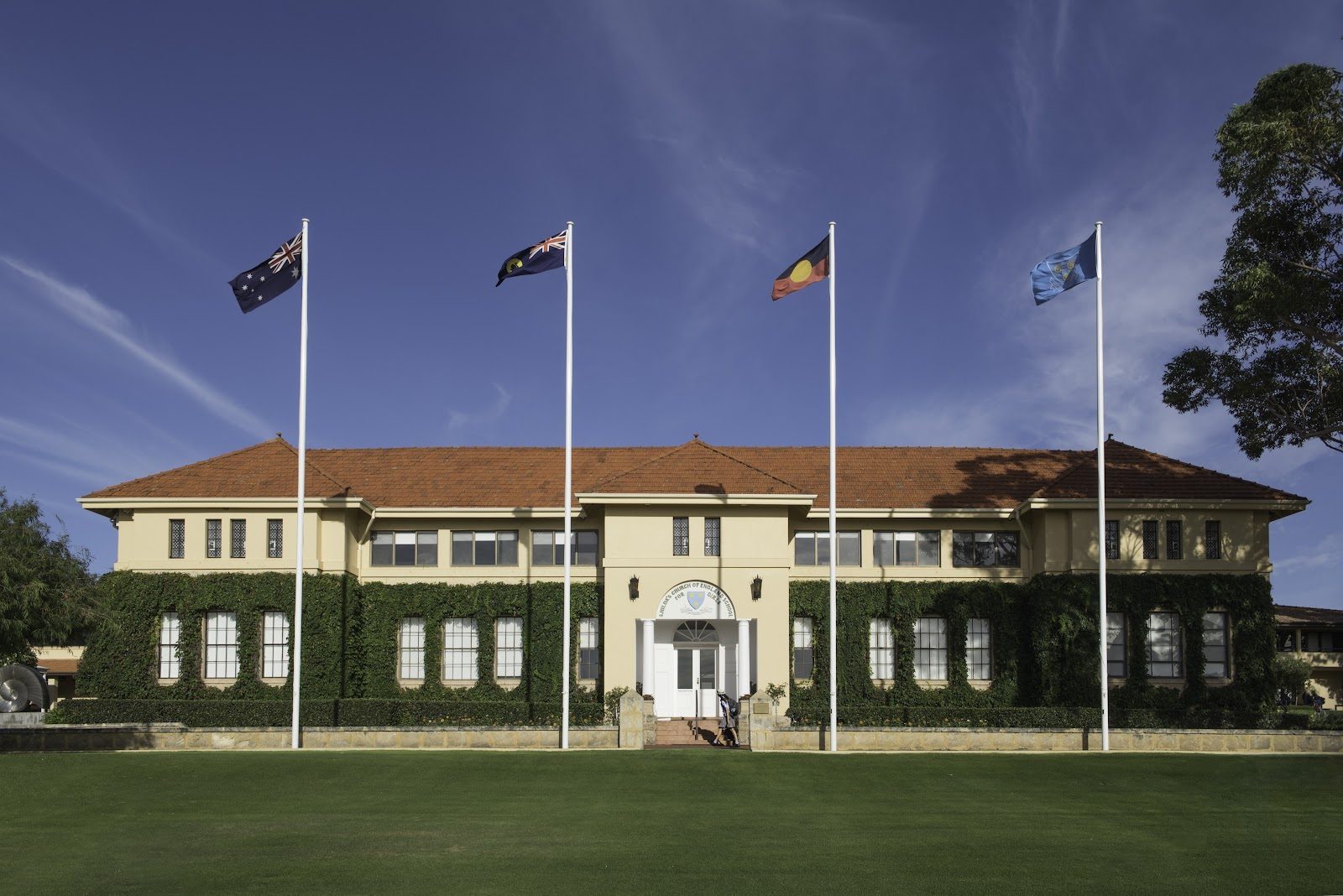
Photo © St Hilda's Anglican School for Girls - Bay View Campus via Google Maps
Type
Both
Ages
11–18
Curriculum
Western Australian Certificate of Education
Ratio
—
The Verdict
Editor's commitment
Right for
Girls aged 11–18 who want a non-selective Mosman Park school with boarding and the Western Australian Certificate of Education.
Wrong for
Families wanting co-education beyond early learning, or a secular setting: St Hilda's is Anglican, single-sex and spans Years 7–12.
Watch out for
The school trades on 1896 heritage and Swan River setting; parents still need hard data, and St Hilda's does not publish it here.
Ranking breakdown
St Hilda's Anglican School for Girls · #1049 of 1591
Composite score 60.4. 8 weighted criteria.
By criterion
Academic Outcomes
Weight 20%
#1084
of 1529 scored
University Placement
Weight 16%
#1089
of 1529 scored
Prestige & Heritage
Weight 12%
#1095
of 1571 scored
Alumni Network
Weight 12%
#689
of 1530 scored
Facilities
Weight 12%
#1102
of 1534 scored
Transparency & Communications
Weight 8%
#1099
of 1532 scored
Peer & Industry Review
Weight 10%
#998
of 1548 scored
Admissions Selectivity & Demand
Weight 8%
#837
of 1529 scored
Peer & Industry Review
How St Hilda's Anglican School for Girls is regarded in the sector
65
Respected · low confidence
St Hilda's Anglican School for Girls is a well-established Perth private girls' school with a long history (founded 1896) and is generally regarded as one of Western Australia's respected independent schools, frequently mentioned alongside peers like MLC, PLC and St Mary's in Perth private-school comparisons and league-table discussions in local media. However, independent third-party coverage is limited mostly to regional Australian education press and school-ranking aggregator sites rather than international specialist press (Tatler, Good Schools Guide, Sunday Times School of the Year), suggesting solid regional standing rather than national or international top-tier recognition.
Evidence sources
Editors' overview
The setting does a lot of the work here. St Hilda’s sits in Mosman Park on the Swan River, and that long-established Perth presence since 1896 gives it the confidence of a school that knows exactly what it is. The interest lies in how it updates that inheritance. This is an 11–18 girls’ school with both day and boarding places, teaching in English and culminating in the Western Australian Certificate of Education, but its public identity is not built around a generic private-school polish. It leans instead on an ESSTEAM entrepreneurship thread and a Year 9 Wandering Spirit resilience programme, which marks it out as a school trying to produce girls with range, nerve and initiative rather than examination technicians alone.
In market terms, St Hilda’s occupies the established upper tier of Perth girls’ education: old, independent, single-sex, Anglican in origin, and broad enough to serve both local day families and boarders. That mix matters. Boarding changes the texture of a school; it demands structure, pastoral seriousness and a social life that functions beyond the timetable. At the same time, the school is non-selective, which signals a wider academic intake than the city’s hard-edged selective options and shifts the value proposition towards all-round formation. Parents who want a narrowly exam-drilled environment should look elsewhere. Parents who want a school with tradition, visible character and room for girls to try things, recover from setbacks and grow into leadership roles should have it on the shortlist.
The student who thrives here is not hard to picture. She will value a girls-only senior environment, benefit from clear pastoral scaffolding, and have enough appetite for involvement to make use of what a boarding-and-day community can offer. The ESSTEAM emphasis will suit students who enjoy joining disciplines up rather than keeping science, technology, enterprise and the arts in separate boxes; the Year 9 outdoor resilience programme will appeal to girls who gain from being pushed beyond comfort. For international and regional families, boarding adds practical reach. For Perth families, the attraction is a school with real continuity, a distinctive programme and a culture that aims for substance over show.
Academic Performance
St Hilda’s does not publish the kind of granular public results data that would let parents place it with confidence against Perth’s hardest-driving academic competitors. We have not seen aggregate ATAR outcomes, median ATAR, top-band subject scores or a clear year-on-year results table. That matters. In Australian independent schools, strong academic operators that want credit for examination performance tend to put the numbers front and centre. When a school leaves that picture opaque, parents need to read the signal correctly: this is not a school trading on a results-at-all-costs identity.
That does not make it weak academically; it places it in a different part of the market. The non-selective intake points to a broader attainment range than tightly filtered exam schools, and the school’s own emphasis on enterprise, breadth and resilience reinforces that reading. The fit here is for families who want solid university preparation inside a wider educational brief, not a rank-chasing machine built around public scoreboards. Relative to peers, St Hilda’s sits in the established independent girls’ bracket with academic expectations intact, but without the publicly evidenced exam dominance of the state’s most data-forward names. If examination outcomes are your first filter, ask for the latest cohort’s ATAR distribution, top achiever profile and subject-level distinctions before treating the academic case as proven.
Facilities
Facilities are one of St Hilda’s stronger cards. The riverfront site gives it a physical advantage many urban girls’ schools do not have: space, outlook and a campus atmosphere that reads as settled rather than squeezed. For a school serving both day pupils and boarders, that matters. Parents should expect the practical core to be in place — dedicated teaching spaces for sciences and the arts, sports provision that supports a full co-curricular life, and boarding accommodation integrated into the wider school rather than treated as an afterthought. The school’s public emphasis on enterprise and outdoor challenge also points to facilities used for making, performance, movement and group activity, not just classroom delivery. This is not a bare-bones academic plant.
Against Perth independent peers, the picture is solid rather than arms-race extravagant. St Hilda’s has the advantages that count most for family life — room, amenity, and a campus that can carry a long school day without feeling pinched — but it does not trade on landmark specialist infrastructure in the way some wealthiest competitors do. That is not a weakness unless your benchmark is a school selling itself through showpiece capital spend. The more persuasive test here is whether the physical environment supports breadth, pastoral order and residential life. On that measure, St Hilda’s sits comfortably in the upper bracket: well-resourced, coherent and built for a full school experience, not just lessons between bells.
For Perth families, the attraction is a school with real continuity, a distinctive programme and a culture that aims for substance over show
Prestige
St Hilda’s carries real local prestige. The ingredients are plain: deep institutional history, a riverfront setting, an established girls’ identity, and the social reach that comes with serving both day families and boarders. In Perth, that combination places a school in the recognisable old-guard bracket of independent education. It has name recognition beyond its immediate catchment and the kind of intergenerational pull that matters in family decision-making. Prestige here rests less on public academic supremacy than on permanence, confidence and social standing. Parents buy into a school that has occupied this part of the market for a very long time and has not needed to reinvent itself every few years to stay visible.
That prestige has limits, and they matter. St Hilda’s does not occupy the hard-edged intellectual pedestal claimed by schools that publish dominant exam outcomes and build their reputations around selective academic firepower. Its status is broader than that: polished, established, and tied to all-round formation rather than raw scoreboard clout. The girls-only structure from 11–18 sharpens that identity, and the mix of tradition with programmes such as enterprise and outdoor resilience stops the brand from slipping into museum-piece respectability. The result is a school with high social credibility and durable appeal, but not one that commands prestige through academic intimidation alone.
We have not seen aggregate ATAR outcomes, median ATAR, top-band subject scores or a clear year-on-year results table
Communications
St Hilda’s communicates with the confidence of an established independent school: polished, orderly and aimed squarely at current families rather than casual browsers. The public-facing message is clear on ethos and school character, but thinner on the operational detail that matters once a parent moves from interest to scrutiny. We have not seen the kind of hard-edged transparency that answers practical questions before they are asked: consolidated academic outcomes, deeper boarding information, or a strong bank of plainly presented performance data. That does not make communications weak; it makes them selective. The school tells parents what it values and how it wants to be known. It is less forthcoming where comparison gets uncomfortable.
For enrolled families, that model can work well if the internal channels are disciplined and frequent, as schools with day and residential communities need them to be. The structure of the offer alone demands tight pastoral communication, fast notice of calendar changes and clear handling of routines beyond the classroom. The question is less polish than candour. On that front, St Hilda’s is effective at projecting identity and culture, but less effective at publishing the evidence a sceptical parent wants. Families who value institutional confidence and a coherent tone will be satisfied. Families who want full-fat disclosure before committing will need to ask direct questions and expect to do more of the digging themselves.
Uniqueness
What marks St Hilda’s out is the way it combines old-school female education with programmes that push against old-school complacency. Plenty of established girls’ schools promise confidence and leadership; fewer build that claim around a named entrepreneurship thread and a dedicated resilience experience in the middle years. The ESSTEAM emphasis gives academic and creative work a practical edge: girls are not boxed into the stale sciences-versus-arts split, but pushed to connect ideas, make things, pitch them and test them. The Wandering Spirit programme in Year 9 adds a second point of difference. This is not enrichment as decoration. It bakes challenge, discomfort and recovery into the school’s model of growth, which matters for students who learn as much from pressure and reflection as from tidy classroom success.
That combination brings a clear benefit. Students get a school with strong internal logic: the message is not just “achieve”, but “try, lead, adapt and keep going”. In a girls-only environment, that can be powerful. It creates space for girls to take intellectual and social risks without the performative noise that mixed settings sometimes carry. Add the reach of a residential community and the result is a school with a broader developmental agenda than many conventional independents. The payoff is not a narrow exam identity, but girls who leave with more range, more nerve and a better grasp of how to turn ability into action.
Boarding changes the texture of a school; it demands structure, pastoral seriousness and a social life that functions beyond the timetable
Student Profile
The girl who fits best here wants more from school than classroom competence and a crowded list of activities. She will use a structured environment well, respond to clear expectations, and have enough self-possession to join in rather than sit at the edges. This is a strong fit for students who like responsibility, value a girls-only senior setting, and are willing to test themselves in public, whether that means pitching an idea, taking on a visible role or pushing through an outdoor challenge in Year 9. Boarders and day girls who thrive in ordered, all-day communities will do well; girls who need anonymity or a loose, hands-off culture will not. The social fit tilts towards students who can handle a school with institutional confidence and established rituals without feeling hemmed in by them.
Temperament matters as much as attainment. St Hilda’s suits girls with a broad appetite — academic enough to take study seriously, but not fixated on schooling as an exam conveyor belt. Creative students, sporty students and girls with entrepreneurial energy all have room here, provided they can cope with a school that values follow-through as much as flair. It is less convincing for girls who want a relentlessly academic hothouse or who bristle at pastoral structure. The best fit is a student with good internal drive, social steadiness and the resilience to recover after a bad week rather than collapse under it.
Parents who want a narrowly exam-drilled environment should look elsewhere
Co-curricular strengths
Arts & sport, on a separate axis
Overall 8.66/10
Scored 0-10 from the school's own published evidence. This axis is editorial-only — it does not feed the main WTS ranking.
Sports
9/10
Drama
8.5/10
Dance
8.5/10
Music
9/10
Visual Arts
8.3/10
Strengths
- +Founded in 1896; long-established local institution.
- +10:1 student-teacher ratio allows closer teacher access.
- +Average class size 20; less crowded than larger schools.
- +Boarding available for girls aged 11–18 in Mosman Park.
Considerations
- −WACE curriculum only; no IB or A-Levels offered.
- −English-only instruction may limit bilingual development.
- −Girls-only from primary onwards; unsuitable for co-educational preference.
Availability
Primary entry gate & tests
Academic Record + Interview
Gallery
Photo © Shaoping Sun via Google Maps
Photo © Office Line Educational Furniture via Google Maps
Photo © Office Line Educational Furniture via Google Maps
Photo © Office Line Educational Furniture via Google Maps
Photo © Office Line Educational Furniture via Google Maps
Photo © Office Line Educational Furniture via Google Maps
Photo © Office Line Educational Furniture via Google Maps
Photo © Office Line Educational Furniture via Google Maps
Parent reviews
Have you sent your child here?
Voice reviews carry the strongest trust badge — we transcribe them for you to tidy up before they go live. Prefer to type? A written review is fine too.
Add your voice
In 60 seconds, tell other parents: what's the best thing about St Hilda's Anglican School for Girls, and what surprised you when your child joined?
We ask for a Google sign-in so every review has a real face behind it — no anonymous drive-by attacks on schools, and no faked positive reviews. Your email is never shown publicly.
Send this profile to a friend
International parents rely on word-of-mouth. Share this review with someone weighing the same decision.
Schools with places
Similar schools to St Hilda's Anglican School for Girls with places available now.
Pymble Ladies' College
Sydney · Australia
- 2026-27
- WAITPOOLVacancy-dependent
- 2027-28
- PLACES OPEN
Ivanhoe Grammar School
Melbourne · Australia
- 2026-27
- WAITPOOLVacancy-dependent
- 2027-28
- PLACES OPEN
Ascham School
Sydney · Australia
- 2026-27
- WAITPOOLVacancy-dependent
- 2027-28
- PLACES OPEN
Wesley College
Melbourne · Australia
- 2026-27
- WAITPOOLVacancy-dependent
- 2027-28
- PLACES OPEN
Availability first, then country, area, curriculum, price, co-curricular
Consider also
Also worth looking at alongside St Hilda's Anglican School for Girls.
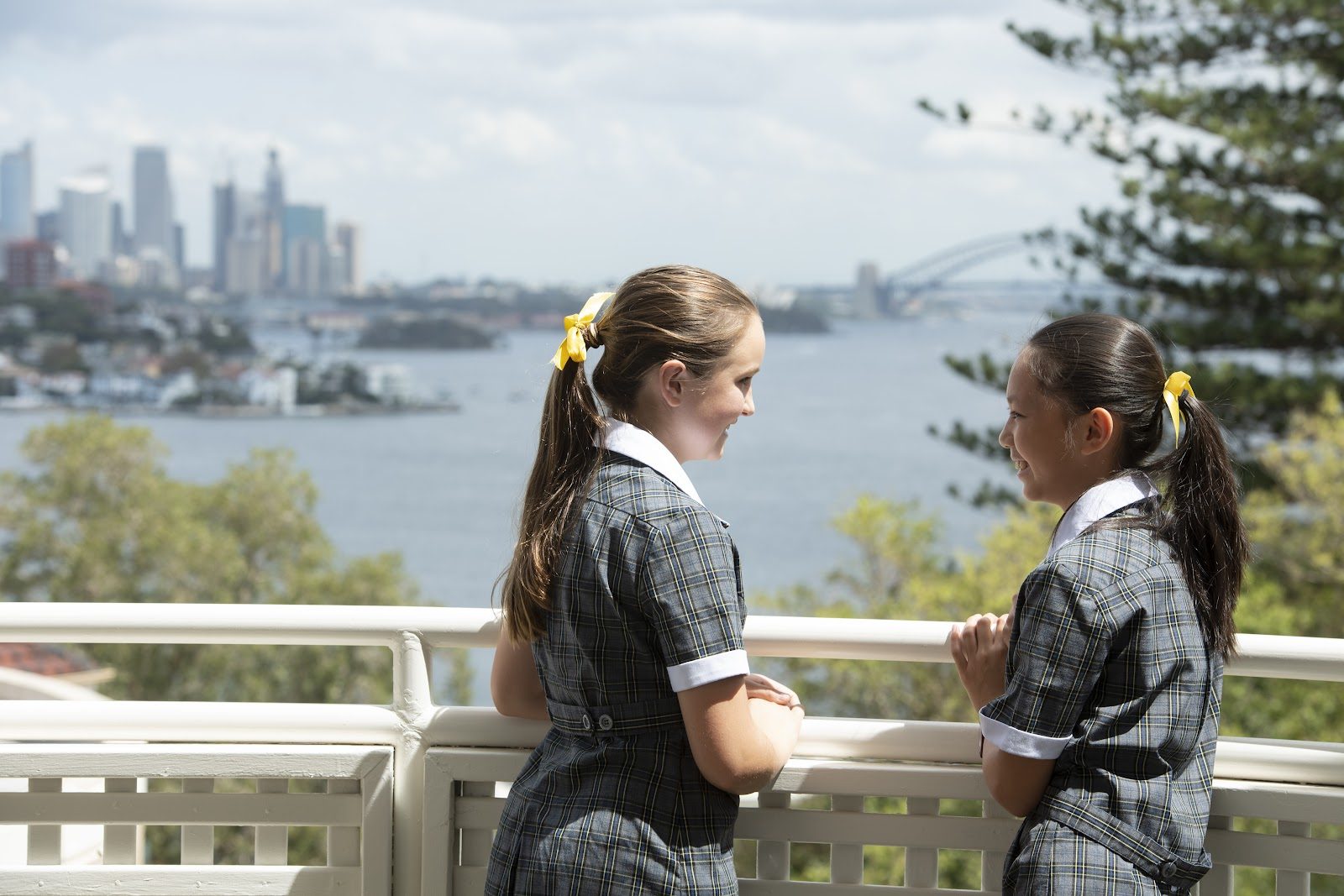
Kambala
Rose Bay · Australia
On the Tivoli headland above Sydney Harbour, a non-selective girls' school topped the state for pairing IB and HSC results in 2024.
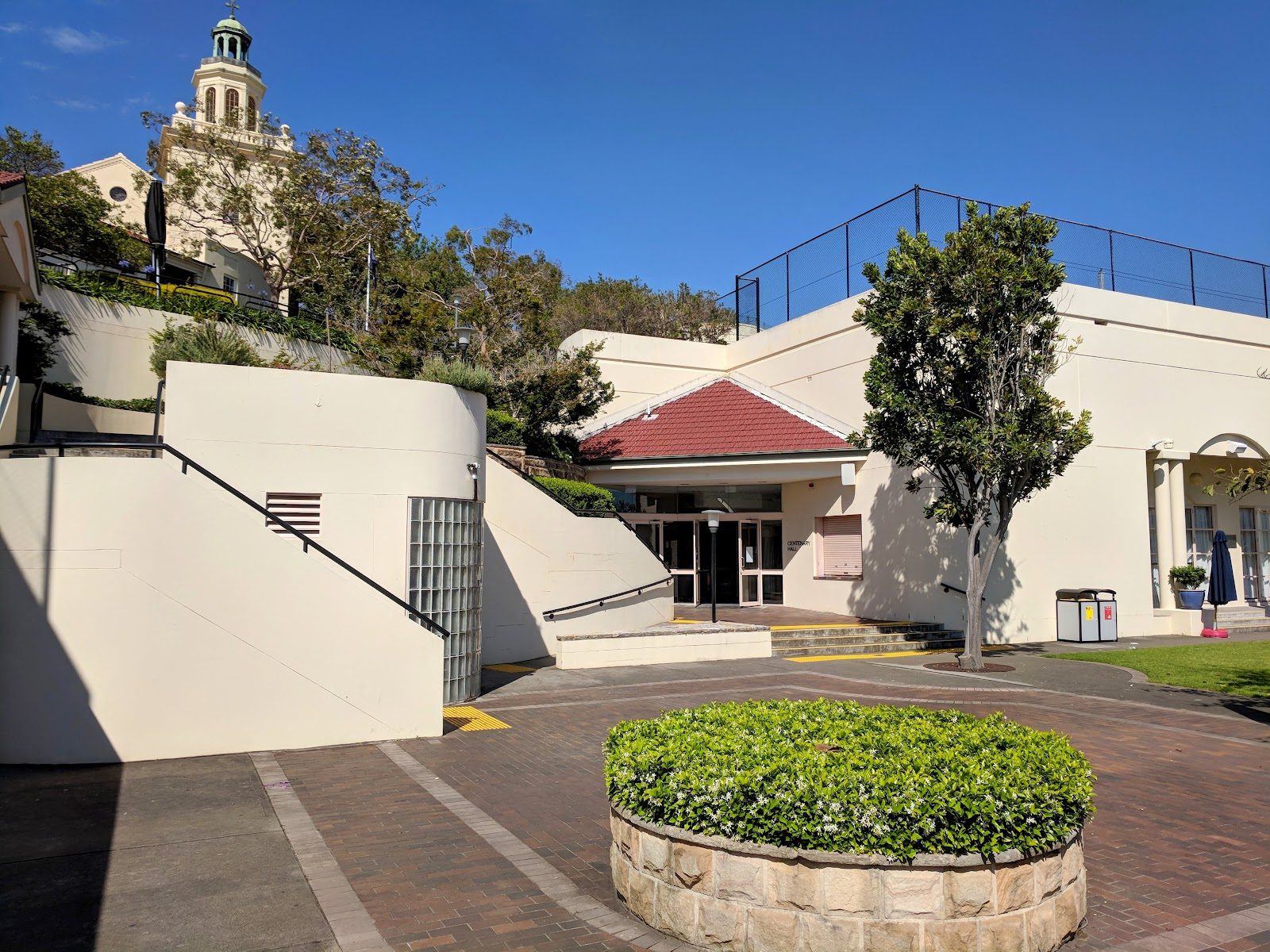
Loreto Kirribilli
Kirribilli · Australia
On Sydney Harbour since 1908, its chapel tower once guided sailors--now it anchors a top-performing Catholic girls' school.
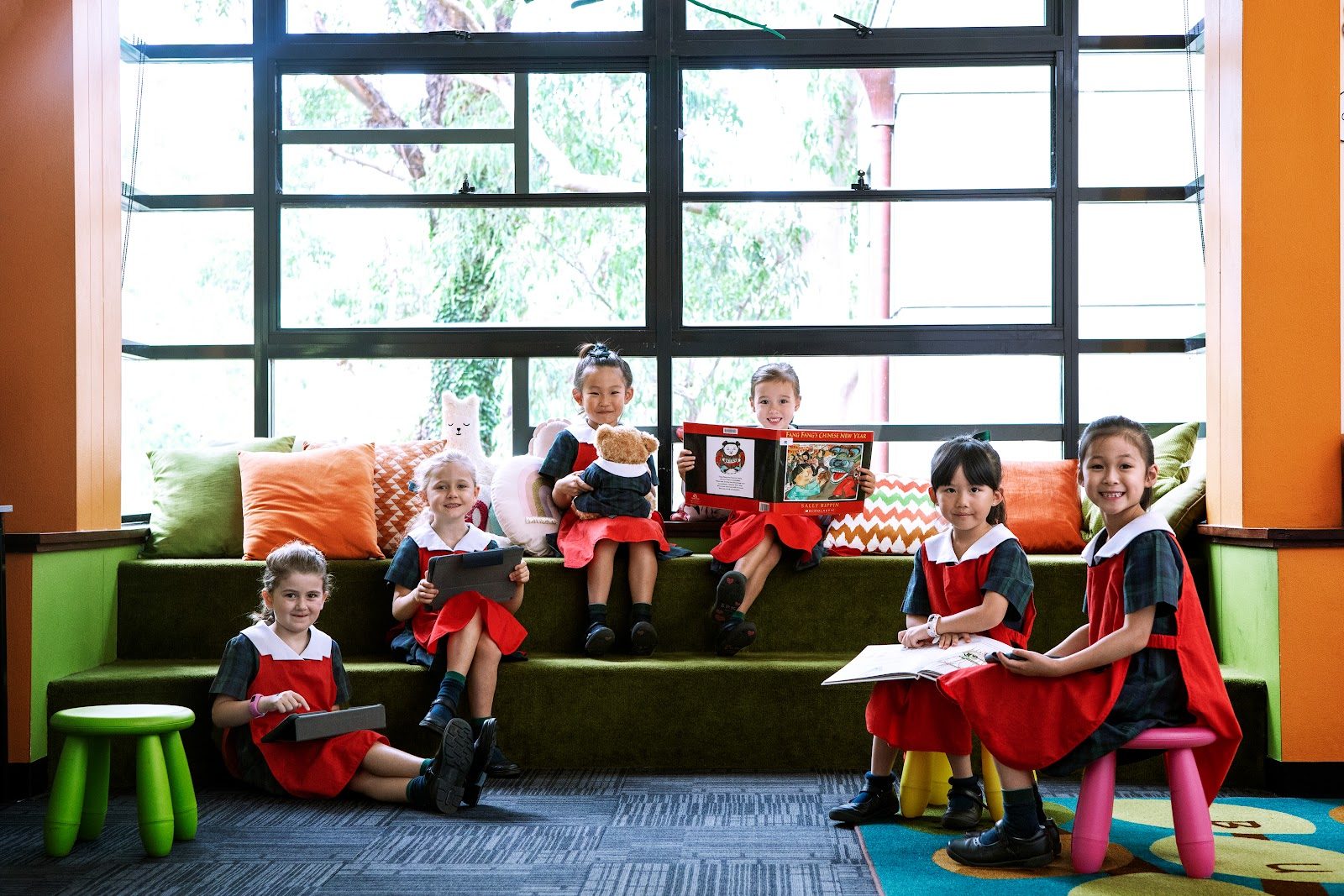
Pymble Ladies' College
Sydney · Australia
On Sydney's Upper North Shore, a non-selective campus of five schools lets girls choose between the IB and HSC pathways.
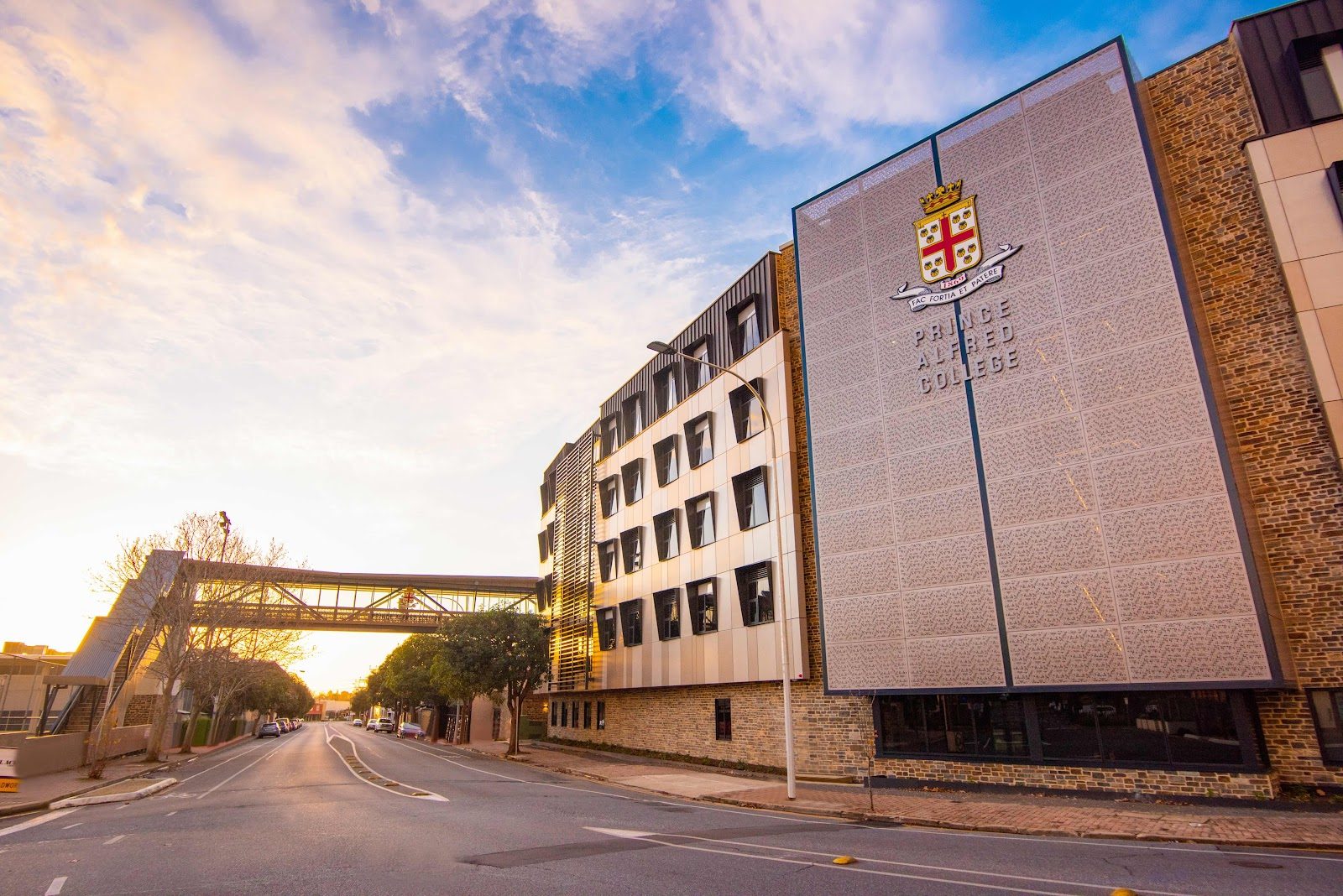
Prince Alfred College
Adelaide · Australia
A Duke laid its 1867 foundation stone; today this Adelaide college ships Year 9 boys to riverside and peninsula campuses for a term outdoors.
Same country and curriculum — closest matches within ±10 points either way