Alto de Pinheiros + Pinheiros
St. Nicholas School São Paulo
low confidence· 4/6 cats · 1 avg sourcesA full IB continuum across two Sao Paulo campuses, where Oxford, London and Cambridge Houses meet annually for a countryside challenge.
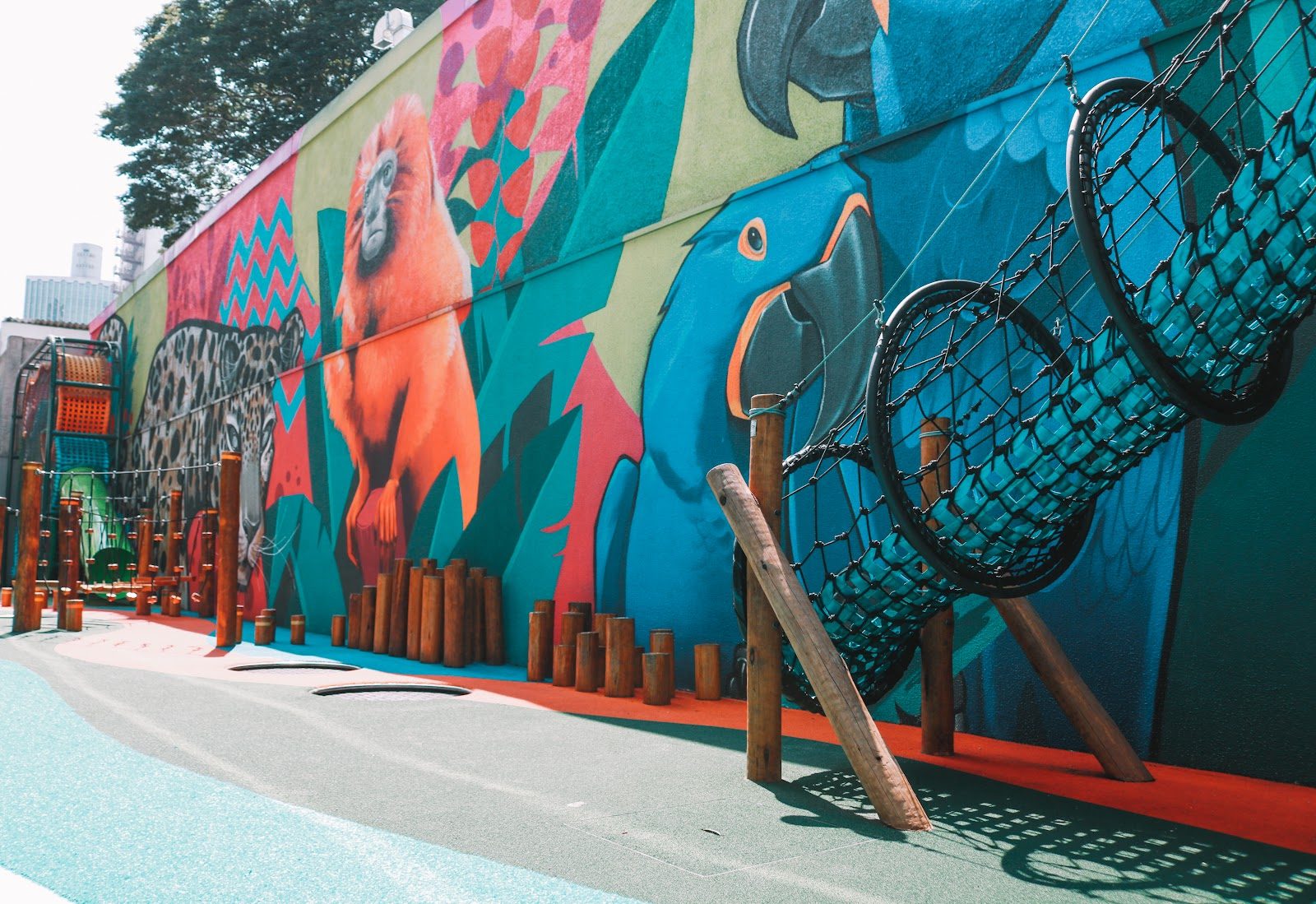
Photo © St. Nicholas School via Google Maps
Type
Day
Ages
2–18
Curriculum
IB · British
Qualifications
IB Diploma · IB MYP · IB PYP · IGCSE
Ratio
—
The Verdict
Editor's commitment
Right for
Families in São Paulo who want a day school from ages 2–18 with English and Portuguese teaching and the full IB continuum.
Wrong for
Parents wanting boarding, a religious ethos, or a single-campus school; St. Nicholas is non-religious, day-only, and split between Alphaville and Pinheiros.
Watch out for
IB World, BSO, COBIS and CIS badges give reassurance; the school does not publish aggregate Diploma results or university destination figures.
Ranking breakdown
St. Nicholas School São Paulo · #1272 of 1591
Composite score 56.5. 8 weighted criteria.
By criterion
Academic Outcomes
Weight 20%
#1223
of 1529 scored
University Placement
Weight 16%
#1227
of 1529 scored
Prestige & Heritage
Weight 12%
#1287
of 1529 scored
Alumni Network
Weight 12%
#1131
of 1529 scored
Facilities
Weight 12%
#1234
of 1529 scored
Transparency & Communications
Weight 8%
#1228
of 1529 scored
Peer & Industry Review
Weight 10%
#1098
of 1529 scored
Admissions Selectivity & Demand
Weight 8%
#1077
of 1529 scored
Peer & Industry Review
How St. Nicholas School São Paulo is regarded in the sector
64
Respected · medium confidence
I could not locate at least two independent, third-party sources (e.g., Tatler, Good Schools Guide, specialist education press, government inspectorate reports, or established expat-parent forum discussions) that substantively assess St. Nicholas School São Paulo's reputation. Without verifiable independent evidence beyond the school's own materials, a reliable score cannot be assigned.
Editors' overview
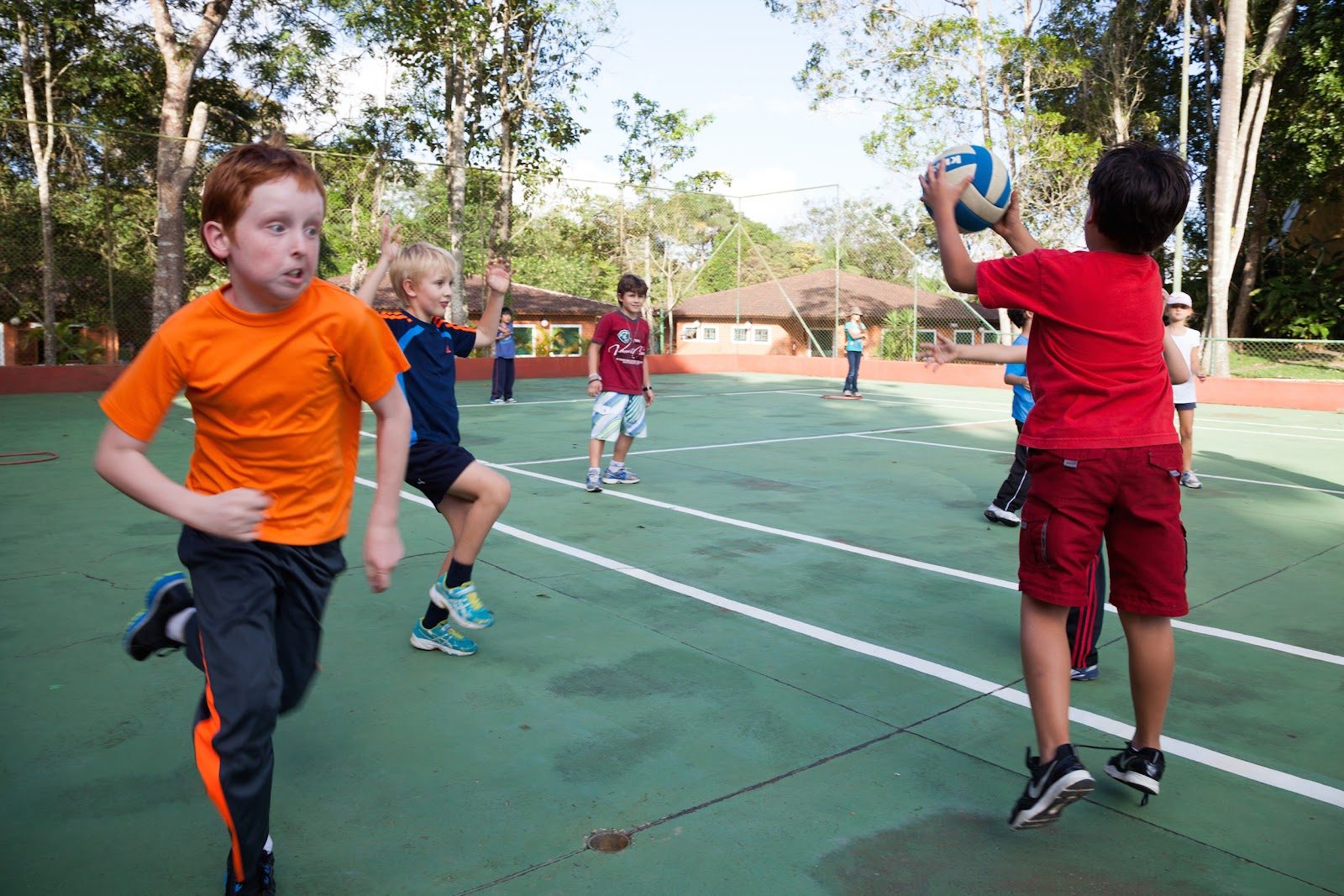
St. Nicholas School São Paulo occupies a clear niche in the city’s international market: a non-religious, English- and Portuguese-medium day school with the full IB continuum across both Pinheiros and Alphaville. That matters. Many schools advertise international breadth; fewer run PYP, MYP and Diploma Programme from age 2 to 18 on two established campuses. Founded in 1980, St. Nicholas has longevity, scale and a settled identity. The house system — Oxford, London and Cambridge since 1998 — adds a strand of British school culture without turning the place into a replica of an English prep school. The annual Interhouse Festival, held in the countryside, gives the school one of its more distinctive traditions: competitive camaraderie rather than empty ceremony.
The strongest reason to shortlist St. Nicholas is coherence. The school has been in the IB world since 2000, with its first IB graduating class in 2003, and it now runs as a full IB school on both campuses. For families who want continuity rather than repeated transitions between unrelated programmes, that is a serious advantage. The published numbers are also useful: more than 1,300 pupils, a 5:1 student-teacher ratio, and 100% of Year 11 enrolled in the full Diploma Programme. That last figure is striking. This is not a school that treats the IB Diploma as a selective add-on for an academic elite; it builds the senior years around it. The school also states that 70% of learners choose international universities, which places university guidance and outward mobility at the centre of its offer. International ambition, a settled IB pathway and daily bilingualism are the real selling points here.
Parents should also read the school accurately. St. Nicholas is not the obvious choice for families chasing a hyper-selective, exam-results-first culture built on published aggregate scores and relentless public boasting. The school publishes a highest IB score of 44, but not cohort-wide diploma statistics. That leaves some academic opacity. What it does show, clearly, is a strong preference for pastoral steadiness, community intimacy and a learning culture built around inquiry, belonging and international-mindedness. The two-campus structure widens access across São Paulo, and recent investment — new Primary and Middle Years buildings, an Early Years play space, and the new Alphaville Athletic Complex — shows a school still expanding rather than coasting on legacy.
The pupil who will thrive here is internationally minded, comfortable in a bilingual environment, and responsive to a school that combines structure with warmth. This suits children who value relationships with teachers, enjoy house events, MUN, service, sport and the broader life of school as much as academic progress. It also suits expatriate and Brazilian families who want an anchored community rather than a transient outpost. St. Nicholas belongs on a shortlist for parents who want an all-through IB education with real continuity, human scale and enough institutional history to feel rooted in São Paulo rather than imported into it.
Academic Performance
St. Nicholas does not publish the data that would let parents place its academic performance with confidence against São Paulo’s stronger IB competitors. There is a headline top score of 44, and that confirms that high individual attainment exists. Beyond that, the school withholds the essentials: no average diploma score, no pass rate, no subject-grade profile, no distribution of top marks, and no multi-year trend line. That omission matters. In the international-school market, schools with hard academic confidence publish aggregate outcomes. Schools that do not leave parents to infer quality from isolated peaks, university destinations and institutional tone. That is not enough for families who want clean comparative evidence.
What the school does disclose still tells us something. It commits 100% of Year 11 to the full Diploma route, which points to a broad-entry model rather than a narrow, hand-picked sixth form built to maximise league-table optics. That makes a single high score more credible than at a heavily filtered school, but it also raises the stakes for transparency on cohort results. The claim that 70% of learners choose international universities indicates ambition and outward mobility, though it does not function as an exam metric. Relative to peers, St. Nicholas sits in the bracket of schools with visible individual success and opaque collective results: credible, established, but not academically legible enough for parents who rank published performance data above all else.
Facilities
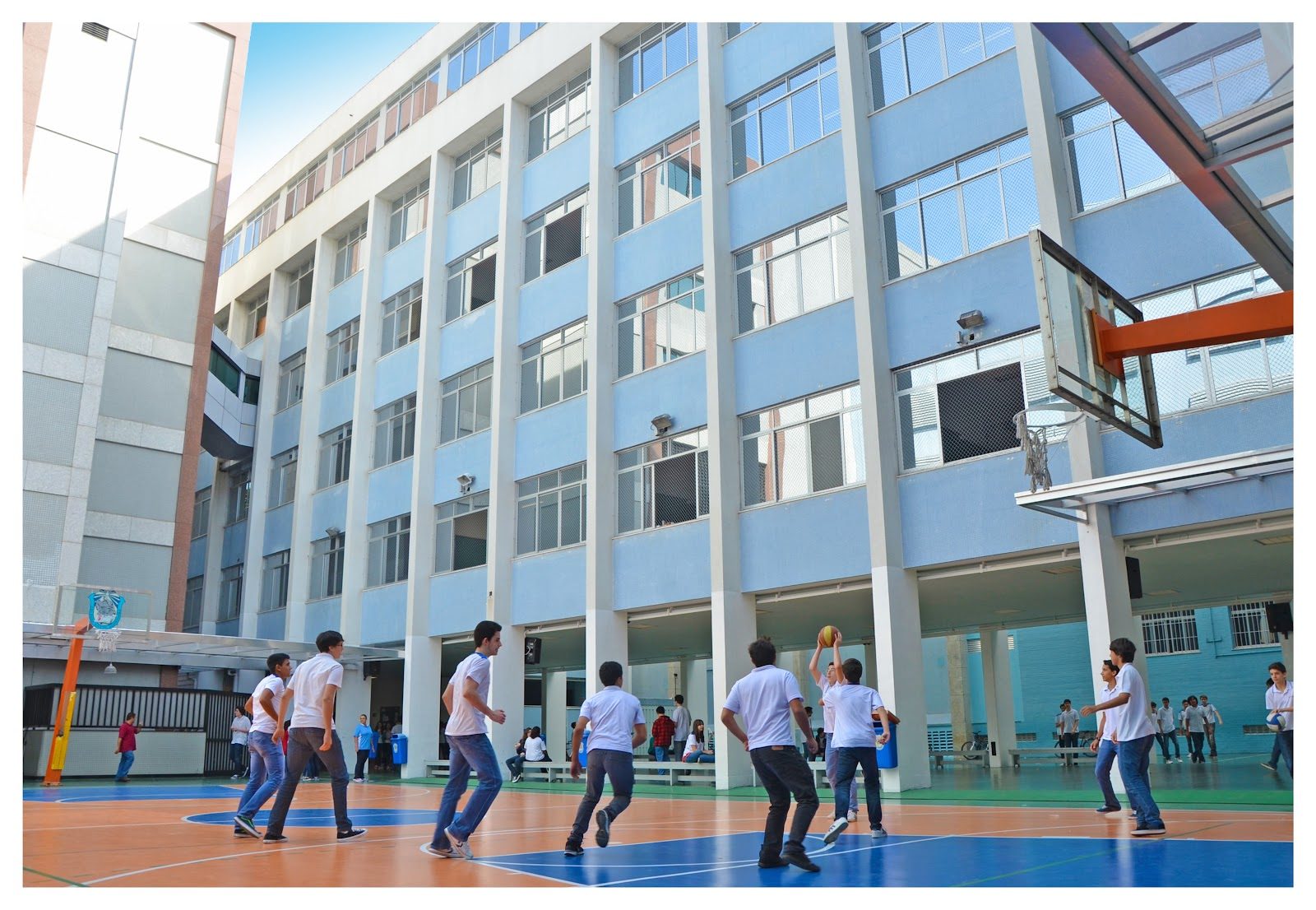
The estate is stronger than the school’s low-key profile implies. St. Nicholas runs two mature campuses with dedicated spaces for Early Years, Primary and the secondary years, and the recent building cycle matters: a new Primary block in Pinheiros, added Middle Years space in Alphaville, an updated purpose-built Early Years playground, and a new athletic complex. That points to a school still investing in day-to-day function rather than living off a glossy masterplan. The published staffing scale — +430 employees — also indicates that these sites are not thinly resourced. Peer schools at the top of São Paulo’s market still hold the edge on headline spectacle: larger theatres, more expansive specialist sport provision, grander grounds, more architecturally polished campuses. St. Nicholas does not win on sheer physical drama.
It does better on fit and usability. The school’s public structure shows a full spread of co-curricular life around the campus fabric: sports, trips, service learning, life skills, MUN, university guidance and a house system that gives physical spaces a social purpose rather than leaving them decorative. The new Alphaville sports provision strengthens a part of the offer that ambitious families now expect, and the Early Years environment has had serious attention rather than token refurbishment. What we have not seen is the kind of exhaustive room-by-room disclosure that would let parents judge science labs, performing arts suites, libraries or design facilities against the city’s best-equipped competitors. So the facilities case rests on steady substance, not showpiece luxury.
There is a headline top score of 44, and that confirms that high individual attainment exists
Prestige
St. Nicholas has solid local standing in São Paulo’s international-school market, but it does not sit in the city’s top prestige tier. The reasons are clear. It has institutional longevity, a full all-through structure, two functioning campuses, and recognised international memberships that give it credibility with mobile families. The school also projects a settled internal culture rather than a franchise identity borrowed from elsewhere. Its house system, interhouse tradition, Model United Nations activity and visible investment in new buildings and sport all add to that sense of substance. For many parents, that translates into respectable cachet: established, organised and international without the brittle social theatre that follows some older or more status-conscious schools.
What St. Nicholas lacks is the hard-edged prestige that comes from public academic dominance or a famous-name aura. The school’s own headline markers — 70% choosing international universities and a highest IB score of 44 — point to ambition and strong individual outcomes, but prestige at the top end rests on sharper proof than that. No published cohort-wide diploma data means no clean claim to elite academic standing. Nor does St. Nicholas trade on inherited brand mythology, diplomatic pedigree or a highly selective admissions mystique. Its prestige is earned rather than glamorous: strongest among families who value continuity, community and an internationally oriented education with real breadth, weaker among those chasing the city’s most socially conspicuous or results-driven names.
Nicholas has solid local standing in São Paulo’s international-school market, but it does not sit in the city’s top prestige tier
Communications
St. Nicholas communicates with parents in a structured, serviceable way. The website does the core job well: it is easy to navigate, separates the two campuses cleanly, and gives parents a clear map of school life beyond lessons — leadership, trips, service, sport, university guidance, house activity and events all have visible places rather than being buried in generic admissions copy. That matters because schools with two sites and an all-through age range can descend into confusion fast; St. Nicholas avoids that. The school also pushes community voice hard, with parent, student and educator testimonials, founder messaging and a steady emphasis on helping new families settle. The tone is warm to the point of repetitive, but it is coherent. Parents get a strong sense of a school that wants to be read as caring, orderly and close-knit.
The weak point is precision. For a school that publishes standout marketing numbers — 70% heading to international universities, 100% on the full Diploma route, a 44 top IB score — it does not match that confidence with the detailed academic reporting serious parents want. Communications are therefore strong on belonging, thinner on proof. That imbalance shapes the overall verdict: effective for pastoral reassurance, day-to-day orientation and community signalling; less effective for families who judge schools by published outcomes, comparative data and plain institutional self-scrutiny. In editorial terms, St. Nicholas communicates confidently about culture and cautiously about performance.
Uniqueness
What sets St. Nicholas apart is not glamour or raw selectivity, but institutional continuity with character. Plenty of schools bolt together international programmes and call it coherence. St. Nicholas has built a recognisable internal culture around that continuity: children move through one educational philosophy, one community vocabulary and one shared set of rituals rather than crossing disconnected stages. The house structure gives that culture a practical spine. Oxford, London and Cambridge are not decorative labels for sports day; they feed into an annual countryside festival that gives pupils a lived tradition of competition, loyalty and collective memory. In a market full of polished but interchangeable schools, that kind of earned identity is rare.
The other point of difference is the balance between international ambition and human-scale belonging. This is a school with more than 23 nationalities and a published route into overseas universities, yet it still talks in the language of knowing children well, helping new families settle and building a community that holds together across both sites. The result for students is clear: they get an education with outward reach without losing the close-knit feel that many larger international schools sacrifice. The full Diploma route for the whole year group reinforces that message. St. Nicholas does not reserve its flagship pathway for a narrow academic caste. It asks the cohort to travel together, and that creates a more inclusive, less cynical senior-school culture.
Nicholas does not reserve its flagship pathway for a narrow academic caste
Student Profile
The student body fits families who want an international school without the brittle edge of a prestige contest. Children who thrive here tend to be socially adaptable, comfortable moving between cultures, and willing to engage in the wider life of the school rather than treating lessons as a transaction. The school’s own picture of itself centres on belonging, diversity and student voice, and the structure around houses, service, trips, sport, leadership and MUN backs that up. This suits pupils who like being known, joining in and carrying responsibility. It also suits families arriving mid-journey who need a school that absorbs newcomers without drama. With more than 20 nationalities in the mix, this is a genuinely international cohort, but not one built on churn or anonymity.
The best fit is the child who wants steady all-round development rather than a narrow hothouse. St. Nicholas works for students with academic ambition, but it does not read as a place for the child who measures a school only by published score tables and competitive sorting. Because the senior route takes the whole year group through the diploma track, pupils need resilience, organisation and a willingness to cope with a demanding common pathway rather than an easy opt-out. The school also claims a 5:1 student-teacher ratio, which points to close adult attention and fewer places to hide. Reserved pupils can still do well here, but they need to tolerate a community that prizes participation, visibility and warm, collective school life.
With more than 20 nationalities in the mix, this is a genuinely international cohort, but not one built on churn or anonymity
Co-curricular strengths
Arts & sport, on a separate axis
Overall 8.2/10
Scored 0-10 from the school's own published evidence. This axis is editorial-only — it does not feed the main WTS ranking.
Sports
8.5/10
Drama
8/10
Dance
8/10
Music
8.2/10
Visual Arts
8.3/10
Editor first-pass · editor-reviewable · 7/30/2026
Strengths
- +Offers a dual pathway of British-style primary/secondary curriculum leading into the IB Diploma Programme, giving families international portability.
- +One of the longer-established British-curriculum schools in Sao Paulo, giving it an embedded reputation among the local expatriate and Brazilian international-school community.
- +Day-school structure keeps students within the city's expatriate and bilingual professional catchment, useful for families on shorter corporate postings.
- +Bilingual English-Portuguese instruction supports both repatriation and long-term integration into the Brazilian system.
- +Located in Sao Paulo, giving access to the city's broader network of international schools, universities and corporate expatriate infrastructure.
Considerations
- −Day school only, with no boarding option, so it does not suit families wanting a residential arrangement.
- −Sao Paulo's traffic and sprawl mean daily commute times can be long depending on family residence, a practical constraint rather than a school failing.
- −As a mid-ranked candidate-tier school (editorial rank 1235), it lacks the global brand recognition or verified league-table performance of the city's very top international schools.
- −Independent international-school fees in Sao Paulo are generally significant relative to local incomes, though exact St Nicholas fee figures are not independently published for verification.
Availability
Primary entry gate & tests
Academic Record
Gallery
Photo © St. Nicholas School via Google Maps
Photo © St. Nicholas School via Google Maps
Photo © St. Nicholas School via Google Maps
Photo © St. Nicholas School via Google Maps
Photo © St. Nicholas School via Google Maps
Parent reviews
Have you sent your child here?
Voice reviews carry the strongest trust badge — we transcribe them for you to tidy up before they go live. Prefer to type? A written review is fine too.
Add your voice
In 60 seconds, tell other parents: what's the best thing about St. Nicholas School São Paulo, and what surprised you when your child joined?
We ask for a Google sign-in so every review has a real face behind it — no anonymous drive-by attacks on schools, and no faked positive reviews. Your email is never shown publicly.
Send this profile to a friend
International parents rely on word-of-mouth. Share this review with someone weighing the same decision.
Schools with places
Similar schools to St. Nicholas School São Paulo with places available now.
Graded - The American School of São Paulo
São Paulo · Brazil
- 2026-27
- WAITPOOLGrade-specific
- 2027-28
- PLACES OPENLocal Oct 2; Intl relocators now
St. Paul's School
São Paulo · Brazil
- 2026-27
- WAITPOOLVacancy-dependent
- 2027-28
- PLACES OPENNursery Active; Others available
Availability first, then country, area, curriculum, price, co-curricular
Consider also
Also worth looking at alongside St. Nicholas School São Paulo.
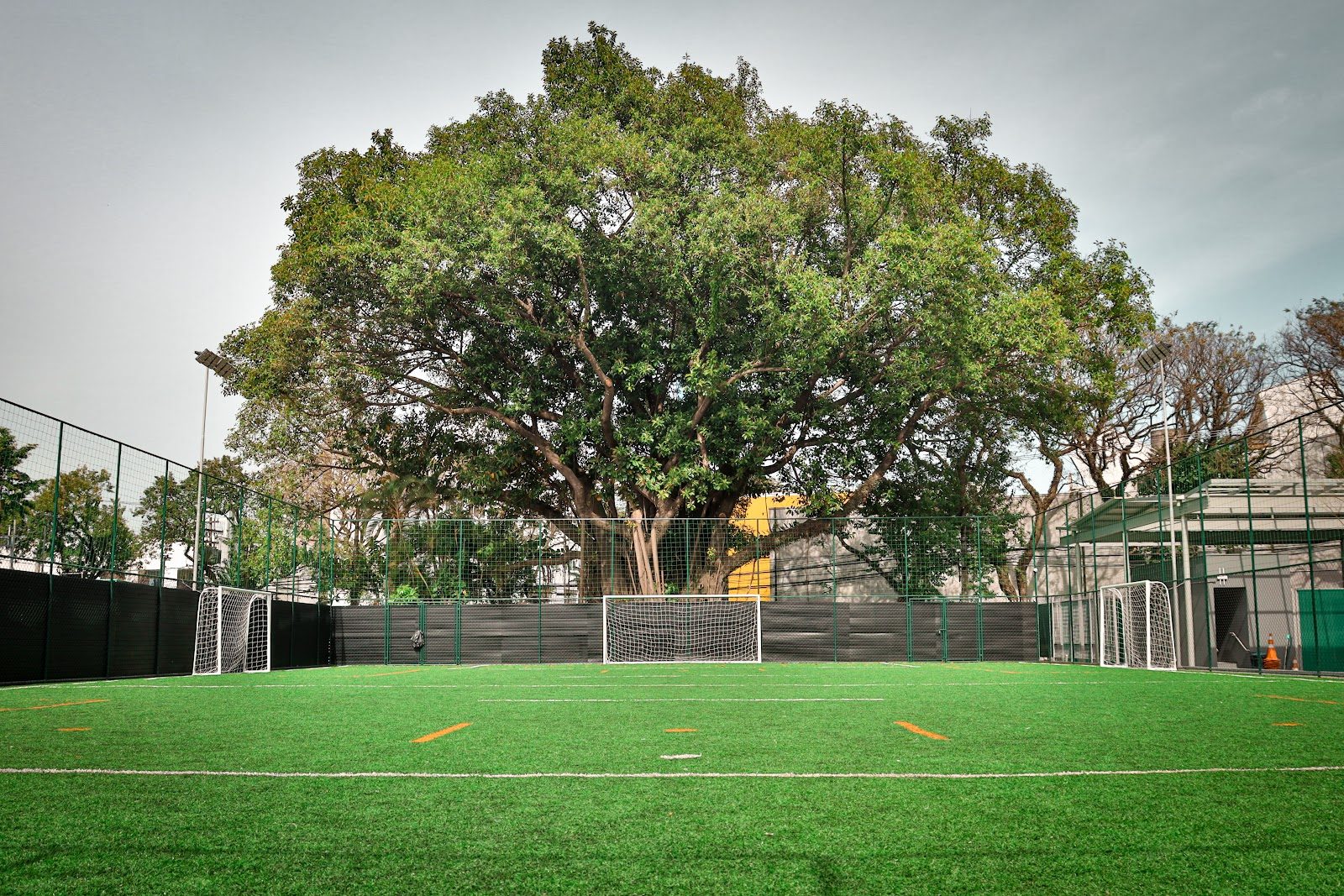
Escola Beacon
São Paulo · Brazil
A former industrial warehouse in Vila Leopoldina now houses a full IB continuum rooted in bilingual Brazilian identity.
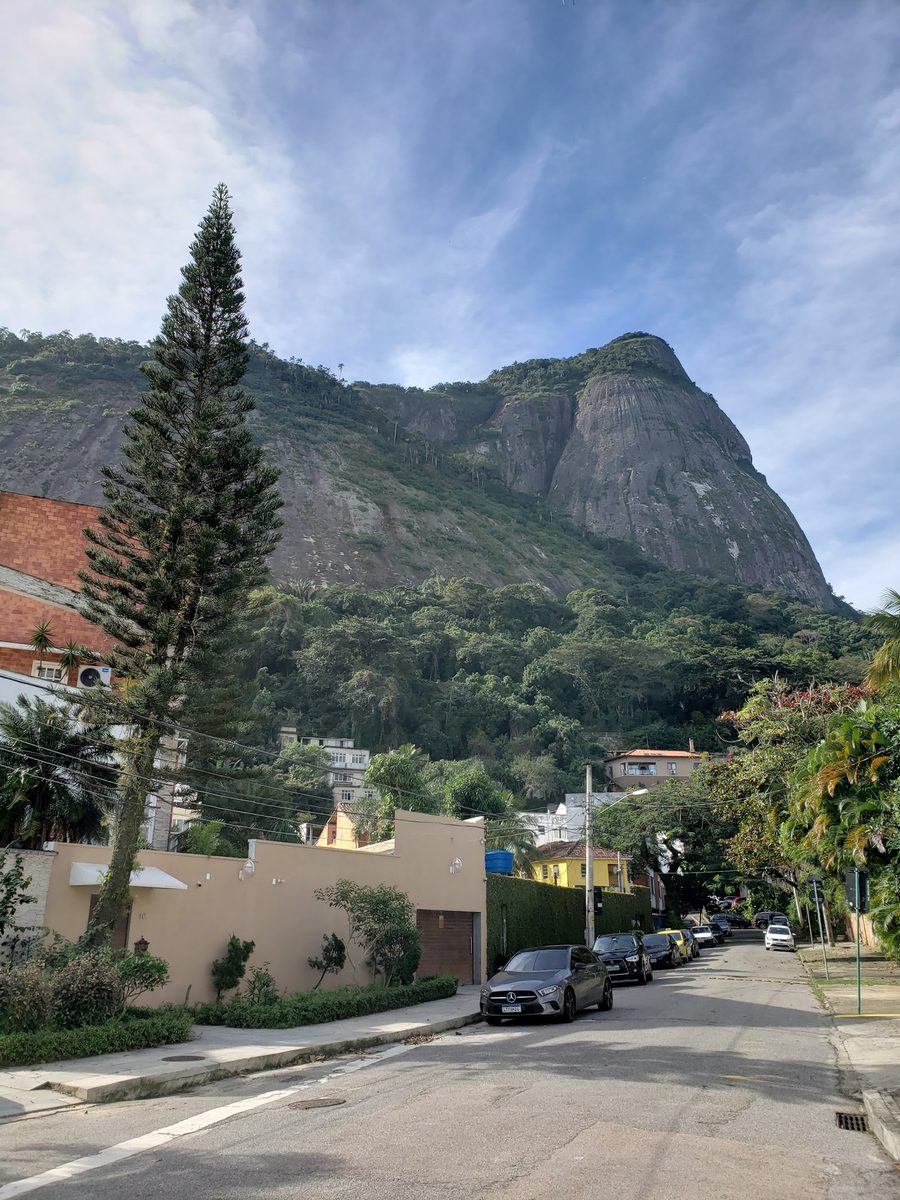
Escola Suíço-Brasileira Rio de Janeiro
Rio de Janeiro · Brazil
Brazil's first bilingual school, still running three parallel language tracks and blending Swiss Matura with IB in Barra da Tijuca.
British College of Brazil
São Paulo · Brazil
Sao Paulo's twin campuses pair Cambridge IGCSEs with Juilliard-linked arts and a rare secondary sailing programme.
Colégio Santo Agostinho Rio de Janeiro
Rio de Janeiro · Brazil
Augustinian friars have run rigorous Catholic schooling from Leblon since 1946, still placing among Rio's top ENEM scorers.
Same country and curriculum — closest matches within ±10 points either way