
Bavaria
Landheim Schondorf am Ammersee
low confidence· 6/6 cats · 0 avg sourcesOn the shores of the Ammersee since 1905, houseparent-teachers pair Abitur rigour with a hands-on workshop ethos.

Photo © Sommer via Google Maps
Type
Both
Ages
11–18
Curriculum
German Abitur
Ratio
7:1
The Verdict
Editor's commitment
Right for
Families who value a 7:1 student-teacher ratio, 14-pupil classes and a 1905 boarding-and-day school with Abitur focus.
Wrong for
Parents who need a functioning school website, published outcomes or clarity on an English-taught German Abitur for ages 11–18.
Watch out for
The listed website is a domain-sales page, not a school site; for a non-religious school in Schondorf, that is a credibility problem.
Ranking breakdown
Landheim Schondorf am Ammersee · #573 of 1591
Composite score 68.0. 8 weighted criteria.
By criterion
Academic Outcomes
Weight 20%
#791
of 1529 scored
University Placement
Weight 16%
#793
of 1529 scored
Prestige & Heritage
Weight 12%
#526
of 1571 scored
Alumni Network
Weight 12%
#334
of 1530 scored
Facilities
Weight 12%
#478
of 1534 scored
Transparency & Communications
Weight 8%
#778
of 1532 scored
Peer & Industry Review
Weight 10%
#640
of 1548 scored
Admissions Selectivity & Demand
Weight 8%
#607
of 1529 scored
Peer & Industry Review
How Landheim Schondorf am Ammersee is regarded in the sector
65
Respected · medium confidence
Landheim Schondorf is one of Germany's oldest and most established traditional boarding schools (founded 1905), regularly appearing in German press round-ups of leading Internate alongside Salem, Louisenlund and Neubeuern (e.g., FOCUS and Süddeutsche Zeitung boarding-school features). It has a solid alumni network within German business, academic and political circles, but it does not feature as prominently in international 'best schools' rankings (Tatler, Good Schools Guide) as some of its domestic peers, suggesting a strong regional/national rather than global reputation.
Evidence sources
Editors' overview
Landheim Schondorf am Ammersee occupies a narrow and distinctive place in the German market: a school founded in 1905 that combines the German Abitur with a residential, house-based model and a workshop ethos. The editorial tagline gets to the point. This is not a glossy international school built around transient expatriate demand; it is an older boarding-and-day school with real institutional character, a strong sense of daily structure and an education that ties academic study to making, doing and living together. The 7:1 student–teacher ratio and average class size of 14 matter here. They point to close adult oversight, direct teaching and little room for passengers.
What is special is the combination, not any single feature in isolation. Plenty of German schools offer the Abitur. Far fewer pair it with boarding life, houseparent-teachers and a hands-on workshop culture that gives practical work genuine status alongside academic rigour. For families who want an education with discipline without pretence and substance over display, that has force. The age range, 11–18, also gives the school a full secondary arc rather than a sixth-form add-on, which suits parents looking for continuity through adolescence. One clear limitation needs stating: the public website linked here is not functioning as a school site, so the school’s current public-facing communication is poor. For an international audience, that is a weakness.
Why put it on a shortlist? Because it offers a rare mix of seriousness and craft. This is a strong fit for students who do not want an anonymous large school, who benefit from being known well by adults, and who thrive in communities where contribution counts. The boarding element will suit independent pupils ready for communal life rather than those who need a loose, choice-heavy environment. It also suits families who value the Abitur route but want more texture than a standard academic day school can offer.
The student who will want Landheim Schondorf am Ammersee is bright, steady and practical: someone who can handle academic expectations, tolerate clear rules and take satisfaction from making things, building things or working with their hands as well as their head. It will also suit pupils drawn to ordered independence and lived community, not constant spectacle. Children who want a large-scale international social scene, extensive public-facing polish or a broad menu of published global credentials will find thinner evidence here. Families choosing Landheim are choosing *depth, closeness and habit-forming structure*.
Academic Performance
Academic performance is hard to judge because the school does not publish public examination data. We have not seen aggregate Abitur grades, pass rates, subject distributions, university destinations or year-on-year attainment trends. That matters. In a market where serious schools publish at least headline outcomes, this level of opacity is a clear weakness. Parents cannot place Landheim securely against German peers on results alone, and any claim of academic strength therefore rests on structure and educational model rather than verified attainment. For an international audience in particular, the absence of even basic benchmarking is sub-standard.
That said, the school’s small classes and low staffing ratio point towards conditions that support close academic oversight, individual correction and prompt intervention when students fall behind. Those are serious advantages for the Abitur, which rewards consistency across subjects rather than last-minute cramming. The workshop ethos and house-based life also indicate a school that values discipline, routine and responsibility; those habits can translate into solid outcomes. But “can” is not enough in this section. Without published results, Landheim sits in the category of schools that demand *more parental trust than evidence warrants*. Relative to transparent peers, it ranks as an opaque proposition. The decisive question is simple: not whether the school has academic standards, but why it does not disclose the proof.
Facilities
Facilities are the hardest area to judge because the school’s public website has collapsed into a domain-sale page. That is not a minor irritation; it leaves parents without a current, school-controlled account of classrooms, laboratories, sports provision, arts spaces or boarding houses. We have no published campus map, no photo record worth trusting and no usable detail on specialist rooms. Against peer boarding schools, that is well below standard. Even modestly resourced competitors publish enough to show whether science is properly housed, whether art and design have dedicated space, and whether residential accommodation is merely functional or genuinely fit for adolescent life. Landheim does not.
What can be said with confidence is narrower but still useful. The school’s small classes and low staffing ratio of 7:1 point to facilities that work best at human scale rather than spectacle scale: teaching spaces geared to supervision, routine and direct contact, not the sprawling, branded amenity arms race seen at richer international campuses. The school’s workshop ethos also points to practical spaces carrying real weight in daily life, which distinguishes it from academically orthodox peers where making things sits at the margins. If those workshops are strong, that is a serious asset. If they are dated or thin, the school loses one of its few clear differentiators. Until Landheim restores a functioning website and publishes a proper account of its campus, facilities remain an opaque part of the proposition.
Landheim Schondorf am Ammersee occupies a narrow and distinctive place in the German market: a school founded in 1905 that combines the German Abitur with a residential, house-based model and a workshop ethos
Prestige
Landheim’s prestige sits in the German independent-school category of old-established but low-visibility. It carries the social weight that attaches to a long-running residential school with a defined internal culture, close adult oversight and a pupil body small enough to be known rather than processed. The 7:1 staffing ratio and classes averaging 14 support that impression of seriousness. This is not prestige built on glossy international branding, elite-name affiliations or aggressively marketed outcomes. It is local, earned and inward-facing. For some families, that has real value: the school signals continuity, structure and a distinct educational identity rather than fashion.
The ceiling on prestige is plain. The school’s public website is not functioning as a school website at all; it points to a domain-sale page. That is damaging. Schools with strong modern standing do not disappear from the public internet. Add the absence of published exam data and university destinations, and Landheim loses ground against transparent German peers and against international schools that document their results properly. So the verdict is mixed but clear: this is *not a status school in the contemporary, outward-facing sense*. Its prestige rests on heritage, intimacy and educational texture, not public proof, market visibility or elite signalling. Families drawn to substance over display will rate that highly. Families buying a name with wide recognition will not.
The 7:1 student–teacher ratio and average class size of 14 matter here
Communications
Parent communication is the school’s weakest public-facing area. The linked website does not function as a school website at all; it resolves to a domain-sale page, complete with a buy-now price of $4,895 and financing terms. That is plainly unacceptable for any serious school and especially damaging for an international one. A parent trying to check term dates, leadership contacts, boarding routines, safeguarding information or admissions steps meets commercial domain copy instead. That failure does not just frustrate enquiries; it erodes trust. Schools ask families to hand over children, money and confidence. Basic digital competence is part of that bargain. Landheim does not meet that baseline in public.
Inside the school, communication may be better than the website indicates; many small, close-knit schools rely on direct contact, house staff and rapid person-to-person exchange. But parents cannot assess that from the public side, because the school does not publish enough to test the claim. We have not seen a functioning parent portal, current newsletters, handbook access, key policy library or even a reliable front door for first contact. In editorial terms, that leaves Landheim with a *serious communications credibility problem*. A school built on close adult oversight needs communication that is clear, current and accountable. What parents get instead is silence where there should be structure.
Uniqueness
What sets Landheim apart is not novelty for its own sake but an older educational idea carried through with unusual consistency: adolescents live and learn in a community where adults do more than teach lessons, and practical work has status alongside academic study. That combination is rare in the market. Many schools talk about educating the whole child; Landheim’s houseparent-teacher model gives that claim an actual structure. Pupils are not left to assemble themselves between timetabled classes and extracurriculars. They are known in the round, watched closely, corrected early and drawn into a daily rhythm where conduct, contribution and reliability matter. With a 7:1 student–teacher ratio and classes averaging 14, that level of oversight is built into the school rather than added as pastoral decoration.
What does that bring students? For the right child, a great deal: habit-forming discipline, stronger accountability and a life less fragmented than in large day schools where nobody sees the whole picture. The workshop ethos matters just as much. It gives practical competence real dignity and offers a route to confidence for pupils who think best when hand, eye and mind work together. That can steady students who are bright but restless, or academic but over-abstracted. The trade-off is plain. This is not a loose, self-invented adolescence. Pupils who resist communal expectations or want maximum personal latitude will chafe. Those who value structure with purpose will gain from it.
They point to close adult oversight, direct teaching and little room for passengers
Student Profile
The best fit is a student who wants to be known properly, not absorbed into a crowd. Landheim suits adolescents who accept adult scrutiny, respond to routine and do not need endless novelty to stay engaged. The school’s 7:1 staffing ratio and average class size of 14 point to an environment where teachers notice missed prep, slack habits and frayed conduct quickly. That works well for pupils who benefit from clear boundaries, close supervision and a day with real shape. It also suits students whose confidence grows through steady responsibility rather than performance culture. Children who need anonymity, social drift or constant reinvention will find the atmosphere confining.
The school also fits a pupil with practical intelligence: someone who values making, fixing, building or working through problems with hand and mind together. The workshop ethos gives that cast of student more standing than in schools where manual competence sits below abstract academic success. This can be a strong home for bright, grounded teenagers who are not showy, who can live communally without drama and who take correction without collapsing or flaring up. It is a weaker fit for highly image-conscious students, chronic rule-testers or families seeking a slick international scene. The ideal Landheim pupil is steady, teachable and useful — someone who contributes to a community rather than merely inhabits it.
What is special is the combination, not any single feature in isolation
Co-curricular strengths
Arts & sport, on a separate axis
Overall 8.1/10
Scored 0-10 from the school's own published evidence. This axis is editorial-only — it does not feed the main WTS ranking.
Sports
9/10
Drama
8/10
Dance
7/10
Music
8.5/10
Visual Arts
8/10
Strengths
- +1905 foundation suggests institutional continuity
- +German Abitur offers a clear leaving qualification
- +7:1 student-teacher ratio allows close attention
- +Average class size 14 keeps lessons relatively focused
Considerations
- −Website currently appears unavailable or defunct
- −English-only instruction may limit German immersion
- −Ages 11–18 excludes younger children
Availability
Primary entry gate & tests
Academic Record + Interview
Gallery
Photo © Markus Peitz via Google Maps
Photo © Florian Dehlfing via Google Maps
Photo © Landheim Ammersee via Google Maps
Photo © Landheim Ammersee via Google Maps
Photo © Landheim Ammersee via Google Maps
Parent reviews
Have you sent your child here?
Voice reviews carry the strongest trust badge — we transcribe them for you to tidy up before they go live. Prefer to type? A written review is fine too.
Add your voice
In 60 seconds, tell other parents: what's the best thing about Landheim Schondorf am Ammersee, and what surprised you when your child joined?
We ask for a Google sign-in so every review has a real face behind it — no anonymous drive-by attacks on schools, and no faked positive reviews. Your email is never shown publicly.
Send this profile to a friend
International parents rely on word-of-mouth. Share this review with someone weighing the same decision.
Schools with places
Similar schools to Landheim Schondorf am Ammersee with places available now.
Bavarian International School
Munich · Germany
- 2026-27
- WAITPOOLSpace-dependent
- 2027-28
- PLACES OPENRolling
Munich International School
Starnberg · Germany
- 2026-27
- WAITPOOLSpace-dependent
- 2027-28
- PLACES OPENRolling
Availability first, then country, area, curriculum, price, co-curricular
Consider also
Also worth looking at alongside Landheim Schondorf am Ammersee.
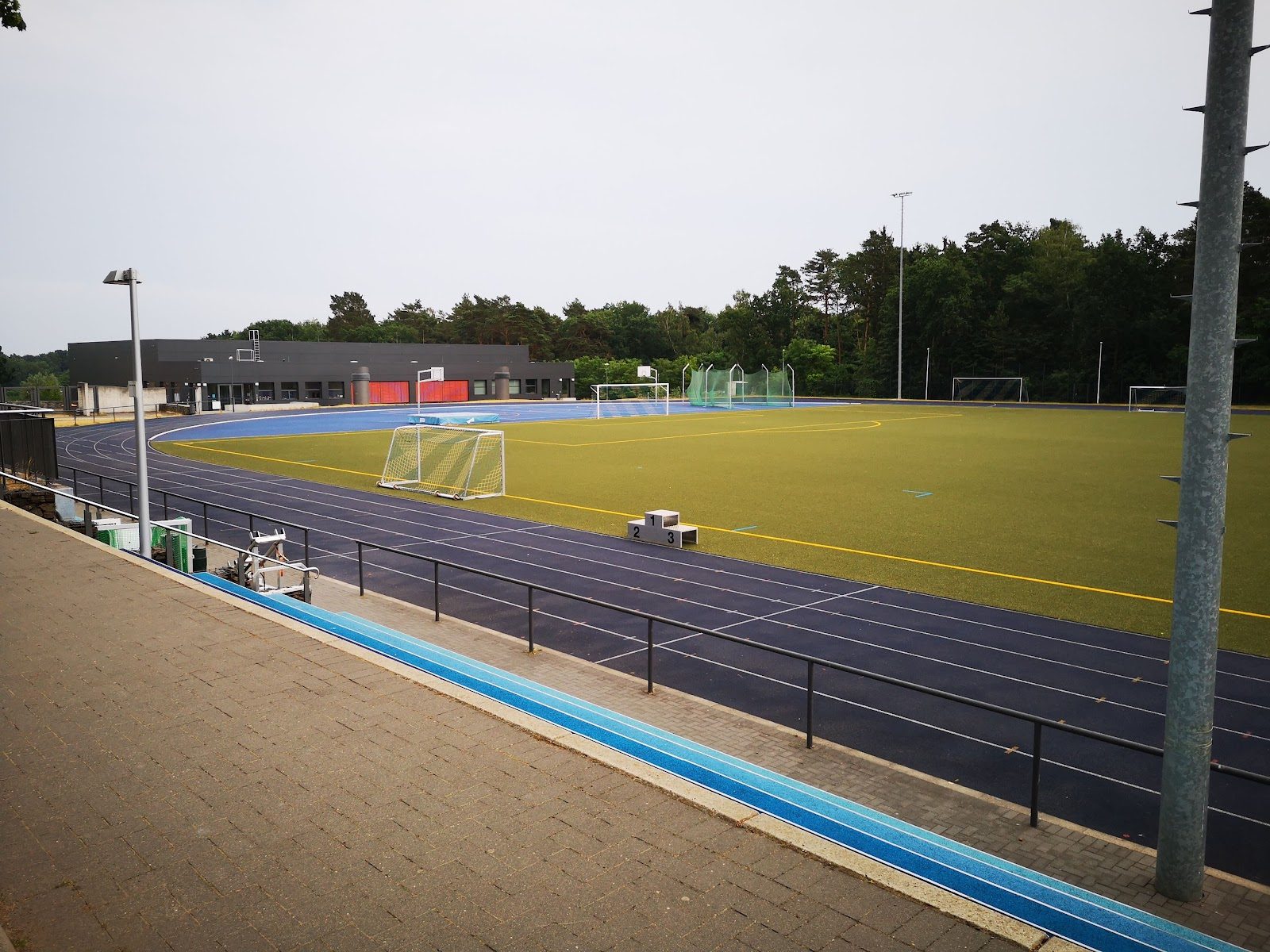
Berlin Brandenburg International School
Kleinmachnow · Germany
Set on a forested campus between Berlin and Potsdam, this day school runs the full IB continuum for students from 60-plus nations.
International School of Hamburg
Hamburg · Germany
Germany's first international school since 1957, still the only CIS-accredited IB continuum campus in the port city of Hamburg.
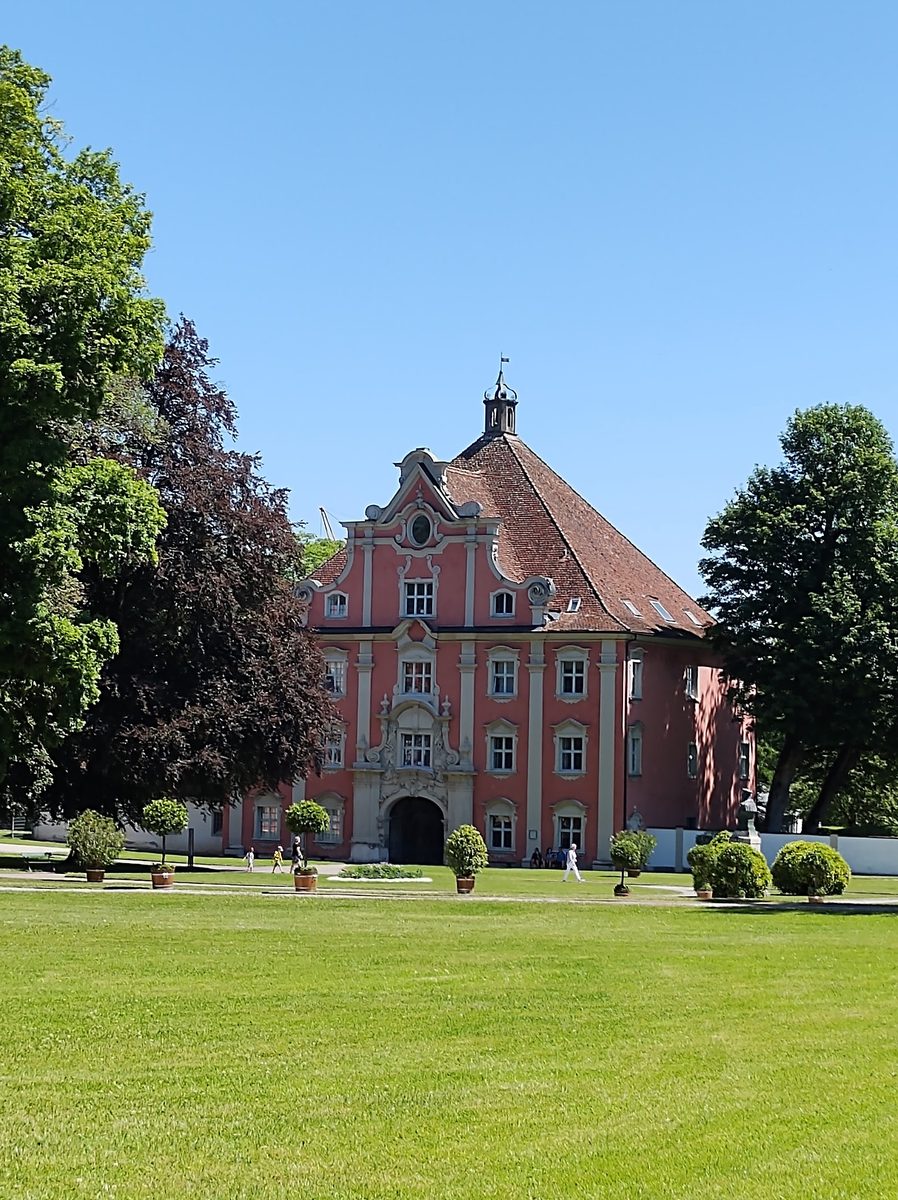
Schule Schloss Salem
Salem · Germany
Kurt Hahn's founding creed of head, heart and hand still means mandatory fire-brigade duty inside a former Cistercian monastery on Lake Constance.
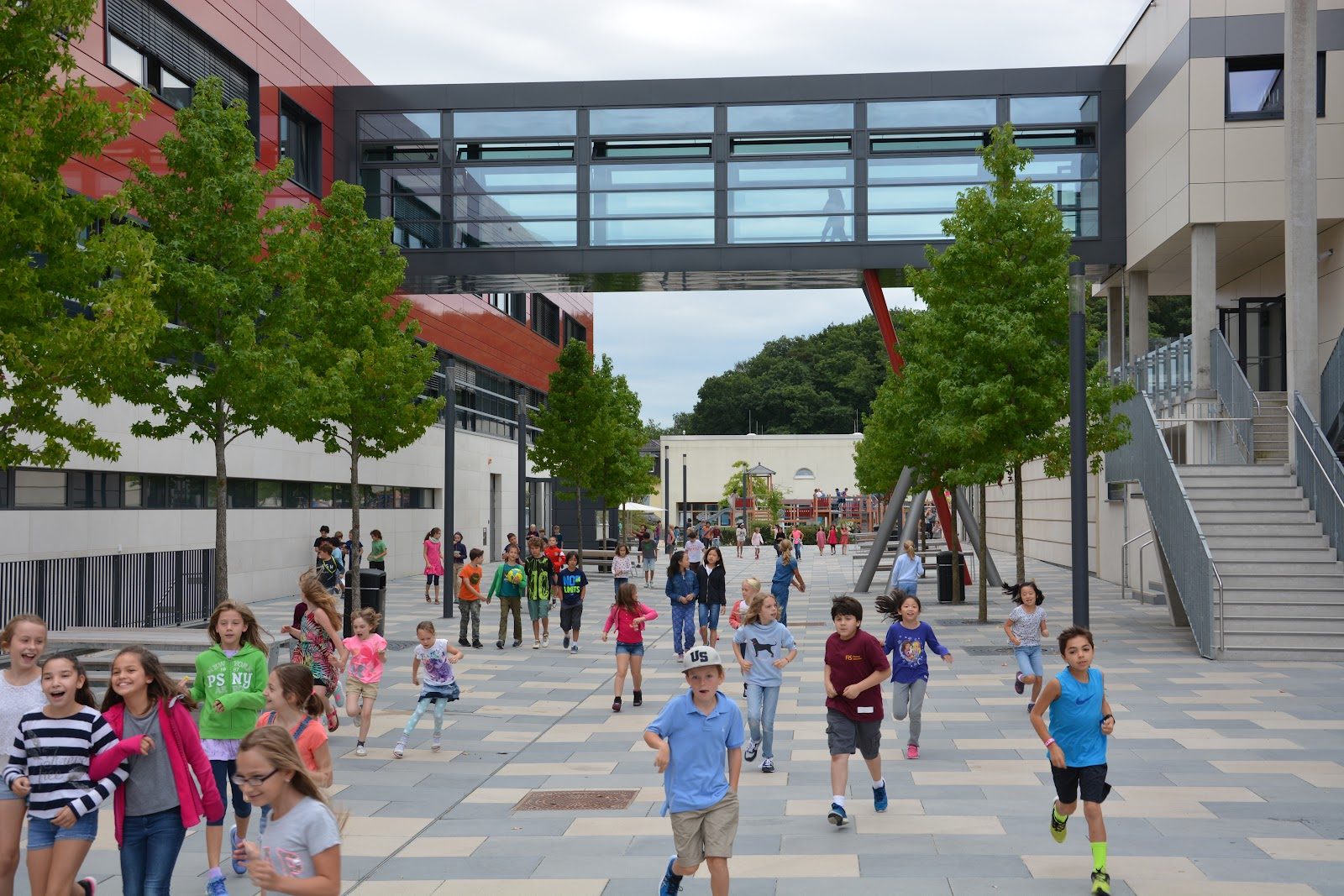
Frankfurt International School
Frankfurt · Germany
A founding member of the International Baccalaureate since the 1960s, still shaping the diploma from its Taunus forest campus.
Same country and curriculum — closest matches within ±10 points either way