
Île-de-France
Storied Left Bank lycée prizing the French Bac and its feeder classes préparatoires to France's grandes écoles.
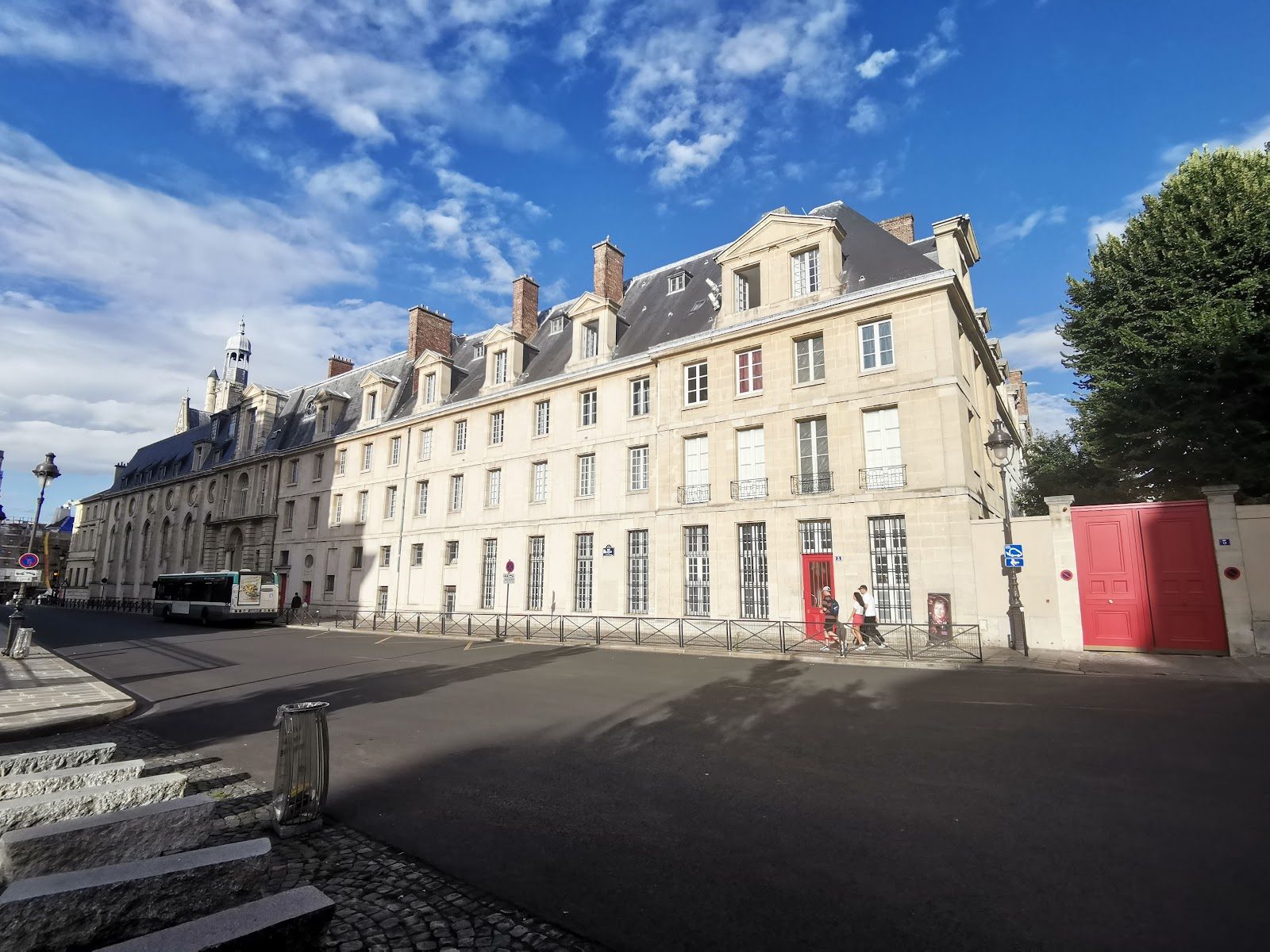
Photo © Zig Zagueur via Google Maps
Type
Day
Ages
15–20
Curriculum
French Baccalaureate
Ratio
10:1
The Verdict
Editor's commitment
Right for
Ambitious sixth-formers chasing the French Baccalaureate, a 10:1 student-teacher ratio, and routes into HEC Paris, ENS Ulm or École Polytechnique.
Wrong for
Families wanting a broad all-through school, boarding, or non-French academics; Henri-IV is a public day lycée for ages 15–20.
Watch out for
This is a pressure-cooker with an average class size of 18 and prestige baked in; the school does not publish aggregate Bac results.
Ranking breakdown
Lycée Henri-IV · #30 of 1591
Composite score 80.2. 8 weighted criteria.
By criterion
Academic Outcomes
Weight 20%
#7
of 1529 scored
University Placement
Weight 16%
#5
of 1529 scored
Prestige & Heritage
Weight 12%
#35
of 1571 scored
Alumni Network
Weight 12%
#42
of 1530 scored
Facilities
Weight 12%
#1110
of 1533 scored
Transparency & Communications
Weight 8%
#594
of 1532 scored
Peer & Industry Review
Weight 10%
#83
of 1548 scored
Admissions Selectivity & Demand
Weight 8%
#35
of 1529 scored
Score history
Lycée Henri-IV · 2026
Movement across 2024–2026. Peer average overlaid.
Overall — 2024–2026
80.2/ 100
▲ +34.9 vs 2025
year on year
Peer & Industry Review
How Lycée Henri-IV is regarded in the sector
96
Top-tier · high confidence
Lycée Henri-IV is consistently ranked among the top 2-3 lycées in France in Le Figaro, L'Étudiant, and Le Parisien classements based on baccalauréat and classes préparatoires results, and its khâgne/hypokhâgne and prépa scientifique programs are benchmarked nationally for admissions to ENS, Polytechnique, and Sciences Po. Its alumni network includes numerous French presidents, prime ministers, philosophers, and Nobel laureates, and it is routinely cited alongside Louis-le-Grand as one of the two most prestigious public lycées in France in French education press and government ministry commentary.
Evidence sources
Editors' overview
Lycée Henri-IV sits on the Left Bank as a public French lycée with a very specific purpose: serious preparation for the French Baccalaureate and, beyond that, the concours culture that feeds France’s grandes écoles. This is not a broad church school trying to be all things to all families. It is fiercely academic, tightly aligned to the French system, and strongest for students who want intellectual pressure rather than pastoral cushioning. The school’s published profile is compact and clear: ages 15 to 20, French Baccalaureate curriculum, instruction in French and English, and day-only provision.
What puts Henri-IV on a shortlist is the combination of selectivity, scale and outcomes. A 10:1 student-teacher ratio and average class size of 18 give it a more intimate teaching setup than the myth of the vast anonymous state lycée suggests, while its recent destinations confirm the school’s real centre of gravity: École Polytechnique (15), ENS Ulm (16) and HEC Paris (18). That is elite French higher education, not generic university progression. The school also carries IBO accreditation, though families should read that in context: the defining academic identity here is still the French Bac and the preparatory route attached to it, not an international-school hybrid. Its alumni bench is extraordinary: 695 notable alumni catalogued in Wikidata, with deep strength in politics, scholarship and letters.
The appeal, then, is narrow but powerful. Henri-IV suits students who are high-octane, self-directed and comfortable in a culture where academic status is earned through hard comparison and sustained performance. It will suit francophone or near-francophone pupils far better than international families hunting for a soft landing in Paris. Parents looking for glossy facilities, broad co-curricular branding or heavy pastoral hand-holding should look elsewhere. Parents looking for a school with intellectual seriousness, social prestige and a direct line into France’s most competitive institutions should keep Henri-IV very close to the top of the list.
Academic Performance
Henri-IV sits at the hard edge of French academic selection. Its public profile and destination pattern place it with the handful of Paris lycées that matter most for families targeting the top of the national hierarchy, and that matters more than any marketing-style claim about “excellence”. In French terms, the key point is not broad university placement but performance strong enough to keep students in contention for the most competitive post-school routes. The school’s recent exits into the grandes écoles pipeline confirm that this is a results-driven institution with real traction at the summit of the system. Relative to peers, Henri-IV belongs in the top bracket of academically selective French state schools, not the middle of the pack and not in the business of mass-market progression.
What is missing from the public domain is the data a parent would want to test that reputation properly. We have not seen aggregate French Baccalaureate pass rates, mention rates, subject-level distributions, or a multi-year results series published in a form that allows direct comparison with rival lycées. That opacity matters. A school with this level of prestige should publish cleaner attainment data. Even so, the combination of a forensic academic culture, a very strong higher-education record and an alumni base of 695 notable figures gives Henri-IV unusual weight. This is a school for students who can thrive under sustained pressure; weaker candidates will find the benchmark brutal.
Facilities
Henri-IV’s physical plant matters less than its academic machine, and that is the first comparison parents need. Against Paris’s grand public lycées, the school trades on historic gravitas and intellectual density, not on a modern-campus sales pitch. The public-facing record is thin on specialist spaces, sports provision and arts infrastructure; the school does not publish the kind of facilities inventory that many fee-charging international schools now treat as standard. That absence is telling. Families should not expect the lavish theatre complexes, indoor athletics centres or glossy STEAM suites that private competitors use to justify high fees. This is a bookish, tradition-bound setting where classrooms, study areas and the wider scholarly environment carry more weight than spectacle.
That said, the school’s Left Bank setting gives it an advantage that suburban campuses cannot match. For older students in a serious academic phase, proximity to the cultural and intellectual institutions of central Paris functions as an extension of the site itself. Benchmarking Henri-IV against peer schools, the balance is clear: weaker on published amenity detail, stronger on atmosphere, seriousness and the built-in academic culture that surrounds students every day. Small teaching groups of 18 and a low staffing ratio of 10:1 also change how facilities are experienced; pressure on rooms and resources is lower than in more crowded state settings. Parents choosing Henri-IV are not buying showpiece hardware. They are buying access to a formidable scholarly habitat.
Its uniqueness lies in being narrow by design — and, for the right student, exceptionally powerful
Prestige
Henri-IV carries first-rank academic prestige inside France. This is not the soft prestige of polished branding or affluent parent demand; it is the harder currency of the French meritocratic imagination. The school occupies a rare place in the national pecking order, alongside the tiny cluster of Paris lycées that families, university faculties and the grandes écoles all recognise at once. Its public status strengthens that reputation rather than diluting it: Henri-IV stands as proof that the French state sector still produces institutions with formidable symbolic weight. The alumni record underlines the point. Wikidata alone captures 695 notable former pupils, with deep benches in politics, scholarship and literature. That scale of documented influence is exceptional by any school standard and gives the name real intergenerational force.
The prestige also rests on social meaning. An education here signals intellectual horsepower, exam discipline and comfort with fierce comparison. In France, that signal travels. It carries weight with selective higher education, with elite professional circles and with families who prize status earned through academic filtration rather than fees. That does not make Henri-IV universally desirable. Outside the French system, the brand lands with less force than famous Anglo-American independents, and parents chasing broad international recognition may find the profile narrower than the legend. Inside its home market, though, Henri-IV remains blue-chip: difficult to access, culturally loaded and still one of the schools that defines educational prestige rather than borrowing it.
That scale of documented influence is exceptional by any school standard and gives the name real intergenerational force
Communications
Henri-IV does not communicate like a consumer-facing private school, and parents need to understand that before applying. The public-facing site is functional, spare and built for people who already know how the French state system works. That brings clarity in one sense: the school does not bury its identity under lifestyle messaging or glossy claims about student experience. It also leaves gaps. We have not seen the kind of polished parent information architecture that international families now expect — detailed pastoral explanation, admissions hand-holding, extensive campus storytelling, or a transparent bank of performance data. For a school with this level of status, that is a real weakness. Communication serves insiders better than newcomers.
For the right family, that style is still effective. Parents already fluent in the national system will read the cues quickly: seriousness, administrative formality and a focus on academic business rather than reassurance. That is consistent with the school’s wider culture and, in its own hard-edged way, honest. The problem sits with access. Families arriving from outside French public education will need to do more interpretive work than they would at a strong international school, and the bilingual teaching context does not by itself fix that. In practical terms, Henri-IV communicates with the confidence of an institution that knows demand is secure. That stance carries institutional authority, but it also risks coldness and opacity for parents who want direct answers rather than bureaucratic signals.
Uniqueness
What makes Henri-IV distinct is not simple prestige but the way that prestige is earned and used. This is a public lycée operating at the summit of the French academic hierarchy, with a mission tied tightly to national examinations and the elite post-school selection machinery that surrounds them. That combination is rare. Many famous schools trade on heritage, social polish or international breadth; Henri-IV trades on intellectual filtration. Its documented alumni footprint — 695 notable former pupils in Wikidata — gives that claim historical depth, but the more important point for a current family is cultural: students enter a place where high attainment is normal, comparison is constant and ambition carries no embarrassment. That creates a serious-minded, unsentimental environment that rewards stamina as much as raw talent.
For students, the gain is clear. They study in a school with direct credibility inside the French system and with proven routes into its most selective institutions. The school’s recent destinations show that this is not abstract reputation but a live pipeline into the country’s hardest-to-reach academic and professional tracks. The payoff is strong for pupils who want exactly that world: sharper peers, higher expectations and a daily sense that academic work matters. The cost is just as clear. Henri-IV offers little shelter for students who need gentle pacing, heavy reassurance or a broad, all-round school identity. Its uniqueness lies in being narrow by design — and, for the right student, exceptionally powerful.
Its recent exits to top-tier institutions and its documented alumni bench of 695 notable former pupils reinforce that pull
Student Profile
Henri-IV suits a narrow student type. The best fit is an adolescent who treats academic competition as normal life, not as an occasional stress spike. This is a place for pupils with high tolerance for pressure, strong self-management and the confidence to work among peers who are equally driven. Intellectual vanity will not carry anyone far here; stamina, precision and resilience matter more. The small teaching scale helps, but it does not soften the culture. Students who need constant affirmation, extensive pastoral buffering or a broad “all-rounder” school identity will feel exposed and, in many cases, badly placed. The social centre of gravity sits with serious study, exam ambition and respect for hard ranking.
The school also fits families who understand the codes of elite French education and value status earned through selection rather than through fees. Its recent exits to top-tier institutions and its documented alumni bench of 695 notable former pupils reinforce that pull. A teenager who wants access to that world — and who can hold their nerve inside it — will find the environment electrically ambitious. A teenager still building basic study habits, wavering between academic systems or wanting a warmer, more gently paced experience will not. Henri-IV is not for the faint-hearted. It works best for formidable, self-directed students who want the top end of the French system and accept the cost of entry.
It works best for formidable, self-directed students who want the top end of the French system and accept the cost of entry
Co-curricular strengths
Arts & sport, on a separate axis
Overall 6.5/10
Scored 0-10 from the school's own published evidence. This axis is editorial-only — it does not feed the main WTS ranking.
Sports
6.5/10
The extracurriculars explicitly list football, basketball and fencing, showing a solid multi-sport offering, while the facilities review also notes the school is unlikely to have large sports complexes or expansive grounds.
Drama
7/10
Theatre productions, and verified alumni include three star-tier drama laureates—Éric Rohmer, Camille and Bertrand Tavernier—which under the alumni override anchors drama at at least 8.
Dance
4.5/10
Music
7.5/10
The extracurriculars explicitly list a school orchestra and choir ensemble, indicating a structured and visible music programme.
Visual Arts
7/10
The historic Salle des médailles, a named gallery-like room used to display curiosities and artworks, which supports a dedicated arts space even though no broader visual-arts programme detail is given.
Editor-verified · 8/5/2026
Outcomes & destinations
Where students go next
280 graduates
Top destinations
214 placements
- École Polytechnique· 15
- ENS Ulm· 16
- HEC Paris· 18
- ESSEC Business School· 12
- ESCP Business School· 10
- École Centrale Paris· 12
- Mines ParisTech· 10
- Sciences Po· 25
- Sorbonne University· 40
- Université PSL· 24
- Université Paris-Saclay· 18
- Cambridge· 5
- Oxford· 5
- LSE· 4
Reported by the school. Confirm with admissions.
Notable alumni · Wikidata
695notable alumni
344 historic (born pre-1930) · 120 modern (born post-1970)wikidata:2026-07-28 How we source this

WTS 300 badge
2025/26 editionLycée Henri-IV is one of the World's Top 300 Schools for 2025/26. Claim your listing to add it to your site →
Strengths
- +As a public lycee, tuition is free aside from meals and boarding fees, since fees are not charged in France's state system.
- +Its classes preparatoires (CPGE) achieve a 100% baccalaureat pass rate and are consistently ranked among the strongest in France for entry into the grandes ecoles.
- +The school runs 24 CPGE classes across scientific, literary and economic/social tracks, admitting close to 1,100 students a year from across France and abroad.
- +A mixed on-site boarding facility (internat) is available for pupils travelling from outside Paris, alongside nearby overflow housing.
- +The school occupies the historic Abbey of Sainte-Genevieve site in the Latin Quarter, a listed historic monument next to the Sorbonne and the Pantheon.
Considerations
- −Entry to the CPGE is extremely competitive; the flagship MPSI science class reportedly admits around 6% of roughly 7,500 applications for 96 places.
- −Selection for both the lycee track and the prep classes leans heavily on an applicant's existing school reputation and grade transcripts, which can disadvantage students from less well-known or non-French educational backgrounds.
- −The curriculum is exclusively the French Baccalaureate route with no International Baccalaureate or bilingual international section, which may not suit families seeking an internationally portable diploma.
- −As a demanding CPGE-focused public lycee, the workload is intense, with multiple weekly oral exams (colles) and written tests reported as standard for prep-class students.
Availability
Primary entry gate & tests
Affelnet / Academic Dossier
Gallery
Photo © Fred Booker via Google Maps
Photo © Giralquivir via Google Maps
Photo © Fred Booker via Google Maps
Photo © LAURENT M via Google Maps
Photo © drz via Google Maps
Photo © Quentin RECH via Google Maps
Photo © Edson Luiz Ohira via Google Maps
Photo © Christophe Jan via Google Maps
Photo © Adlen Afane via Google Maps
Parent reviews
Have you sent your child here?
Voice reviews carry the strongest trust badge — we transcribe them for you to tidy up before they go live. Prefer to type? A written review is fine too.
Add your voice
In 60 seconds, tell other parents: what's the best thing about Lycée Henri-IV, and what surprised you when your child joined?
We ask for a Google sign-in so every review has a real face behind it — no anonymous drive-by attacks on schools, and no faked positive reviews. Your email is never shown publicly.
Send this profile to a friend
International parents rely on word-of-mouth. Share this review with someone weighing the same decision.
Schools with places
Similar schools to Lycée Henri-IV with places available now.
École Jeannine Manuel
Paris · France
- 2026-27
- CLOSEDStandard route
- 2027-28
- OPENS SOONOpens Oct '26
École Saint-Louis de Gonzague
Paris · France
- 2026-27
- CLOSEDStandard route
- 2027-28
- OPENS SOONOpens Oct/Nov '26
The British School of Paris
Paris · France
- 2026-27
- WAITPOOLSpace-dependent
- 2027-28
- PLACES OPENRolling
École Alsacienne
Paris · France
- 2026-27
- CLOSEDStandard route
- 2027-28
- OPENS SOONOpens Sept/Oct '26
Availability first, then country, area, curriculum, price, co-curricular
Consider also
Also worth looking at alongside Lycée Henri-IV.
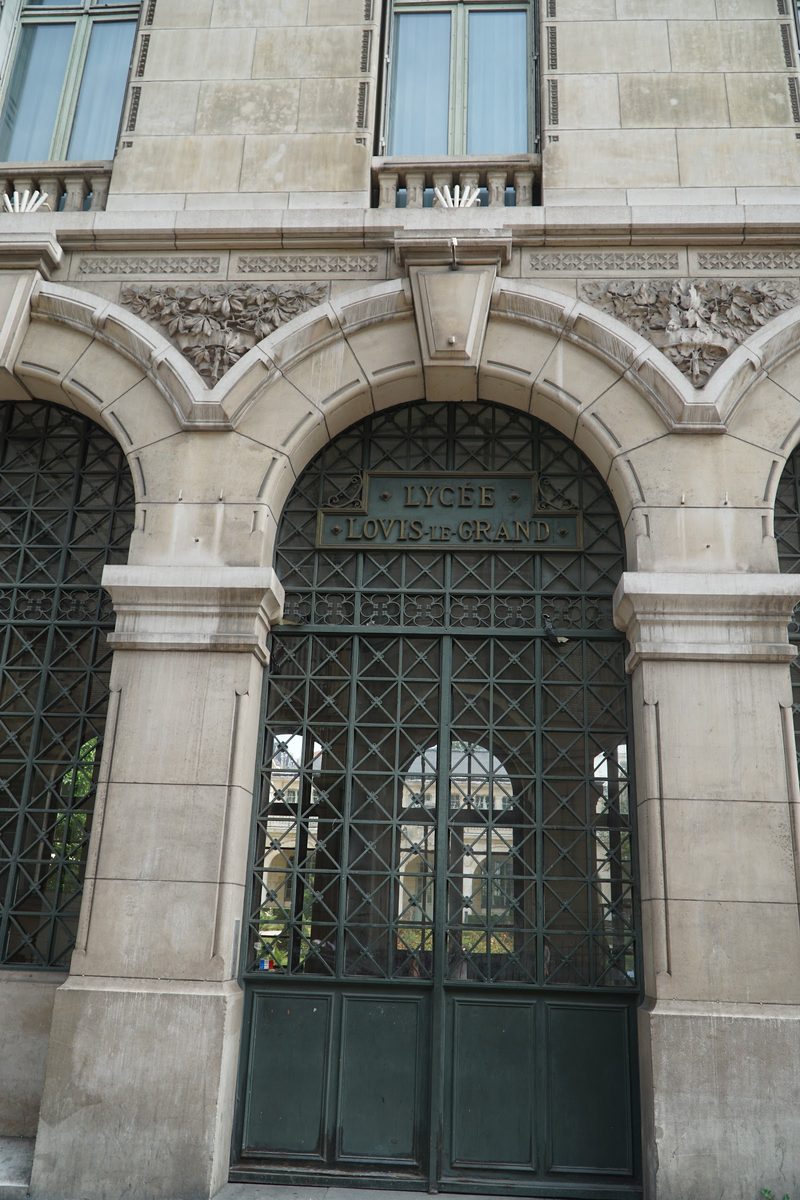
Lycée Louis-le-Grand
Paris · France
A Jesuit foundation from 1563 in the Latin Quarter, its prepa classes top national rankings across nearly every track.
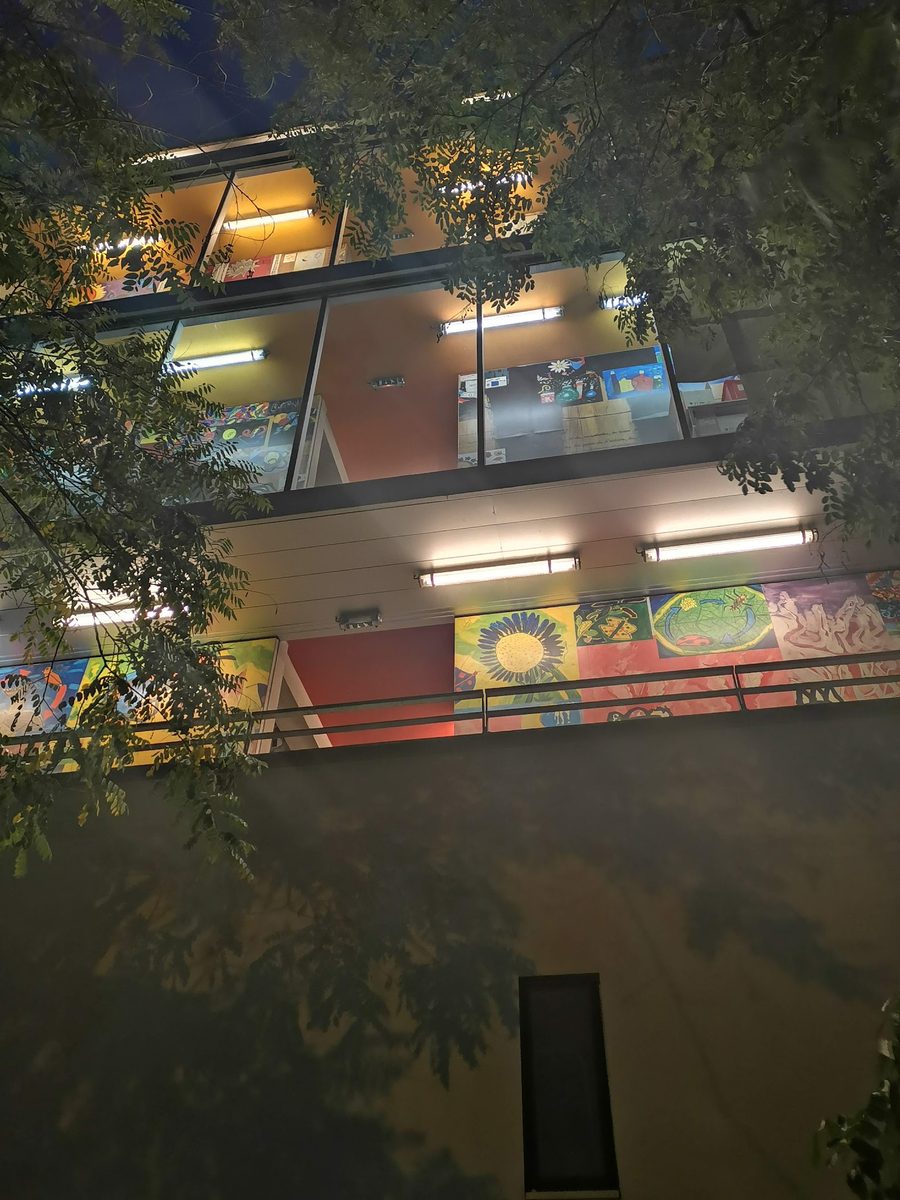
École Jeannine Manuel
Paris · France
Founded by a Resistance veteran, this Left Bank lycee teaches core subjects bilingually and has topped France's rankings for a decade.
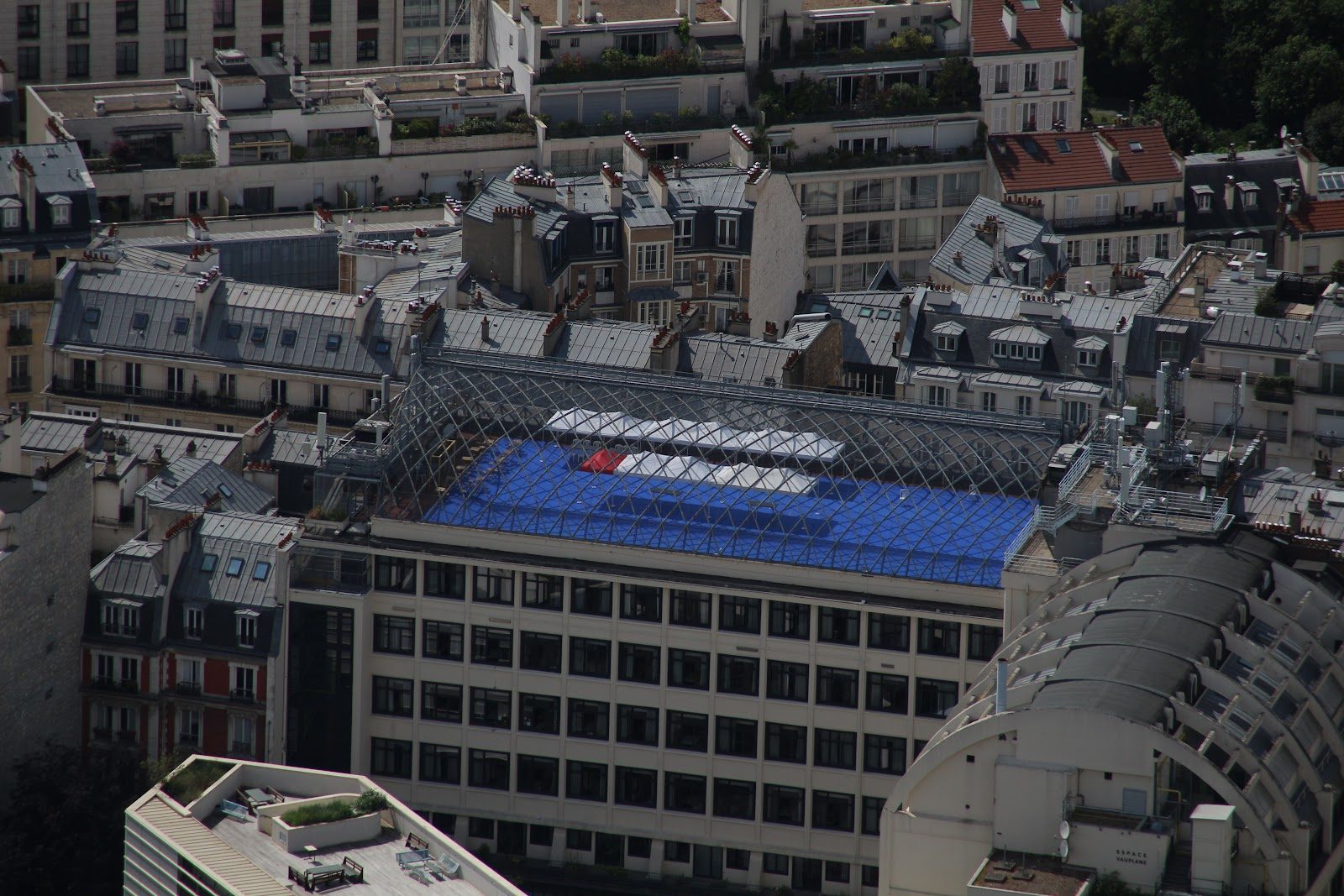
École Saint-Louis de Gonzague
Paris · France
Jesuit since 1894 on the Chaillot hill, still teaching Ignatian rigor into France's top-ranked lycee and its elite prep classes.
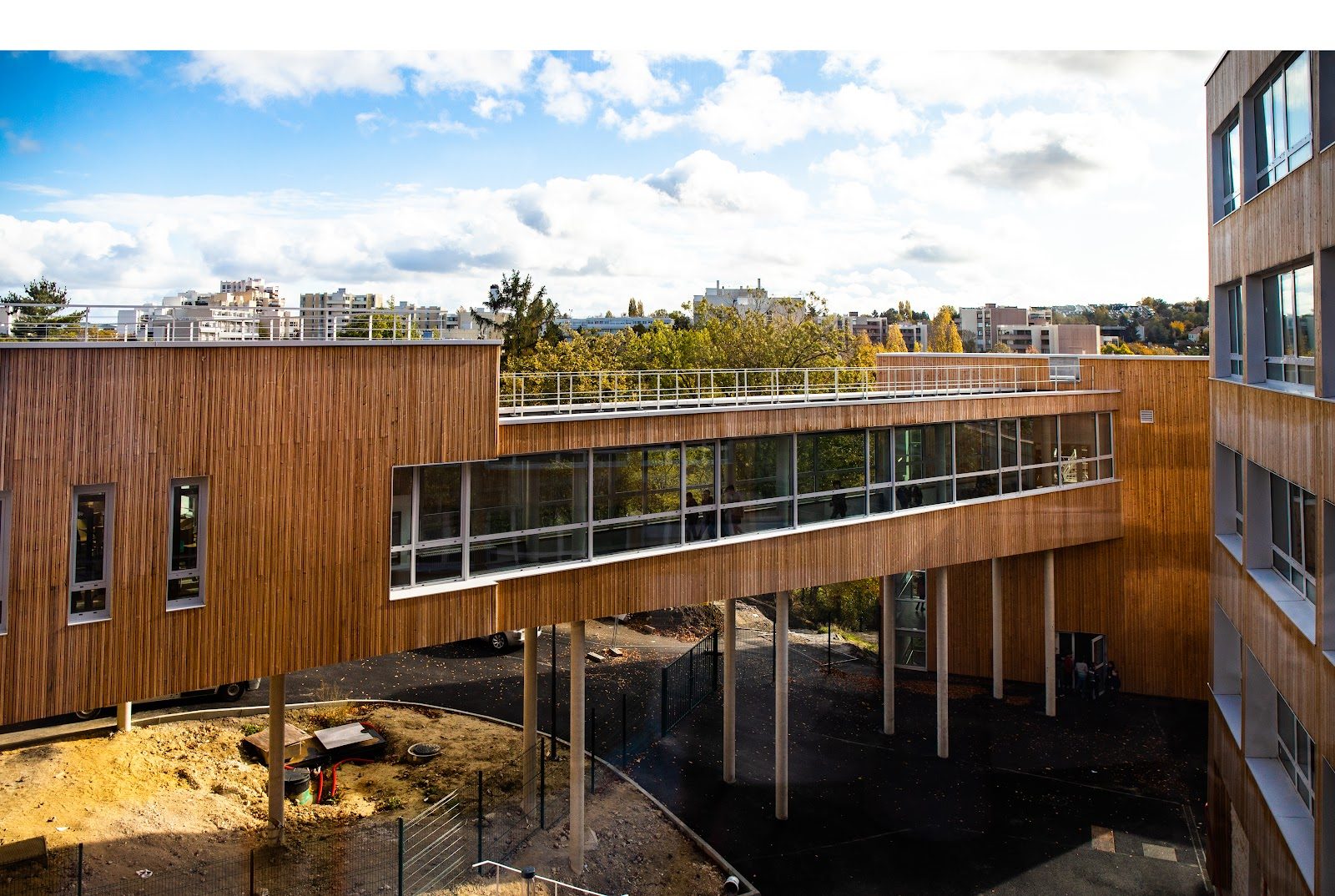
Lycée International de Saint-Germain-en-Laye
Saint-Germain-en-Laye · France
Grew from a NATO garrison school into the cradle of the OIB, where fourteen national sections share one French core.
Same country and curriculum — closest matches within ±10 points either way