
St Gallen
Above St Gallen's art-nouveau villas, a 1:2 staff ratio powers a 40-course Talent and Enrichment path from robotics to hospitality.
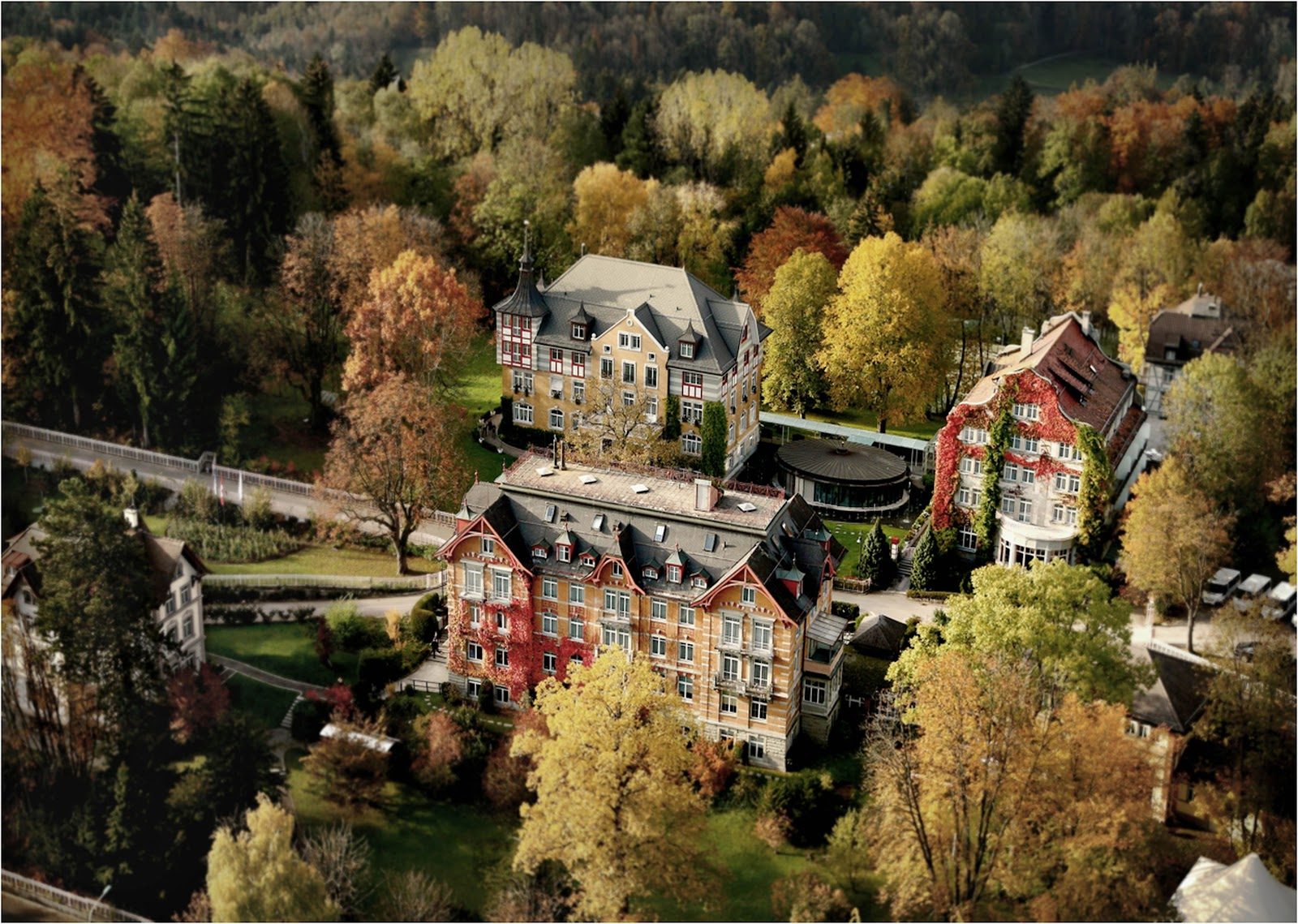
Photo © Institut auf dem Rosenberg via Google Maps
Type
Boarding
Ages
11–18
Curriculum
IB · British
Ratio
—
The Verdict
Editor's commitment
Right for
Families who want full boarding in St Gallen with IB and British pathways, a 1:2 staff ratio, and Cornell, Columbia or Yale exits.
Wrong for
Anyone balking at 165,000 CHF a year, or wanting day school life, religious framing, or teaching outside English and French.
Watch out for
This 1889 school sells scarcity hard: 280 students, 60 nationalities, CIS and IBO badges, and a luxury aura that can overpower substance.
Ranking breakdown
Institut auf dem Rosenberg · #260 of 1591
Composite score 72.9. 8 weighted criteria.
By criterion
Academic Outcomes
Weight 20%
#450
of 1529 scored
University Placement
Weight 16%
#459
of 1529 scored
Prestige & Heritage
Weight 12%
#188
of 1571 scored
Alumni Network
Weight 12%
#117
of 1530 scored
Facilities
Weight 12%
#71
of 1533 scored
Transparency & Communications
Weight 8%
#594
of 1532 scored
Peer & Industry Review
Weight 10%
#480
of 1548 scored
Admissions Selectivity & Demand
Weight 8%
#686
of 1529 scored
Score history
Institut auf dem Rosenberg · 2026
Movement across 2024–2026. Peer average overlaid.
Overall — 2024–2026
72.9/ 100
▲ +12.9 vs 2025
year on year
Peer & Industry Review
How Institut auf dem Rosenberg is regarded in the sector
65
Respected · medium confidence
Institut auf dem Rosenberg is regularly cited in specialist boarding-school and luxury-education press (e.g., Tatler's coverage of Switzerland's most expensive/exclusive boarding schools, and features in outlets like CNBC and Business Insider on elite Swiss boarding education) as one of the priciest and technology-forward Swiss boarding schools, giving it visible niche recognition. However, it appears less frequently in core 'best schools' rankings compared to long-established peers like Institut Le Rosey or Aiglon College, and independent alumni-network coverage is limited, suggesting a solid regional/specialist reputation rather than unanimous top-tier status.
Evidence sources
Editors' overview
The number that defines Institut auf dem Rosenberg is 1:2 staff ratio. That level of staffing puts it in a tiny global bracket, and it underpins the school’s core proposition: extreme personalisation for a small, rich, international boarding cohort. Founded in 1889 in St Gallen, with around 280 students from 60 nationalities, Rosenberg trades on scarcity, access and custom design rather than scale or democratic breadth. The school offers both IB and British pathways, teaches in English and French, and carries CIS and IBO accreditation. The line that matters for parents is simpler than the branding: this is a hyper-curated boarding school built for families who want education shaped around an individual child’s ambitions, interests and social world.
The school’s Talent and Enrichment structure gives that proposition substance. A 40-course menu spanning robotics to hospitality is a serious attempt to push beyond standard academic packaging, and it fits students whose profile is expansive rather than narrow: entrepreneurial, highly coached, globally mobile, and accustomed to adults building programmes around them. The setting above St Gallen’s art-nouveau villas reinforces the sense of remove and exclusivity; so does the fee level. At an average CHF 165,000 a year for boarding across the full age range, Rosenberg sits in the ultra-premium end of the market and filters its intake accordingly. This is not a school for parents hunting value, institutional understatement or broad social mix.
Why put it on a shortlist? Because very few schools can marshal this degree of adult attention, programme flexibility and social capital in one place. Recent destinations include Cornell, Columbia and Yale, which gives at least some hard evidence that the model converts into elite university access. The more important question is fit. Rosenberg suits students who thrive in rare-air privilege, want intensive mentoring, and are comfortable in a boarding environment where wealth is visible rather than disguised. It will appeal less to families who want a grounded, academically austere school with transparent public data and a conventional measure of outcomes. Rosenberg sells access, customisation and network at the highest price point; for the right child, that is the point.
Academic Performance
Rosenberg does not publish aggregate IB results, A-level grades or any equivalent whole-cohort examination data in the public domain. That is the central academic fact parents need to grasp. In a market where strong schools use hard numbers to establish credibility, this absence leaves Rosenberg harder to benchmark than its Swiss and British boarding peers. The recent university destinations carry weight, and the school’s model of intensive individual support can plainly help ambitious students build strong applications, but destinations are not the same thing as transparent examination performance. For families that want clean league-table comparisons, Rosenberg is a frustratingly opaque proposition.
That does not place it in the weak-academics camp; it places it in the bespoke over measurable camp. With a student body of around 280 and a heavily curated offer, the school has room to engineer highly individual pathways, including for students whose strengths extend beyond standard exam metrics. That can work well for globally mobile, high-net-worth families who care as much about profile-building, enrichment and personal mentoring as raw published scores. It works less well for parents who want a hard-edged academic proof point. Relative to peers, Rosenberg sits outside the group of boarding schools that make exam performance a public sales argument. Its academic reputation rests on selectivity, individual outcomes and elite progression, not on disclosed cohort statistics.
Facilities
Rosenberg’s facilities matter less as a catalogue of buildings than as an extension of its high-control, high-service model. The campus sits above the town in a grand residential setting, and the physical environment trades on privacy, polish and adult oversight rather than on collegiate sprawl. The most important assets are the ones tied to its enrichment machinery: specialised spaces for the school’s 40-course Talent and Enrichment offer, including work in areas such as robotics and hospitality. That gives students access to a wider practical and co-curricular range than many traditional boarding schools, where enrichment still lives at the margins of the timetable. For families buying into Rosenberg’s promise, the key facility question is not “how many pitches?” but “how many serious avenues exist beyond the classroom?” On that measure, the school looks deliberately engineered.
Against Swiss and British peers, Rosenberg does not win on public detail. The school does not publish the kind of granular facilities breakdown that top competitors now use to prove depth in science, sport, arts and boarding provision. That lack of disclosure matters. At this price, parents have every right to expect a forensically clear account of labs, studios, performance spaces, athletic infrastructure and residential houses. What Rosenberg offers instead is a rarified, tightly managed environment where facility value sits in access, customisation and staffing density, not in headline campus spectacle. Some elite peers deliver both. Rosenberg banks on the former carrying the argument.
The number that defines Institut auf dem Rosenberg is 1:2 staff ratio
Prestige
Rosenberg sits in the stratospheric tier of school prestige because it combines three things that rarely align so cleanly: extreme price, tiny scale and a client base built around inherited and transnational wealth. The school’s own rhetoric is unabashedly elite, and the wider reputation around it pushes in the same direction. A cohort of around 280 drawn from 60 nationalities creates the kind of social environment many families are paying for as much as the teaching itself: compact, international and heavily filtered by means. This is not mass-market prestige of the “famous old school” variety. It is private-club prestige — less about public name recognition than about who else is in the room.
Why rate it so highly? Because the signals are cumulative and hard to miss. The average boarding fee of CHF 165,000 places it at the sharp end of global luxury education, and schools do not sustain that level without a market that values access, discretion and network as much as academics. The university destinations add another layer, but the stronger prestige marker is social: this is a school associated with diplomats, dynastic wealth and global influence. That brings cachet, but also a clear limitation. Parents looking for prestige grounded in transparent academic results, national prominence or institutional modesty will find Rosenberg more rarefied than rigorous. Its status is real, but it is status built on exclusivity and milieu first, public proof second.
The school does not publish the kind of granular facilities breakdown that top competitors now use to prove depth in science, sport, arts and boarding provision
Communications
Rosenberg communicates in the same key as the rest of the institution: high-touch, polished and tightly controlled. The public-facing site sells atmosphere, exclusivity and educational craftsmanship with heavy branding — “The artisans of education” is not a modest line — but it gives parents less operational clarity than a school at this level ought to provide. That matters because the school serves a small, internationally mobile cohort with complex logistics, and those families need crisp information on day-to-day life, academic tracking, pastoral systems and university guidance. Instead, Rosenberg’s external communications lean more image-led than parent-led. The multilingual presentation helps, and the school’s scale makes direct contact easier than at a larger institution, but the published information does not do enough of the hard explanatory work.
For enrolled families, the low staffing structure almost certainly means access to adults is frequent and individual concerns get handled quickly. That is a real strength. Schools with a 1:2 staff ratio can run communication through relationships rather than bureaucracy. Still, the broader communication culture stays selective rather than transparent. The school does not publish the level of concrete academic data, facilities detail or procedural explanation that exacting parents now expect, especially at an average boarding fee of CHF 165,000. In practice, that means families who value discretion and concierge-style contact will be comfortable; families who want exhaustive published detail before committing will find Rosenberg too opaque by choice.
Uniqueness
What marks Rosenberg out is not one feature but the degree to which the whole school is built as a bespoke instrument for a very narrow clientele. Plenty of elite boarders promise personal attention; few organise the institution around it so completely. The tiny cohort, the 1:2 staff ratio and the 40-course Talent and Enrichment structure create a school that can re-route time, adult expertise and opportunity around an individual child with unusual speed. That brings obvious benefits for students with high ambition outside the standard school script — the founder of a venture, the serious young athlete, the student building a university profile in a niche field, or the teenager whose family life already operates across countries, advisers and fixed expectations. Rosenberg does not ask such students to fit the machine. It rebuilds the machine around them.
That level of curation brings a social education as much as an academic one. Students enter a rare-air milieu where wealth, international mobility and influence are part of daily life rather than background context. For some families, that network is the product. It gives students access to peers with global reach, adults with time to mentor, and a school culture that treats customisation as standard practice. The trade-off is clear. Rosenberg offers a highly engineered, status-conscious experience, not a grounded or socially mixed one. For the right child, that is exactly the advantage; for the wrong one, it is a cocoon.
The school offers both IB and British pathways, teaches in English and French, and carries CIS and IBO accreditation
Student Profile
Rosenberg fits a student who is already living at speed: internationally mobile, closely managed at home, and comfortable with adults shaping plans around long-term ambition. The school’s small scale and 60-nationality mix suit children who are socially fluent across cultures and unfazed by concentrated wealth. This is a strong match for students with a defined direction beyond the classroom — a young founder, a serious creative, a competitive athlete, a teenager building a selective university profile — and for families who want schooling folded into a wider strategy of mentoring, access and polish. The low staffing structure matters here: pupils who thrive with constant adult attention, intensive curation and high-expectation handling will get more from Rosenberg than independent spirits who want to disappear into a crowd.
The students who fit less well are just as easy to identify. A child who wants anonymity, social breadth or a down-to-earth peer culture will find this environment rarefied and tightly managed. So will pupils who need a school to prove itself through published cohort outcomes rather than private assurance and individual placement stories. Rosenberg works best for teenagers who can function confidently in a status-conscious world, absorb a lot of bespoke input, and treat school as both education and social positioning. At roughly 280 pupils, there is nowhere to hide; for the right student that means opportunity, and for the wrong one it means pressure.
The school’s Talent and Enrichment structure gives that proposition substance
Co-curricular strengths
Arts & sport, on a separate axis
Overall 8.8/10
Scored 0-10 from the school's own published evidence. This axis is editorial-only — it does not feed the main WTS ranking.
Sports
9/10
Rosenberg has ten sports pitches, two shooting and hunting ranges, a private alpine club, a polo school, a riding arena, and offers numerous sports including snow sports, football, golf, swimming, volleyball and basketball, which evidences extensive dedicated facilities at a world-class level.
Drama
8.5/10
Theatre production, plus that the campus includes five in-house theatres, giving both a named activity and dedicated facilities.
Dance
9/10
Music
8.5/10
A music ensemble.
Visual Arts
9/10
Visual arts, but the external note about art-nouveau residences and co-curricular facilities does not specifically evidence a dedicated visual-arts facility, department or programme depth.
Editor first-pass · editor-reviewable · 7/28/2026
Outcomes & destinations
Where students go next
60 graduates
Top destinations
28 placements
- Cornell University· 1
- Columbia University· 2
- Yale University· 1
- Cambridge· 2
- Oxford· 2
- Imperial College London· 2
- UCL· 2
- ETH Zurich· 2
- EPFL· 2
- Bocconi University· 3
- IE University· 2
- University of St. Gallen· 3
- University of St Andrews· 2
- King's College London· 2
Reported by the school. Confirm with admissions.
WTS 300 badge
2025/26 editionInstitut auf dem Rosenberg is one of the World's Top 300 Schools for 2025/26. Claim your listing to add it to your site →
Strengths
- +Very small class sizes (6-12 students) and a staff-to-student ratio reported at around 1:2 to 1:3 allow for highly individualised teaching.
- +Offers a wide span of qualification pathways under one roof — IB Diploma, A-Levels, IGCSEs and Advanced Placement — giving families flexibility to switch tracks.
- +Long-established institution, founded in 1889 and still family-run, giving it more institutional history than most challenger-tier boarding schools.
- +Strong recent academic outcomes, including a reported average IB score of 38 in 2024 and consistent placement of graduates at Russell Group and Ivy League universities.
- +Every student follows an Individual Development Plan (IDP) with dedicated coordinators, plus access to a large menu of enrichment courses beyond the core curriculum.
Considerations
- −Fees are among the highest of any boarding school worldwide, with reported all-in costs ranging from roughly CHF150,000 up to over $200,000 per year depending on programme and extras.
- −Additional charges are common on top of base tuition, including talent and enrichment programmes, entrepreneurship labs and cultural trips that can add tens of thousands of Swiss francs annually.
- −Small total enrolment (around 230-300 students) means a narrower peer group and less scale in facilities than larger international boarding schools.
- −Admissions are competitive and process-heavy, requiring entry exams, an interview and a personal statement, which may disadvantage less test-confident applicants.
Availability
Primary entry gate & tests
Transcripts + Profile + Interview + Internal Exams
Gallery
Photo © Institut auf dem Rosenberg via Google Maps
Photo © Institut auf dem Rosenberg via Google Maps
Photo © SFZB via Google Maps
Photo © Ron Maciak via Google Maps
Photo © Diana Badini via Google Maps
Photo © Diana Badini via Google Maps
Photo © Roman Kolotovkin via Google Maps
Photo © Roman Kolotovkin via Google Maps
Photo © Roman Kolotovkin via Google Maps
Parent reviews
Have you sent your child here?
Voice reviews carry the strongest trust badge — we transcribe them for you to tidy up before they go live. Prefer to type? A written review is fine too.
Add your voice
In 60 seconds, tell other parents: what's the best thing about Institut auf dem Rosenberg, and what surprised you when your child joined?
We ask for a Google sign-in so every review has a real face behind it — no anonymous drive-by attacks on schools, and no faked positive reviews. Your email is never shown publicly.
Send this profile to a friend
International parents rely on word-of-mouth. Share this review with someone weighing the same decision.
Schools with places
Similar schools to Institut auf dem Rosenberg with places available now.
Aiglon College
Chesières · Switzerland
- 2026-27
- WAITPOOLSpace-dependent
- 2027-28
- PLACES OPENRolling
Collège Alpin International Beau Soleil
Villars-sur-Ollon · Switzerland
- 2026-27
- WAITPOOLSpace-dependent
- 2027-28
- PLACES OPENRolling
Institut International de Lancy
Geneva · Switzerland
- 2026-27
- WAITPOOLSpace-dependent
- 2027-28
- PLACES OPENRolling
International School of Geneva
Geneva · Switzerland
- 2026-27
- WAITPOOLSpace-dependent
- 2027-28
- PLACES OPENRolling
Availability first, then country, area, curriculum, price, co-curricular
Consider also
Also worth looking at alongside Institut auf dem Rosenberg.
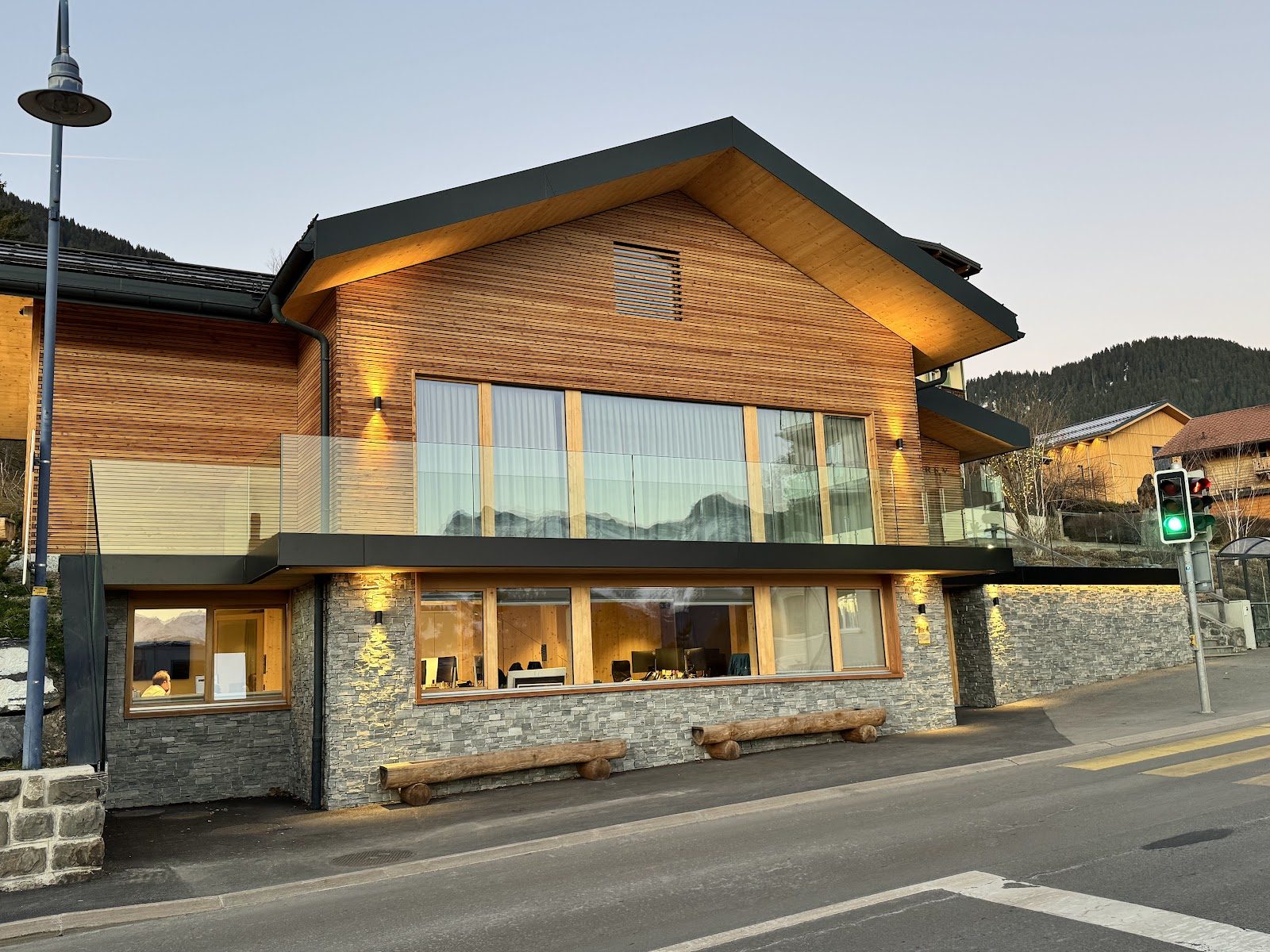
Aiglon College
Chesières · Switzerland
Perched at 1,200 metres in the Swiss Alps, meditation and expedition learning are as core to the timetable as the IB Diploma.
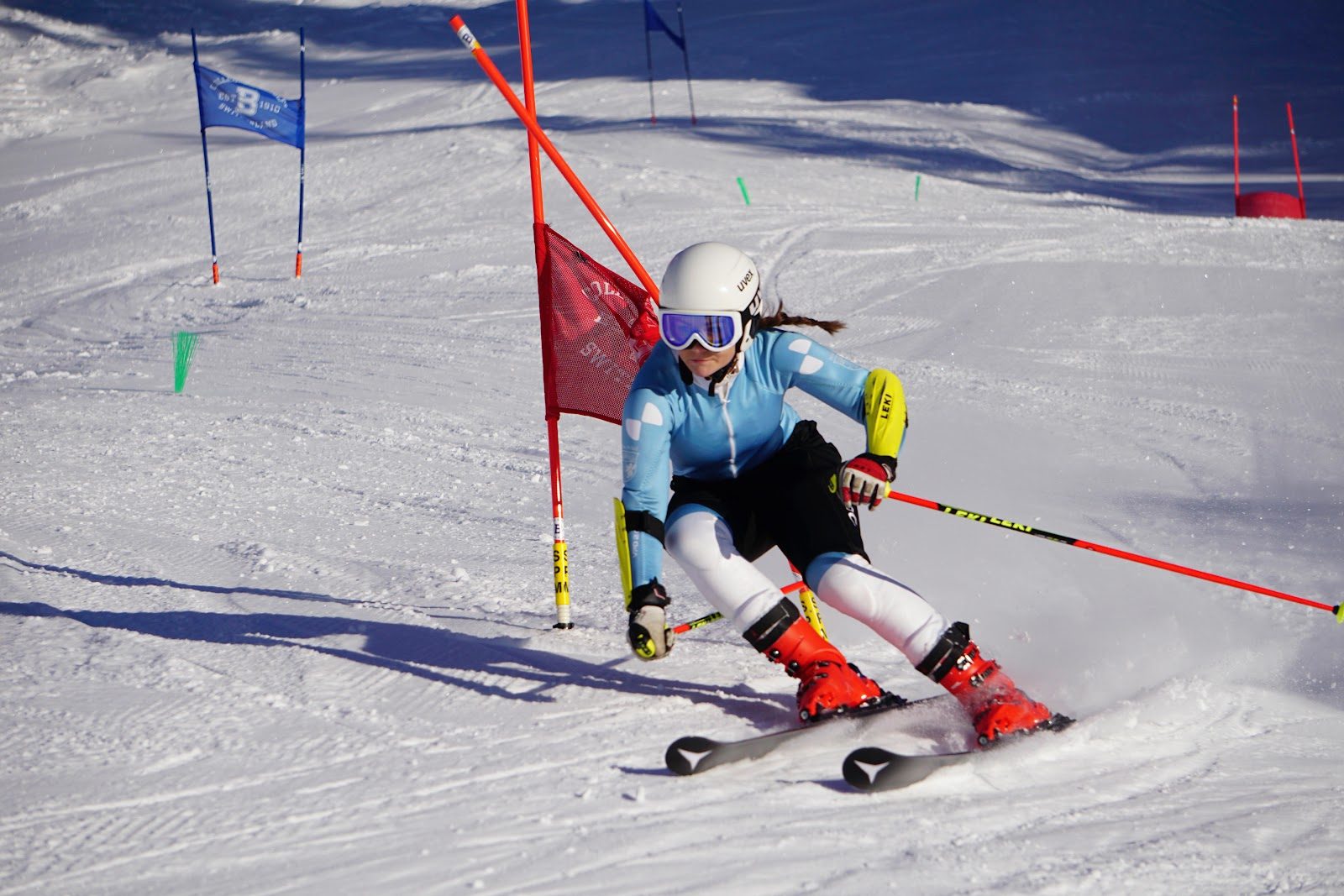
Collège Alpin International Beau Soleil
Villars-sur-Ollon · Switzerland
Since 1910, alpine boarding at 4,429 feet, where house culture is built for ridge hikes and a record Kilimanjaro summit push.
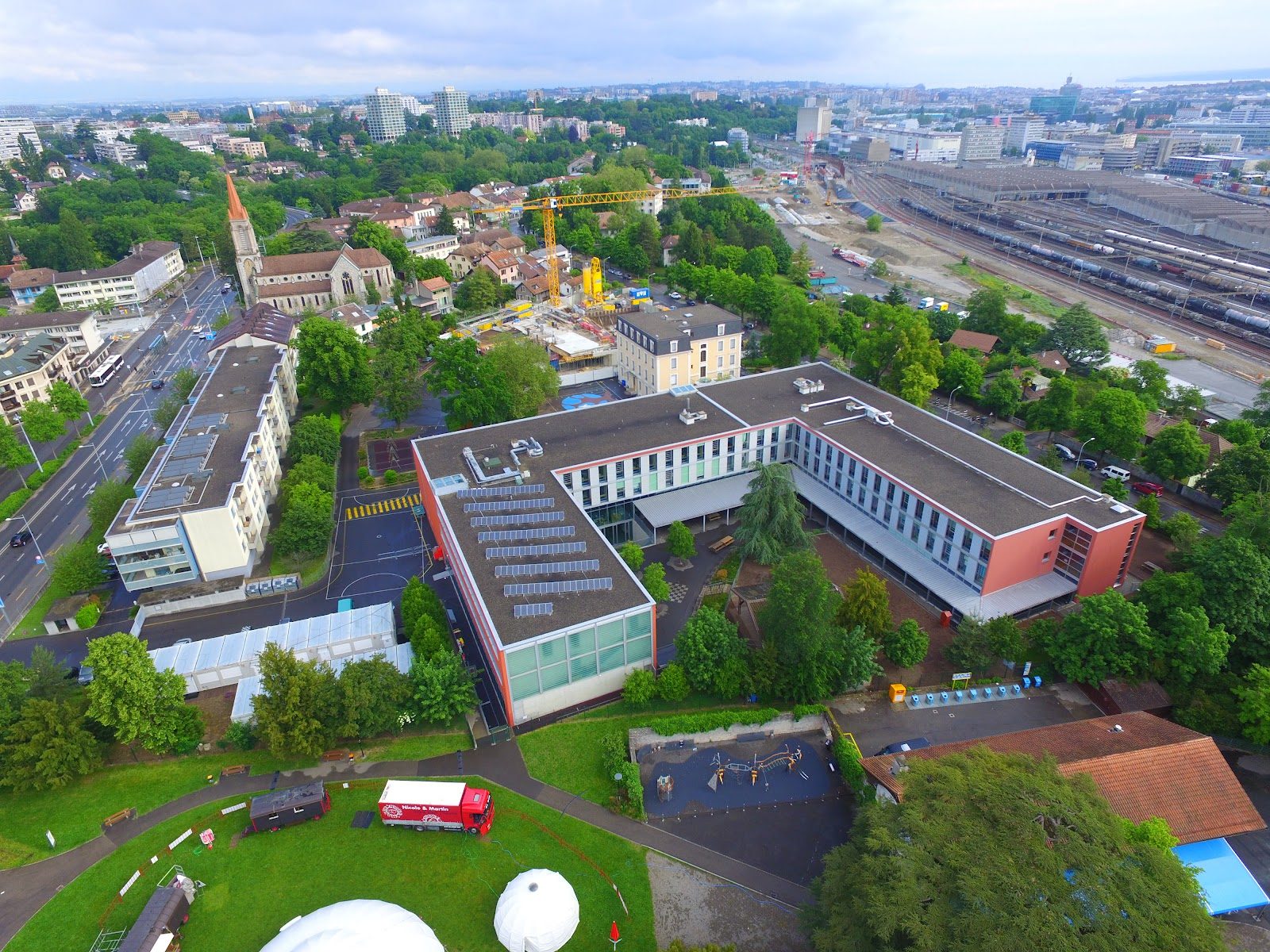
Institut International de Lancy
Geneva · Switzerland
Founded in 1903 near Geneva, this campus runs French, British and bilingual tracks side by side into the IB diploma.
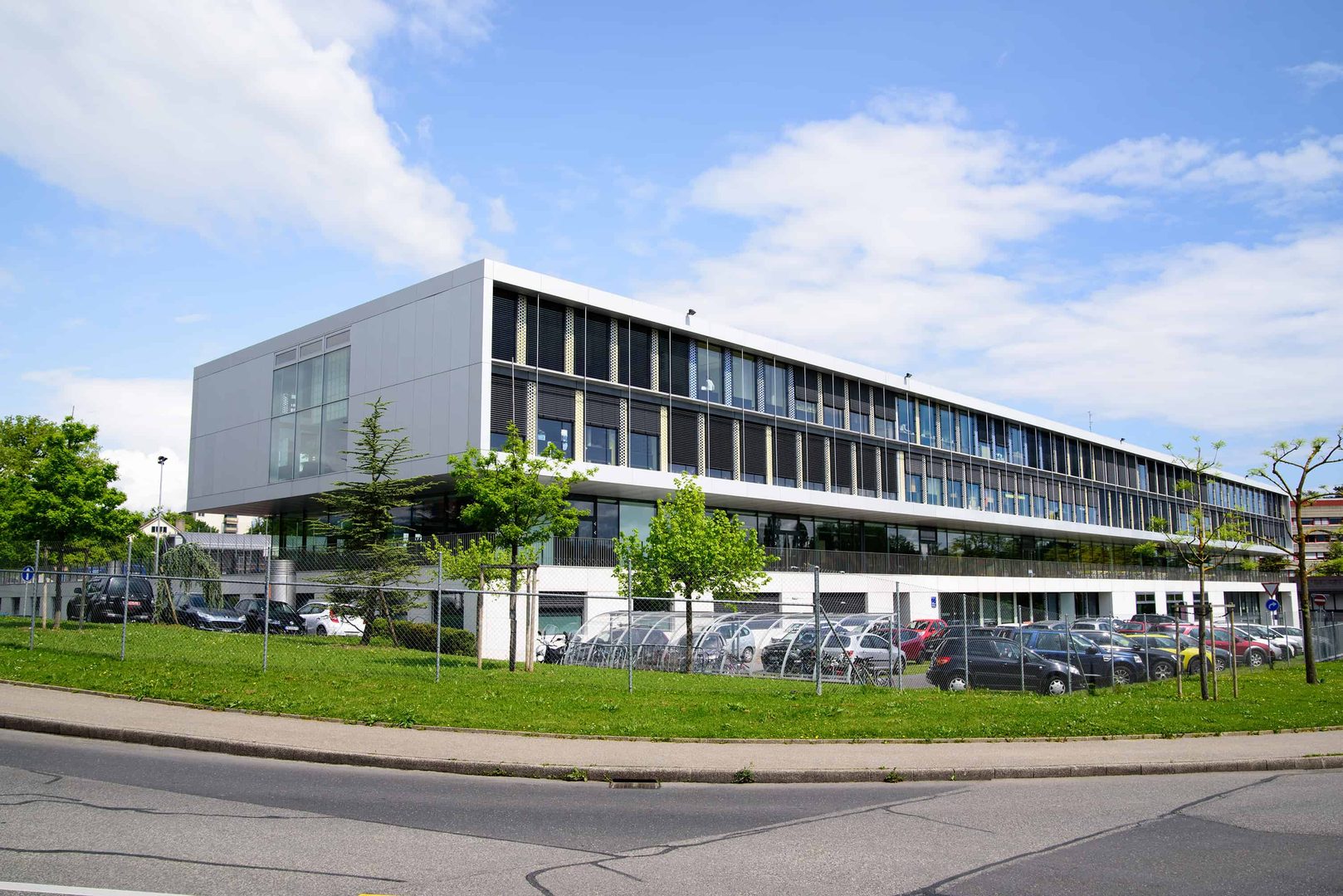
International School of Geneva
Geneva · Switzerland
Born beside the League of Nations in 1924, where its own teachers first drafted the IB diploma.
Same country and curriculum — closest matches within ±10 points either way