
Shanghai
Concordia International School Shanghai
high confidence· 5/6 cats · 3.22 avg sourcesIn Pudong's Jinqiao enclave, a Lutheran-rooted campus pairs AP rigor with a 95 percent exam pass rate and global online electives
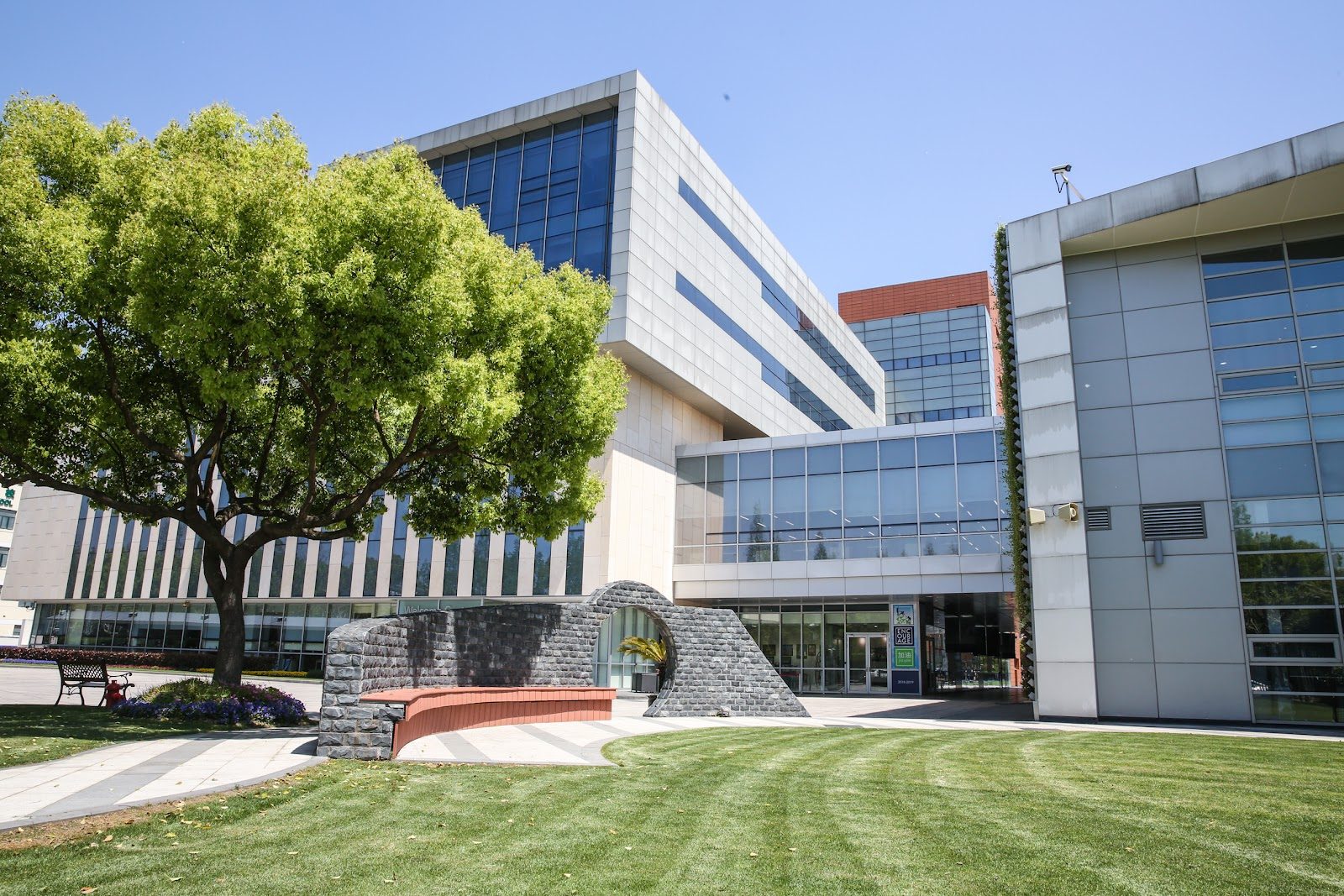
Photo © Wu Zhengchun via Google Maps
Type
Day
Ages
3–18
Curriculum
American · AP
Ratio
8:1
The Verdict
Editor's commitment
Right for
Families wanting an American school with AP, Christian roots and an 8:1 ratio in Pudong, plus a published 95 percent exam pass rate.
Wrong for
Parents wanting secular education, boarding or a cheaper Shanghai option: this day school charges an average 315714 RMB a year.
Watch out for
CIS, WASC and IB World status add credibility, but recent destinations lean modestly: Arizona State University leads with two students.
Ranking breakdown
Concordia International School Shanghai · #565 of 1591
Composite score 68.1. 8 weighted criteria.
By criterion
Academic Outcomes
Weight 20%
#585
of 1529 scored
University Placement
Weight 16%
#516
of 1529 scored
Prestige & Heritage
Weight 12%
#845
of 1571 scored
Alumni Network
Weight 12%
#566
of 1530 scored
Facilities
Weight 12%
#271
of 1534 scored
Transparency & Communications
Weight 8%
#455
of 1532 scored
Peer & Industry Review
Weight 10%
#640
of 1548 scored
Admissions Selectivity & Demand
Weight 8%
#1077
of 1529 scored
Score history
Concordia International School Shanghai · 2026
Movement across 2024–2026. Peer average overlaid.
Overall — 2024–2026
68.1/ 100
▲ +18.5 vs 2025
year on year
Peer & Industry Review
How Concordia International School Shanghai is regarded in the sector
75
Strong · medium confidence
Concordia International School Shanghai is consistently cited in expat parent forums (e.g., Reddit r/Shanghai, ExpatDen, InterNations discussions) and specialist directories like ISC Research and Council of International Schools as one of the longest-established and most respected American-curriculum international schools in China, known for strong IB/AP results and a well-regarded boarding program. It is frequently benchmarked alongside SAS and Shanghai Community International School in 'best international schools in Shanghai' listicles from outlets like Sixth Tone and That's Shanghai, though it lacks the broader global brand recognition of UK-based groups like Dulwich or Harrow reported in Tatler.
Evidence sources
Editors' overview
In Pudong’s Jinqiao enclave, Concordia International School Shanghai offers a distinctive mix: an American curriculum with AP, a declared Christian foundation, and a campus culture that treats character formation as part of the academic brief rather than an optional extra. That combination is not common in Shanghai’s international market, where many schools chase breadth of branding over clarity of identity. Concordia is clear about what it is. It teaches in English and Mandarin, serves ages 3 to 18, and runs at a strikingly low 8:1 student-teacher ratio. The school’s CIS, WASC and IB World School accreditations add external validation, but the sharper point is internal: this is a school with a defined moral and educational centre, not a generic international operation with interchangeable language about global citizenship.
What puts Concordia on a shortlist is the balance between academic seriousness and institutional coherence. The editorial hook here is not novelty for its own sake; it is a school that pairs AP rigour with a 95% exam pass rate and still insists on creative arts, service, athletics and spiritual development as core parts of the offer. Parents who want a high-accountability American-style education, but do not want their child in a narrowly transactional, results-only environment, will find that compelling. The average annual day fee is 315,714 RMB, which places Concordia firmly in the expensive end of the Shanghai market, so families are paying for a premium pupil-teacher ratio, an established 1998 foundation, and a school that has the confidence to define its culture in explicit terms.
The student who will thrive here is bright, engaged and comfortable in a community with stated Christian values, whether or not the family shares that faith. Concordia’s own language points to reflective, collaborative students who can handle challenge, communicate well, and contribute beyond the classroom. This is a strong fit for children who want structure, teacher access and a deliberate pastoral frame around adolescence, rather than anonymity or a sink-or-swim culture. It is less suited to families who want a secular atmosphere stripped of religious language, or those hunting for the broadest possible menu of post-16 pathways beyond the American/AP route. Recent destinations including Arizona State University, Babson College and Barnard College indicate real US traction, though the school does not publish a wider destinations breakdown here. Concordia’s appeal is specific rather than universal: for the right family, that precision is its strength.
Academic Performance
Concordia’s published headline is a 95% AP pass rate. That is a strong outcome, and it places the school in the upper tier of Shanghai’s American-curriculum market on the measure most families will recognise first: students are not just being entered for APs, they are clearing them at a high rate. The important caveat is transparency. A pass-rate figure tells only part of the story. It does not show score distribution, the share of entries at the top end, subject-by-subject performance, or how many exams the average student takes. Concordia also holds IB World School status, yet we have not seen public IB Diploma results here. For a school with a serious academic reputation, that leaves an important gap in the public picture. Parents comparing top Shanghai internationals need more than a single success metric.
Set against peers, Concordia reads as academically credible rather than relentlessly data-driven. The school’s own account stresses holistic education, character and broad development alongside challenge, and that fits the results story: strong attainment without the hard-edged exam publicity machine some competitors favour. That will suit families who value substance over leaderboard theatre. It will frustrate those who want a full statistical dashboard before they book a tour. The verdict is clear: external examination performance is comfortably strong, but the public reporting is not yet as complete or as exacting as the best schools in this bracket.
Facilities
The campus infrastructure is deeper than the standard Shanghai international-school formula of good classrooms plus a sports hall. Concordia has invested in specialist spaces that shape day-to-day schooling: maker labs, a dedicated drama room, music rehearsal rooms, studios for 2D and 3D art, photography facilities, gallery space and a 300-seat theatre. That gives the arts real operating room rather than token timetable status. The Phoenix Center adds multi-use flexibility, while the redevelopment of the Rittmann arts complex, including a swimming pool, points to a school still spending on substance rather than surface polish. For younger children, the outdoor learning areas matter just as much. They signal a school that has paid attention to how early years and elementary pupils actually learn, not just how a prospectus photographs.
Against peer schools in Shanghai, this is a serious, well-resourced campus with unusual strength in the creative disciplines. Plenty of competitors can match the core academic plant; fewer offer this level of dedicated arts provision alongside a FIFA-certified football pitch and regional athletic participation through APAC. That mix gives Concordia a rounded physical brief: performance, studio work, sport and flexible community space all have a proper place. It is not the city’s most flamboyant campus, and families chasing sheer spectacle will find newer sites with more architectural theatre. Concordia’s edge lies elsewhere: facilities that are purpose-built, heavily used and closely tied to the school’s educational priorities.
It does not show score distribution, the share of entries at the top end, subject-by-subject performance, or how many exams the average student takes
Prestige
Concordia carries real standing in Shanghai’s international-school market, but its prestige is defined rather than universal. This is not a brand built on social cachet alone, nor on sheer scale. Its weight comes from institutional clarity, a long-established expatriate brief, and the kind of educational seriousness that parents in this segment recognise quickly. The Christian foundation narrows the audience, yet it also sharpens the identity: Concordia is not trying to be everything to everyone. That restraint gives it more substance than fashion. The school’s ties to Hong Kong International School and Concordia Hanoi add credibility, and approval from the Chinese authorities for foreign-passport holders matters in a market where regulatory footing is part of status, not an administrative footnote.
The prestige level also rests on the pupil experience. A staffing ratio of 8:1 signals high adult access, and the campus investment is not cosmetic: maker labs, a theatre, art and photography studios, music rehearsal rooms, outdoor learning areas and a FIFA-certified pitch point to a school that funds the full brief, not just the exam corridor. Membership of APAC carries regional recognition in sport and fine arts, which strengthens the school’s profile beyond the classroom. Add an average annual fee of 315,714 RMB and the picture is clear: this is a premium, high-commitment education with a distinctive moral centre. Its prestige is strongest among families who value coherence, community and serious schooling over the flashier status games of the sector.
Parents comparing top Shanghai internationals need more than a single success metric
Communications
Concordia communicates with uncommon institutional clarity. The school’s public-facing pages are well organised, easy to navigate and explicit about first-order matters: mission, leadership, health and safety, campus development and the educational philosophy behind the daily programme. That matters because this is not a school selling a generic international gloss. It states its Christian footing plainly, explains the learner outcomes in concrete terms, and links values talk to visible structures such as service, arts, athletics and community life. Parents are not left decoding the culture between the lines. The admissions message is also direct about who the school serves, including its foreign-passport brief. That level of candour is refreshingly adult and saves families time.
The stronger test is whether communication gives parents enough hard information once the broad picture is clear. Here, Concordia is good but not exhaustive. The school publishes a headline AP outcome, but the wider academic reporting remains thinner than the best operators in this tier. We have not seen a fuller public breakdown of score distribution, destinations depth or comparative outcome data that would let parents interrogate performance in detail. By contrast, communication around campus life and institutional priorities is confident, coherent and hard to misread. For families who value cultural fit and educational philosophy, Concordia communicates very effectively. For families who want a forensic stream of published metrics before first contact, the school leaves important gaps.
Uniqueness
What marks Concordia out is not novelty but clarity of identity. In a market crowded with schools using the same language of global citizenship and whole-child education, Concordia ties its academic offer to an explicit Christian frame and keeps that frame visible in daily school life. The school talks about students as moral agents, not just high performers. Its learner outcomes cover leadership, service, spiritual reflection, integrity and communication, and that matters because the surrounding infrastructure backs it up: regional arts and athletics, National History Day participation, outdoor learning for younger pupils, and specialist spaces that give performance and making equal status with classroom study. The result is a coherent school rather than a supermarket of opportunities.
For students, that brings two clear advantages. First, the low adult-to-student ratio — 8:1 — makes values education and pastoral oversight more than slogans; staff have room to know pupils well and intervene early. Second, the school’s expatriate brief and foreign-passport intake rules create a community with a defined social profile rather than a catch-all enrolment model. That gives Concordia a tight-grained culture: strong expectations, visible community norms and a deliberate moral centre. For the right child, that produces confidence, responsibility and intellectual stretch inside a community that takes character seriously. For families wanting a fully secular atmosphere or a looser institutional culture, it will feel too bounded.
Add an average annual fee of 315,714 RMB and the picture is clear: this is a premium, high-commitment education with a distinctive moral centre
Student Profile
The pupil who fits best here is intellectually capable, well organised and willing to engage with a school culture that asks for more than classroom performance. Concordia is a strong match for children who respond to clear expectations, close adult attention and a community where conduct, service and self-reflection carry real weight. Students who enjoy participating beyond lessons — in the arts, sport, leadership or service — will find room to do it properly rather than as a token extra. The school’s learner profile points to active citizenship, teamwork, integrity and communication, so the natural fit is not the brilliant disengaged teenager who wants to coast anonymously. This is a place for students prepared to contribute, not just achieve.
Socially, it suits families comfortable with an explicitly Christian environment and a foreign-passport international community. Pupils do not need to share the school’s faith to do well, but they do need tolerance for religious language and for a moral framework that is visible, structured and taken seriously. The low staffing ratio of 8:1 reinforces that culture: adults will know who your child is, and that is an advantage for pupils who value guidance and accountability. It is less comfortable terrain for students who want a looser, more impersonal atmosphere, or for families who want a purely secular school stripped of spiritual framing. In temperament, the best fit is a child who is community-minded, self-aware and ready to be known.
That combination is not common in Shanghai’s international market, where many schools chase breadth of branding over clarity of identity
Co-curricular strengths
Arts & sport, on a separate axis
Overall 8.82/10
Scored 0-10 from the school's own published evidence. This axis is editorial-only — it does not feed the main WTS ranking.
Sports
9/10
Basketball, Soccer and Swimming as extracurricular offerings, showing multiple sports with visible participation.
Drama
8.8/10
Drama Productions, which goes beyond a bare mention of drama by evidencing recurring staged activity.
Dance
8.3/10
Music
9/10
Jazz Band and Choir, indicating more than a generic music mention through named ensembles, but provides no dedicated facility, department, staff or external recognition.
Visual Arts
9/10
Visual Arts is explicitly named in the extracurriculars list.
Editor first-pass · editor-reviewable · 7/27/2026
Outcomes & destinations
Where students go next
Class of 2024
Top destinations
226 placements
- Arizona State University· 2
- Babson College· 1
- Barnard College· 1
- Baylor University· 2
- Bentley University· 1
- Berklee College of Music· 1
- Boston University· 3
- Brandeis University· 1
- Brown University· 2
- California College of the Arts· 1
- Case Western Reserve University· 5
- Claremont McKenna College· 1
- College of Idaho· 1
- Colorado College· 1
- Concordia University Irvine· 1
- Cornell University· 2
- Dartmouth College· 1
- Duke University· 3
- Emerson College· 2
- Emory University· 1
- Florida State University· 1
- Fordham University· 1
- Furman University· 1
- Georgetown University· 1
- Gonzaga University· 1
- Hamilton College· 1
- Illinois Institute of Technology· 1
- Indiana University Bloomington· 4
- Johns Hopkins University· 2
- Lehigh University· 1
- Maryland Institute College of Art· 1
- Miami University, Oxford· 1
- Michigan State University· 6
- Mount Holyoke College· 1
- New York University· 4
- New York University Stern Business School· 1
- Northeastern University· 6
- Northwestern University· 1
- Ohio State University· 5
- Pennsylvania State University· 1
- Pepperdine University· 1
- Purdue University· 1
- Rice University· 1
- Ringling College of Art and Design for Animation· 1
- Rutgers University· 1
- Santa Clara University· 1
- School of Visual Arts· 1
- Southern Methodist University· 1
- St. Olaf College· 1
- Texas Christian University· 1
- Texas Tech University· 1
- The New School· 1
- Tulane University· 1
- University of California, Berkeley· 2
- University of California, Davis· 3
- University of California, Irvine· 15
- University of California, Los Angeles· 2
- University of California, Merced· 3
- University of California, Riverside· 1
- University of California, San Diego· 6
- University of California, Santa Barbara· 3
- University of California, Santa Cruz· 2
- University of Chicago· 1
- University of Colorado, Boulder· 1
- University of Florida· 3
- University of Houston· 1
- University of Idaho· 1
- University of Illinois, Urbana-Champaign· 8
- University of Massachusetts Amherst· 2
- University of Massachusetts Boston· 2
- University of Massachusetts Lowell· 1
- University of Michigan Ann Arbor· 4
- University of Michigan Ross Business School· 1
- University of Minnesota Twin Cities· 1
- University of Mississippi· 1
- University of North Carolina at Chapel Hill· 2
- University of Notre Dame· 1
- University of Oregon· 1
- University of Pittsburgh· 2
- University of Rochester· 2
- University of San Francisco· 1
- University of South Florida· 1
- University of Southern California· 1
- University of Texas - Austin· 2
- University of Washington· 2
- University of Wisconsin-Madison· 3
- Washington State University, Pullman· 1
- Western Washington University· 1
- Wheaton College· 1
- Carleton University· 1
- McGill University· 1
- McMaster University· 1
- Ontario Tech University· 1
- Queen's University· 1
- University of British Columbia· 2
- University of Toronto· 2
- University of Waterloo· 2
- York University· 1
- BIMM Music Institute· 1
- Durham University· 1
- Imperial College London· 1
- King's College London· 2
- Queen Mary University of London· 1
- School of Oriental and African Studies (SOAS)· 1
- University College London· 4
- University of Birmingham· 1
- University of Bristol· 1
- University of Cambridge· 1
- University of East Anglia· 1
- University of Edinburgh· 3
- University of Exeter· 1
- University of Leeds· 1
- University of Manchester· 3
- University of Nottingham· 1
- University of Southampton· 1
- University of Sussex· 1
- University of Melbourne· 1
- University of New South Wales· 1
- University of Sydney· 1
- East China Normal University· 1
- Hong Kong Baptist University· 1
- Hong Kong University of Science and Technology· 4
- Keio University· 1
- Korea Advanced Institute of Science and Technology· 1
- The Education University of Hong Kong· 1
- The University of Hong Kong· 2
- Waseda University School of International Liberal Studies· 2
Reported by the school. Confirm with admissions.
Strengths
- +American curriculum with AP pathway.
- +Explicit holistic education across arts, athletics, service.
- +Christian ethos clearly integrated into school life.
- +Mission includes spiritual development alongside academics.
Considerations
- −Christian stewardship may not suit secular families.
- −American plus AP limits non-US curriculum options.
- −Strong spiritual emphasis may feel too directive.
Availability
Primary entry gate & tests
Academic Record
Gallery
Photo © Wu Zhengchun via Google Maps
Photo © Wu Zhengchun via Google Maps
Photo © Wu Zhengchun via Google Maps
Photo © Quinn Shultz via Google Maps
Photo © Wu Zhengchun via Google Maps
Photo © Wu Zhengchun via Google Maps
Photo © Wu Zhengchun via Google Maps
Photo © Sula W via Google Maps
Photo © Wu Zhengchun via Google Maps
Parent reviews
Have you sent your child here?
Voice reviews carry the strongest trust badge — we transcribe them for you to tidy up before they go live. Prefer to type? A written review is fine too.
Add your voice
In 60 seconds, tell other parents: what's the best thing about Concordia International School Shanghai, and what surprised you when your child joined?
We ask for a Google sign-in so every review has a real face behind it — no anonymous drive-by attacks on schools, and no faked positive reviews. Your email is never shown publicly.
Send this profile to a friend
International parents rely on word-of-mouth. Share this review with someone weighing the same decision.
Schools with places
Similar schools to Concordia International School Shanghai with places available now.
Shanghai American School
Shanghai · China
- 2026-27
- WAITPOOLSpace-dependent
- 2027-28
- PLACES OPENRolling
Shanghai High School International Division
Shanghai · China
- 2026-27
- CLOSEDStandard route
- 2027-28
- OPENS SOONOpens Late '26 (Spring '27)
Availability first, then country, area, curriculum, price, co-curricular
Consider also
Also worth looking at alongside Concordia International School Shanghai.
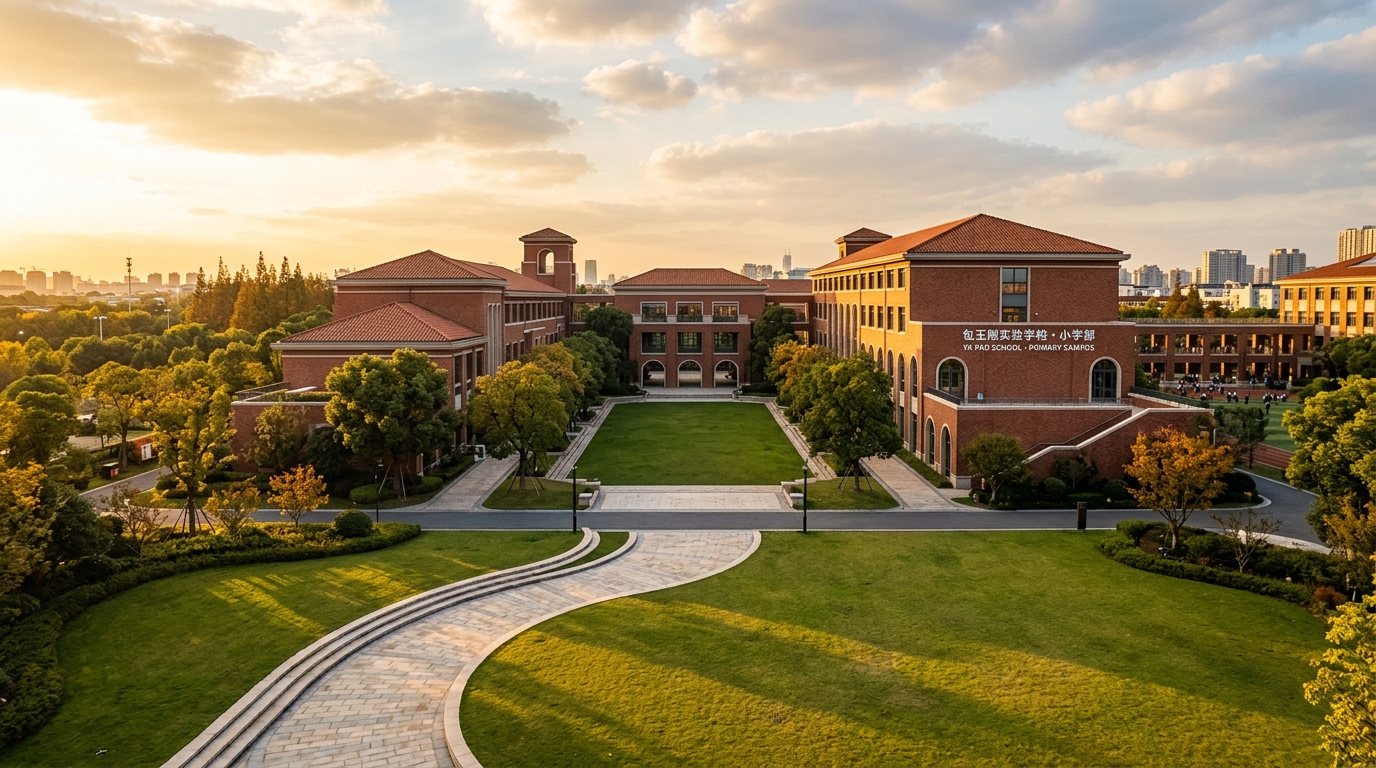
YK Pao School
Shanghai · China
Mandarin-English immersion anchors an IB and IGCSE track, with senior boarders housed in a Tudor-style village in Songjiang.
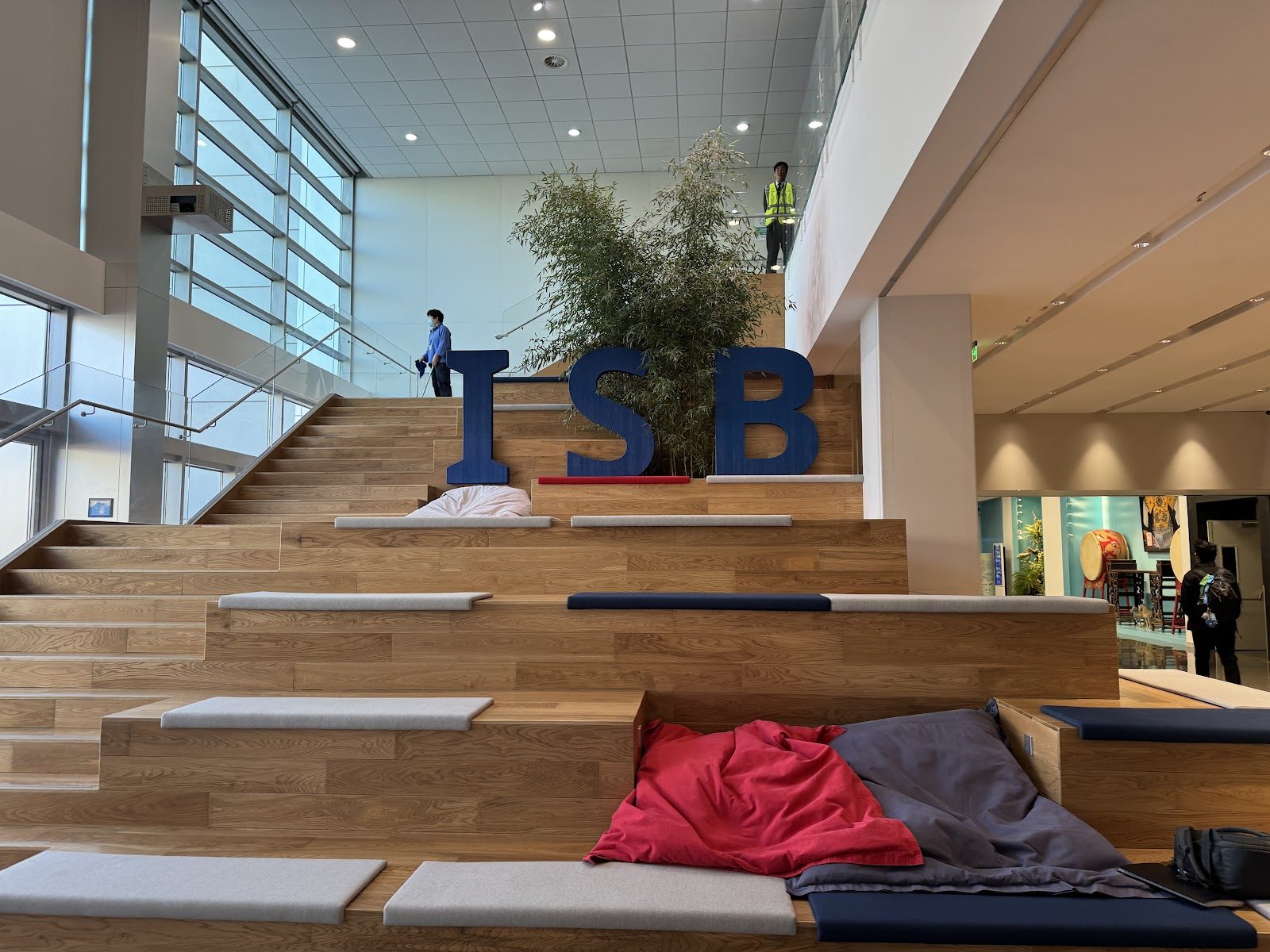
International School of Beijing
Beijing · China
Founded in 1980 by five embassies, this Shunyi day school pairs a US diploma track with IB rigor and dual-language classes from early years.
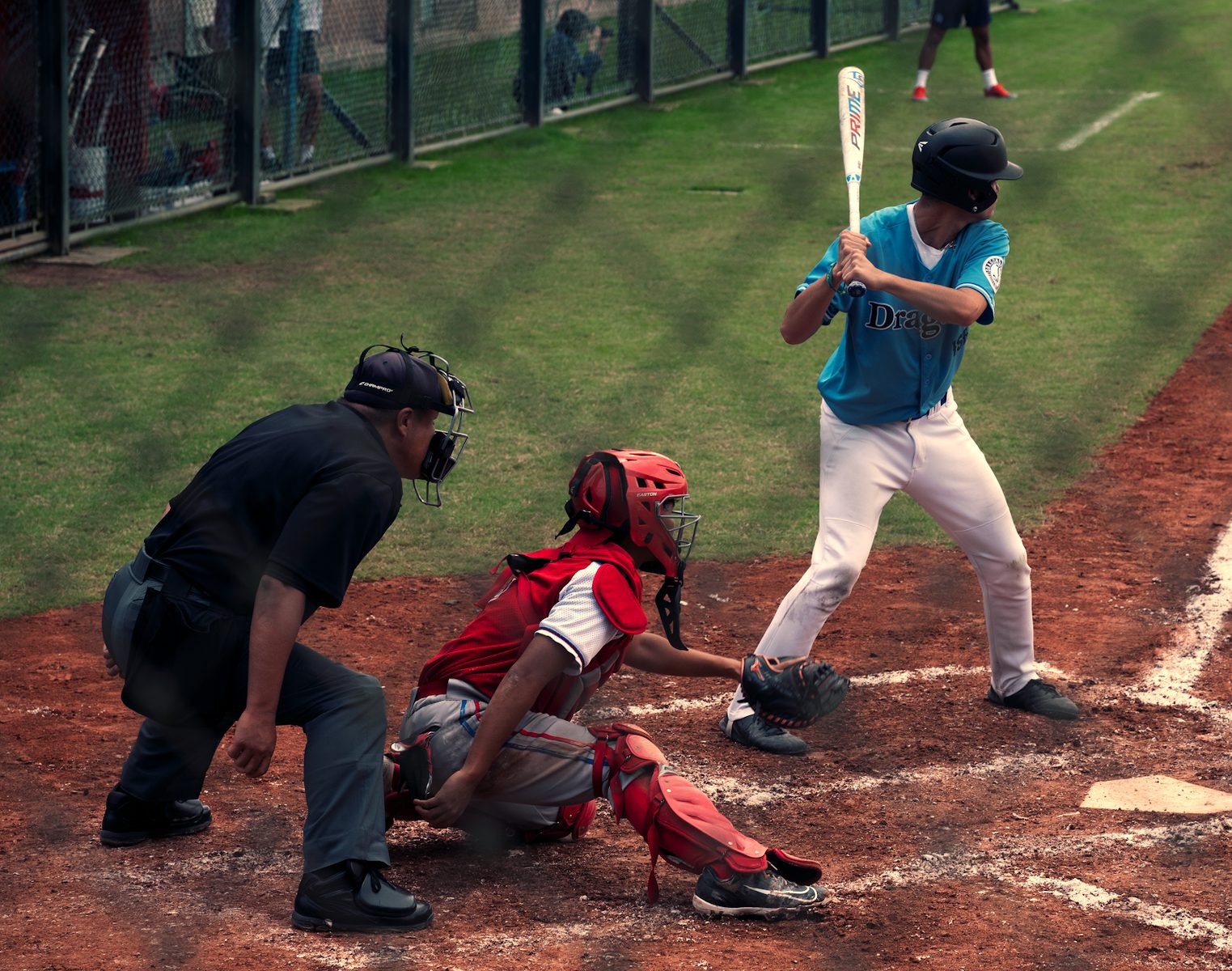
Shanghai American School
Shanghai · China
A century-old Shanghai institution since 1912, running AP and IB in parallel across two sprawling campuses
Yew Chung International School of Beijing
Beijing · China
Every classroom pairs a Western and a Chinese teacher, threading bilingual learning through a parkland Chaoyang campus.
Same country and curriculum — closest matches within ±10 points either way