
Värmland
Lundsbergs skola
low confidence· 4/6 cats · 1 avg sourcesFounded in 1896 on the English public-school model, Sweden's oldest boarding school still runs on six storied houses deep in Varmland's forests.
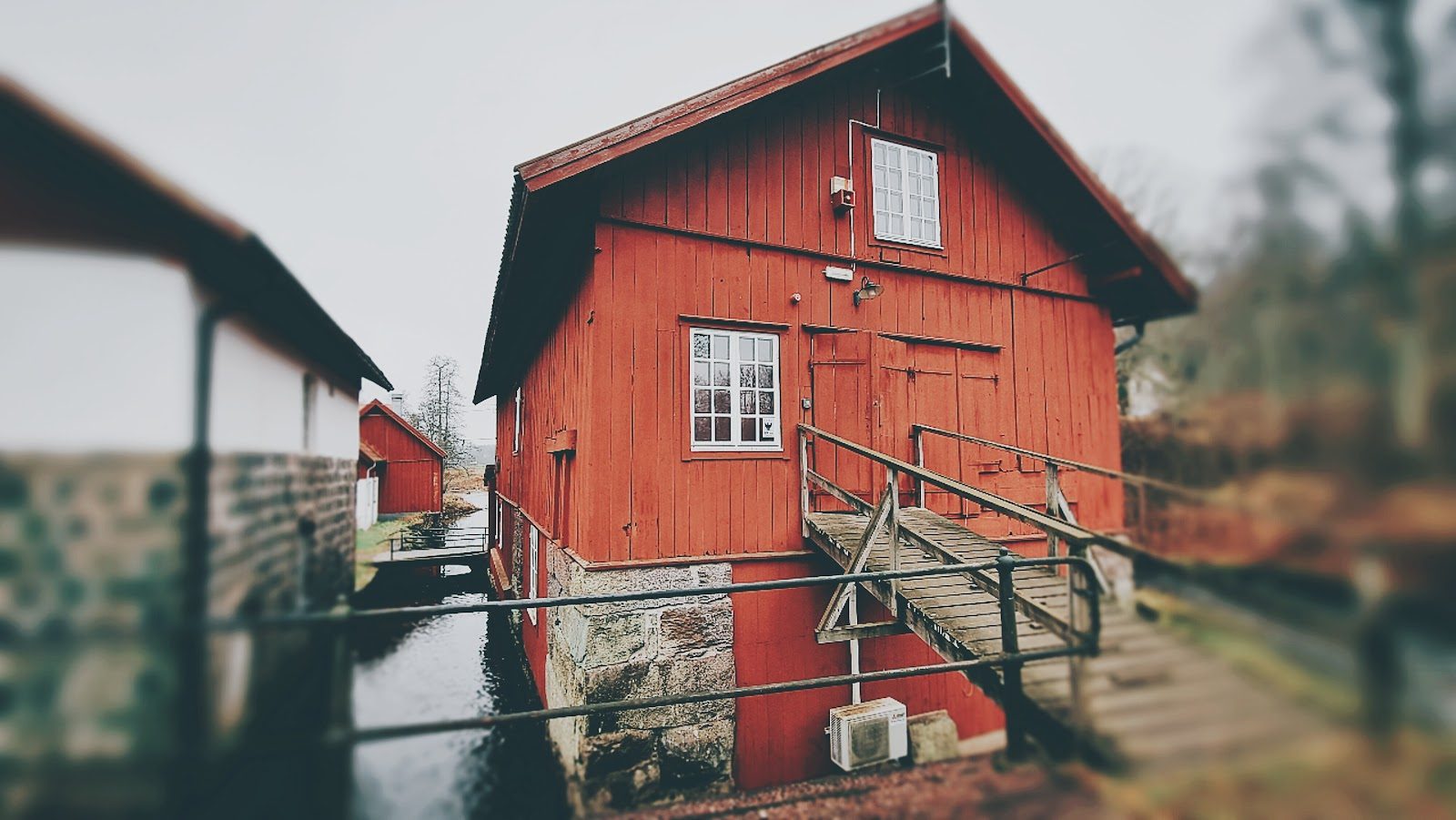
Photo © Daniel Norin via Google Maps
Type
Boarding
Ages
12–19
Curriculum
Swedish
Ratio
—
The Verdict
Editor's commitment
Right for
Families who want Sweden’s oldest boarding school, founded in 1896, with six houses and Swedish- and English-language teaching for ages 12–19.
Wrong for
Parents seeking a day school, a religious ethos, or a published international curriculum beyond the Swedish track accredited by Skolverket and SSSA.
Watch out for
Lundsberg trades on 130 years of boarding tradition, yet the school itself highlights new safety routines in 2026; ask exactly what changed.
Ranking breakdown
Lundsbergs skola · #462 of 1591
Composite score 69.4. 8 weighted criteria.
By criterion
Academic Outcomes
Weight 20%
#745
of 1529 scored
University Placement
Weight 16%
#736
of 1529 scored
Prestige & Heritage
Weight 12%
#301
of 1571 scored
Alumni Network
Weight 12%
#198
of 1530 scored
Facilities
Weight 12%
#411
of 1533 scored
Transparency & Communications
Weight 8%
#777
of 1532 scored
Peer & Industry Review
Weight 10%
#645
of 1548 scored
Admissions Selectivity & Demand
Weight 8%
#547
of 1529 scored
Peer & Industry Review
How Lundsbergs skola is regarded in the sector
58
Credible · medium confidence
Lundsbergs skola is Sweden's best-known boarding school, historically dubbed the 'Swedish Eton' with royal alumni (Prince Carl Philip), giving it strong name-recognition in specialist and international press. However, this prestige is significantly offset by recurring hazing/branding scandals reported by major outlets (BBC News, The Guardian, Dagens Nyheter/SVT) and repeated Skolinspektionen interventions including a temporary forced closure in 2019/2020, which have damaged its standing among educators and parent communities.
Evidence sources
Editors' overview
Lundsbergs skola occupies a narrow, distinct corner of the Swedish market: a full boarding school with real age, real ritual and a campus life built around 6 houses. Founded in 1896, it is Sweden’s oldest boarding school, and the English public-school influence is explicit rather than decorative. That matters. Most schools borrow the language of community; Lundsberg runs on it, through house identity, supervised boarding and a timetable that binds academic work, sport and evening life together. The setting in Värmland adds to the point: this is not an urban day school with dorms attached, but a self-contained world in the forest.
The school offers Swedish education with instruction in Swedish and English, covering Year 9 and three higher-education preparatory gymnasium pathways: Economics, Natural Sciences and Social Sciences. The academic pitch is clear — small teaching groups, close contact with teachers, a structured route into upper secondary study — but the school does not publish aggregate outcome data that would let parents test claims of academic strength. That opacity matters in a premium boarding market. More visible is the pastoral reset. The school’s own recent messaging stresses new safety routines in the boarding houses, student integrity and the modernisation of school life. That reads as an institution working to tighten standards around trust and oversight, not one trading on nostalgia alone.
Why shortlist it? Because very few schools in Sweden offer this level of immersion. Boarding is not an add-on here; it is the product. Parents looking for deep belonging, fixed routines, inter-year loyalties and a strong extracurricular spine — sport, music, riding, skiing, outdoor life — will find a rare model. The motto, “a sound soul in a sound body”, still captures the school’s operating logic: character, stamina, companionship and academic discipline in one place. For the right child, that creates lasting attachments and a serious sense of formation. For the wrong child, it will feel closed, rule-bound and remote.
The pupil who fits Lundsberg wants structure, house spirit and communal living, and does not need city freedoms to stay engaged. This suits students aged 12–19 who enjoy tradition, organised activity and a clearly defined social framework. It also suits families who value continuity from Year 9 into gymnasium and accept the intensity of boarding life. It is a poor fit for children who want anonymity, broad ideological looseness or a casual relationship with rules. Lundsberg’s appeal lies in discipline with identity and tradition under scrutiny: a school with a storied name, a conservative inheritance and a current need to prove that its culture is as safe as it is cohesive.
Academic Performance
Lundsbergs makes confident claims about academic quality, but the public record is thin where it matters most: results. The school advertises high academic standards, small classes and close teacher contact, yet it does not publish aggregate grades, national exam outcomes, university placement data or any comparable performance table that would let parents judge attainment against Swedish independent-school peers. It does publish routes for external and internal examinations, which signals procedural seriousness, but procedure is not performance. In a fee-paying boarding market, that gap is a real weakness. Schools asking families to buy into an all-encompassing model need to show what students achieve at the end of it.
That leaves Lundsbergs hard to place academically with precision. It sits in the segment of schools that sell formation, structure and residential life as much as exam performance, and its academic case rests more on institutional confidence than published proof. Relative to stronger academic operators, that is opaque. Relative to schools that neglect academics in favour of lifestyle, Lundsbergs at least foregrounds teaching, exam administration and higher-education preparatory programmes. Still, without cohort-level outcomes, value-added data or subject results, parents cannot test whether the school delivers elite attainment, solid mainstream results or something in between. The conclusion is blunt: academically, Lundsbergs asks for trust where evidence should do the work.
Facilities
The core facility here is the boarding estate itself. Lundsbergs organises residential life through 6 pupil houses, each with its own identity, and that matters more than any showcase building. At peer boarding schools, the decisive question is not whether there is a theatre foyer or glossy sports centre; it is whether the house system carries daily life with enough supervision, continuity and adult presence. Lundsbergs has put public weight on new safety routines in the houses and on student integrity, which tells you where the operational pressure sits. Parents should read that plainly: the boarding infrastructure is central, under scrutiny and being tightened. That is more consequential than brochure-grade amenities. For a Swedish peer set, a genuine multi-house residential model remains rare.
Beyond boarding, the school lists the facilities that support a full week on site: a sports hall, gym, music studio and access to riding, skiing and outdoor activities in the surrounding landscape. There is also Café Strömmis, plus published pages for meals and student health, which points to a campus built for lived-in routine rather than day-school turnover. Against international boarding peers, this is not a facilities arms race. There is no published inventory of laboratories, performing arts venues, design workshops or specialist high-performance centres, so the offer reads as practical rather than lavish. Its strength lies in the integrated mix of house life, sport and outdoor provision; its weakness is that the academic estate remains thinly documented in public.
In plain terms, Lundsbergs remains a storied name, but one whose standing depends as much on reputation and milieu as on measurable scholarly distinction
Prestige
Lundsbergs carries real prestige in Sweden because it occupies a category almost no other school can match: an old, fully residential institution with 6 houses, entrenched rituals and a national name that reaches well beyond education. Prestige here does not rest on published academic dominance; it rests on social cachet, continuity and rarity. In the Swedish context, that counts for a great deal. The English public-school inheritance gives Lundsbergs a coded status that families recognise immediately: house loyalty, formal structure, supervised communal life and an alumni identity that extends past graduation. This is not mass-market private schooling. It is a narrow, high-recognition brand within the country’s elite boarding niche.
That prestige is not uncomplicated. Lundsbergs is also known for a conservative social tone and for the scrutiny that attaches to any institution trading on hierarchy, tradition and close-knit residential culture. The school’s own emphasis on new safety routines and student integrity matters because prestige without trust collapses fast. So the rating sits in a precise place: high social and historical prestige, strong name recognition, and clear appeal to families who value inherited institutional culture; weaker prestige on the academic side, where the school does not publish the outcome data that top-tier academic operators now treat as standard. In plain terms, Lundsbergs remains a storied name, but one whose standing depends as much on reputation and milieu as on measurable scholarly distinction.
Lundsbergs skola occupies a narrow, distinct corner of the Swedish market: a full boarding school with real age, real ritual and a campus life built around 6 houses
Communications
Parent communication looks functional rather than expansive. The school runs a conventional information spine: public news posts, practical pages for meals, student health, application routines and financial terms, plus SchoolSoft for day-to-day use. Contact details are easy to find, and the site is clearly organised around the things parents actually need to locate fast: admissions, boarding houses, staff, governance and term-time logistics. That is the good news. The weaker point is tone. Much of the outward messaging leans on community, tradition and reassurance, with recent emphasis on modernisation, student integrity and new safety routines in the houses. That focus is understandable, but it also tells parents where confidence has needed rebuilding. In a school built around communal living across 6 houses, communication has to do more than sound warm; it has to feel tight, credible and operationally serious.
Effectiveness, then, is mixed. For routine matters, the school communicates in a serviceable, usable way. For deeper parental scrutiny, it leaves gaps. There is no rich public habit of publishing the sort of hard institutional reporting that builds trust in a high-stakes boarding environment: outcome data, detailed safeguarding explanation, or a fuller picture of how oversight works in practice. The result is competent day-to-day communication paired with thin public accountability. Parents who value clarity on systems, supervision and standards will want direct answers, not atmosphere. Lundsbergs gives enough to manage the relationship; it does not give enough to make that relationship feel fully transparent.
Uniqueness
What marks Lundsberg out is not luxury or academic transparency, but cultural density. Very few Swedish schools ask adolescents to live inside a fully immersive social order where houses, routines, meals, evening time and activities all pull in the same direction. The school’s identity is built around 6 pupil houses with their own histories and loyalties, and that creates something stronger than generic “community”. It gives students a fixed place in the institution from the first day: a house, older pupils, staff oversight, customs, rivalries and obligations. The English public-school inheritance is not cosmetic. It shapes the tempo of life and gives the school a distinctly old-world character that remains unusual in Sweden.
For students, that brings real gains and real costs. The gain is deep belonging: friendships formed through constant proximity, a stronger sense of responsibility to others, and more chances to grow through shared routines than through self-invention. The extracurricular spine matters here too. Sport, music, riding, skiing and outdoor life are not side dishes; they help structure the week and give boarders a life beyond lessons. The cost is that this model is intense and rule-bound. Children who flourish in independence, privacy or loose social boundaries will chafe. Those who want identity, ritual and a demanding communal life will get an education that extends far beyond the classroom, for better and for worse.
Founded in 1896, it is Sweden’s oldest boarding school, and the English public-school influence is explicit rather than decorative
Student Profile
The pupil who settles here is comfortable with visibility. In a house-based school, adults and peers know who you are, where you should be and how you carry yourself. That suits adolescents who like routine, respond to clear expectations and do not need endless personal latitude to feel secure. It also suits children who gain energy from shared rituals, organised sport, communal meals and a social life that runs through the school rather than away from it. With 6 houses shaping identity and loyalty, this is a place for students who can live closely with others without constant friction. The strongest fit is the child who wants structure with belonging, enjoys being part of a tight-knit social order and can handle a culture that is tradition-heavy.
The weaker fit is just as clear. Independent spirits who guard privacy, resist supervision or dislike institutional culture will tire of this fast. So will pupils who want a broad, casual adolescent life with easy access to urban distraction. The school’s conservative tone raises the bar for social confidence: a new arrival needs enough steadiness to enter an established culture without being flattened by it. Families also need a realistic view of boarding life at 12–19. This is not a soft landing for the hesitant or thin-skinned. It works best for sturdy, socially engaged students who want deep attachment to a place and can accept that the same closeness that builds loyalty also limits escape.
The setting in Värmland adds to the point: this is not an urban day school with dorms attached, but a self-contained world in the forest
Co-curricular strengths
Arts & sport, on a separate axis
Overall 7.64/10
Scored 0-10 from the school's own published evidence. This axis is editorial-only — it does not feed the main WTS ranking.
Sports
8.7/10
Drama
7.5/10
Dance
6.5/10
Music
8/10
Visual Arts
7.5/10
Editor first-pass · editor-reviewable · 7/30/2026
Strengths
- +Founded in 1896, it is Sweden's oldest continuously run boarding school, giving it over a century of institutional history and tradition.
- +It is one of only three officially recognised Swedish 'riksinternat' (national boarding schools), alongside Sigtuna and Grenna, a distinct legal and historical status.
- +The upper-secondary offering covers three national programmes - Natural Science, Social Science and Economics - within a structured, campus-based residential setting with six dedicated dormitories.
- +Alumni include Sweden's Prince Carl Philip, who graduated in 1999, alongside generations of prominent business, political and noble families, giving access to a long-established social network.
- +The rural Varmland campus offers extensive extracurricular facilities and activities, including rowing, riding, hunting instruction and other sports alongside academic study.
Considerations
- −The school has a long documented history of hazing scandals, including a 2013 incident in which students were burned with a hot iron during an initiation ritual, prompting a temporary closure by Sweden's Schools Inspectorate.
- −A 2026 three-part SVT documentary series, 'Arvingarna', reignited allegations of racism, hazing and violence, leading opposition politicians to call for the school's closure and prompting a Discrimination Ombudsman inquiry.
- −Annual fees have historically run from roughly 285,000 SEK for Swedish citizens to 385,000 SEK for foreign citizens, placing it well beyond reach for most families and among the priciest schooling options in Sweden.
- −Instruction follows the all-Swedish national curriculum, so pupils and families need strong existing Swedish language ability rather than an English-medium international pathway.
Availability
Primary entry gate & tests
Academic Record + Interview
Gallery
Photo © Daniel Norin via Google Maps
Photo © Daniel Norin via Google Maps
Photo © Daniel Norin via Google Maps
Photo © Tore S via Google Maps
Photo © Tore S via Google Maps
Parent reviews
Have you sent your child here?
Voice reviews carry the strongest trust badge — we transcribe them for you to tidy up before they go live. Prefer to type? A written review is fine too.
Add your voice
In 60 seconds, tell other parents: what's the best thing about Lundsbergs skola, and what surprised you when your child joined?
We ask for a Google sign-in so every review has a real face behind it — no anonymous drive-by attacks on schools, and no faked positive reviews. Your email is never shown publicly.
Send this profile to a friend
International parents rely on word-of-mouth. Share this review with someone weighing the same decision.
Schools with places
Similar schools to Lundsbergs skola with places available now.
Availability first, then country, area, curriculum, price, co-curricular
Consider also
Also worth looking at alongside Lundsbergs skola.
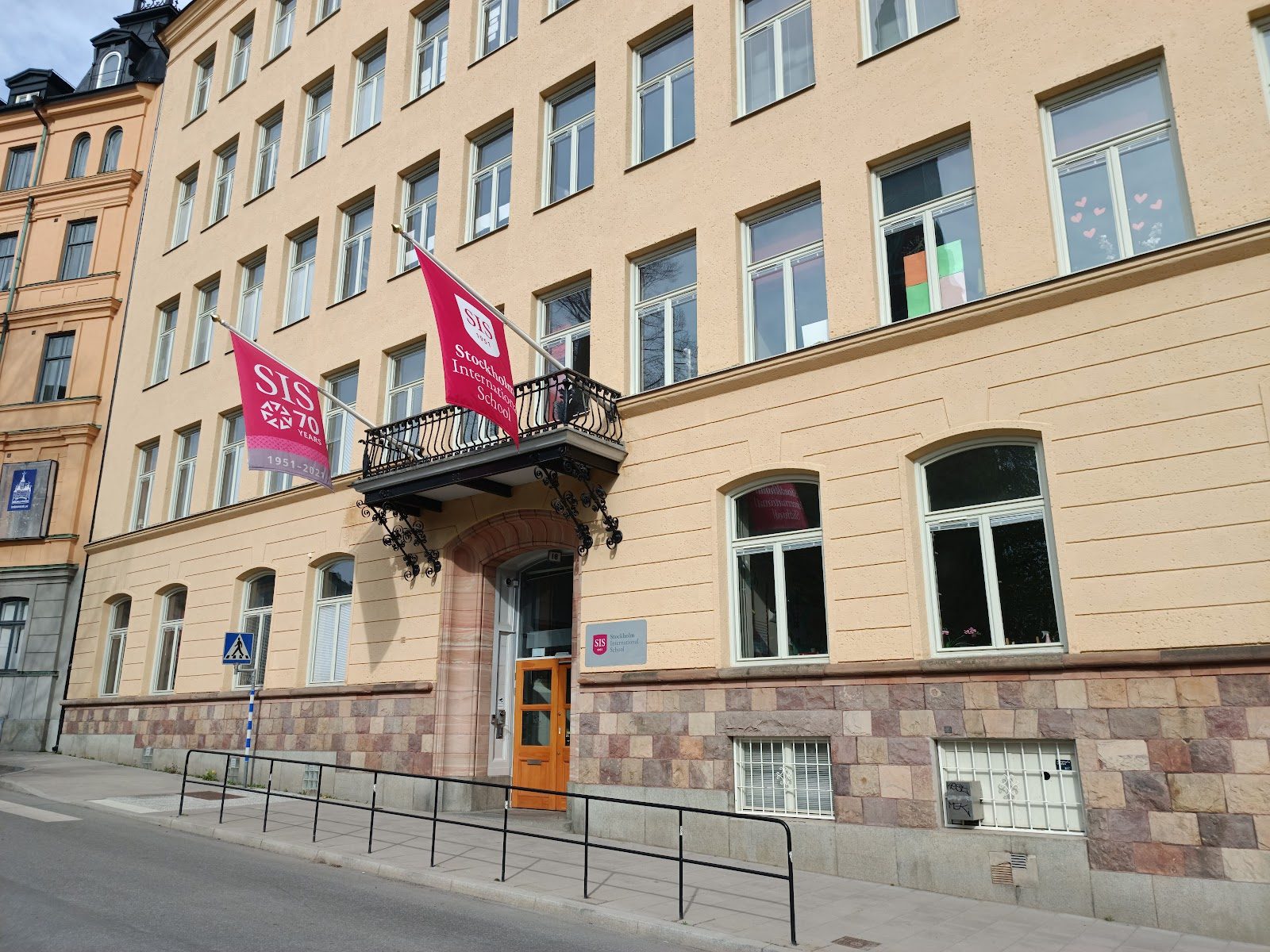
Stockholm International School
Stockholm · Sweden
Sweden's longest-running international school, teaching the full IB continuum from a historic Norra Latin campus in central Stockholm.
Bladins International School of Malmö
Malmö · Sweden
Traced to a 1980s Australian submarine contract, this Malmo school became Sweden's first IB Middle Years authoriser.
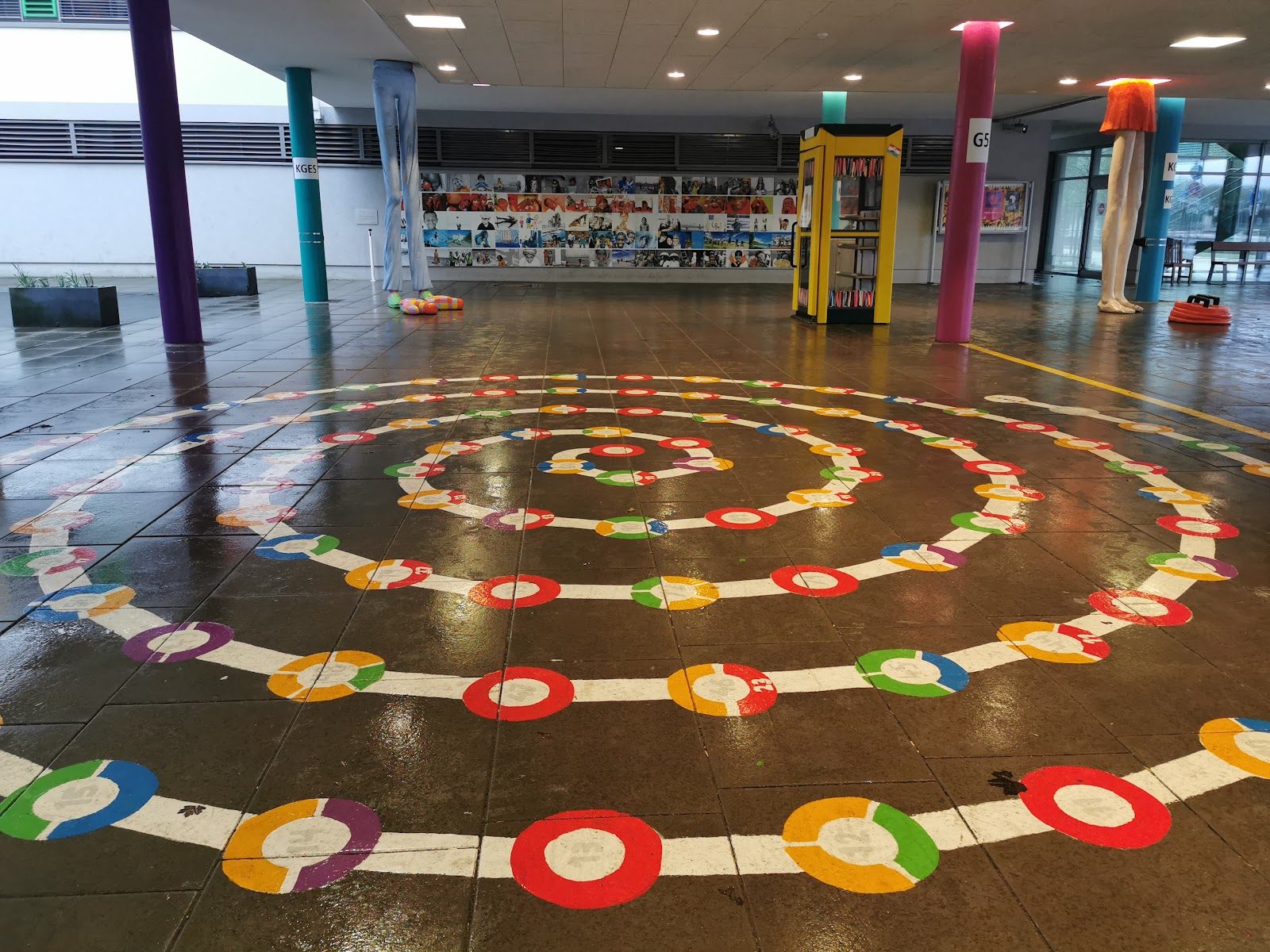
International School of Luxembourg
Luxembourg · Luxembourg
Born around a dining-room table in Strassen for a chemical plant's children, now an IB day school with 50 nationalities in Luxembourg City.
Wellington College International Shanghai
Shanghai · China
Rooted in an 1859 British foundation, this Pudong riverside campus channels house spirit into IB scores averaging 37 points.
Same country and curriculum — closest matches within ±10 points either way