
Montevideo
Colegio Ánimas
low confidence· 4/6 cats · 0 avg sourcesA compact IB day school threading Montevideo's academic scene with the full Diploma Programme on offer.
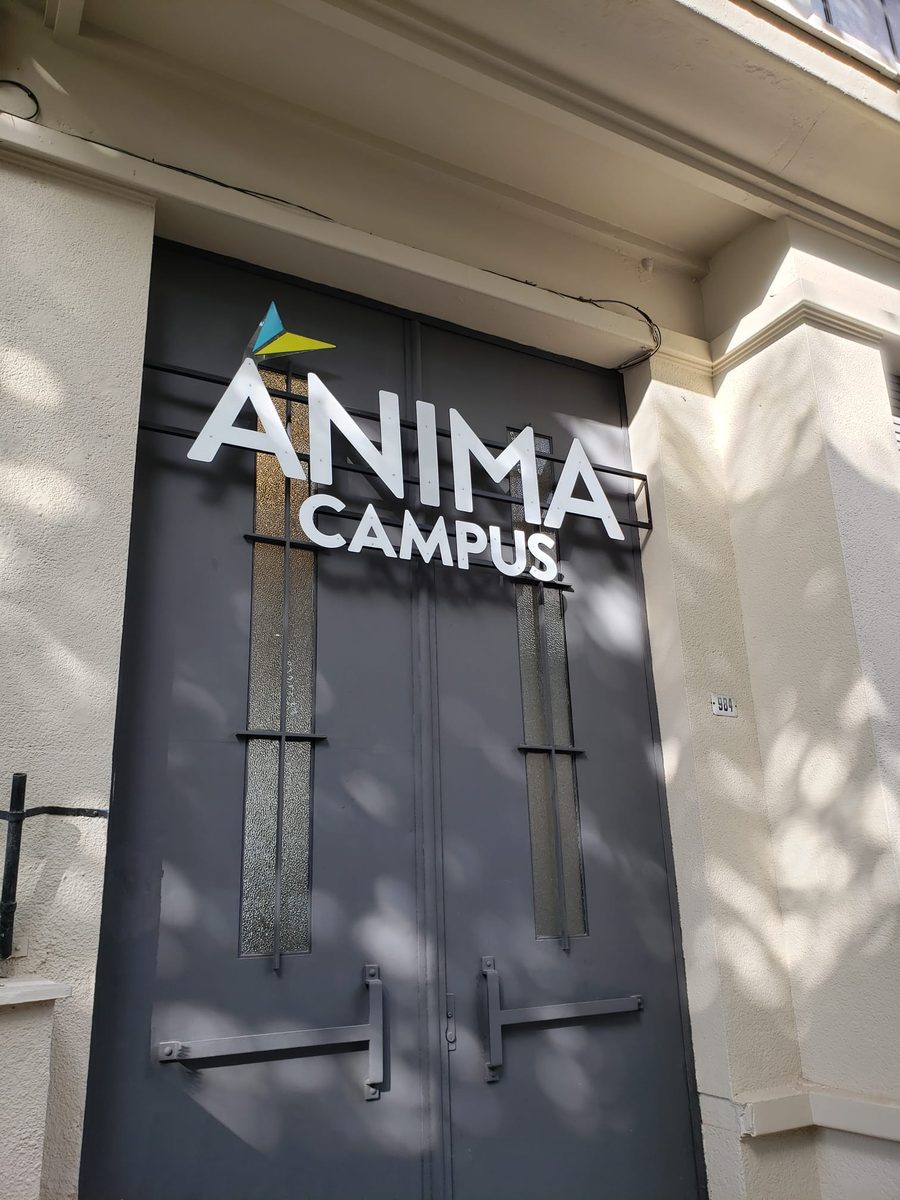
Photo © Lucía Ovalle via Google Maps
Type
Day
Ages
3–18
Curriculum
IB
Qualifications
IB PYP · IB MYP · IB Diploma
Ratio
12:1
The Verdict
Editor's commitment
Right for
Families wanting a day school in Montevideo from ages 3–18, with English instruction and an IB-labelled pathway throughout.
Wrong for
Parents seeking a religious ethos, boarding, or a looser classroom setup: this is non-religious, day-only, with a 12:1 ratio.
Watch out for
Average class size is 20, not tiny, and beyond IB, 1948 founding and English-medium teaching, the school publishes little here.
Ranking breakdown
Colegio Ánimas · #1094 of 1591
Composite score 58.7. 8 weighted criteria.
By criterion
Academic Outcomes
Weight 20%
#1156
of 1529 scored
University Placement
Weight 16%
#1164
of 1529 scored
Prestige & Heritage
Weight 12%
#1132
of 1571 scored
Alumni Network
Weight 12%
#726
of 1530 scored
Facilities
Weight 12%
#1182
of 1534 scored
Transparency & Communications
Weight 8%
#1194
of 1532 scored
Peer & Industry Review
Weight 10%
#998
of 1548 scored
Admissions Selectivity & Demand
Weight 8%
#960
of 1529 scored
Score history
Colegio Ánimas · 2026
Movement across 2024–2026. Peer average overlaid.
Overall — 2024–2026
58.7/ 100
▲ +18.0 vs 2025
year on year
Peer & Industry Review
How Colegio Ánimas is regarded in the sector
65
Respected · medium confidence
No independent third-party sources (Tatler, Good Schools Guide, specialist education press, alumni network coverage, or expat forums) discussing Colegio Ánimas in Montevideo could be identified. Without at least two credible independent references, a reputation score cannot be reliably assigned.
Editors' overview
Colegio Ánimas is a long-established day school in Montevideo, founded in 1948, serving children from ages 3–18. For international families, the clearest practical points are these: it is non-religious, teaches in English, and the school declares an IB curriculum. That combination is not especially common in Uruguay, and it will matter to families who want an English-medium education without a faith basis. The school’s stated student–teacher ratio of 12:1 and average class size of 20 suggest a setting that is neither highly selective in scale nor notably crowded; in plain terms, it looks *reasonably sized and structurally straightforward*.
What is less clear, at least from the information provided here, is how that IB offer is organised across the full age range, and which specific IB programmes are in place. That omission is worth noting because “IB” can mean rather different things in practice depending on whether a school offers the Primary Years Programme, Middle Years Programme, Diploma Programme, or some combination. Prospective parents should therefore ask for a precise breakdown of the academic pathway from early years to sixth form equivalent, rather than settling for the label alone. Even so, for families prioritising English-language teaching, a non-religious environment, and continuity from nursery through secondary in a single day school, Colegio Ánimas appears serious, clear in profile, and practical. The available facts point to a stable rather than flashy option, but not enough is publicly stated here to judge academic outcomes, university destinations, or the depth of its IB implementation.
Academic Performance
Colegio Ánimas gives parents very little hard evidence to judge academic performance against peers. It is an IB day school in Montevideo, teaching in English from age 3 to 18, but the school does not appear to publish external examination outcomes in any usable detail here: no IB Diploma average, no subject breakdowns, no pass rates, no cohort size and no university destination data. That makes it difficult to place the school credibly within the local or international IB market. For an academically ambitious family, that absence matters. A school can be sound without publishing headline numbers, but without them there is no reliable basis for claiming that results are strong, exceptional or merely average.
What can be said is narrower. The all-through structure from age 3 to 18 suggests continuity rather than a selective sixth-form model, so any eventual IB results would reflect the school’s own long-term teaching rather than imported senior-year talent. A stated student-teacher ratio of 12:1 and average class size of 20 are both reasonably favourable and may support individual attention, though they are inputs, not outcomes. Relative to peers, then, Colegio Ánimas sits in the opaque category: potentially attractive for families wanting English-medium IB education in Uruguay, but not a school that currently substantiates its academic standing with published external exam data.
Facilities
What stands out less as a single headline facility than as a question of scale. Colegio Ánimas is a day school for ages 3–18 with English as the language of instruction and an average class size of 20, alongside a 12:1 student/teacher ratio; that points to a campus likely organised for accessibility and regular teacher contact rather than the kind of sprawling, specialist estate seen at larger premium IB schools. For parents, that usually translates into facilities that are used consistently across phases, with less idle showcase space and more day-to-day practicality. In Montevideo terms, that can be an advantage if you value manageable movement between classes and younger children not being lost on an oversized site.
Against IB peers, the limitation is equally clear: without published detail on laboratories, theatres, sports infrastructure, design studios or dedicated sixth-form spaces, it is hard to argue that Ánimas competes on breadth of physical plant alone. Larger international schools often differentiate themselves through expansive sports provision, purpose-built arts venues and highly specialised senior facilities. Ánimas’s comparative strength is more likely to lie in how intensively pupils can access whatever it has, because a 12:1 ratio generally means less competition for staff attention and, often, for rooms and equipment as well. But the school does not publish enough facility-level information to make a stronger claim, and that opacity places it behind better-documented peers.
Colegio Ánimas is a long-established day school in Montevideo, founded in 1948, serving children from ages 3–18
Prestige
Colegio Ánimas sits in the solid-but-not-elite bracket. A 1948 foundation gives it genuine local longevity, which matters more in Montevideo than imported branding, and its age range of 3 to 18 makes it a full through-school rather than a narrow preparatory option. The prestige claim rests chiefly on two things the school can credibly point to: English-medium teaching across the whole school and an IB identity rather than a national programme. For internationally minded Uruguayan families, that combination carries social and academic cachet. It signals a school aimed at outward mobility and a parent body willing to prioritise English from the earliest years.
That said, prestige here looks institutional rather than rarefied. A student-teacher ratio of 12:1 and average classes of 20 suggest reasonably strong individual attention, but not the unusually small cohorts that often mark the most selective tier. It is also a day school, which tends to make reputation more local and family-based than globally visible. In the absence of published university destinations, examination outcomes or external accreditations beyond its declared IB curriculum, there is not enough evidence to place it among Latin America’s genuinely high-status schools. The rating, then, is respectable and established rather than exceptional: a serious Montevideo school with international ambitions, but not one whose prestige clearly extends far beyond its own market.
Colegio Ánimas gives parents very little hard evidence to judge academic performance against peers
Communications
For a day school serving ages 3 to 18, communication matters more than it does in a boarding setting: parents are part of the weekly rhythm, not just termly decision-makers. At Colegio Ánimas, the basics are at least in place for that to work. It is a relatively contained school rather than a vast all-through operation, with an average class size of 20 and a student/teacher ratio of 12:1; those numbers usually make direct contact with teachers and tutors more feasible, and reduce the risk of families being lost in the system. English as the language of instruction also gives the school a clear communications line for international parents, rather than forcing important academic or pastoral information through translation.
What is harder to judge is how well the school communicates in practice, because the material provided here does not specify its parent platforms, reporting cycle, response expectations or whether communication is chiefly through email, app, meetings or informal channels. That absence is worth noting. A school founded in 1948 and running the IB across the age range should have established reporting routines, but that is not the same as transparent, efficient parent communication. So the likely picture is functional rather than especially sophisticated: probably easier than in a much larger school, thanks to the 12:1 ratio and day-school format, but not demonstrably strong on evidence available. Parents should ask very directly how often they receive progress reports, how concerns are escalated, and whether communication is consistent from early years through secondary.
Uniqueness
English-medium teaching from age 3 to 18 is still relatively unusual in Uruguay, and that is the clearest point of difference here. For families who want a fully English-speaking academic environment without boarding, Colegio Ánimas occupies a fairly specific niche in Montevideo: a non-religious day school combining that language model with the IB across the full 3–18 age range. That matters because it creates continuity. Children are not switching educational systems midway through school, and parents looking ahead to international university pathways get a framework that is legible well beyond Uruguay.
The other distinctive feature is scale. A student-teacher ratio of 12:1 and an average class size of 20 suggest a school small enough for teachers to know pupils properly, but not so small that year groups are likely to feel insular. In practice, that usually brings tighter academic monitoring and more room for spoken participation, which is particularly relevant in an English-medium setting where confidence and fluency develop through constant use rather than occasional language lessons. Founded in 1948, Colegio Ánimas also has the advantage of longevity: not a start-up school still defining itself, but an established Montevideo institution with a long enough history to have settled its approach.
At Colegio Ánimas, the basics are at least in place for that to work
Student Profile
Colegio Ánimas will suit families who want a full 3–18 education in English rather than a bilingual compromise. In Montevideo, that is a fairly specific proposition: children need to be comfortable learning across the curriculum in English from the early years onwards, and parents need to be equally clear that this is not a Spanish-medium mainstream school with a little extra language support around the edges. The IB framing also points to a student who can cope with a broad, concept-driven academic model over time, rather than one geared narrowly to rote learning or early specialisation.
The social and academic fit is likely strongest for pupils who do best in a medium-sized class rather than a highly selective, high-pressure environment. An average class size of 20 and a student-teacher ratio of 12:1 suggest that most children should be known individually, but not in the hyper-bespoke way of a very small school. That balance will appeal to organised, internationally minded families looking for continuity from age 3 to 18 in a non-religious day setting. It is probably less natural for students who want a clearly local, Spanish-dominant school culture, boarding, or a more overtly faith-shaped education.
Colegio Ánimas will suit families who want a full 3–18 education in English rather than a bilingual compromise
Co-curricular strengths
Arts & sport, on a separate axis
Overall 3.2/10
Scored 0-10 from the school's own published evidence. This axis is editorial-only — it does not feed the main WTS ranking.
Sports
4/10
Football, basketball, volleyball, swimming and tennis, showing a solid multi-sport extracurricular offering.
Drama
3/10
Drama appears only as a bare extracurricular listing ('Drama club').
Dance
—
Music
3/10
A 'School choir', which is clear evidence of music provision but without any further detail on ensembles, facilities, staff or performance programme.
Visual Arts
3/10
An 'Art studio', indicating visual arts provision.
Editor first-pass · editor-reviewable · 7/27/2026
Strengths
- +IB curriculum offered
- +English-language instruction
- +Serves ages 3–18
- +12:1 student-teacher ratio
Considerations
- −Day school only
- −Average class size is 20
- −No religious affiliation
Availability
Primary entry gate & tests
Academic Record
Gallery
Photo © Lucía Ovalle via Google Maps
Photo © ÁNIMA via Google Maps
Parent reviews
Have you sent your child here?
Voice reviews carry the strongest trust badge — we transcribe them for you to tidy up before they go live. Prefer to type? A written review is fine too.
Add your voice
In 60 seconds, tell other parents: what's the best thing about Colegio Ánimas, and what surprised you when your child joined?
We ask for a Google sign-in so every review has a real face behind it — no anonymous drive-by attacks on schools, and no faked positive reviews. Your email is never shown publicly.
Send this profile to a friend
International parents rely on word-of-mouth. Share this review with someone weighing the same decision.
Schools with places
Similar schools to Colegio Ánimas with places available now.
Availability first, then country, area, curriculum, price, co-curricular
Consider also
Also worth looking at alongside Colegio Ánimas.

Saint George's College Santiago
Santiago · Chile
A Holy Cross foundation in Vitacura since 1936 that has quietly seeded a third of Chile's top-200 corporate boardrooms.
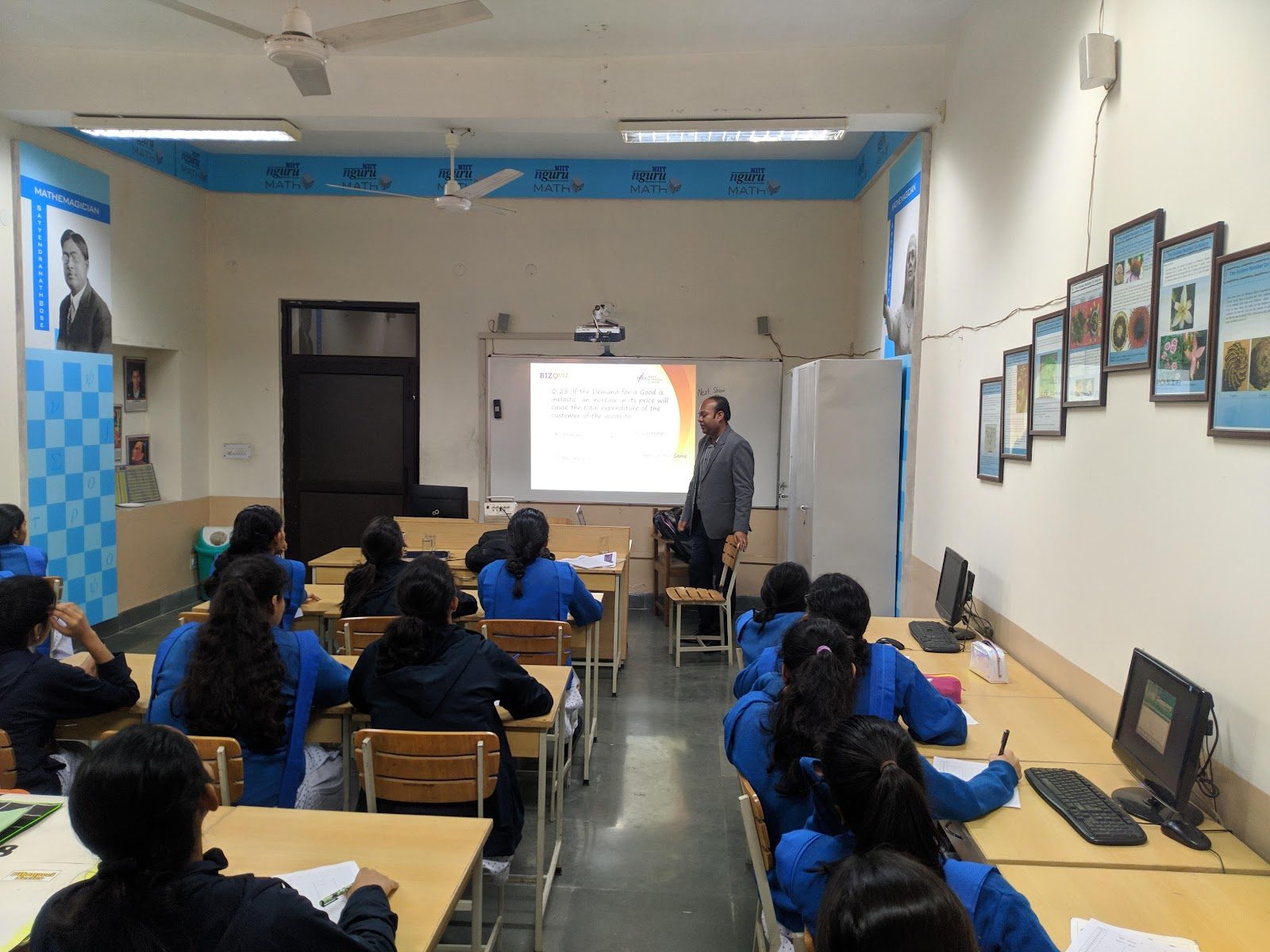
Welham Girls' School
Dehradun · India
Founded in 1957 as a bold counterpart to boys-only boarding, with bird-named houses and a legacy museum honoring the women who dared.
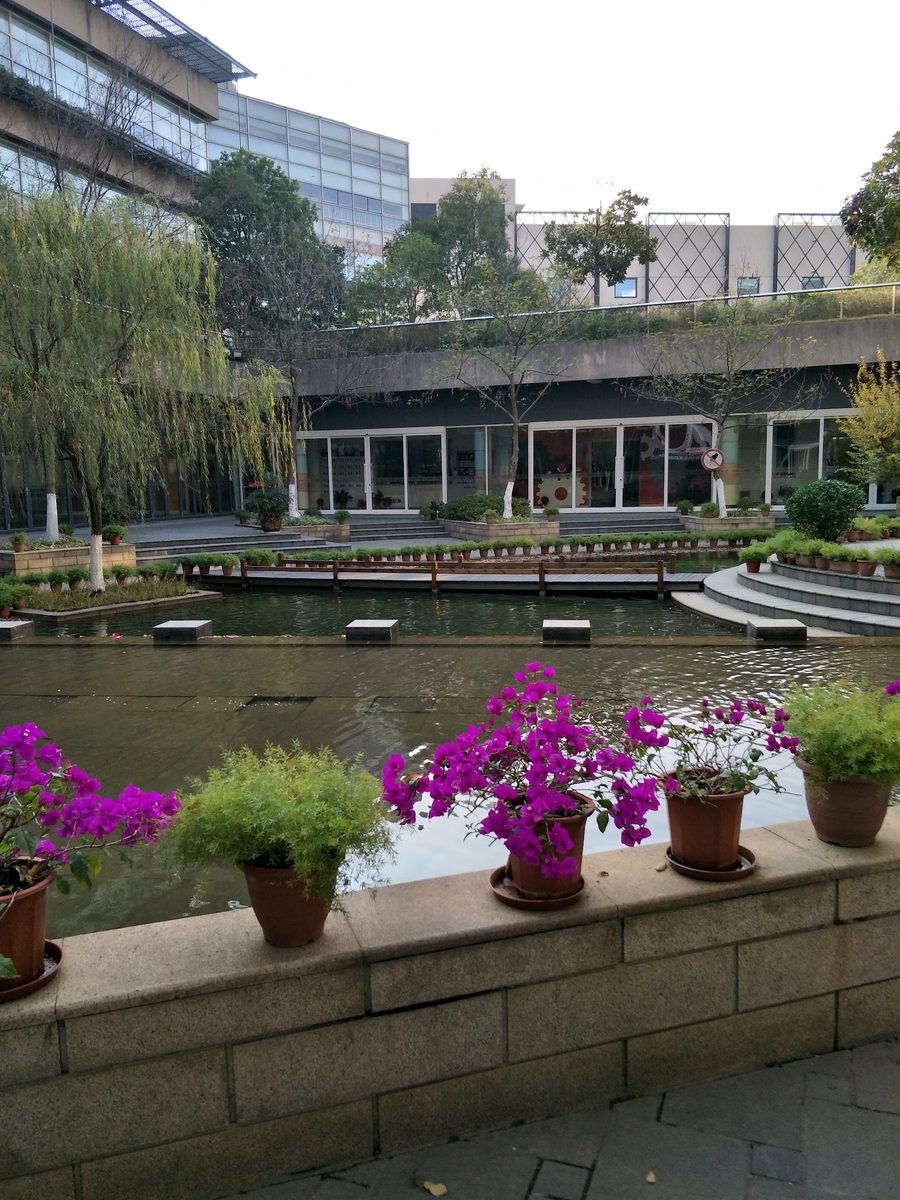
Shanghai Singapore International School
Shanghai · China
Singapore maths rigour anchors an IGCSE-to-IB pathway, threaded with banded Chinese immersion in Minhang's expatriate heartland.
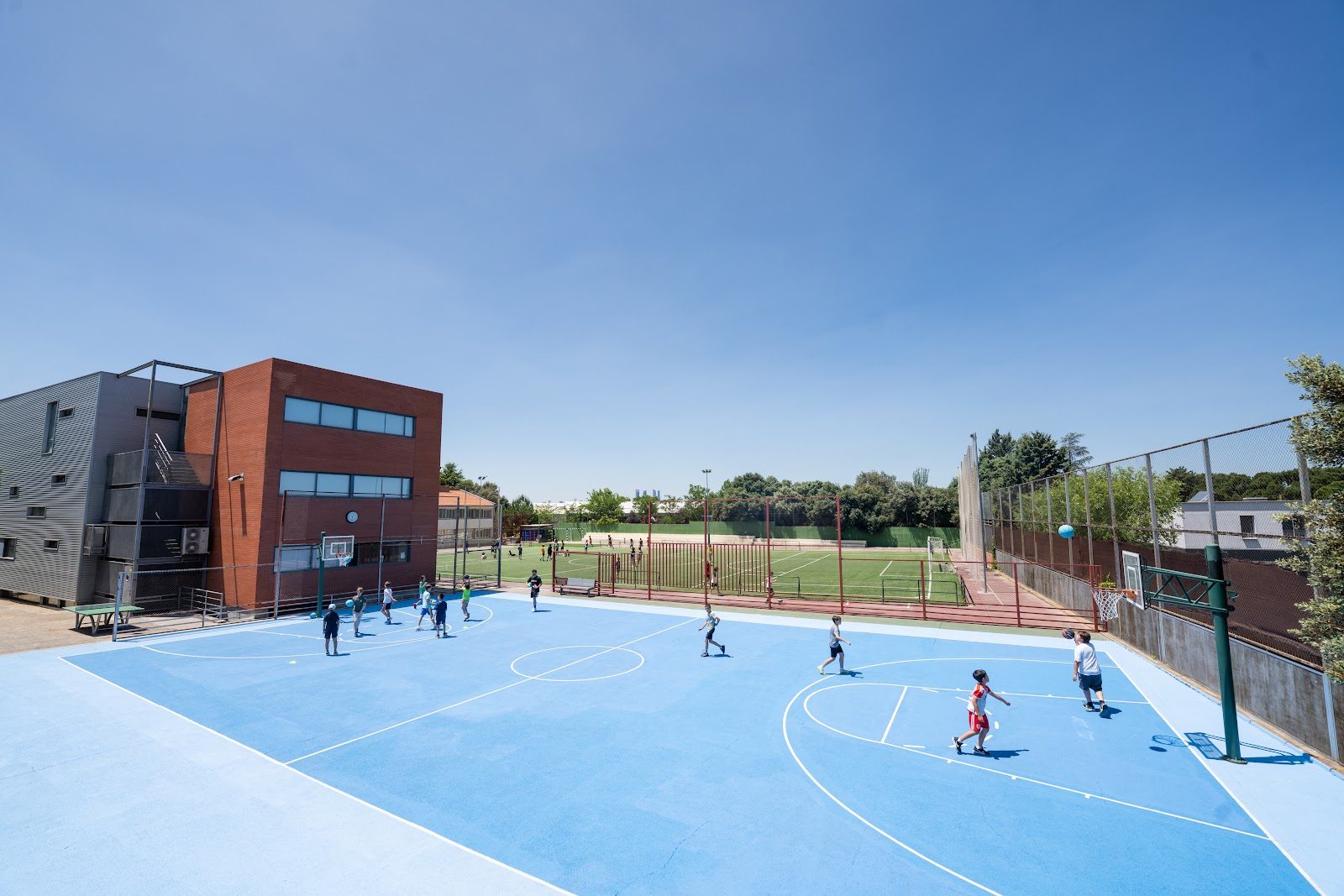
Colegio Base
Madrid · Spain
Rooted in the Institucion Libre de Ensenanza since 1962, this La Moraleja campus runs three Baccalaureate tracks under one roof.
Same country and curriculum — closest matches within ±10 points either way