
Poland
Państwowe Liceum Sztuk Plastycznych im. Jacka Malczewskiego, Częstochowa
New · 2026/27Type
Ages
—
Curriculum
—
Ratio
—
Ranking breakdown
Państwowe Liceum Sztuk Plastycznych im. Jacka Malczewskiego, Częstochowa · #1400 of 1591
Composite score 52.0. 8 weighted criteria.
By criterion
Academic Outcomes
Weight 20%
No data yet
1529 of 1591 scored
University Placement
Weight 16%
No data yet
1529 of 1591 scored
Prestige & Heritage
Weight 12%
No data yet
1571 of 1591 scored
Alumni Network
Weight 12%
No data yet
1530 of 1591 scored
Facilities
Weight 12%
No data yet
1533 of 1591 scored
Transparency & Communications
Weight 8%
No data yet
1532 of 1591 scored
Peer & Industry Review
Weight 10%
#524
of 1548 scored
Admissions Selectivity & Demand
Weight 8%
No data yet
1529 of 1591 scored
Peer & Industry Review
How Państwowe Liceum Sztuk Plastycznych im. Jacka Malczewskiego, Częstochowa is regarded in the sector
70
Respected · medium confidence
As a state-run Liceum Sztuk Plastycznych operating under Poland's Ministry of Culture and National Heritage, this Czestochowa school is judged mainly within the closed national network of roughly thirty comparable art lyceums rather than against mainstream academic schools. Its standing rests on the diploma's recognised equivalence to a first-year foundation course, which lets graduates apply directly into painting, graphics, conservation and design faculties at the Academies of Fine Arts in Krakow, Katowice, Warsaw and Wroclaw - the customary destination cited in regional education-authority materials for Czestochowa-area plastyczniak graduates. There is no coverage of the school in Anglophone comparators such as Good Schools Guide or WhichSchoolAdvisor, since these do not track Polish state vocational-artistic lyceums, and no mainstream Polish press league table (Perspektywy, Rzeczpospolita) ranks art lyceums alongside general liceums, so its reputation is transmitted almost entirely through word-of-mouth among regional art teachers, diploma-exam juries shared across the plastyczniak network, and Silesian cultural institutions rather than through published rankings or quoted head-teacher commentary.
Award
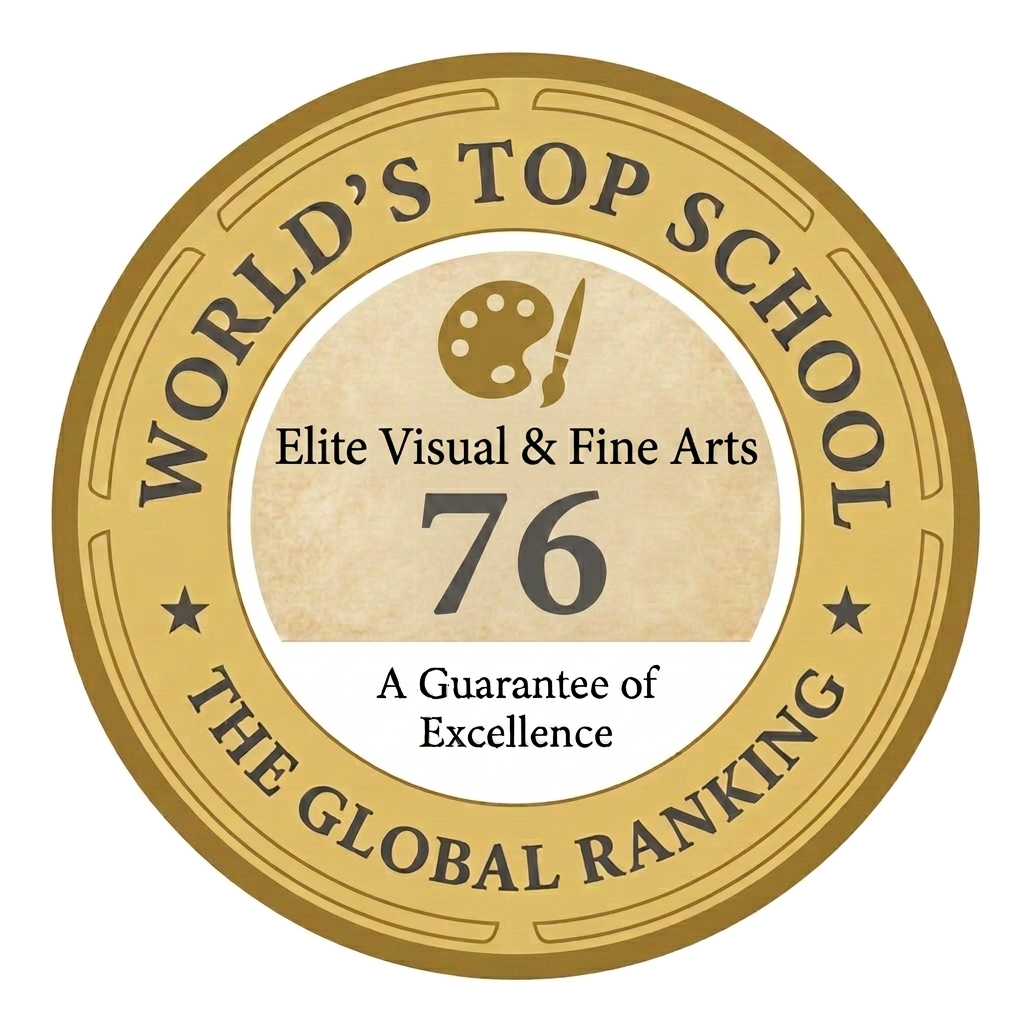
Elite Visual & Fine Arts 76
World's Top School · The Global Ranking
Państwowe Liceum Sztuk Plastycznych im. Jacka Malczewskiego, Częstochowa is featured on our Global Top 76 ranking at #69. This seal is available for the school's marketing team to use on their website, prospectus and social channels.
Editors' overview
Full editorial coverage forthcoming. This institution has been included in the 2026 Visual Arts & Fine Art audit on the strength of its specialist Fine Art pathway. A long-form editorial review — covering curriculum, faculty, graduate conversion, portfolio provision and international accessibility — will be published as editorial capacity allows. The rank position, country and international-access classification shown on the ranking page have been verified against the methodology.
An Elite Visual & Fine Arts 76 school
Panstwowe Liceum Sztuk Plastycznych im. Jacka Malczewskiego in Czestochowa, Poland, sits at rank sixty-nine on the Elite Visual & Fine Arts 76 on the strength of an unbroken eighty-year lineage as one of Poland's oldest state art schools. The school traces its founding to 1945 as the Wolna Akademia Sztuk Pietznych, and its most famous graduate, painter Jerzy Duda-Gracz, is considered one of the most distinctive Polish painters of the twentieth century, with works held in the Uffizi and the Vatican Museums.
The specialism here is applied and fine art craftsmanship delivered through five formal studio pathways: ceramics, jewelry and goldsmithing, computer graphics, mural, and multimedia, taught inside dedicated studio sections (pracownie) under the school's statute. The jewelry section holds particular historical weight as Poland's first dedicated goldsmithing programme, launched in 1955, and the school maintains direct academic partnerships with the fine art academies in Wroclaw (ceramics), Lodz (jewelry) and Katowice (graphic design) for curriculum oversight and diploma review. A 2014 school profile cited progression rates of 86 to 94 percent of graduates into art and university studies, including some abroad. Pupils exhibit diploma jewelry work at Poland's Amberif fair in Gdansk and the Jubinale event in Krakow.
Beyond Duda-Gracz, the school's own official history names a cluster of alumni working as practicing artists and academic professors, including Jerzy and Maciej Kedzior, Roman Lonty, Dariusz Pala, Marian Michalik, Zbigniew Sprycha, Andrzej Desperak, Adam Patrzyk, Andrzej Koss and Andrzej Glowacki, alongside the Setowski and Skolik artistic families cited at the school's eightieth anniversary.
International openness is limited and should be stated plainly: this is a free, publicly funded institution under Poland's Ministry of Culture and National Heritage, with instruction in Polish and no boarding house on site. Admission runs through a Polish-language skills exam in drawing, painting, sculptural composition and an oral art-knowledge interview, typically held in late May. Historic exchange activity has included over 560 students and 30 teachers through the Leonardo da Vinci programme since 2000, plus ongoing Erasmus+ mobility, but these are short placements rather than a reception structure for long-term overseas boarders. Non-EU families would need to arrange independent residency and a Polish student visa well outside the school's own systems. This is not a plug-and-play destination for an English-speaking family seeking an international art boarding school; it suits only families relocating fully to Czestochowa and committing a child to Polish-language study well in advance of the May entrance exams, with direct confirmation from the secretariat on current-year admission terms.
Academic Performance
The school follows the standard Polish liceum curriculum leading to the matura examination, but overlays it with a demanding programme of specialised artistic training characteristic of the Panstwowe Liceum Sztuk Plastycznych network. Pupils choose a plastic-arts specialisation, such as ceramics, exhibition design, weaving or photography, alongside academic subjects, and must complete a diploma project assessed by an external panel before graduation. The dual track means school days are longer than in a typical liceum, combining history, mathematics and languages with life drawing, art history, composition and workshop practice. Results in the specialised diploma are generally treated locally as a serious credential, useful for entry to fine-art academies and design faculties. Matura pass rates are not published in detail, but the school is understood regionally as academically solid rather than exceptional, its real strength lying in the depth and rigour of the artistic curriculum rather than in raw examination statistics.
Facilities
As a state-run specialised art school, the building houses dedicated studios and workshops rather than the sports infrastructure typical of general liceums. Facilities include spaces for painting, drawing, ceramics, textile or weaving work, exhibition design and photography, depending on which specialisations the school currently runs, along with kilns, print areas and display space for student exhibitions. Sports provision is modest and follows the standard state curriculum requirement rather than any particular athletic ambition. Science laboratories exist to cover the compulsory general subjects but are not the institution's focus. The premises are functional and workshop-oriented, reflecting the school's identity as a training ground for practising artists rather than a campus built around competitive facilities. Investment appears to have gone into materials, kilns and studio equipment rather than architecture, consistent with many provincial Polish art schools operating within older municipal buildings adapted for specialised use.
This institution has been included in the 2026 Visual Arts & Fine Art audit on the strength of its specialist Fine Art pathway
Prestige
The school takes its name from Jacek Malczewski, the major Polish Symbolist painter with strong regional ties, giving it a clear cultural reference point rather than an anonymous institutional identity. It belongs to the established Polish network of state secondary schools of fine arts (Panstwowe Liceum Sztuk Plastycznych), a system with roots going back to the postwar decades and a recognised role in training artists before higher education. Within Czestochowa and the wider region it is regarded as the principal pathway into art academies for talented teenagers, giving it a certain local standing among specialised schools rather than broad national fame. It is not a historic gymnasium with centuries of tradition, but a mid-twentieth-century specialised institution whose prestige rests on its naming, its selective entry process and its function as a recognised feeder into fine-art higher education rather than on wealth, size or international reputation.
The rank position, country and international-access classification shown on the ranking page have been verified against the methodology
Communications
Communication follows the pattern typical of Polish state schools: information for prospective pupils and their families is distributed through open days, entrance-exam announcements and printed or online notices rather than sophisticated marketing. Parents are kept informed through the standard electronic school register system used across Poland, supplemented by parent-teacher meetings and class information evenings. Public-facing communication centres on exhibitions of student work, diploma shows and participation in regional art competitions, which serve as the school's main visible interface with the wider community. There is no evidence of an elaborate press or alumni-relations operation; outreach is modest and locally oriented, aimed primarily at families in Czestochowa and the surrounding Silesian-region towns considering the school for a artistically inclined child rather than at a national or international audience.
Uniqueness
What distinguishes the school is its dual identity as both a general secondary school delivering the matura and a specialised art academy preparatory institution, a model unusual outside Poland's specific PLSP framework. Pupils graduate with two credentials: the standard matura and a diploma in a chosen plastic-art specialisation, judged by an external examination board, which gives school-leavers a portfolio and formal qualification before they even apply to art college. Its naming after Jacek Malczewski roots it explicitly in Polish Symbolist painting tradition, giving the institution a defined artistic lineage rather than a generic identity. Unlike ordinary liceums, its timetable, staff and physical spaces are organised around studio practice as much as classroom teaching, making it one of the more concentrated environments in the region for a student intent on a career in the visual arts.
Results in the specialised diploma are generally treated locally as a serious credential, useful for entry to fine-art academies and design faculties
Student Profile
Pupils are teenagers, generally from Czestochowa and the surrounding towns of the Silesian and Lesser Poland border region, who have shown artistic aptitude and chosen to pursue it formally rather than following a general academic liceum path. Entry typically requires passing a portfolio review and practical examination, so the intake is self-selected for drawing and design ability rather than academic scores alone. Backgrounds are mixed, spanning families of varied economic means, reflecting the school's public, tuition-free status within the Polish state system. Students tend to be committed rather than casually enrolled, given the extended hours required by combined academic and studio work, and many aim explicitly at continuing to fine-art or design faculties after graduation. The atmosphere is generally described as close-knit, workshop-based and practice-oriented, with a stronger emphasis on individual artistic development than on competitive academic ranking.
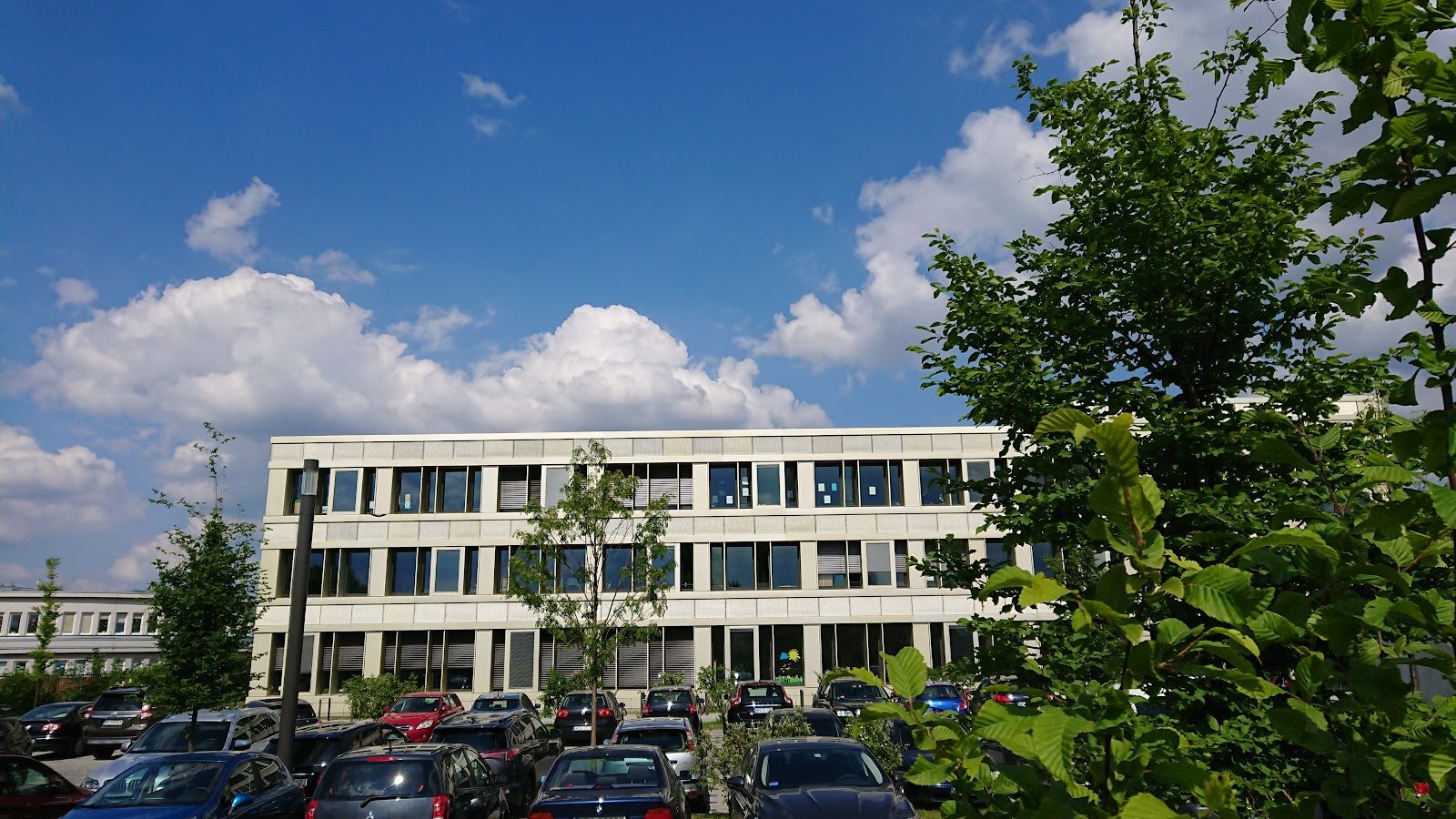
As a state-run specialised art school, the building houses dedicated studios and workshops rather than the sports infrastructure typical of general liceums
Co-curricular strengths
Arts & sport, on a separate axis
Overall 5.68/10
Scored 0-10 from the school's own published evidence. This axis is editorial-only — it does not feed the main WTS ranking.
Sports
4.5/10
Drama
5/10
Dance
4.5/10
Music
5/10
Visual Arts
9.4/10
Parent reviews
Have you sent your child here?
Voice reviews carry the strongest trust badge — we transcribe them for you to tidy up before they go live. Prefer to type? A written review is fine too.
Add your voice
In 60 seconds, tell other parents: what's the best thing about Państwowe Liceum Sztuk Plastycznych im. Jacka Malczewskiego, Częstochowa, and what surprised you when your child joined?
We ask for a Google sign-in so every review has a real face behind it — no anonymous drive-by attacks on schools, and no faked positive reviews. Your email is never shown publicly.
Send this profile to a friend
International parents rely on word-of-mouth. Share this review with someone weighing the same decision.
Schools with places
Similar schools to Państwowe Liceum Sztuk Plastycznych im. Jacka Malczewskiego, Częstochowa with places available now.
Availability first, then country, area, curriculum, price, co-curricular
Consider also
Also worth looking at alongside Państwowe Liceum Sztuk Plastycznych im. Jacka Malczewskiego, Częstochowa.
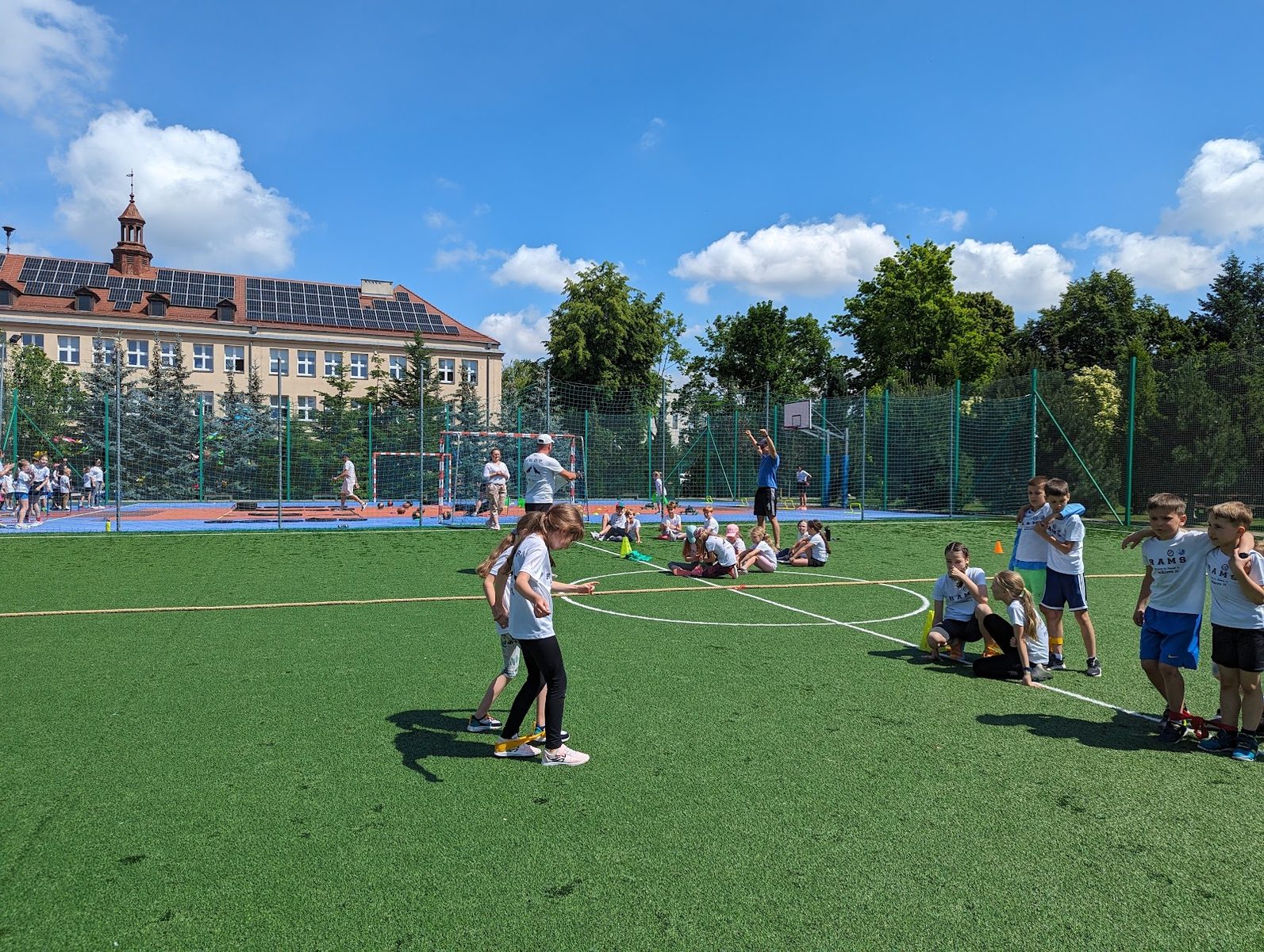
International School of Poznań
Poznań · Poland
Poznan's original IB Diploma authorization, now closing in on a full PYP-MYP-DP continuum via its own induction year for newcomers.
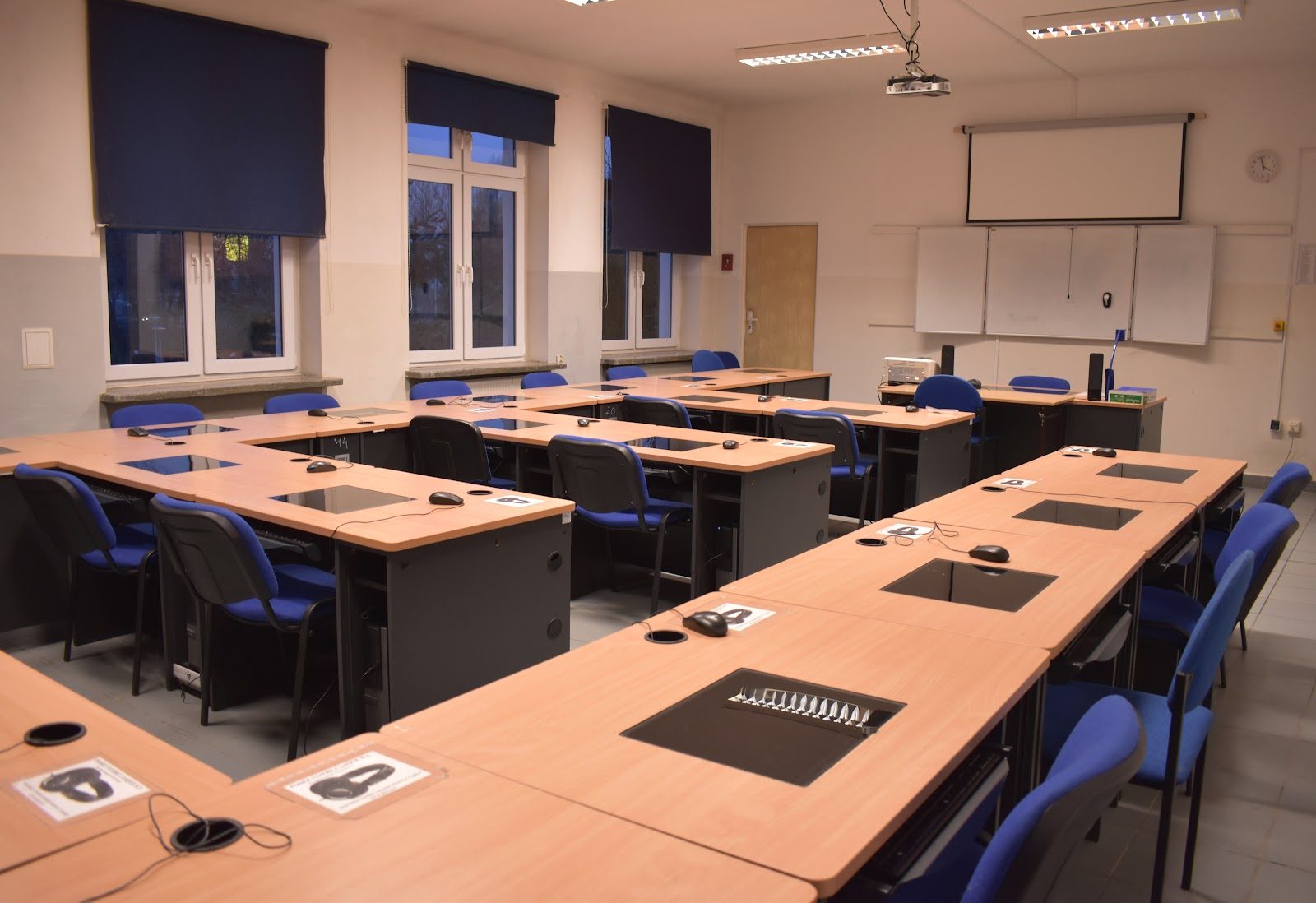
Lycée Français de Varsovie
Warsaw · Poland
Founded in 1919 as a diplomatic bridge between Paris and a newly independent Poland, its Baccalaureate classrooms still run on trilingual rigor.
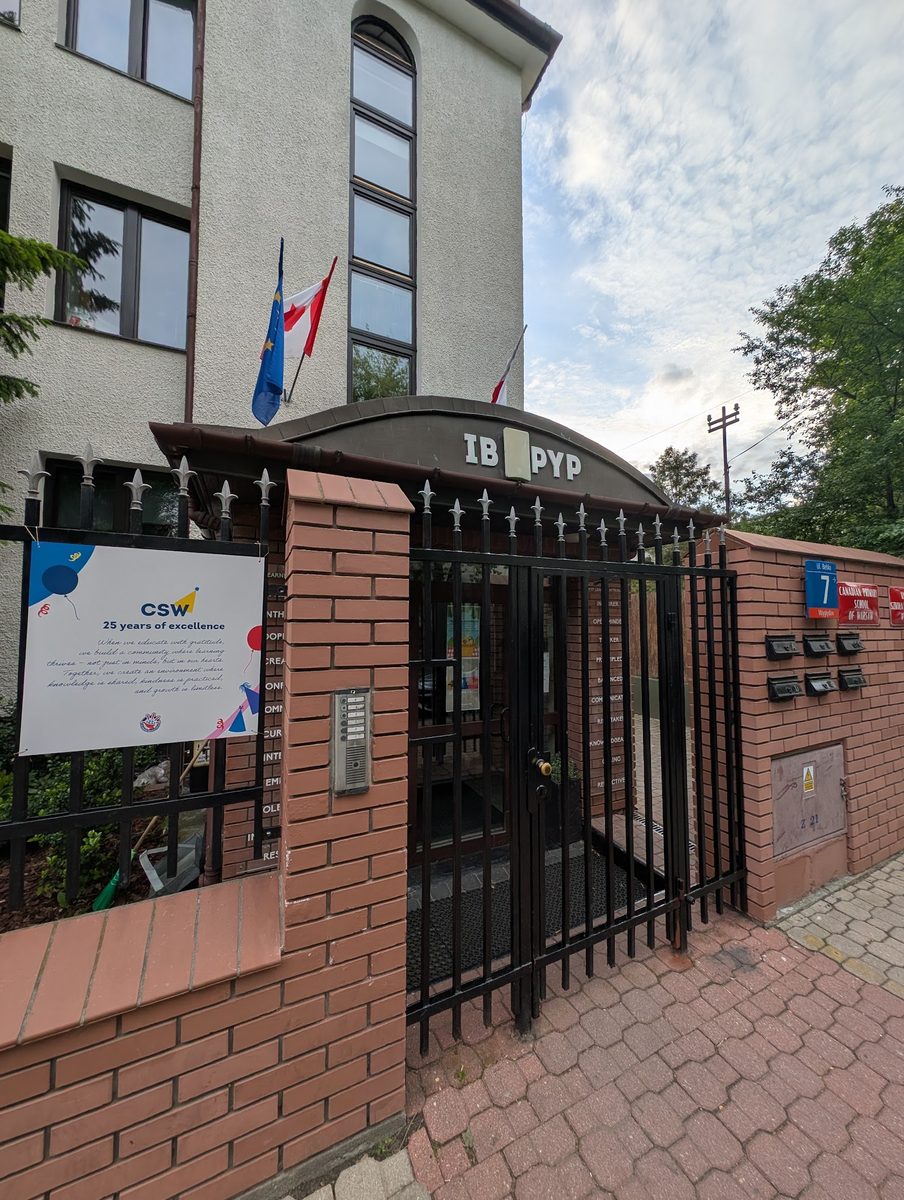
Canadian School of Warsaw
Warsaw · Poland
In Warsaw's Mokotow district, a Canadian-founded IB Primary Years school pairs Polish curriculum rigor with English-Polish-French fluency.
Willy Brandt German School
Warsaw · Poland
Poland's only German Auslandsschule, pairing Abitur rigor with a namesake built on Cold War reconciliation
Same country and curriculum — closest matches within ±10 points either way