
Hong Kong
Rebuilt after wartime requisition as a hospital, this Kowloon City boys' school still runs on Lasallian discipline and DSE top-scorers.
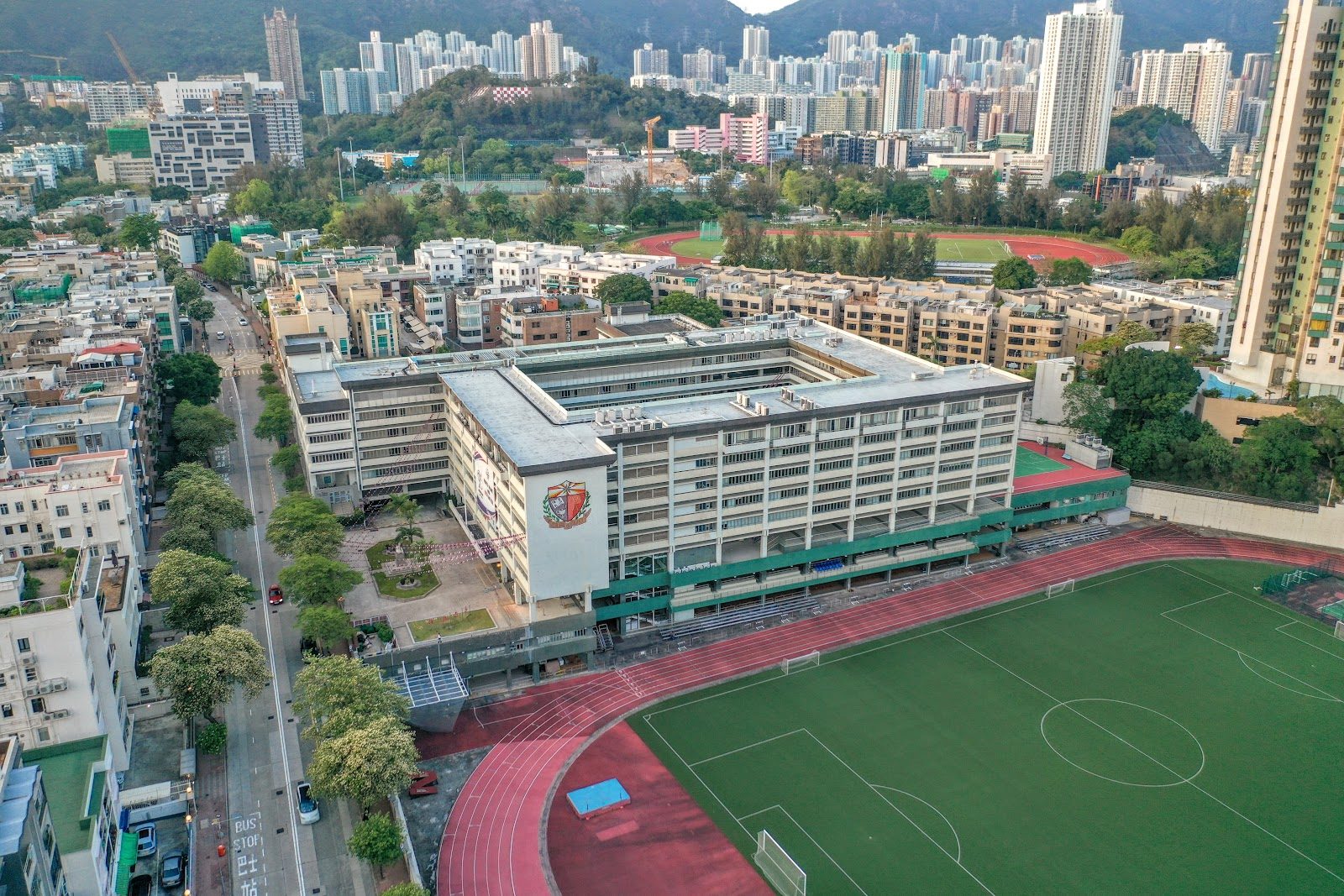
Photo © Paul Liu via Google Maps
Type
Day
Ages
5–18
Curriculum
Hong Kong DSE
Ratio
18:1
The Verdict
Editor's commitment
Right for
Boys who can handle a 36-pupil class and want an English-medium DSE school with Lasallian order in Kowloon City.
Wrong for
Families wanting co-education, boarding, or a secular ethos: La Salle is boys-only, day-only, founded in 1932 in the Catholic Lasallian tradition.
Watch out for
An 18:1 student-teacher ratio and 5–18 age span mean scale, not intimacy; discipline and pace will not bend around every child.
Ranking breakdown
La Salle College · #92 of 1591
Composite score 78.0. 8 weighted criteria.
By criterion
Academic Outcomes
Weight 20%
#66
of 1529 scored
University Placement
Weight 16%
#104
of 1529 scored
Prestige & Heritage
Weight 12%
#135
of 1571 scored
Alumni Network
Weight 12%
#101
of 1530 scored
Facilities
Weight 12%
#654
of 1534 scored
Transparency & Communications
Weight 8%
#254
of 1532 scored
Peer & Industry Review
Weight 10%
#205
of 1548 scored
Admissions Selectivity & Demand
Weight 8%
#93
of 1529 scored
Peer & Industry Review
How La Salle College is regarded in the sector
46
Credible · low confidence
La Salle College carries genuine prestige within Hong Kong's local school system, with Wikipedia and multiple local education aggregators noting it is regarded as one of the territory's more prestigious institutions and a consistent producer of top HKDSE scorers, alongside a long roll of high-profile alumni including a former Financial Secretary and Bruce Lee. It does not, however, feature in the international-facing sector press that this guide's primary benchmarks track: neither WhichSchoolAdvisor nor the Good Schools Guide's Hong Kong coverage profiles it, since both focus on the international-curriculum schools favoured by expat families rather than English-medium government-aided Chinese schools like this one. The Good Schools Guide's own regional overview explicitly frames local schools such as this as a separate, harder-to-navigate track for newcomers rather than part of its reviewed international set. As a result, its standing among international sector commentators and the expat parent community is essentially untested, even though its reputation among Hong Kong families and peer local schools is well established.
Evidence sources
Award
Elite Computing & AI 60
World's Top School · The Global Ranking
La Salle College is featured on our Global Top 60 ranking at #51. This seal is available for the school's marketing team to use on their website, prospectus and social channels.
Editors' overview
La Salle College sits in the top tier of Hong Kong boys’ day schools: old, selective, academically serious, and unapologetically traditional. Founded in 1932 and rebuilt after major post-war and later campus changes, it carries institutional weight that newer schools cannot copy. The school runs in English, follows the Hong Kong DSE, and has a long public association with top-scorers in local examinations. Parents shortlist La Salle for three reasons: hard academic ambition, discipline with teeth, and the cachet of a school whose name still carries force across Hong Kong.
What sets it apart is not novelty but continuity. This is a Lasallian school with a strong corporate identity, a large extracurricular machine, and a campus designed to keep boys busy. The school publishes a dense structure of teams, clubs, pastoral systems, reports and regulations; that matters, because it points to a school that is tightly run rather than loosely aspirational. The sports, music, STEAM and cultural offer looks extensive, and the campus has been expanded more than once to support that breadth. With a student-teacher ratio of 18:1 and average class size of 36, this is not boutique education. It is a big, high-pressure, high-output environment built for boys who can hold their own in a competitive peer group. *Brotherhood, pressure, competition, output* — that is the real proposition.
Parents should keep two truths in view. First, La Salle is a prize for boys who thrive on benchmarked success, visible standards and institutional discipline. Second, it will not suit every child. A boy who needs constant individual hand-holding, a softer pastoral culture, or a less hierarchical atmosphere will find stronger fits elsewhere. The student who wants La Salle is bright, resilient, self-motivated and comfortable being measured against other able boys every day. He will value status earned the hard way, strong team culture, and a school life with momentum from morning to afternoon. For that child, La Salle belongs on any serious shortlist.
An Elite Computing & AI 60 school
La Salle College, in Kowloon City, Hong Kong, sits at rank fifty-one on the Elite Computing & AI 60 on the strength of a repeatable pipeline into the International Olympiad in Informatics. At IOI 2021, Xie Lingrui of La Salle College won a silver medal; at IOI 2024, Choy Tsz-chai of La Salle College received the honourable mention; and at IOI 2025, Choy Tsz-chai Berton of La Salle College won a bronze medal - two students, three competition years, one school.
The specialism is a long-running competitive-programming culture, not a bolted-on AI elective. Training runs through the Hong Kong Olympiad in Informatics, which serves as a preliminary contest to competitions such as the National Olympiad in Informatics and the International Olympiad in Informatics, and La Salle has won the Hong Kong Computer Olympiad school championship four times, a record in the academic field. Formal computing otherwise sits inside the standard DSE Information and Communication Technology subject at a school that uses English as the major medium of instruction; there is no published separate machine-learning, cryptography or systems course, and no identifiable named head of a standalone CS department. The HKOI-to-IOI track is the real differentiator, not the exam-board curriculum.
Notable names in the computing sense are the Olympiad representatives themselves: Xie Lingrui and Choy Tsz-chai Berton carry the school's verifiable computing reputation, alongside its record run of Hong Kong Computer Olympiad school-championship wins. Named alumni in technology careers beyond school-level competition are still emerging in the public record.
International openness is limited, and families should know this plainly. La Salle is one of the 22 subsidized schools of the Hong Kong Subsidized Schools Council, an Aided, Boys secondary school located at Kowloon City teaching the DSE curriculum in English, with no boarding. Admission runs mainly through Hong Kong's central allocation process, though Non-Chinese-Speaking pupils are eligible to study French and follow a modified Chinese curriculum toward the DELF, while still needing a pass in a recognized Chinese examination such as GCSE or IGCSE Chinese for local university admission. As a subsidized school it is effectively tuition-free, unlike private or international-school fee levels, but there is no visa-sponsorship or residential infrastructure for relocating families. Recommendation: La Salle suits families already resident in, or relocating well ahead of Form 1 entry to, Hong Kong who want a son inside a genuine competitive-programming culture within the DSE system - not a family moving from abroad purely for an AI education.
Academic Performance
La Salle’s public reputation in Hong Kong rests heavily on examination performance, and that reputation is earned. The school itself gives enough prominence to annual DSE result announcements to confirm that outcomes matter institutionally, while Wikipedia’s summary points to a steady pattern of public-exam top scorers. In Hong Kong terms, that places La Salle in the elite academic bracket: not a school trading on heritage alone, but one expected to convert able intake into hard results. Parents comparing the old-guard boys’ schools will read La Salle as a serious examination machine, with the peer pressure, staff oversight and internal competition that model requires.
What is missing is the aggregate data that would let families judge the scale of that success with precision. The school does not publish a clear public dashboard for cohort-wide DSE performance in the source excerpt here: no headline share at Level 5**, no university destination table, no subject-by-subject breakdown, no multi-year trend line. That opacity matters. It does not erase the school’s standing, but it does force parents to rely more on long-run reputation than on clean, comparable evidence. Relative to peers, La Salle sits with Hong Kong’s high-output, high-stakes academic incumbents; relative to the best-run schools on disclosure, it is less transparent than it should be.
Facilities
The campus matters here because La Salle runs as a full-scale institutional machine, not a pared-back academic shopfront. The school’s own account points to a site rebuilt and then expanded with additional wings, and that history still shows in the breadth of provision. Parents should pay attention to the dedicated strands for STEAM, sports, music, cultural teams, visual arts, drama, speech, service learning and e-learning. That list is not decorative. It indicates specialist spaces robust enough to support regular competition, rehearsals, project work and club life across a large student body. The virtual campus tour, underground access, administrative wing and named community spaces also point to a campus planned for circulation, supervision and constant use rather than charm. This is a busy, disciplined, hard-working physical environment.
Against Hong Kong peer schools in the same bracket, La Salle’s facilities read as broad rather than lavish. You get range, structure and clear operational purpose; you do not get the architectural grandstanding or resort-campus gloss found in wealthier international schools. Among established local boys’ schools, that is the right comparison anyway. What counts is whether the campus can sustain a serious timetable and a dense extracurricular load. On that measure, La Salle is strong. The weak point is detail: the school does not publish the kind of crisp public inventory that would let parents judge the science labs, performance spaces or sports infrastructure with precision. So the verdict is clear enough: *substantial, high-usage, institutionally driven* facilities, short on disclosure and long on function.
La Salle College sits in the top tier of Hong Kong boys’ day schools: old, selective, academically serious, and unapologetically traditional
Prestige
La Salle carries serious social and academic prestige in Hong Kong. The name has weight well beyond its gates: among parents, universities and old boys’ networks, it signals a boy who has survived a hard-edged, competitive education and done so in company that is equally able. Prestige here does not rest on glossy international-school theatre. It rests on scarcity of access, a long record of public-exam distinction, and the cultural force of one of the territory’s established boys’ schools. The school’s own site leans heavily into heritage, structure and institutional identity; that reinforces the point. La Salle trades on earned status, not informality or charm.
Why rate it this highly? First, the school occupies a durable place in Hong Kong’s hierarchy of selective boys’ schools, and that hierarchy still matters. Second, its Lasallian identity gives it a clear moral and disciplinary frame, which many families read as a mark of seriousness rather than ornament. Third, the scale of its organised life matters: a pupil enters not a small boutique campus but a full-scale institutional machine with teams, clubs, reports, regulations and alumni gravity behind it. The weak point is disclosure. Prestige remains undeniable; transparency does not. Families get the brand value, the peer quality and the network effects. They do not get enough clean published data to test the school’s claims against competitors. That gap stops La Salle from earning unqualified praise.
La Salle’s distinctiveness lies in the way it fuses old Catholic institutional culture with the tempo of a top Hong Kong boys’ school
Communications
La Salle communicates with parents in the way old, tightly run schools do: through formal channels, frequent notices and a strong emphasis on rules, calendar discipline and institutional process. The public-facing structure is extensive. Parents get a weekly bulletin, school calendar, news updates, admissions pages, a complaint policy, school reports, PTA presence, student regulations and a long menu of administrative documents. That breadth matters. It tells families where the school’s priorities sit: order, compliance and continuity before warmth or hand-holding. For many parents, that works well. If you want a school that documents expectations, publishes procedures and keeps the machinery visible, La Salle is reassuringly controlled. If you want conversational, parent-friendly communication with generous explanation and a softer tone, this is a harder-edged proposition.
Effectiveness is strong on structure and weaker on clarity of outcome. The school plainly knows how to circulate information at scale across a large community with classes averaging 36 and a student-teacher ratio of 18:1. The site map alone shows a substantial administrative apparatus. Parents can track events, policies and school life without much ambiguity about who runs what. The limitation is that communication here is more institutional than interpretive. La Salle publishes systems, but not enough distilled analysis in the areas parents care about most, especially academic results in aggregate. So the verdict is clear: efficient, disciplined, sometimes opaque. Families get the rules and the rhythm. They do not always get the cleanest read on performance.
Uniqueness
La Salle’s distinctiveness lies in the way it fuses old Catholic institutional culture with the tempo of a top Hong Kong boys’ school. Many schools claim community; La Salle organises it. The house style is visible in the school’s own architecture of control and belonging: pastoral systems, club rules, laboratory conduct codes, online-learning regulations, student association structures, weekly bulletins, and a documentary language built around faith, service and brotherhood. That creates a school with a thick internal culture, not a loose collection of lessons and activities. For students, the gain is obvious: a strong sense of membership, clear expectations, and the habit of operating inside a disciplined collective. The cost is obvious too. Boys who resist hierarchy or resent supervision will find it constraining.
The other part of La Salle’s uniqueness is scale with direction. This is not a school where extracurricular life sits at the edges. STEAM, sports, music, cultural teams, service learning and exchange all sit inside the main institutional engine, backed by an average class size of 36 and a student-teacher ratio of 18:1 that point to a large-format, high-pressure environment. Students benefit from deep peer competition, visible role models and the momentum that comes from joining teams and societies with real continuity. They also learn to stand their ground in a school that prizes stamina as much as talent. La Salle does not coddle. It trains boys to function under scrutiny, to attach personal ambition to collective identity, and to carry themselves with the confidence that old, exacting schools still know how to instil.
The school runs in English, follows the Hong Kong DSE, and has a long public association with top-scorers in local examinations
Student Profile
The La Salle boy is not a generalist drifter. He is academically strong, competitive, and comfortable in a school where standards are public and comparison is constant. He can absorb structure without taking it as a personal insult. He does not need adults to translate every expectation into emotional reassurance. In classes averaging 36, quieter boys need enough backbone to avoid being crowded out; more extrovert boys need enough discipline to avoid wasting the school’s opportunities. The best fit is a student who likes being surrounded by able peers, responds to pressure with effort, and takes real satisfaction from measurable achievement. This is a high-voltage, status-conscious environment. Boys who enjoy earning their place thrive here.
Temperament matters as much as raw ability. A good La Salle student will join things, not merely attend lessons: teams, clubs, service, performances, competitions, the whole institutional circuit. He will value brotherhood with bite rather than cosy pastoralism. He can handle rules, hierarchy and scrutiny without constant friction. Families should be blunt with themselves about that. A boy who needs intensive individual attention, softer adult handling, or a more relaxed social culture will feel boxed in and under pressure. A boy with resilience, self-command and appetite for challenge will find momentum, pride and a strong sense of belonging inside a school that still expects boys to grow up the hard way.
The other part of La Salle’s uniqueness is scale with direction
Co-curricular strengths
Arts & sport, on a separate axis
Overall 7.06/10
Scored 0-10 from the school's own published evidence. This axis is editorial-only — it does not feed the main WTS ranking.
Sports
8.8/10
Drama
6/10
Dance
4.5/10
Music
8.2/10
Visual Arts
7.8/10
WTS 300 badge
La Salle College is one of the World's Top 300 Schools. Claim your listing to add it to your site →
Strengths
- +Founded in 1932 by the De La Salle Brothers, making it one of Hong Kong's longest-established Catholic secondary schools with a well-documented institutional history.
- +As a government Aided (Grant) school under the Hong Kong Subsidized Schools Council, tuition is publicly subsidised rather than charged as private-school fees.
- +Operates a direct feeder link with La Salle Primary School, which supplies the majority of places at the Central Allocation stage, giving continuity for families already in the system.
- +Offers over 50 clubs and activity groups spanning debate, mathematics, sport and the arts, supporting a broad co-curricular programme alongside DSE academics.
- +Long-standing alumni network through the La Salle College Old Boys' Association, active since 1939, which supports current students and school activities.
Considerations
- −Single-sex boys' school, so it is not an option for families seeking co-education.
- −Instruction and assessment lead to the Hong Kong DSE, an internationally less portable qualification than IB or A-levels for families planning to relocate again.
- −Entry is largely governed by the competitive, quota-based Secondary School Places Allocation (SSPA) system, with only 30% of Form 1 places available as Discretionary Places and non-feeder applicants competing for a minority of seats.
- −Estimated academic banding places it in the upper-middle tier of Hong Kong schools (Band 1B-1A) rather than among the very top-ranked DSE schools territory-wide.
Availability
Primary entry gate & tests
HK Central Allocation / Exam
Gallery
Photo © Paul Liu via Google Maps
Photo © Cyrus Lam via Google Maps
Photo © Account Temp via Google Maps
Photo © Mandy Mok via Google Maps
Photo © Texpo Tang (TexpoKOALA) via Google Maps
Photo © Texpo Tang (TexpoKOALA) via Google Maps
Photo © Texpo Tang (TexpoKOALA) via Google Maps
Photo © Paul Liu via Google Maps
Photo © Simon Chau via Google Maps
Parent reviews
Have you sent your child here?
Voice reviews carry the strongest trust badge — we transcribe them for you to tidy up before they go live. Prefer to type? A written review is fine too.
Add your voice
In 60 seconds, tell other parents: what's the best thing about La Salle College, and what surprised you when your child joined?
We ask for a Google sign-in so every review has a real face behind it — no anonymous drive-by attacks on schools, and no faked positive reviews. Your email is never shown publicly.
Send this profile to a friend
International parents rely on word-of-mouth. Share this review with someone weighing the same decision.
Schools with places
Similar schools to La Salle College with places available now.
Chinese International School
Hong Kong · Hong Kong
- 2026-27
- CLOSEDStandard route
- 2027-28
- PLACES OPENReception Active; Sec. opens 1 Sept
Hong Kong International School
Hong Kong · Hong Kong
- 2026-27
- WAITPOOLVacancy-dependent
- 2027-28
- PLACES OPENPriority 1 Oct/1 Nov
Diocesan Boys' School
Hong Kong · Hong Kong
- 2026-27
- CLOSEDStandard route
- 2027-28
- OPENS SOONExpected late Oct '26
St. Paul's Co-educational College
Hong Kong · Hong Kong
- 2026-27
- CLOSEDStandard route
- 2027-28
- OPENS SOONExpected late Oct '26
Availability first, then country, area, curriculum, price, co-curricular
Consider also
Also worth looking at alongside La Salle College.
Chinese International School
Hong Kong · Hong Kong
Equal parts English and Mandarin from day one, capped by a mandatory immersion year in Hangzhou before the IB Diploma.
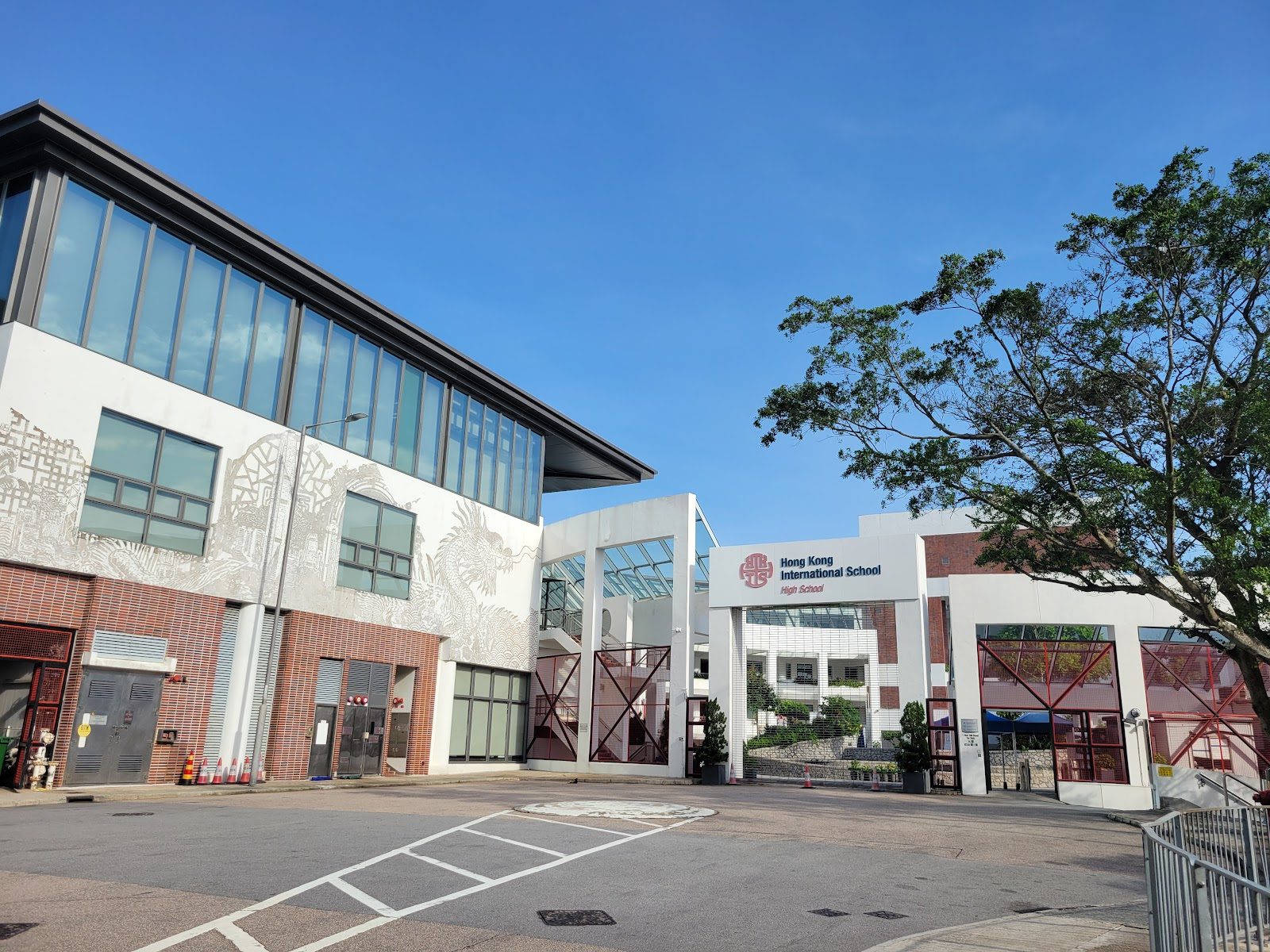
Hong Kong International School
Hong Kong · Hong Kong
Since 1966, an American-style curriculum with Lutheran roots spans two Hong Kong Island campuses framed by mountains and Tai Tam Bay.
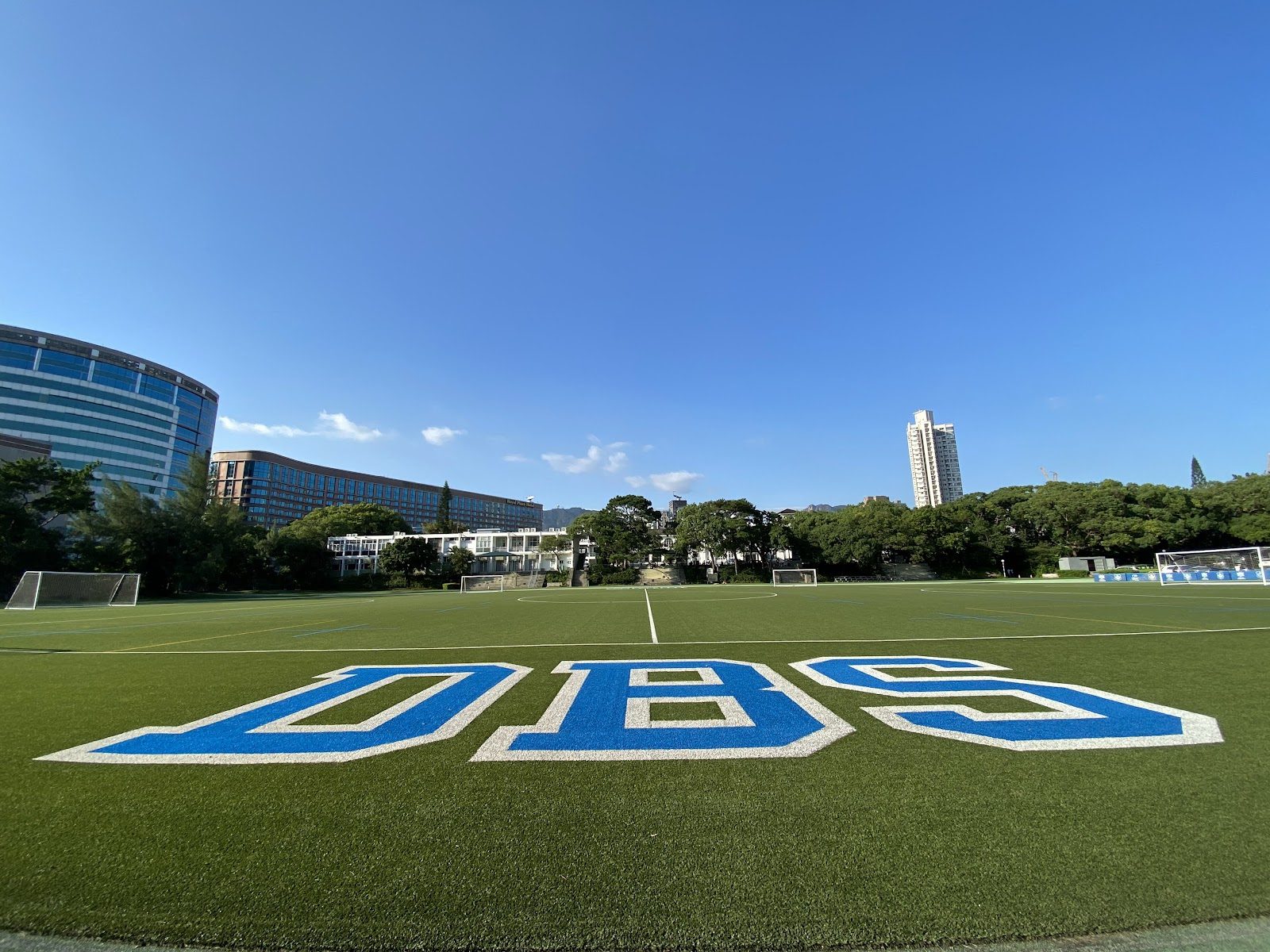
Diocesan Boys' School
Hong Kong · Hong Kong
Founded in 1869 on Kadoorie Hill, this Anglican foundation runs parallel IB and HKDSE tracks around a rare full-size sports field in Kowloon.
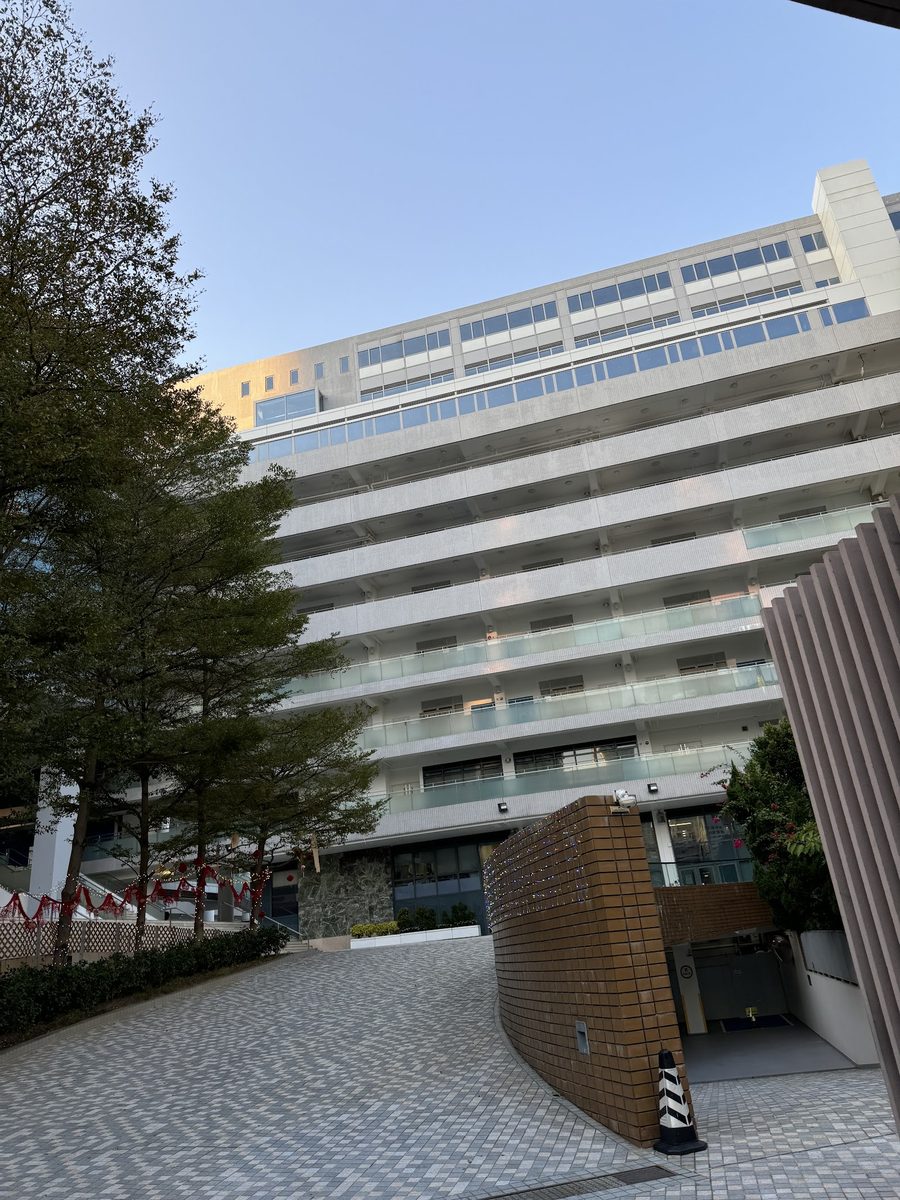
Diocesan Girls' School
Hong Kong · Hong Kong
Since 1860, this Kowloon institution has topped Hong Kong's Outstanding Student Awards tally for decades.
Same country and curriculum — closest matches within ±10 points either way