
New York
In Lake Placid's Olympic village, a college-prep campus that has sent an alumnus to every Winter Games since 1964.
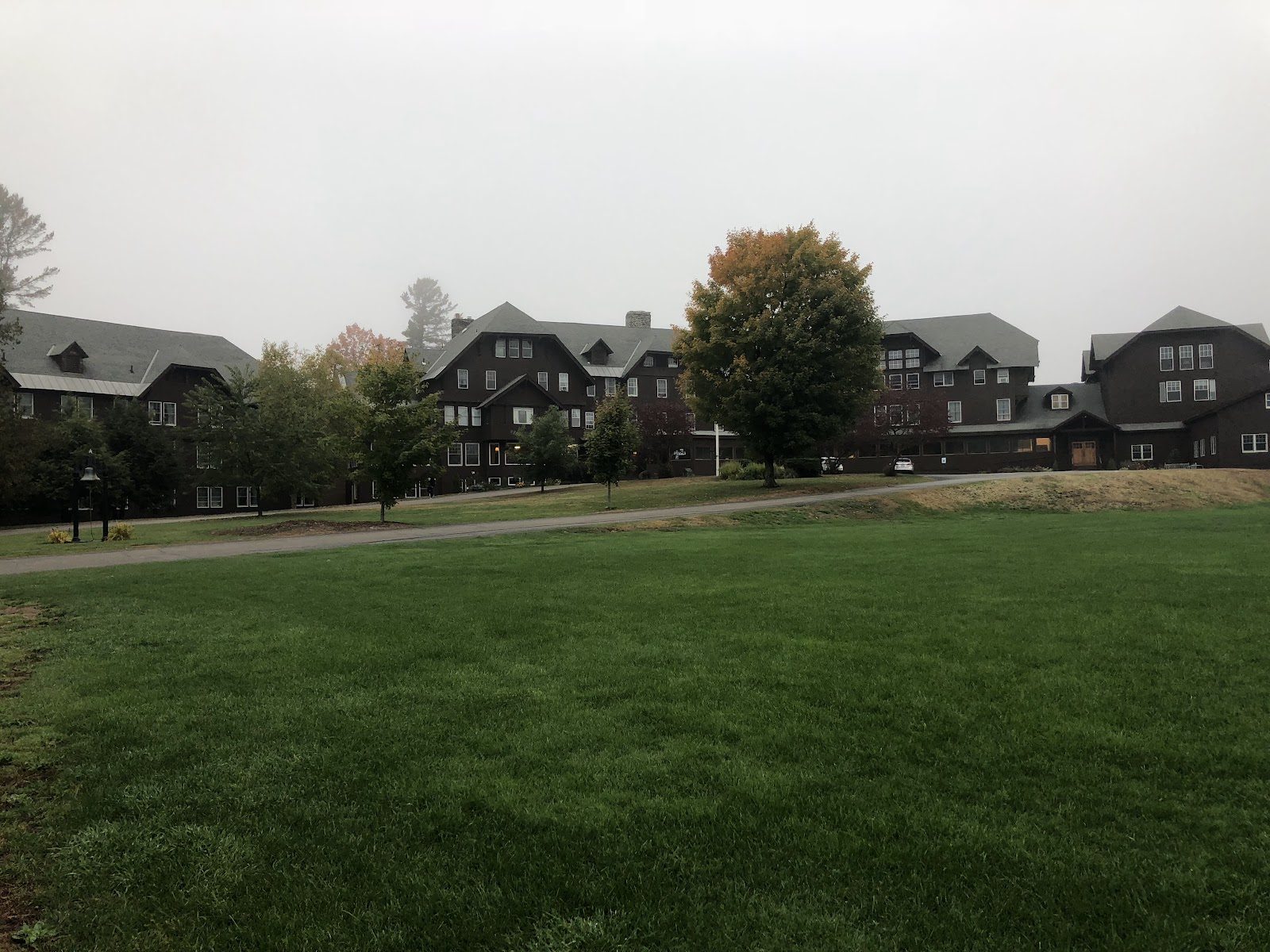
Photo © Yury Bardunaev via Google Maps
Type
Boarding + Day
Ages
14–19
Curriculum
US High School Diploma · Advanced Placement
Ratio
6:1
The Verdict
Editor's commitment
Right for
Serious winter athletes who want a boarding-and-day school in Lake Placid, with a 1:5 ratio and AP alongside the US diploma.
Wrong for
Families wanting breadth over focus: Northwood serves ages 14–19, teaches in English, and runs a compact programme with 12 average class size.
Watch out for
NEASC accreditation is solid, but the public case rests on setting and sport; the school does not publish headline academic outcomes here.
Ranking breakdown
Northwood School · #1387 of 1591
Composite score 52.1. 8 weighted criteria.
By criterion
Academic Outcomes
Weight 20%
#1486
of 1529 scored
University Placement
Weight 16%
#1371
of 1529 scored
Prestige & Heritage
Weight 12%
#1320
of 1529 scored
Alumni Network
Weight 12%
#1131
of 1529 scored
Facilities
Weight 12%
#1120
of 1529 scored
Transparency & Communications
Weight 8%
#1436
of 1529 scored
Peer & Industry Review
Weight 10%
#255
of 1529 scored
Admissions Selectivity & Demand
Weight 8%
#1520
of 1529 scored
Peer & Industry Review
How Northwood School is regarded in the sector
76
Strong · medium confidence
Northwood School is best known within the small-boarding-school world for its Olympic-caliber winter sports pipeline, anchored by proximity to the Lake Placid Olympic Training Center, which distinguishes it among peer New England-style boarding schools more for athletic pedigree than academic league-table prestige. It is not a fixture in the marquee US boarding school rankings (Andover, Exeter, Groton tier) that dominate independent education press coverage such as Niche or Boarding School Review's top-tier lists, but it is consistently cited in specialist hockey and skiing recruitment circles, junior hockey scouting networks (USHL, NCAA Division I coaches), and figure skating/biathlon federations as a legitimate feeder for college athletic programs and national team pipelines. Its graduates matriculate to a mix of NESCAC and Division I/III colleges, with athletic recruitment often driving admissions officer interest more than academic profile. Coverage in mainstream outlets like the Good Schools Guide or WhichSchoolAdvisor is minimal or absent, reflecting its niche positioning rather than broad elite-prep-school recognition; its reputation is built primarily through athletic conference visibility, alumni success in college and Olympic sport, and word-of-mouth among coaches rather than academic peer benchmarking.
Award

Elite Sport 80
World's Top School · The Global Ranking
Northwood School is featured on our Global Top 80 ranking at #64. This seal is available for the school's marketing team to use on their website, prospectus and social channels.
- Bill Guerin — NHL player and General Manager, ice hockey
- Anders Lee — NHL player, captain of New York Islanders, ice hockey
- Erik Cole — NHL player, ice hockey
Editors' overview
Northwood School sells a clear proposition: serious college-prep in a town built around winter sport. In Lake Placid, that matters. This is not a generic American boarding school with a ski programme bolted on. It is a boarding and day school for ages 14–19 where the US High School Diploma and Advanced Placement sit alongside a culture shaped by Olympic training, ice time and mountain access. The headline numbers are strong: a 1:5 student–teacher ratio and average classes of 12 give Northwood the scale to know its pupils properly. For families who want close adult attention, a campus with competitive edge and *a life organised around training as much as study*, that combination has force.
What puts Northwood on a shortlist is its niche. The school’s own editorial line points to an alumnus at every Winter Games since 1964, and that legacy does real work in the market. Northwood occupies the ground between conventional college-prep boarding schools and full-time sports academies. It offers an academic route that keeps university options open while serving students whose weeks revolve around snow and ice. That will suit ambitious skiers, hockey players, figure skaters and other winter athletes who need a school that understands competition schedules, recovery and the discipline of daily training. It will also suit students drawn to an intense sporting atmosphere, small classes with little hiding place and a purposeful, high-commitment routine.
The trade-off is just as clear. Northwood is not the broadest version of American boarding-school life, and families looking for a sprawling campus, huge subject menu or a conventional all-round independent-school social scene will find more expansive options elsewhere. Its appeal rests on specificity. Students who thrive here will be self-directed, resilient and happy in a community where sport carries status and structure. The right child will want Olympic-town seriousness, a tight-knit boarding environment and an education that treats athletic ambition as central, not extracurricular.
An Elite Sport 80 school
Northwood School in Lake Placid, New York, sits at rank sixty-four on the Elite Sport 80 because it is one of the most productive per-capita ice-hockey and Olympic winter-sport development schools in North America. Located at the site of the 1932 and 1980 Winter Olympics, Northwood benefits from unmatched access to Olympic-legacy facilities — the same rink where the 1980 "Miracle on Ice" was played is minutes from campus.
The specialisms are ice hockey (a USA Hockey National Team Development Program partner school with a formal academy model, professional coaching and integrated sports-science support), figure skating, ski racing, biathlon, luge and bobsleigh. The hockey programme runs multiple age-group teams competing in top-tier US prep and junior competition, and the school's Olympic-sport programmes make use of the Lake Placid Olympic Training Center on a daily basis.
Notable alumni across codes include multiple NHL draft picks in recent classes, several US Ski Team and figure-skating national team representatives, and Olympic bobsleigh and luge alumni. The school has produced a rolling roster of NCAA D1 hockey recruits over the past two decades.
International openness is high. Northwood is a co-ed boarding school with a substantial international cohort — particularly from Canada, Sweden, Finland, Switzerland, Germany and Latin America — and F-1 visas are handled in-house. ESL support is provided as needed. Admissions is by application plus a sport-specific evaluation: highlight reel for hockey, coach reference and, where possible, an on-campus tryout. Tuition and boarding sit around US$70,000-75,000, with athletic aid available for a small number of overseas athletes. For a family with a genuinely elite winter-sport prospect looking for a full US boarding-school diploma combined with a USA Hockey NTDP-adjacent or Olympic development pathway, Northwood is one of the four or five most obvious destinations in the world. Boarding accommodation and the F-1 visa process should be started 12-18 months in advance for overseas families targeting the school as their US high-school landing point, with hockey tryout windows opening early in the year for the following season.
Academic Performance
Northwood does not publish the core data a parent needs to judge academic performance against other college-prep boarding schools. We have not seen aggregate AP score distributions, mean SAT or ACT results, matriculation breakdowns by selectivity band, or grade-level attainment data. That leaves a real transparency gap. For a school that asks families to buy into a demanding dual proposition of study and elite sport, the absence of public outcome measures matters. Plenty of schools with a comparable college-prep claim put at least some hard numbers into the public domain. Northwood does not, and that makes external comparison bluntly difficult.
What can be said with confidence is structural rather than statistical. Teaching groups are small, and the staffing ratio is exceptionally low at 1:5. That gives Northwood the capacity for close academic monitoring, individual intervention and timetable flexibility for students balancing competition and coursework. In peer terms, that places it in the camp of high-attention, high-accountability schools rather than volume operators. But capacity is not the same as proof. Without published exam outcomes, Northwood cannot claim the same evidential footing as academically stronger-reporting US boarding schools. Families interested in this school need to ask for recent AP results, university destinations over several cycles, and the proportion of students pursuing top-tier athletic pathways versus conventional academic routes.
Facilities
Northwood’s facilities matter most where its identity is strongest: winter sport. A school in this market lives or dies by access to serious training environments, and Northwood has the advantage of operating in a town built for ice and snow. That gives students a daily relationship with rinks, slopes and conditioning spaces that most college-prep boarding schools cannot match without long transfers or compromised schedules. For skiers, hockey players and figure skaters, that proximity is not cosmetic; it shapes the school day. Against peer schools, this is a clear competitive edge. Many rivals can offer fields, courts and a gym. Far fewer can offer a setting where elite winter training sits so naturally beside school life. The trade-off is breadth. Families looking for the full American boarding-school spread of headline arts venues, sprawling maker spaces or lavish multi-sport complexes will find bigger physical plants elsewhere.
On the academic side, the key facility story is scale rather than spectacle. With average classes of 12 and a student–teacher ratio of 1:5, Northwood’s teaching spaces do not need to impress through grand architecture; they need to work for close supervision, timetable flexibility and students moving between lessons and training. That is a practical rather than grand model, and for the right child it is the correct one. We have not seen a detailed public inventory of specialist labs, arts spaces or boarding amenities, which leaves parents without the granular campus picture that stronger-reporting peers provide. The school’s facilities case rests on performance utility, not display.
Northwood School sells a clear proposition: serious college-prep in a town built around winter sport
Prestige
Northwood’s prestige is specialist rather than universal. In the narrow world of winter sport, the school carries real name recognition; the editorial line about representation at every Winter Games since the mid-1960s is not a decorative claim but the centre of its status. That gives it a cachet few small American schools can match in its lane. Among families who prize Olympic-pathway credibility, disciplined routines and coaches who understand the calendar of serious competition, Northwood has authentic sporting capital. Outside that niche, the picture is more restrained. This is not one of the American boarding schools with broad national prestige built on century-old academic mystique, billionaire endowments or a conveyor belt to the Ivy League.
That distinction matters. Northwood’s standing rests on focused excellence in a defined market, not on all-purpose elite-school renown. The school’s intimacy helps: a 1:5 staffing ratio and classes averaging 12 signal close oversight and serious adult attention, both valuable for students managing training and study in tandem. But prestige in education also depends on public proof of outcomes, and Northwood does not publish enough academic performance data to command top-tier academic esteem on that front. The result is a school with real credibility and sharp brand value for winter athletes, but a more limited aura for families whose benchmark is pure academic clout or broad social prestige.
Teaching groups are small, and the staffing ratio is exceptionally low at 1:5
Communications
Northwood’s parent communications fit the school’s operating logic: direct, compact and built around the demands of a small, high-supervision community. That model works best when information moves quickly between adults who know the student well, not through layers of institutional process. The low staffing ratio — 1:5 — matters here because it gives families a short line to teachers, advisers and house staff rather than a call-centre version of school contact. For parents of children balancing study with serious training, that matters more than polished newsletters. They need timetable clarity, fast replies and adults who understand why a missed lesson, travel day or recovery period affects the rest of the week. Northwood has the structure for that kind of close-grained, high-accountability communication.
The weakness is public-facing communication. The school does not publish enough hard academic outcome data, and that limits confidence in how candidly it communicates performance beyond the day-to-day life of an enrolled family. A school can be excellent at replying to parents while still being opaque about results. That distinction matters. Northwood gives a clear sense of mission and audience, but not a full statistical picture of what students achieve at the end of the process. So the verdict is mixed but firm: parent communication inside the community is probably not the issue; external communication to prospective families is the weaker flank. The school handles relationship-based contact well, but its public disclosure remains too thin for a fully informed buying decision.
Uniqueness
What marks Northwood out is not sport on the side, but a school built around the demands of winter athletes without dropping the college-prep claim. Many schools advertise support for high performers; far fewer organise daily life so training is part of the institution’s centre of gravity. In practice, that gives students something hard to replicate elsewhere: a timetable, adult culture and peer group that treat competition as serious work. For the right child, that removes a constant friction that exists in conventional schools, where missed classes, travel and recovery still need explaining. Here, athletic ambition has institutional legitimacy. The result is a sharper fit for teenagers who want both university options and a life structured around performance.
The other distinctive feature is intensity at human scale. Northwood is small enough for close oversight and blunt accountability, and the published staffing pattern — 1:5 — underlines that. Students do not get anonymity; they get attention. That matters for adolescents managing heavy training loads, academic deadlines and the emotional swings of selection, injury and competition. It also shapes the social environment. This is not a broad church with every teenage tribe under the sun. It is a self-selecting, high-commitment community with a strong internal culture and a clear hierarchy of effort. Students who want range, looseness and distance from adults will chafe. Students who want purpose, pressure and proximity will find the school unusually well matched to them.
Students who want purpose, pressure and proximity will find the school unusually well matched to them
Student Profile
Northwood suits a narrow but clear student type: teenagers who want school to accommodate serious winter training without treating it as a hobby. The social centre of gravity sits with students who can handle demanding routines, external pressure and a timetable that leaves little room for drift. A child who needs endless choice, a loose social atmosphere or the chance to reinvent themselves every term will find the culture tight. A child who values structure, direct adult oversight and peers with the same appetite for competition will fit. This is also a school for students comfortable being known well. With a 1:5 staffing ratio and classes averaging 12, there is little cover for passivity, disorganisation or half-commitment.
The strongest fit is the adolescent who is self-propelled, resilient after setbacks and unbothered by a community where performance carries status. That does not mean every student must be Olympic-bound; it does mean they need to respect a culture shaped by training, discipline and repetition. Northwood also suits families who want adults to keep a close read on workload, mood and follow-through. It will not suit the student who wants anonymity, a sprawling menu of identities or a softer pace. In temperament, the best Northwood pupils are hard-working, coachable and not for the faint-hearted.
This is not a generic American boarding school with a ski programme bolted on
Co-curricular strengths
Arts & sport, on a separate axis
Overall 8.36/10
Scored 0-10 from the school's own published evidence. This axis is editorial-only — it does not feed the main WTS ranking.
Strengths
- +Small boarding/day school (roughly 200 students) with low student-teacher ratio, allowing close academic mentoring.
- +Located next to the Lake Placid Olympic Training Center, giving students access to elite winter-sports facilities used by US national teams.
- +Long-established institution, founded in 1908, with a consistent college-preparatory track record.
- +Strong reputation for producing competitive ice hockey, alpine and Nordic skiing, and biathlon athletes who move on to NCAA and national programs.
- +Offers Advanced Placement courses alongside the standard US diploma, providing some academic rigor beyond state minimums.
Considerations
- −Remote Adirondack location means several hours' travel from major international airports, a real logistical burden for overseas families.
- −Athletic culture, particularly winter sports, dominates school identity and schedule, which may not suit students uninterested in competitive sport.
- −Small overall enrollment limits the breadth of elective courses, clubs, and social options compared with larger boarding schools.
- −Boarding fees are in line with mainstream US private boarding schools, representing a significant annual cost that families must budget for.
Gallery
Photo © Tonyboy2000 via Google Maps
Photo © Tonyboy2000 via Google Maps
Photo © Evan Nielsen via Google Maps
Photo © Tonyboy2000 via Google Maps
Photo © Sgt. Syd A via Google Maps
Photo © Northwood School via Google Maps
Photo © Northwood School via Google Maps
Parent reviews
Have you sent your child here?
Voice reviews carry the strongest trust badge — we transcribe them for you to tidy up before they go live. Prefer to type? A written review is fine too.
Add your voice
In 60 seconds, tell other parents: what's the best thing about Northwood School, and what surprised you when your child joined?
We ask for a Google sign-in so every review has a real face behind it — no anonymous drive-by attacks on schools, and no faked positive reviews. Your email is never shown publicly.
Send this profile to a friend
International parents rely on word-of-mouth. Share this review with someone weighing the same decision.
Schools with places
Similar schools to Northwood School with places available now.
Friends Seminary
New York City · United States
- 2026-27
- WAITPOOLLate/held pending openings
- 2027-28
- OPENS SOONExpected Sept '26
Saint Ann's School
Brooklyn · United States
- 2026-27
- WAITPOOLLate / attrition-dependent
- 2027-28
- OPENS SOONOpens 8 Sept '26
Ethical Culture Fieldston School
New York City · United States
- 2026-27
- WAITPOOLLimited late availability
- 2027-28
- OPENS SOONOpens post-Labor Day '26
Riverdale Country School
New York City · United States
- 2026-27
- WAITPOOLLate application possible
- 2027-28
- OPENS SOONOpens 8 Sept '26 (Noon ET)
Availability first, then country, area, curriculum, price, co-curricular
Consider also
Also worth looking at alongside Northwood School.
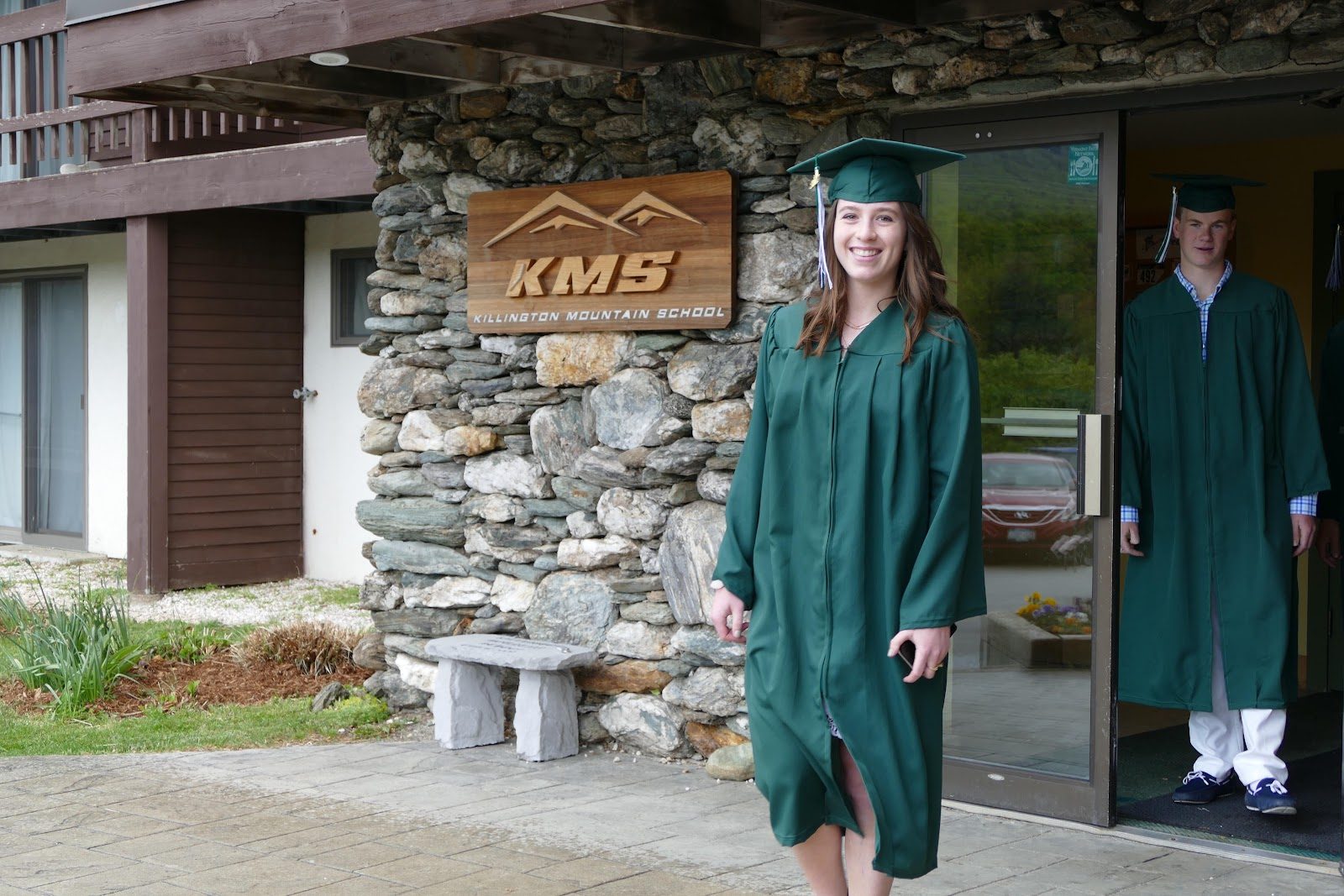
Killington Mountain School
Killington, VT · United States
America's longest-running winter-term ski academy, pairing a 5:1 classroom ratio with daily training on Killington's slopes
Duncanville High School
Duncanville, TX · United States
In this Dallas-suburb powerhouse, a four-decade band dynasty holds dual Sudler honors alongside a Grammy Signature choir.
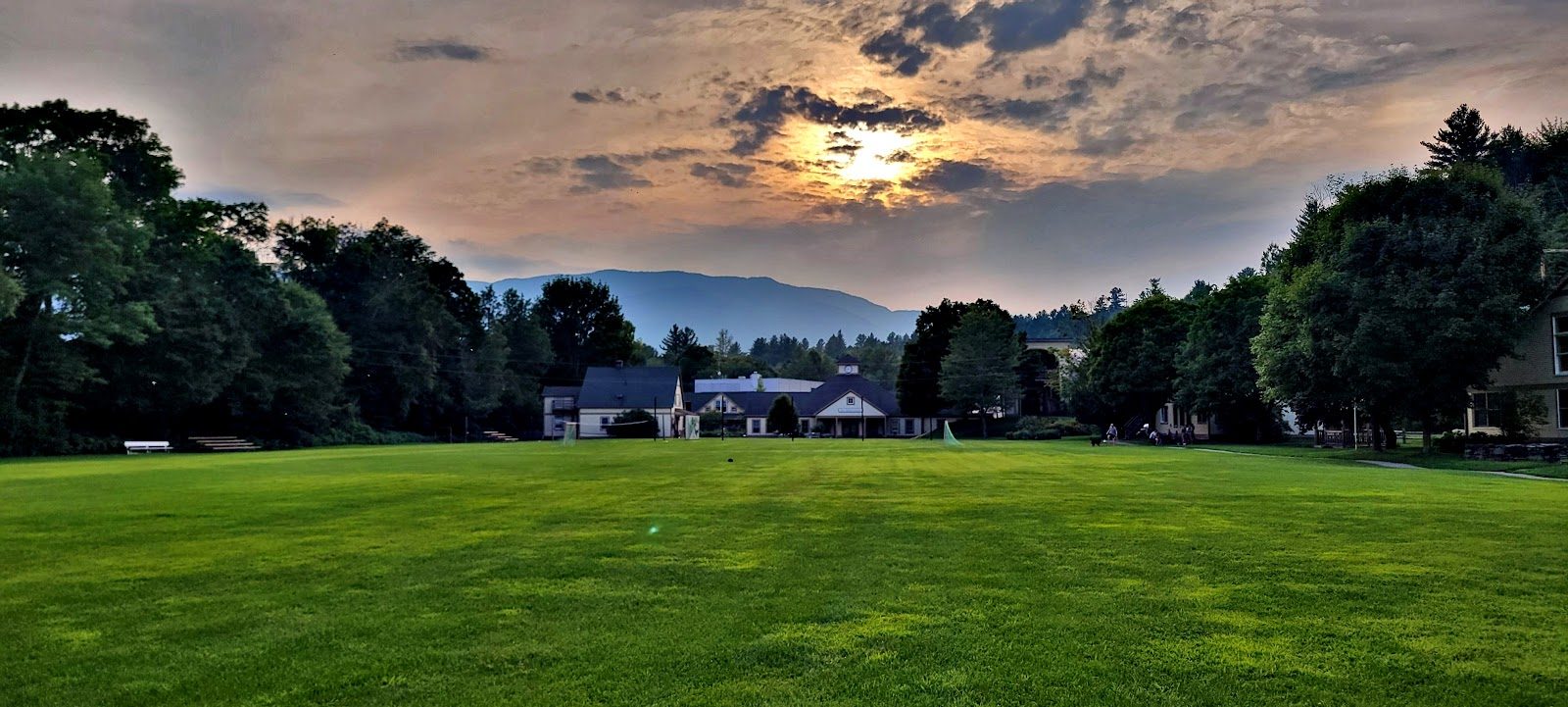
Green Mountain Valley School
Waitsfield, VT · United States
Alpine and Nordic race training at Sugarbush Resort pairs with a college-prep curriculum in Vermont's Mad River Valley

Long Beach Poly High School
Long Beach, CA · United States
An urban Long Beach public school where the century-old motto 'Scholars and Champions' still fits a campus with more NFL alumni than any other in America.
Same specialism, country and curriculum — closest matches within ±10 points either way