
Manitoba
Balmoral Hall School
low confidence· 4/6 cats · 1 avg sourcesOn the Manitoba prairie, a century-old girls' school pairs IB rigor with the province's longest-standing prep hockey program.
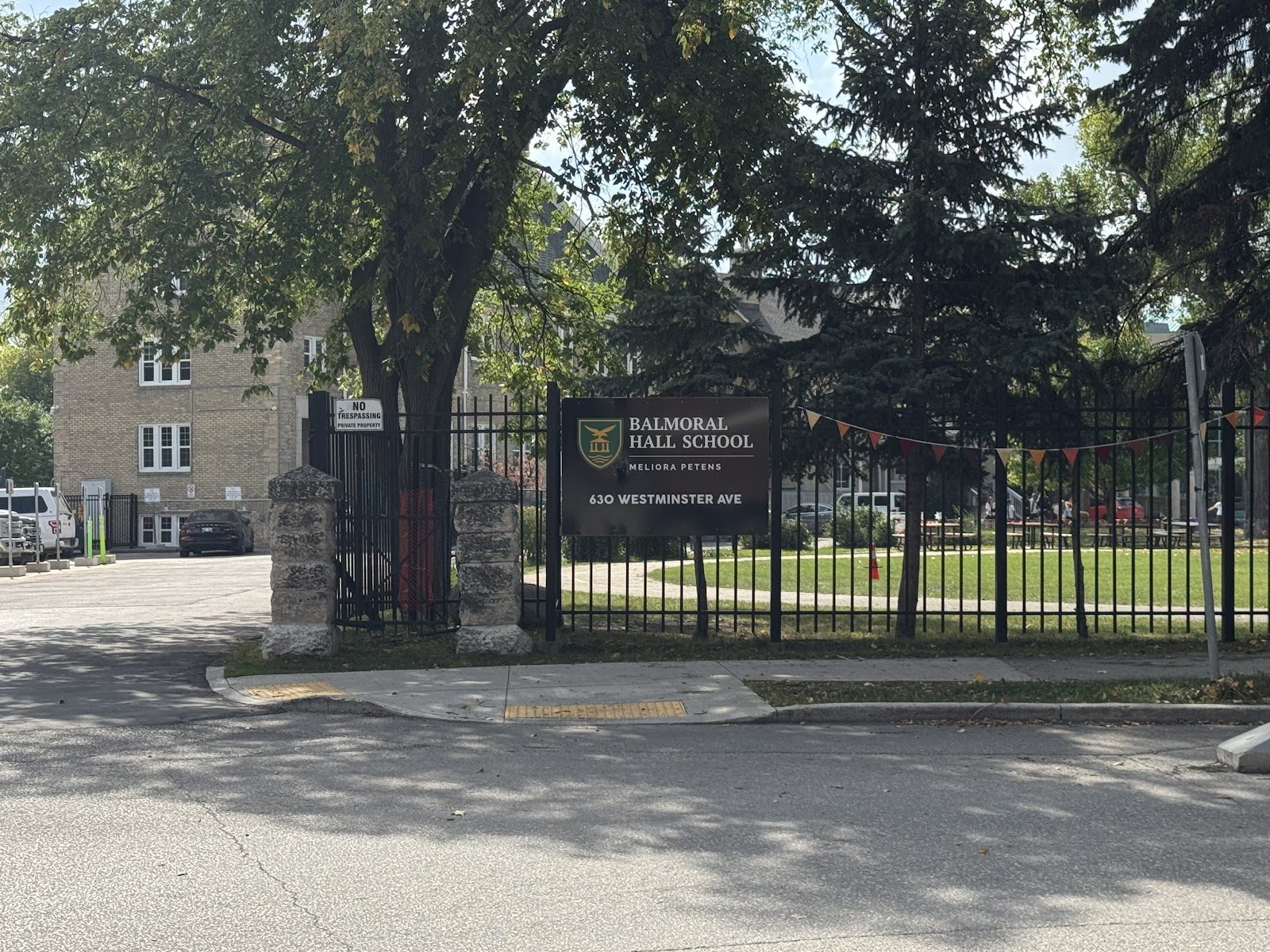
Photo © Olufemi Adedeji - TENORS via Google Maps
Type
Both
Ages
3–18
Curriculum
IB
Qualifications
IB Diploma · AP
Ratio
—
The Verdict
Editor's commitment
Right for
Girls who want an all-girls IB school from age 3 to 18, with 16-pupil classes and serious hockey in Winnipeg.
Wrong for
Families set on co-education, a faith-defined Anglican ethos, or a bargain: average annual fees run to C$21,525 day and C$59,787 boarding.
Watch out for
Founded in 1901 and accredited by CAIS, IB and TABS, Balmoral Hall sells breadth; parents must test how much individual challenge sits behind it.
Ranking breakdown
Balmoral Hall School · #648 of 1591
Composite score 68.5. 8 weighted criteria.
By criterion
Academic Outcomes
Weight 20%
#667
of 1529 scored
University Placement
Weight 16%
#649
of 1529 scored
Prestige & Heritage
Weight 12%
#623
of 1529 scored
Alumni Network
Weight 12%
#531
of 1529 scored
Facilities
Weight 12%
#741
of 1529 scored
Transparency & Communications
Weight 8%
#688
of 1529 scored
Peer & Industry Review
Weight 10%
#637
of 1529 scored
Admissions Selectivity & Demand
Weight 8%
#489
of 1529 scored
Peer & Industry Review
How Balmoral Hall School is regarded in the sector
62
Respected · medium confidence
Balmoral Hall is consistently listed among Canada's established all-girls independent schools and is a member of CAIS (Canadian Accredited Independent Schools), with regional press (Globe and Mail, CBC) covering its elite hockey and figure-skating academy that has produced Olympic and national-team athletes. It has a solid regional reputation in Manitoba and Western Canada but lacks the consistent national/international 'top-tier' benchmarking seen for schools like Upper Canada College, Havergal, or Ridley.
Evidence sources
Editors' overview
On the Manitoba prairie, Balmoral Hall occupies a distinctive niche: a girls’ school in Winnipeg with both day and boarding, an IB curriculum, and a sporting identity that extends beyond the usual school-team claim. The hook is clear. This is a school for families who want an all-girls education from age 3 to 18, in English, with the structure and academic reach of an IB World School and the added seriousness of a long-established prep hockey culture. Founded in 1901, it has the age and institutional confidence many Canadian independents trade on, but the stronger point is operational: average class size sits at 16, which is small enough to matter in day-to-day teaching. Accreditation through CAIS, IB and TABS adds external validation across academics and boarding.
The school’s public language is heavy with uplift, but the practical proposition is easier to read. Balmoral Hall offers boarding in a city where that still gives access to serious schooling without Toronto or Vancouver pricing. The average annual day fee across the full ladder is CAD 21,525; boarding averages CAD 59,787. That places it in a serious but not stratospheric bracket for an independent school with boarding. Parents paying those fees will want clarity on outcomes, and here the picture is incomplete: the school does not publish aggregate IB results in the information we have seen. That matters, because an IB label on its own does not tell parents how strong the academic delivery is in practice. The presence of AP in the school’s own navigation also points to a broader college-preparation apparatus, but the verified curriculum here is IB, and that remains the core academic marker.
What puts Balmoral Hall on a shortlist is not novelty; it is its specific combination of format and setting. There are not many schools in Canada that offer an all-girls environment, boarding, IB, and a credible hockey programme under one roof. The Anglican heritage adds history, although the school itself states that it is nondenominational, so parents should read that as cultural background rather than a confessional school identity. This suits girls who thrive in a close-quarters, high-expectation setting: students who want strong teacher access, families who value the social and leadership case for all-girls education, and boarders who want a contained campus life in Winnipeg rather than a giant metropolitan machine. It will also appeal to athletes who want hockey taken seriously without giving up academic ambition.
This is not the school for families who need a vast co-educational social mix, a highly published exam-results culture, or a bargain fee point. It is for parents who want a school with clear institutional shape: girls only, 1901 roots, boarding and day, small classes, and accredited IB delivery in a market where those features do not often converge. For the right student, that package is hard to replicate.
Academic Performance
Academic performance is the school’s least transparent area. We have not seen aggregate IB results, average point scores, subject distributions, or the share of students taking the full diploma. The school also flags AP provision in its own navigation and references college admissions tests, yet it does not publish a clear public results picture for either route. That leaves parents without the basic comparators serious schools provide: cohort size, top-end scores, university destinations by volume, and trend lines across multiple years. In a market where strong independent schools use outcomes data to prove academic delivery, that gap is a real weakness. It does not disqualify the school academically, but it does block any claim to top-tier, data-backed performance.
Relative to peers, Balmoral Hall sits in an opaque middle ground: established, academically structured, and plainly college-focused, but not publicly evidenced in the way the strongest exam-driven schools are. Parents can infer some strengths from the school’s small classes and its emphasis on personalised teaching, yet inference is not proof. The key question is simple: how do students score, at scale, in external assessments? Until the school publishes that answer, Balmoral Hall cannot be placed with confidence among Canada’s results-led independent schools. Families considering it for academic stretch should ask for the last 3 years of IB outcomes, AP participation and scores, and university offers in detail.
Facilities
The clearest facility strengths sit in the arts and hockey. The school has a dedicated Benidickson Centre for Arts & Design, which signals more than a token art room folded into a general teaching block. For a school of this scale, a named arts centre matters: it gives visual art and design a proper institutional home, and that puts Balmoral Hall ahead of many regional independents where creative subjects still occupy secondary space. Hockey also has visible infrastructure around it. The school gives the programme its own identity through BH Blazers Hockey and calls out prep hockey as a core offer, which places sport closer to specialist provision than to ordinary after-school fixtures. In peer terms, that is a real differentiator. Plenty of girls’ schools offer sport; fewer build a serious operational lane around one sport in a way families can identify before they even visit.
What we do not see is a richly published facilities picture across science, sixth-form study space, boarding houses, or performing arts. That absence matters. Schools competing at the top end of the market usually document labs, libraries, theatres, fitness provision and residence space in concrete detail. Balmoral Hall does not give parents much of that publicly. So the verdict is mixed: the arts centre and hockey infrastructure are memorable assets, and the school’s average class size of 16 reduces pressure on shared teaching spaces, but the wider estate reads as under-explained. Against peer schools, this is not a campus sold on breadth or spectacle; it is a campus with a few clear strengths and too many unanswered questions.
This is a school with credible institutional esteem, a distinctive identity and a defensible fee level; it is not an unquestioned flagship
Prestige
Balmoral Hall carries real but bounded prestige. In Canada’s independent-school landscape, the signal comes from institutional longevity, selective-fee positioning, an all-girls format, and a boarding offer that extends its reach beyond the local day-school market. The average annual boarding fee of CAD 59,787 places it in a bracket where families expect seriousness, not extras dressed up as substance. The school also benefits from a niche few competitors can match: a girls’ school with a recognised hockey identity. That gives it profile and memorability in a way many small independents never achieve. Among families who value girls’ education, structured pastoral oversight and sport with genuine institutional weight, the name has solid currency.
The ceiling, though, sits below Canada’s top prestige tier. Balmoral Hall does not carry the national social cachet of the country’s most famous old independents, nor does it publish the kind of public academic outcomes that convert respect into outright status. Prestige at the top end rests on two things: inherited reputation and hard evidence of results. Balmoral Hall has the first in part, and the second only weakly. Its average class size of 16 strengthens the case for quality and attention, but small classes alone do not create elite standing. This is a school with credible institutional esteem, a distinctive identity and a defensible fee level; it is not an unquestioned flagship.
It does not disqualify the school academically, but it does block any claim to top-tier, data-backed performance
Communications
Parent communication reads as organised, centralised and more useful than the school’s public academic reporting. The website architecture is doing a lot of the work: there is a parent association with named events and initiatives, a parent portal, a calendar, FAQs, busing, food services, uniform information and direct contact routes. That matters. Schools that communicate well make routine life easy to navigate, and Balmoral Hall has built the basic parent-facing infrastructure a busy family needs. The contact details are plain, admissions and boarding each have their own lanes, and the site even flags accessible-format requests with a named communications email and phone line. That is practical, adult and well-drilled. For international families, the separate admissions path also signals a school that knows cross-border enquiries need different handling.
Where the picture weakens is depth and candour. The school communicates warmly about trust, care and personalised learning, but that language drifts into uplift. Parents need less rhetoric and more proof: response-time expectations, clearer leadership visibility, and stronger publication of hard academic outcomes. In other words, Balmoral Hall communicates the mechanics of school life better than it communicates performance. For current parents, that still counts for a lot; day-to-day clarity reduces friction. For prospective parents paying an average of CAD 21,525 for day places or CAD 59,787 for boarding, the standard needs to be higher. The operational messaging is competent. The strategic messaging remains underpowered.
Uniqueness
What marks Balmoral Hall out is not one feature on its own, but the tight fit between several of them: an all-girls structure, a full age range, boarding, and a school culture that gives unusual weight to hockey without reducing girls to athletes. That matters because it creates a setting with a clear social logic. Students do not enter a school that treats girls’ education as a branding line attached to a standard co-ed model; they enter a community built around that premise from the start. The result for many girls is sharper classroom participation, more room for leadership, and fewer of the status games that dominate mixed settings. The school’s average class size of 16 strengthens that further. In practice, students get more teacher contact, more pressure to contribute, and less space to disappear.
The other distinctive element is geographical and cultural. This is not a prestige school trading on a major global city; it is a boarding-and-day school in a colder, less obvious market, and that gives it a different kind of usefulness. Families buying into Balmoral Hall are choosing containment over spectacle: a school where routines, supervision and commitment count for more than social gloss. The boarding fee average of CAD 59,787 buys access to that package without the inflated metropolitan premium attached to bigger-name urban rivals. For students, the gain is focus. For the right girl — especially one who wants sport with real institutional backing and a school small enough to know her properly — that combination is hard to find elsewhere.
Schools competing at the top end of the market usually document labs, libraries, theatres, fitness provision and residence space in concrete detail
Student Profile
The best fit is a girl who benefits from structure, visibility and expectation. This is not a school for a student who wants to drift anonymously through a large mixed environment. It suits girls who are ready to be known by staff, expected to contribute, and comfortable in a setting where participation is hard to avoid. The all-girls format will appeal to families who want more room for female leadership and less adolescent social theatre. It also suits students who like a school with a clear social identity rather than a loose, cafeteria-style culture. Boarders need a measure of independence and resilience; day students need to be comfortable alongside peers whose relationship with the school extends well beyond the timetable.
There is also a strong lane here for girls with serious sporting intent, above all in hockey, and for students who want their extracurricular life to carry institutional weight rather than sit at the margins. At the same time, this is not a one-note athlete school. The arts have their own visible place, and the school’s small classes — 16 on average — favour articulate, engaged students who will use teacher access well. The average annual fees — CAD 21,525 for day pupils and CAD 59,787 for boarders — put it out of casual-reward territory; families paying at that level will expect commitment. Girls who thrive here will be purposeful, coachably ambitious and happy in a close-knit, high-accountability community.
Prestige at the top end rests on two things: inherited reputation and hard evidence of results
Co-curricular strengths
Arts & sport, on a separate axis
Overall 7.5/10
Scored 0-10 from the school's own published evidence. This axis is editorial-only — it does not feed the main WTS ranking.
Sports
8.5/10
Drama
7.5/10
Dance
6.5/10
Music
7.5/10
Visual Arts
7.5/10
Editor first-pass · editor-reviewable · 7/30/2026
Strengths
- +Long-established independent school for girls, founded in 1901, giving it more institutional history than most Canadian private schools.
- +Offers the full continuum of IB programming culminating in the IB Diploma Programme, giving graduates a curriculum recognised by universities worldwide.
- +Operates its own on-campus equestrian facility (Southlands Equestrian Centre), a distinctive offering rare among Canadian girls' schools.
- +Provides boarding from the middle years through Grade 12, making it a genuine option for international and out-of-province families, not just a day school.
- +Small, all-girls learning environment through to Grade 12, which some families specifically seek for adolescent development.
Considerations
- −Single-sex structure limits appeal to families wanting co-educational schooling throughout, particularly at the senior level.
- −Location in Winnipeg means a harsh continental climate and less international-city infrastructure than schools in Toronto, Vancouver or Montreal.
- −As a smaller school, academic and co-curricular breadth (e.g. range of IB subject options, sporting leagues) is narrower than large metropolitan private schools.
- −Boarding is not available across all grades, so families needing residential placement for younger children will need to look elsewhere.
Availability
Primary entry gate & tests
Academic Record + Interview (Girls)
Gallery
Photo © Olive via Google Maps
Photo © Balmoral Hall School via Google Maps
Photo © Balmoral Hall School via Google Maps
Photo © Balmoral Hall School via Google Maps
Photo © Balmoral Hall School via Google Maps
Parent reviews
Have you sent your child here?
Voice reviews carry the strongest trust badge — we transcribe them for you to tidy up before they go live. Prefer to type? A written review is fine too.
Add your voice
In 60 seconds, tell other parents: what's the best thing about Balmoral Hall School, and what surprised you when your child joined?
We ask for a Google sign-in so every review has a real face behind it — no anonymous drive-by attacks on schools, and no faked positive reviews. Your email is never shown publicly.
Send this profile to a friend
International parents rely on word-of-mouth. Share this review with someone weighing the same decision.
Schools with places
Similar schools to Balmoral Hall School with places available now.
Ridley College
St Catharines · Canada
- 2026-27
- WAITPOOLLimited Lower/Middle day
- 2027-28
- PLACES OPENActive now
Upper Canada College
Toronto · Canada
- 2026-27
- PLACES OPENBoarding open; Day closed
- 2027-28
- OPENS SOONOpens Sept '26
Availability first, then country, area, curriculum, price, co-curricular
Consider also
Also worth looking at alongside Balmoral Hall School.
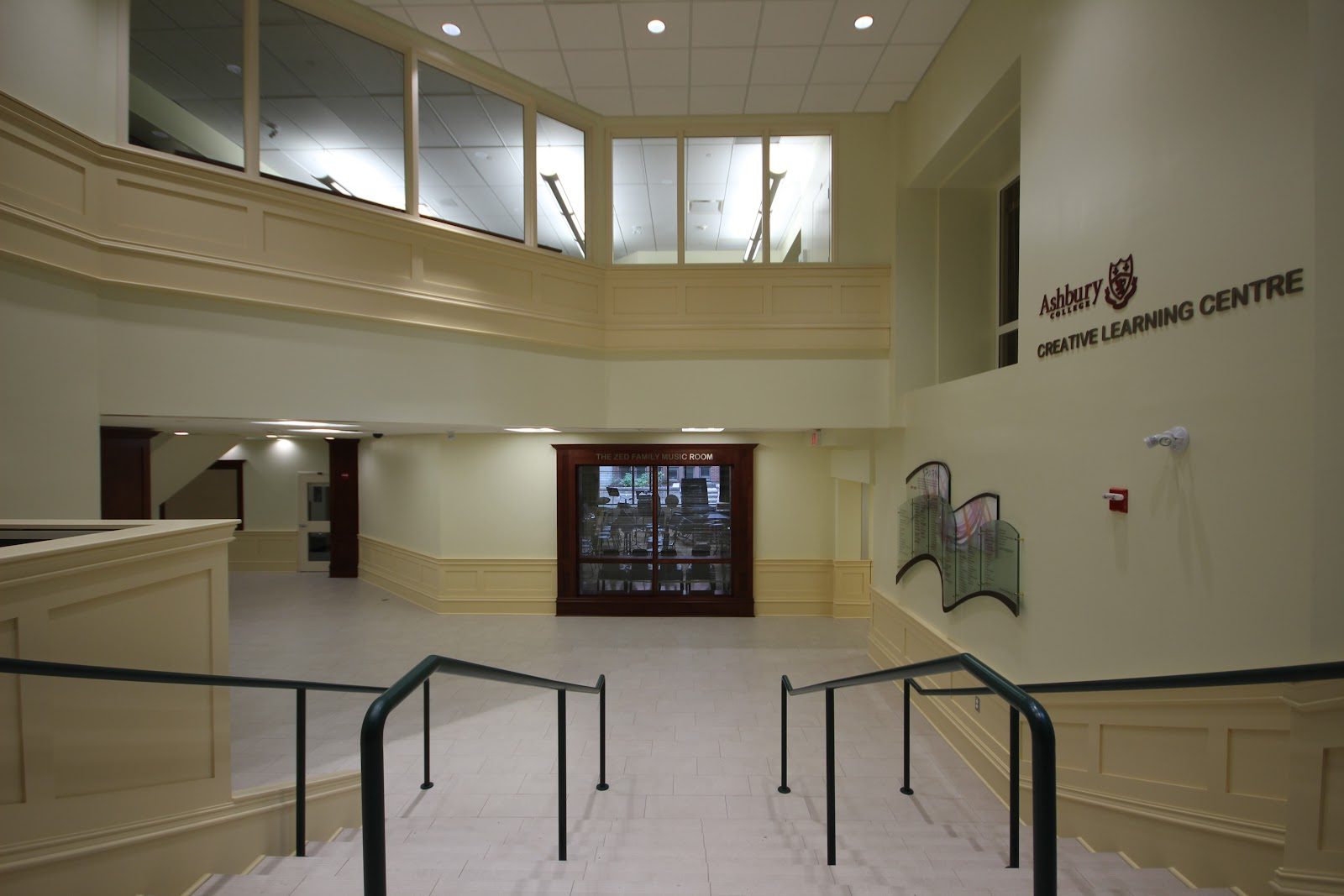
Ashbury College
Ottawa · Canada
Tucked among Rockcliffe Park's embassy residences, this century-old IB pioneer turns diplomatic proximity into a genuine global classroom.
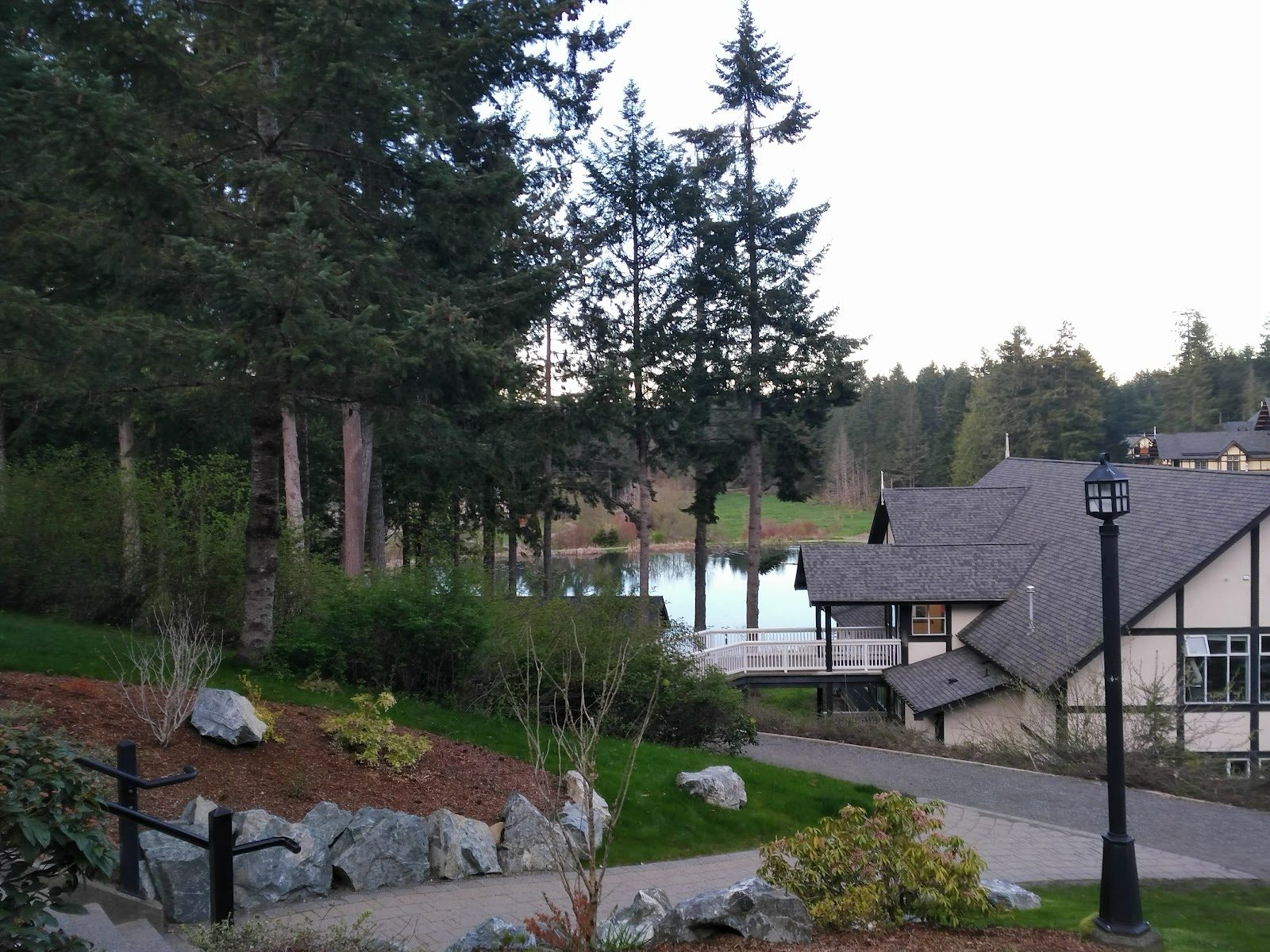
Shawnigan Lake School
Shawnigan Lake · Canada
On a 270-acre Vancouver Island campus, ten boarding houses hold Canada's largest full-time boarding community, a tradition since 1916.
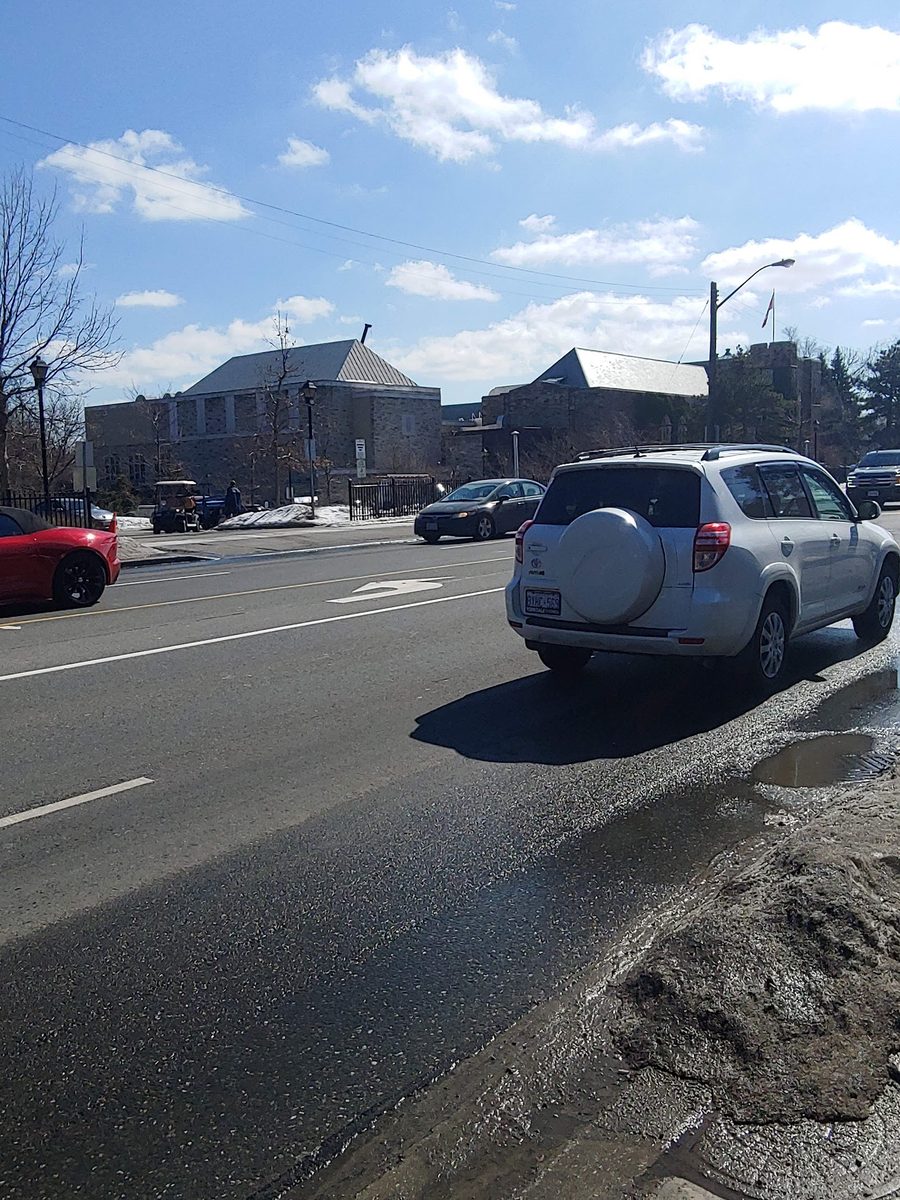
Havergal College
Toronto · Canada
A 22-acre Anglican foundation since 1894, where ten storied houses anchor a rigorous, wellbeing-driven liberal arts curriculum for girls in midtown Toronto.
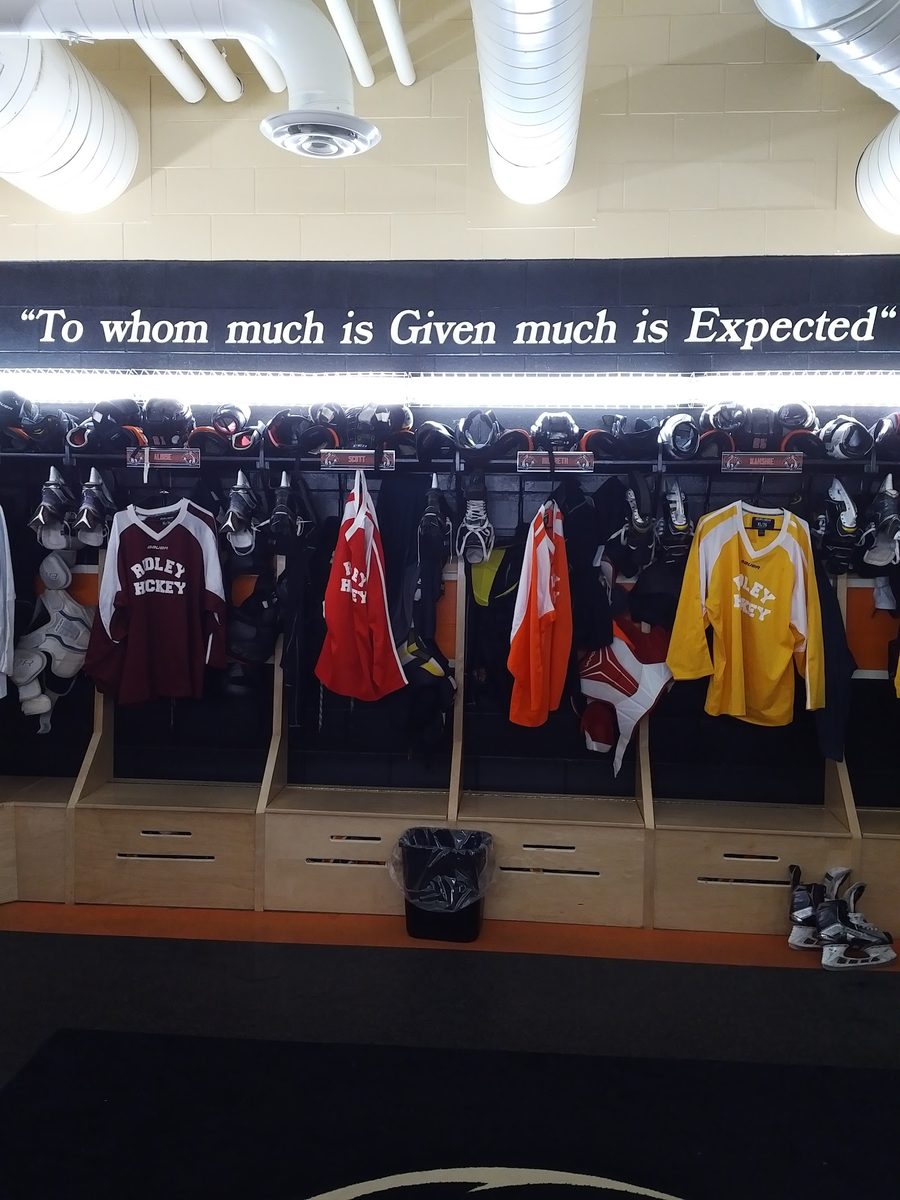
Ridley College
St Catharines · Canada
St Catharines day-and-boarding school blending Ontario's OSSD with the full IB continuum
Same country and curriculum — closest matches within ±10 points either way