
Kita-ku
Lycée Français International de Tokyo
medium confidence· 4/6 cats · 1.6 avg sourcesA cherry-lined Kita-ku campus pairs a dojo and trilingual classrooms with near-universal Baccalaureate honors success.
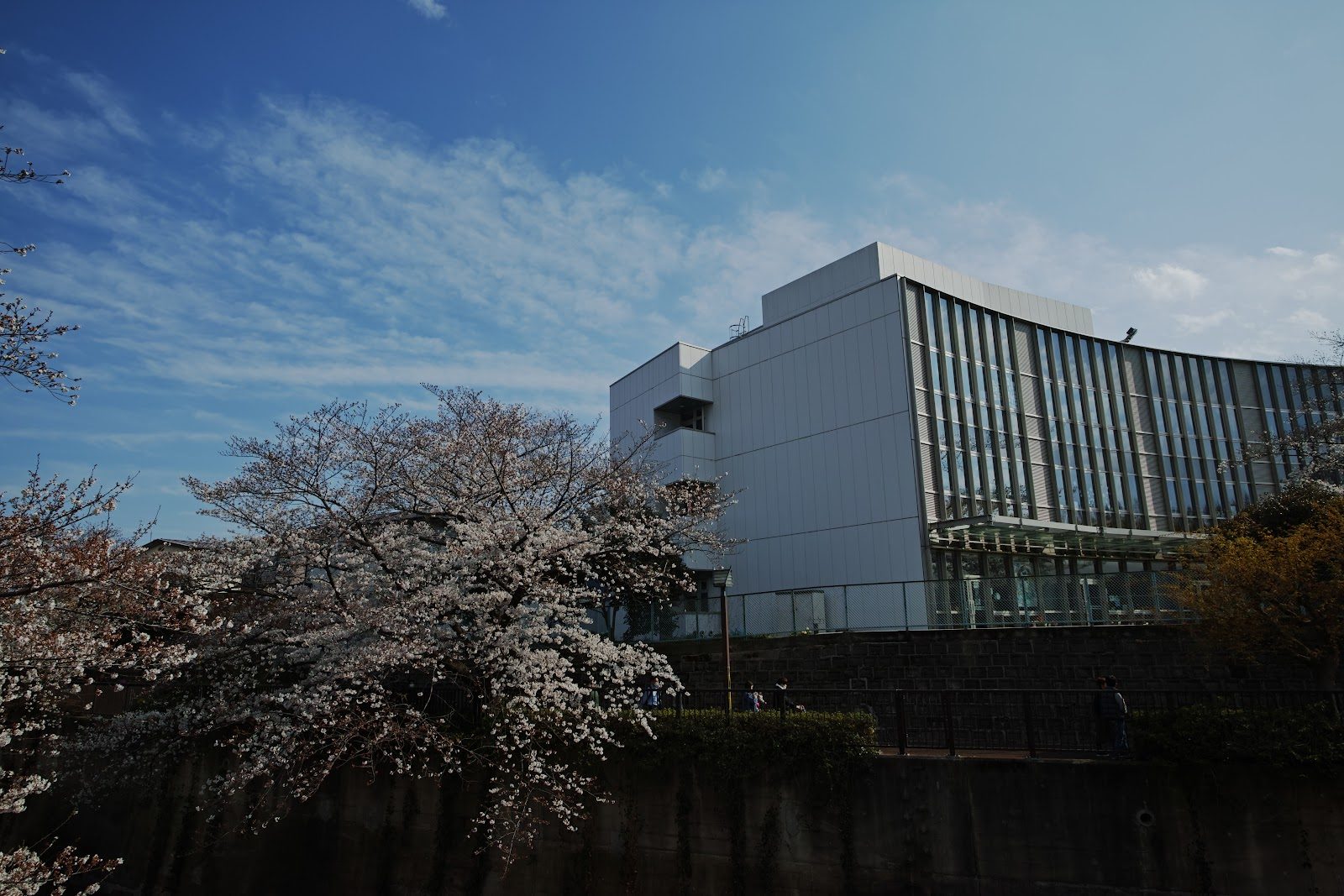
Photo © Yung-sunce Kiyah via Google Maps
Type
Day
Ages
2–18
Curriculum
French Baccalaureate
Ratio
—
The Verdict
Editor's commitment
Right for
Families committed to the French Baccalaureate from age 2 to 18, with French, English and Japanese used across school life.
Wrong for
Parents wanting IB, British exams or boarding; this is a 1967-founded, non-religious day school tied to the French system.
Watch out for
The average annual day fee is JPY 1,456,546, and AEFE plus French Baccalauréat accreditation means a clear French academic frame.
Ranking breakdown
Lycée Français International de Tokyo · #425 of 1591
Composite score 70.0. 8 weighted criteria.
By criterion
Academic Outcomes
Weight 20%
#450
of 1529 scored
University Placement
Weight 16%
#516
of 1529 scored
Prestige & Heritage
Weight 12%
#537
of 1571 scored
Alumni Network
Weight 12%
#338
of 1530 scored
Facilities
Weight 12%
#732
of 1533 scored
Transparency & Communications
Weight 8%
#652
of 1532 scored
Peer & Industry Review
Weight 10%
#645
of 1548 scored
Admissions Selectivity & Demand
Weight 8%
#334
of 1529 scored
Peer & Industry Review
How Lycée Français International de Tokyo is regarded in the sector
60
Respected · low confidence
The Lycée Français International de Tokyo, accredited by AEFE (Agence pour l'enseignement français à l'étranger), is recognized within the French expat education network as one of the established French international schools in Japan, and is referenced in expat parent forums (e.g., InterNations, Expat.com Tokyo threads) as a solid option for French-curriculum families. However, it receives limited coverage in mainstream 'best schools in Japan' rankings (which tend to focus on British/American curriculum schools like ASIJ, Nishimachi, or British School in Tokyo) and lacks significant presence in specialist education press like Good Schools Guide or Tatler, which rarely cover AEFE network schools in Asia in depth.
Editors' overview
The cherry-lined Kita-ku setting matters here because Lycée Français International de Tokyo is not a generic international school with a French stream bolted on. It is a full French school, founded in 1967, running from age 2 to 18 and teaching in French, English and Japanese. The website points to a structured language pathway from petite section to terminale, with international sections and the BFI also flagged. That combination gives the school its market position: a serious French academic track inside Tokyo, with stronger local linguistic integration than many embassy-adjacent schools manage. The average annual day fee across the full age range is JPY 1,456,546, which places it in a *credible mid-to-upper international bracket* for Tokyo rather than the city’s most inflated tier.
What puts it on a shortlist is clarity of purpose. The school is accredited by AEFE and delivers the French Baccalauréat, so parents are not buying a vague “international” proposition. They are buying a defined national system with known expectations, external oversight and a direct route for families who need continuity with French education. The trilingual offer adds substance, not decoration: the school publishes language pathways, secondary language information and routes into international sections, which tells you languages are organised across the school rather than left to aspiration. The campus details in your brief — a dojo alongside trilingual classrooms — reinforce a school with a distinct local identity rather than a transplanted European bubble.
This is the right school for children who thrive with structure, progression and academic precision, and for families who value the French system enough to commit to it. It suits French nationals, francophone families, bilingual households and internationally mobile parents who want their child anchored in a curriculum that travels cleanly. It also suits students who can handle a demanding linguistic load: French as the academic spine, with English and Japanese embedded into daily school life. It is less convincing for parents who want broad curriculum optionality, a looser Anglo-American style, or heavy emphasis on boutique enrichment over academic framework. In market terms, LFI Tokyo is a specialist choice done properly: not the widest net in Tokyo, but a strong one for the families it is built to serve.
Academic Performance
The public picture on outcomes is strong at the top line and thin beneath it. The school’s own editorial tagline points to near-universal Baccalaureate honours success, which signals a cohort performing comfortably above the basic pass threshold rather than scraping through. That matters: in the French system, honours rates tell parents more than a bare pass figure, because they show how much of the year group is converting completion into distinction. Set against French schools abroad, that places LFI Tokyo in the upper-performing bracket rather than the merely competent one. The school also flags international sections and the BFI, which adds academic stretch for pupils who can carry heavier linguistic and written demands.
What the school does not publish, at least in the public domain we have seen, is the detail that would sharpen the verdict: no aggregate Baccalaureate pass rate, no mention rates by band, no subject-by-subject breakdown, no university destinations table, and no multi-year trend line. That opacity stops short of a full academic audit. It does not erase the central point, which is still favourable: this is a serious exam school with a clear record of pupils leaving with honours, inside a system where standards are externally set. Parents comparing elite exam-driven schools in Tokyo will find enough here to take performance seriously, but not enough to rank it with forensic precision against the city’s most data-rich competitors.
Facilities
Facilities here read as practical and school-shaped rather than showpiece-driven. The clearest strengths are the split primary setup — with an Annexe for older primary pupils and a main building that handles younger children and secondary entry points — plus an auditorium, a covered playground, a library system through the BCD spaces, cafeteria provision, school transport infrastructure and a dojo flagged in your brief. Add the school’s eco-basin and web radio, and you get a campus with real working texture: not a polished resort, but a place built for daily use by children across a full age range. For parents, that matters more than atrium architecture. The presence of dedicated bus staff and published movement logistics also points to a school that takes operational flow seriously, which is more valuable than flashy square footage in a dense city.
Against Tokyo peers, this sits in the *strong middle-to-upper facilities bracket*. The breadth beats many smaller embassy-linked schools that operate from tighter urban footprints with limited specialist space. It does not read like one of the city’s giant premium campuses with pools, theatres and sport complexes used as fee justification. Instead, LFI Tokyo offers what its model needs: spaces for performance, reading, supervised circulation, language-rich schooling and age-specific organisation for a community of over 1,575 pupils drawn from more than 65 nationalities. That is credible, grown-up provision. The trade-off is obvious: families chasing a luxury-campus arms race will find less spectacle here than at Tokyo’s most expensive competitors.
The cherry-lined Kita-ku setting matters here because Lycée Français International de Tokyo is not a generic international school with a French stream bolted on
Prestige
Prestige here rests on function, not gloss. Within the French international network, a school of more than 1,575 pupils and over 65 nationalities carries real weight: it is large enough to sustain breadth, stable enough to serve as a serious anchor for expatriate and francophone families, and established enough to matter beyond a niche embassy circle. In Tokyo, that gives LFI Tokyo a distinctive institutional standing. It is not the city’s default choice for every international parent; it is the reference-point French school. That distinction matters. Families choosing it are not buying social theatre or fashionable branding. They are buying entry into a recognised educational lane with a clear identity, an intact peer group and a community that extends across childhood into the senior years.
The prestige is therefore specialist rather than universal. Among families who value the French system, it carries serious credibility; among parents chasing Anglo-American name recognition, it carries less cachet. That is not a weakness. It is an accurate read of its market position. The school’s trilingual structure, international sections and public emphasis on organised language pathways add substance to the name, and the scale of the student body gives it a cosmopolitan depth that smaller national schools struggle to match. What keeps it short of the very top prestige tier is not quality drift but visibility: public academic disclosure remains thinner than the most transparent global operators, so part of its reputation still travels through network standing and parent circles rather than hard published data.
The public picture on outcomes is strong at the top line and thin beneath it
Communications
Parent communication is more systematic than polished. The school runs a three-language website and pairs it with parent and student portals, including Eduka and Pronote, so routine information has clear channels rather than being funnelled through ad hoc email chains. The public-facing site carries concrete operational detail: back-to-school schedules down to the hour, separate arrangements for primary and secondary, bus notices, canteen changes, supply lists, language-pathway documents, scholarship information, photo galleries, clubs, podcasts and parent-association links. That breadth matters. It tells parents where to go for daily logistics, academic tracking and community notices without forcing them to decode the school’s internal structure first. For a school of this scale, that is serious administrative competence.
The weakness is readability. The homepage is dense, crowded and built more around institutional flow than elegant parent experience. Important notices are there, but they sit amid recruitment posts, holiday messages and internal links, which makes the site feel busy, functional and at times bureaucratic. Families who value slick dashboards and stripped-back design will find it old-school. Families who care more about whether a school actually communicates key instructions will judge it more favourably. The inclusion of Japanese and English alongside French is a genuine strength, and the granularity of published arrangements — right down to staggered arrivals and service suspensions — signals a school that does not leave operational communication to chance. Overall, communication is reliable rather than elegant, and reliability is the more important trait.
Uniqueness
What sets LFI Tokyo apart is not novelty for its own sake but a cleanly defined educational identity carried through a genuinely international community. This is a full French school in a market crowded with hybrid propositions, yet it does not stop at cultural replication. The school runs a published language pathway from the earliest years through the end of secondary, and it openly flags international sections and the BFI as part of that route. That gives pupils more than routine language lessons. It gives them a disciplined multilingual formation in which French anchors academic life while English and Japanese sit inside the school’s structure, not at the decorative edges. In a roll of more than 1,575 pupils spanning over 65 nationalities, that combination is unusually coherent.
The benefit for students is twofold. First, they grow up in a school that has real national character without turning inward; the Japanese context enters the daily life of the campus rather than sitting outside the gates. The dojo, tea-related activities and Japanese-language strand matter because they root the school locally. Second, the size and age range allow children to move from nursery to the final school years within one system, one community and one academic logic. That continuity is hard to replicate in Tokyo. For the right child, the result is a serious, culturally literate education with less identity drift than many international schools and more linguistic depth than most.
In Tokyo, that gives LFI Tokyo a distinctive institutional standing
Student Profile
The pupil body is unusually cosmopolitan for a school with such a defined national spine: more than 65 nationalities in a roll of over 1,575 means children grow up among peers who are internationally mobile, multilingual and accustomed to crossing cultural codes without fuss. The best fit is a child who is comfortable inside structure, can cope with clear expectations and does not need constant hand-holding to move between different linguistic settings. This is a strong match for French and francophone families, binational households, and parents who want continuity for children moving in or out of another French school. It also suits pupils who enjoy belonging to a cohesive academic community rather than a loose collection of parallel tracks.
The less suitable fit is just as clear. Children who need a highly flexible, pick-and-mix school experience, or who flourish only in a very informal classroom culture, will find the environment demanding and at times tight-framed. The school asks a lot of students linguistically and organisationally, even before senior exam pressure enters the picture. That does not make it severe; it makes it purpose-built. Pupils who value routine, can manage a proper workload and are open to local cultural immersion will fit well. So will families who want classmates drawn from well beyond one expatriate enclave, without losing the seriousness of a school that knows exactly what it is for.
What sets LFI Tokyo apart is not novelty for its own sake but a cleanly defined educational identity carried through a genuinely international community
Co-curricular strengths
Arts & sport, on a separate axis
Overall 6.64/10
Scored 0-10 from the school's own published evidence. This axis is editorial-only — it does not feed the main WTS ranking.
Sports
7.2/10
Drama
6.5/10
Dance
6.2/10
Music
6.5/10
Visual Arts
6.8/10
Editor first-pass · editor-reviewable · 7/30/2026
Strengths
- +One of only two French Ministry of Education-accredited schools in Japan, part of the AEFE network since 1990, ensuring compatibility with the French national curriculum.
- +Offers the Baccalaureat Francais International (BFI) with dedicated Japanese-stream (since 2002) and American-stream (since 2017) options alongside the standard French Baccalaureat.
- +Purpose-built Takinogawa campus (opened 2012) includes a swimming pool, tennis courts, an athletics track, a dojo, an auditorium and two libraries.
- +Genuinely international intake, with over 1,500 students and dozens of nationalities represented across the primary and secondary sections.
- +AEFE affiliation allows straightforward credit transfer for families moving between French lycees abroad.
Considerations
- −Fee structure differs for French citizens versus other nationalities, and published tuition tables note that financial aid options may be limited for non-French families.
- −Campus is located in Takinogawa, Kita-ku, in northern Tokyo, a less central location than many rival international schools favoured by expatriates in central wards.
- −Rising enrolment has strained fixed classroom capacity at secondary level, complicating timetabling as the school grows.
- −Instruction is delivered overwhelmingly in French, so families without an existing French-language base may find integration slower than at English-medium alternatives.
Availability
Primary entry gate & tests
Academic Dossier
Gallery
Photo © 東京国際フランス学園 via Google Maps
Photo © 東京国際フランス学園 via Google Maps
Photo © 東京国際フランス学園 via Google Maps
Photo © 36 Komaken via Google Maps
Photo © Xuan Truong Trinh via Google Maps
Parent reviews
Have you sent your child here?
Voice reviews carry the strongest trust badge — we transcribe them for you to tidy up before they go live. Prefer to type? A written review is fine too.
Add your voice
In 60 seconds, tell other parents: what's the best thing about Lycée Français International de Tokyo, and what surprised you when your child joined?
We ask for a Google sign-in so every review has a real face behind it — no anonymous drive-by attacks on schools, and no faked positive reviews. Your email is never shown publicly.
Send this profile to a friend
International parents rely on word-of-mouth. Share this review with someone weighing the same decision.
Schools with places
Similar schools to Lycée Français International de Tokyo with places available now.
The British School in Tokyo
Tokyo · Japan
- 2026-27
- WAITPOOLSpace-dependent
- 2027-28
- PLACES OPENRolling
International School of the Sacred Heart
Tokyo · Japan
- 2026-27
- WAITPOOLSpace-dependent
- 2027-28
- PLACES OPENRolling
Seisen International School
Tokyo · Japan
- 2026-27
- WAITPOOLSpace-dependent
- 2027-28
- PLACES OPENRolling
K. International School Tokyo
Tokyo · Japan
- 2026-27
- WAITPOOLSpace-dependent
- 2027-28
- PLACES OPENRolling
Availability first, then country, area, curriculum, price, co-curricular
Consider also
Also worth looking at alongside Lycée Français International de Tokyo.
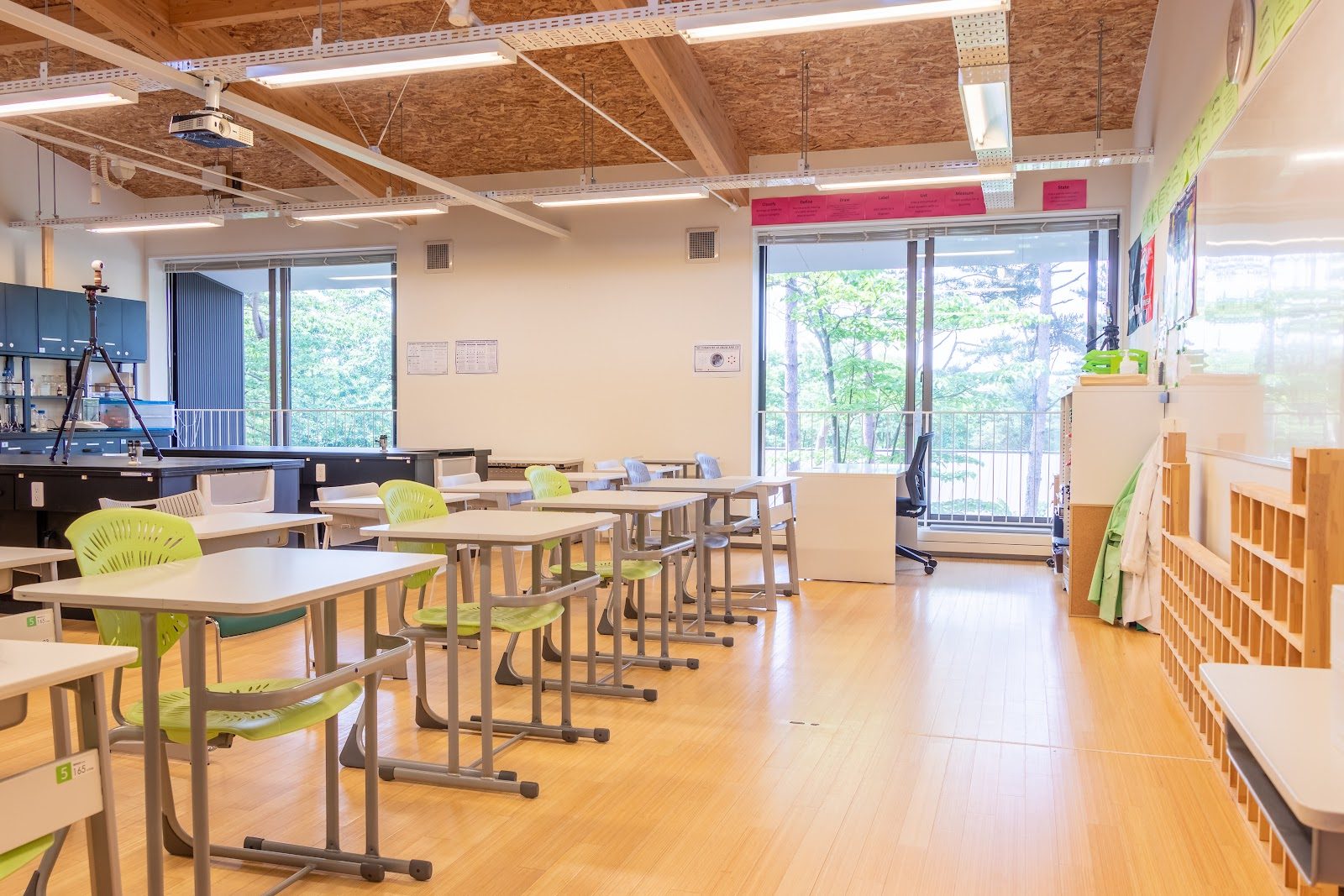
UWC ISAK Japan
Karuizawa · Japan
Japan's only UWC campus, tucked on Mount Asama, where seven in ten students study on need-based scholarship.
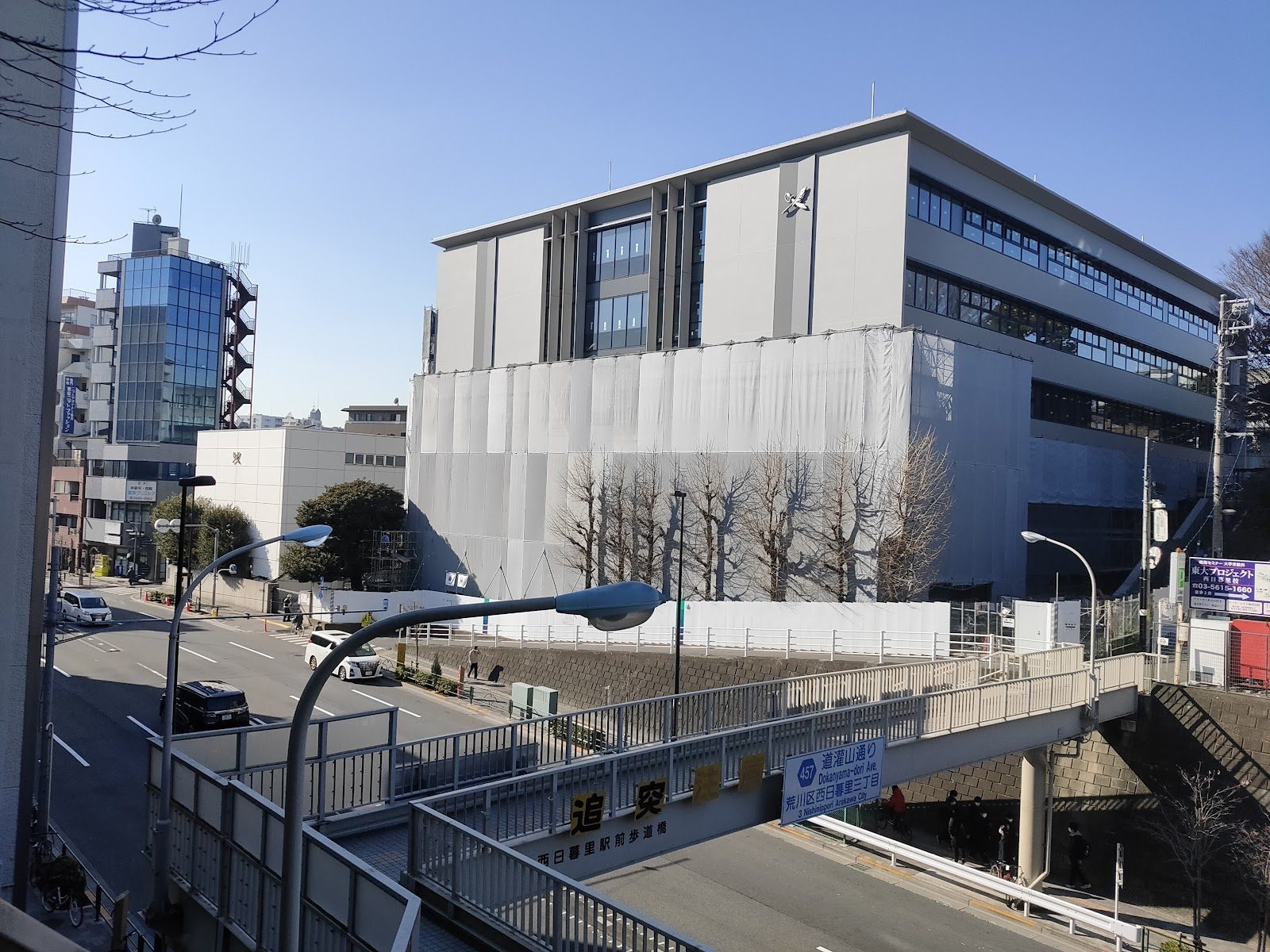
Kaisei Academy
Tokyo · Japan
An 1871 all-boys day school in one of Tokyo's densest wards, a perennial University of Tokyo feeder now adding IB and AP tracks abroad.
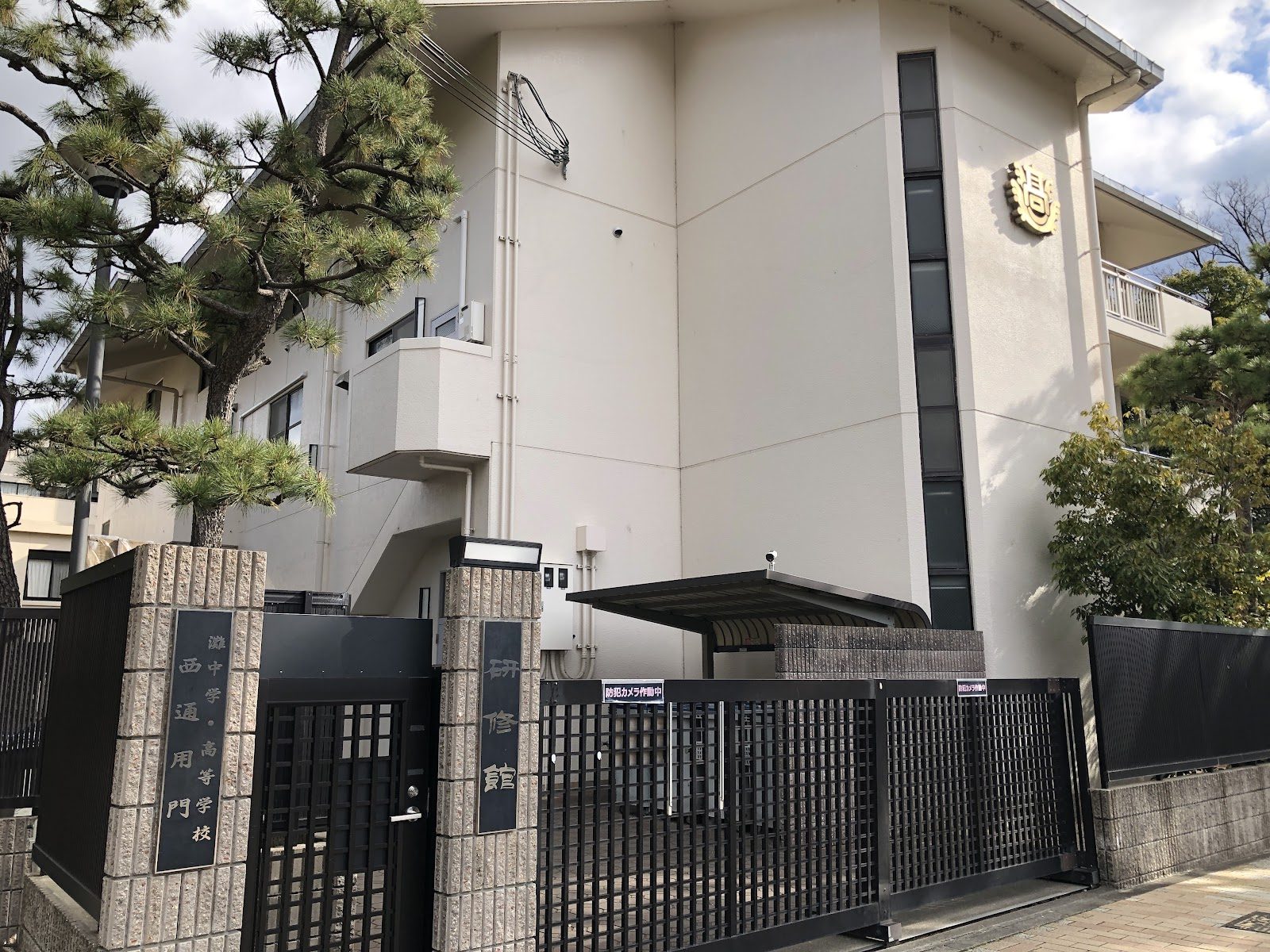
Nada High School
Kobe · Japan
Founded by Kobe sake brewers with judo's creator as an advisor, this uniform-free campus channels students straight into Tokyo and Kyoto University.
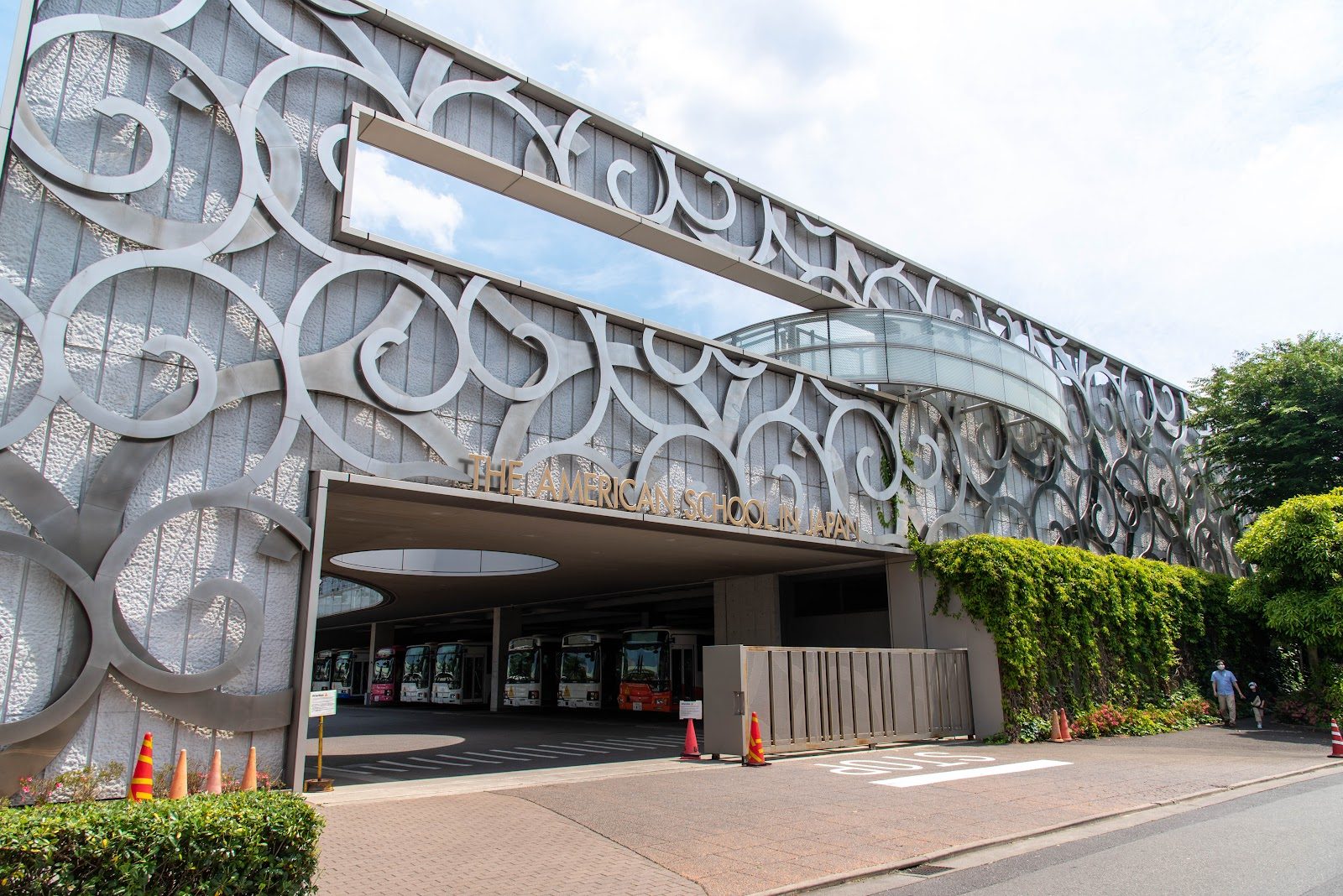
The American School in Japan
Tokyo · Japan
Rooted in Chofu since 1902, its early campus plans once drew sketches from Frank Lloyd Wright himself.
Same country and curriculum — closest matches within ±10 points either way