Berlin
Berlin International School
medium confidence· 4/6 cats · 2.8 avg sourcesBorn from the Bonn-to-Berlin embassy move, blending IB inquiry with Germany's own Rahmenlehrplan in the heart of the capital.
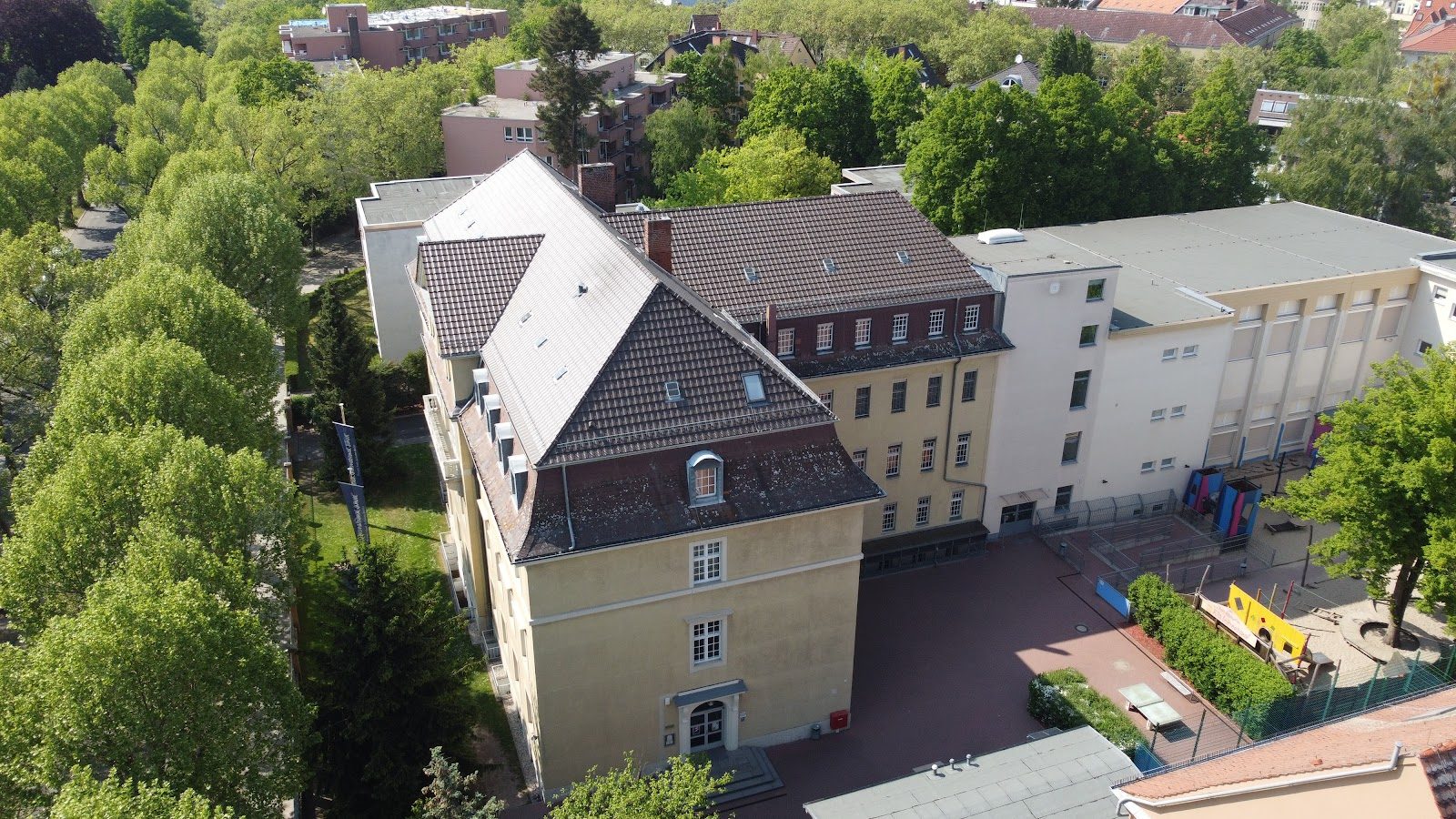
Photo © Berlin International School via Google Maps
Type
Day
Ages
3–18
Curriculum
IB
Ratio
—
The Verdict
Editor's commitment
Right for
International families who want English-medium IB from ages 3–18, 70+ nationalities, and a Berlin campus that still tracks local MSA requirements.
Wrong for
Parents chasing German-language immersion, boarding, or a deep university-results ledger beyond 59 leavers in 2016 and three named destinations.
Watch out for
The average annual fee is €14,700; value is solid, but the academic picture rests on a 35-point IBDP average and 98% pass rate.
Ranking breakdown
Berlin International School · #1025 of 1591
Composite score 62.4. 8 weighted criteria.
By criterion
Academic Outcomes
Weight 20%
#1002
of 1529 scored
University Placement
Weight 16%
#1015
of 1529 scored
Prestige & Heritage
Weight 12%
#1018
of 1529 scored
Alumni Network
Weight 12%
#854
of 1529 scored
Facilities
Weight 12%
#1013
of 1529 scored
Transparency & Communications
Weight 8%
#995
of 1529 scored
Peer & Industry Review
Weight 10%
#883
of 1529 scored
Admissions Selectivity & Demand
Weight 8%
#760
of 1529 scored
Score history
Berlin International School · 2026
Movement across 2024–2026. Peer average overlaid.
Overall — 2024–2026
62.4/ 100
▲ +27.9 vs 2025
year on year
Peer & Industry Review
How Berlin International School is regarded in the sector
55
Credible · low confidence
Berlin International School appears in general expat-parent discussions (e.g., InterNations and expat forum threads on Berlin's international schools) and is listed in directories such as International Schools Database and The Good Schools Guide International, but it lacks the frequent, detailed independent press coverage or peer-benchmarking status seen for top-tier Berlin institutions like Berlin Brandenburg International School or JFKS. Evidence suggests a credible, locally-known school without strong third-party editorial recognition beyond directory listings.
Evidence sources
Editors' overview
Berlin International School is a Berlin school in the full sense, not an expatriate enclave dropped into the city. It opened in 1998 out of the post-reunification embassy shift from Bonn to Berlin, and that history still explains its shape: an English-medium, secular day school for ages 3 to 18 that serves both internationally mobile families and local families who want an international route. The academic offer matters more than the branding here. BIS runs as an IB World School, but in the primary years it also works to the educational goals of the state of Berlin, and in Grades 6 to 10 it prepares pupils for the MSA before moving into the IB Diploma in Grades 11 and 12. That combination gives it a usefully anchored identity: international in language and outlook, but not detached from the German system around it. For families who want an English-speaking education without cutting every tie to local structures, that is the point.
The school’s strongest distinguishing feature is its mix of cosmopolitanism and academic clarity. More than 70+ nationalities on one campus is not unusual by international-school standards; pairing that with a programme that culminates in externally examined IBDP courses in English is more substantial than the usual “global mindedness” rhetoric. BIS also publishes hard outcome data: an average of 35 IBDP points in 2025 and a 98% IBDP pass rate. Those figures put the school in solid academic territory, even if they do not place it among the relentlessly elite IB factories. The campus in southwest Berlin also reads as a serious all-through operation rather than a boutique start-up: libraries, digital provision, arts, sport and an extended activities offer all feature as core parts of school life. The school holds IB World School accreditation, and the site also notes CIS reaccreditation in 2018.
For parents building a shortlist, BIS earns its place because it offers a coherent answer to a common Berlin problem: how to secure an internationally portable education without sacrificing structure, pastoral coverage or access to the life of the city. At an average annual day fee of €14,700, it sits in a strikingly accessible price band for an international school serving ages 3 to 18 in a European capital. That pricing changes the comparison set. BIS is not selling scarcity, old-world prestige or a gilded university pipeline. Its published university destinations for the Class of 2016 — 59 leavers, with named destinations including Modul University, the University of Vienna and Webster University — are modest and international rather than status-obsessed. Parents who want a school that shouts about Oxbridge numbers will not find that here; parents who want a grounded, academically credible, multicultural school in Berlin will.
The right student for Berlin International School is intellectually steady, internationally minded and comfortable in a community where cultural mix is normal rather than staged. This suits children who thrive in inquiry-led learning, who value discussion and independent thinking, and who want a broad school life that includes arts, sport and activities alongside academic work. It also suits families who prize practical internationalism over prestige theatre. A child looking for a highly selective pressure-cooker or a deeply traditional national school experience will find stronger fits elsewhere. A child who wants an English-medium education with genuine diversity, a clear IB endpoint and a school that is woven into Berlin rather than insulated from it will fit well here.
Academic Performance
Berlin International School publishes enough exam data to place it with some confidence. The headline is an IB Diploma pass rate of 98% and an average of 35 points. That is good performance by any ordinary market standard and solidly above the global IB average. It does not put BIS in the top-flight scorched-earth bracket occupied by the most selective European IB schools, where averages push much higher and perfect-score headlines are part of the admissions machinery. It does put the school in the *serious, credible middle of the upper tier*: a school that gets pupils through a demanding external programme at strong rates, without the results-factory profile some families actively seek.
The more interesting point is the shape of the pathway beneath those diploma figures. BIS does not run an isolated sixth form chasing diploma numbers at any cost; pupils move through a programme tied to Berlin’s own school requirements, including MSA preparation before the final two years. That gives the academic story more structural weight than a bare IB statistic on its own. The weakness is transparency below the headline. The school does not publish a deeper results breakdown here — no subject distribution, no top-score count, no multi-year trend line, no destination pattern strong enough to signal an elite university conveyor belt. For many families that will be acceptable. For hard-driving parents benchmarking against Europe’s most competitive IB schools, it leaves clear limits.
Facilities
Facilities at Berlin International School are competent rather than grand, and that distinction matters. The campus in the green southwest of the city reads as an all-through working school, not a prestige build designed to dazzle at first tour. The most important assets are the ones tied directly to daily learning: libraries that support the curriculum and reading culture, digital provision that includes iPads, smartboards and multimedia labs, and a full-day structure with extracurricular activities built into the rhythm of the school. The arts also have real institutional weight here. Music and visual arts sit inside the timetable, with dance and theatre extending that offer beyond it. Sport is not decorative either; pupils compete through GISST across football, basketball, swimming and athletics. For a school serving more than 70 nationalities, that breadth gives community life some real ballast.
Against peer schools in Berlin and the wider mid-market European international sector, BIS sits in the solid middle ground. It offers the facilities families need for a serious all-round education, and it does so without the luxury-campus theatrics of wealthier rivals with specialist centres, headline architecture or sprawling sports estates. The pastoral infrastructure also deserves notice: social pedagogues and first-aid staff are available through the school day, which is more substantial than the thin counselling provision common at cheaper operators. If you want flashy hardware, look elsewhere. If you want a campus that covers academics, arts, sport and student welfare with credible completeness, BIS does the job.
Berlin International School’s distinctiveness lies in its refusal to be a sealed international bubble
Prestige
Berlin International School carries practical prestige, not inherited cachet. In Berlin’s international market, that matters. The school has credibility with mobile families because it offers a recognised academic route, a visibly international pupil body and a structure that connects with the local system rather than floating above it. That gives the school social and academic legitimacy in the city. The admissions language is also revealing: BIS gives preference to families who can show an international background, and it expects the fit between home and school to be right. That is not old-guard exclusivity, but it is a clear gatekeeping signal. The fee level — an average of €14,700 a year across the full age range — also places it in an accessible but not bargain-basement bracket, which broadens appeal without turning the school into a luxury badge.
The limit on prestige is just as clear. BIS does not trade on dynastic history, a ferocious selection myth or a university destinations list packed with global status markers. Its aura is earned rather than inherited: parents choose it for coherence, diversity and academic seriousness, not for social theatre. The published diploma outcomes are strong enough to support that reputation, with a 35-point average and a 98% pass rate, but the school still sits below Europe’s name-brand prestige operators whose results and leavers’ destinations dominate dinner-party comparison. In plain terms, BIS has standing, trust and substance. It does not have glamour.
Berlin International School is a Berlin school in the full sense, not an expatriate enclave dropped into the city
Communications
Berlin International School communicates with parents in a direct, serviceable way. The public-facing information answers practical questions that matter at decision stage: admissions criteria, language support, teacher qualification rules, local examination routes, fee structure and what sits inside the school day. That matters because many international schools hide the operational detail behind warm words. BIS does not. It states, for example, that an €800 admission fee applies, that fee remissions for lunch affect the younger years, and that older entrants may face placement testing. It also spells out a point many schools duck: families with a documented international profile get preference in admissions. That level of candour is useful, adult and more transparent than average.
The weakness is polish and hierarchy. The messaging is dense, text-heavy and at times awkwardly structured, with important facts buried inside long FAQ answers or mixed into promotional copy. Parents can find the essentials, but they must work for them. There is also a hard-edged institutional tone in places, especially around fit, selection and expectations of families. Some parents will welcome that because it signals standards and boundaries; others will read it as less than warm. On balance, the communication is effective because it gives real answers instead of atmosphere. It is not elegant, and it is not hand-holding, but it is informative in the places that count.
Uniqueness
Berlin International School’s distinctiveness lies in its refusal to be a sealed international bubble. Many schools in this market offer portability and little local grip. BIS does both. It threads an international school education through the expectations of the Berlin system, including state-recognised school-leaving examinations before the final diploma years. That gives students more than one frame of reference. They learn inside an international peer group drawn from 70+ nationalities, but they are not cut off from the country they live in. For expatriate families, that brings useful stability and a less rootless education. For local families, it offers an international route without demanding a full break from German educational norms.
The other point of difference is the school’s social composition and admissions stance. BIS states openly that it gives preference to families with a demonstrable international background. That is a clear signal, and not every family will welcome it. In practice, though, it helps create a community where mobility, cross-cultural literacy and multilingual adjustment are ordinary parts of school life rather than brochure rhetoric. Students benefit from that daily exposure, and from a school structure that backs it with full-day care, language support in English and German, and welfare staff available throughout the day. The result is a school with a grounded international identity: less glamorous than the prestige operators, but more embedded in the real conditions of family life in the capital.
Berlin International School publishes enough exam data to place it with some confidence
Student Profile
The best fit at Berlin International School is a child who is comfortable crossing cultures every day and does not need social life simplified for them. With pupils drawn from 70+ nationalities, the school suits internationally mobile families, bicultural households and local families who want their children in a genuinely mixed environment rather than a narrow local peer group. It also suits students who can handle a school with clear expectations around conduct, academic follow-through and family-school alignment. BIS states that it gives preference to families with a demonstrable international background. That makes the intake more self-selecting than at schools that cast a wider net, and it gives the community a distinctly international social texture rather than a token one.
This is a good school for pupils who are steady, adaptable and self-managing. The all-through structure, full-day rhythm and language-support provision work well for children settling into a new country or moving between systems, but the older they are, the more the school expects them to keep pace. Students who need constant spoon-feeding or a high-gloss, status-driven peer culture will not enjoy it. Nor is this the right setting for families who want a loose admissions philosophy or a school that bends itself around every parental preference. Children who value serious multicultural normality, broad participation in arts and sport, and a school culture with firm edges will fit well here.
Facilities at Berlin International School are competent rather than grand, and that distinction matters
Co-curricular strengths
Arts & sport, on a separate axis
Overall 8.36/10
Scored 0-10 from the school's own published evidence. This axis is editorial-only — it does not feed the main WTS ranking.
Sports
8.5/10
Competitive sport through GISST fixtures in football, basketball, swimming and athletics, plus extracurricular listings including football, basketball, volleyball and swimming, which evidences recurring named competitive participation.
Drama
8.3/10
Drama appears explicitly in the extracurriculars list.
Dance
8/10
Music
8.5/10
Choir is offered, but there is no further detail about ensembles, facilities, staff or wider music provision.
Visual Arts
8.5/10
The school mentions dedicated provision for the arts and explicitly lists Visual Arts as an extracurricular, giving dimension-specific evidence beyond a bare mention but no named specialist facility or department.
Editor first-pass · editor-reviewable · 7/27/2026
Outcomes & destinations
Where students go next
Class of 2016
59 graduates
Top destinations
130 placements
- Modul University· 1
- University of Vienna· 1
- Webster University· 1
- Charles University· 1
- Science Po, France· 1
- EBC Hochschule, Berlin· 1
- European Business School, Frankfurt· 1
- Freie Universität, Berlin· 1
- Georg-August Universität, Göttingen· 1
- Hochschule Bremen· 1
- Hochschule Rhein-Waal· 1
- Humboldt Universität, Berlin· 1
- International University of Applied Sciences, Bad Honnef· 1
- Jacobs University· 1
- Ludwig-Maximilian Universität, Munich· 1
- Macromedia University for Media and Communication, Munich· 1
- Mediadesign Hochschule Berlin· 1
- Otto von Guericke Universität, Magdeburg· 1
- Osteopathie Schule Deutschland· 1
- SRH Hochschule Berlin· 1
- Technische Universität Berlin· 1
- Technische Universität Dresden· 1
- Touro College, Berlin· 1
- University of Greifswald· 1
- University of Hamburg· 1
- University of Potsdam· 1
- University of Rostock· 1
- WHU Otto Beisheim School of Management· 1
- Riga Stradins University, Riga· 1
- Amsterdam University College· 1
- Amsterdam University of Applied Sciences· 1
- Erasmus University· 1
- Erasmus University College· 1
- Maastricht University· 1
- Royal Academy of the Art, the Hague· 1
- Saxion University of Applied Sciences· 1
- Tilburg University· 1
- TU Delft· 1
- University College Utrecht· 1
- University College Roosevelt· 1
- University of Amsterdam· 1
- University of Applied Sciences, Rotterdam· 1
- University of Groningen· 1
- University of Leiden· 1
- Pomeranian Medical University· 1
- University of Stockholm· 1
- IE University, Madrid· 1
- Brighton & Sussex Medical School· 1
- Cardiff University· 1
- City University· 1
- Hult Business School· 1
- Imperial College· 1
- King’s College· 1
- London School of Economics and Political Science· 1
- Loughborough University· 1
- Newcastle University· 1
- Royal Holloway· 1
- University of Aberdeen· 1
- University of Birmingham· 1
- University of Bournemouth· 1
- University of Brighton· 1
- University of Bristol· 1
- University of Cambridge· 1
- University of Dundee· 1
- University of Edinburgh· 1
- University of Exeter· 1
- University of Glasgow· 1
- University of Leeds· 1
- University of Leicester· 1
- University of London, Goldsmiths· 1
- University of London, Queen Mary· 1
- University of Loughborough· 1
- University of Manchester· 1
- University of Nottingham· 1
- University of Reading· 1
- University of Roehampton· 1
- University of Stirling· 1
- University of Sussex· 1
- University of the Arts, London· 1
- University of Warwick· 1
- University of York· 1
- Albright College· 1
- Bentley University· 1
- Boston University· 1
- California State University· 1
- College of St. Elizabeth· 1
- College of William and Mary· 1
- Concordia University· 1
- Cornell University· 1
- Dartmouth College· 1
- Drake University· 1
- Emory University· 1
- Florida Institute of Technology· 1
- Florida Southern College· 1
- Florida State University· 1
- Fordham University· 1
- Grinnell College, Iowa· 1
- Hofstra University· 1
- Illinois Institute of Technology· 1
- Marymount College Manhattan· 1
- Miami University, Ohio· 1
- Northeastern University· 1
- Pace University· 1
- Pacific Lutheran University· 1
- Pratt Institute· 1
- Rensselaer Polytechnic Institute· 1
- Ryerson University· 1
- San Francisco State University· 1
- Sarah Lawrence College· 1
- Savannah College of Art and Design· 1
- Southern California Institute of Architecture· 1
- Syracuse University· 1
- University of British Columbia· 1
- University of Colorado @ Boulder· 1
- University of Massachusetts @ Amherst· 1
- University of South Florida· 1
- University of Toronto· 1
- University of Victoria· 1
- Vanderbilt University· 1
- Virginia Tech· 1
- Washington & Jefferson College· 1
- Washington University in St. Louis· 1
- York University· 1
- The University of Hong Kong· 1
- Chinese University of Hong Kong· 1
- Lahore University of Management Sciences· 1
- Medical School of Taiwan· 1
- National Taiwan University· 1
- University of Melbourne· 1
- University of New South Wales· 1
Reported by the school. Confirm with admissions.
Strengths
- +IB pathway from Primary through Diploma Programme
- +70+ nationalities on campus suits mobile families
- +98% IBDP pass rate is reassuring
- +MSA preparation alongside IB broadens local options
Considerations
- −No boarding mentioned for families needing residential option
- −IBDP exams are in English only
- −Secondary years culminate in MSA and IB, not Abitur
Availability
Primary entry gate & tests
Academic Record
Gallery
Photo © Berlin International School via Google Maps
Photo © Berlin International School via Google Maps
Photo © Sineenudh Ngernsalung via Google Maps
Photo © mmaescher via Google Maps
Photo © Berlin International School via Google Maps
Parent reviews
Have you sent your child here?
Voice reviews carry the strongest trust badge — we transcribe them for you to tidy up before they go live. Prefer to type? A written review is fine too.
Add your voice
In 60 seconds, tell other parents: what's the best thing about Berlin International School, and what surprised you when your child joined?
We ask for a Google sign-in so every review has a real face behind it — no anonymous drive-by attacks on schools, and no faked positive reviews. Your email is never shown publicly.
Send this profile to a friend
International parents rely on word-of-mouth. Share this review with someone weighing the same decision.
Schools with places
Similar schools to Berlin International School with places available now.
Availability first, then country, area, curriculum, price, co-curricular
Consider also
Also worth looking at alongside Berlin International School.
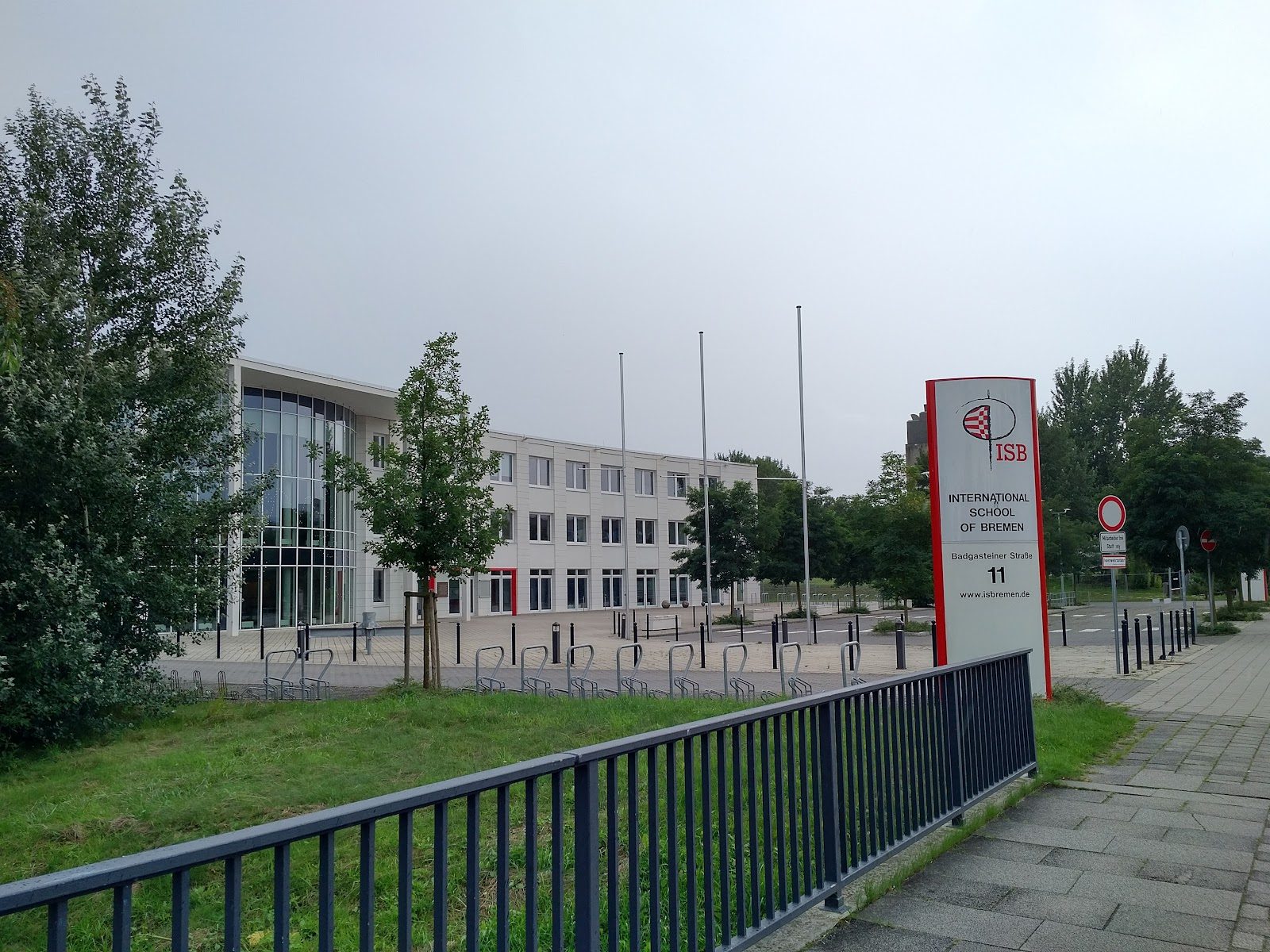
International School of Bremen
Bremen · Germany
On Bremen University's campus, Germany's only MINT-EC STEM-network school pairs IB rigor with hands-on science and engineering.
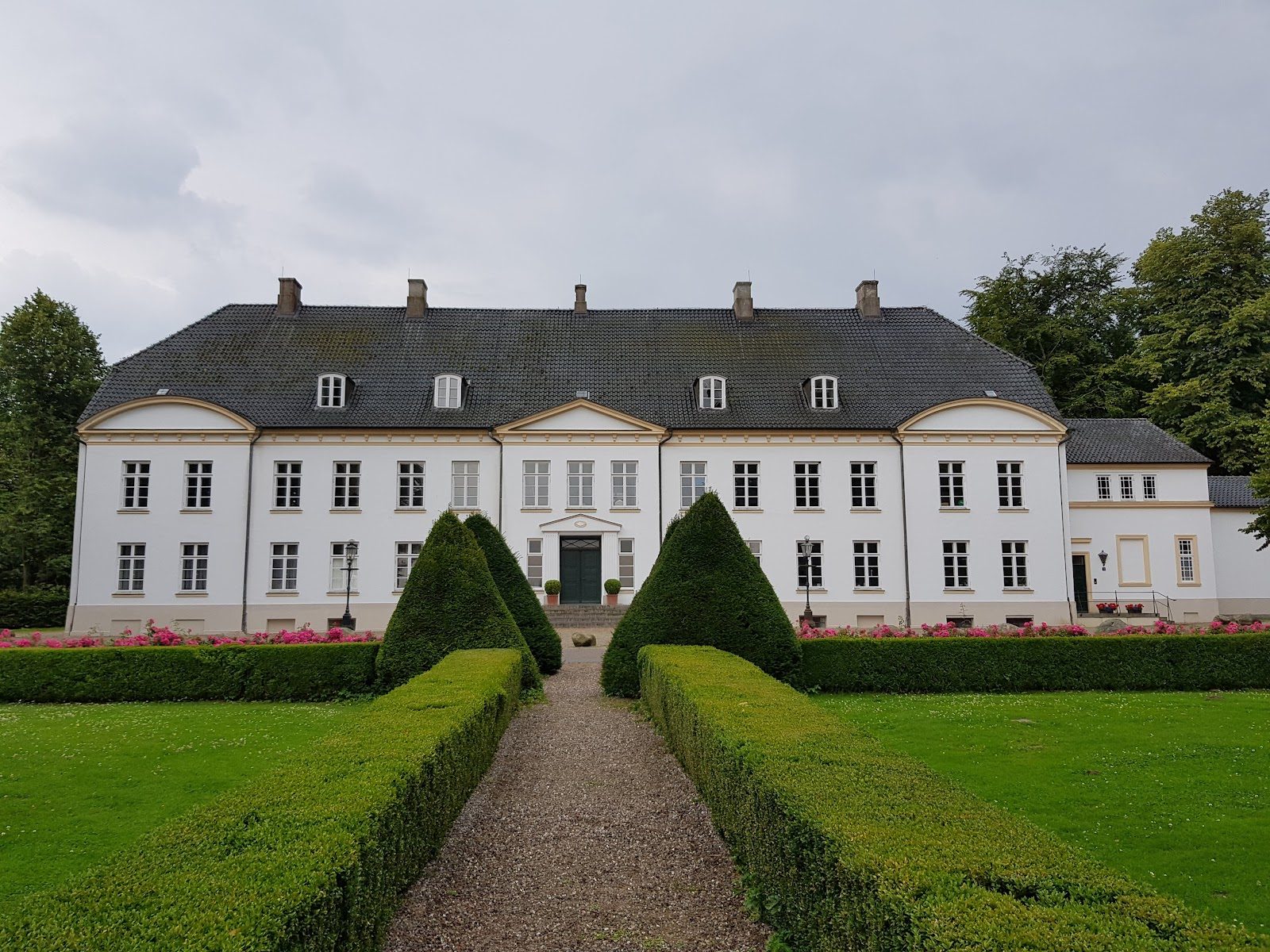
Stiftung Louisenlund
Güby · Germany
A fjord-side castle campus built on Kurt Hahn's ethos pairs IB rigor with a sailing harbour that breeds national champions.
Bonn International School
Bonn · Germany
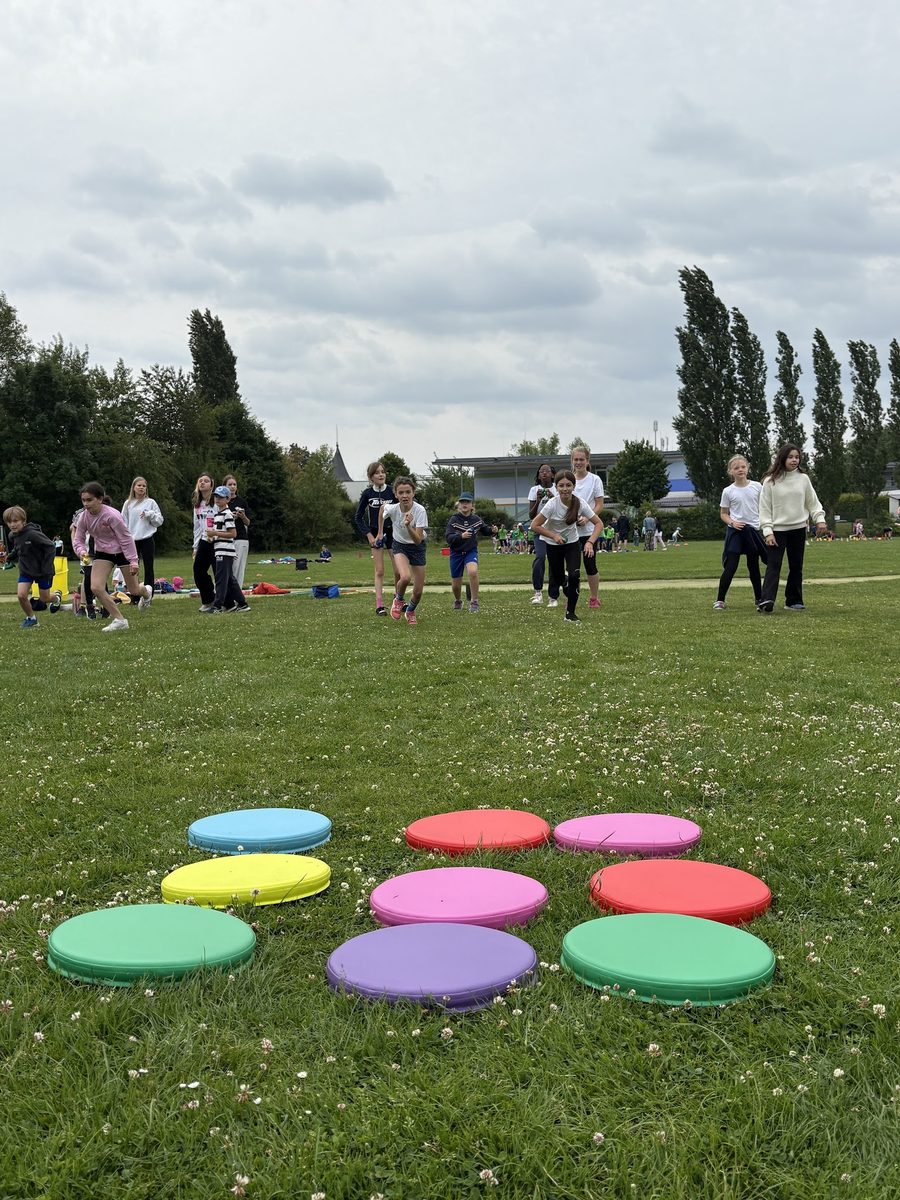
A full IB continuum on the Rhine, where Model United Nations debate echoes Bonn's own UN-city profile.
International School of Stuttgart
Stuttgart · Germany
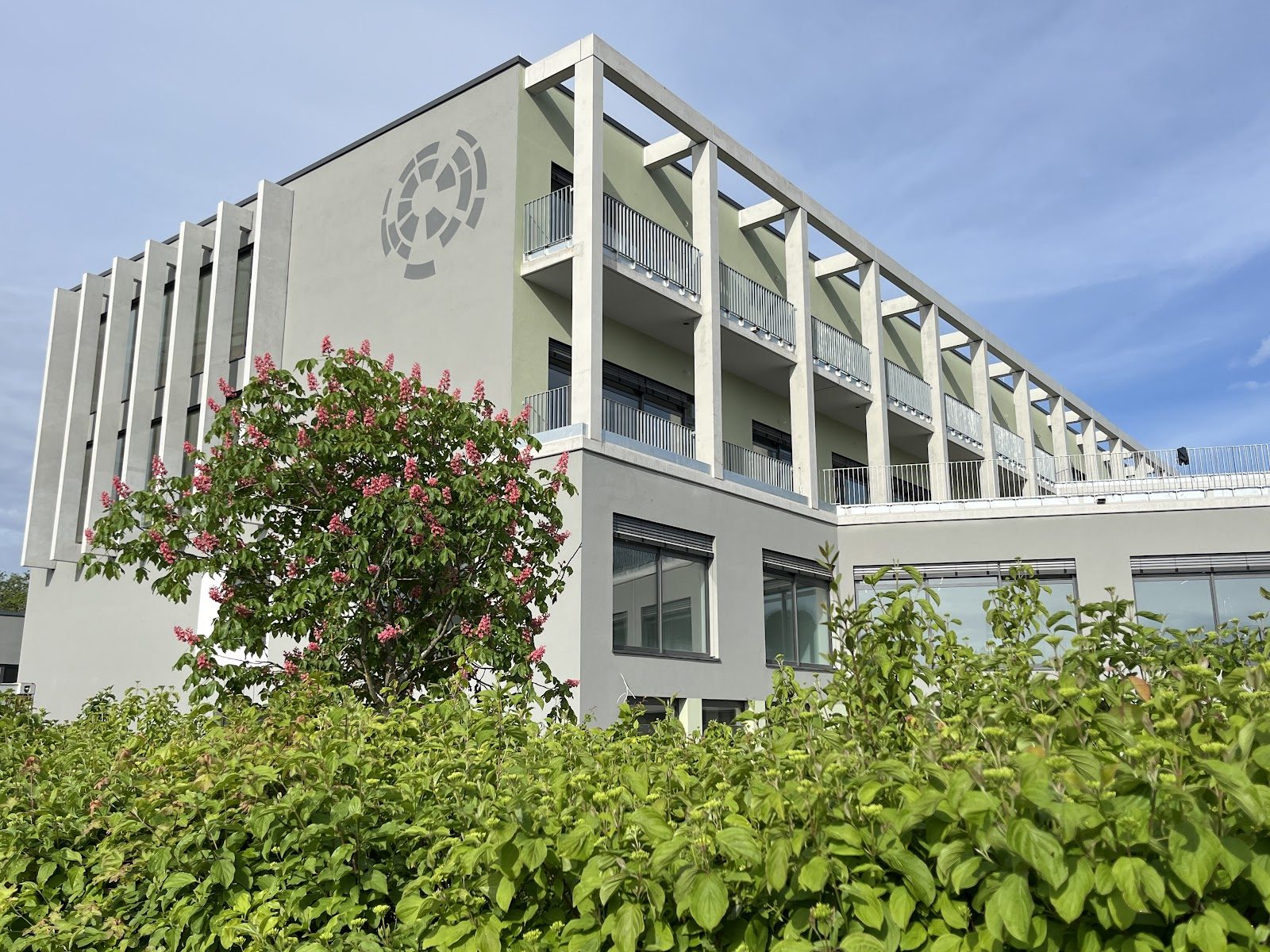
In Stuttgart's engineering heartland, this IB day school opens its full Diploma Programme to any student willing to try, not just the select few.
Same country and curriculum — closest matches within ±10 points either way