
Michigan
A National Historic Landmark campus designed by Eliel Saarinen houses college-prep classrooms inside Michigan's storied arts-and-science community
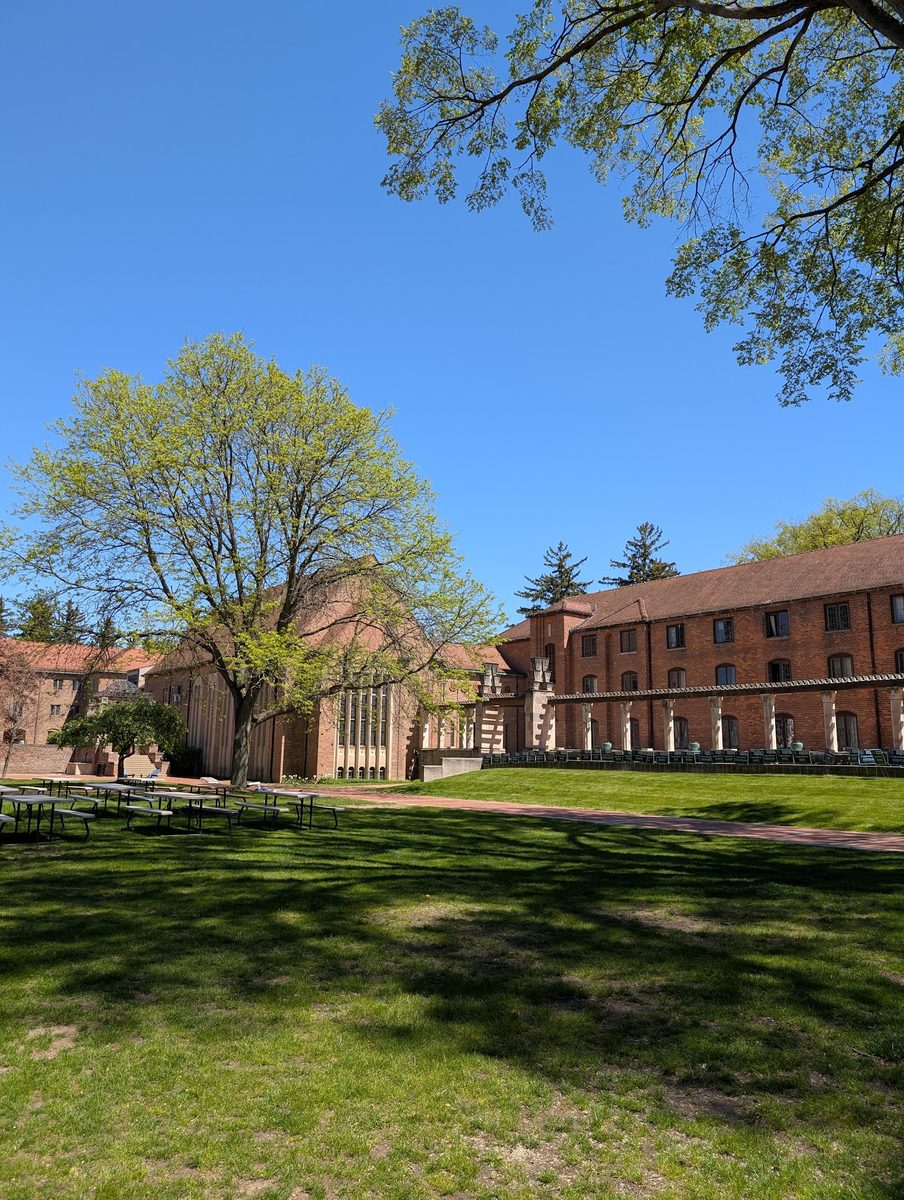
Photo © Mike Dennis via Google Maps
Type
Both
Ages
3–18
Curriculum
American (US High School Diploma) · AP (Advanced Placement)
Ratio
7:1
The Verdict
Editor's commitment
Right for
Families who want a 1922 Bloomfield Hills school with US diploma plus AP, boarding, and a campus tied to art and science.
Wrong for
Parents seeking a cheaper private option: average annual fees run about $29,957 day and $63,000 boarding across ages 3–18.
Watch out for
Cranbrook carries NAIS accreditation and a notable alumni bench, but the school does not publish aggregate AP results or university destinations here.
Ranking breakdown
Cranbrook Schools · #236 of 1591
Composite score 74.5. 8 weighted criteria.
By criterion
Academic Outcomes
Weight 20%
#385
of 1529 scored
University Placement
Weight 16%
#354
of 1529 scored
Prestige & Heritage
Weight 12%
#199
of 1529 scored
Alumni Network
Weight 12%
#127
of 1529 scored
Facilities
Weight 12%
#207
of 1529 scored
Transparency & Communications
Weight 8%
#354
of 1529 scored
Peer & Industry Review
Weight 10%
#387
of 1529 scored
Admissions Selectivity & Demand
Weight 8%
#308
of 1529 scored
Peer & Industry Review
How Cranbrook Schools is regarded in the sector
60
Respected · medium confidence · editor-reviewed
Cranbrook Schools is consistently recognized as one of the top independent college-preparatory schools in Michigan and the Midwest, frequently appearing in Niche.com and Boarding School Review rankings of best private schools in the US. Its architecture and academic program have been covered in national press (e.g., The New York Times, Architectural Digest) due to the historic Cranbrook campus designed by Eliel Saarinen, and its alumni network includes notable figures in design, business, and academia. It carries strong regional and specialist recognition but lacks the near-universal global brand recognition of schools like Phillips Exeter or Andover.
Editor's note
Solid Michigan boarding-day school. Regionally respected; not a top-20 global name in any serious ranking.Evidence sources
Editors' overview
What separates Cranbrook from the pack is not a slogan but a place: a National Historic Landmark campus by Eliel Saarinen, folded into a larger Bloomfield Hills arts-and-science community with its own art museum and institute of science on site. That matters. Plenty of American college-prep schools talk about educating the whole child; Cranbrook has the physical and cultural infrastructure to do it in a way most schools cannot match. It runs from ages 3 to 18, offers the US High School Diploma with AP, and combines day and boarding provision. For families who want an all-through school with a serious sense of continuity, that is a strong proposition. For families who want a compact, purely academic factory, it is not.
The draw here is breadth with substance. The school’s own framing leans hard on “comprehensive college preparation”, “individualised instruction” and a boarding community with students “from around the world”. That points to the right conclusion: Cranbrook suits students who want a full-spectrum education rather than a narrow exam drill. The best fit is the child who will use the campus — the scientist who wants proximity to a serious science institute, the artist who benefits from daily exposure to museum-grade surroundings, the boarder who wants a contained, collegiate environment rather than a commuter school with dorms tacked on. The notable alumni footprint is real, with 19 verified Wikidata alumni across politics, business, scholarship, writing, film, music and the visual arts. That breadth reinforces the school’s identity: not a specialist conservatory, not a sporting machine, but a high-culture American prep school with range.
Fees place it in the premium US independent-school bracket: an average annual day fee of $29,957 and an average annual boarding fee of $63,000 across the full age range. That is expensive, but not irrational for a boarding-and-day school with this kind of estate and institutional ecosystem. The trade-off is straightforward. If you want published headline data on outcomes, the school does not disclose aggregate AP results in the information we have, and no university destination list is set out here. Parents who need hard performance tables before they engage will find that opacity frustrating. Parents who care more about intellectual atmosphere, institutional heritage and a richly textured student experience will keep Cranbrook on the shortlist.
Cranbrook is for students who are bright, self-directed and ready to exploit an environment with a lot going on beyond the classroom. It will suit the child who wants challenge without a single-track culture, and who thrives in a school that treats arts, sciences, service and student life as part of the same project. It is not for the faint-hearted in the sense that the setting itself invites ambition: if a student drifts, the opportunities will pass them by. For the right family, that is the point.
Academic Performance
Cranbrook’s academic positioning is clear enough, even without the public exam dashboard many parents now expect. This is a college-prep school that offers AP and frames its academic programme around breadth, challenge and individual instruction. What it does not publish here is the data that would let families place it cleanly against the most transparent US independents: no aggregate AP score profile, no subject-by-subject pass rates, no schoolwide average SAT or ACT figures, and no university destination list. That is a real weakness in comparative terms. At schools competing for globally mobile families, hard outcomes matter; Cranbrook asks parents to buy into a high-trust model instead.
That does not push it into the academic second rank. The surrounding indicators point the other way. A school with this kind of long-established college-prep identity, a serious arts-and-science ecosystem, and at least 19 verified notable alumni across scholarship, public life, business and the creative industries sits in the company of culturally heavyweight American independents, not the local private-school middle market. The trade-off is that Cranbrook sells intellectual environment more than score-report triumphalism. Relative to peers, it fits best in the group of selective, full-spectrum schools where academic ambition is embedded in a broader formation project. Families who want a spreadsheet-friendly proof pack will find stronger transparency elsewhere. Families who accept some opacity in exchange for institutional depth will not read that as a deal-breaker.
Facilities
Facilities are the headline asset here. The school sits within a 319-acre educational community, and that scale matters because it changes what daily school life can include. Most peer prep schools offer their own classrooms, pitches and arts rooms; Cranbrook adds direct proximity to an art museum, an institute of science, extensive gardens, a natatorium, an ice arena and a major performing-arts venue in the Bailey Center. That is a serious institutional ecosystem, not a decorative campus tour. For students with interests that spill across disciplines, the place offers uncommon range and a level of cultural infrastructure that very few American schools can match. Families looking for a tight, compact school footprint need to read this correctly: Cranbrook is expansive by design, and the physical environment forms part of the education.
Against peers, the comparison splits two ways. In pure architectural and cultural terms, Cranbrook sits in rare company. The National Historic Landmark status and Saarinen legacy give it a built environment with more authority than the standard upper-end independent school. In purely practical terms, that grandeur does not automatically mean every teaching space is newer than those at wealthier recently rebuilt rivals; heritage campuses trade sleek uniformity for character and depth. That is still a trade many families will take. If your benchmark is a polished suburban private school, Cranbrook wins on atmosphere and institutional reach. If your benchmark is the newest ultra-luxury campus, the advantage shifts from gloss to substance, history and breadth.
That puts it in the upper tier of American prep-school prestige, with a profile that is serious, patrician and distinctive rather than universally dominant
Prestige
Cranbrook carries genuine old-school prestige, and not the flimsy kind built on glossy messaging. The source of status sits in the institution’s wider setting: the school forms part of a larger educational community that includes an art museum, an institute of science, historic house and gardens, and a campus recognised at national level for architecture and design. That gives it a rare cultural seriousness in the American independent-school market. Parents are not buying access to a standard suburban private school with a good college office; they are buying entry into an established milieu with real symbolic weight. The verified alumni floor strengthens that case. At least 19 notable alumni in public life, scholarship, business, writing, film, music and the visual arts point to durable reach across elite fields, not a single narrow pipeline.
That prestige has substance, but it also has limits. Cranbrook holds *high-status regional and national name recognition* among families who know US independent schools, architecture, and the arts. It does not trade on the same mass-market global brand power as Andover, Exeter or Choate. The distinction matters. Cranbrook’s cachet is cultivated rather than loud: stronger with families who value intellectual atmosphere, design heritage and cultural capital than with those chasing pure admissions theatre. That puts it in the upper tier of American prep-school prestige, with a profile that is serious, patrician and distinctive rather than universally dominant.
It runs from ages 3 to 18, offers the US High School Diploma with AP, and combines day and boarding provision
Communications
Cranbrook communicates in the manner of an established independent school with a strong internal rhythm: the website is organised around the things parents need to do and know, with clear routes to admissions, academics, college counselling, calendars, events, financial aid, contacts and emergency notifications. That matters more than brand polish. Families can find the practical spine of the school without wading through fog. The site also gives a decent sense of day-to-day institutional life through event listings, news items and named contact points, which is a better sign than vague claims about community. The scale of the operation helps here: a campus of 319 acres with multiple schools and major shared resources demands disciplined communication, and Cranbrook has built the obvious channels for that.
The weakness is different. Public communication leans hard on heritage, opportunity and atmosphere, and far less on hard parent-facing accountability. There is no published dashboard for aggregate AP outcomes, no visible university destination list here, and little in the way of concrete academic reporting for families doing side-by-side comparisons. That leaves communication strong on orientation, weaker on proof. For existing parents, the institutional machinery looks competent and orderly. For prospective parents, the message is cultivated but guarded: plenty on values, place and student life, less on measurable outcomes. In a school with at least 3 academic divisions before the upper years and both day and boarding families to serve, that imbalance stands out.
Uniqueness
Cranbrook’s real distinction is that the school does not sit on an isolated private-school campus; it operates inside a wider educational community with an art museum, an institute of science, historic house and gardens woven into daily life. That gives students access to a deeper cultural field than the standard American prep formula of classrooms plus extracurriculars. The architecture matters too. This is a school shaped by design, landscape and institutional memory, and children absorb that every day. The result is a high-expectation environment in which art, science and scholarship do not live in separate boxes. Even the age span adds to that identity: a child can start early, stay through graduation and grow up inside one coherent institutional world rather than being reset at each stage.
What this brings to students is not just enrichment but formation. A child with intellectual range gets room to build a serious identity across disciplines, whether that means combining laboratory curiosity with writing, performance with academic ambition, or sport with service. The campus infrastructure — from the ice arena and natatorium to the performing-arts centre and extensive grounds — supports that breadth in a way few schools can. The upside is genuine scope and a richly layered adolescence. The downside is clear too: students need initiative. In a place with this much on offer, passive children get lost in the abundance, while driven ones gain an education that feels larger than school.
For families who want an all-through school with a serious sense of continuity, that is a strong proposition
Student Profile
The best fit at Cranbrook is the student who wants more than a classroom-and-home routine. This school suits children with genuine intellectual range: the budding scientist who will use the surrounding science resources, the performer who wants a serious stage culture, the artist who responds to beauty and design, and the strong all-rounder who dislikes being forced into one identity too early. Boarders need a degree of independence and social confidence; day pupils also need the energy to plug into a campus that offers far more than lessons. A passive child, or one who needs constant external prodding, will waste the place. A curious child with initiative will thrive.
Socially, Cranbrook fits students who are comfortable in a high-expectation, cultivated environment without needing it to be flashy or aggressively competitive. The age span matters here: with provision running from 3 to 18, families can choose long institutional continuity, and that tends to favour children who value belonging and gradual growth over frequent resets. The student body also benefits from a wider alumni culture than many schools can claim, with at least 19 verified notable alumni across public life, scholarship and the arts. That does not mean every pupil is an obvious prodigy. It means ambition has room to take many forms. Children who want a narrow hothouse built around test scores alone will find cleaner fits elsewhere; students who want a larger, richer adolescence will fit well.
For families who want a compact, purely academic factory, it is not
Co-curricular strengths
Arts & sport, on a separate axis
Overall 9.06/10
Scored 0-10 from the school's own published evidence. This axis is editorial-only — it does not feed the main WTS ranking.
Sports
9/10
Fields highly competitive varsity teams in ice hockey, lacrosse, and track on an expansive, historic Michigan campus.
Drama
9/10
The performing arts centers anchor an ambitious dramatic tracking program, mounting complex classical and modern plays.
Dance
8.8/10
Active afternoon performance track providing core choreography assets for major collaborative musical theater shows.
Music
9/10
Robust private vocal and instrumental infrastructure feeding active jazz big bands and full symphonies.
Visual Arts
9.5/10
World-class visual arts giant; tightly integrated with the renowned Cranbrook Academy of Art, giving students unparalleled studio access.
Editor-verified · 8/7/2026
Notable alumni · Wikidata
19notable alumni
1 historic (born pre-1930) · 6 modern (born post-1970)wikidata:2026-08-02 How we source this

WTS 300 badge
Cranbrook Schools is one of the World's Top 300 Schools. Claim your listing to add it to your site →
Strengths
- +Campus is a National Historic Landmark designed chiefly by Eliel Saarinen, giving day-to-day school life a backdrop of significant Arts-and-Crafts and mid-century modern architecture.
- +Low 8:1 student-to-faculty ratio with average class sizes around 16, allowing more individual attention than many large college-preparatory schools.
- +Academically strong upper-school cohort, with average standardized test scores around 1470 SAT and 31 ACT among admitted students.
- +Extensive co-curricular offering, including roughly 22 to 25 interscholastic sports plus access to the on-site Cranbrook Institute of Science, Art Museum and Academy of Art.
- +Long track record producing alumni active in politics, journalism, business and the arts, including figures such as Mitt Romney and Daniel Ellsberg.
Considerations
- −Tuition is substantial: day fees run roughly $31,900 to $44,100 depending on grade, with boarding tuition near $60,000 to $65,800 plus additional fees.
- −Admissions are selective, with a reported acceptance rate around 38 percent, below the average for comparable boarding schools.
- −Boarders are a minority of the upper-school population (roughly 257 boarding versus 554 day students), so the boarding community is smaller than at schools built primarily around residential life.
- −Location is suburban Detroit rather than a major global gateway city, meaning international families must factor in connections via Detroit Metropolitan Airport, about 17 miles away.
Availability
Primary entry gate & tests
SSAT/ISEE + Interview
Gallery
Photo © Mike Dennis via Google Maps
Photo © Mike Dennis via Google Maps
Photo © Garcia Bragg via Google Maps
Photo © Garcia Bragg via Google Maps
Photo © Garcia Bragg via Google Maps
Photo © Garcia Bragg via Google Maps
Photo © Garcia Bragg via Google Maps
Photo © Cranbrook Schools via Google Maps
Photo © Cranbrook Schools via Google Maps
Parent reviews
Have you sent your child here?
Voice reviews carry the strongest trust badge — we transcribe them for you to tidy up before they go live. Prefer to type? A written review is fine too.
Add your voice
In 60 seconds, tell other parents: what's the best thing about Cranbrook Schools, and what surprised you when your child joined?
We ask for a Google sign-in so every review has a real face behind it — no anonymous drive-by attacks on schools, and no faked positive reviews. Your email is never shown publicly.
Send this profile to a friend
International parents rely on word-of-mouth. Share this review with someone weighing the same decision.
Schools with places
Similar schools to Cranbrook Schools with places available now.
Saint Ann's School
Brooklyn · United States
- 2026-27
- WAITPOOLLate / attrition-dependent
- 2027-28
- OPENS SOONOpens 8 Sept '26
Ethical Culture Fieldston School
New York City · United States
- 2026-27
- WAITPOOLLimited late availability
- 2027-28
- OPENS SOONOpens post-Labor Day '26
Riverdale Country School
New York City · United States
- 2026-27
- WAITPOOLLate application possible
- 2027-28
- OPENS SOONOpens 8 Sept '26 (Noon ET)
Friends Seminary
New York City · United States
- 2026-27
- WAITPOOLLate/held pending openings
- 2027-28
- OPENS SOONExpected Sept '26
Availability first, then country, area, curriculum, price, co-curricular
Consider also
Also worth looking at alongside Cranbrook Schools.
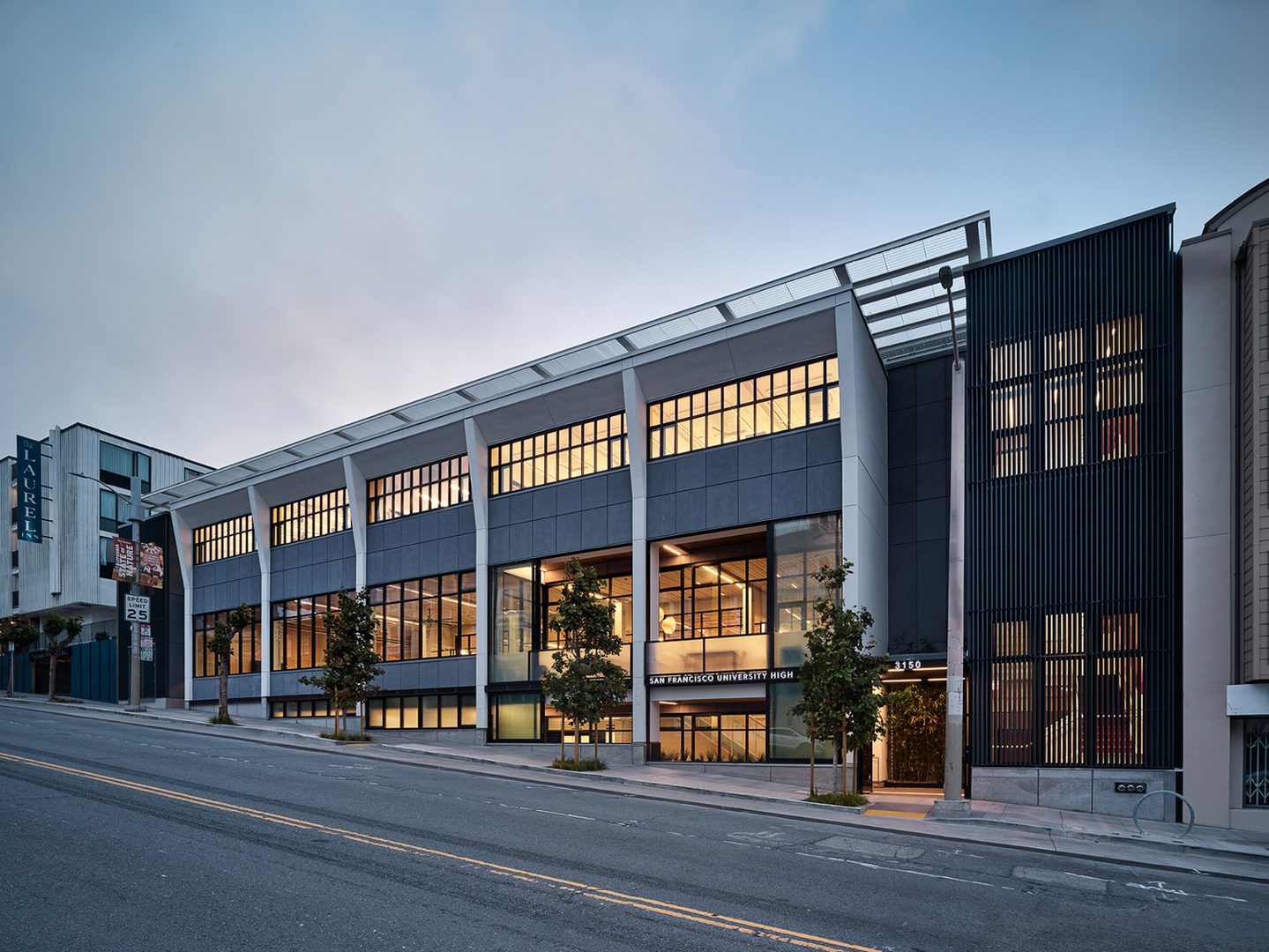
San Francisco University High School
San Francisco · United States
Inside a 1917 Julia Morgan building in Pacific Heights, a signature Civilization seminar drives independent-study scholarship.
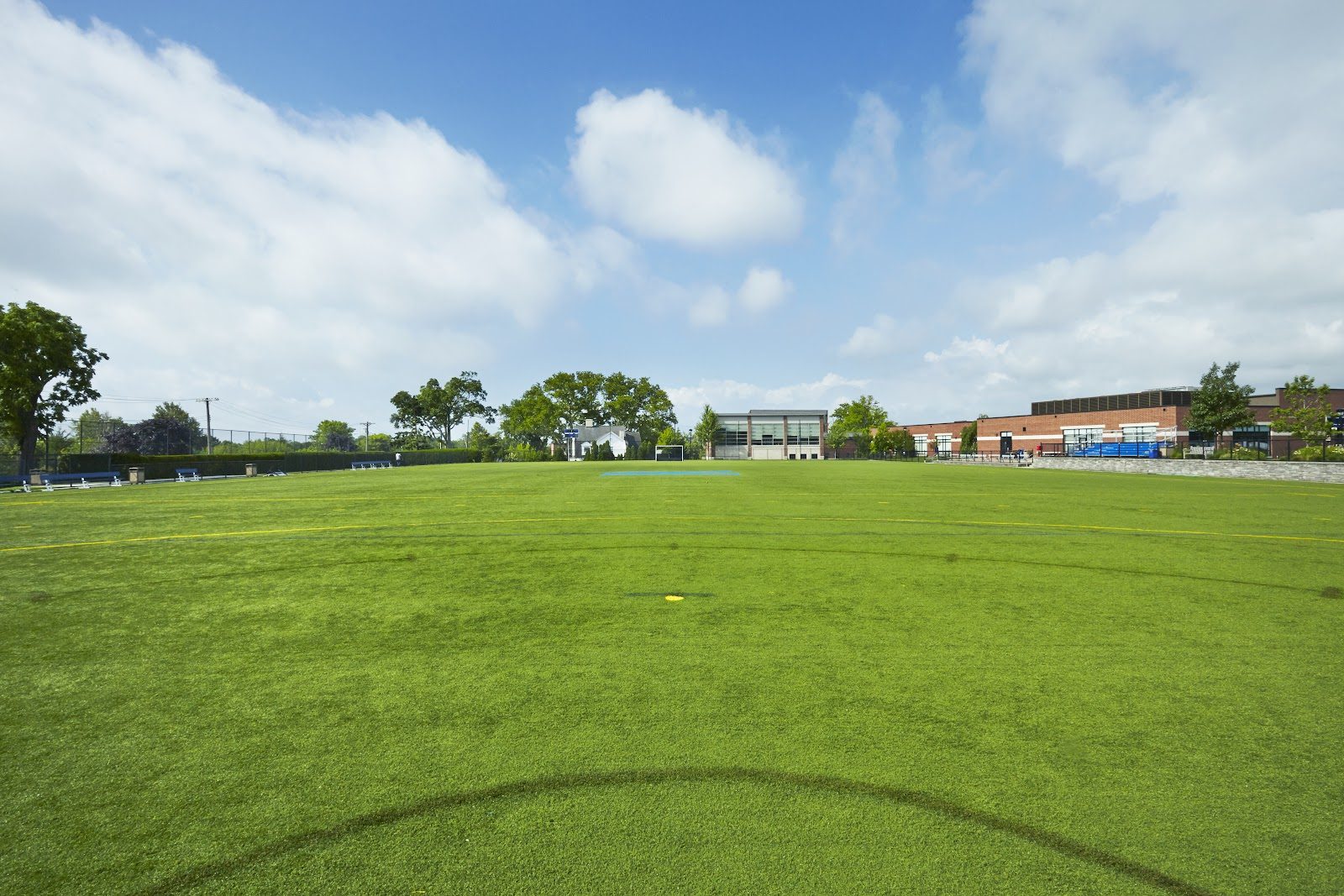
Rye Country Day School
Rye · United States
Founded in 1869 as a girls' seminary in Westchester, this campus still measures success by its motto: not for self, but for service.
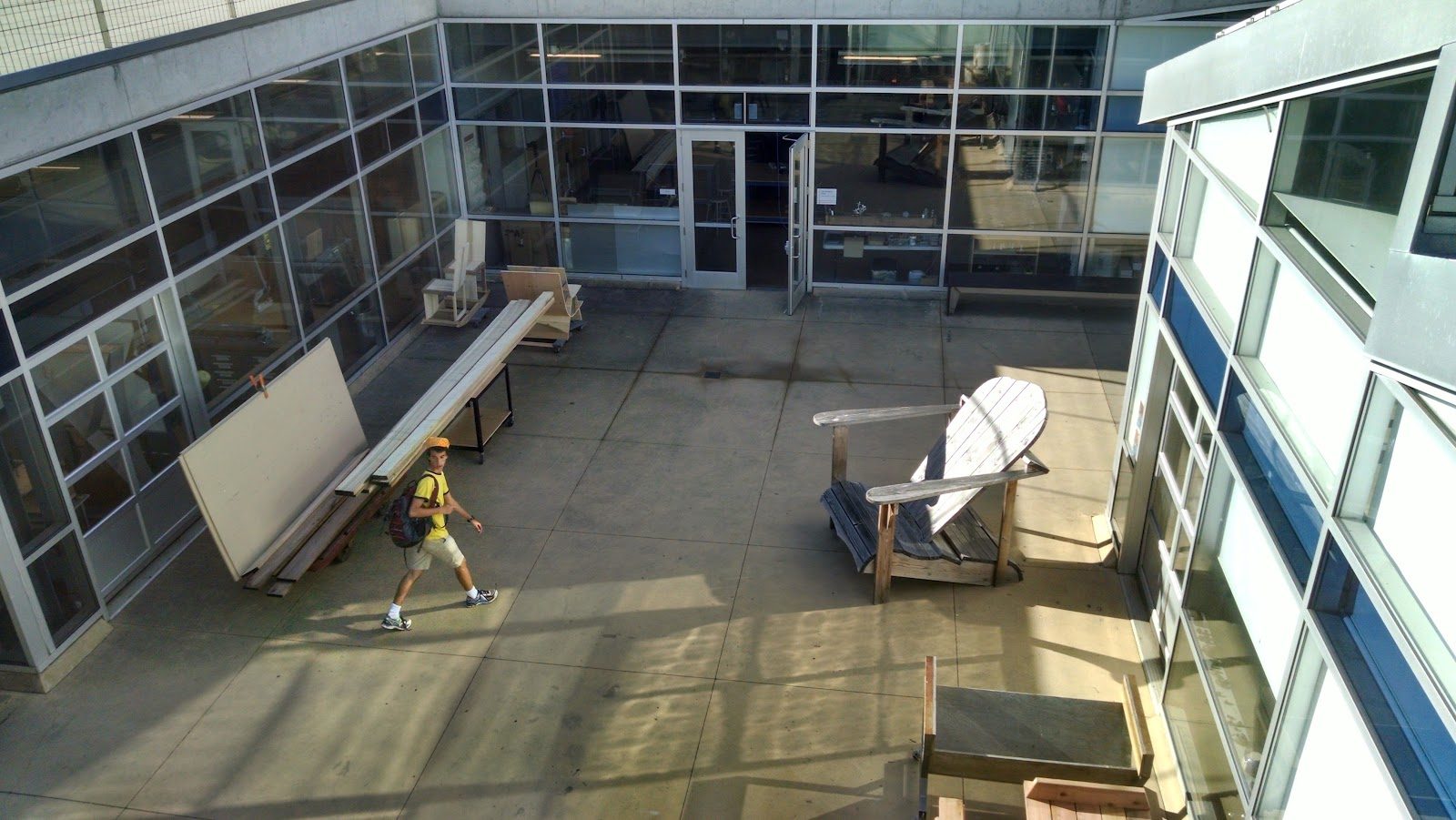
Lick-Wilmerding High School
San Francisco · United States
Founded as an 1895 mechanical-arts school, it still requires wood, metal, jewelry, or electronics credits alongside AP coursework.
Ethical Culture Fieldston School
New York City · United States
Rooted in Felix Adler's 1878 Ethical Culture movement, its wooded Riverdale hilltop campus still anchors progressive American pedagogy.
Same country and curriculum — closest matches within ±10 points either way