
Berkshire
Founded within Reading Abbey in 1125, this selective state grammar for boys still sends the bulk of its leavers to Russell Group and Oxbridge places.
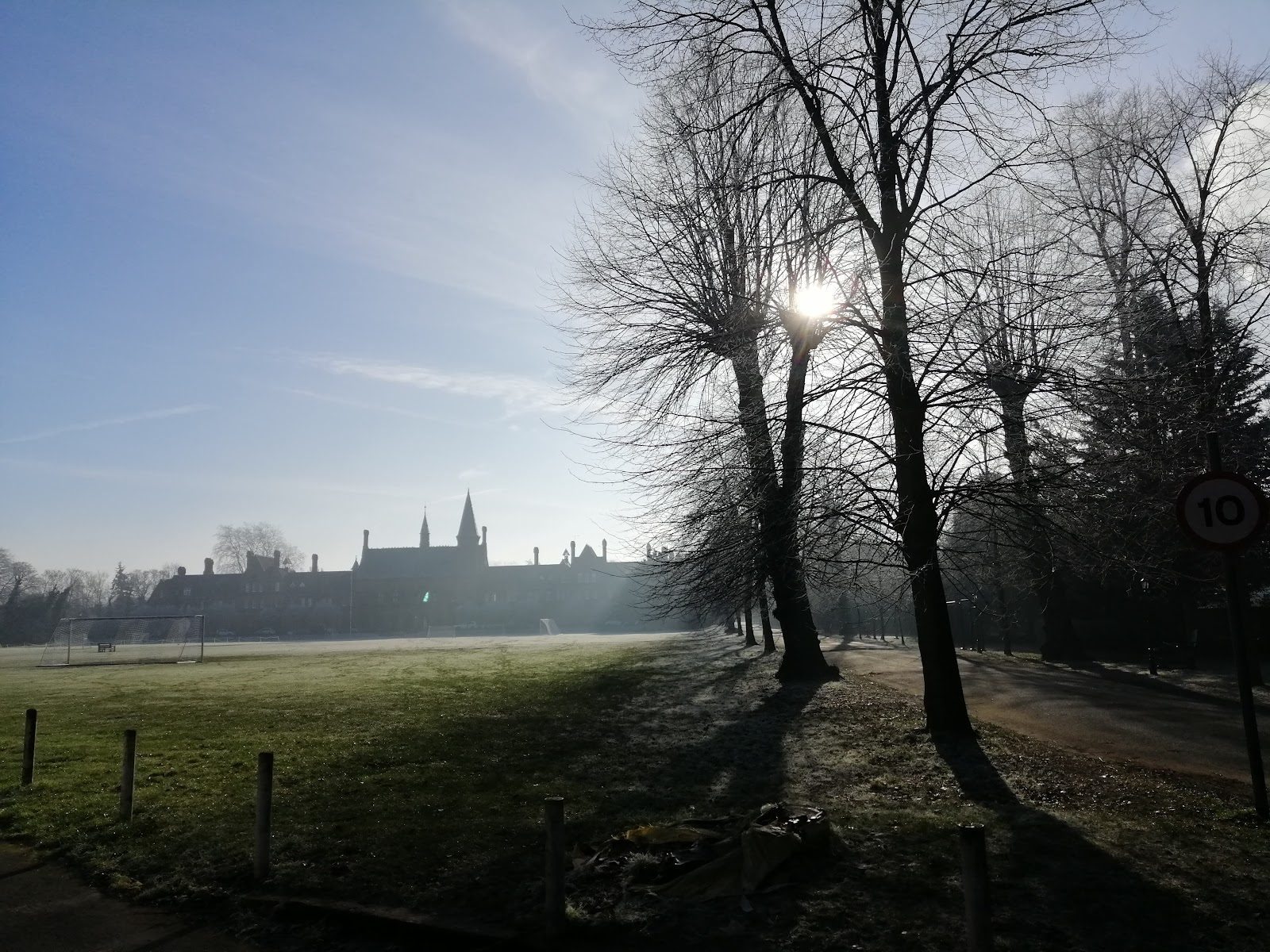
Photo © Lucas via Google Maps
Type
Both
Ages
11–18
Curriculum
British
Qualifications
GCSE · A-Level
Ratio
12:1
The Verdict
Editor's commitment
Right for
Academic boys who want a selective British sixth form with results: 90%+ of A-level entries at A*–B and 22 Oxbridge offers.
Wrong for
Families wanting co-education or a broader post-18 spread: this is boys-only, 11–18, and 49 of 130 leavers went Russell Group.
Watch out for
The pitch is unapologetically academic: top GCSE grades in 85%+ of courses, average class size 25, and Cambridge, Oxford and Imperial dominate destinations.
Ranking breakdown
Reading School · #86 of 1591
Composite score 78.7. 8 weighted criteria.
By criterion
Academic Outcomes
Weight 20%
#43
of 1529 scored
University Placement
Weight 16%
#59
of 1529 scored
Prestige & Heritage
Weight 12%
#125
of 1529 scored
Alumni Network
Weight 12%
#95
of 1529 scored
Facilities
Weight 12%
#741
of 1529 scored
Transparency & Communications
Weight 8%
#204
of 1529 scored
Peer & Industry Review
Weight 10%
#175
of 1529 scored
Admissions Selectivity & Demand
Weight 8%
#81
of 1529 scored
Score history
Reading School · 2026
Movement across 2024–2026. Peer average overlaid.
Overall — 2024–2026
78.7/ 100
▲ +26.7 vs 2025
year on year
Peer & Industry Review
How Reading School is regarded in the sector
78
Strong · high confidence
Reading School is consistently ranked as the top state secondary in the South East, a distinction reconfirmed year after year by the Sunday Times Parent Power Guide, most recently for 2026. WhichSchoolAdvisor calls it "an academic powerhouse that attracts some of the county's brightest boys" and notes that over 90% of leavers progress to top universities, with 20-plus Oxbridge or overseas offers annually. The Good Schools Guide independently echoes this, describing it as a "muscular grammar firing on all cylinders" that families "move heaven and earth" to enter, backed by an Outstanding Ofsted rating and 18 Oxbridge places in 2024. As a selective state boarding grammar rather than a fee-paying independent, its national profile sits just below the very top private schools, but within the state and grammar sector its reputation is exceptionally well established and consistently benchmarked.
Editors' overview
At Reading School, the first thing that matters is selection. This is an 11–18 state grammar for boys, founded in 1125, and it still runs on the old compact: high academic pace, high expectations and no apology for either. The exam profile is blunt. Year 13 students secure A* to B grades in more than 90% of A-level entries, and GCSE candidates take the top grades in more than 85% of courses. Leavers then move on accordingly: in 2024, 92% of 130 leavers went to top-100 universities, with 22 Oxbridge places and 49 Russell Group offers; Cambridge, Oxford and Imperial featured heavily. For parents who want proof that a state school can compete with expensive independents at the top end, this is it.
What distinguishes Reading from many high-performing grammars is that it does not sell itself as an exam factory, even though the results would justify that line. The school states its priorities in plainer moral terms: character, service, relationships and social impact. That can read like rhetoric at schools with weaker substance behind it; here, the academic record gives the broader pastoral argument credibility. Class sizes average 25, so this is not a small, hand-held environment, and boys need enough self-direction to thrive. The presence of boarding also widens the proposition beyond the local commuter belt, though this remains a school defined by scholarship and intellectual seriousness rather than by boarding-house culture.
Reading belongs on a shortlist for families with a boy who is fiercely academic, comfortable in a competitive cohort and keen on university ambition without the full independent-school price structure. It also suits students who like tradition but do not need a glossy version of it. The school’s age, alumni depth and destination record give it real institutional weight; 87 notable alumni are catalogued in Wikidata, with strength in politics, scholarship and public life. This is not the right fit for a child who needs extensive individual cushioning, a broad-ability intake or a less pressurised sixth form. It is right for a boy who wants to be stretched hard, keep company with other bright students and treat school as a serious intellectual enterprise. In that market, Reading is a formidable state-sector outlier.
Academic Performance
Reading’s exam record sits at the hard-edged end of the state sector. The school states that more than 90% of A-level entries land at A* to B, while GCSE pupils take the top grades in more than 85% of courses. In a comprehensive, those numbers would be exceptional; in a selective grammar, they still place the school in the top-flight. The key point for parents is not raw attainment alone but consistency across both public exam stages. This is not a school with one strong sixth form papering over weaker lower-school outcomes. The performance profile is relentlessly academic from entry to exit.
Relative to peers, Reading belongs with the small group of grammar schools that compete directly with leading independents on results while charging none of the independent-school tuition. That advantage needs one caveat: selection does heavy lifting here, so these outcomes do not measure value added in the same way they would at a broad-ability school. Even so, the scale of high grades marks out a serious academic engine. Wikipedia’s claim that the school has ranked in the national top ten fits the pattern of performance, even if league-table positions rise and fall year by year. Parents comparing it with other elite grammars should treat Reading as a school where exam pressure is real, the pace is fast and weak academic habits get exposed early.
Facilities
The school’s facilities profile is defined less by spectacle than by fit. This is not a glossy independent with a performing-arts complex built to impress at open day. It is an academically driven state grammar with boarding attached, and the physical estate serves that brief. The site includes boarding provision under a housemaster, which matters because very few state schools can offer a residential option at all. For the right family, that is a genuine differentiator. Beyond that, the public picture is strikingly thin. The school does not publish the kind of detailed facilities inventory that stronger competitors now treat as standard: no clear public showcase of specialist labs, arts spaces, sports provision or sixth-form study infrastructure. That absence does not prove weakness, but it does leave parents with less hard evidence than they should expect from a school of this stature.
Against peer grammars, that puts Reading in an unusual position. Its academic reputation runs ahead of its published campus story. Some rival selective schools now document theatres, design suites, high-spec science blocks and major sports assets in granular detail; Reading does not. Parents choosing on educational substance over estate polish will not care much. Parents weighing boarding seriously, or comparing facilities line by line with top independents, need to ask sharper questions on a visit: how much space boarders use after hours, what specialist teaching rooms pupils access day to day, and whether the campus feels functional, constrained or *better than the school bothers to advertise*.
At Reading School, the first thing that matters is selection
Prestige
Reading School carries real prestige in the British state sector because it combines three things that rarely sit together at this level: deep institutional history, extreme selectivity and outcomes that feed directly into the country’s most competitive universities. That matters. Plenty of schools have one of those assets; few have all three. The school’s old-grammar identity still has force, and not as costume. It gives Reading a durable place in the national conversation about academic excellence outside the fee-paying system. The alumni record strengthens that claim. Wikidata alone logs 87 notable former pupils, with weight in politics, scholarship, writing and public life. That breadth counts for more than a celebrity list. It points to a school with long civic reach, not just a short burst of exam success.
The prestige also rests on scarcity. Entry is selective, places are contested and the school has a reputation that extends well beyond its local catchment. For ambitious families, that creates the pull. For students, it creates a peer group shaped by competition and expectation. The result is a badge with serious academic currency, especially for families who want elite university traction without private-school fees. The limit is clear too: this prestige is narrower than an old public school’s. Reading carries intellectual and university prestige, not the same social gloss, sporting mythology or international brand recognition that attach to famous independents. In its own lane, though, it is a first-rank state-school name.
In a comprehensive, those numbers would be exceptional; in a selective grammar, they still place the school in the top-flight
Communications
Reading’s parent communication is competent, formal and old-school in tone. The public-facing site does the essentials cleanly: leadership is named, admissions and payment links are easy to find, and the school states its priorities in direct language rather than management jargon. That matters at a selective school with a strong sense of hierarchy and expectation. Parents can see who runs the place and what the school thinks it is for. The message from the head is longer than it needs to be, but it does one useful job well: it makes the school’s moral framework explicit instead of hiding behind grades. The gap is operational detail. The website does not give parents a rich, practical picture of day-to-day life, and it is thin on the kind of granular information many families now expect before a visit.
That leaves the overall communications picture credible but not expansive. For existing parents, a login area for parents, staff and governors points to a more functional internal system, though the public side gives little sense of how frequently families hear from the school, how sharply it handles routine updates, or how transparent it is when problems arise. For prospective parents, the effect is mixed. The school communicates authority and seriousness with no glossy overproduction, which suits its identity. It communicates warmth and operational transparency less well. In plain terms: the values are clear, the chain of command is clear, but the everyday parent experience is less clearly surfaced than it should be.
Uniqueness
What makes Reading unusual is not one feature in isolation but the rare combination of them: a state grammar with a residential option, a medieval institutional lineage, and academic outcomes that put it into direct competition with schools that charge full independent fees. That combination gives boys access to a peer group selected for pace and academic appetite without importing the full social machinery of the private sector. The school’s own language matters here too. It does not frame education as grades alone; it talks instead about service, relationships, resilience and integrity. At many high-performing schools that language reads like decorative pastoralism. At Reading it has a harder purpose: to stop bright boys mistaking attainment for education. For students, that means a culture that prizes intellectual seriousness but also insists on conduct, contribution and public-mindedness.
The other distinctive strength is reach. Reading is not just a strong local grammar; it operates with national pull. The residential element opens the door to families beyond the immediate area, and the university destination profile confirms that the school converts talent into high-end progression. That creates a student experience shaped by high-calibre company, strong internal competition and clear expectations about where hard academic work can lead. The cost advantage sharpens the point. Day pupils pay no tuition fees, and boarders pay for accommodation and food rather than a full private-school tariff. In practical terms, that makes Reading a serious meritocratic route into elite academic circles for boys who can handle pressure and do not need a soft landing.
Year 13 students secure A to B grades in more than 90% of A-level entries, and GCSE candidates take the top grades in more than 85% of courses
Student Profile
Reading suits boys who are bright, driven and resilient enough to thrive in a selective peer group where academic effort is the baseline, not the exception. The school’s published results and destination pattern make the student culture plain: this is a place for pupils who enjoy difficult work, can keep pace without constant hand-holding and do not need a broad-ability classroom to feel confident. The average class size of 25 reinforces that point. Individual attention exists, but this is not an intimate setting built around therapeutic reassurance. It is better for boys who can organise themselves, absorb high expectations and take correction without drama. Intellectual confidence helps; so does a willingness to compete without turning brittle.
The better fit is a student with serious university ambition and enough maturity to engage with the school’s strong moral language around service, honesty and character. That matters because Reading does not treat scholarship as the whole job. Boys who want pure credential-chasing with no wider obligations may find the culture more demanding in character than they expect. Equally, a child who needs constant pastoral cushioning, or who wilts in a fast cohort, will struggle. This school works best for the self-propelled, the thick-skinned and the boy who wants to spend his adolescence among other able students aiming high. The boarding element also broadens the intake beyond a purely local day-school crowd, which gives the community a wider social mix than many grammars.
For parents who want proof that a state school can compete with expensive independents at the top end, this is it
Co-curricular strengths
Arts & sport, on a separate axis
Overall 7.3/10
Scored 0-10 from the school's own published evidence. This axis is editorial-only — it does not feed the main WTS ranking.
Sports
8.2/10
A new fitness suite plus refurbished gym and changing rooms, and the school holds the boys' KS4 and U16 national badminton championships for 2023/24, combining dedicated facilities with national-level competitive success.
Drama
8/10
'Drama productions' as an extracurricular.
Dance
4/10
Music
8.8/10
The current site includes a dedicated 'Music School', which is clear evidence of a named facility for music.
Visual Arts
7.5/10
Editor first-pass · editor-reviewable · 7/28/2026
Outcomes & destinations
Where students go next
Editorial estimateClass of 2024
130 graduates
A-Level distribution
100% covered
- A*48%
- A33%
- B16%
- C3%
Top destinations
71 placements
- Cambridge· 12
- Oxford· 10
- Imperial College London· 14
- UCL· 12
- Warwick· 8
- Durham· 6
- Nottingham· 5
- Bristol· 4
England's second-oldest school; boys' selective state grammar.
Editor-approximated from the school's own leavers report. Awaiting school-attested figures.
Notable alumni · Wikidata
87notable alumni
Includes
- Constantine Phipps(1656)
71 historic (born pre-1930) · 0 modern (born post-1970)wikidata:2026-07-28 How we source this
The story in one line
88% to Higher Education·from a cohort where 4.7% of pupils are eligible for Free School Meals
FSM is the Department for Education's headline marker of low household income (pupils whose families claim income-based benefits). It's the fairest lens for a school's true value-add: a school with a wealthier intake gets a head start; a school achieving strong outcomes with a broader FSM base is doing more of the work itself. DfE-verified sustained level-4+ destination.
DfE-verified statistics
Official GCSE data · 2024/2025
Progress 8
—
Value-added score. State-schools only; 0 = expected progress, +1 = one grade above.
Attainment 8
83
Average grade across 8 GCSEs (score out of 90). National ≈ 46.
EBacc average score
8.25
Avg grade across the 5 EBacc pillars (English, Maths, Sciences, Language, Humanity).
EBacc slots filled
3
How many of the 5 EBacc pillars pupils typically enter (max 5).
Cohort · Pupils on roll
766
Free school meals
4.7%
English as additional language
20.6%
A-Level attainment
Cohort · 2023/24
Avg A-Level grade
A
APS per entry: 49.14
Best 3 grade
A
Best-3 APS: 49.29
≥ AAB + 2 fac.
70.6%
Russell-Group predictor.
Progress (value-added)
+0.26
Above average
Sixth-form destinations
Leavers · 2021/2022
Any HE
88%
Sustained a level-4+ destination.
Degree
—
Sustained degree study.
Top-third HE
—
The top-third universities (Russell-Group-adjacent).
URN 136449Verified · DfE 2024/2025
Official inspection
Ofsted report · 2020
Inspectorate
Ofsted
The UK's official inspectorate for state-funded schools.
Latest report
9 March 2020
Ofsted inspection
Read it in full
Official reportVerified · OfstedSource-of-truth

WTS 300 badge
2025/26 editionReading School is one of the World's Top 300 Schools for 2025/26. Add it to your site →
Strengths
- +As a state grammar school, day places carry no tuition fees, and boarders pay only for food and lodging, around £13,000 to £15,000 a year, rather than full independent-school fees.
- +The school traces its history to Reading Abbey and dates its founding to 1125, making it one of the oldest schools in England.
- +It operates as a genuine state boarding school with dedicated boarding houses (including East Wing), a structure that is uncommon among English state schools.
- +The school's boarding was praised in its OFSTED 2023 inspection for warm, caring relationships and strong pastoral support.
- +The academically selective intake and grammar-school setting give able boys a demanding, high-expectation environment aimed squarely at leading universities.
Considerations
- −It is a single-sex boys' school throughout, with no coeducational option at any stage, including sixth form.
- −Entry is unashamedly selective: all applicants must sit a competitive entrance test in English, Maths and creative writing, and demand for the roughly 150 Year 7 places is described as fierce.
- −Boarding is weekly rather than full-time; boarders return home at weekends, which may not suit relocating families needing continuous residential care.
- −External sixth-form applicants face a high academic bar, needing strong GCSE grades (a Grade 7 minimum is required for several A-level courses), which can disadvantage students arriving from non-UK curricula.
Availability
Primary entry gate & tests
11+ State Grammar Exam (Boys)
Gallery
Photo © Zeeshan Iqbal via Google Maps
Photo © Zeeshan Iqbal via Google Maps
Recommended reading
Independent write-ups of this school from editorial outlets we trust.
- Reading SchoolGood Schools Guide
Parent reviews
Have you sent your child here?
Voice reviews carry the strongest trust badge — we transcribe them for you to tidy up before they go live. Prefer to type? A written review is fine too.
Add your voice
In 60 seconds, tell other parents: what's the best thing about Reading School, and what surprised you when your child joined?
We ask for a Google sign-in so every review has a real face behind it — no anonymous drive-by attacks on schools, and no faked positive reviews. Your email is never shown publicly.
Send this profile to a friend
International parents rely on word-of-mouth. Share this review with someone weighing the same decision.
Schools with places
Similar schools to Reading School with places available now.
Availability first, then country, area, curriculum, price, co-curricular
Consider also
Also worth looking at alongside Reading School.
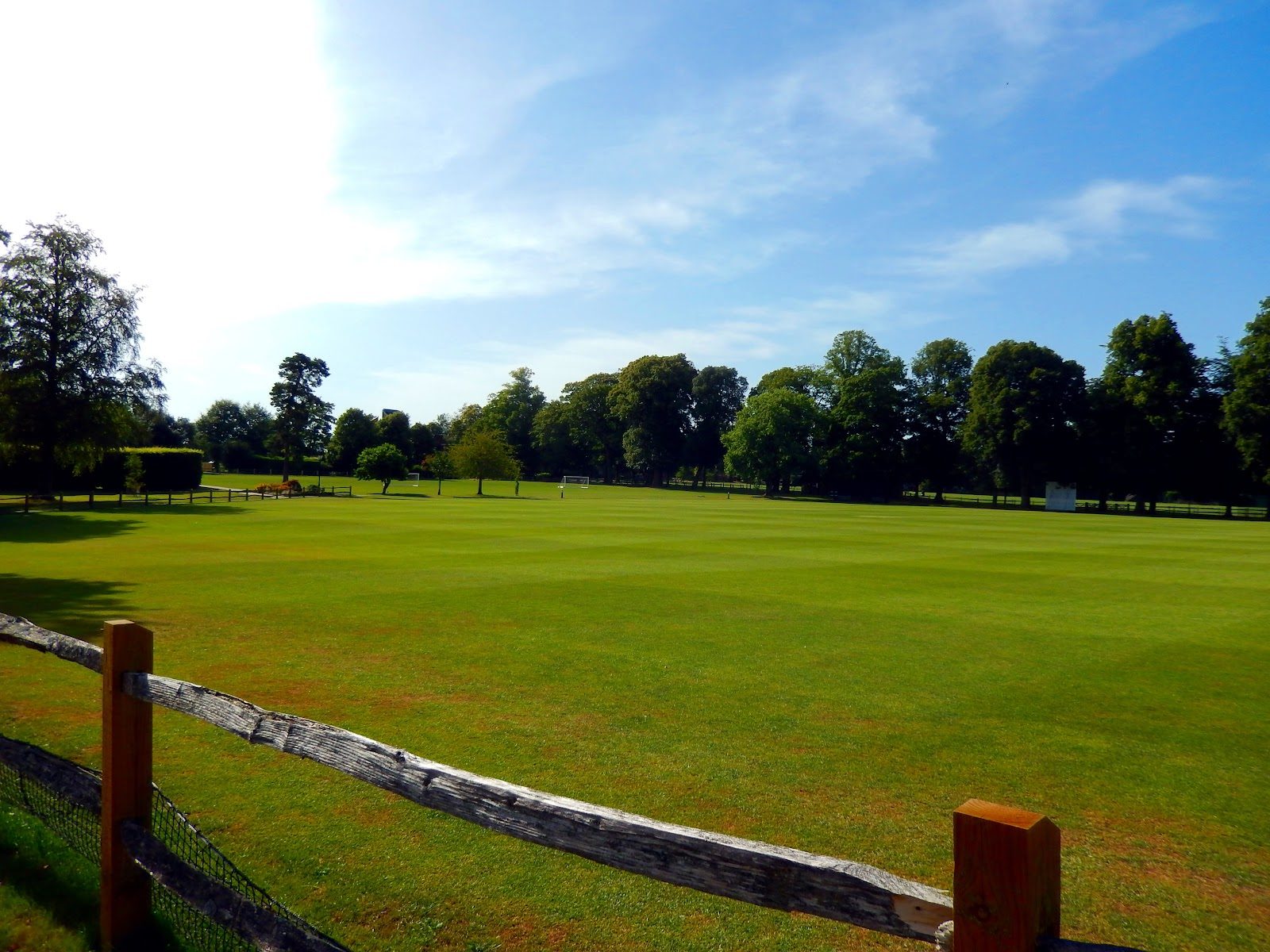
Charterhouse
Godalming · United Kingdom
One of England's Nine Great Public Schools, now fully coeducational, set on a 250-acre Surrey campus with IB scores averaging 37 points.
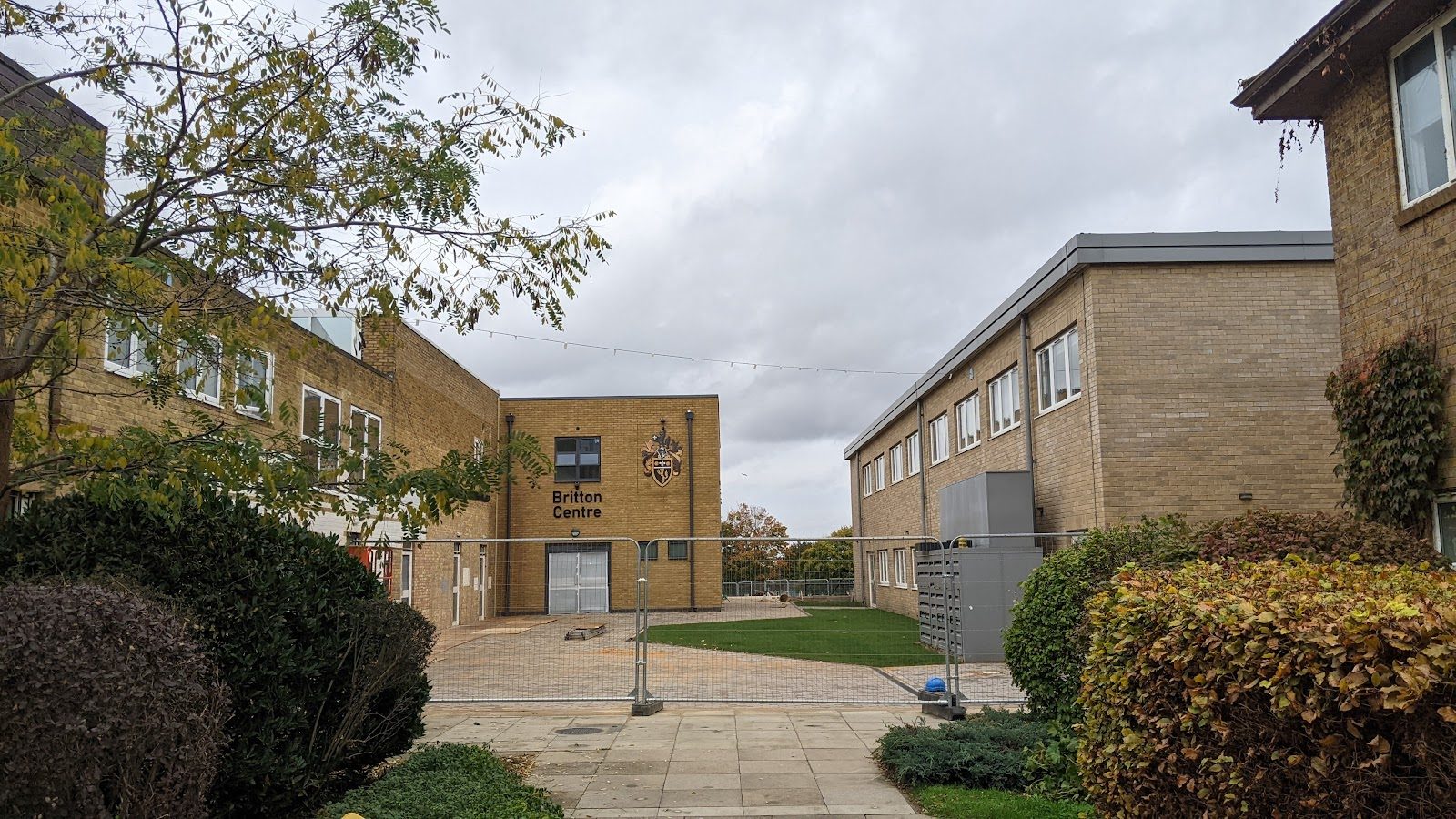
Wilson's School
Sutton · United Kingdom
A 1615 charity foundation turned super-selective grammar, thriving on a former Croydon airfield with a sharp focus on maths and computing.

Colchester Royal Grammar School
Colchester · United Kingdom
A state grammar bearing two royal charters, from Henry VIII to Elizabeth I, with its own boarding house and a science-and-languages bent.
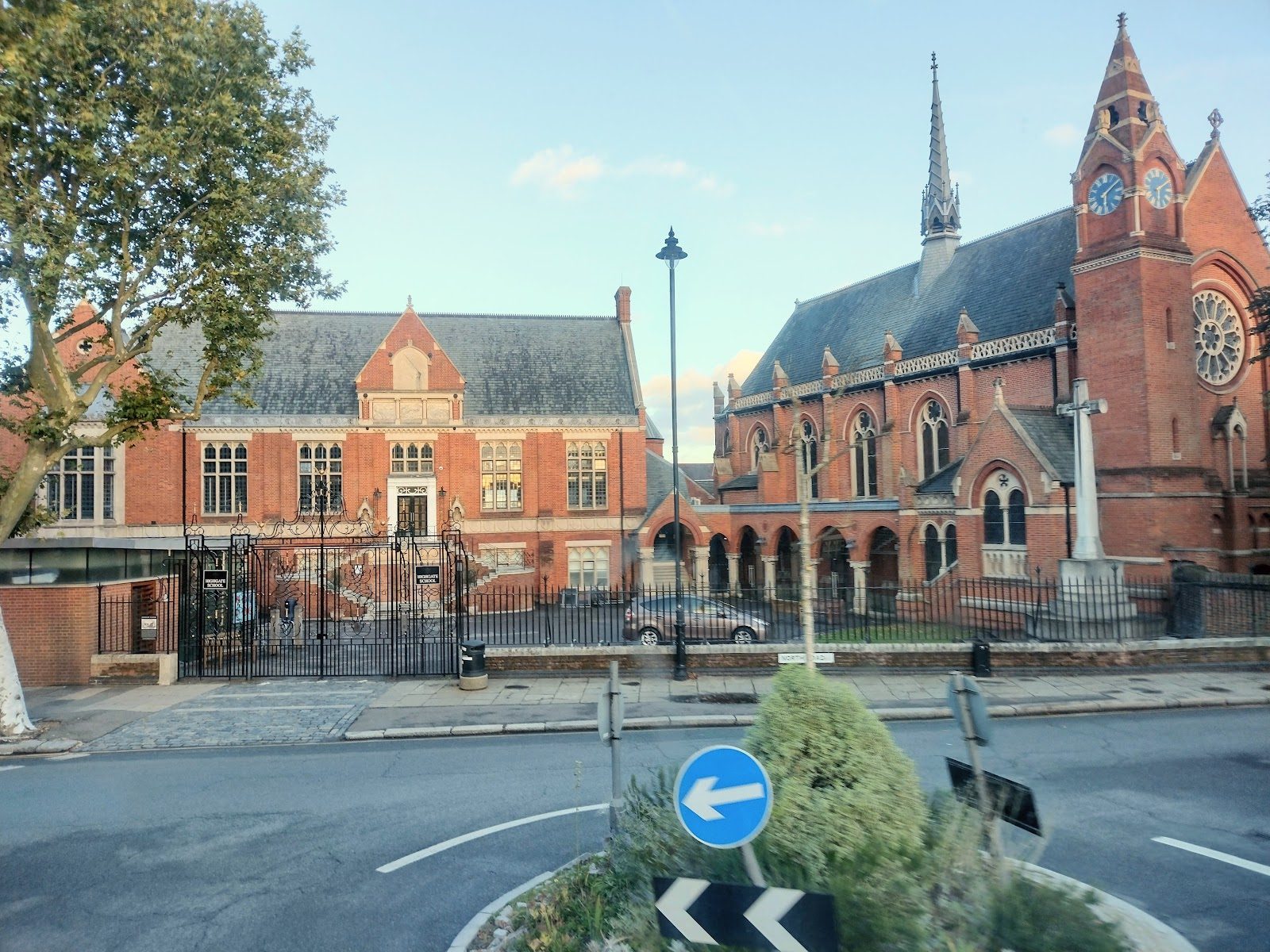
Highgate School
London · United Kingdom
Chartered by Elizabeth I in 1565, this Highgate grammar school now founds access academies alongside its Oxbridge-bound sixth form.
Same country and curriculum — closest matches within ±10 points either way