
Massachusetts
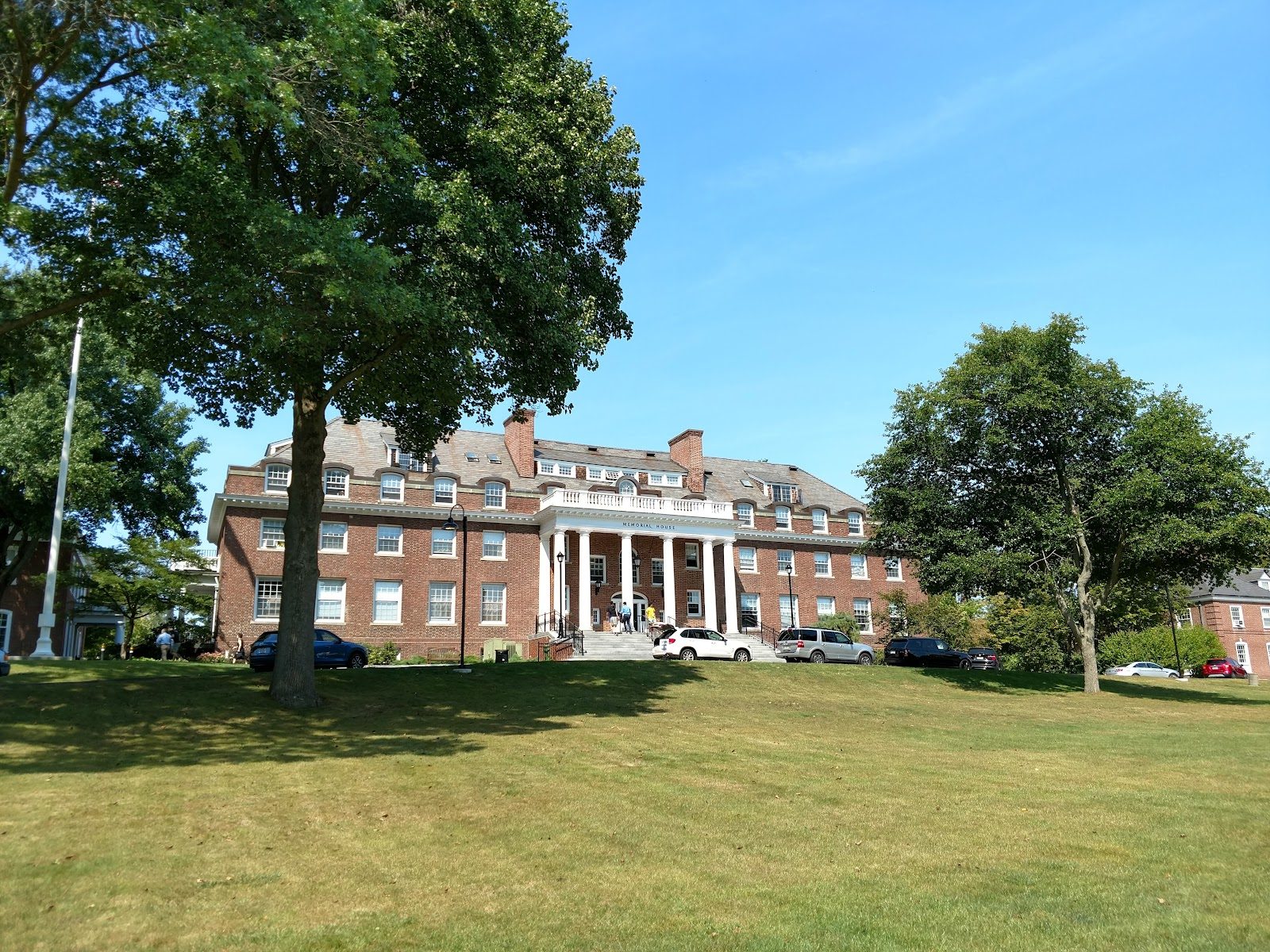
On an Olmsted-designed campus, English-style forms and a nightly handshake anchor this Episcopal school's century-old ethic of service.
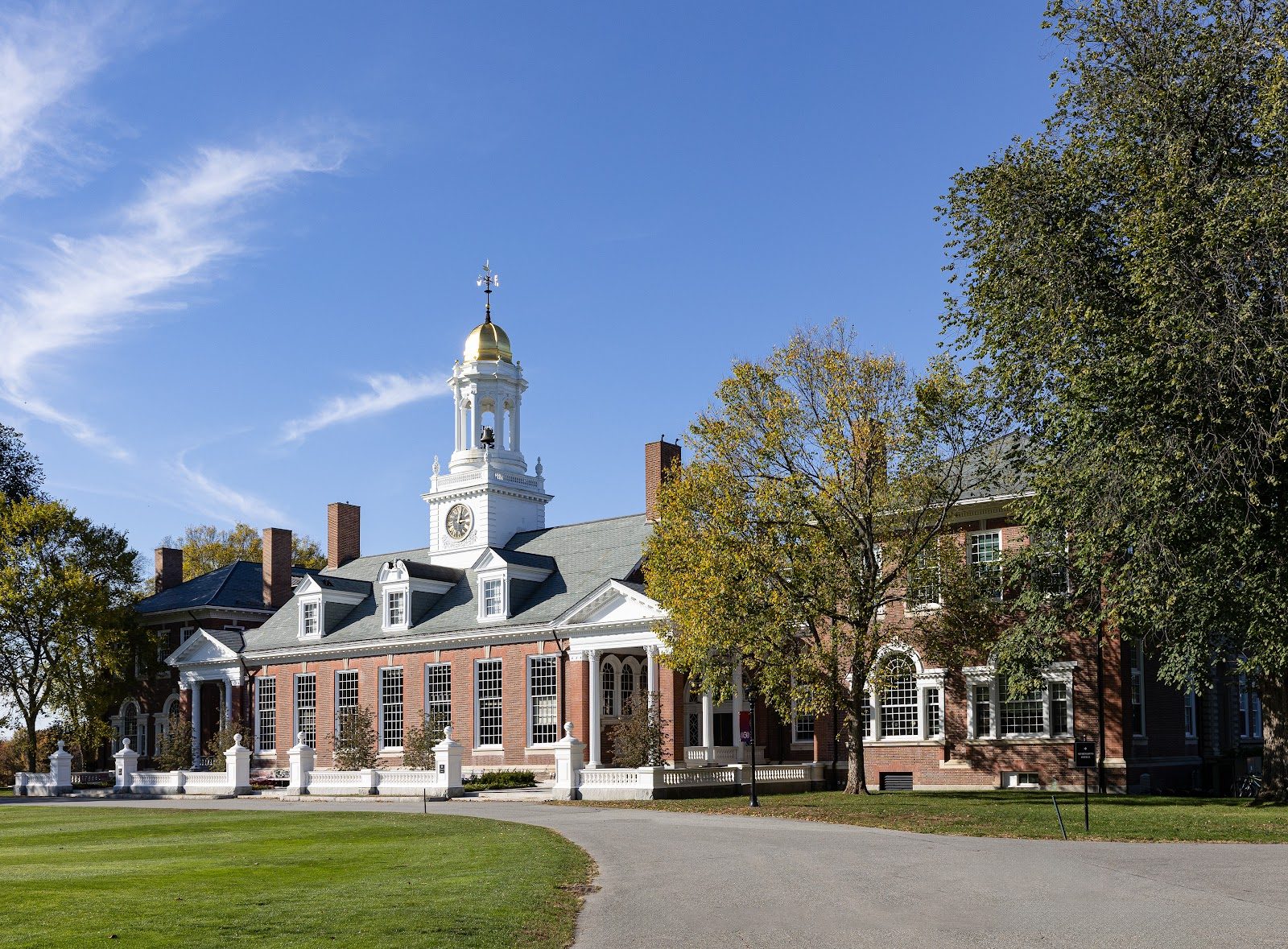
Photo © Mike Lefebvre via Google Maps
Type
Both
Ages
13–18
Curriculum
American
Qualifications
AP
Ratio
4:1
The Verdict
Editor's commitment
Right for
Families who want a 380-student Episcopal boarding school with a 4:1 ratio, daily chapel, and serious US university outcomes.
Wrong for
Teenagers who dislike ritual and communal scrutiny: handshakes every night, morning Chapel, Roll Call, and Sixth Form prefect leadership are built in.
Watch out for
This is expensive at $62,740 boarding and $48,850 day; the 480-acre Olmsted campus and 18-pupil classes do not make it less exacting.
Ranking breakdown
Groton School · #27 of 1591
Composite score 80.6. 8 weighted criteria.
By criterion
Academic Outcomes
Weight 20%
#148
of 1529 scored
University Placement
Weight 16%
#136
of 1529 scored
Prestige & Heritage
Weight 12%
#25
of 1571 scored
Alumni Network
Weight 12%
#21
of 1530 scored
Facilities
Weight 12%
#64
of 1533 scored
Transparency & Communications
Weight 8%
#84
of 1532 scored
Peer & Industry Review
Weight 10%
#83
of 1548 scored
Admissions Selectivity & Demand
Weight 8%
#198
of 1529 scored
Score history
Groton School · 2026
Movement across 2024–2026. Peer average overlaid.
Overall — 2024–2026
80.6/ 100
▲ +24.1 vs 2025
year on year
Peer & Industry Review
How Groton School is regarded in the sector
93
Top-tier · high confidence
Groton School is consistently ranked among the most elite boarding schools in the United States, frequently benchmarked alongside Phillips Exeter, Andover, and St. Paul's in specialist education press and college counseling circles. Its alumni network is exceptionally prominent, including FDR and numerous other high-profile political, business, and cultural figures, and it is a perennial reference point in Chronicle of Higher Education and Boarding School Review coverage of top New England prep schools. Peer institutions and elite college admissions offices treat Groton as a gold-standard feeder school, reinforcing its top-tier reputation.
Evidence sources
Editors' overview
The nightly handshake tells you more about Groton than any mission statement. This is a small Episcopal boarding school of 380 students on a 480-acre, Olmsted-designed campus, and it still runs on ritual, duty and a strong internal culture. Morning Chapel, Roll Call, handshaking, Sixth Form prefect responsibilities and weekly worship are not decorative flourishes; they are part of the machinery of the place. Parents looking for a loose, anonymous American high school will find the opposite here. Groton is deliberately old-structured, intensely communal and unusually confident in asking adolescents to submit to shared habits. For the right child, that produces real ballast.
That structure sits alongside serious academic attention. Groton teaches the American curriculum, with a 4:1 student-teacher ratio and an average class size of 18, so students get close adult scrutiny and little room to hide. The school states plainly that it resists narrow specialisation, which matters: this is a school for able students who want breadth as well as rigour, and who can tolerate high expectations in many directions at once. The recent university destinations underline the point. The University of Chicago leads with 49 matriculations, followed by Georgetown and Harvard with 16 each. This is not a finishing school for polish alone; it sends pupils into demanding academic environments and has the track record to prove it.
Its market position is clear. Groton trades in institutional depth, not scale, novelty or glossy international branding. NEASC and NAIS accreditation provide the expected external assurance, but the real differentiator is the combination of intimacy, pastoral visibility and inherited prestige. Fees are expensive even by US independent-school standards: an average of $62,740 a year for boarders and $48,850 for day pupils across the full age range. Families paying that level are buying access to a tightly run boarding culture, a powerful alumni network and a school where character formation is treated as a daily practice rather than a slogan.
The pupil who will want Groton is bright, socially durable and comfortable in a community where everyone knows everyone else. It suits students who value close supervision, tradition and service, and who are willing to participate rather than stand back. It will not suit teenagers who want maximum freedom, a casual relationship with authority or a more secular atmosphere. On a shortlist, Groton earns its place because it offers something harder to find than strong academics alone: a cohesive moral culture with real expectations attached.
Academic Performance
Groton does not publish aggregate AP, SAT or ACT outcomes, and that limits any hard comparison on external examinations. Parents cannot inspect school-wide score distributions, top-band percentages or subject-by-subject strength in the way they can at more transparent American independents. That opacity matters. In a market crowded with academically ambitious boarding schools, published results are one of the cleanest ways to separate genuine academic firepower from reputation and polish. Groton asks families to trust broader signals instead: a highly selective intake, a culture of close adult oversight, and a university destination list led by the University of Chicago at 49 matriculations, with Georgetown and Harvard at 16 each. Those outcomes place it in the company of serious, high-prestige peers, even without the public exam tables some rivals provide.
That said, Groton’s academic model is not built around narrow exam-chasing. The school states that it resists specialisation and values breadth, which changes the texture of performance. The question here is less “How many top scores?” than “What kind of student leaves?” On that measure, Groton reads as intellectually ambitious and institutionally confident: a school whose strongest pupils reach elite universities, but whose public case for academic quality rests more on placement and educational philosophy than on disclosed testing data. Relative to peers, that puts Groton in the top tier for outcomes and in a weaker tier for statistical transparency.
Facilities
The campus is one of Groton’s strongest assets. The school has 480 acres to work with, and unlike many New England boarding schools where land reads as decorative surplus, here the grounds are part of the institution’s identity. The Circle — designed by Frederick Law Olmsted — gives the place a ceremonial coherence that many peers cannot match. That matters more than aesthetics. A compact pupil body on a large estate gives students room for sport, walking, boarding-house life and school rituals without the sprawl or traffic of larger campuses. In the US boarding-school market, that combination of beauty, order and usable space sits in the top tier. Architectural Digest naming it the most beautiful independent school in Massachusetts is not a trivial flourish; it confirms what visiting families will register immediately.
What is less clear is the specialist-facilities story. Groton publicises the landscape, chapel-centred life and communal settings far more than laboratories, theatres, design spaces or elite-performance sports infrastructure. That does not mean those facilities are weak; it means the school does not sell itself on a catalogue of cutting-edge buildings. Against peers, that places Groton closer to the institutionally confident end of the spectrum: a school whose physical plant supports a deeply traditional residential culture first, and whose standout facility is the campus itself rather than a headline STEM centre or arts complex. Parents chasing flashy capital-project bragging rights will find stronger competitors. Parents who value setting, scale and lived daily atmosphere will find Groton unusually persuasive.
Groton is deliberately old-structured, intensely communal and unusually confident in asking adolescents to submit to shared habits
Prestige
Groton carries serious old-establishment prestige. That rests on three things: age, selectivity and institutional reach. The school’s history is threaded through American public life, not as a decorative anecdote but as part of its identity; even its own account places national figures and graduates at the centre of the story. The alumni footprint reinforces that claim. Wikidata alone records 58 notable alumni, including heavy representation in politics, finance, scholarship and public writing. That is not celebrity clutter. It is the profile of a school that has fed elite universities, the professions and public leadership for generations. Add the school’s tiny scale and you get a brand of prestige that feels concentrated, insiderish and durable.
This is not the loud prestige of a giant, globally marketed name. It is *inherited American boarding-school prestige*: Episcopal, ritualised, socially legible to families who know the sector, and still powerful in admissions and alumni circles. The recent destination pattern supports that standing, and the school’s refusal to publish aggregate test data does not erase it; it simply means Groton trades more on institutional reputation than statistical exhibition. That cuts both ways. For some parents, the appeal lies in exactly that self-confident opacity. For others, it will read as an establishment school asking families to buy into status, culture and network as much as measurable academic disclosure. The prestige is real. It is also highly coded.
Relative to peers, that puts Groton in the top tier for outcomes and in a weaker tier for statistical transparency
Communications
Groton communicates like a school that expects parental trust and adult buy-in, not constant customer management. The public-facing message is coherent, disciplined and unusually clear about what the school values: community, service, chapel, leadership, affordability and belonging. There is no scramble to be all things to all families. That helps. Parents can grasp the school’s internal logic quickly, including the fact that ritual and spiritual life sit near the centre, not at the edges. The small scale also works in its favour. In a community of 380 pupils with a 4:1 student-teacher ratio, families have every reason to expect direct access to adults who know their children well, and Groton’s whole structure points towards that kind of close-contact relationship rather than bureaucratic distance.
The limitation is different: communication is strong on ethos and weaker on hard performance disclosure. Groton tells parents what it believes, how it organises school life and why service matters. It does not publish the aggregate testing data that many analytically minded families now expect. That leaves a gap between cultural transparency and academic transparency. If you want a school to explain its moral framework, daily habits and communal expectations in plain language, Groton does that better than most. If you want dashboards, comparative metrics and a heavy stream of quantifiable outcomes, it does not. For many families, that balance will feel confident and old-school; for others, it will feel too reliant on institutional trust.
Uniqueness
What sets Groton apart is not prestige alone but the school’s insistence on form. Many American independents talk about character; Groton builds it into the timetable and the choreography of daily life. Chapel, Roll Call, prefect responsibilities, weekly worship and the nightly handshake create a culture where adolescents are expected to acknowledge one another, submit to routine and take communal obligations seriously. That is high-structure schooling in the old mould, and Groton does not dilute it for modern tastes. In a community of 380 students, those rituals do real work: they make evasion harder, participation more visible and leadership less rhetorical. Students do not drift through the place unnoticed. They are known, watched and asked to contribute.
That brings clear advantages for the right pupil. Groton offers moral seriousness without the anonymity that lets teenagers disappear into performance, friendship groups or selective effort. Its Episcopal framework also gives the school a distinctive centre of gravity: spirituality and service are treated as operating principles, not decorative values pasted onto a college-prep machine. The result is a close-grained, demanding education that pushes students towards steadiness, self-command and public-mindedness. For families who want freedom first, that will feel restrictive. For families who want adolescence shaped by habit, accountability and shared standards, Groton offers something rare and durable.
In the US boarding-school market, that combination of beauty, order and usable space sits in the top tier
Student Profile
Groton suits adolescents who can live under scrutiny without turning brittle. In a school of 380, there is little anonymity and even less tolerance for coasting. The right student is intellectually able, socially durable and willing to take part in a community that prizes courtesy, ritual and service as daily obligations, not optional extras. This is a strong fit for pupils who value adult attention, can handle visible expectations and do not need teenage life to feel loose or negotiable. The Episcopal frame matters too: students do not need to be devout, but they do need respect for chapel, religious literacy and a school culture with a clear moral centre. Children who thrive here tend to have a steady internal compass, a high tolerance for structure and an appetite for belonging that goes beyond friendship groups.
It is less well suited to the adolescent who wants privacy, irony as a defence mechanism, or wide personal latitude. Groton’s habits — from formal leadership duties to the nightly handshake — reward students who can commit without posturing. That does not require polish on arrival. It requires social maturity, emotional resilience and a willingness to be known. Families choosing Groton are not buying freedom with support on the side; they are choosing a deliberately demanding culture in which character is trained in public. For the right child, that can be formative in the best sense. For the wrong one, it will feel confining very quickly.
Parents who value setting, scale and lived daily atmosphere will find Groton unusually persuasive
Co-curricular strengths
Arts & sport, on a separate axis
Overall 8.62/10
Scored 0-10 from the school's own published evidence. This axis is editorial-only — it does not feed the main WTS ranking.
Sports
8.8/10
Ultra-competitive Independent School League (ISL) programs; fields national-caliber varsity squash and crew teams.
Drama
9/10
Structured, highly active theater curriculum utilizing professional-grade mainstages within the Campbell Center.
Dance
7.5/10
Offered as a dedicated afternoon co-curricular activity, though smaller in scale than its music and sports tracks.
Music
9/10
Exceptional chamber and sacred tradition anchored by the historic, world-renowned St. John's Chapel Choir.
Visual Arts
8.8/10
Highly intimate, intensive studio art tracks (ceramics and fine oils) housed within the custom Dillon Art Center.
Editor-verified · 8/6/2026
Outcomes & destinations
Where students go next
Top destinations
273 placements
- University of Chicago· 49
- Georgetown University· 16
- Harvard University· 16
- Stanford University· 15
- Tufts University· 14
- Dartmouth College· 13
- Yale University· 12
- Boston College· 11
- Middlebury College· 11
- Princeton University· 11
- University of Pennsylvania· 11
- Brown University· 10
- Colby College· 9
- Columbia University· 9
- Northwestern University· 9
- Cornell University· 8
- Bowdoin College· 7
- Hamilton College· 7
- University of St Andrews· 7
- Vanderbilt University· 7
- Duke University· 6
- Carnegie Mellon University· 5
- Massachusetts Institute of Technology· 5
- University of Southern California· 5
Reported by the school. Confirm with admissions.
Notable alumni · Wikidata
58notable alumni
42 historic (born pre-1930) · 3 modern (born post-1970)wikidata:2026-07-28 How we source this
WTS 300 badge
2025/26 editionGroton School is one of the World's Top 300 Schools for 2025/26. Claim your listing to add it to your site →
Strengths
- +Consistently high academic outcomes with a low student-teacher ratio, cited around 7:1, allowing close faculty attention across a small enrollment of roughly 380 students.
- +Need-blind admission policy with substantial financial aid: about 40-44% of students receive aid and families earning under $150,000 attend tuition-free.
- +Long, well-documented history dating to 1884 with notable alumni including President Franklin D. Roosevelt and Nobel laureate John B. Goodenough.
- +Distinctive enrichment programs such as GEO (Groton Educational Opportunities) travel experiences and the GRACE academic-acceleration initiative broaden the standard curriculum.
- +Sizeable endowment (approximately $475 million) has allowed the school to hold tuition increases below many peer boarding schools in recent years.
Considerations
- −Highly selective, with reported acceptance rates in the roughly 9-14% range, making admission uncertain even for strong applicants.
- −Boarding tuition is substantial (around $62,000-$63,000 per year before aid), a significant commitment for relocating families without aid eligibility.
- −Very small total enrollment (under 400 students) means a narrower range of course electives and extracurricular scale compared to larger prep schools.
- −Rural Massachusetts campus sits roughly 30-40 miles from Boston, requiring reliance on Logan International Airport and added travel time for international families.
Availability
Primary entry gate & tests
SSAT/ISEE + Interview
Gallery
Photo © Henry Webb via Google Maps
Photo © Henry Webb via Google Maps
Photo © JackGeoGuss via Google Maps
Photo © Brock Clark via Google Maps
Photo © Alana Lipkin via Google Maps
Photo © Liliang Zhu via Google Maps
Photo © Krzysiek Jakubowski via Google Maps
Photo © Krzysiek Jakubowski via Google Maps
Photo © Krzysiek Jakubowski via Google Maps
Parent reviews
Have you sent your child here?
Voice reviews carry the strongest trust badge — we transcribe them for you to tidy up before they go live. Prefer to type? A written review is fine too.
Add your voice
In 60 seconds, tell other parents: what's the best thing about Groton School, and what surprised you when your child joined?
We ask for a Google sign-in so every review has a real face behind it — no anonymous drive-by attacks on schools, and no faked positive reviews. Your email is never shown publicly.
Send this profile to a friend
International parents rely on word-of-mouth. Share this review with someone weighing the same decision.
Schools with places
Similar schools to Groton School with places available now.
Deerfield Academy
Deerfield · United States
- 2026-27
- CLOSEDRegular cycle
- 2027-28
- PLACES OPENTours/interviews underway
The Roxbury Latin School
Boston · United States
- 2026-27
- CLOSEDRegular cycle
- 2027-28
- OPENS SOONOpens 1 Sept '26
Boston Latin School
Boston · United States
- 2026-27
- CLOSEDStandard route
- 2027-28
- OPENS SOONOpens Sept '26
Milton Academy
Milton · United States
- 2026-27
- CLOSEDRegular cycle
- 2027-28
- PLACES OPENInterviews underway
Availability first, then country, area, curriculum, price, co-curricular
Consider also
Also worth looking at alongside Groton School.
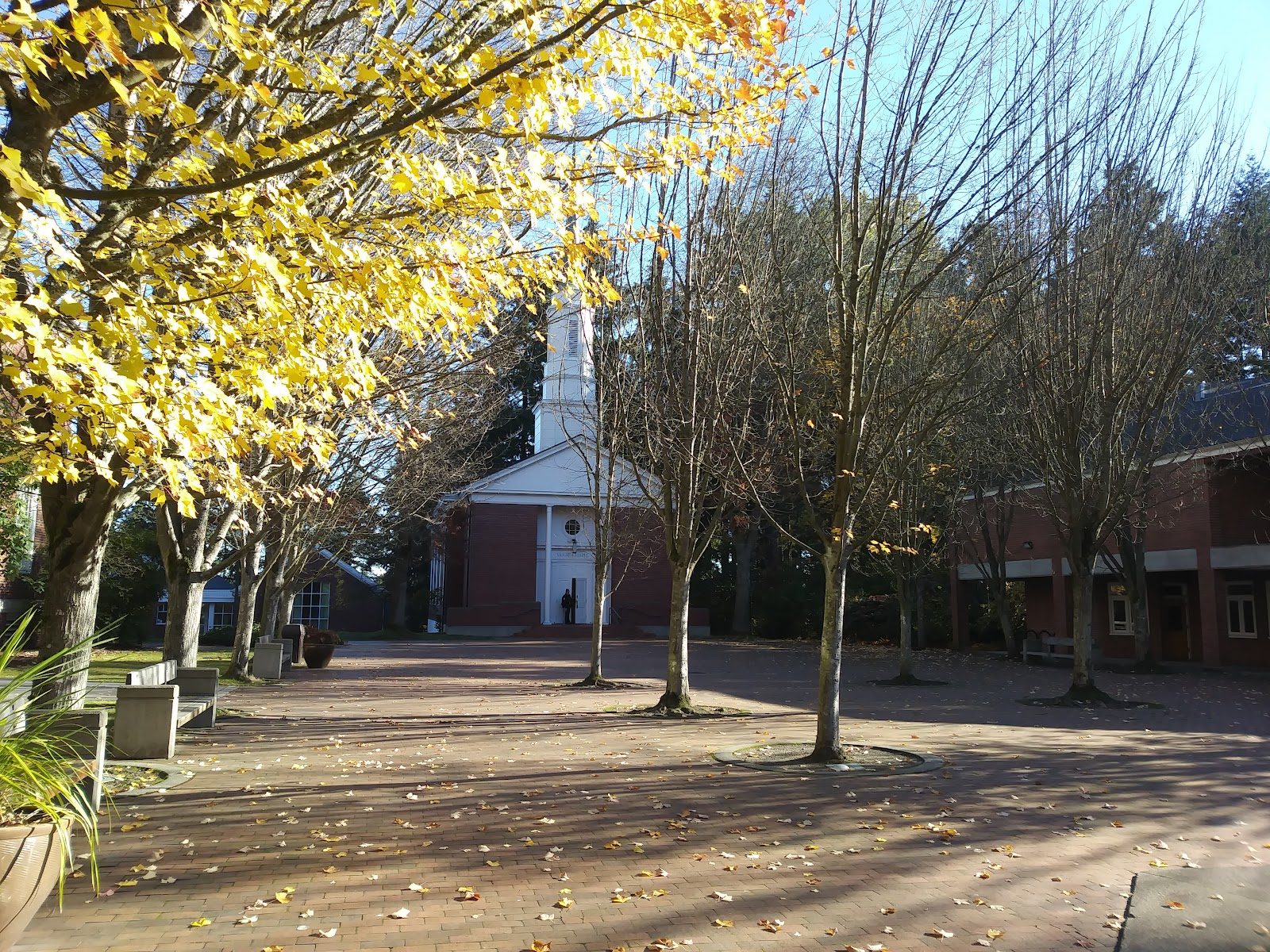
Lakeside School
Seattle · United States
On a wooded 33-acre campus above Lake Washington, a no-AP curriculum sets a rigor bar that exceeds the College Board's own.

The Hotchkiss School
Lakeville · United States
On its 827-acre Berkshire campus, a 287-acre working farm supplies the dining hall and anchors the science curriculum.
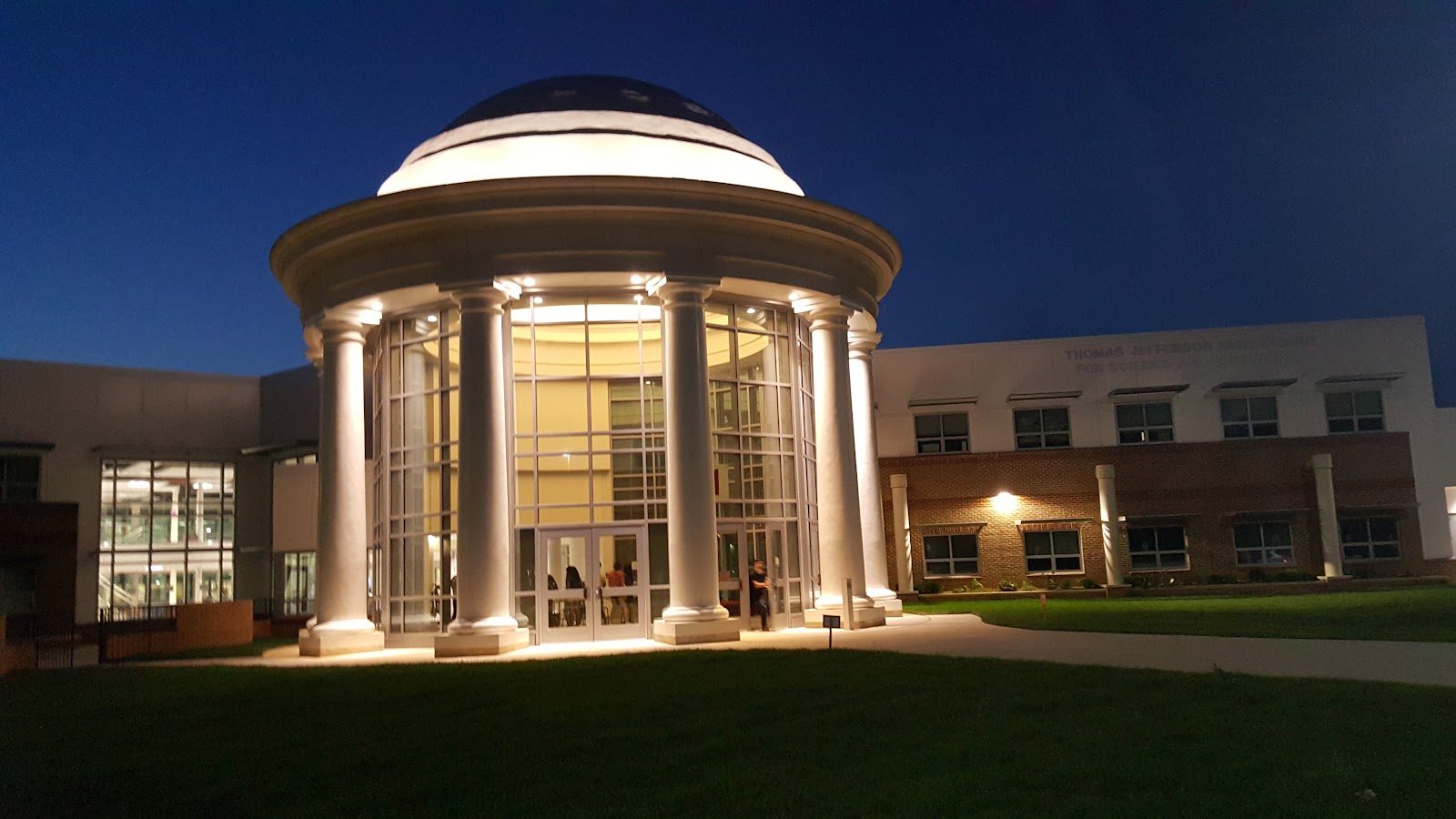
Thomas Jefferson High School for Science and Technology
Alexandria · United States
A Fairfax County magnet where every senior completes original research across fifteen specialized STEM labs.
Choate Rosemary Hall
Wallingford · United States
A Wallingford campus where an I.M. Pei arts center anchors a rare, dedicated Arabic and Middle Eastern studies track.
Same country and curriculum — closest matches within ±10 points either way