
Delaware
On 2,200 Delaware acres that doubled as Dead Poets Society's Welton Academy, boarding isn't an option but the entire model.
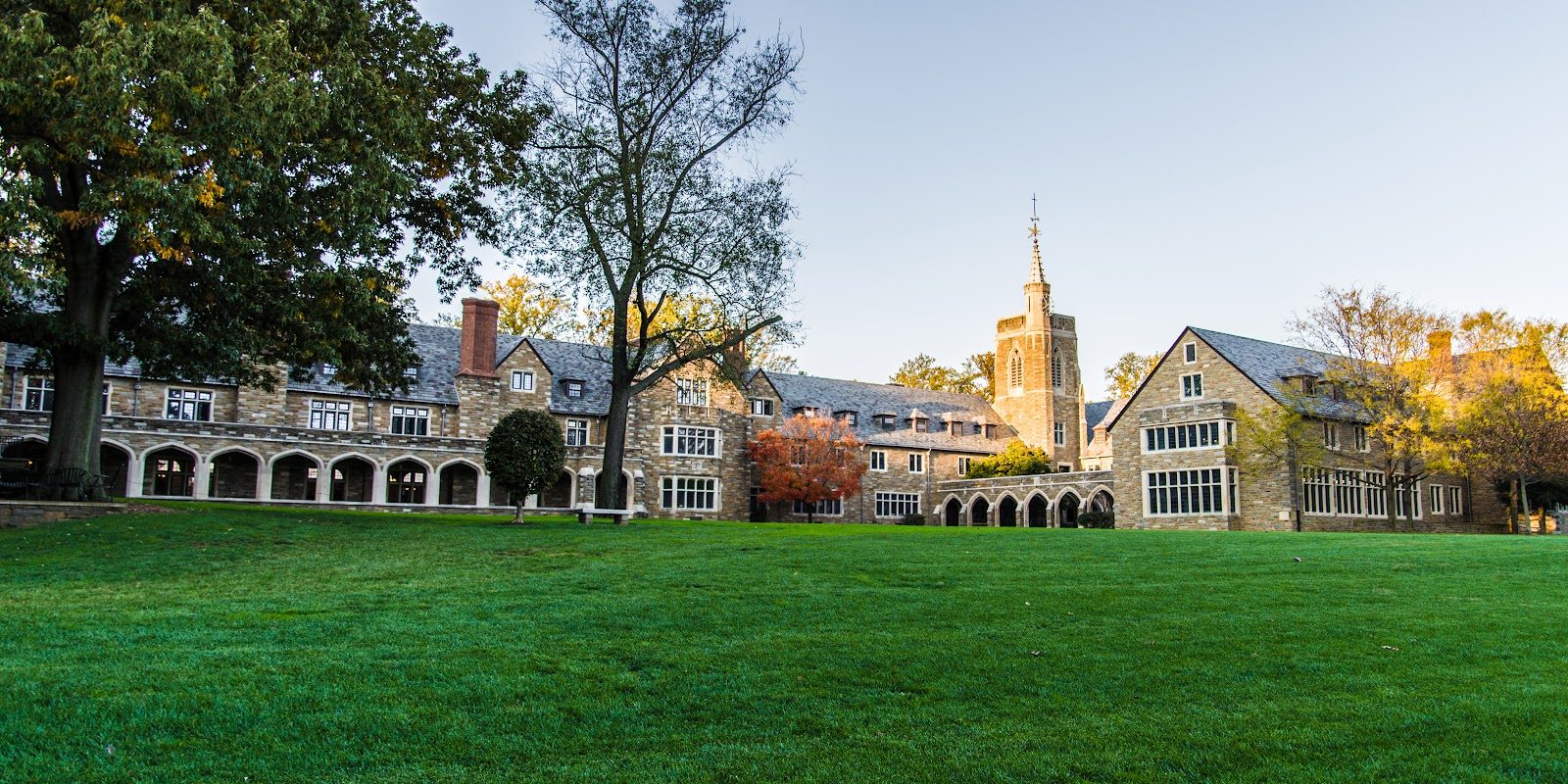
Photo © St. Andrew's School (Delaware) via Google Maps
Type
Boarding
Ages
14–18
Curriculum
American · AP
Ratio
6:1
The Verdict
Editor's commitment
Right for
Ambitious boarders who want a 1:8 ratio, 12-student classes and serious access to top universities, led by Penn, Davidson and Brown.
Wrong for
Day-school families, younger pupils under 14, or anyone wanting a British or IB curriculum instead of American courses with AP.
Watch out for
This 1929 Episcopal school runs as all-boarding on 2,200 acres; that intensity suits some teenagers and swallows others whole.
Ranking breakdown
St. Andrew's School (Delaware) · #258 of 1591
Composite score 72.9. 8 weighted criteria.
By criterion
Academic Outcomes
Weight 20%
#386
of 1529 scored
University Placement
Weight 16%
#354
of 1529 scored
Prestige & Heritage
Weight 12%
#296
of 1571 scored
Alumni Network
Weight 12%
#158
of 1530 scored
Facilities
Weight 12%
#339
of 1533 scored
Transparency & Communications
Weight 8%
#456
of 1532 scored
Peer & Industry Review
Weight 10%
#480
of 1548 scored
Admissions Selectivity & Demand
Weight 8%
#308
of 1529 scored
Score history
St. Andrew's School (Delaware) · 2026
Movement across 2024–2026. Peer average overlaid.
Overall — 2024–2026
72.9/ 100
▲ +18.6 vs 2025
year on year
Peer & Industry Review
How St. Andrew's School (Delaware) is regarded in the sector
78
Strong · medium confidence
St. Andrew's School is a member of the prestigious Ten Schools Admission Organization alongside Exeter, Andover, and Groton, and is widely known for being the filming location of 'Dead Poets Society,' which has reinforced its public profile. It is regularly featured in Boarding School Review and Niche rankings of top U.S. boarding schools, and its alumni network includes notable figures in business, politics, and the arts, though it receives less specialist press coverage than the very top-tier New England boarding schools.
Evidence sources
Editors' overview
St. Andrew’s School occupies a narrow, unusual corner of the American boarding market: a 100% boarding, Episcopal, coeducational school on 2,200 acres, founded in 1929 and built around a blunt idea that still matters — admission and access should not track family wealth. That principle gives the school more than a charitable gloss; it shapes the social contract. St. Andrew’s is small at around 320 students, classes are tiny, and the whole structure runs on proximity. There is no day-school cohort drifting in and out, no weekly boarding compromise, no split identity. Boarding here is the institution, not an add-on. For families who want a school where adolescents are immersed in a full residential culture, that is the main differentiator. For families who want flexibility, urban access, or a looser arrangement, it is the wrong school.
The attraction lies in intensity and coherence. St. Andrew’s offers an American curriculum with AP, an average class size of 12, a published 4:1 student-teacher ratio on the school’s own figures, and a campus model built around face-to-face life. That produces close adult attention, serious communal living and high-contact teaching. The school talks a great deal about kindness, joy, faith and human connection; in weaker hands, that language can drift into sentimentality. Here, the underlying facts give it weight: every student boards, a large share receive financial aid, and the school is explicit that mentorship, advising and shared routines sit at the centre of the experience. The fee — $78,500 for 2026–27 — is expensive by any normal standard, but the school’s longstanding commitment to aid is not decorative. With 45% of students receiving financial aid, St. Andrew’s offers a more economically mixed boarding environment than many direct competitors.
It belongs on a shortlist because it combines rarity, discipline and purpose. There are very few coeducational US college-preparatory schools where every student boards, and fewer still with this level of cultural clarity. The school’s recent university destinations show real academic traction, and its setting carries its own cultural echo: this is the campus used as Welton Academy in Dead Poets Society, which will matter to some families and count as trivia to others. More important is the lived reality: a fully residential adolescence, *an intellectually charged small community, old-school ritual with modern access, and a strong sense of being known*. The trade-off is equally clear. Students who need anonymity, constant city stimulation, or a transactional academic machine will chafe here.
The right student for St. Andrew’s is bright, self-possessed enough to live in community, and willing to be visible. This school suits teenagers who want teachers in their lives, not just in their classrooms; who can handle shared expectations; and who gain from discussion, structure and sustained relationships. It will suit students with academic ambition, artistic or athletic seriousness, and a tolerance for institutional culture shaped by Episcopal roots even if they are not religious themselves. It will not suit the adolescent who wants to keep school at arm’s length. St. Andrew’s asks for buy-in. In return it offers real belonging, moral seriousness and a boarding experience with unusual internal consistency.
Academic Performance
St. Andrew’s does not publish the one set of figures that would let parents judge external exam strength cleanly: aggregate AP results. No school-wide pass rates, no subject-by-subject distribution, no average score. That gap matters. In a market where strong American independents often use exam data to prove academic depth, the absence of published outcomes leaves families relying on secondary signals. Those signals are solid. The school is highly selective, with an acceptance rate of 18% for the cited admissions cycle, and recent university destinations point to serious academic traction rather than decorative college counselling. A small, intensely taught sixth-form environment with close adult oversight also fits the profile of schools that do well in AP classrooms.
Relative to peers, St. Andrew’s sits in the upper tier of US boarding schools for university placement and selectivity, but with opaque public exam reporting. That is the central editorial judgement. Families comparing it with academically hard-driving rivals will find less numerical proof than they get from schools that publish SAT, ACT, AP or matriculation breakdowns in greater detail. The school’s strength is easier to infer from admissions competitiveness, college destinations and its high-accountability teaching model than to verify through released examination data. For some parents that is enough. For others, especially those making a cold comparison across elite boarding schools, the missing AP statistics are a real weakness.
Facilities
The campus is the headline facility. This is not a compact boarding school with a few handsome buildings and a patch of playing field; it is a full landscape. On 2,200 acres, St. Andrew’s has the physical room to make residential life feel expansive rather than compressed, and that matters in an all-boarding environment where pupils do not vanish home at the end of the day. The school’s own emphasis on living, learning and playing across one site points to a campus built for immersion: academic buildings, houses, athletics and communal gathering all folded into a single daily rhythm. Compared with peer boarding schools, that gives St. Andrew’s a rare spatial coherence. Many rivals have stronger urban access, more public-facing specialist centres, or flashier capital projects. Fewer deliver this degree of contained, fully residential intensity.
What is less clear is the level of specialist provision inside that setting. The school highlights scholars, athletes, artists, service and leadership, but does not publish the kind of detailed facilities inventory that lets families compare theatres, labs, music practice rooms, design spaces or high-performance sports infrastructure line by line. That silence is a weakness. At the same time, the scale of the site, the small student body and the fact that 100% of pupils live on campus create a high-ownership environment where facilities are used as part of daily life, not booked as occasional extras. Against peers, St. Andrew’s wins on *atmosphere, acreage and residential integration*; it gives less public evidence on specialist hardware.
Andrew’s communicates with parents in a voice that is unusually coherent and unmistakably led from the top
Prestige
St. Andrew’s carries real prestige in a narrow but important sense: not mass-market brand recognition, but deep standing within the American boarding world. It is one of only three co-educational college-preparatory schools in the United States where every pupil boards. That rarity matters. So does selectivity: an 18% acceptance rate places it in serious company, and the school’s recent university destinations confirm that it sends pupils into demanding next steps rather than relying on old reputation alone. The alumni footprint adds substance. Wikidata records 25 notable alumni, with strength in writing, journalism and scholarship, plus a top-tier drama award-winner. That is not an entertainment-fuelled celebrity roster; it points to a school whose influence runs through intellectual and cultural fields.
The prestige here is also value-laden. St. Andrew’s has long tied status to access through a published commitment to financial aid, and that gives the school a different tone from prestige institutions that trade on exclusivity first and principle second. Families who want a flashy, globally legible badge will find stronger name recognition elsewhere. Families who know the US boarding landscape will read St. Andrew’s differently: selective, serious, internally confident and socially more credible than schools whose polish exceeds their purpose. That is why it rates highly. Its prestige rests on rarity, admissions competition, elite university outcomes and a coherent institutional ethic, not on marketing gloss.
Wikidata records 25 notable alumni, with strength in writing, journalism and scholarship, plus a top-tier drama award-winner
Communications
St. Andrew’s communicates with parents in a voice that is unusually coherent and unmistakably led from the top. The head’s letters are frequent, substantive and public enough to show the school’s habits: they deal in citizenship, attention, gratitude, constraint, art and community rather than retail updates dressed up as vision. That gives parents a clear read on institutional priorities. It also tells you something practical. In a school where adolescents live away from home full time, families need more than calendar notices; they need a steady account of the school’s moral and intellectual climate. St. Andrew’s provides that account. The public-facing site also does the basics cleanly: mission, leadership, key numbers, fee level and aid commitment are easy to find, and the school does not hide behind jargon.
The effectiveness is strong, with one caveat. The school communicates culture and purpose better than many rivals, and that matters because this is a place asking families for deep buy-in, not casual enrolment. Parents who want to know what the school values will get a direct answer. Parents who want operational detail at every turn will want more. We have not seen the same level of public specificity on day-to-day parent communications, academic reporting rhythms, or the specialist detail that helps families judge programmes line by line. So the verdict is clear: excellent on ethos, serious adult tone and institutional clarity; less strong on the granular evidence that hard-nosed parents use to compare one expensive boarding school with another.
Uniqueness
What makes St. Andrew’s distinctive is not just that every pupil boards, but that the school was built around a social principle many elite American schools still struggle to make credible: admission without family wealth acting as the real gatekeeper. The school states that this commitment to aid is the cornerstone of its culture, and the current figure — 45% of pupils receiving financial aid — gives that claim force. That changes the texture of school life. Students live in a community where money has less power to sort status than it does at many boarding schools, and where adulthood is close at hand because teachers coach, advise and share daily routines. The result is high-contact, morally serious schooling with fewer escape routes into anonymity.
The other point of difference is the combination of scale and enclosure. St. Andrew’s runs a tiny residential community across 2,200 acres, with pupils living face-to-face in a setting built for congregation rather than dispersal. Human connection is not an optional extra here; it is the operating system. For the right student, that brings real depth: durable friendships, sustained mentorship, stronger habits of responsibility and a clearer sense of belonging than many larger schools manage. It also brings pressure. This is a place where you are fully visible, where retreat into a parallel life is hard, and where institutional culture reaches into the whole day. Families wanting total immersion will value that. Families wanting looseness will not.
That principle gives the school more than a charitable gloss; it shapes the social contract
Student Profile
The student who fits St. Andrew’s is comfortable with intensity. This is a small adolescent community in which adults know pupils well, peers know each other’s strengths and weaknesses, and daily life carries real expectations of participation. The best fit is intellectually alert, discussion-ready and mature enough to live under constant social contact without performing a version of themselves. Teenagers who want distance from teachers, a large anonymous crowd, or the option to disappear after lessons will struggle. Teenagers who value close scrutiny, serious conversation and a community with a moral centre will do far better. The school’s published social mix also matters: with 45% of pupils on financial aid and 10% international, it suits families who want a boarding culture that is not organised purely around wealth or local social codes.
It also suits pupils with stamina. Full residential life asks for resilience, self-management and a willingness to share space, routine and responsibility every day, not just in class hours. The strongest candidates will contribute in more than one lane — academic, artistic, athletic, pastoral or service — because schools this small do not reward passivity. There is room here for warmth and eccentricity, but not for detachment. Students who thrive in high-accountability environments, who can handle being fully visible, and who want friendships with real weight will fit. Students who need a looser culture, more privacy, or a transactional route to university will not.
Andrew’s is small at around 320 students, classes are tiny, and the whole structure runs on proximity
Co-curricular strengths
Arts & sport, on a separate axis
Overall 9.28/10
Scored 0-10 from the school's own published evidence. This axis is editorial-only — it does not feed the main WTS ranking.
Sports
9.3/10
Elite fully-residential athletic infrastructure; fields historically dominant varsity rowing crews (utilizing its private Noxontown Pond access) and soccer teams.
Drama
9.2/10
The spectacular performing arts centers anchor an ambitious dramatic tracking program, mounting complex classical and modern plays.
Dance
9.5/10
Active afternoon co-curricular activity offering structured contemporary and jazz choreography classes.
Music
9.2/10
Outstanding chamber orchestras, wind ensembles, and choral troupes that routinely headline major East Coast youth music festivals.
Visual Arts
9.2/10
Studio-intensive fine arts focus housed within custom studio environments, prioritizing landscape painting and portfolio layout.
Editor first-pass · editor-reviewable · 7/28/2026
Outcomes & destinations
Where students go next
Class of 2023
Top destinations
195 placements
- University of Pennsylvania· 17
- Davidson College· 16
- Brown University· 11
- Duke University· 10
- Vanderbilt University· 10
- University of Virginia· 9
- Princeton University· 9
- Bates College· 8
- Williams College· 8
- Boston College· 8
- Tufts University· 7
- Villanova University· 7
- Hamilton College· 6
- Massachusetts Institute of Technology· 5
- Colgate University· 5
- University of Richmond· 5
- Wake Forest University· 5
- Colby College· 5
- Amherst College· 5
- Wesleyan University· 5
- Dartmouth College· 4
- Harvard University· 4
- Washington University in St. Louis· 4
- Lehigh University· 4
- University of Chicago· 4
- Colorado College· 4
- Washington and Lee University· 4
- University of St Andrews· 3
- Sewanee: The University of the South· 3
Reported by the school. Confirm with admissions.
Notable alumni · Wikidata
25notable alumni
4 historic (born pre-1930) · 10 modern (born post-1970)wikidata:2026-07-28 How we source this
WTS 300 badge
2025/26 editionSt. Andrew's School (Delaware) is one of the World's Top 300 Schools for 2025/26. Claim your listing to add it to your site →
Strengths
- +One of only three co-educational college-preparatory schools in the US where 100% of students board, creating a fully residential community rather than a mixed day/boarding culture.
- +The school meets 100% of demonstrated financial need for every admitted student, funded by an endowment established by founder A. Felix du Pont.
- +Small-scale teaching with a 5:1 student-to-teacher ratio and average class size of 12, set on a 2,200-acre campus, one of the largest secondary-school sites in the country.
- +Long-established institution (founded 1929) with accreditation/membership in NAIS, TABS and the Mid-Atlantic Boarding School Group, and known internationally as the filming location for 'Dead Poets Society'.
- +Alumni base includes figures such as former Director of National Intelligence Dennis Blair and CNN anchor Erin Burnett, evidencing a track record beyond marketing claims.
Considerations
- −Highly selective: acceptance rate reported at 18-22%, meaning most applicants, including well-qualified ones, are turned away.
- −Full boarding fees run to roughly $72,870-$78,500 a year, and the school awards no merit scholarships; aid is need-based only, with international students typically capped at 50% of tuition.
- −The campus sits in rural Middletown, Delaware, well outside any major city, which can complicate travel logistics and weekend access for relocating expat families.
- −With only around 318 students, the school offers a narrower range of electives, clubs and social scale than larger boarding schools, and its Episcopal chapel tradition, while not exclusive, shapes daily community life.
Availability
Primary entry gate & tests
SSAT/ISEE + Interview
Gallery
Photo © Yun-Mo Sung via Google Maps
Photo © Yun-Mo Sung via Google Maps
Photo © Christopher Donahue via Google Maps
Photo © Yun-Mo Sung via Google Maps
Photo © Christopher Donahue via Google Maps
Photo © Yun-Mo Sung via Google Maps
Photo © Clinton Lawson via Google Maps
Photo © Yun-Mo Sung via Google Maps
Photo © Yun-Mo Sung via Google Maps
Parent reviews
Have you sent your child here?
Voice reviews carry the strongest trust badge — we transcribe them for you to tidy up before they go live. Prefer to type? A written review is fine too.
Add your voice
In 60 seconds, tell other parents: what's the best thing about St. Andrew's School (Delaware), and what surprised you when your child joined?
We ask for a Google sign-in so every review has a real face behind it — no anonymous drive-by attacks on schools, and no faked positive reviews. Your email is never shown publicly.
Send this profile to a friend
International parents rely on word-of-mouth. Share this review with someone weighing the same decision.
Schools with places
Similar schools to St. Andrew's School (Delaware) with places available now.
The Webb Schools
Claremont · United States
- 2026-27
- CLOSEDRegular cycle closed
- 2027-28
- PLACES OPENPortal live
Maret School
Washington, D.C. · United States
- 2026-27
- CLOSEDRegular cycle closed
- 2027-28
- PLACES OPENCloses 6 Jan '27
The Baldwin School
Bryn Mawr · United States
- 2026-27
- CLOSEDRegular cycle closed
- 2027-28
- OPENS SOONOpens 1 Sept '26
The Pingry School
Basking Ridge · United States
- 2026-27
- CLOSEDRegular cycle closed
- 2027-28
- PLACES OPENActive now
Availability first, then country, area, curriculum, price, co-curricular
Consider also
Also worth looking at alongside St. Andrew's School (Delaware).
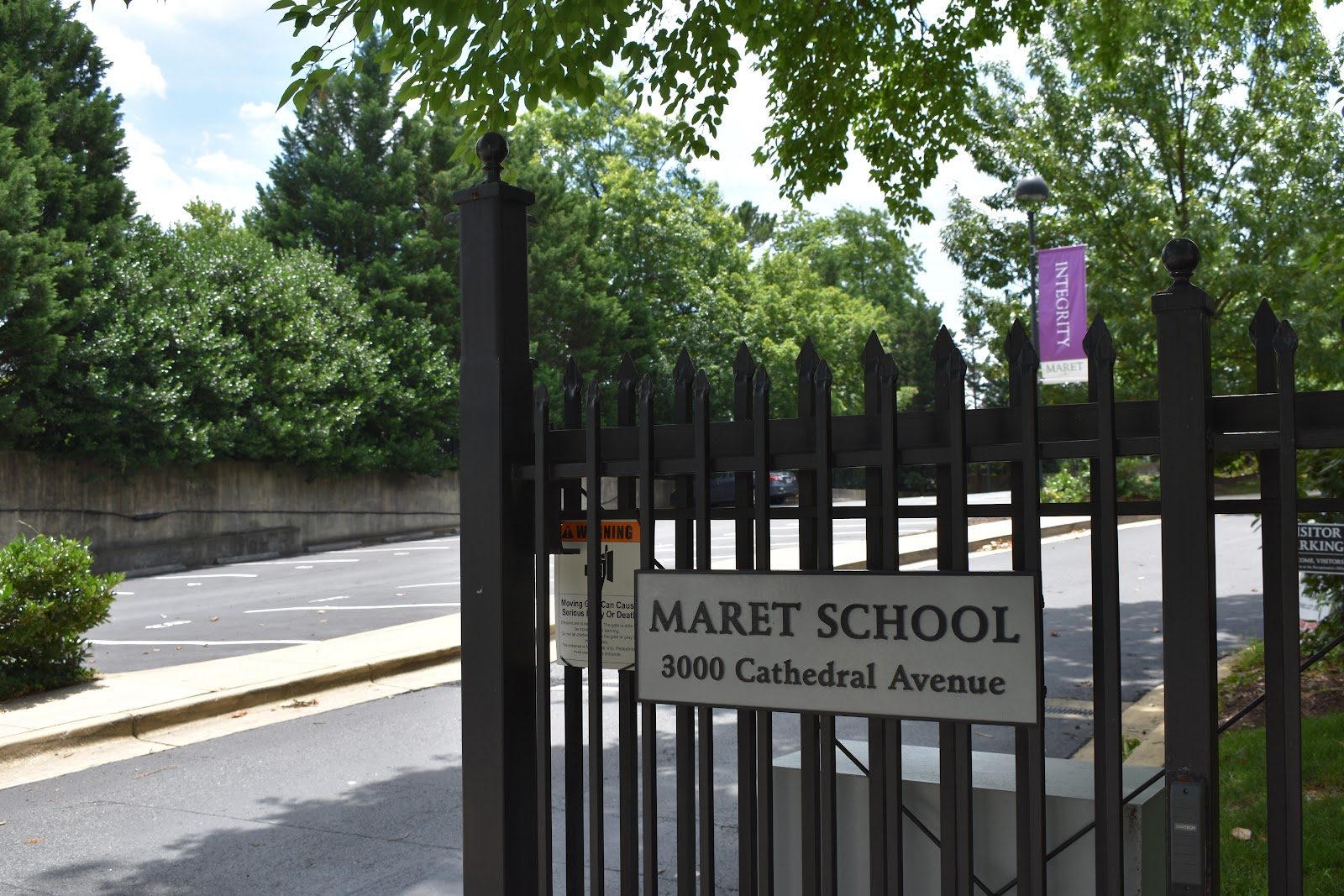
Maret School
Washington, D.C. · United States
A Federal-era Woodley Park estate carries forward the French-language roots planted by three immigrant sisters in 1911.
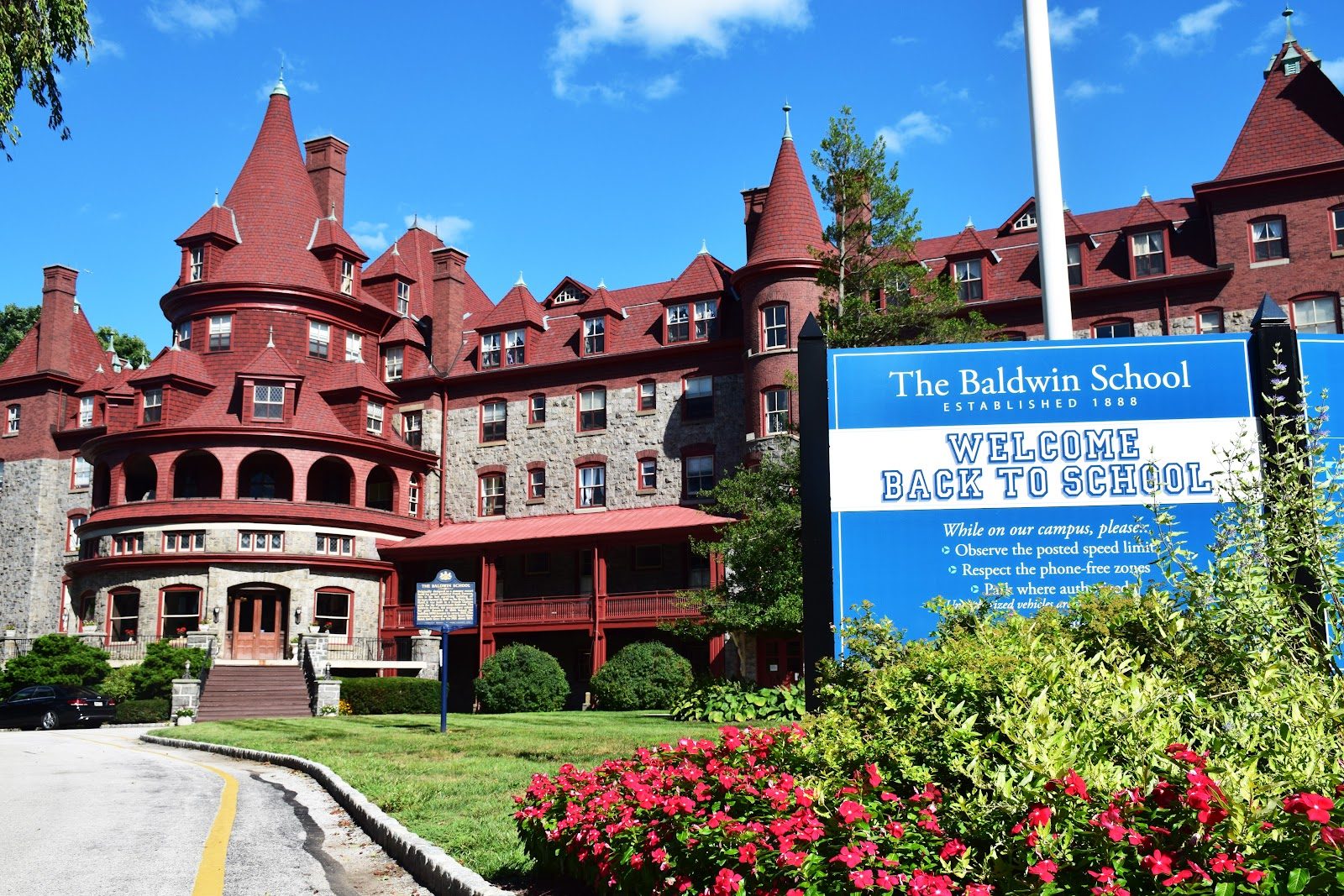
The Baldwin School
Bryn Mawr · United States
Since 1888, a single-sex college-prep tradition on Philadelphia's Main Line, housed in Frank Furness's landmark former Bryn Mawr Hotel.
The Pingry School
Basking Ridge · United States
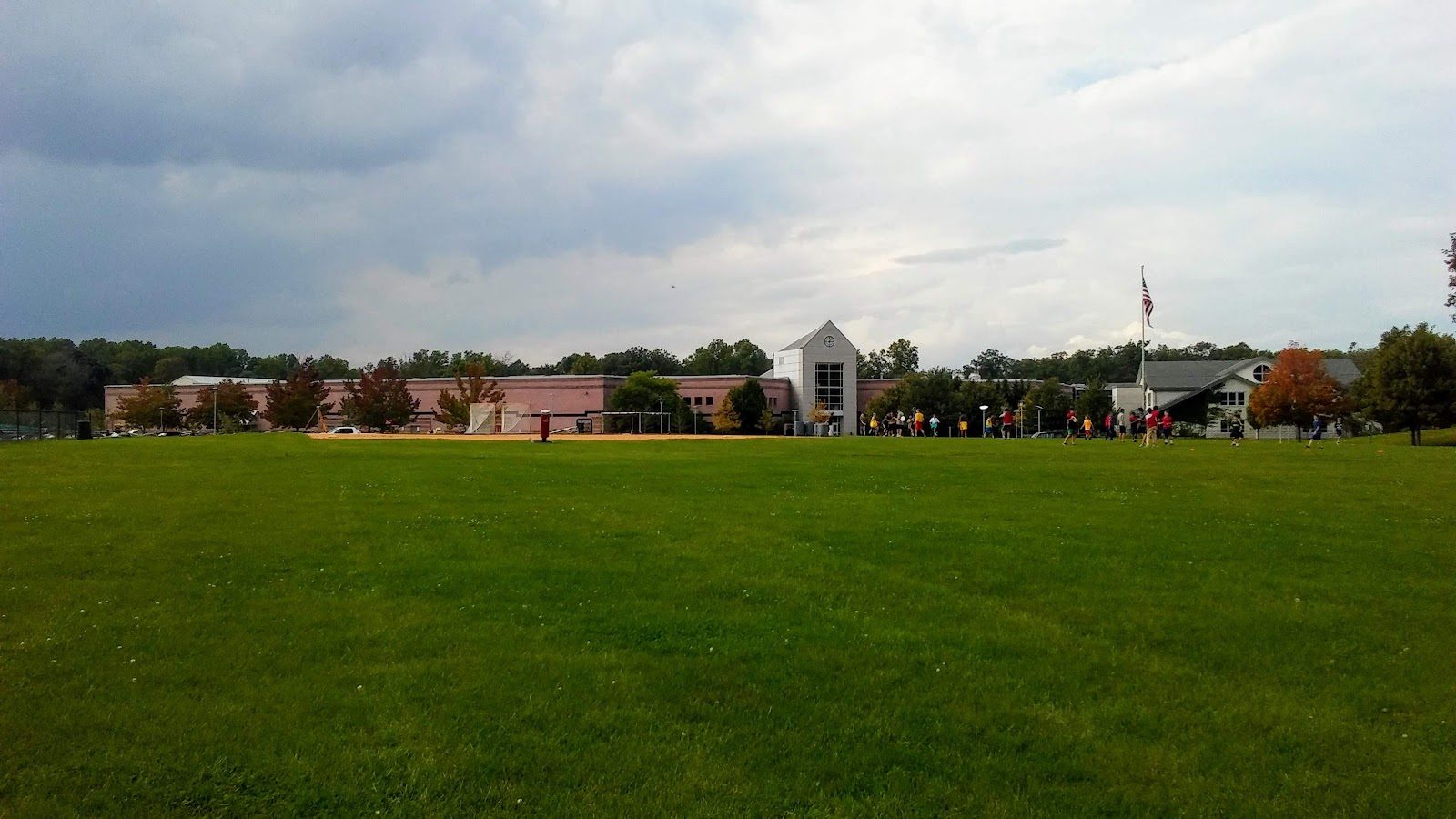
A 1861-founded New Jersey day school whose soccer pitches were deemed fit to host Morocco's 2026 World Cup training camp.
The Branson School
Ross · United States
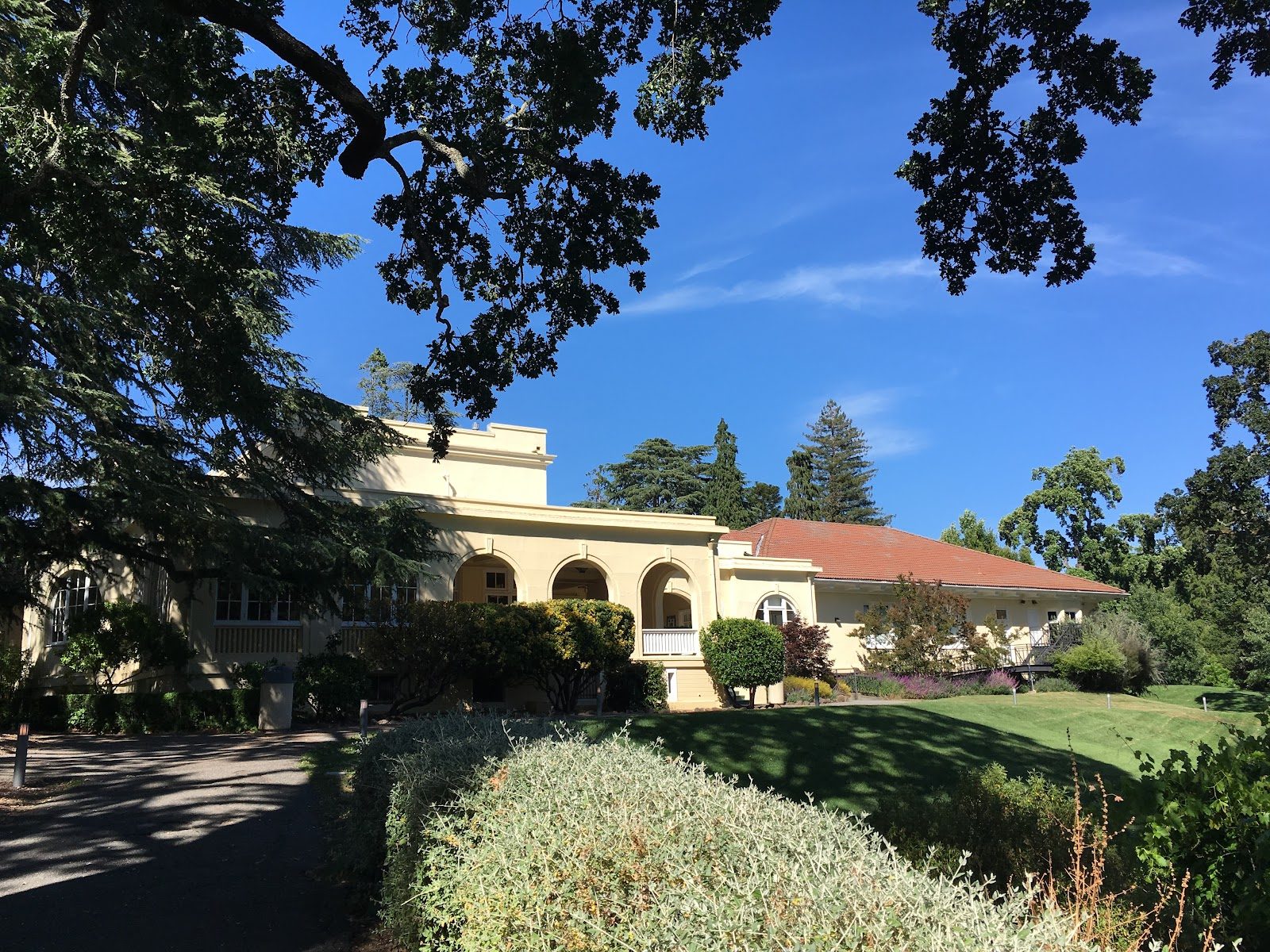
A Marin hillside campus that skips AP tests for honors depth, immersive electives, and outdoor-education fieldwork.
Same country and curriculum — closest matches within ±10 points either way