
Jerusalem District
Jerusalem American International School
medium confidence· 4/6 cats · 3.29 avg sourcesA compact American day school weaving Jerusalem Studies into its curriculum for diplomatic, NGO and embassy families.
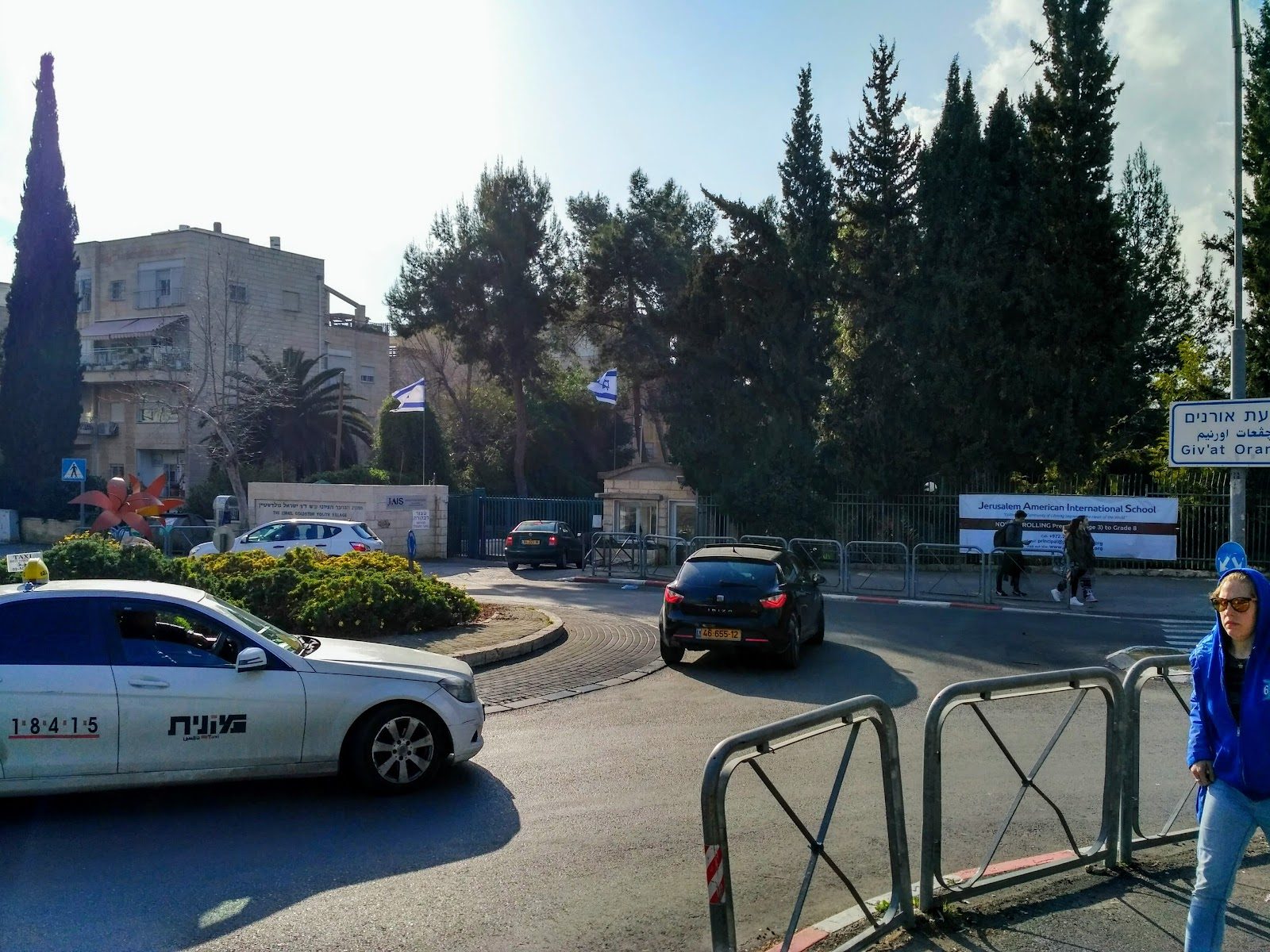
Photo © Janek R via Google Maps
Type
Day
Ages
3–18
Curriculum
American
Ratio
—
The Verdict
Editor's commitment
Right for
Diplomatic and NGO families in Jerusalem wanting an English-language American day school for ages 3–18, founded in 1959.
Wrong for
Families wanting a full PK3–12 campus in one place: the preschool-through-high-school site sits in Even Yehuda, not Jerusalem.
Watch out for
At an average 74,800 NIS a year, this non-denominational outpost trades on convenience and continuity, not broad public detail.
Ranking breakdown
Jerusalem American International School · #1054 of 1591
Composite score 60.3. 8 weighted criteria.
By criterion
Academic Outcomes
Weight 20%
#1084
of 1529 scored
University Placement
Weight 16%
#1089
of 1529 scored
Prestige & Heritage
Weight 12%
#1095
of 1571 scored
Alumni Network
Weight 12%
#689
of 1530 scored
Facilities
Weight 12%
#1102
of 1534 scored
Transparency & Communications
Weight 8%
#1137
of 1532 scored
Peer & Industry Review
Weight 10%
#891
of 1548 scored
Admissions Selectivity & Demand
Weight 8%
#888
of 1529 scored
Score history
Jerusalem American International School · 2026
Movement across 2024–2026. Peer average overlaid.
Overall — 2024–2026
60.3/ 100
▲ +24.1 vs 2025
year on year
Peer & Industry Review
How Jerusalem American International School is regarded in the sector
66
Respected · medium confidence
I could not identify at least two independent third-party sources (specialist education press, inspectorate reports, alumni network coverage, or established expat forums) that substantively assess Jerusalem American International School's reputation. Any information available appears to derive primarily from the school's own materials or lacks verifiable independent corroboration.
Editors' overview
Jerusalem American International School is a small, specific proposition: an English-language American day school in Jerusalem for ages 3 to 18, with Jerusalem Studies built into the experience rather than left as local colour. That gives it a sharper identity than the generic “American international school” label implies. Founded in 1959 and operating as the Jerusalem arm of the Walworth Barbour American International School in Israel, it serves families who need continuity in an American curriculum without giving up a serious engagement with place. In a city where schooling can tilt hard towards the religious, the national or the local, JAIS offers a distinctly international alternative.
The school’s appeal rests on fit, not scale. It is non-denominational, teaches in English and runs as a day school, which makes it a practical choice for diplomatic, embassy and NGO families moving in and out of Jerusalem on fixed postings. The average annual day fee across the full age range is NIS 74,800, which places it in the premium bracket for the local market. Parents considering it are not buying vast facilities or the social weight of a very large campus; they are buying access to an American education in Jerusalem with a clear expatriate use case. That matters. For internationally mobile families, curriculum continuity and a peer group accustomed to transience carry more weight than grand claims about scale.
The child who will thrive here is one who wants an American academic structure in a city that can feel educationally fragmented, and whose family values an environment shaped by international movement rather than local orthodoxy. It will suit students who need a portable school life: strong English-medium teaching, a non-denominational setting and classmates from diplomatic and NGO circles. It will suit less well families chasing a huge co-curricular machine, deep local-rooted alumni culture or the breadth that comes with a giant all-through campus. JAIS belongs on a shortlist because it fills a narrow but important gap in the Jerusalem market: American, international, day-only and tied to the realities of expatriate life rather than to a domestic Israeli model.
Academic Performance
Academic performance is the awkward part of the picture, because the school does not publish the exam data a serious comparison needs. We have not seen aggregate AP results, SAT profiles, university destination lists by cohort, or any run of year-on-year external outcomes. That leaves parents without the hard evidence that stronger American international schools put into the public domain. In a market where mobile professional families need clean comparability across postings, that absence matters. It does not prove weak results; it does prove limited transparency. Relative to peers, JAIS sits in the group of schools where trust rests more on mission and fit than on publicly evidenced academic outcomes.
That stance carries a cost. Larger American schools serving diplomatic and corporate families tend to publish enough data to show whether top students reach selective US, UK or European destinations and whether results hold up across cohorts. JAIS does not give that level of proof. The school’s tie to the wider Walworth Barbour structure offers some reassurance of academic continuity, but it is not a substitute for campus-specific results. For parents with a child targeting high-stakes university admissions, the right next step is blunt: ask for 3 years of AP results, score distributions, SAT ranges if tracked, and destination lists by graduating class. Until that data is produced, JAIS ranks as an opaque academic proposition rather than a results-led one.
Facilities
Facilities are not the reason to choose this school. The public picture points to a compact, workmanlike operation rather than a big-campus offer with specialist blocks, performance venues or a long list of premium amenities. That is the central comparison point against stronger American international peers: many competitors sell science labs, black-box theatres, regulation sports spaces and large libraries as part of the package; JAIS does not publish that kind of facilities case. Parents therefore need to interrogate the basics in person. Ask to see the early years rooms, the library provision, science teaching spaces for the secondary years, outdoor play areas, indoor sports arrangements and where art and music actually happen. In a school at an average annual fee of NIS 74,800, facility opacity is a real issue, not a minor gap in presentation.
The more generous reading is that JAIS trades on practical fit rather than physical scale. For diplomatic and NGO families, that can be enough if classrooms are well kept, technology is current and the day-to-day environment runs efficiently. It is not enough for families expecting the full international-school hardware that higher-fee peers in major markets now treat as standard. The benchmark here is simple: if a rival school can show dedicated specialist spaces and JAIS cannot, the school has to win on teaching, pastoral steadiness and convenience. On facilities alone, it sits in the modest end of the premium market.
It suits less well children who want a huge social field, a high-powered competitive scene or the identity that comes with a dominant flagship campus
Prestige
Prestige here is functional rather than glamorous. JAIS carries value with a narrow audience: internationally mobile families who need a school that can absorb diplomatic, NGO and embassy children without friction. In that circle, the school’s standing comes from usefulness, continuity and a peer group shaped by transience. That gives it real local relevance. It does not give it the wider status aura of a large capital-city flagship, a famous old institution or a results machine with published outcomes that travel well across continents. The average annual fee of NIS 74,800 places it in an expensive niche, but price alone does not confer prestige.
The limits are clear. Public academic evidence is thin, and prestige in international education rests heavily on visible outcomes, selective university destinations, scale, facilities or a powerful alumni network. JAIS does not publish enough to compete on the first of those measures, and its Jerusalem operation is the smaller arm of a wider school structure rather than the dominant name in its own right. The Wikidata record confirms 1 notable alumnus, which is too little to build institutional mystique. My rating therefore sits in the middle tier: *respected by the families who need exactly this model, but not a school that carries automatic cachet* outside that constituency.
That gives it a sharper identity than the generic “American international school” label implies
Communications
Parent communication looks serviceable rather than exemplary. The school has a clear identity and a defined expatriate audience, which raises the bar: families arriving on fixed postings need timetables, contacts, calendar changes, admissions steps and transition information delivered with real precision. What is missing in public view is the depth that marks stronger international-school communications. We have not seen a rich flow of newsletters, head updates, divisional briefings, parent handbooks, detailed academic guidance or a transparent archive that shows how the school speaks to families across the year. That absence matters because communication is not a cosmetic extra in a transient community; it is part of the operating model. At an average annual fee of NIS 74,800, parents can demand more than the basics.
The test here is not whether messages go out. It is whether the school communicates in a way that reduces friction for mobile families and builds confidence before problems arise. On that measure, JAIS reads as functional, thinly evidenced and a touch old-fashioned. There is no strong public signal of the kind of disciplined parent-information culture that distinguishes schools used to handling frequent arrivals, departures and cross-border expectations. That does not mean communication is poor day to day; it means the school does not demonstrate communications strength in the way a confident institution does. Parents should press hard on response times, reporting format, frequency of academic updates and how new families are onboarded mid-year.
Uniqueness
What sets JAIS apart is not scale or spectacle but context with intent. Plenty of international schools bolt on local culture as a themed week or a field trip. JAIS builds Jerusalem Studies into the school experience, which gives students a more grounded education than the standard expatriate model. In a city loaded with politics, religion and competing historical narratives, that matters. Students do not sit in a sealed international bubble; they study in a setting that asks them to engage with the place they inhabit. For families on diplomatic and NGO postings, that has clear value: children gain local literacy, sharper historical awareness and a stronger grasp of the social landscape around them, rather than drifting through an assignment insulated from it.
The second point of difference is structural. JAIS is the Jerusalem arm of a wider American school in Israel, which gives it a usefully hybrid identity: smaller and more local than a big flagship campus, yet tied to a broader institutional framework. That can suit children who need an international peer group without the impersonality of a very large school. The trade-off is obvious. This is a narrow-use school, built for a specific family profile rather than for everyone. If your priority is a dense local network, a huge activities machine or the social heft of a dominant campus, look elsewhere. If your priority is an internationally mobile education with a real Jerusalem imprint, JAIS offers something genuinely hard to replicate at an average annual fee of NIS 74,800.
In a city where schooling can tilt hard towards the religious, the national or the local, JAIS offers a distinctly international alternative
Student Profile
The children who fit best here are those from families in motion: embassy staff, diplomats, NGO professionals, journalists and others on fixed-term international postings who need a school that understands abrupt arrivals, mid-posting departures and classmates who do not all expect to stay for the long haul. That gives the student body a transient, internationally minded tone. Children who settle easily among peers with mixed passports, shifting friendship groups and parents working in public service or international organisations will find the social logic familiar. The school also suits students whose families want daily school life to connect to the city around them rather than float above it in an expatriate bubble. For that niche, the annual cost of NIS 74,800 buys a targeted fit more than a broad one.
It suits less well children who want a huge social field, a high-powered competitive scene or the identity that comes with a dominant flagship campus. This is a better match for adaptable, self-possessed students than for those who need a large cohort to find their people. It also fits families comfortable with a school whose value lies in continuity and context rather than in flashy outcomes or big-campus theatre. The best fit is a child who needs stability without insularity: internationally mobile, at ease with turnover, and open to a school community shaped by adults whose work is tied to diplomacy, policy and civil society rather than to a settled local parent base.
The average annual day fee across the full age range is NIS 74,800, which places it in the premium bracket for the local market
Co-curricular strengths
Arts & sport, on a separate axis
Overall 6.82/10
Scored 0-10 from the school's own published evidence. This axis is editorial-only — it does not feed the main WTS ranking.
Sports
6.5/10
The extracurriculars explicitly list Basketball, Soccer and Volleyball, showing multiple named sports offerings.
Drama
7/10
Drama club is explicitly named in the extracurricular list, but there is no further detail on productions, facilities, staff or programme depth.
Dance
6.5/10
Music
6.8/10
Choir is explicitly listed in extracurriculars, indicating an active music offering.
Visual Arts
7.3/10
Art club is explicitly listed in extracurriculars, which supports a clear visual arts offering, but there is no evidence of studios, exhibitions, specialist teachers or broader departmental provision.
Editor first-pass · editor-reviewable · 7/28/2026
Strengths
- +American curriculum declared for Jerusalem campus
- +English-language teaching across Walworth Barbour school
- +Linked to PK3–12 Walworth Barbour network
- +Independent school rather than state system
Considerations
- −Jerusalem campus age range not stated
- −Jerusalem campus facilities not described
- −No published accreditations in provided sources
Availability
Primary entry gate & tests
Academic Record
Gallery
Photo © Janek R via Google Maps
Photo © Jerusalem American International School via Google Maps
Parent reviews
Have you sent your child here?
Voice reviews carry the strongest trust badge — we transcribe them for you to tidy up before they go live. Prefer to type? A written review is fine too.
Add your voice
In 60 seconds, tell other parents: what's the best thing about Jerusalem American International School, and what surprised you when your child joined?
We ask for a Google sign-in so every review has a real face behind it — no anonymous drive-by attacks on schools, and no faked positive reviews. Your email is never shown publicly.
Send this profile to a friend
International parents rely on word-of-mouth. Share this review with someone weighing the same decision.
Schools with places
Similar schools to Jerusalem American International School with places available now.
Availability first, then country, area, curriculum, price, co-curricular
Consider also
Also worth looking at alongside Jerusalem American International School.

Eastern Mediterranean International School
Kfar Silver · Israel
Israeli, Palestinian, and international teens share dorms and an IB curriculum built on peace and sustainability.
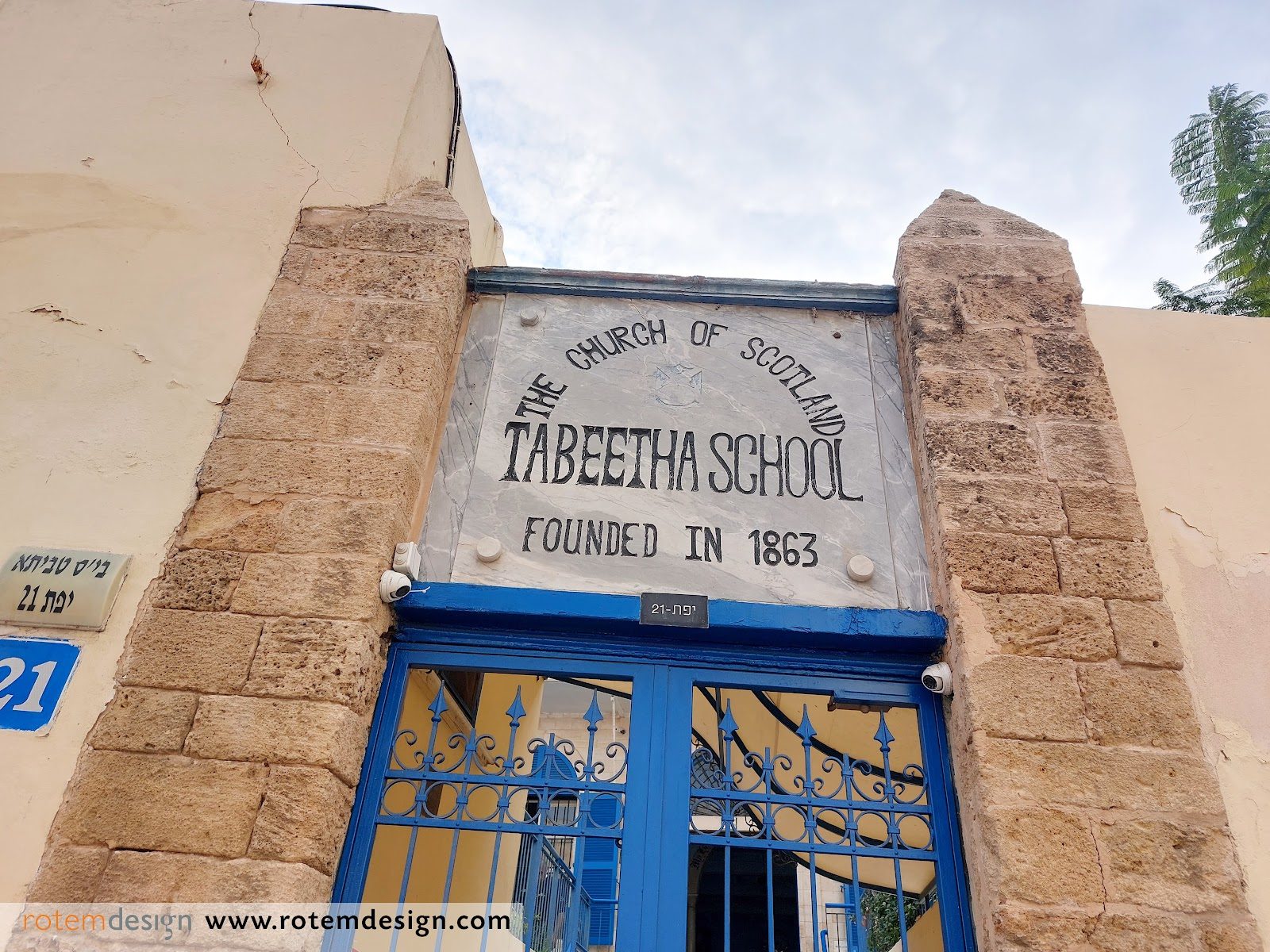
Tabeetha School
Jaffa · Israel
Founded in 1863 by a Scottish missionary's daughter, the only Church of Scotland school on earth still teaches Jaffa's three faiths side by side.

Germantown Friends School
Philadelphia · United States
Rooted in an 1845 Quaker meeting in historic Germantown, where juniors design a month-long independent study of their own.
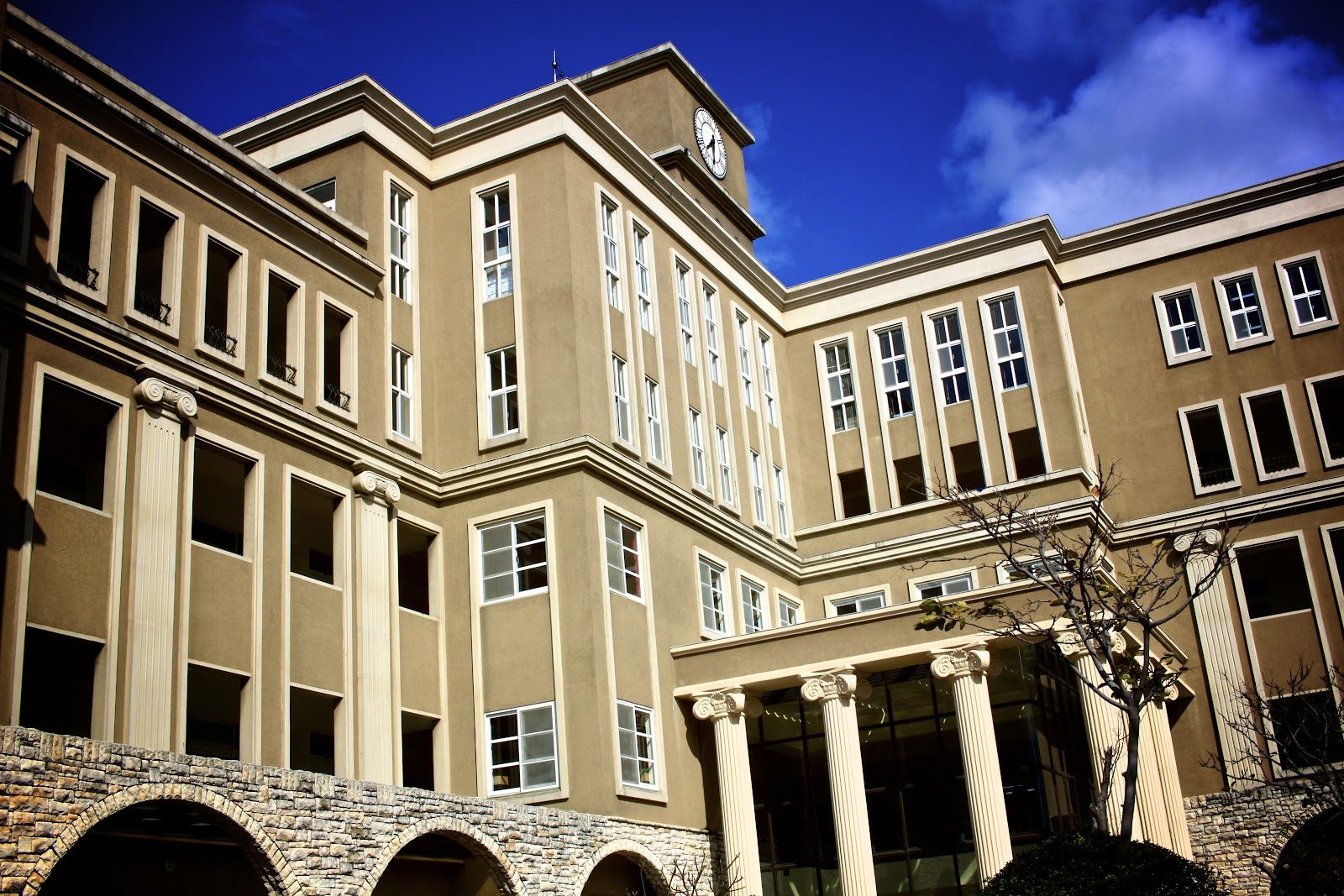
Hsinchu International School
Hsinchu · Taiwan
An American-curriculum day school in Xiangshan District, built to prep Taiwan's Silicon Valley kids for AP-track college admissions.
Same country and curriculum — closest matches within ±10 points either way