
Kuala Lumpur
Australian International School Malaysia
The only Malaysian school delivering the NSW Higher School Certificate, and the world's first certified Visible Learning campus.

Photo © Australian International School Malaysia via Google Maps
Type
Day
Ages
3–18
Curriculum
Australian
Qualifications
HSC (NSW)
Ratio
—
The Verdict
Editor's commitment
Right for
Families in Kuala Lumpur who want a day school, ages 3–18, teaching in English and ending with the NSW Higher School Certificate.
Wrong for
Parents chasing IB, A-Levels, boarding or a religious ethos; AISM is secular, day-only, and its curriculum is Australian.
Watch out for
AISM sells its 2024 HSC results hard and carries NEAS accreditation, but it does not publish aggregate scores or university destinations.
Ranking breakdown
Australian International School Malaysia · #1276 of 1591
Composite score 56.4. 8 weighted criteria.
By criterion
Academic Outcomes
Weight 20%
#1085
of 1529 scored
University Placement
Weight 16%
#1164
of 1529 scored
Prestige & Heritage
Weight 12%
#1334
of 1571 scored
Alumni Network
Weight 12%
#1405
of 1530 scored
Facilities
Weight 12%
#1017
of 1533 scored
Transparency & Communications
Weight 8%
#1100
of 1532 scored
Peer & Industry Review
Weight 10%
#1415
of 1548 scored
Admissions Selectivity & Demand
Weight 8%
#1232
of 1529 scored
Peer & Industry Review
How Australian International School Malaysia is regarded in the sector
58
Credible · medium confidence
AISM occupies a respected but second-tier position among Kuala Lumpur's international schools. It sits below the long-established IB/British-curriculum leaders such as ISKL and Alice Smith School, and alongside Garden International School and Mont Kiara International School in ranking discussions on WhichSchoolAdvisor Malaysia and expat-forum comparisons, where it is consistently praised for delivering genuine Australian curriculum (ACARA-aligned) with NAPLAN benchmarking rather than a localized hybrid. Independent education commentary frames it as a strong, values-driven option for Australian and expatriate families seeking curriculum continuity, rather than a top academic-prestige destination. University placement data it publishes shows a steady flow to Australian Group of Eight universities (Monash, Melbourne, Sydney) alongside UK and Malaysian private university pathways, reflecting its curriculum identity more than elite global admissions cachet. It does not feature prominently in Tatler-style prestige lists or national league tables dominated by the IB diploma cohort schools, and there is little public evidence of rival heads publicly benchmarking against it. Its reputation is therefore niche-strong: well regarded for curriculum fidelity and pastoral care, but not yet positioned as a peer to Malaysia's most internationally ranked schools.
Editors' overview
Australian International School Malaysia occupies a narrow, useful niche in Kuala Lumpur. It is a day school for ages 3–18, founded in 2000, teaching in English and delivering an Australian curriculum all the way to the New South Wales Higher School Certificate. That matters because the HSC remains unusual in this market: for families who want an Australian exit route rather than the IB or A levels, AISM sits in a category of one. The school also leans hard on its claim to be the world’s first certified Visible Learning campus. Strip away the branding and the practical point is clear: AISM puts unusual weight on explicit teaching goals, feedback and student reflection. For some children, that creates a clear sense of direction rather than vague progressive rhetoric.
The school’s strongest selling point is coherence. Many international schools bolt together a curriculum, an assessment model and a pastoral message that do not fully match. AISM’s model is tighter. The HSC’s 50/50 split between school-based assessment and external examinations gives pupils a longer runway than a system driven by final exams alone, while still preserving outside scrutiny. That structure suits students who work steadily, write competently, and benefit from measured academic pressure rather than one-shot high-stakes assessment. The age range also gives AISM a full through-school proposition from 3–18, with English as an Additional Language support and an Academic English Pathway for students aged 11 to 15. For internationally mobile families, that makes entry more realistic than at schools that expect fluent English from day one.
Parents should still read the school with a cool head. AISM markets world-class facilities, outstanding results and expert teachers, but it does not publish the aggregate HSC data that would let families benchmark performance in detail. The school does state that 2024 brought its best HSC results in its history; that is encouraging, but it is not the same thing as public score distributions or university destinations. NEAS accreditation is relevant for English-language provision, not a blanket proxy for every aspect of school quality. So the case for AISM rests less on glossy superlatives and more on fit: a settled, structured environment, a distinct Australian pathway, and a teaching model built around visible progress.
Who thrives here? Students who value routine, teacher guidance and consistent feedback. Children who enjoy sport, school competitions and a broad co-curricular life will find plenty of institutional energy. So will pupils who want an international school without the ideological fog that can cloud more fashionable offerings. AISM belongs on a shortlist for families seeking the Australian curriculum in Malaysia, for students targeting Australian university recognition through the NSW HSC, and for children who do best in a school that prizes steady growth, pastoral steadiness and academic structure over educational theatre.
Academic Performance
AISM makes a strong claim on outcomes, but the public data remain thin. The school says its latest Year 12 cohort produced the best HSC performance in its history and earned recognition in Australia and beyond. That is positive, and the HSC itself carries external scrutiny that matters more than internal celebration. Even so, AISM does not publish the aggregate score profile, top-band distribution, median ATAR-equivalent outcomes, or a university destinations list. For parents trying to judge academic strength against other international schools in Malaysia, that is a real gap. “Best ever” is not a benchmark. Published numbers are.
Relative to peers, AISM’s advantage lies in market position rather than transparent score reporting. It is the only school in Malaysia offering this senior Australian pathway, so direct local comparison is limited from the outset. Against IB and A-level competitors in Kuala Lumpur, that leaves AISM in a distinct but hard-to-rank lane: families are choosing an exit route as much as a results profile. The assessment structure — 50% school-based work and 50% external examination — rewards consistency and can suit students who perform better across a full course than in a single exam season. That can produce solid, durable outcomes for the right child. It does not, however, place the school among the city’s fully evidenced academic heavyweights until it discloses fuller HSC data.
Facilities
AISM trades hard on world-class facilities, but the school does not publish the kind of campus inventory that lets parents test that claim properly. What is visible from its public presentation is a school that puts real weight on breadth: sport is not decorative, languages have competitive profile, and the arts sit inside the mainstream life of the school rather than on the edge. The steady stream of swimming, athletics and wider inter-school competition news points to functioning sports provision, not a token gym and a patch of grass. For a through-school serving children from the early years to pre-university, that matters more than architectural showmanship. Families looking for flashy landmark campuses with signature theatres, aquatics complexes or headline-making design will need to ask sharper questions on a tour, because AISM does not lay out those assets in detail.
Against Kuala Lumpur peers, that places the school in a competent rather than lavish bracket on public evidence. Some rivals publish exhaustive facility lists, specialist labs, black-box theatres, elite performance spaces and extensive outdoor sport infrastructure; AISM is less transparent and therefore less able to convert facilities into a clear competitive advantage. The strength lies in utility. Its campus supports a busy all-rounder culture with room for sport, multilingual activity and school-wide events, and that will satisfy many families. The weakness is plain: if facilities are a deciding factor, AISM asks parents to trust the tour more than the published record.
Australian International School Malaysia occupies a narrow, useful niche in Kuala Lumpur
Prestige
AISM’s prestige is specialist rather than grand. In Kuala Lumpur’s international-school hierarchy, it does not carry the old-brand cachet of long-entrenched British names or the automatic global shorthand of the IB powerhouses. Its standing rests on something narrower and more practical: for families who want an Australian pathway all the way to the NSW Higher School Certificate, AISM has a clear monopoly position. That matters. So does its claim to be the world’s first certified Visible Learning campus. Parents will either value that as a serious teaching framework or dismiss it as educational branding; the difference lies in whether the classroom delivery is as disciplined as the slogan. The school’s public identity also leans heavily on competition success, student leadership and a busy, all-rounder culture, which gives it visible profile beyond the classroom.
That said, prestige here is not built on *scarcity, social polish or elite mystique*. It is built on usefulness, continuity and a distinct exit route. For some families, that is more valuable than inherited status. The weakness is transparency: the school claims record HSC outcomes and highlights its balanced 50/50 assessment model, but it does not publish the fuller results data that top-tier academic reputations require. Nor does it trade on a famous alumni network or a century-deep institutional mythology. So the verdict is straightforward: AISM has credible niche prestige in its own lane, strong recognition among parents seeking an Australian education, and less pull for families shopping on pure status.
Even so, AISM does not publish the aggregate score profile, top-band distribution, median ATAR-equivalent outcomes, or a university destinations list
Communications
AISM communicates in a busy, parent-facing way. The website pushes direct calls to action — book a tour, enquire now, apply now — and keeps admissions routes easy to find. It also gives parents a usable outline of the school journey, from early years through pre-university, with separate pages for EAL support and the Academic English Pathway. That matters because schools serving an internationally mobile intake need to explain entry points and support structures plainly. AISM does that better than schools that hide key practicalities behind glossy mood-setting. The news feed also helps: regular updates on sport, language competitions and student activities show a school with a steady drumbeat of outward communication rather than long public silences.
The weakness is depth. AISM is strong on promotion and serviceable on day-to-day visibility, but weaker on the information serious parents use to judge substance. It says plenty about community, wellbeing and achievement; it says less about harder measures such as destination patterns, whole-cohort academic data, staff turnover or the mechanics of pastoral follow-through. The result is clear enough communication for families booking a first visit and a less rigorous picture for those doing close comparison. The portal login points to a more functional internal channel for existing families, but public-facing communication still does more selling than explaining. Effective, then, in access and tone; thin where scrutiny matters.
Uniqueness
AISM’s real point of difference is not a slogan but a rarely matched alignment between teaching method, assessment model and student profile. The school puts explicit learning goals, feedback and reflection at the centre of classroom practice, then pairs that with a senior qualification assessed 50/50 between coursework and external examination. That combination brings a practical academic advantage: pupils do not spend their school life in one style of teaching and then face a completely different logic at the finish line. Students who need clarity, steady checking-in and visible progress get a system built around exactly that. The benefit is strongest for children who work best through accumulation rather than last-minute performance, and for families who want an international education without fashionable vagueness.
The other distinctive feature is market position. In a city crowded with British and IB routes, AISM gives families a clean alternative with a direct Australian university-entry pathway and in-school English support that extends into an academic pathway for older learners. That widens access for internationally mobile families and for students still consolidating academic English. It also shapes the student experience beyond lessons: the school’s public life has a busy competitive streak, from sport to multilingual contests, which fits the all-rounder ethos better than schools that talk expansively about holistic education but show little concrete activity. The result is a school with a clear internal logic and a specific audience, not a generic international-school mash-up.
The school also leans hard on its claim to be the world’s first certified Visible Learning campus
Student Profile
AISM suits students who do better with structure than with improvisation. The school’s teaching culture prizes explicit goals, feedback and reflection, so the natural fit is a child who wants to know what success looks like and how to reach it. This is a strong environment for steady grafters, teacher-responsive learners and pupils who gain confidence from visible progress rather than romantic talk about self-direction. It also fits families who want an Australian pathway without having to decode a hybrid school model. The presence of in-school English support, including a more intensive pathway for learners aged 11 to 15, widens the intake beyond fully fluent international-school veterans and makes the school workable for mobile families arriving mid-journey.
Socially, the profile is more all-rounder than specialist. The school projects a lively competitive culture through sport, languages and leadership, so students who enjoy joining in, representing the school and being part of a busy communal rhythm will settle well. Children who want a highly rarefied academic atmosphere or a more bohemian, self-invented school culture will find less of that here. Equally, pupils who resist routine, dislike frequent feedback or need large amounts of anonymity can chafe. AISM works best for children who are grounded, coachable and outward-facing — the sort who thrive when adults set clear expectations and the school day has real momentum.
Strip away the branding and the practical point is clear: AISM puts unusual weight on explicit teaching goals, feedback and student reflection
Co-curricular strengths
Arts & sport, on a separate axis
Overall 8.2/10
Scored 0-10 from the school's own published evidence. This axis is editorial-only — it does not feed the main WTS ranking.
Sports
8.5/10
Drama
8/10
Dance
7.5/10
Music
9/10
Visual Arts
8/10
Strengths
- +AISM is the only school in Malaysia delivering the New South Wales Australian Curriculum through to Year 12, with teachers predominantly Australian trained, giving a recognised pathway into Australian universities.
- +The school became part of the Taylor's Education Group in 2007, a Malaysian operator that also runs several other established KL international schools.
- +AISM has achieved full accreditation from the Council of International Schools (CIS), joining a select group of schools worldwide with this recognition.
- +Facilities include a dedicated Performing Arts Centre with a black box theatre and soundproofed music rooms, science laboratories, a Design & Technology workshop, and a 25-metre swimming pool.
- +Class sizes are relatively small, averaging around 20 students with a stated maximum of 25 per class.
Considerations
- −The campus sits in Seri Kembangan, a suburb roughly 20 kilometres south of central Kuala Lumpur, meaning a real daily commute for families based in northern expat enclaves like Mont Kiara or Ampang.
- −Published yearly fees range from about RM45,760 to RM97,600, and from 1 July 2025 all private and international schools in Malaysia, including AISM, must charge 6% Service Tax on annual fees exceeding RM60,000 per student.
- −The academic offering is rooted solely in the Australian National Curriculum leading to the HSC, rather than the IB or A-Level, which narrows options for families not committed to an Australia-bound university route.
- −Enrolment is modest, with around 370 students on campus, a smaller peer group and subject range than some larger, better-known KL international schools.
Availability
Primary entry gate & tests
Academic Record
Gallery
Photo © 500 Steps via Google Maps
Photo © 500 Steps via Google Maps
Photo © 500 Steps via Google Maps
Photo © Australian International School Malaysia via Google Maps
Photo © zrpixar image via Google Maps
Photo © zrpixar image via Google Maps
Photo © 500 Steps via Google Maps
Parent reviews
Have you sent your child here?
Voice reviews carry the strongest trust badge — we transcribe them for you to tidy up before they go live. Prefer to type? A written review is fine too.
Add your voice
In 60 seconds, tell other parents: what's the best thing about Australian International School Malaysia, and what surprised you when your child joined?
We ask for a Google sign-in so every review has a real face behind it — no anonymous drive-by attacks on schools, and no faked positive reviews. Your email is never shown publicly.
Send this profile to a friend
International parents rely on word-of-mouth. Share this review with someone weighing the same decision.
Schools with places
Similar schools to Australian International School Malaysia with places available now.
Alice Smith School
Kuala Lumpur · Malaysia
- 2026-27
- WAITPOOLSpace-dependent
- 2027-28
- PLACES OPENRolling
International School of Kuala Lumpur
Kuala Lumpur · Malaysia
- 2026-27
- WAITPOOLSpace-dependent
- 2027-28
- PLACES OPENRolling
Availability first, then country, area, curriculum, price, co-curricular
Consider also
Also worth looking at alongside Australian International School Malaysia.
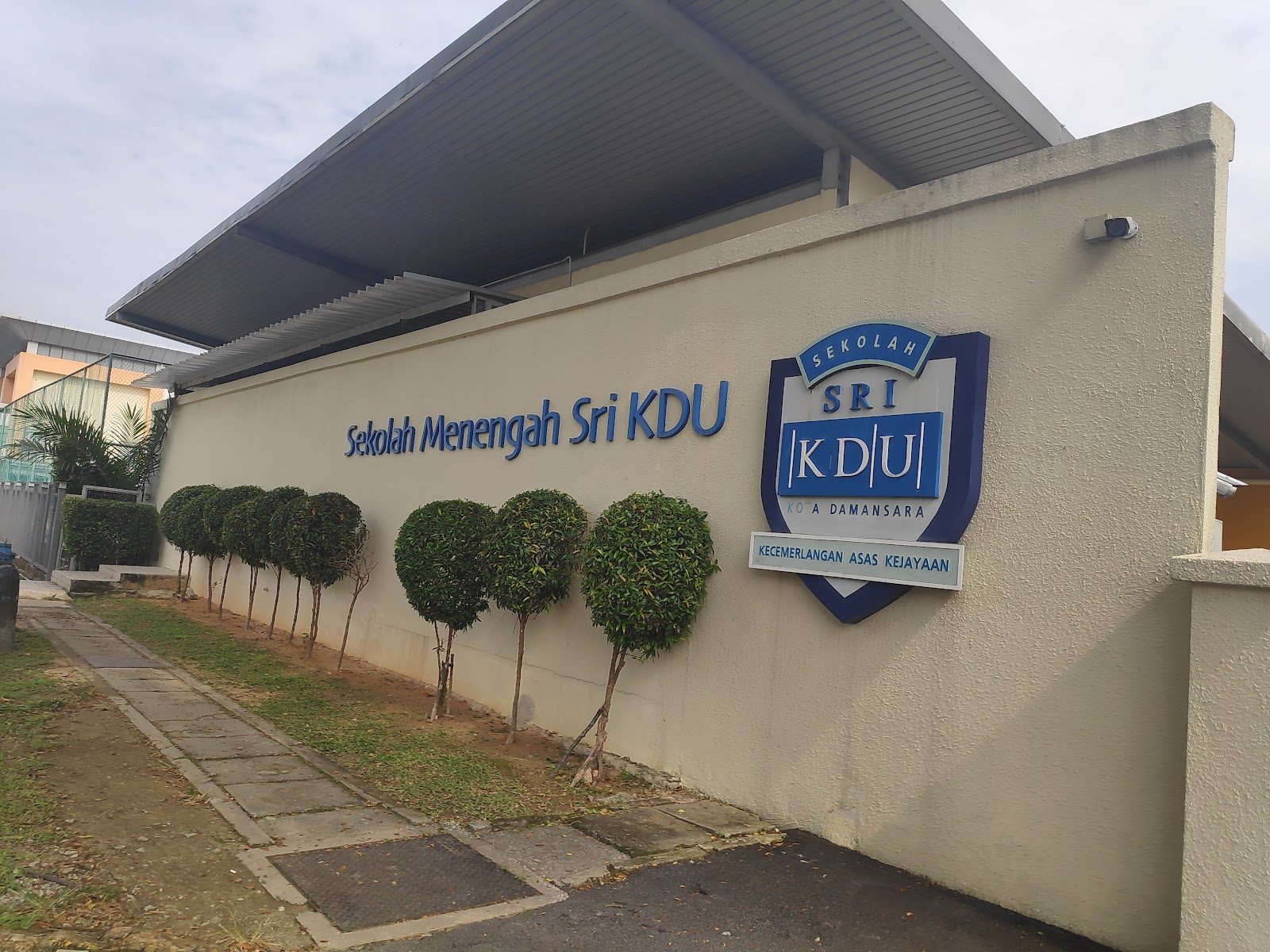
Sri KDU International School
Kota Damansara · Malaysia
In Kota Damansara, a bilingual English-Chinese co-teaching model runs alongside the British-to-IB pathway through Sixth Form.
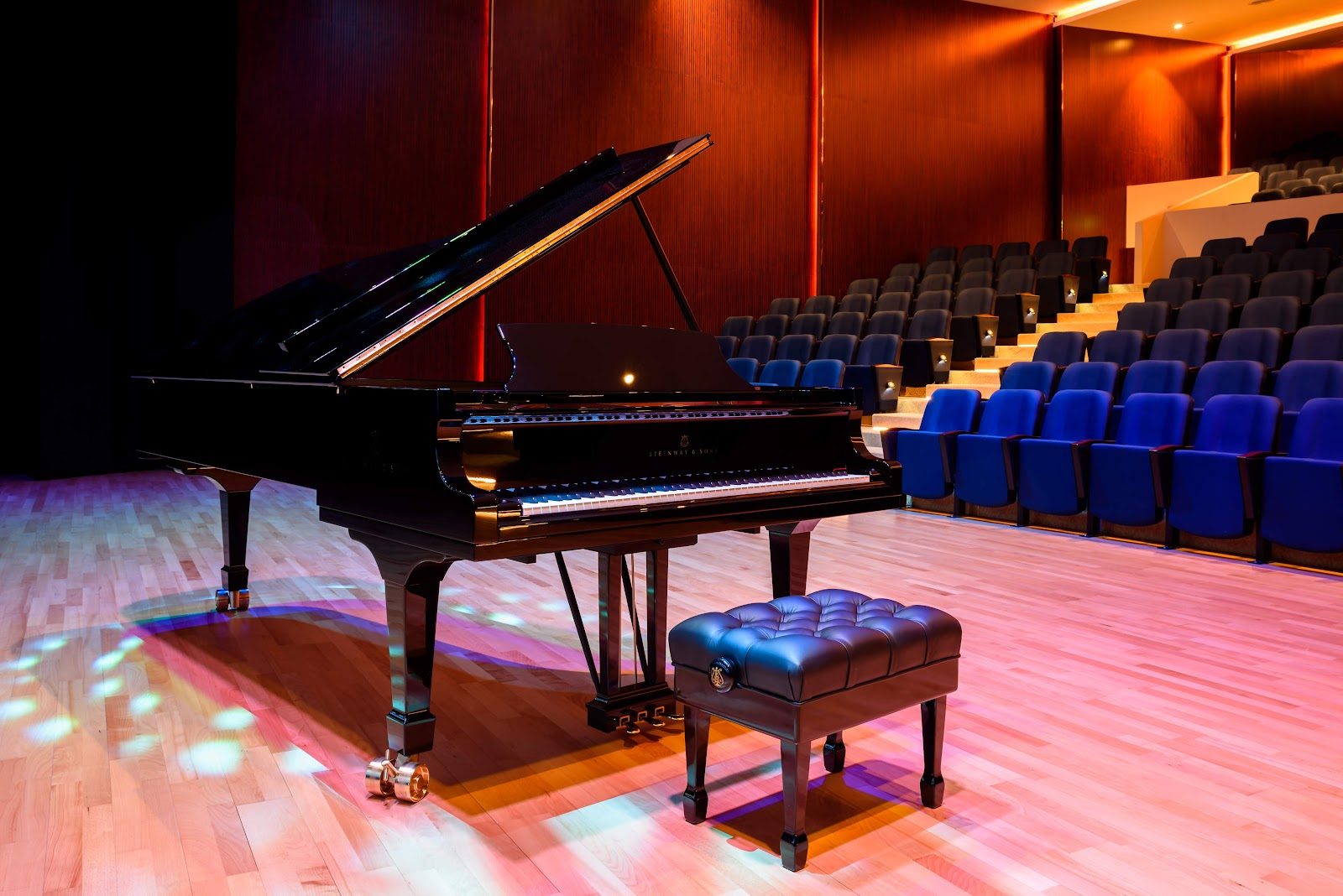
Fairview International School
Kuala Lumpur · Malaysia
In Wangsa Maju since 1978, the first Malaysian campus to run the full IB continuum, from PYP to Diploma, alongside a character-building Falcon expedition programme.
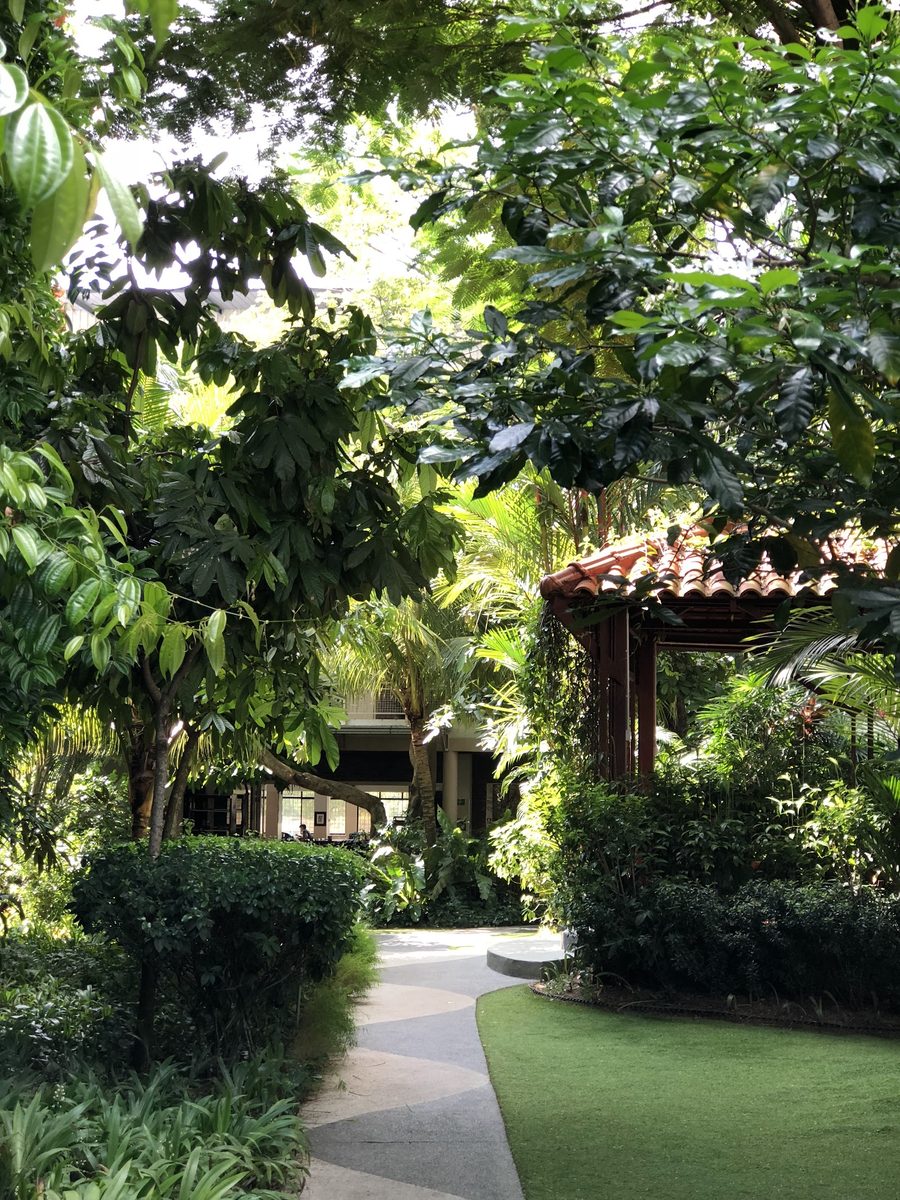
Uplands School
Penang · Malaysia
Born on Penang Hill in 1955, Malaysia's oldest international school now anchors IB rigor to a beachfront campus in Batu Ferringhi.
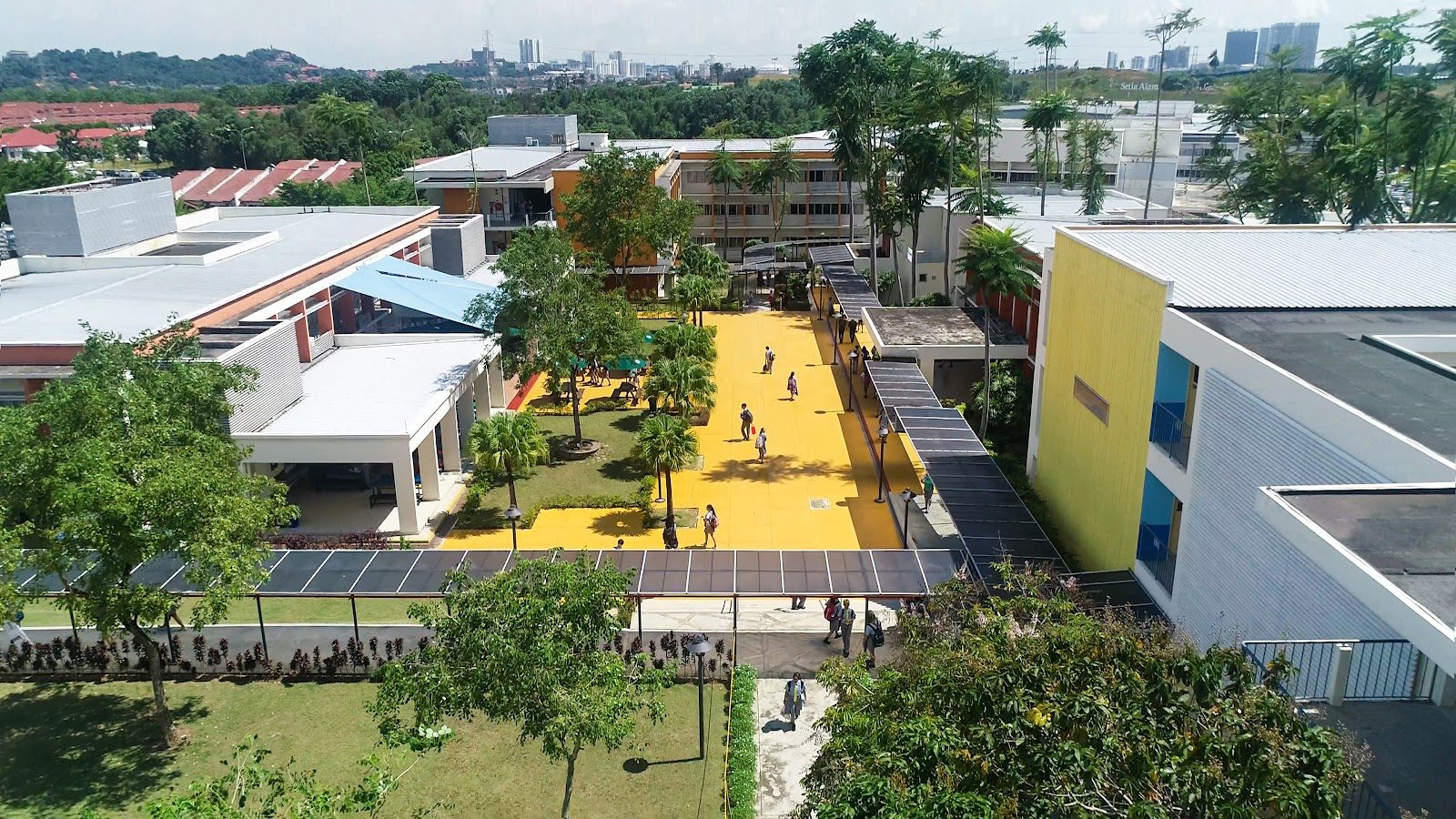
Tenby International School Setia Eco Park
Shah Alam · Malaysia
On a 20-acre Setia Eco Park campus, dual British and Malaysian pathways share one site from Early Years through A Level
Same country and curriculum — closest matches within ±10 points either way