
Gloucestershire
Since 1853, a pioneer of girls' academic education, still topping national IB Diploma tables among UK boarding schools.
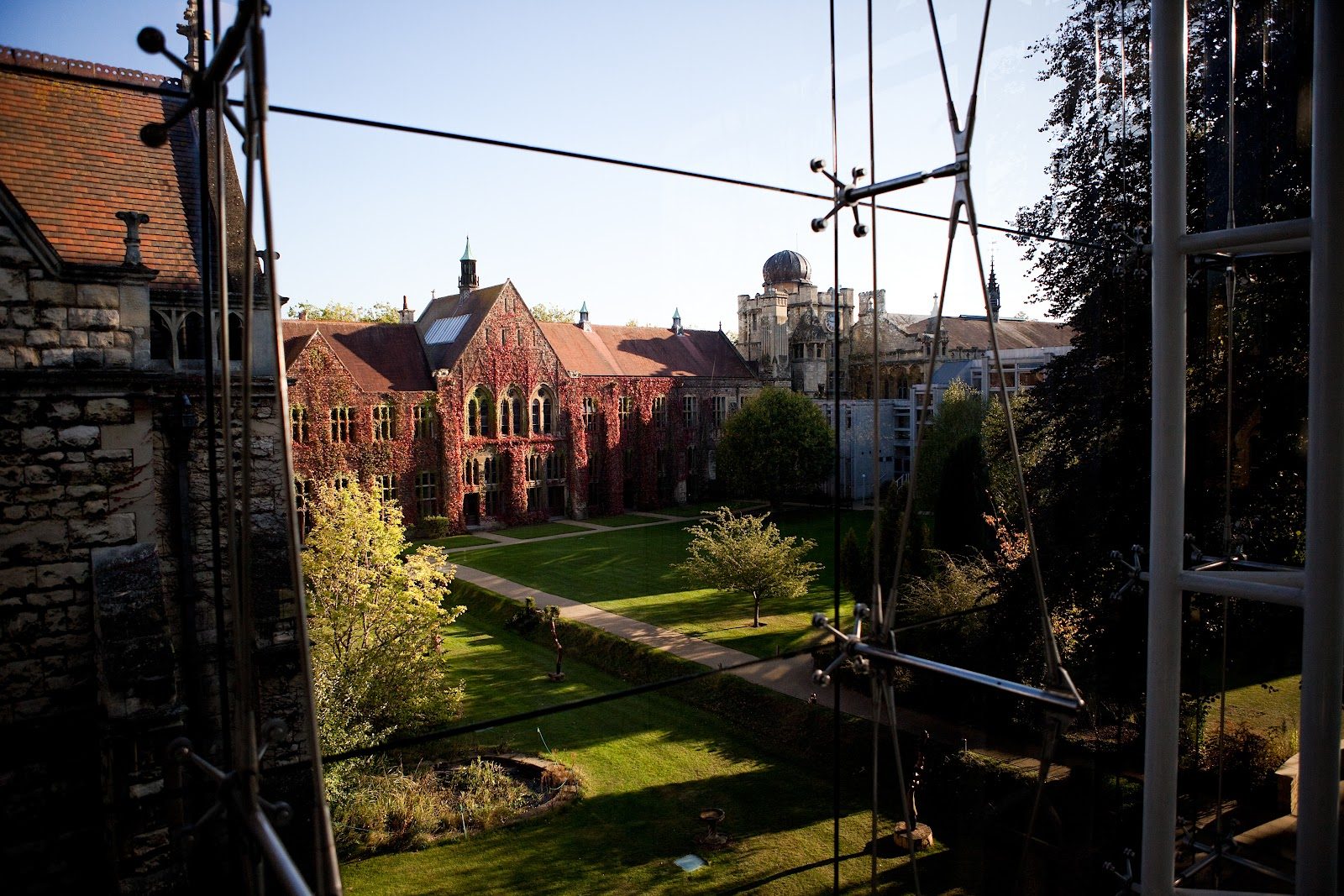
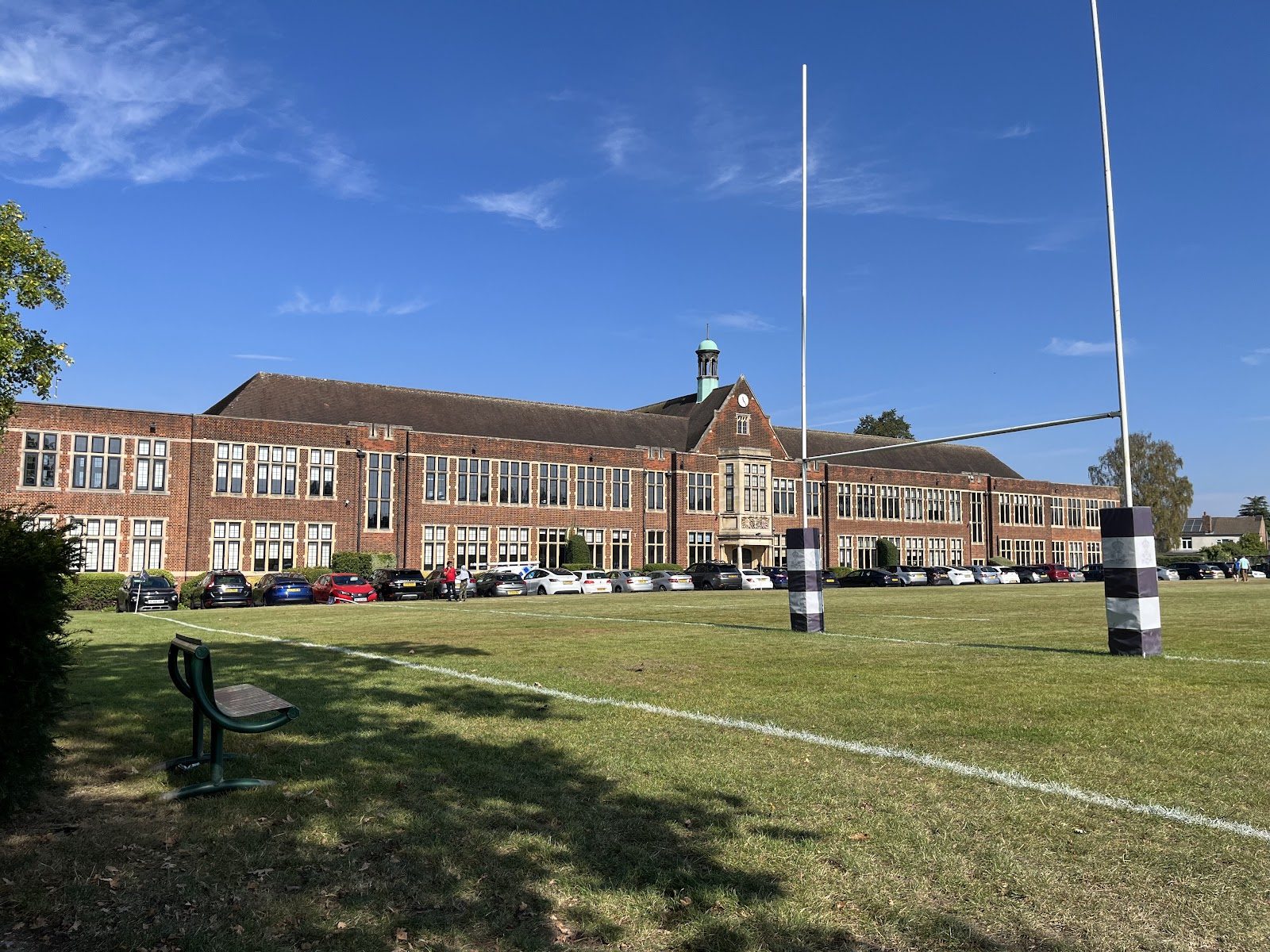
Photo © Cheltenham Ladies' College via Google Maps
Type
Both
Ages
11–18
Curriculum
IB
Qualifications
IB Diploma
Ratio
10:1
The Verdict
Editor's commitment
Right for
Girls aiming high academically: 26 Oxbridge places, 91% to top-100 universities, and a 40.6 average in the IB Diploma.
Wrong for
Families wanting co-education, lower fees, or a softer academic culture; day fees average £40,000 and boarding averages £63,000.
Watch out for
This is a serious 11–18 boarding school with a 10:1 ratio and 18-pupil classes; confidence and stamina matter.
Ranking breakdown
Cheltenham Ladies' College · #34 of 1591
Composite score 80.0. 8 weighted criteria.
By criterion
Academic Outcomes
Weight 20%
#91
of 1529 scored
University Placement
Weight 16%
#59
of 1529 scored
Prestige & Heritage
Weight 12%
#44
of 1571 scored
Alumni Network
Weight 12%
#81
of 1530 scored
Facilities
Weight 12%
#188
of 1534 scored
Transparency & Communications
Weight 8%
#204
of 1532 scored
Peer & Industry Review
Weight 10%
#66
of 1548 scored
Admissions Selectivity & Demand
Weight 8%
#81
of 1529 scored
Score history
Cheltenham Ladies' College · 2026
Movement across 2024–2026. Peer average overlaid.
Overall — 2024–2026
80.0/ 100
▲ +15.9 vs 2025
year on year
Peer & Industry Review
How Cheltenham Ladies' College is regarded in the sector
92
Top-tier · high confidence
Cheltenham Ladies' College is one of the most consistently referenced all-girls schools in the world, described by WhichSchoolAdvisor as "one of the best known of all-girl English independent schools in the world" and widely nicknamed the "girls' Eton" for its elite academic standing. The Good Schools Guide calls it "a top flight school with strong traditional values and a clear sense of purpose", while Tatler notes that "confident, resilient, clever girls flourish" there, and the college was named South West Independent Secondary School of the Decade by The Times and The Sunday Times in 2020. It topped UK girls' boarding schools for the International Baccalaureate in 2017, and its alumnae network, spanning actresses, politicians and pioneering professionals, reinforces a reputation built over more than 170 years rather than recent marketing. Occasional independent pupil accounts flag pastoral pressure points, but these barely dent a peer and press consensus placing it at the very top of the UK boarding sector.
Editors' overview
Cheltenham Ladies’ College still earns its place on a serious shortlist because it combines old-guard British boarding heft with results that are current, not inherited. This is a girls’ school founded in 1853, Anglican in foundation, and academically hard-driving in a way many schools advertise but fewer sustain. The numbers are plain enough: a 10:1 student-teacher ratio, average class size of 18, and a recent leavers’ profile in which 91% of 130 students went to top-100 universities, including 26 to Oxbridge, 37 to Russell Group institutions and 4 to the Ivy League. For a school that declares the IB curriculum, the academic case is reinforced by an IB average of 40.6 points in 2026, while GCSE results were equally forceful, with 71% at 9/8/A and 87% at 9–7/A–A. This is not a school trading on atmosphere while glossing over outcomes.
What is special here is the combination of intellectual ambition, female focus and scale of tradition. Cheltenham has produced generations of high-achieving alumnae, and the verified alumni footprint is deep: 128 notable former pupils catalogued in Wikidata, including 24 scientists and scholars, 40 writers and journalists, 8 politicians and statespersons, and 13 actors or directors. That matters because it tells parents what kind of institution this is: not a finishing school, not a gentle hothouse, but a place with a long record of sending bright young women into public, academic and cultural life. It also has the institutional marks parents expect at this level, with HMC membership and ISI accreditation. The fees place it firmly in the top-priced end of the UK market: an average annual day fee of £39,626 and an average annual boarding fee of £62,589 across the full ladder.
The caveat is obvious. This school will not suit families looking for a soft-edged or low-pressure education. The public language leans heavily on courage and confidence; the substance underneath is competition, expectation and a strong university track. The right student for Cheltenham is academically able, self-motivated and happy in an environment where high attainment is normal rather than exceptional. She does not need to be narrow—indeed the school pushes breadth—but she does need stamina, curiosity and the appetite to use them. For girls who want serious academic company, established boarding culture and a formidable record of university destinations, Cheltenham remains the real thing.
Academic Performance
Cheltenham’s examination profile places it in the top academic tier of British girls’ schools. The clearest marker is the school’s IB performance: an average of 40.6 points is not just strong; it is national-table territory among UK boarding schools, and it sits well above the level that most selective independents can sustain year after year. The school also publishes sixth-form results in a way that reinforces the same point from another angle, with 69% of A level grades at A*–A. At GCSE, the pattern holds: grade 9 dominates the profile, and the share of top grades is unambiguously elite. This is a school where public results are not padded with vague triumphal language; the numbers carry the case on their own.
Relative to peers, that matters. Plenty of prestigious girls’ schools produce strong leavers and polished university lists; fewer deliver external results that place them in genuinely rarefied company across more than one qualification route. Cheltenham does. The academic offer is also demanding rather than decorative: high attainment is built into the culture, not treated as an optional extra beside co-curricular life. Parents choosing between top-end British boarding schools should read the results plainly. This school competes with the strongest names in the sector on examination outcomes, and on the IB side it has a claim to be one of the country’s serious heavyweights.
Facilities
The physical offer here serves an academically intense boarding school rather than a resort-style campus. The school foregrounds life beyond the classroom — stage, sports pitch and wider College life — and the structure around day pupils and boarders points to a mature pastoral-and-logistics setup, with wraparound care, local bus routes, occasional boarding and a house system built to absorb new arrivals quickly. That matters because at schools with this level of pressure, infrastructure is not decorative; it has to keep the week running. With over 820 pupils and more than 150 joining each year, Cheltenham operates at a scale large enough to support depth of provision without tipping into the anonymity that plagues some larger boarding institutions. The houses, in that context, read as a practical strength rather than a heritage flourish.
Against close peers, the picture is strong but not unusually transparent. Top British girls’ schools at this price point often publish exhaustive detail on theatres, science blocks, studios, sports centres and specialist sixth-form spaces. Cheltenham’s public case puts more emphasis on culture and student life than on a forensic facilities inventory. That does not count against the school’s substance, but it does leave parents with less hard detail than they get from some competitors. The key takeaway is that this is a campus built for a serious full-school experience: boarding-integrated, operationally polished and geared to girls who will use the place from early morning to evening, not just pass through it for lessons.
The right student for Cheltenham is academically able, self-motivated and happy in an environment where high attainment is normal rather than exceptional
Prestige
Cheltenham carries old-line British prestige of the kind that still matters in this market. The school’s reputation does not rest on polished branding or inherited romance alone; it rests on selective demand, a long-established place in the top rank of girls’ education, and a record of sending pupils into the universities and professions that ambitious families watch closely. The shorthand comparison with Eton’s female equivalent is overused, but the social meaning behind it is real: this is a school with national clout, strong name recognition well beyond Gloucestershire, and an alumnae network that reaches into politics, academia, literature and the arts. The verified alumnae count alone — 128 notable former pupils catalogued on Wikidata — gives that claim substance.
What lifts Cheltenham above mere heritage is that the prestige still has current academic force. Too many famous schools coast on architecture, manners and ancestry; Cheltenham still produces results and destinations that justify its pricing and its status. That matters because prestige without present-tense performance is only nostalgia. Here, the school offers both: institutional heft, a hard-edged academic culture, and outcomes that keep it in the conversation with the strongest girls’ schools in Britain. The caveat is straightforward. This is expensive, exacting and socially legible. Families who want anonymity, looseness or a lower-pressure atmosphere will find more comfortable options elsewhere.
Cheltenham’s examination profile places it in the top academic tier of British girls’ schools
Communications
Cheltenham communicates with parents in a way that matches its culture: controlled, high-confidence and geared to admissions, results and institutional life rather than candid operational detail. The website is polished, current and easy to navigate. Key entry points are clear, open events are signposted early, and the school gives practical distinctions between day pupils, UK boarders and international boarders instead of collapsing everyone into one generic admissions funnel. That is good discipline. The school also keeps its public news flow active, with headline academic outcomes pushed to the front and a visible rhythm of events, deadlines and community stories. For a school taking in around 150 new pupils a year within a community of more than 820, that degree of public organisation matters.
Where the communication is less strong is in texture. Cheltenham tells parents what it values and what its pupils achieve, but it gives less of the granular, day-to-day information that some rival schools provide about systems, routines and the practical mechanics of school life. The tone is highly curated: “fearless futures”, celebration pieces, alumnae features, polished admissions copy. That builds brand coherence, but it does not answer every parental question before the visit stage. In other words, the school communicates authoritatively and with real administrative competence, but not with maximum transparency. Families already comfortable with elite boarding culture will read it easily. Families wanting exhaustive plain-English detail will need to ask sharper follow-up questions.
Uniqueness
What still makes Cheltenham distinct is not heritage on its own, but heritage fused to a single-sex academic purpose that has never been diluted. Many old British boarding schools now sell a blend of tradition, confidence-building and broad opportunity. Cheltenham’s identity is narrower and stronger than that. It was built to take girls’ intellect seriously, and the modern school still carries that hard-edged conviction. For students, that changes the atmosphere. Ambition is normal; intellectual risk is expected; leadership is practised without boys taking the default centre of gravity. The result is a school that gives able girls a rare kind of permission to be forceful, scholarly and publicly confident at the same time.
The other point of difference is the combination of scale, selectivity and outcomes in a girls-only setting that still feeds a large number of leavers into top universities. Each year, around 150 new pupils enter a community of more than 820, which gives the school unusual social and academic depth for a specialist all-girls institution. That breadth matters. Students get a substantial peer group, a house structure with real continuity, and an alumnae tradition that reaches far beyond charming nostalgia into public life, research and the arts. For the right girl, this is formative in a deep way: she gets serious academic company, an environment with institutional muscle, and a culture that treats female achievement not as a slogan but as the baseline.
At GCSE, the pattern holds: grade 9 dominates the profile, and the share of top grades is unambiguously elite
Student Profile
The girl who thrives here is bright, self-directed and comfortable being surrounded by other able students who take work seriously. This is not a place for coasting, social camouflage or anti-academic posturing. The school talks about curiosity, courage and compassion; the lived implication is a pupil body expected to speak up, stretch itself and use the opportunities on offer rather than sit back and be managed. New joiners enter in meaningful numbers each year, so there is room for fresh arrivals, but they still need enough confidence to step into an established culture with its own tempo and standards. The fit is strongest for girls who want serious academic company, a high-expectation peer group and a school identity that is unapologetically ambitious.
Temperament matters as much as raw attainment. The best-fit student has stamina, can handle feedback without drama, and does not need constant reassurance to keep going. She does not need to be narrowly bookish — the school plainly values stage, sport and wider participation — but she does need the appetite to contribute across a long, busy week. Day pupils and boarders are integrated, which suits girls who want full involvement rather than a transactional school day. With more than 820 pupils and around 150 joining each year, Cheltenham avoids the closed-club feel of smaller establishments while keeping a strong internal culture. For shy, fragile or pressure-averse students, the atmosphere will feel demanding. For girls with drive, resilience and intellectual appetite, it is a powerful match.
Parents choosing between top-end British boarding schools should read the results plainly
Co-curricular strengths
Arts & sport, on a separate axis
Overall 8.72/10
Scored 0-10 from the school's own published evidence. This axis is editorial-only — it does not feed the main WTS ranking.
Sports
8.5/10
Highly competitive in netball, lacrosse, and equestrian tracks, utilizing modern indoor physical pavilions and field layouts.
Drama
8.8/10
Exceptional theatrical training centered around the Parabola Arts Centre, feeding directly into Britain's top acting academies.
Dance
8.7/10
Highly dedicated formal dance curriculum running classical ballet, jazz, and modern composition inside custom sprung-floor studios.
Music
9.3/10
Outstanding musical depth; supports multiple jazz big bands, massive symphonies, and elite choirs with deep cathedral pipelines.
Visual Arts
8.3/10
Breathtaking visual studios producing top-tier design portfolios, digital multimedia creations, and fine art pieces.
Editor-verified · 8/6/2026
Outcomes & destinations
Where students go next
Editorial estimateClass of 2024
130 graduates
A-Level & IB distribution
99% covered
- A*44%
- A33%
- B18%
- C4%
Top destinations
67 placements
- Oxford· 14
- Cambridge· 12
- Yale· 2
- Harvard· 2
- UCL· 10
- Durham· 8
- Bristol· 8
- Edinburgh· 6
- St Andrews· 5
Girls' boarding; historically strong medical + humanities placement.
Editor-approximated from the school's own leavers report. Awaiting school-attested figures.
Notable alumni · Wikidata
128notable alumni
78 historic (born pre-1930) · 7 modern (born post-1970)wikidata:2026-07-28 How we source this
The story in one line
56% achieved ≥ AAB in 2+ facilitating subjects·ISI Routine Inspection 2025
AAB with 2 facilitating subjects is the Department for Education's published predictor of admission to a top-third UK university: the pupil has scored high grades in at least two of the classic Russell-Group subjects (maths, sciences, English, history, geography, or a modern language). Independent schools don't appear in the state-only HE-destinations dataset, so this is the strongest DfE-verified sixth-form signal available. Source: DfE 16-18 school and college performance data · 2023/24.
DfE-verified statistics
Official GCSE data · 2024/2025
Progress 8
—
Value-added score. State-schools only; 0 = expected progress, +1 = one grade above.
Attainment 8
78.2
Average grade across 8 GCSEs (score out of 90). National ≈ 46.
EBacc average score
7.13
Avg grade across the 5 EBacc pillars (English, Maths, Sciences, Language, Humanity).
EBacc slots filled
2.9
How many of the 5 EBacc pillars pupils typically enter (max 5).
A-Level attainment
Cohort · 2023/24
Avg A-Level grade
A
APS per entry: 48.94
Best 3 grade
A
Best-3 APS: 49.19
≥ AAB + 2 fac.
55.8%
Russell-Group predictor.
Progress (value-added)
+0.16
Above average
URN 115798Verified · DfE 2024/2025
Official inspection
ISI report · 2025
Inspectorate
Independent Schools Inspectorate
The Government-approved inspectorate for English independent schools.
Latest report
9 December 2025
Routine Inspection
Report history
Verified · Independent Schools InspectorateSource-of-truth

WTS 300 badge
2025/26 editionCheltenham Ladies' College is one of the World's Top 300 Schools for 2025/26. Claim your listing to add it to your site →
Strengths
- +The 2026 IB Diploma cohort averaged 40.6 points, with 71.4% of candidates scoring 40 or above and 94.3% at 35 or above (school website).
- +CLC runs both A-Levels and the IB Diploma concurrently, letting girls choose their own sixth-form pathway; its 2026 A-Level cohort achieved 69% A*-A across 379 entries (school website).
- +Founded in 1853, it is one of England's oldest established girls' schools, with deep institutional history and a large, long-standing boarding infrastructure.
- +Music provision is world-class (9.3), and the wider co-curricular offer is elite, supported by the Parabola Arts Centre and dedicated performance spaces.
- +Around three-quarters of pupils are boarders, giving the school a genuinely embedded boarding culture rather than a token boarding offer, with an intake drawn from more than 40 countries.
Considerations
- −It is a girls-only school, so it is not an option for families with sons or those specifically wanting co-education.
- −Fees are among the highest in UK independent education, at around £55,000 a year for boarding and £30,000 for day places.
- −Entry is highly selective, with reportedly three to four applicants per place at 11+ and 13+, and competition is described as particularly intense for boarding and scholarship places.
- −The campus sits in central Cheltenham rather than on a large rural estate, and is roughly a two-hour drive from London and its airports, a factor for international families weighing travel logistics.
Availability
Primary entry gate & tests
11+/13+/16+ Written Exams
Gallery
Photo © Ryan Chen-Wing via Google Maps
Photo © T K via Google Maps
Photo © T K via Google Maps
Photo © T K via Google Maps
Photo © Vinu Soma via Google Maps
Photo © Vinu Soma via Google Maps
Photo © Vinu Soma via Google Maps
Photo © Vinu Soma via Google Maps
Photo © Vinu Soma via Google Maps
Recommended reading
Independent write-ups of this school from editorial outlets we trust.
- Cheltenham Ladies' CollegeGood Schools Guide
Parent reviews
Have you sent your child here?
Voice reviews carry the strongest trust badge — we transcribe them for you to tidy up before they go live. Prefer to type? A written review is fine too.
Add your voice
In 60 seconds, tell other parents: what's the best thing about Cheltenham Ladies' College, and what surprised you when your child joined?
We ask for a Google sign-in so every review has a real face behind it — no anonymous drive-by attacks on schools, and no faked positive reviews. Your email is never shown publicly.
Send this profile to a friend
International parents rely on word-of-mouth. Share this review with someone weighing the same decision.
Schools with places
Similar schools to Cheltenham Ladies' College with places available now.
Sevenoaks School
Sevenoaks · United Kingdom
- 2026-27
- CLOSEDStandard route
- 2027-28
- PLACES OPEN11+/16+ Active; 13+ Closed
Godolphin and Latymer School
London · United Kingdom
- 2026-27
- CLOSEDStandard route
- 2027-28
- PLACES OPENCloses Nov
Fettes College
Edinburgh · United Kingdom
- 2026-27
- CLOSEDStandard route closed
- 2027-28
- PLACES OPEN
Southbank International School
London · United Kingdom
- 2026-27
- CLOSEDStandard route closed
- 2027-28
- PLACES OPEN11+ / 13+ / 16+ active
Availability first, then country, area, curriculum, price, co-curricular
Consider also
Also worth looking at alongside Cheltenham Ladies' College.
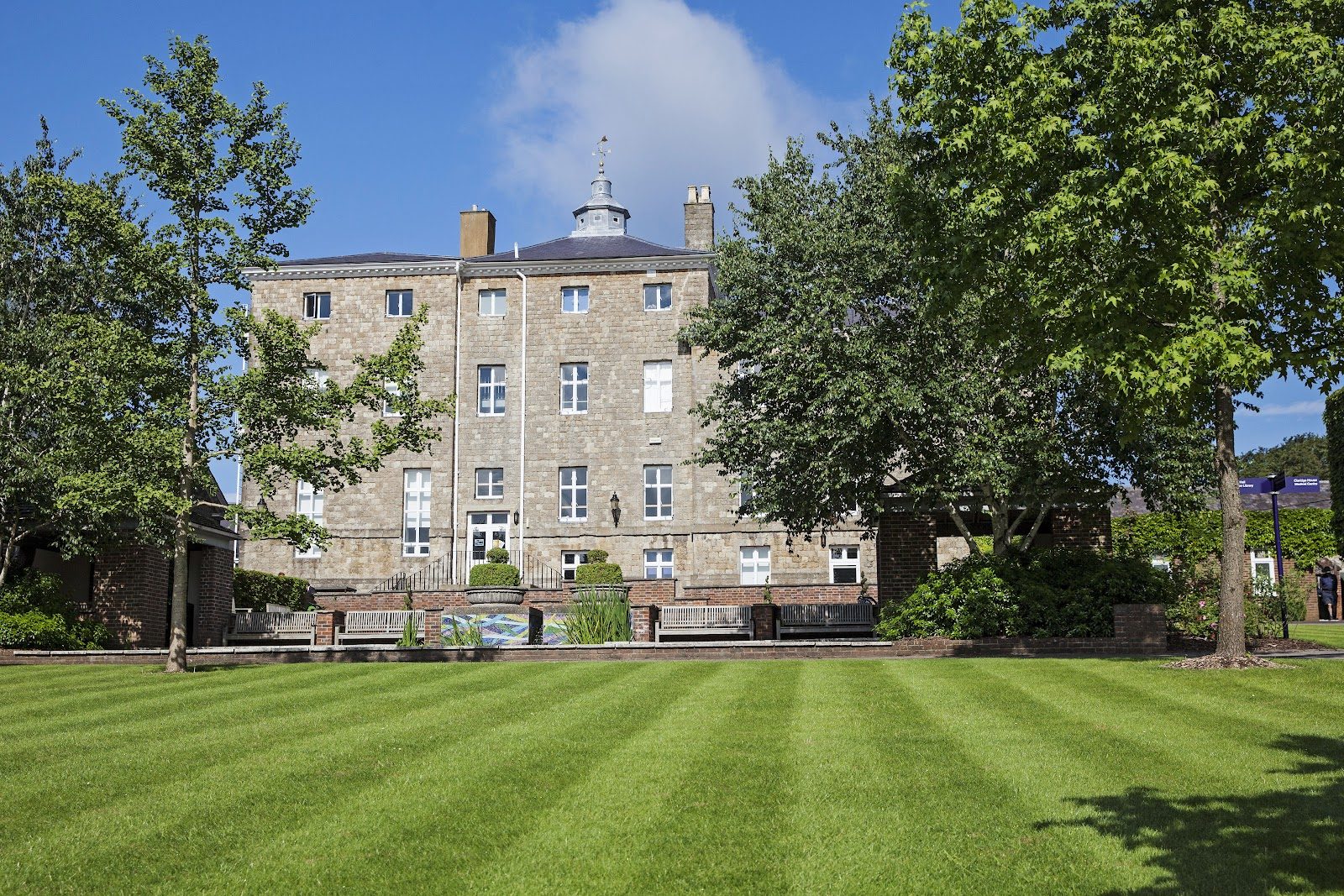
Sevenoaks School
Sevenoaks · United Kingdom
A six-century-old Kent foundation that dropped A-levels in 1999 to become one of Britain's first all-IB campuses.
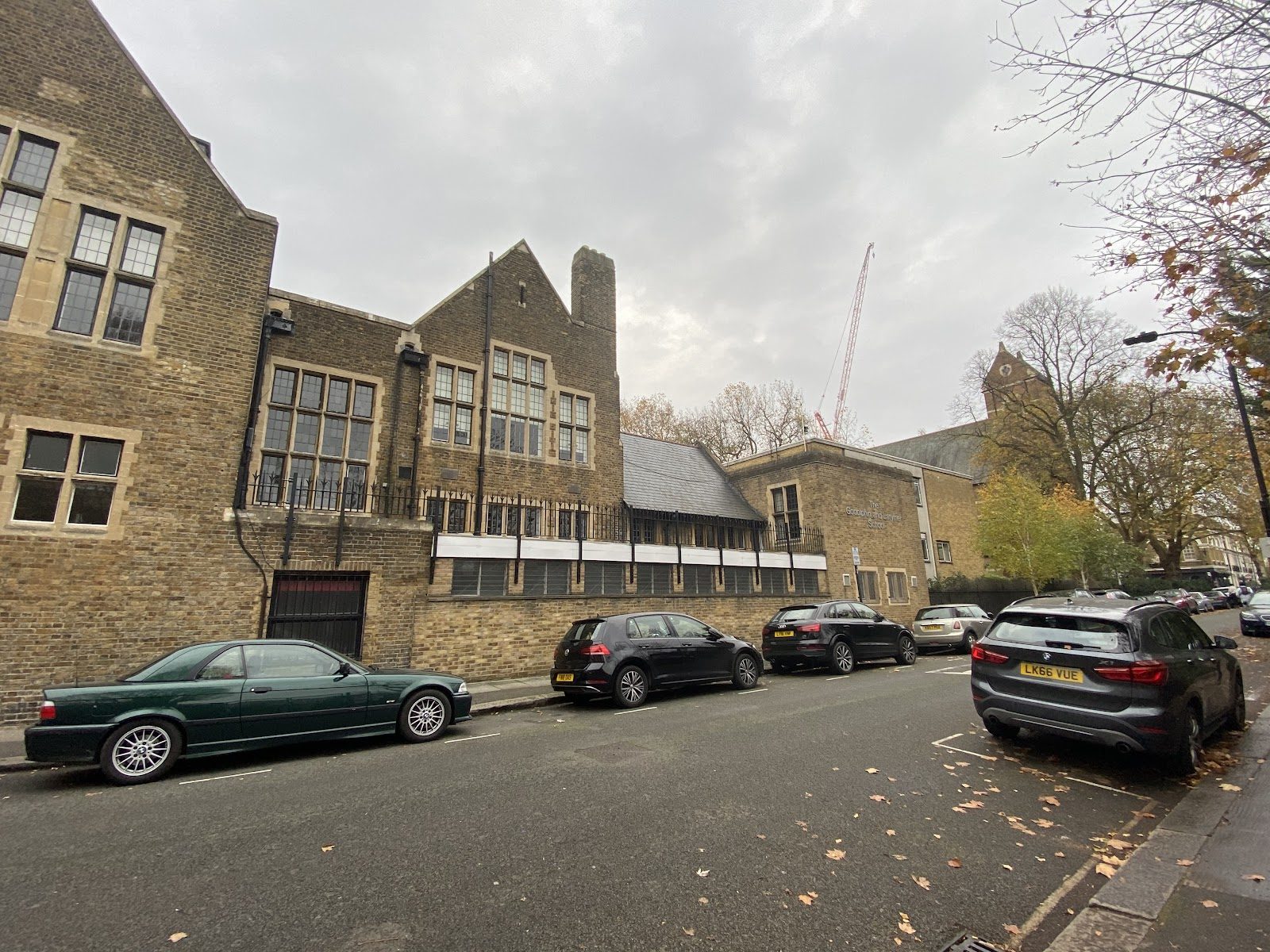
Godolphin and Latymer School
London · United Kingdom
A Thames-side Hammersmith campus where IB scores rank among the world's top ten and six houses bear the names of trailblazing women
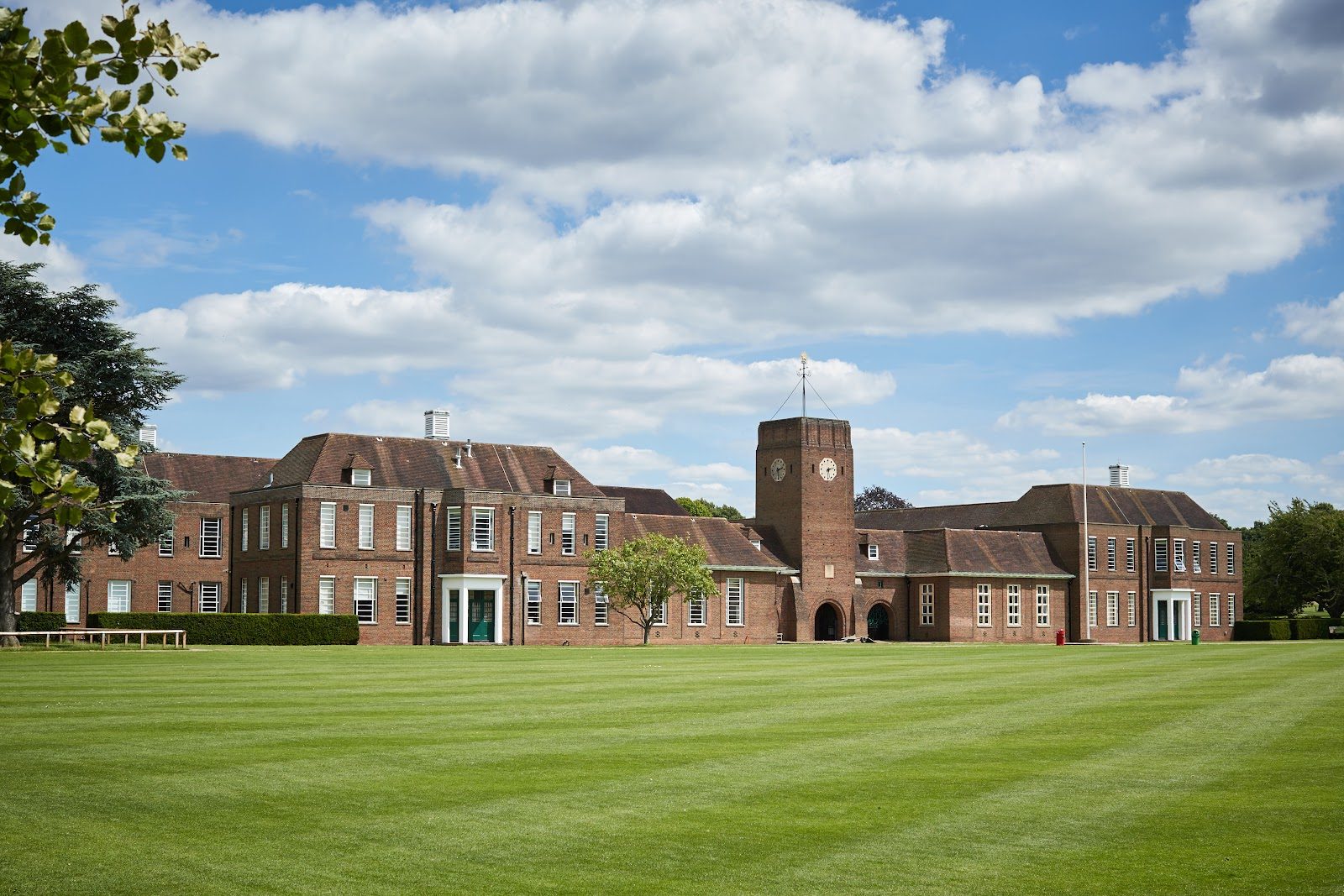
Merchant Taylors' School
Northwood · United Kingdom
A 1561 City livery-company foundation now spans 285 Art Deco acres near Northwood, its GCSE grades among England's top one percent.
Queen Elizabeth's School, Barnet
Barnet · United Kingdom
A 1573 royal charter grammar school that still tops England's grammar-school A-level tables -- and is now exporting its model to Dubai.
Same country and curriculum — closest matches within ±10 points either way